
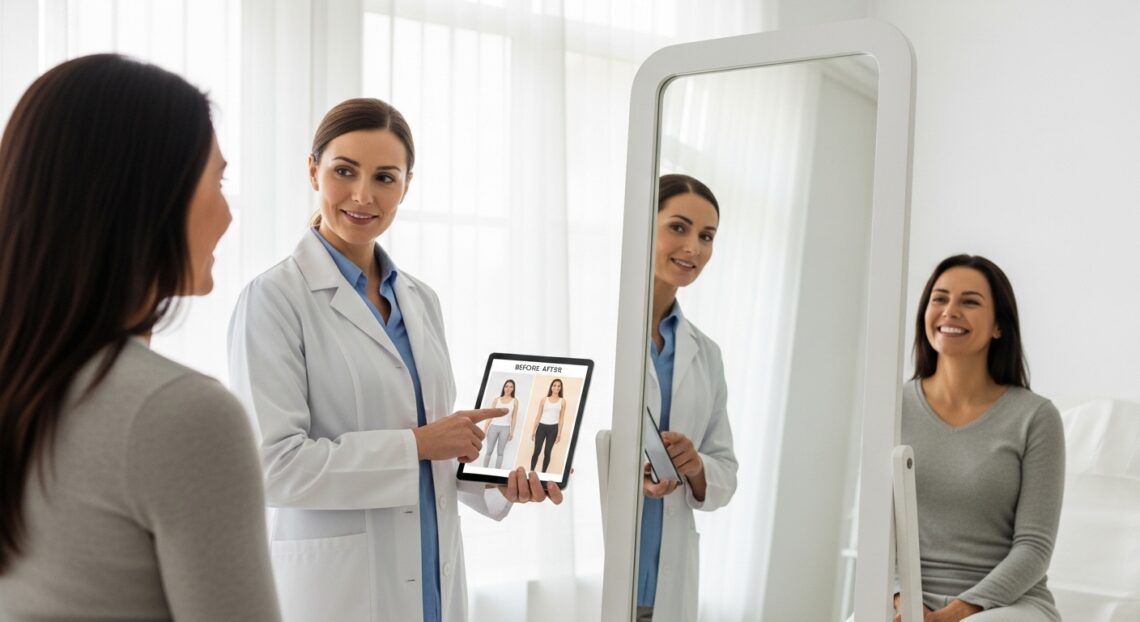
For decades, the local hair salon has been a sanctuary of style, gossip, and transformation. The familiar scent of bleach and hairspray, the sound of snipping scissors, and the comfortable chair where you confide in your stylist—it’s a ritual. But step into a growing number of these spaces today, and you might notice something different. Alongside the rows of hair color, you may find medical-grade lasers, microneedling devices, and licensed medical professionals. The line between the salon chair and the doctor’s office is blurring, and it’s not by accident. We are witnessing a significant shift where hair salons are evolving into hybrid medical facilities.
The Rise of Medical Aesthetics and Wellness
The beauty industry has undergone a seismic shift towards overall wellness and evidence-based results. Consumers are increasingly educated and seeking treatments that offer long-term benefits rather than quick, superficial fixes. This “wellness” movement treats beauty not as a separate entity but as an integral part of health. People now understand that luminous skin, strong nails, and healthy hair are often external reflections of internal well-being.
This paradigm shift created a perfect environment for medical aesthetics to flourish. Botox, fillers, and laser hair removal paved the way, moving these procedures out of exclusive dermatology clinics and into more accessible medi-spas. The natural progression of this trend has now reached the hair industry. Hair loss, thinning, and scalp conditions are often medical issues—linked to hormones, nutrition, genetics, and health—and they require more than a topical shampoo or conditioner to address. Salons are adapting to meet this sophisticated demand by integrating medical expertise, offering a one-stop-shop for clients who want to look and feel their best from head to toe.
Beyond Color and Cut: Addressing Medical Hair and Scalp Conditions
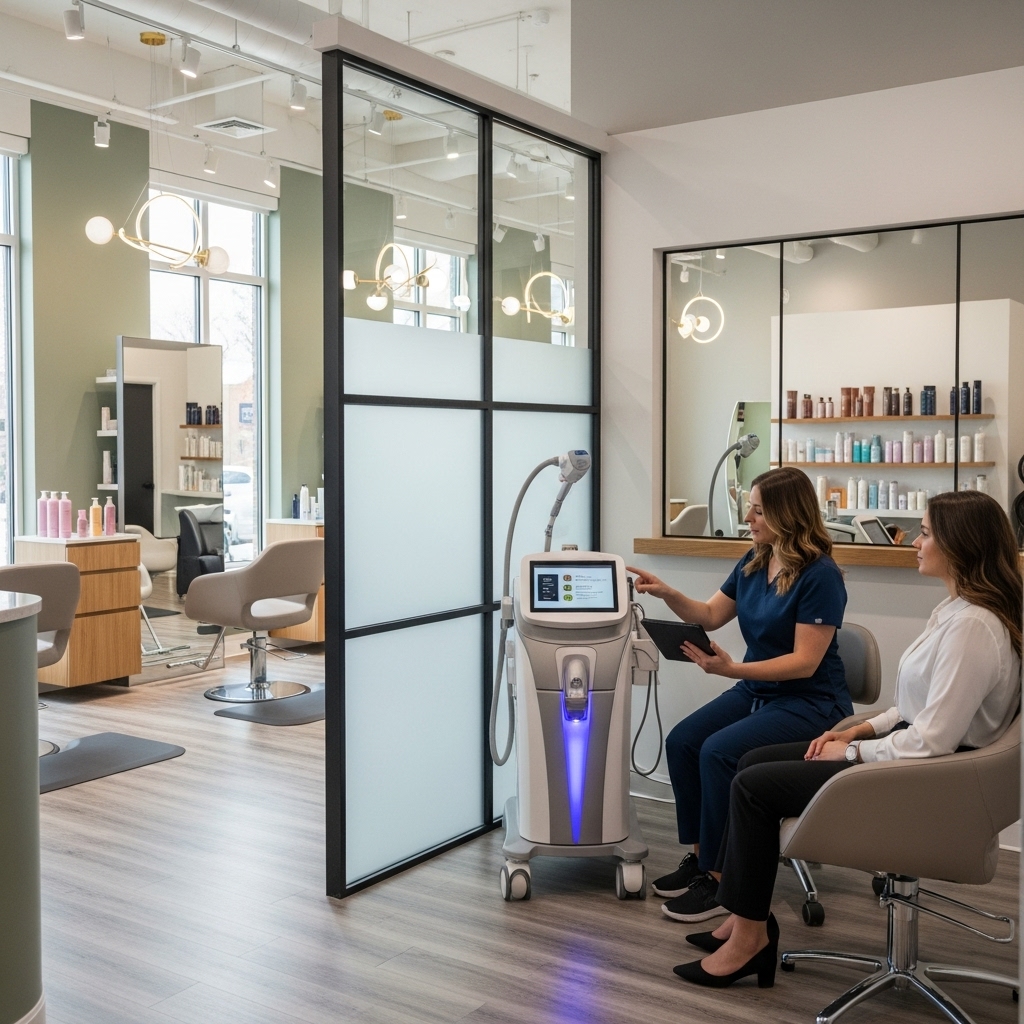
Traditional salons excel at cosmetic improvements, but they are often unequipped to handle underlying medical problems. A staggering number of people suffer from conditions like androgenetic alopecia (pattern hair loss), telogen effluvium (stress-induced shedding), psoriasis, seborrheic dermatitis, and scarring alopecias. These are health issues first and cosmetic concerns second.
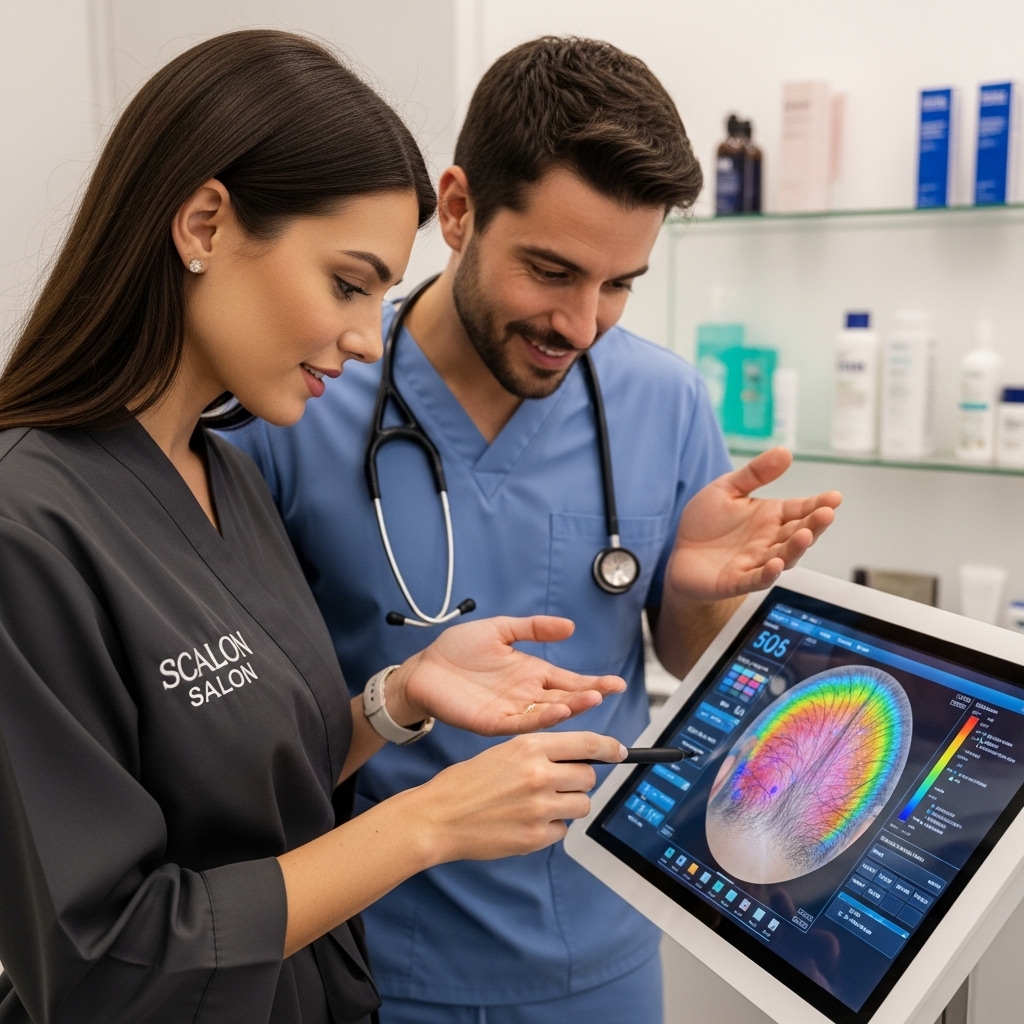
By incorporating medical services, salons can now properly address these problems. A stylist might notice thinning hair, but a nurse practitioner or trichologist on staff can diagnose the cause. This allows for a comprehensive treatment plan that may include PRP (Platelet-Rich Plasma) therapy, prescription-grade topical solutions, nutritional counseling, and low-level laser light therapy (LLLT). This holistic approach treats the root cause, not just the symptom, providing clients with genuinely effective, long-lasting solutions that were previously only available in a doctor’s office.
The Technology Revolution: Advanced Tools Demand Advanced Training
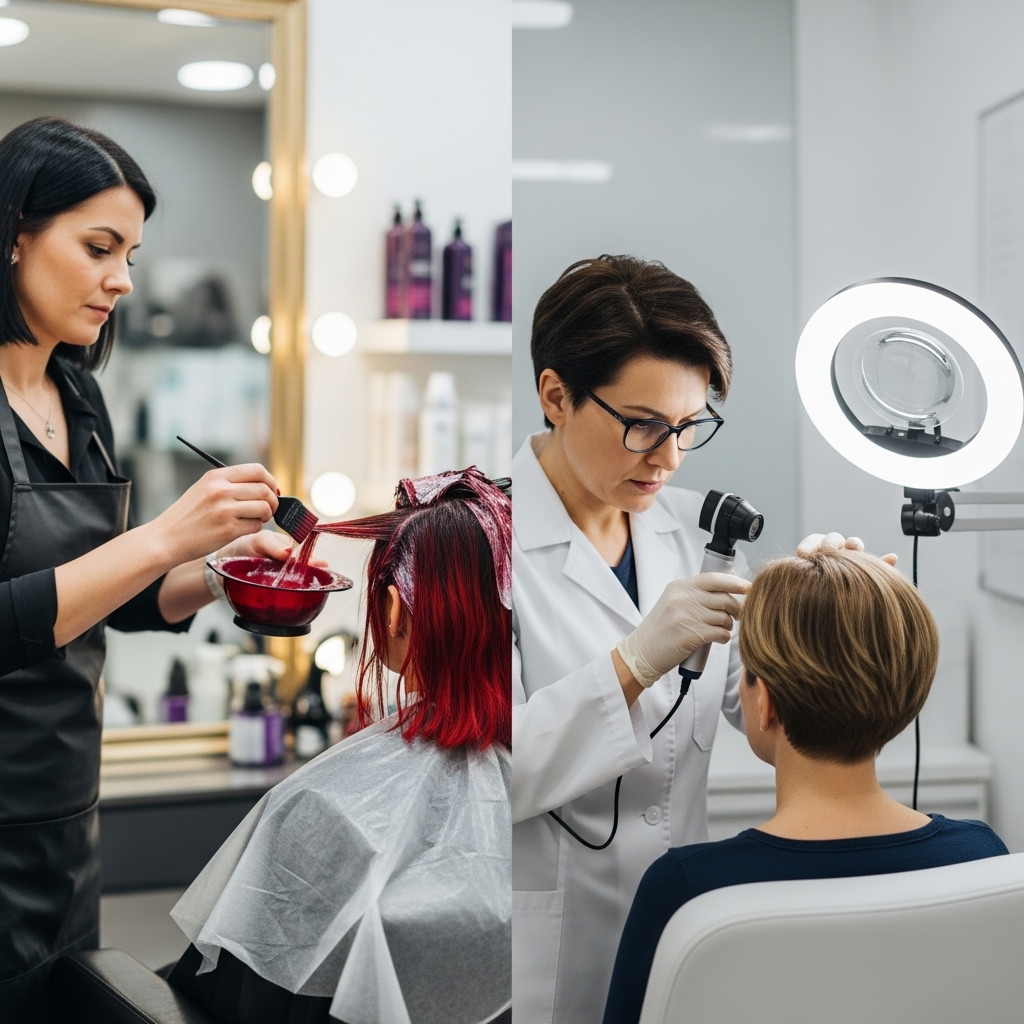
The equipment now available for hair and scalp treatment is nothing short of revolutionary. We’re far beyond simple hairdryers and curling irons. Today’s top-tier salons are investing in technology that was once the sole domain of dermatologists:
PRP Therapy: This involves drawing a small amount of the client’s blood, processing it to concentrate the platelets, and injecting it back into the scalp to stimulate hair growth. It’s a minimally invasive medical procedure.
Low-Level Laser Therapy (LLLT): Medical devices like laser caps and hoods use specific wavelengths of light to energize hair follicles and promote growth. Their efficacy is backed by clinical studies.
Microneedling with RF (Radio Frequency): This technique uses tiny needles to create micro-injuries in the scalp, stimulating collagen and elastin production, while radiofrequency energy delivers heat to deeper layers for enhanced results.
These are not tools that can be operated after a weekend course. They require a deep understanding of biology, safety protocols, and proper technique, necessitating certified medical training and often a licensed professional like a RN or NP to perform them. The presence of this technology fundamentally changes the nature of the business from a cosmetic service to a medically-informed treatment center.
The Professional Evolution: From Stylist to Trichologist
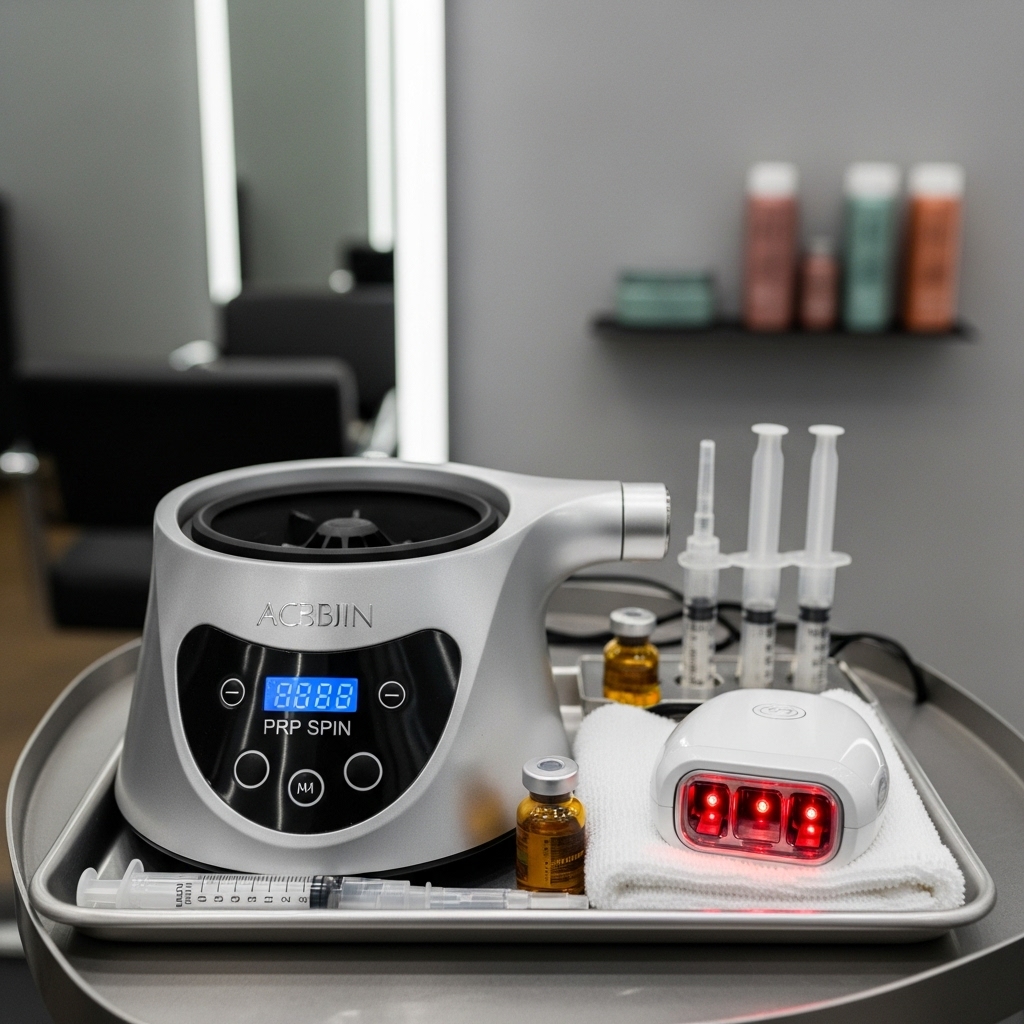
This industry shift is also changing career paths and required skill sets. Ambitious stylists and salon owners are recognizing the need to upskill dramatically. Many are pursuing additional education in trichology—the scientific study of the hair and scalp—to better understand the biology behind the hair they work with every day.
Furthermore, to legally perform many of these advanced procedures, a salon must employ or partner with licensed medical personnel. It’s increasingly common to see salons hiring nurse practitioners, physicians assistants, or even having a medical director oversee their advanced services. This collaboration creates a powerful synergy: the stylist’s keen eye for aesthetics and detail combined with the medical professional’s expertise in diagnosis and treatment. This team-based approach ensures the client receives the most comprehensive care possible.
Regulatory Changes and The “Medi-Salon” Model
As services become more medical, so does the regulatory landscape. State boards of cosmetology and health departments are scrutinizing these hybrid businesses. This has given rise to the “medi-salon” model, a business structure that carefully navigates these legal waters.
In this model, the business often has two distinct entities: a traditional salon and a medical practice operating under the same roof but as separate legal entities. The medical side is always overseen by a licensed physician, even if they are not physically present, and procedures are carried out by qualified medical staff. This structure ensures compliance with strict health regulations, maintains safety standards, and provides crucial liability protection. It’s a complex but necessary evolution that legitimizes these advanced services and protects the client.

The Client Experience: Trust, Safety, and Results
For the client, this trend translates to a significantly elevated experience. It builds a deeper level of trust. When you know your provider has medical training, your confidence in their recommendations—for both a haircut and a hair loss treatment—increases exponentially.
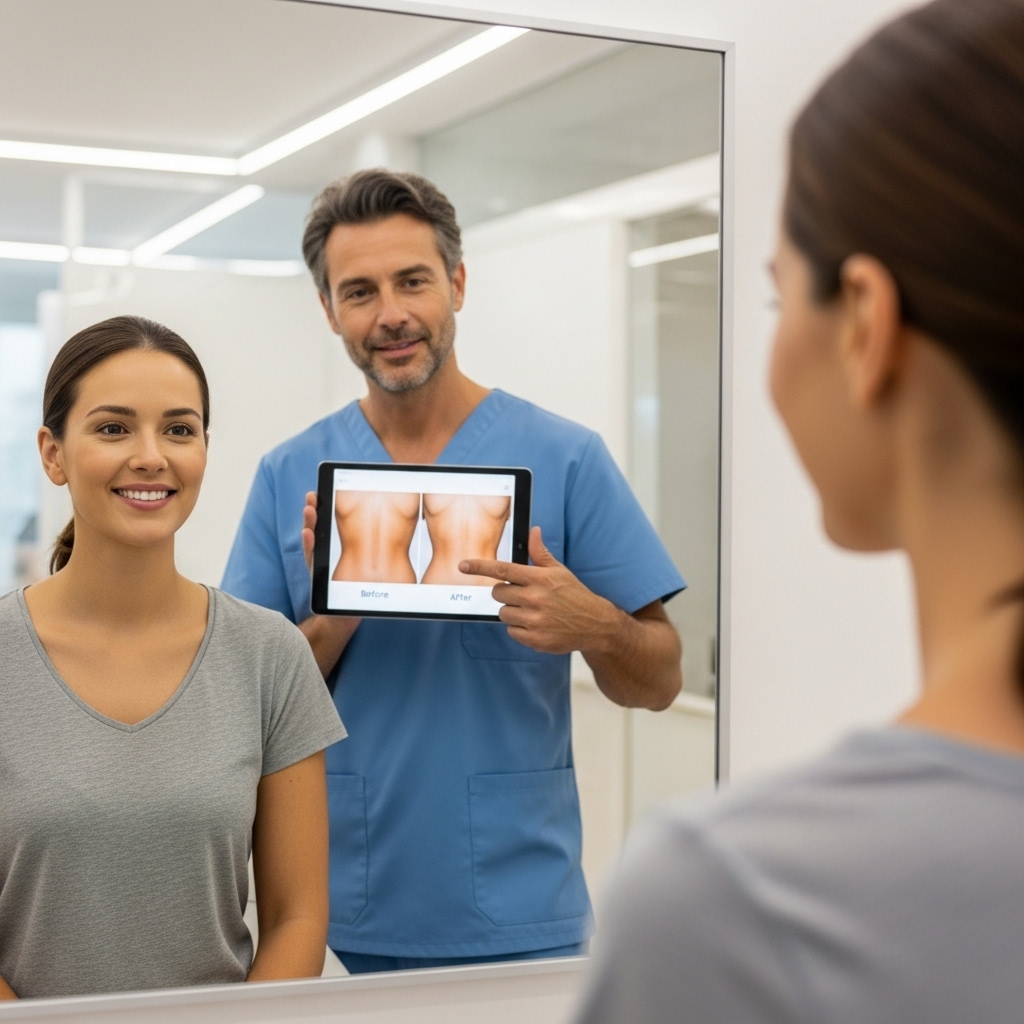
Safety is also paramount. Receiving a laser treatment from a trained nurse in a clean, controlled environment is vastly different from buying an unregulated device online. Clients benefit from proven protocols, sterile equipment, and proper aftercare advice. Ultimately, the driving force is results. Clients are tired of wasting money on products that don’t work. They are investing in clinically-proven treatments that deliver measurable, noticeable outcomes, making the higher cost and commitment worthwhile.
The Future of Hair Care is Holistic and Hybrid
The transformation of hair salons into medical facilities is not a fleeting trend; it is the future of the industry. It represents a maturation of consumer tastes and a welcome move towards more effective, holistic, and health-conscious beauty services. The traditional salon will always have its place for classic cuts and color, but the growth frontier is undoubtedly in this hybrid space.
We can expect to see even more integration in the coming years—salons offering genetic testing for hair loss predisposition, personalized nutraceutical regimens, and even more advanced regenerative medicine techniques. The goal is a fully integrated approach where your stylist and your health consultant work in tandem. The next time you sit down in your salon chair, don’t be surprised if the conversation shifts from highlights to hormones, and from trims to treatments. The era of the medi-salon is here, and it’s changing our definition of hair care from a beauty routine to a wellness essential.

