
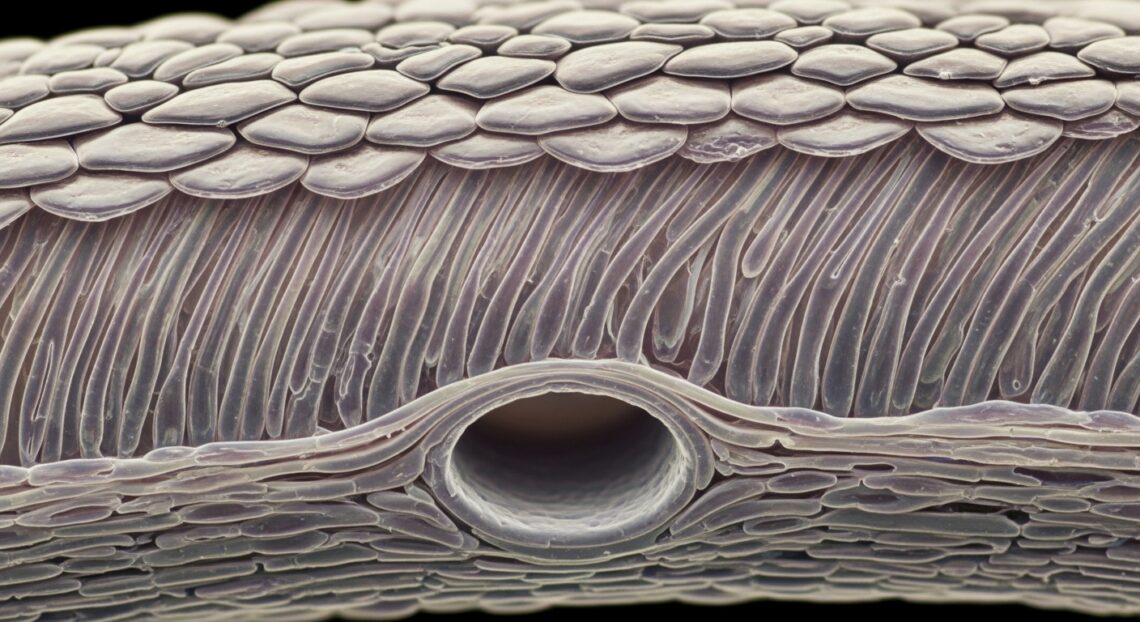
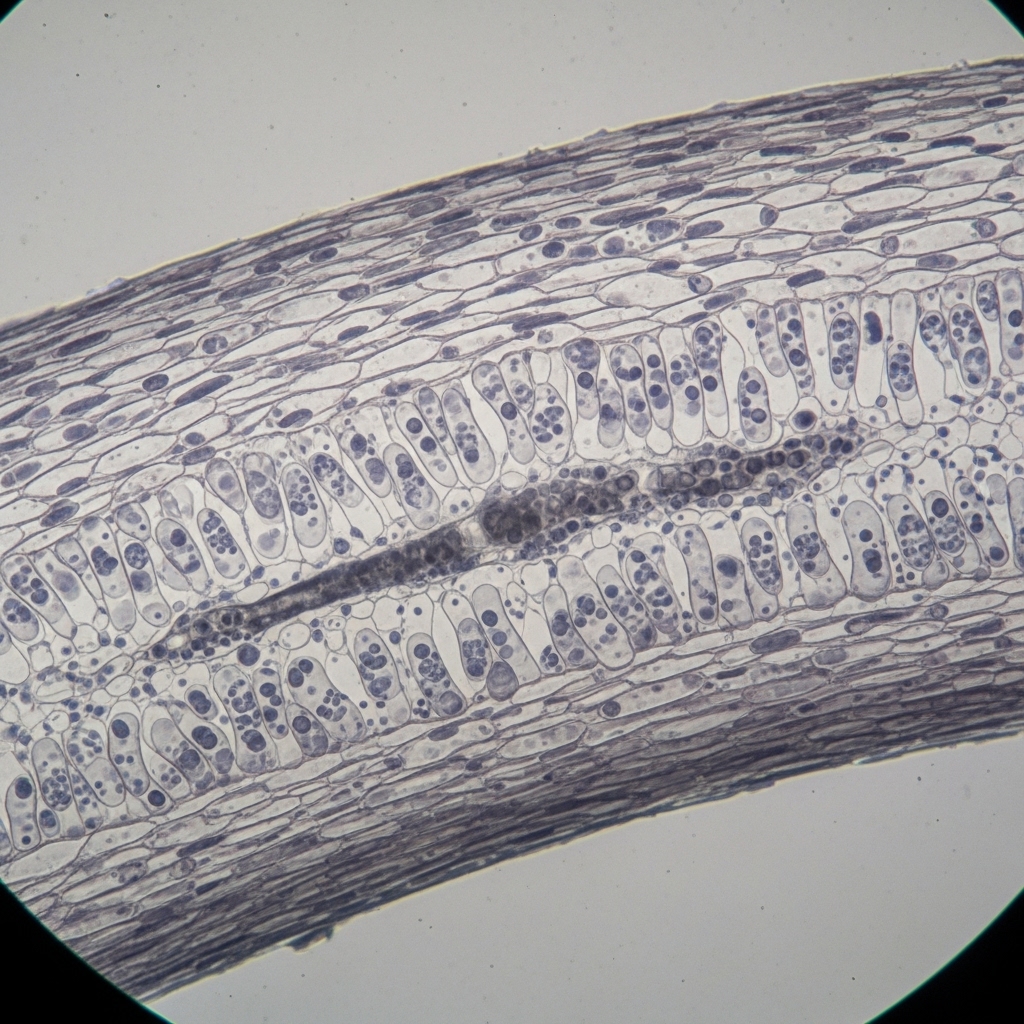
Hair is more than just a cosmetic feature—it’s a biological archive. From hormonal changes to environmental toxins, our hair strands capture a detailed history of our physical and emotional well-being. In this article, we’ll explore the science behind how hair remembers trauma and what this means for health and healing.
The Science of Hair Growth and Memory
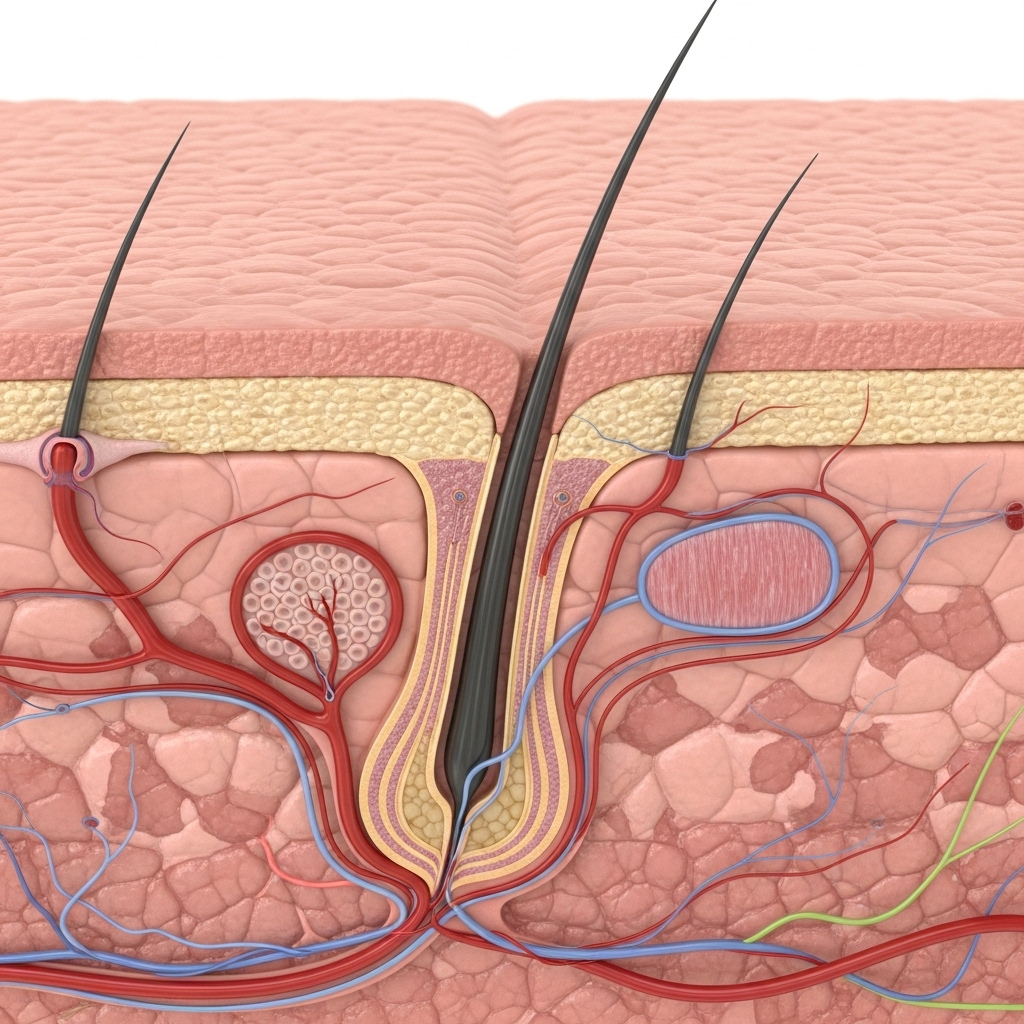
Hair grows from follicles embedded in the scalp, where specialized cells divide and push older cells upward, forming the hair shaft. As these cells harden, they encapsulate biological markers from the body, including stress hormones, toxins, and even DNA fragments.
Key findings in hair research reveal:
- Cortisol, the stress hormone, accumulates in hair over time.
- Heavy metals and pollutants can be detected in hair samples years after exposure.
- Epigenetic changes from trauma may alter hair follicle function.
How Trauma Leaves a Biological Imprint in Hair
When the body undergoes stress—whether physical, emotional, or environmental—it triggers a cascade of biochemical responses. These changes are recorded in hair as it grows, creating a timeline of exposure to stressors.
Three ways trauma manifests in hair:
- Cortisol deposition: Chronic stress leads to elevated cortisol levels, which are gradually incorporated into growing hair strands.
- Telogen effluvium: Severe trauma can shock hair follicles, pushing them into a resting phase and causing sudden hair loss.
- Mineral imbalances: Stress depletes essential nutrients, altering the mineral composition of hair.
Hair Analysis as a Diagnostic Tool
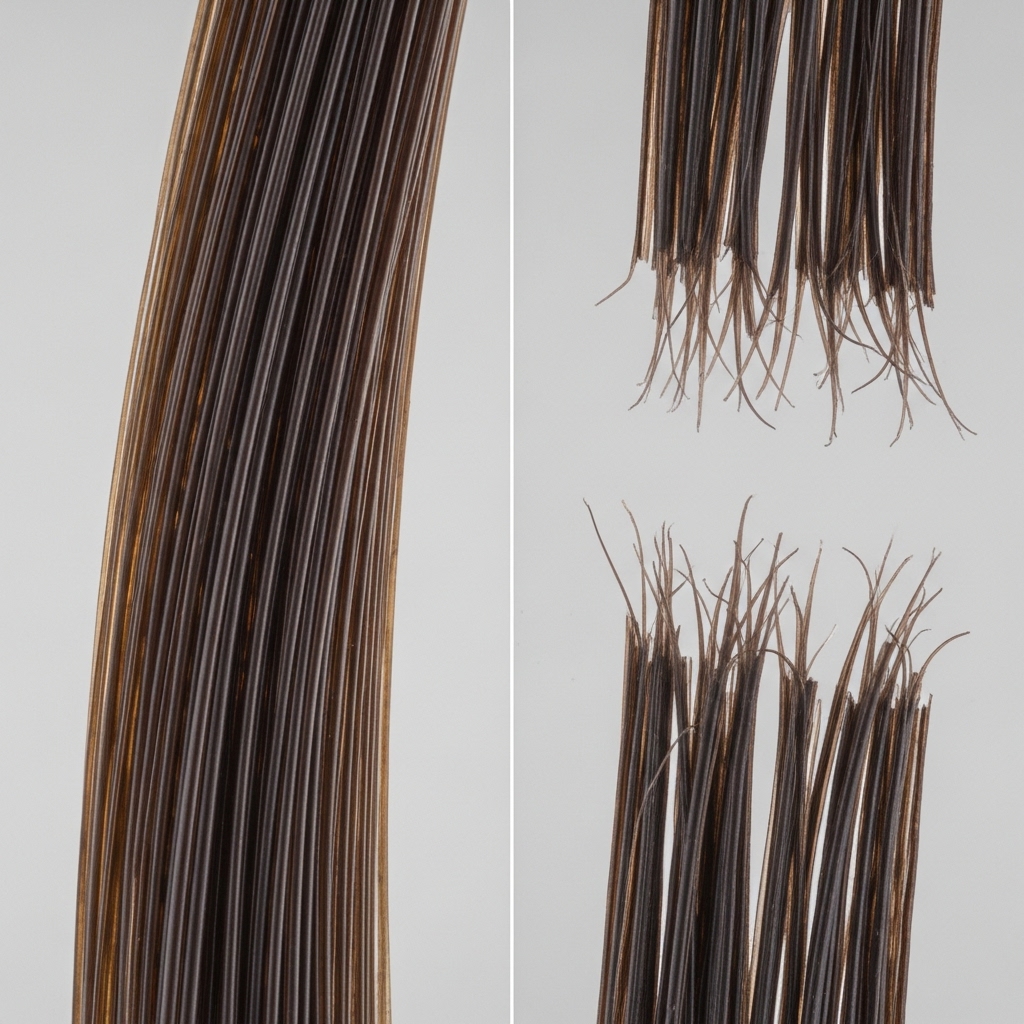
Scientists and medical professionals use hair analysis to assess long-term health patterns. Unlike blood tests, which provide a snapshot of current conditions, hair reveals months or even years of biological data.
What hair analysis can detect:
- Chronic stress levels
- Nutritional deficiencies
- Exposure to heavy metals
- Hormonal imbalances

The Emotional Connection: Hair and Psychological Trauma
Beyond physical markers, hair may also reflect emotional trauma. Studies suggest that extreme psychological distress can alter hair growth cycles and even change hair texture.
Notable cases include:
- Holocaust survivors whose hair turned gray almost overnight due to extreme stress.
- Patients with PTSD showing distinct cortisol patterns in hair analysis.
- Children in high-stress environments exhibiting slower hair growth rates.
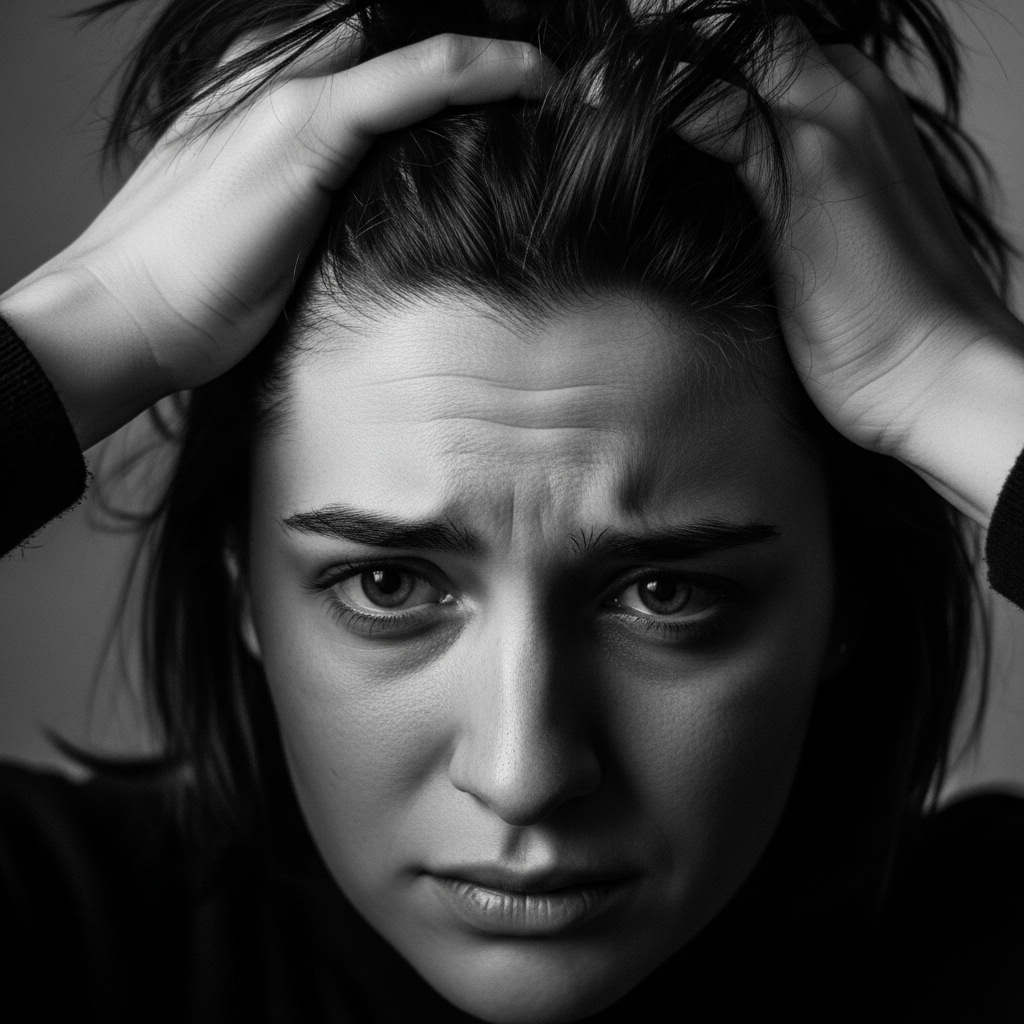
Can Hair “Forget” Trauma?
While hair preserves a record of past trauma, the good news is that new growth reflects current conditions. As old hair is shed and new strands emerge, they carry updated biological information.
Ways to support healthy hair regeneration:
- Manage stress through mindfulness and relaxation techniques
- Maintain a nutrient-rich diet with proteins and vitamins
- Detoxify from environmental pollutants
- Address underlying emotional trauma through therapy

Conclusion: Hair as a Window to Wellness
Our hair serves as a remarkable biological diary, encoding our experiences at the cellular level. By understanding how trauma affects hair—and vice versa—we gain valuable insights into holistic health. Whether through scientific analysis or personal observation, paying attention to our hair can reveal much about our physical and emotional well-being.
The next time you look in the mirror, remember: your hair tells a story far deeper than its surface appearance.

