
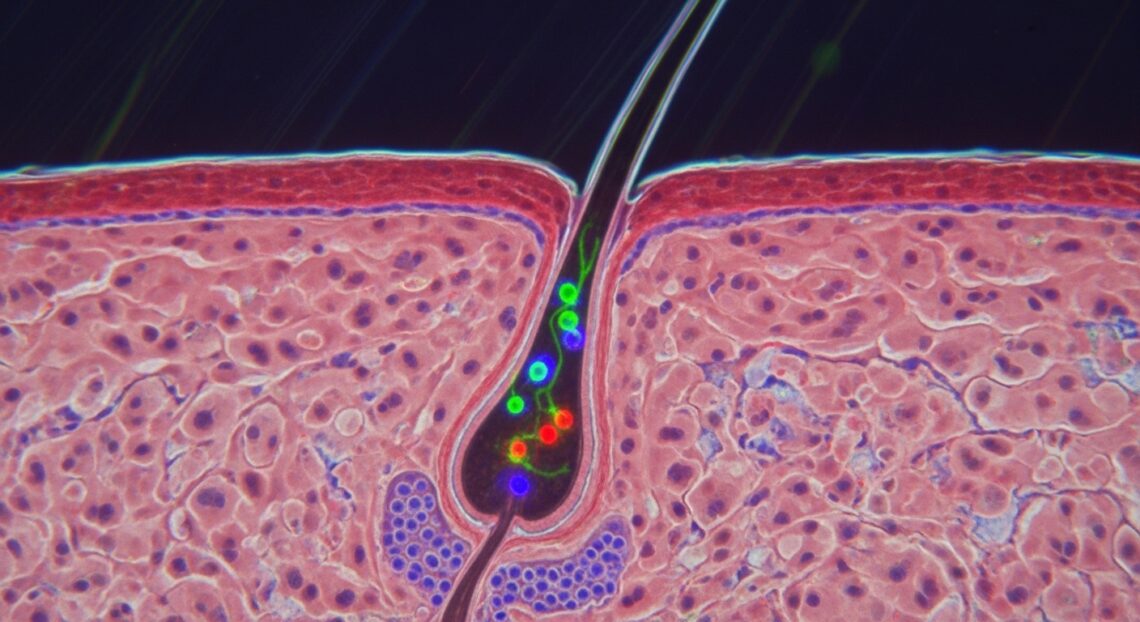
When we think of biological complexity, the brain often takes center stage. With its billions of neurons and trillions of connections, it’s hailed as the most sophisticated organ in the human body. But what if we told you that something as seemingly simple as a hair follicle might be even more complex? At first glance, comparing hair follicles to brain cells might seem absurd—but science reveals a different story.
Hair follicles are miniature biological factories, packed with specialized cells, signaling pathways, and regenerative capabilities that rival—and in some ways surpass—the intricacy of neurons. In this article, we’ll explore why hair follicles are far more than just hair producers and how their complexity challenges our understanding of human biology.
The Hidden Architecture of Hair Follicles
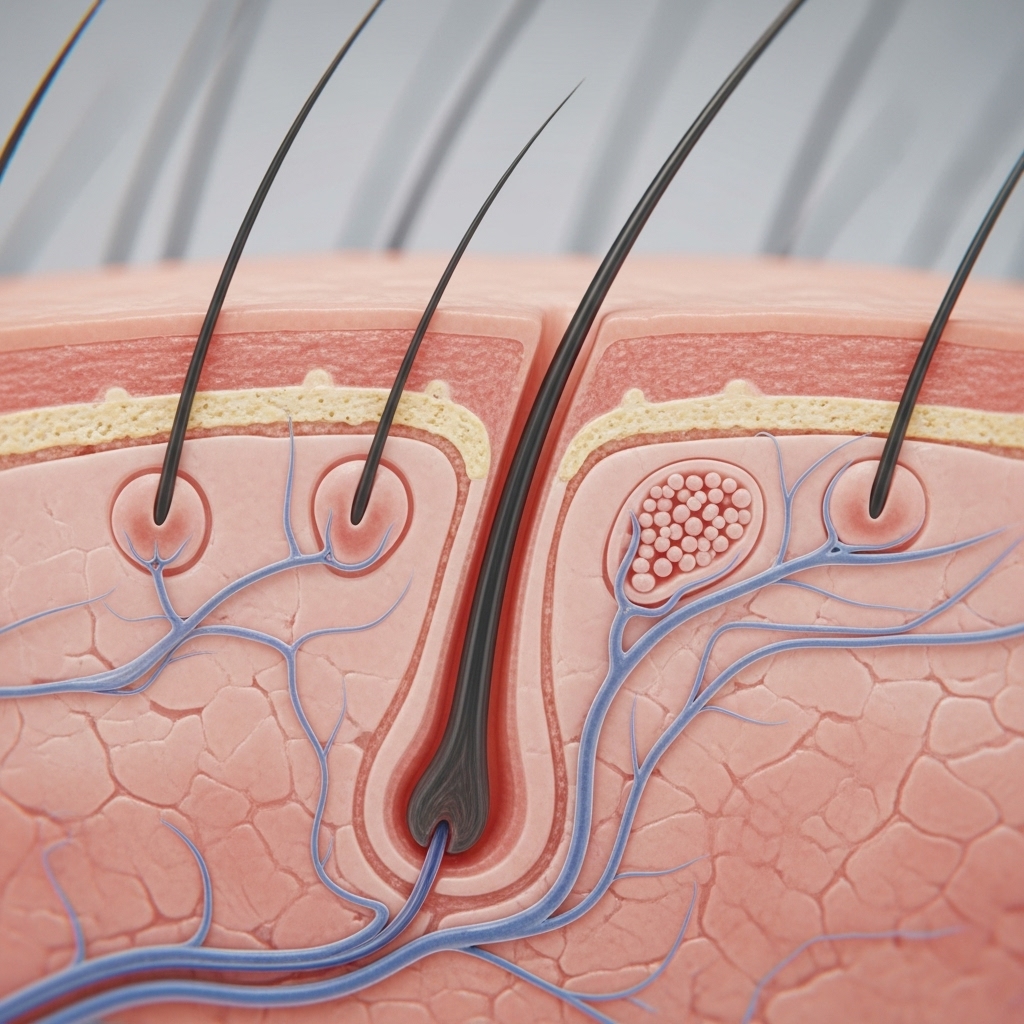
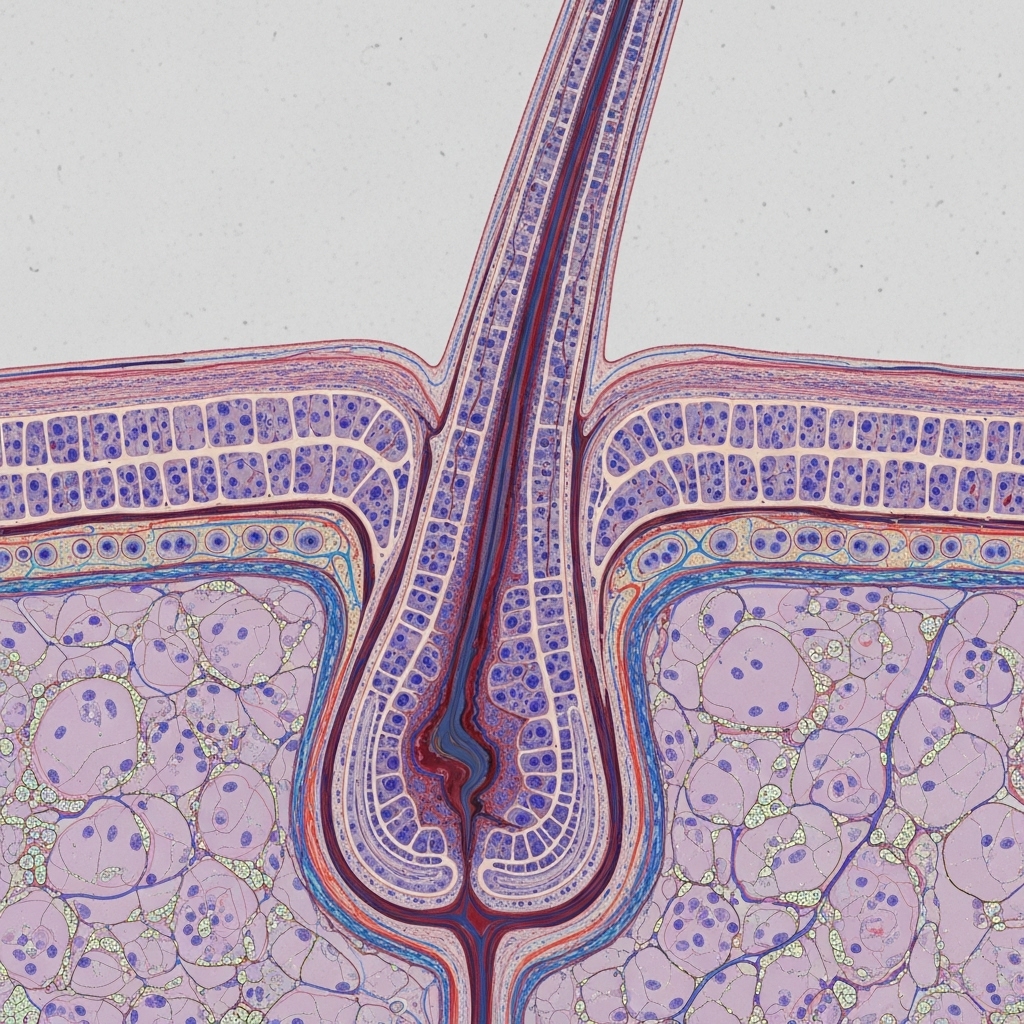
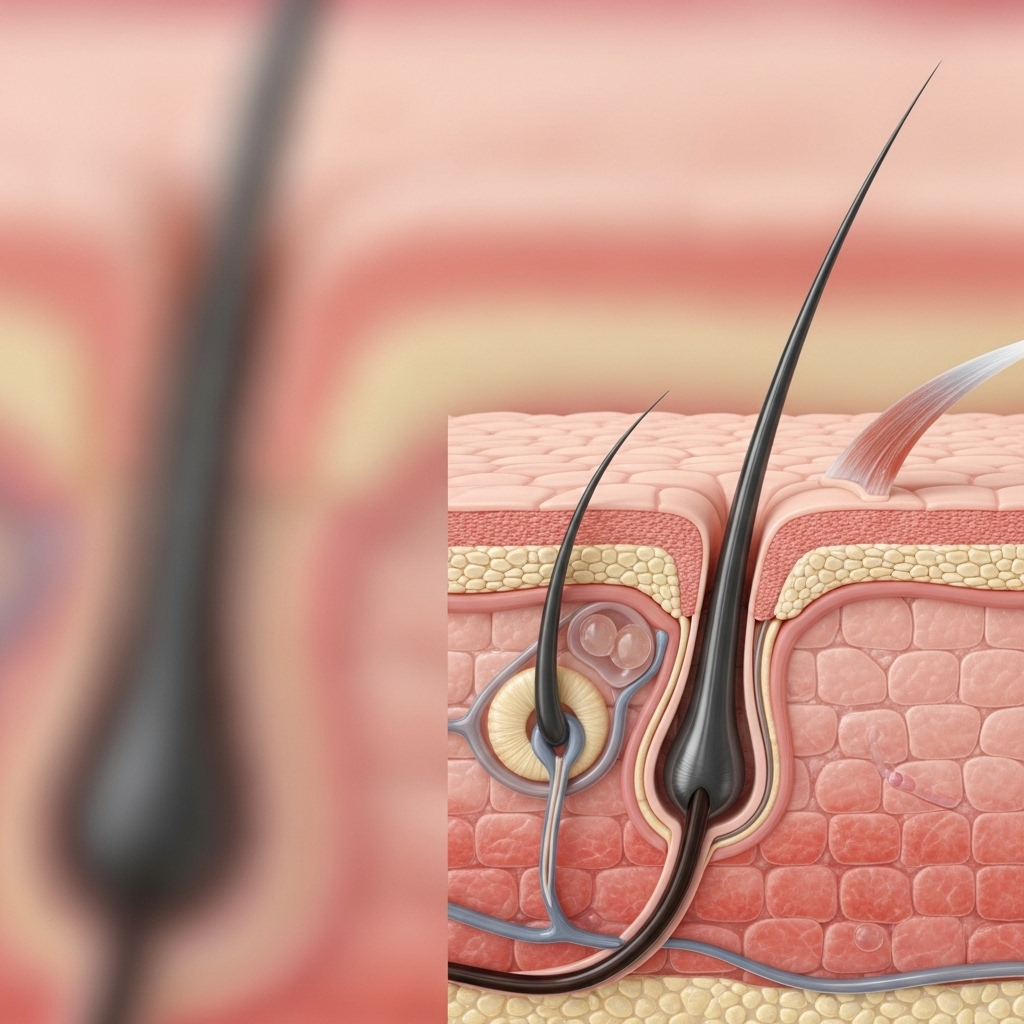
Unlike brain cells, which primarily function as electrical signal transmitters, hair follicles are dynamic, multi-layered structures with distinct regions, each performing specialized tasks. A single follicle contains:
- The hair bulb: The base where active growth occurs, fueled by dermal papilla cells.
- The sebaceous gland: Produces oils to protect and condition the hair.
- The arrector pili muscle: Contracts to make hair stand upright (think goosebumps).
- Stem cell reservoirs: Allow for continuous regeneration throughout life.
This intricate design enables follicles to grow, shed, and regenerate hair in cycles—a feat no single brain cell can replicate.
Regeneration: A Superpower Brain Cells Lack
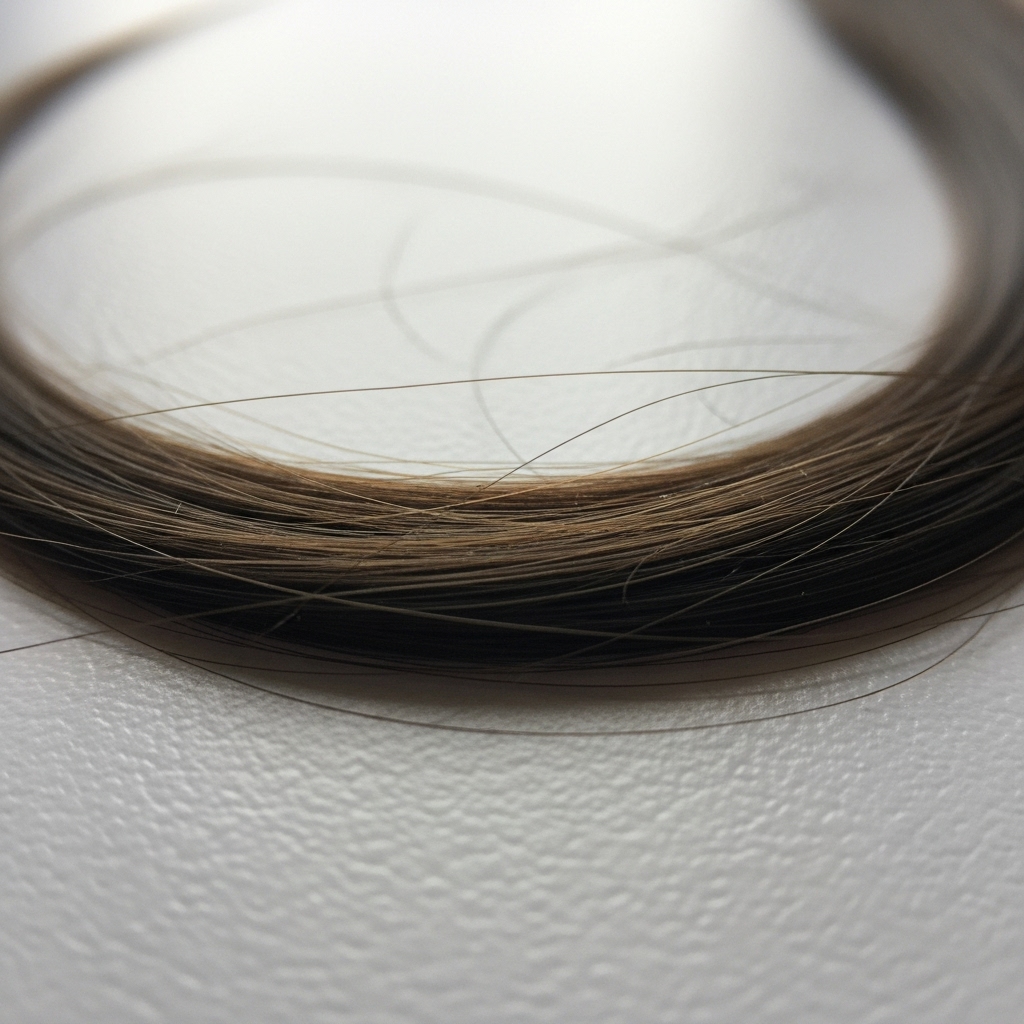
One of the most astonishing aspects of hair follicles is their regenerative capacity. While most neurons in the brain cannot regenerate after damage, hair follicles undergo continuous cycles of growth (anagen), regression (catagen), and rest (telogen). This cyclical regeneration is orchestrated by:
- Epithelial stem cells: Reside in the bulge region and activate to form new hair.
- Dermal papilla cells: Send molecular signals to control growth timing.
- WNT/β-catenin pathways: Key regulators that switch follicles between phases.
This regenerative precision is unmatched in the brain, where damage often leads to permanent loss.
Molecular Signaling: A Symphony of Communication
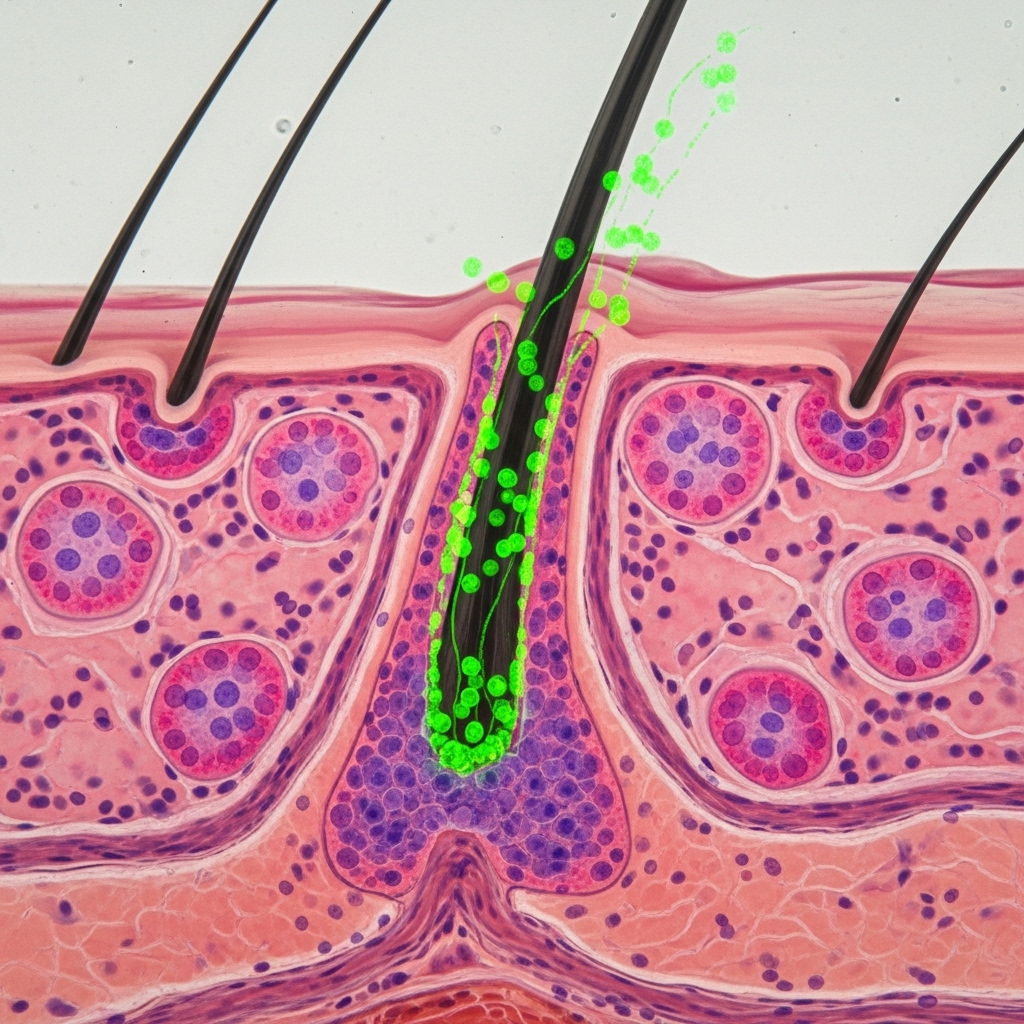
Brain cells communicate via synapses, but hair follicles rely on an elaborate network of molecular signals. Over 20 different growth factors, hormones, and cytokines interact to regulate follicle activity, including:
- BMP (Bone Morphogenetic Protein): Inhibits hair growth during resting phases.
- SHH (Sonic Hedgehog): Promotes follicle development and cycling.
- Androgens (e.g., DHT): Influence hair thickness and growth patterns.
Unlike neurons, which follow predictable electrical patterns, hair follicles adapt their signaling based on age, environment, and even stress—making their behavior far less predictable.
Hair Follicles: Mini-Organs with Immune Privilege
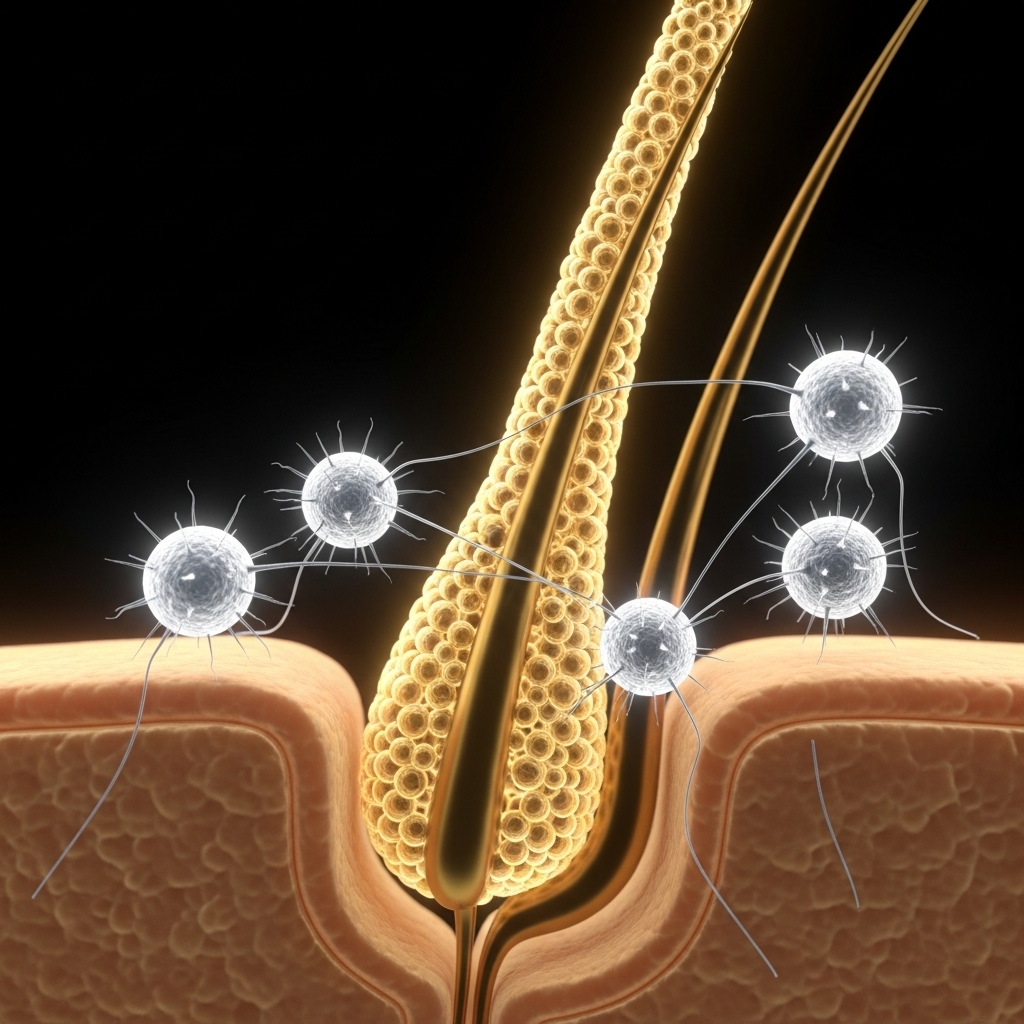
Remarkably, hair follicles are one of the few structures in the body with immune privilege, meaning they can suppress immune responses to avoid attack. This trait, shared with the brain and eyes, protects follicles from inflammation that could disrupt growth. Key players include:
- TGF-β: Suppresses local immune activity.
- Melanocytes: Shield follicle stem cells from immune detection.
When this system fails, conditions like alopecia areata occur—proof of how critical immune regulation is for follicle survival.
Why This Complexity Matters
Understanding hair follicles isn’t just academic—it has real-world implications:
- Hair loss treatments: Targeting specific molecular pathways could revolutionize therapies.
- Regenerative medicine: Follicle stem cells may aid in wound healing or skin grafts.
- Evolutionary clues: Follicles may hold secrets to mammalian development.
Next time you brush your hair, remember: each follicle is a microscopic marvel, working tirelessly in ways we’re only beginning to understand.
Final Thoughts
While brain cells excel at processing information, hair follicles showcase a different kind of brilliance—adaptive, regenerative, and resilient. Their complexity reminds us that even the smallest parts of our bodies can hold profound mysteries. So, the next time someone calls hair “simple,” you’ll know the truth: it’s anything but.

