
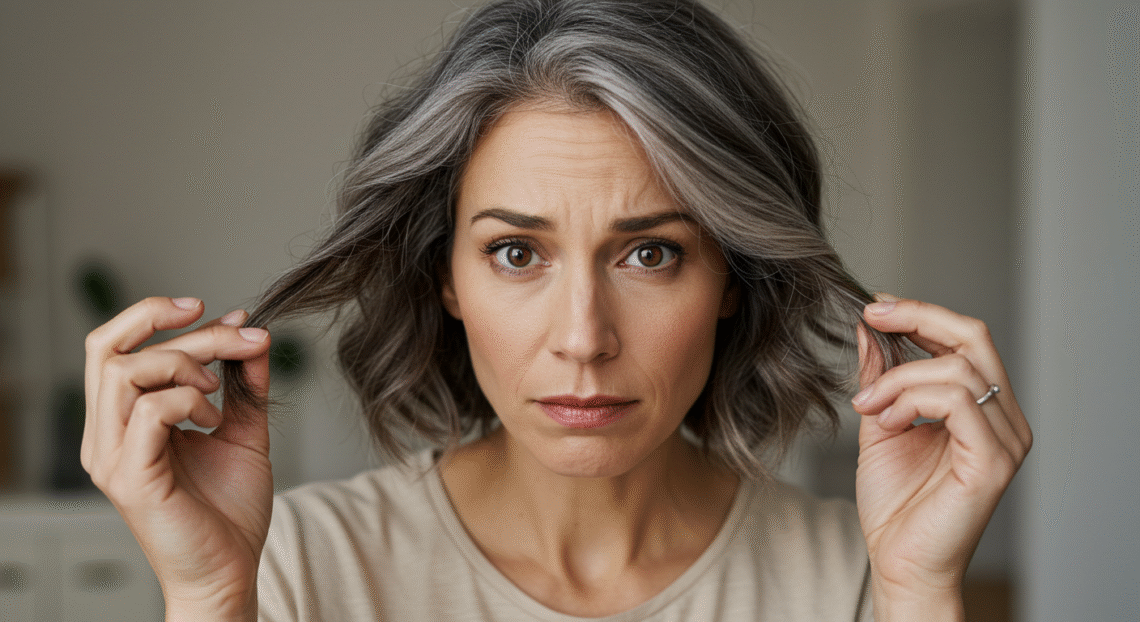
Have you ever wondered why your once-vibrant hair gradually loses its color as you age? Whether you’re embracing the silver strands or fighting them with dyes, the science behind hair color changes is fascinating. From genetics to cellular biology, multiple factors influence why hair turns gray or white over time.
In this article, we’ll explore the real scientific reasons behind hair color changes, how melanin production works, and whether lifestyle choices can slow down the graying process. Let’s dive in!
The Role of Melanin in Hair Color
Hair color is primarily determined by melanin, a pigment produced by specialized cells called melanocytes located in hair follicles. There are two main types of melanin:
- Eumelanin – Responsible for black and brown shades.
- Pheomelanin – Responsible for red and blonde hues.
As we age, melanocyte activity slows down, leading to reduced melanin production. Eventually, these cells may stop functioning altogether, causing hair to lose its pigment and turn gray or white.
![[Illustration of a hair follicle showing melanocytes producing melanin]](https://haileyglow.com/wp-content/uploads/2025/08/A-schematic-drawing-of-the-hair-follicle-structure-and-melanocyte-stem-cells-MSCs-and.png)
Why Does Melanin Production Decline?
Scientists have identified several key reasons why melanin production decreases over time:
1. Genetic Factors: Your genes play a major role in when and how quickly your hair grays. If your parents or grandparents went gray early, you likely will too.
2. Oxidative Stress: Over time, free radicals (unstable molecules) damage melanocytes, reducing their ability to produce pigment. Environmental factors like pollution, smoking, and UV exposure accelerate this process.
3. Hydrogen Peroxide Buildup: Hair follicles naturally produce small amounts of hydrogen peroxide. As we age, an enzyme called catalase, which breaks it down, diminishes. Excess hydrogen peroxide bleaches hair from within.
4. Hormonal Changes: Shifts in hormones, especially during menopause or andropause, can influence melanin production.
![[Side-by-side comparison of a young person's hair and an older person's gray hair]](https://haileyglow.com/wp-content/uploads/2025/08/Whisk_fc3aca4dc5.jpg)
Can You Prevent or Reverse Gray Hair?
While you can’t completely stop the graying process, certain lifestyle changes may help slow it down:
- Eat a Nutrient-Rich Diet: Vitamins B12, D, and E, as well as minerals like copper and zinc, support melanin production.
- Reduce Stress: Chronic stress may accelerate graying by increasing oxidative damage.
- Quit Smoking: Smoking is strongly linked to premature graying.
- Protect Hair from Sun Damage: UV rays can weaken melanocytes, so wearing hats or using UV-protectant hair products helps.
Currently, there’s no scientifically proven way to reverse gray hair permanently, but researchers are studying potential treatments involving stem cells and enzyme therapy.
Myths About Gray Hair Debunked
There are many misconceptions about gray hair. Let’s clear up a few:
Myth 1: “Plucking one gray hair makes two grow back.” False. Plucking doesn’t increase graying, but it can damage follicles over time.
Myth 2: “Gray hair is coarser than pigmented hair.” Partially true. Gray hair may feel different because sebum (natural oil) production decreases with age, making hair drier.
Myth 3: “Only older people get gray hair.” False. Genetics can cause premature graying in people as young as their 20s.
Embracing the Change: Gray Hair Trends
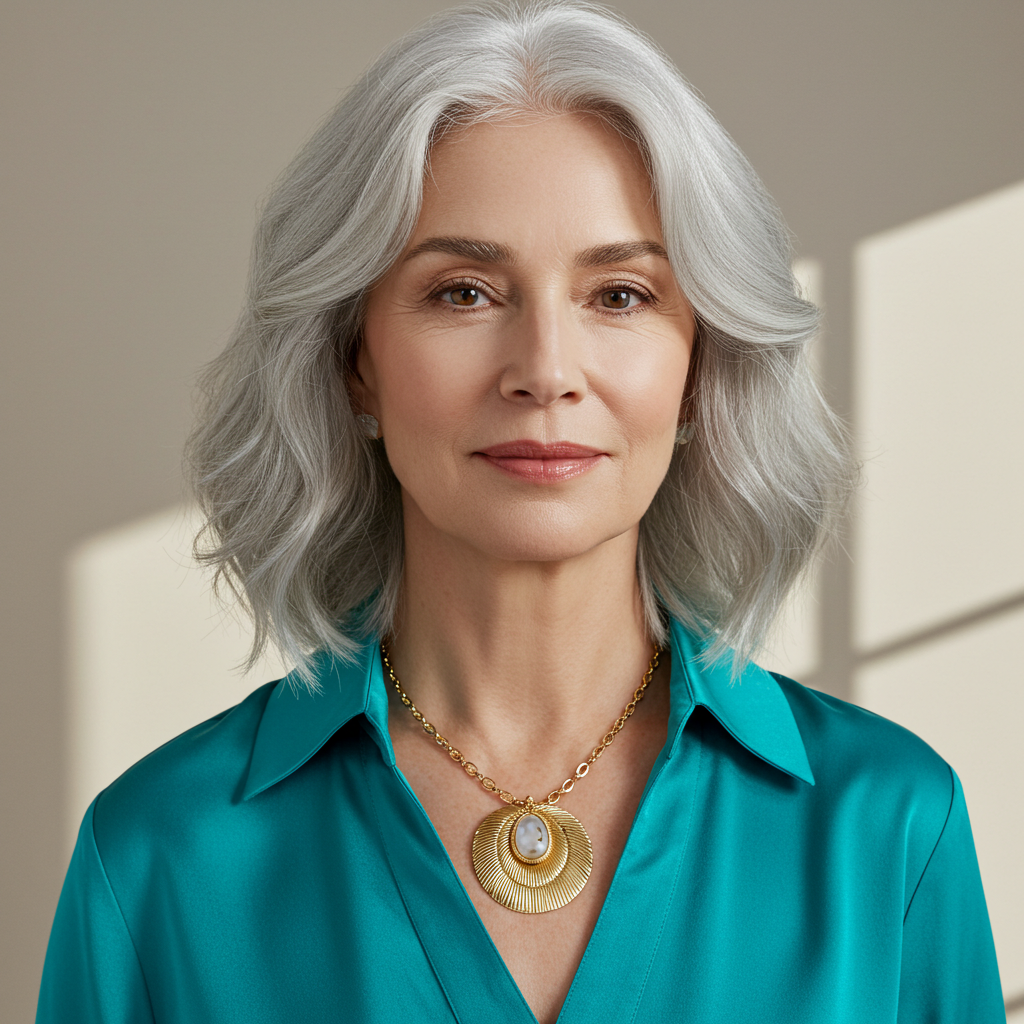
In recent years, gray hair has become a symbol of confidence and style. Many celebrities and influencers proudly rock their natural silver locks, inspiring others to embrace the change.
If you’re transitioning to gray hair, consider:
- Using purple shampoos to neutralize yellow tones.
- Getting a stylish haircut to enhance texture.
- Moisturizing regularly to keep hair healthy.
Ultimately, whether you choose to dye it or let it shine, gray hair is a natural part of aging and there’s real science behind it!
Final Thoughts
Hair color changes with age due to a combination of genetics, oxidative stress, and declining melanin production. While you can’t stop the process entirely, a healthy lifestyle may help delay it.
Whether you’re going gray gracefully or keeping your color vibrant, understanding the science behind it makes the journey even more interesting. So next time you spot a silver strand, you’ll know exactly why it’s there!

