

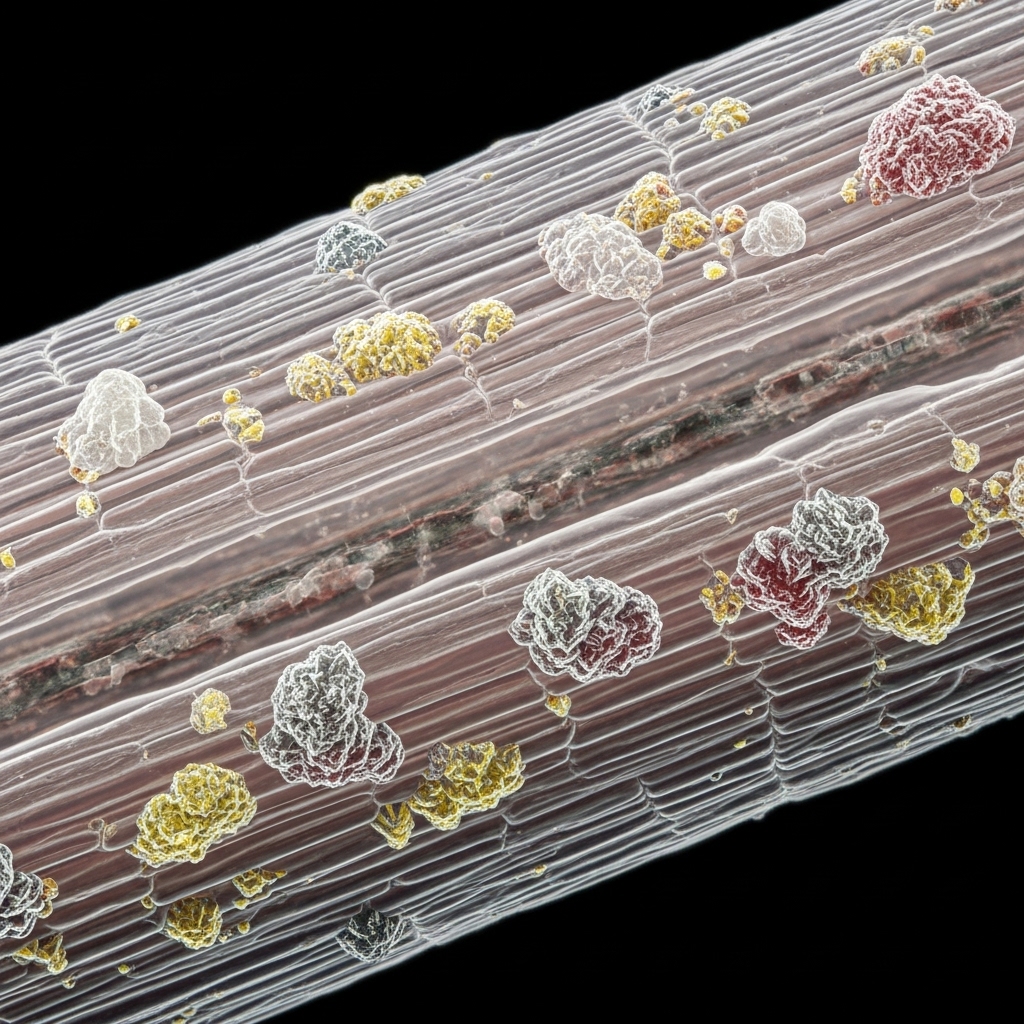
What if you could peek into your future health—not through a crystal ball, but through a single strand of hair? Emerging research suggests that hair analysis can detect early warning signs of chronic diseases, nutritional deficiencies, and even mental health conditions years before symptoms appear. Unlike blood tests that offer a snapshot of your current health, hair provides a long-term record of your body’s biochemical activity. In this article, we’ll explore the science behind this groundbreaking diagnostic tool and how it could revolutionize preventive medicine.
The Science Behind Hair Analysis
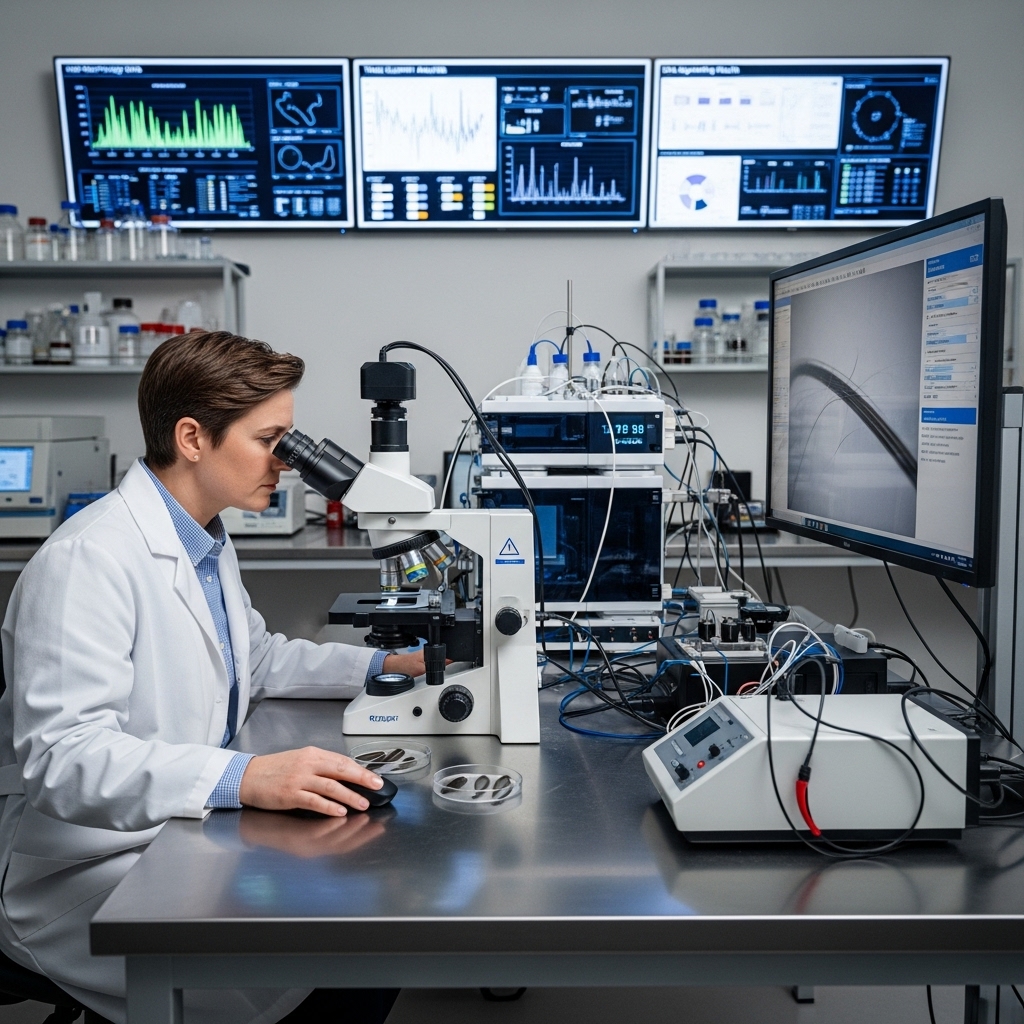
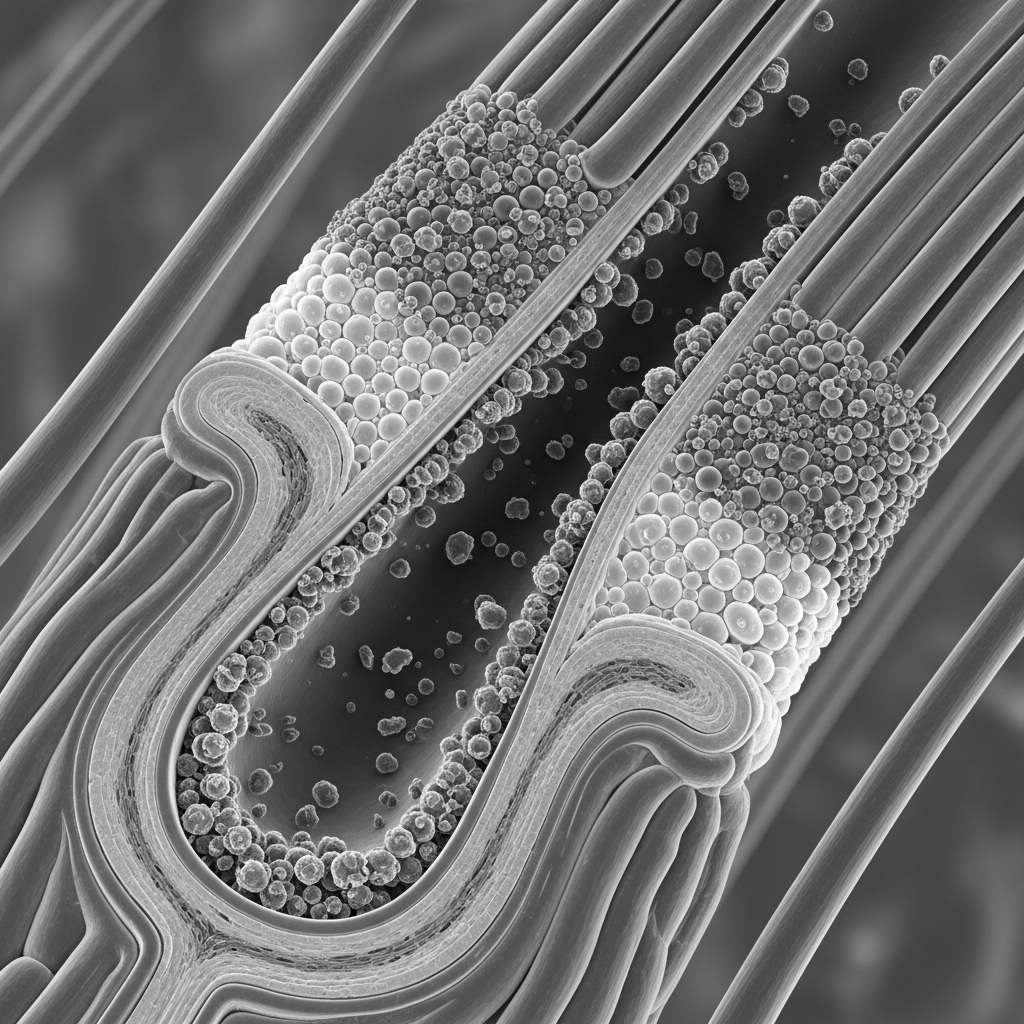
Hair grows at an average rate of 1 cm per month, and as it grows, it absorbs trace elements, hormones, and toxins from your bloodstream. This process creates a biological timeline—each centimeter of hair corresponds to roughly one month of your body’s internal activity. Laboratories use techniques like mass spectrometry and atomic absorption spectroscopy to measure:
- Mineral imbalances (e.g., zinc, magnesium, selenium)
- Toxic metal exposure (lead, mercury, arsenic)
- Cortisol levels (stress hormone patterns)
- Metabolic byproducts linked to diseases
How Hair Predicts Future Health Risks
A 2023 study in the Journal of Clinical Medicine found that hair cortisol levels could predict the onset of cardiovascular disease 4-5 years in advance. Here’s why hair outperforms traditional tests:
1. Long-Term Data: Blood and urine tests reflect your body’s state at the time of collection. Hair provides a multi-month or even multi-year record, revealing trends that single-point tests miss.
2. Stress and Inflammation Markers: Chronic stress leaves a molecular signature in hair. Elevated cortisol over several months correlates with future immune dysfunction and neurodegenerative risks.
3. Toxic Accumulation: Heavy metals like cadmium accumulate slowly. Hair analysis detects these years before they reach critical levels in organs.
5 Health Conditions Hair Can Forecast
1. Thyroid Disorders: Low selenium and zinc levels in hair correlate with future hypothyroidism risk. A 2021 study showed 82% accuracy in predicting thyroid issues 3 years pre-diagnosis.
2. Diabetes: Abnormal chromium and vanadium patterns precede insulin resistance. Hair glycation end-products (AGEs) signal long-term blood sugar dysregulation.
3. Depression/Anxiety: Mineral imbalances (especially lithium and magnesium) plus cortisol rhythms predict mental health declines.
4. Osteoporosis: Calcium, strontium, and boron ratios in hair reveal early bone density loss before DEXA scans detect it.
5. Autoimmune Diseases: Zinc/copper imbalances and elevated mercury appear 4-5 years before lupus or rheumatoid arthritis diagnoses.
Real-World Case Studies
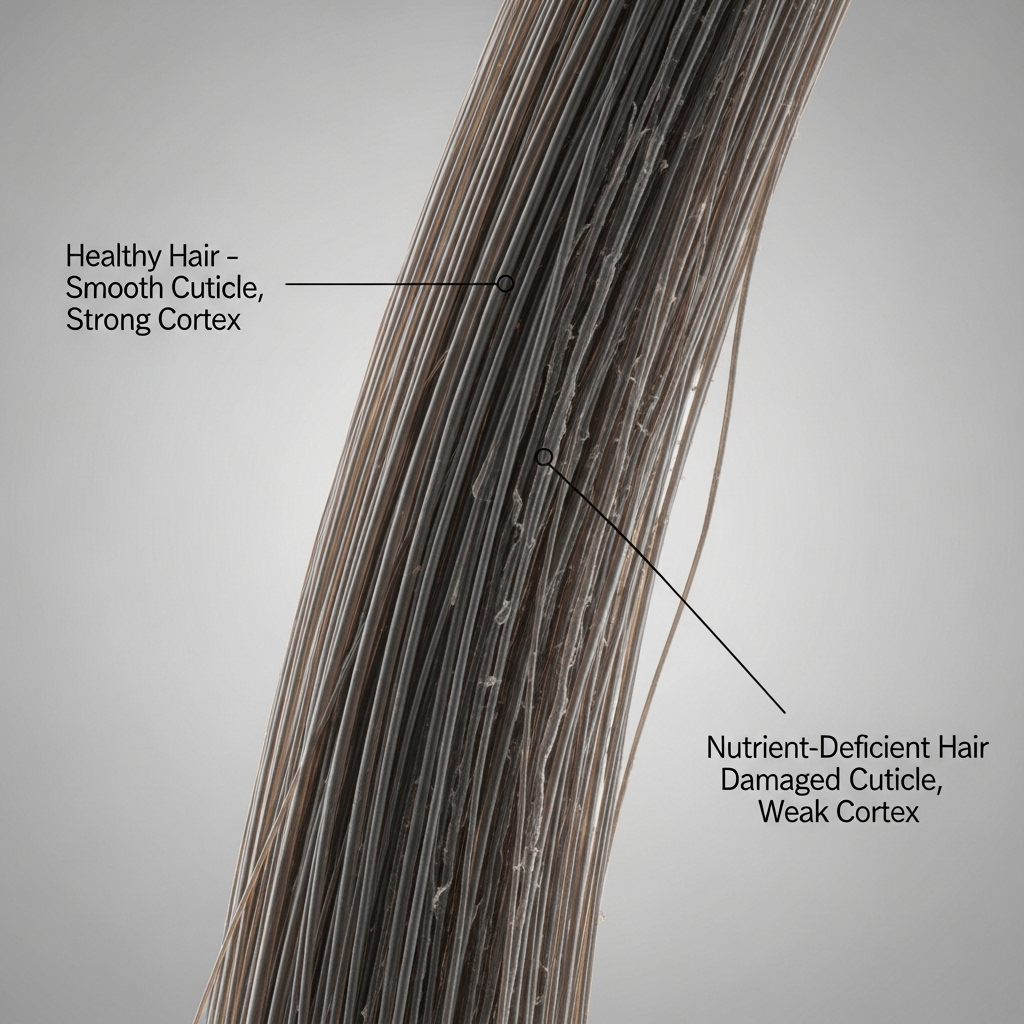
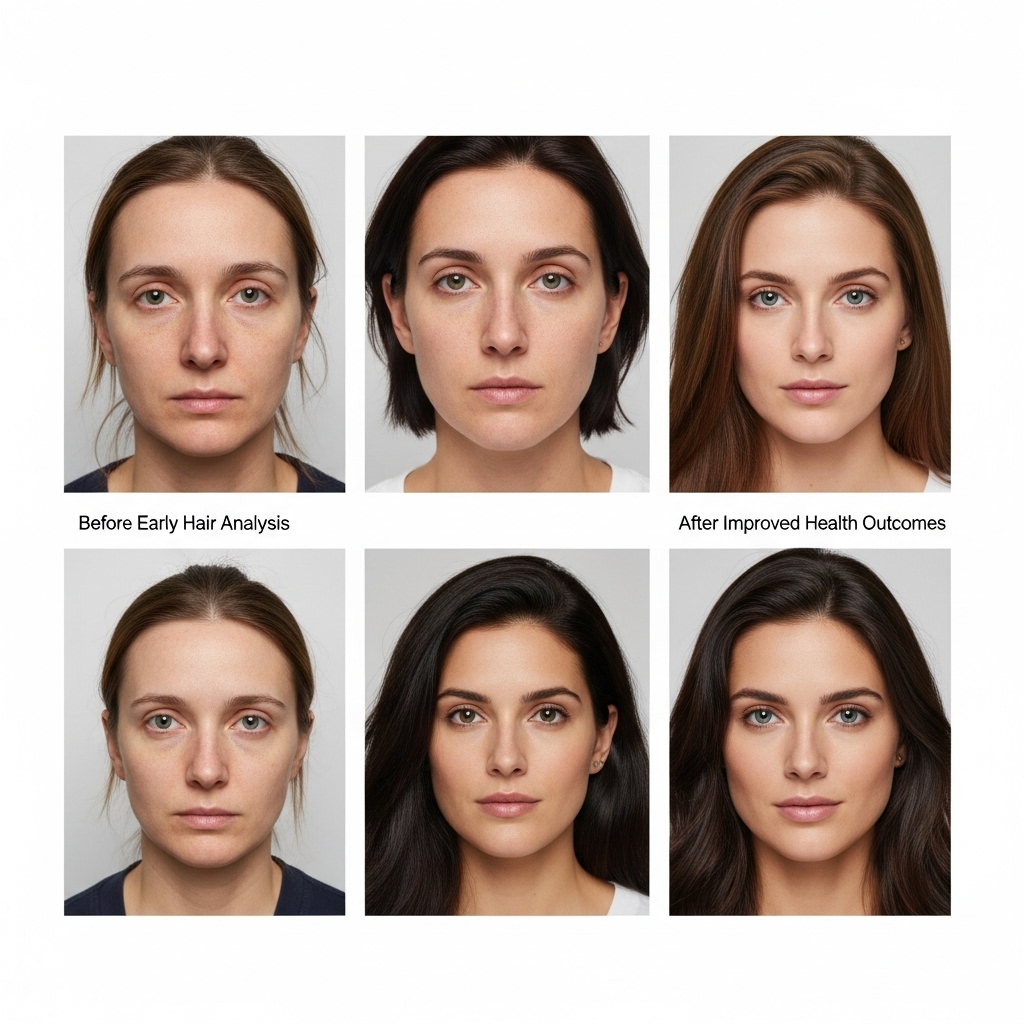
Case 1: A 38-year-old woman’s hair showed chronically low lithium and elevated aluminum. Despite normal bloodwork, she developed treatment-resistant depression 4 years later. Early intervention could have prevented this.
Case 2: A corporate executive had 6x the normal mercury levels in hair analysis. Detox protocols prevented the neurological damage that typically manifests a decade after exposure.
Limitations and Considerations
While promising, hair analysis has caveats:
• External Contamination: Hair products or environmental exposure can skew results. Labs must wash samples properly.
• Growth Rate Variability: Illness, stress, or medications can alter hair growth speed, affecting timeline accuracy.
• Complementary Testing Needed: Hair analysis works best alongside blood tests and clinical evaluations.

How to Get Tested
Follow these steps for reliable results:
1. Choose a Certified Lab: Look for ISO 17025 accreditation. Avoid “instant” consumer kits without clinical validation.
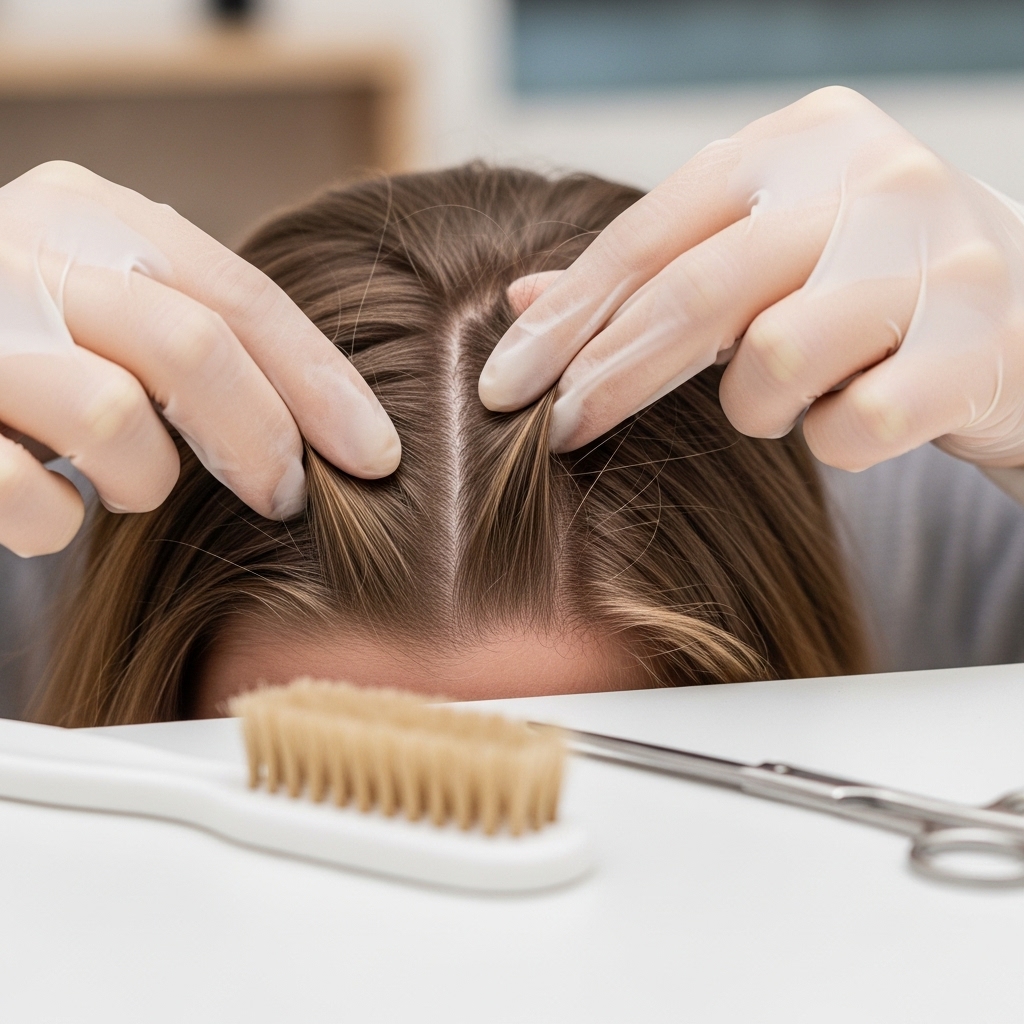
2. Sampling: Cut 50-100 strands (pencil-width) from the nape of your neck. Avoid dyed hair if possible.
3. Interpretation: Work with a functional medicine practitioner to create a personalized prevention plan based on findings.
The Future of Preventive Health
As research advances, hair analysis may become a standard screening tool alongside annual bloodwork. Some forward-thinking clinics already use it to:
- Personalize supplement regimens
- Detect environmental toxin exposure
- Monitor chronic disease progression
“Hair is the body’s hard drive—we’re just learning to read its data,” says Dr. Elena Petrov, a pioneer in metabolic hair analysis.

Final Thoughts
While no test is 100% predictive, hair analysis offers a unique window into your future health. By identifying subtle imbalances years before disease manifests, it empowers true prevention rather than late-stage treatment. As with any health tool, use it wisely—combine insights with professional guidance and lifestyle changes for optimal results.
Ready to unlock your hair’s secrets? Consult a qualified practitioner to explore how this cutting-edge tool could benefit your long-term wellness journey.

