
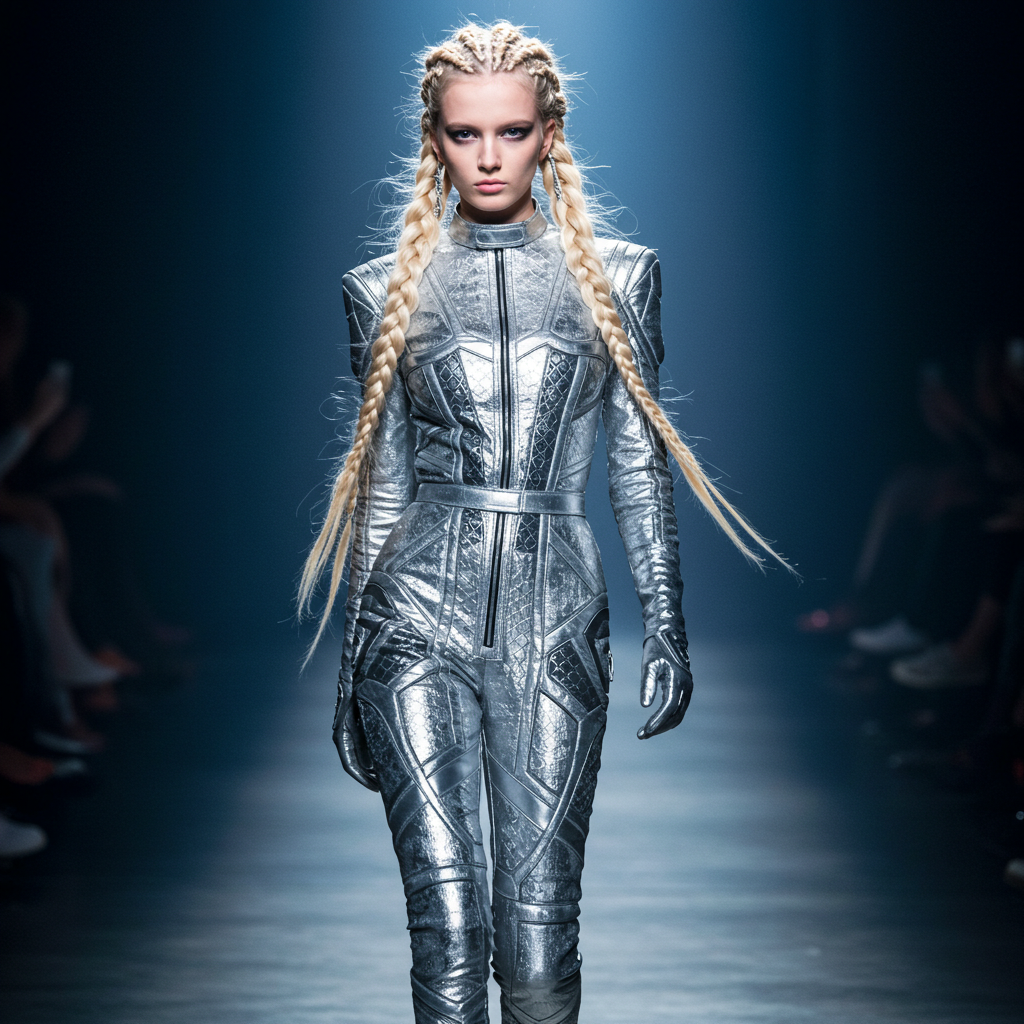
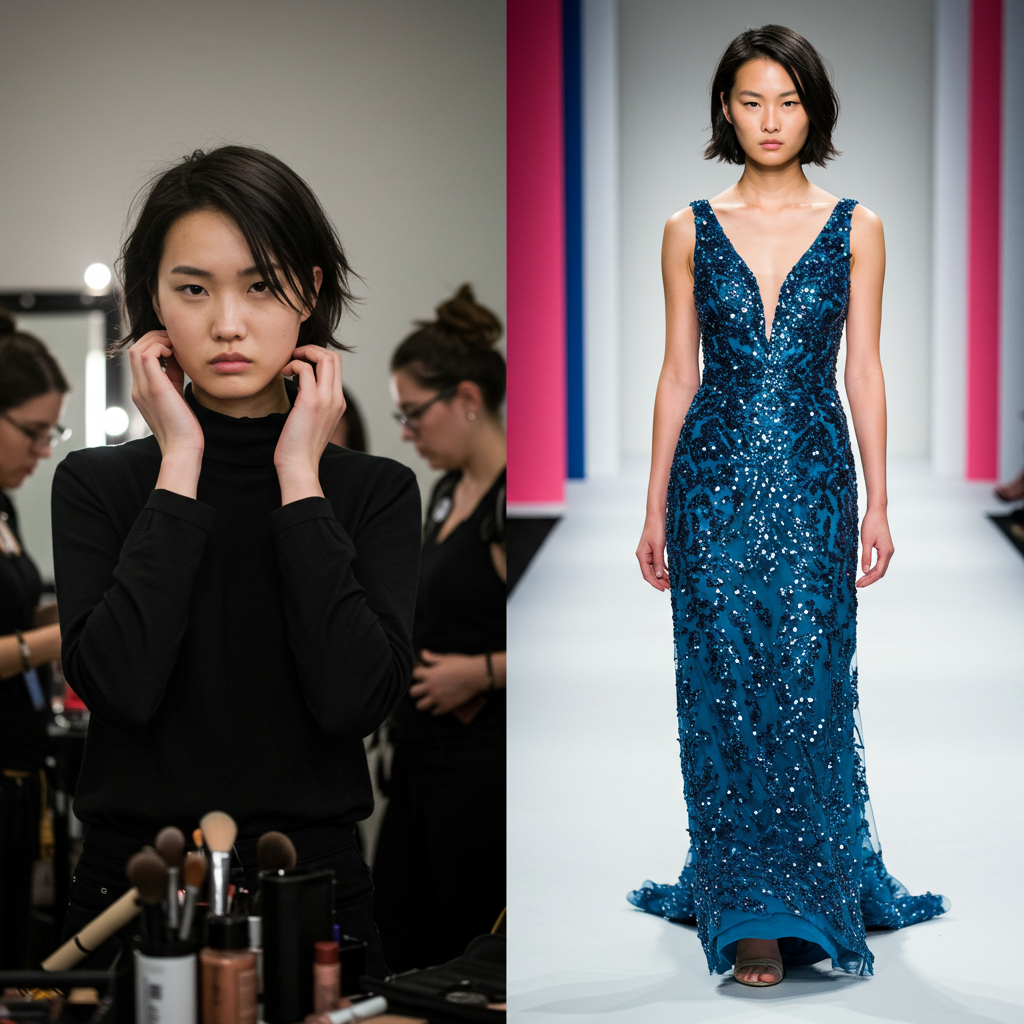
Fashion Week is the pinnacle of style, creativity, and innovation in the fashion industry. Designers, stylists, and models collaborate to bring breathtaking visions to life—often pushing boundaries in ways that captivate audiences worldwide. But behind the glitz and glamour lies a harsh reality: models frequently endure extreme hair treatments that can cause lasting damage. From aggressive bleaching to tight braiding and heat styling, the pursuit of the “perfect look” comes at a cost.
Why do models subject their hair to such risks? The answer lies in the high-stakes world of fashion, where artistic expression, brand demands, and career opportunities collide. In this article, we’ll explore the pressures models face, the most common damaging hair practices, and the long-term consequences of these beauty sacrifices.
The High-Stakes Pressure of Fashion Week
Fashion Week is more than just a showcase of clothing—it’s a career-defining moment for models. Landing a coveted runway spot can catapult a model into stardom, but competition is fierce. Designers and stylists seek specific aesthetics, and models must adapt to their vision, no matter the personal toll.
Key pressures include:
- Artistic demands: Designers often prioritize creativity over practicality, leading to extreme hair transformations.
- Industry standards: Agencies and brands favor models who are willing to comply with drastic changes.
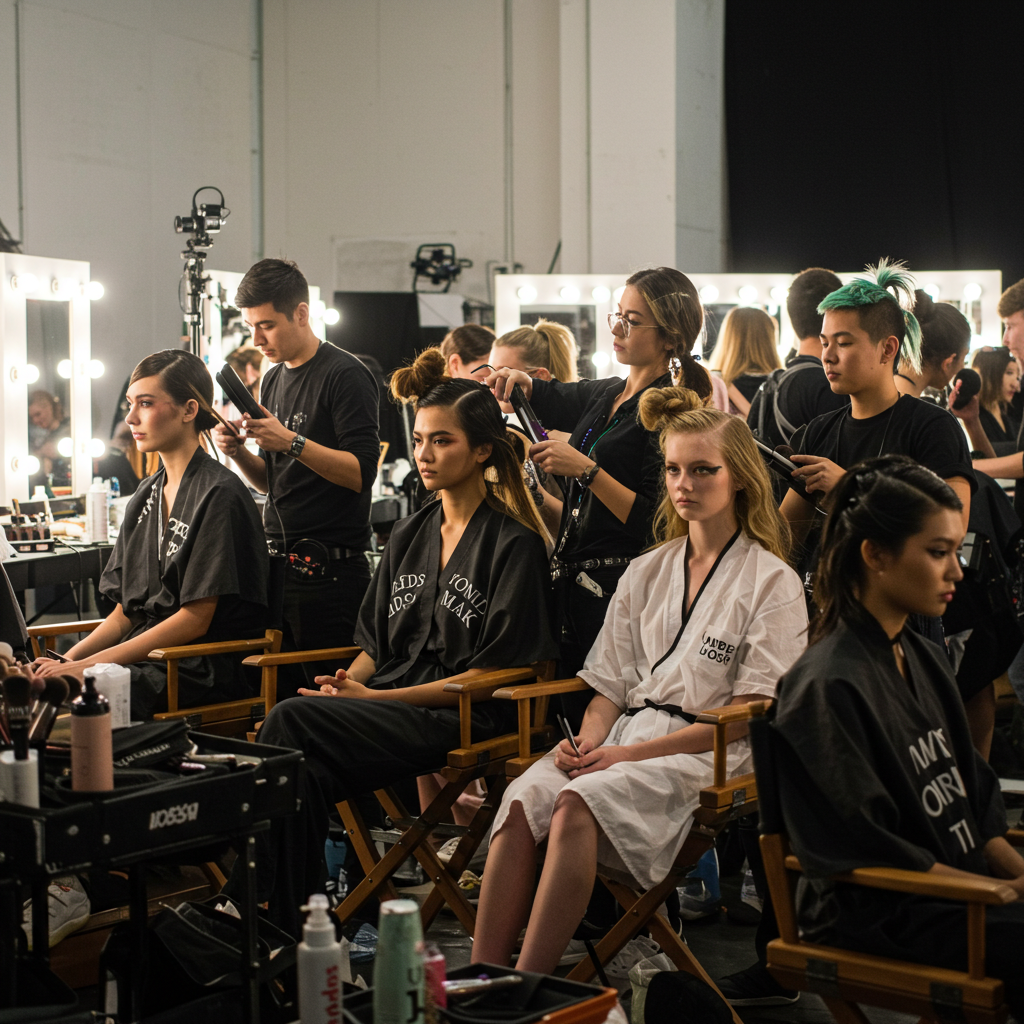
- Short turnaround times: Multiple shows in a single week mean constant restyling, leaving no time for hair recovery.
Common Hair Risks Models Endure
To achieve the desired runway look, stylists employ techniques that can wreak havoc on hair health. Some of the most damaging practices include:
1. Extreme Bleaching and Coloring
Runway hair often requires drastic color changes—platinum blonde, neon hues, or even multi-tonal patterns. Bleaching strips hair of its natural moisture and proteins, leading to breakage and brittleness. Models may undergo multiple sessions in a short span, leaving their hair weak and prone to damage.
2. Tight Braids and Extensions
Elaborate braided styles or heavy extensions can pull on the scalp, causing traction alopecia—a condition where hair falls out due to constant tension. Despite the pain, models endure these styles to align with a designer’s vision.
3. Excessive Heat Styling
Flat irons, curling wands, and blow dryers are used relentlessly backstage. High heat weakens hair cuticles, leading to split ends and frizz. With no time for deep conditioning, models’ hair often suffers irreversible damage.
The Long-Term Consequences
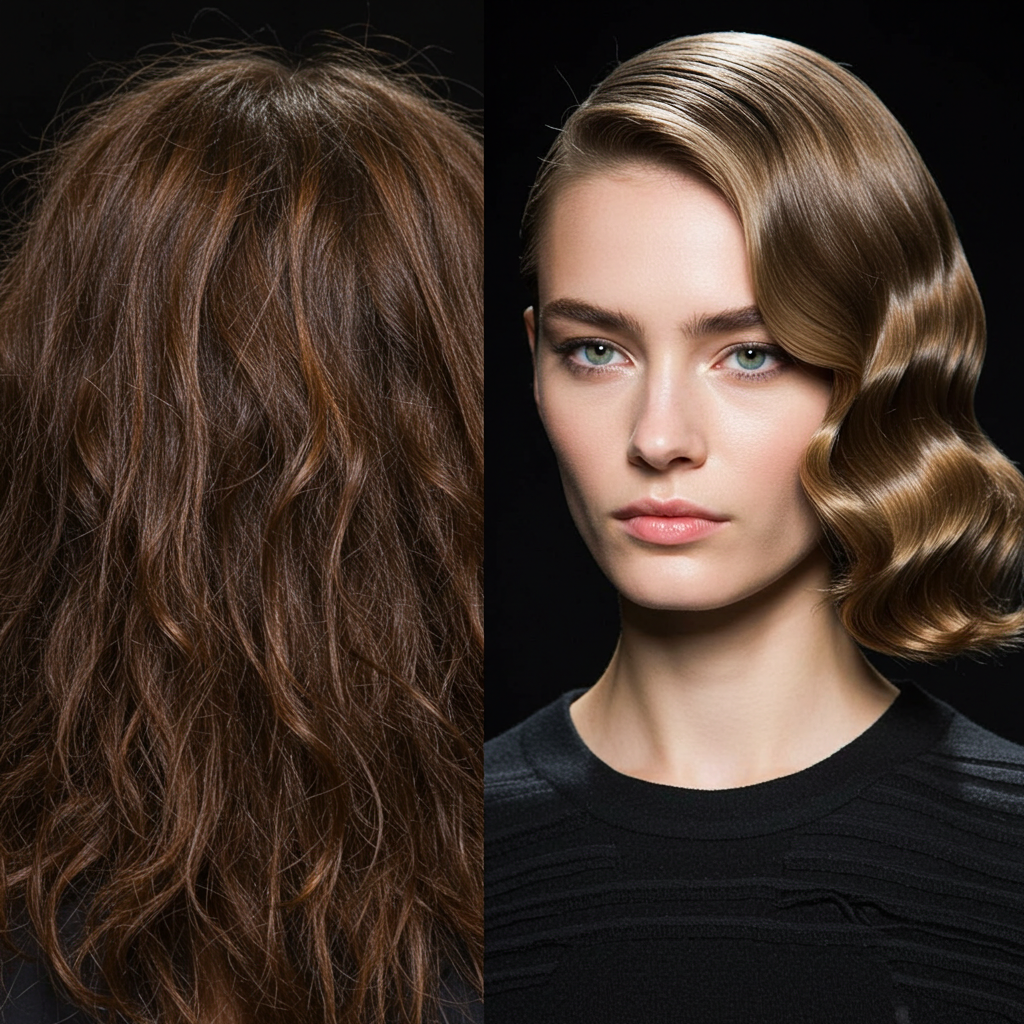
While Fashion Week lasts only a few days, the effects on a model’s hair can linger for months—or even years. Chronic damage may lead to:
- Thinning hair: Repeated chemical treatments and tension styles can reduce hair density.
- Scalp issues: Burns from bleach, irritation from adhesives, or infections from unclean tools.
- Career setbacks: Severe damage may limit future bookings if a model’s hair becomes too fragile.
Some models turn to wigs or protective styles post-Fashion Week to allow their natural hair to recover. However, the cycle often repeats season after season.
Is Change on the Horizon?
As conversations about model welfare gain traction, some designers and agencies are adopting gentler practices. A few positive shifts include:
- Protective styling: Using wigs or clip-ins instead of direct chemical treatments.
- Hair health advocacy: Models like Adwoa Aboah speak openly about hair damage, pushing for better care.
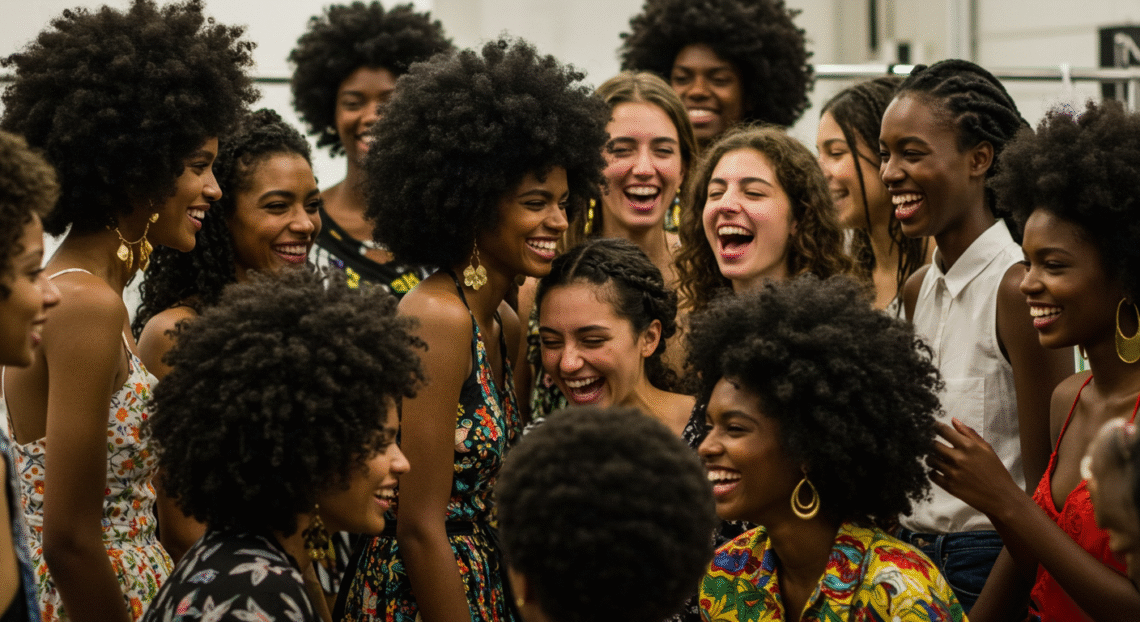
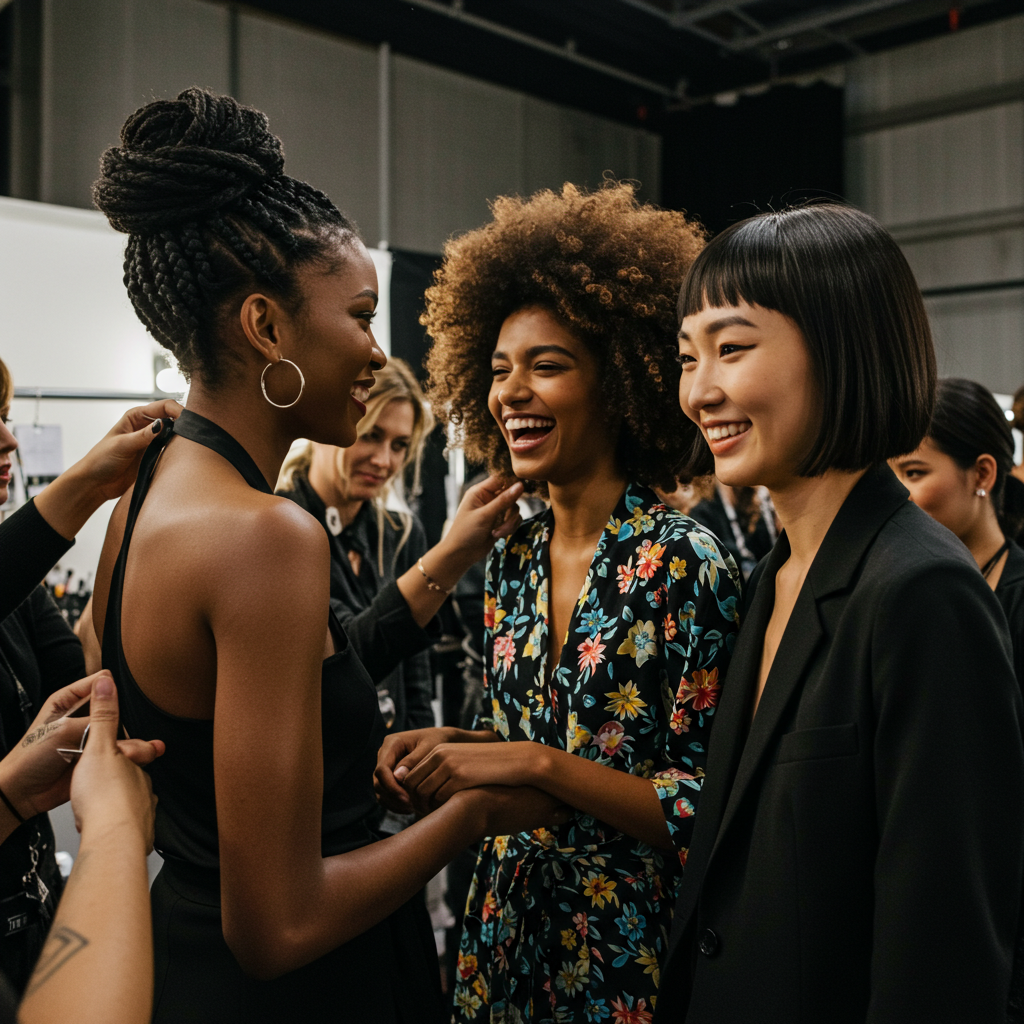
- Brand accountability: Campaigns now highlight natural hair textures, reducing pressure for extreme changes.
Still, the industry has a long way to go. Until then, models continue to weigh the risks against the rewards of Fashion Week’s spotlight.
Conclusion
Fashion Week’s dazzling looks come with hidden sacrifices—especially for models’ hair. While the runway demands creativity, the toll on hair health raises important questions about sustainability and ethics in fashion. As audiences, we can advocate for change by supporting brands that prioritize model well-being over extreme aesthetics.
Next time you admire a striking runway hairstyle, remember: behind every bold look is a model who may have risked her hair for art.

