
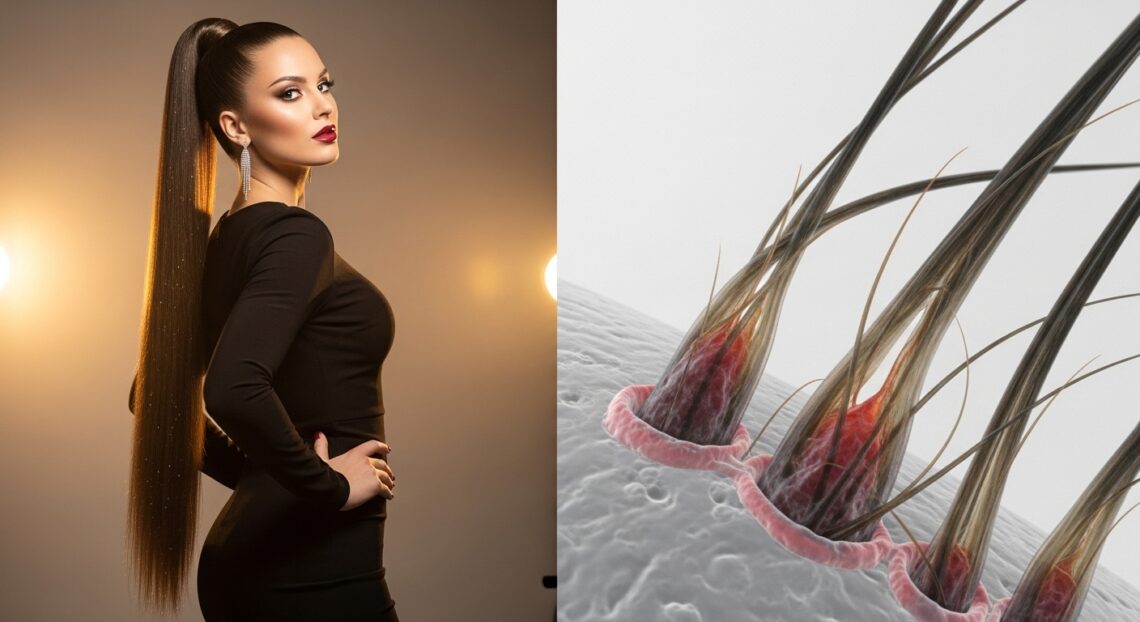
In the ever-evolving world of beauty and self-care, new hair trends emerge constantly. From bold colors to intricate braids, people love experimenting with their locks. However, dermatologists are now sounding the alarm about one particularly popular trend that could be doing more harm than good.
If you’ve been scrolling through social media lately, you’ve likely seen this trend everywhere. It promises effortless style and a fresh look, but experts warn that the long-term consequences may not be worth the temporary aesthetic appeal. Let’s dive into why medical professionals are concerned and what you should consider before jumping on this bandwagon.
The Rise of the Controversial Hair Trend
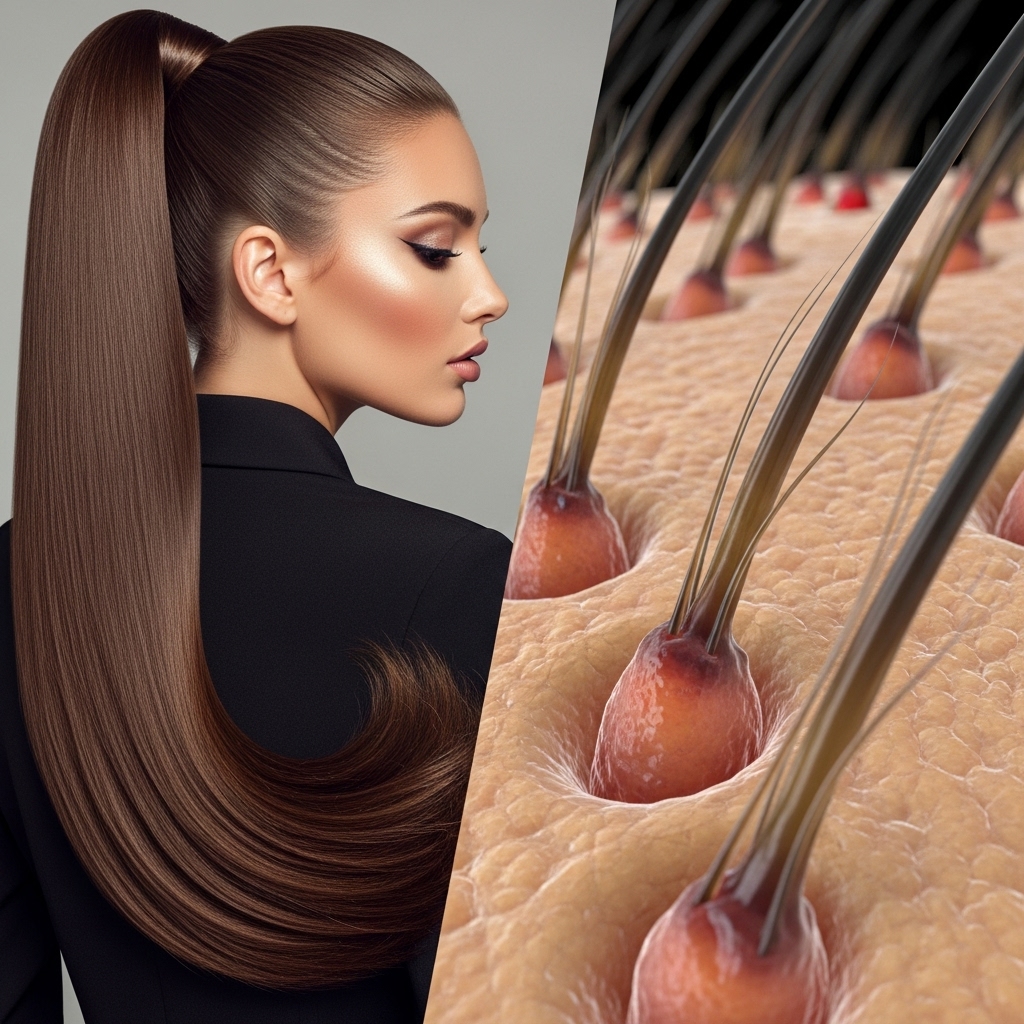
Over the past year, tight ponytail extensions (also known as “ponytail weaves” or “instant ponytails”) have exploded in popularity. These hair additions allow wearers to achieve a sleek, high ponytail look without having naturally long hair. Celebrities and influencers have showcased them on red carpets and social media, making them highly desirable.
The appeal is understandable: they offer instant length and volume, require minimal styling time, and can be changed frequently for different looks. However, dermatologists are seeing an increasing number of patients with hair and scalp problems directly linked to this trend.
The Hidden Dangers Dermatologists Are Seeing
Dr. Sarah Thompson, a board-certified dermatologist specializing in hair disorders, explains: “We’re seeing a significant uptick in cases of traction alopecia directly correlated with these tight ponytail extensions. The constant tension on hair follicles can cause permanent damage if worn frequently.”
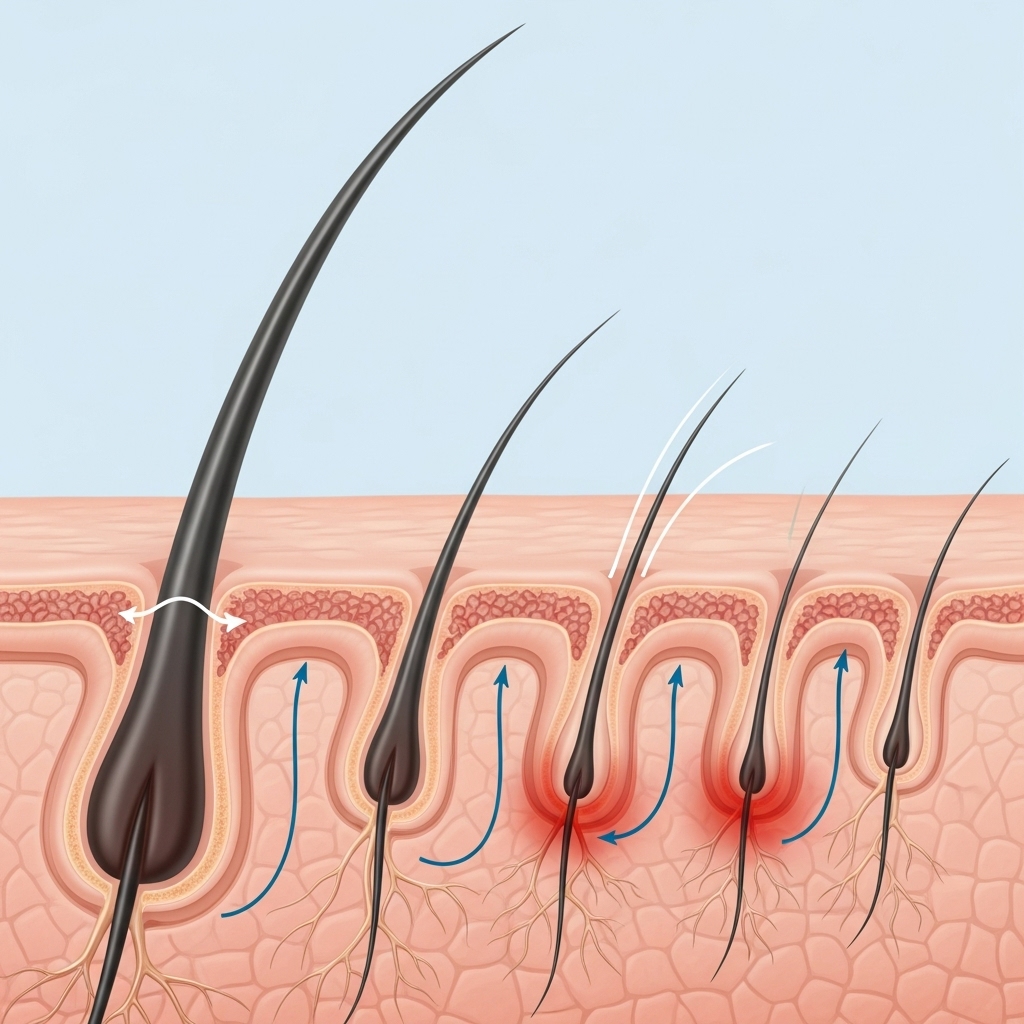
Traction alopecia is a form of hair loss caused by prolonged tension on the hair roots. While it’s been associated with other tight hairstyles like braids and cornrows, the modern ponytail extensions present unique risks:
- Excessive weight: The added hair increases strain on natural hair
- Improper installation: Many users apply them too tightly at home
- Extended wear: People often leave them in for days or weeks
- Lack of breaks: Not giving hair time to recover between uses
Other Concerning Side Effects
Beyond hair loss, dermatologists report several other issues linked to this trend:
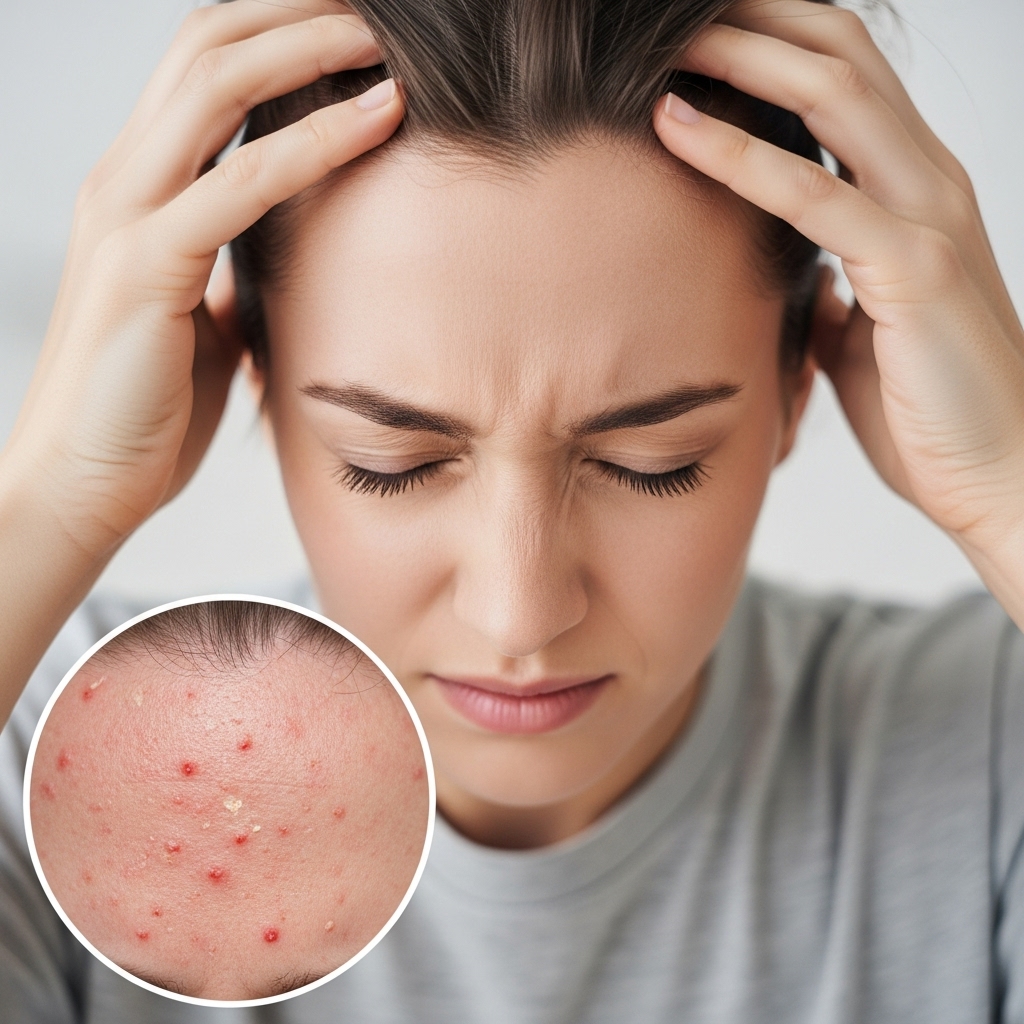
Scalp irritation and inflammation: The adhesive or attachment methods can cause allergic reactions or bacterial infections, especially when sweat gets trapped underneath.
Breakage and thinning: Even if follicles aren’t permanently damaged, the constant pulling leads to broken strands and overall hair thinning.
Headaches and tension: Many wearers report persistent headaches from the weight and tightness of the extensions.
Natural hair neglect: The convenience of extensions often leads to reduced care for natural hair underneath, exacerbating damage.
How to Enjoy the Trend Safely
If you love the look and don’t want to give it up completely, dermatologists recommend these precautions:
Limit frequency: Wear ponytail extensions only for special occasions, not daily.
Opt for loose styles: Choose lower ponytails or looser attachments that don’t pull as tightly on your hairline.
Professional installation: Have extensions applied by a licensed stylist who understands proper tension.
Give your hair breaks: After wearing extensions, let your hair and scalp rest for several days.
Monitor for warning signs: If you notice increased shedding, scalp tenderness, or small bumps, stop using the extensions immediately.

Healthier Alternatives to Consider
For those who want the ponytail look without the risks, consider these safer options:
Clip-in ponytails: These temporary options can be removed daily to relieve tension.
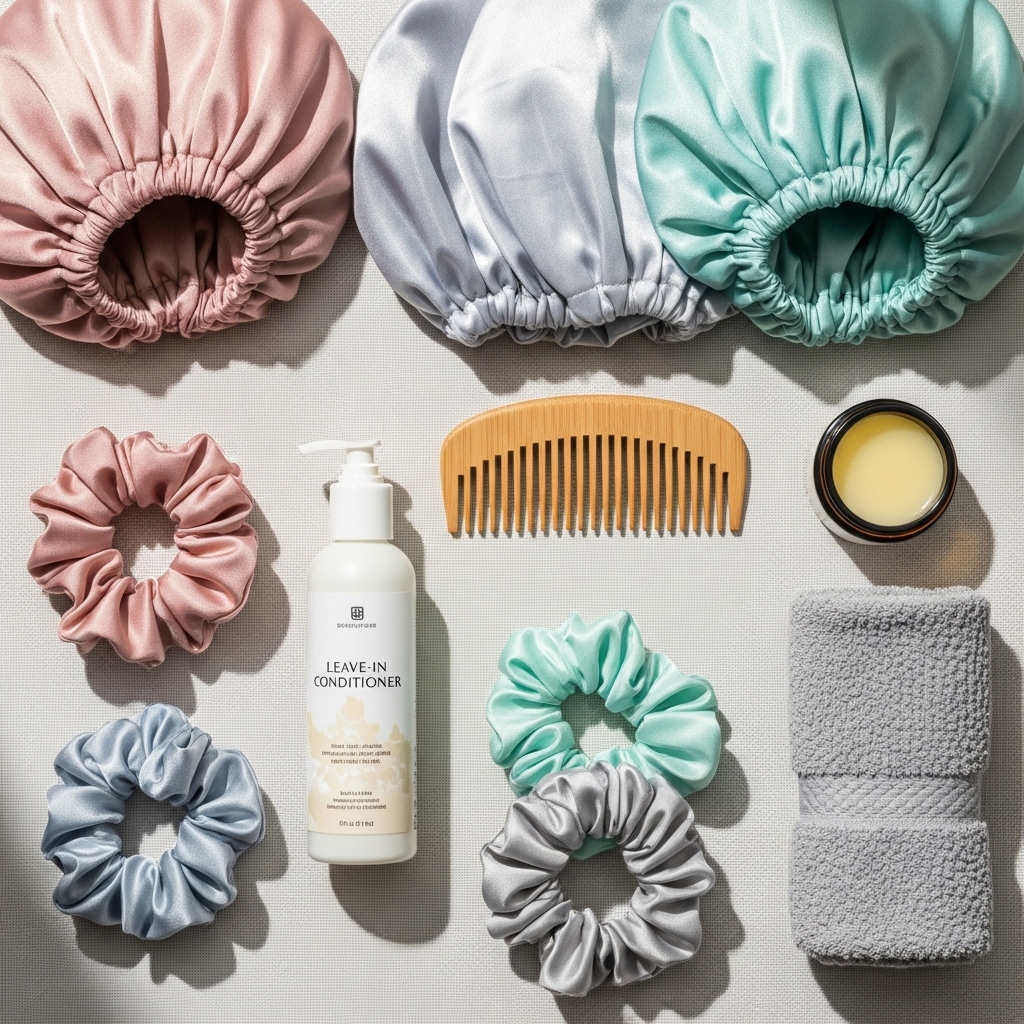
Hair accessories: Ribbons, scrunchies, or decorative clips can elevate a simple ponytail.
Natural growth treatments: Focus on nourishing your own hair with proper care and patience.
Different styles: Experiment with braids, buns, or half-up styles that distribute tension more evenly.
When to See a Dermatologist
If you’ve been using tight ponytail extensions and notice any of these signs, schedule an appointment with a dermatologist:
- Receding hairline or widening part
- Small bumps or pustules on the scalp
- Pain or tenderness that persists after removing extensions
- Visible broken hairs around the hairline
- Itching or burning that doesn’t resolve with gentle care
Early intervention can prevent permanent damage and help restore hair health. Treatments may include topical medications, lifestyle changes, or specialized hair care routines.

The Bottom Line From Hair Experts
While trends come and go, your hair health is long-term. Dr. Thompson summarizes: “We want people to express themselves through hair, but not at the expense of their scalp health. If a style causes pain or requires extreme tension, it’s not worth the risk of permanent damage.”
The key is moderation and awareness. By understanding the risks and implementing safer practices, you can occasionally enjoy trendy styles while protecting your hair’s future. Remember, healthy hair is always in style.

