
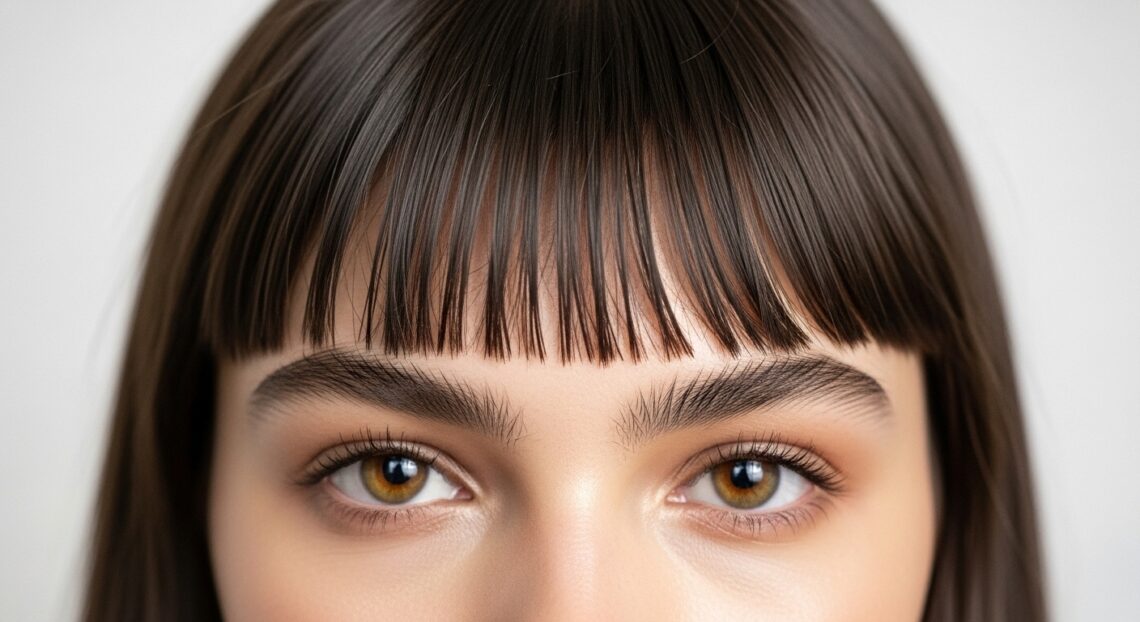
Are you stuck in a hair rut, scrolling through endless inspiration photos of chic, face-framing layers and bangs, but too intimidated to take the plunge? You’re not alone. The dream of having dynamic, textured hair that moves with you often clashes with the fear of a haircut disaster. But what if there was a style that combined the soft, face-framing magic of layers with the bold, transformative power of bangs? Enter: layered bangs.
This isn’t your grandmother’s blunt, heavy fringe. Layered bangs are the secret weapon of hairstylists and fashion icons alike. They’re designed to add volume, soften features, and inject a dose of effortless cool into any hairstyle. The best part? They’re incredibly versatile and can be tailored to suit virtually every face shape and hair type. This ultimate guide is here to demystify the process, offering styles you can actually bring to your stylist (or confidently DIY-trim) for a look that’s anything but basic.
Why Layered Bangs Are Your Next Best Hair Move
So, what exactly sets layered bangs apart? Unlike a single, solid block of hair, layered bangs are cut with varying lengths and textures. This creates movement, depth, and a seamless blend with the rest of your hair. The benefits are numerous. They are uniquely forgiving, growing out more gracefully than their blunt counterparts. The soft, piece-y ends mean you won’t get that harsh, helmet-head effect as they grow.
They’re also a masterclass in face-framing. By strategically placing shorter and longer pieces, a skilled stylist can highlight your cheekbones, soften a strong jawline, or balance a wider forehead. Furthermore, they are a godsend for adding volume, especially if you have fine or flat hair. The different lengths create natural lift at the roots and texture throughout, making your hair look instantly thicker and more dynamic.
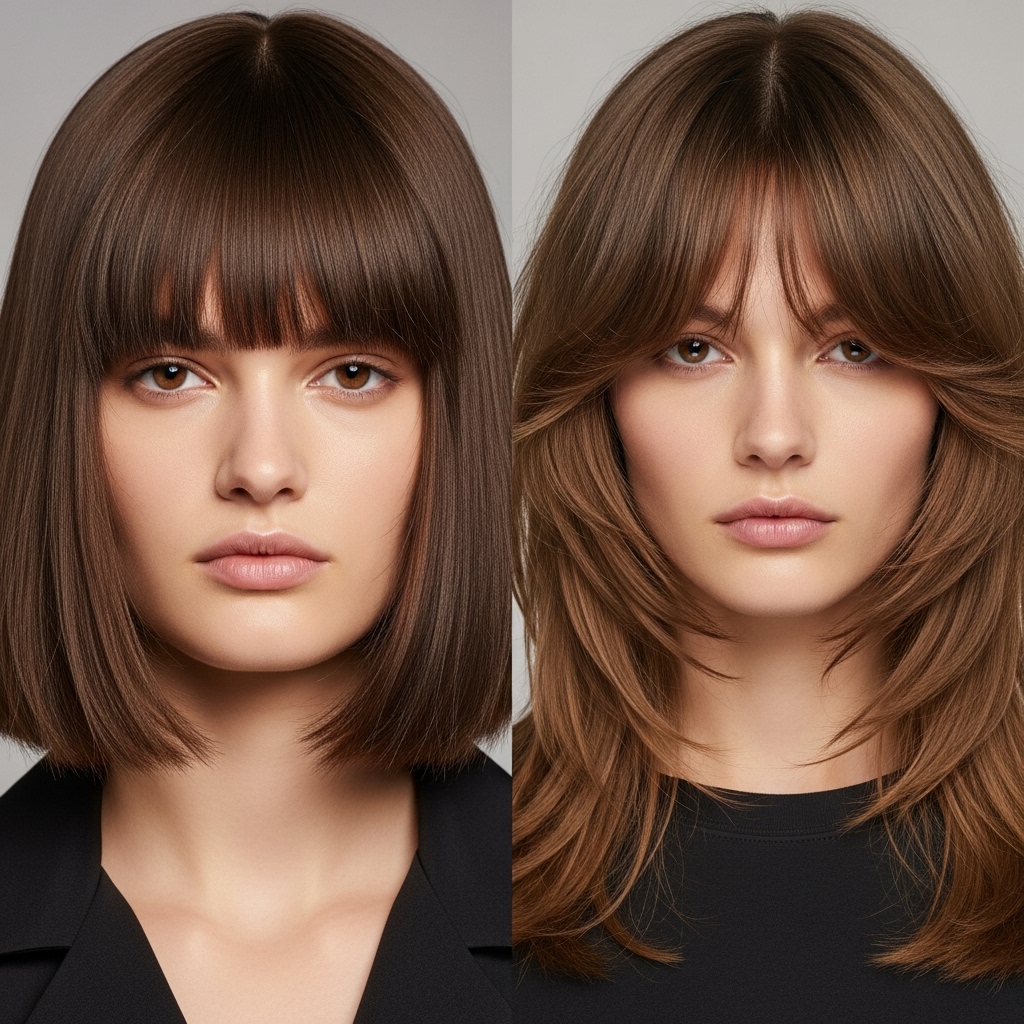
Finding Your Perfect Match: Layered Bangs for Your Face Shape
The key to nailing the layered bangs look is choosing a style that complements your natural bone structure. Here’s a quick breakdown to guide your consultation.
For Round Faces: The goal is to create length and definition. Opt for longer, wispy layered bangs that are parted slightly off-center or have curtain-style layers. These draw the eye vertically, elongating your face. Avoid short, wide bangs that can emphasize roundness.
For Square Faces: You’ll want to soften a strong jawline and forehead. Curtain bangs with feathered ends are perfect, as they create soft, rounded shapes that counter angular features. Wispy, piece-y bangs that blend into the rest of your layers also work beautifully to add softness.
For Oval Faces: Congratulations, you can pull off almost anything! Oval faces are the most versatile. Feel free to experiment with shorter, choppier layered bangs or dramatic, 70s-inspired feathered styles. Your balanced proportions can handle the boldness.
For Heart-Shaped Faces: With a wider forehead and narrower chin, your aim is to balance the top and bottom of your face. Side-swept layered bangs or long, blended curtain bangs are ideal. They cover the temples and corners of the forehead without overwhelming your delicate chin.
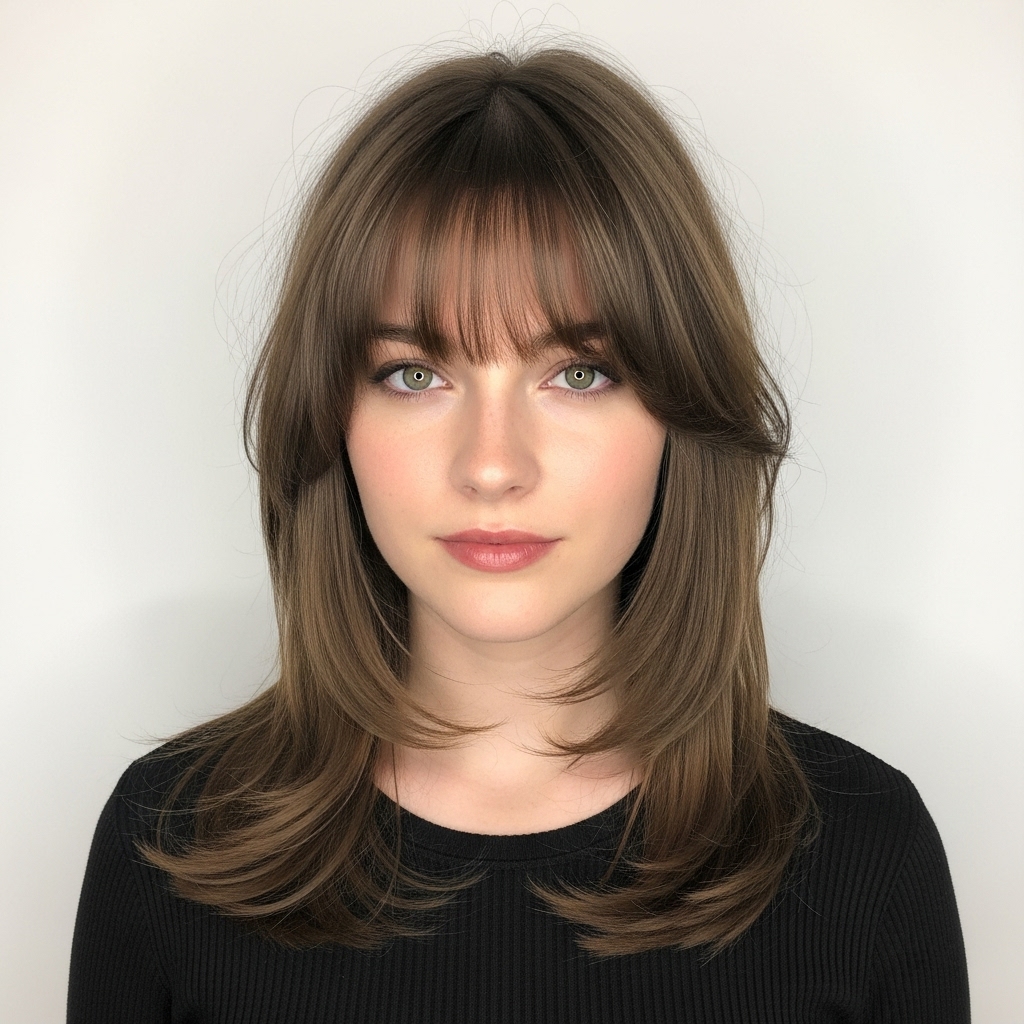
The Style Gallery: 5 Layered Bangs Looks to Try Now
Now for the fun part! Let’s dive into the specific styles that are taking over the beauty world. Each of these looks offers a unique vibe, from barely-there wisps to bold, statement-making fringe.
1. The Wispy Shag Bang
This is the quintessential layered bang. Think 70s rock star meets modern cool-girl. The Wispy Shag Bang is all about texture. It’s characterized by choppy, uneven ends and a see-through quality that feels airy and effortless. It works exceptionally well with shag or mullet haircuts but can also add an edge to longer, layered locks. The maintenance is relatively low, as the imperfect nature of the cut means you don’t need perfect lines.
Best for: All hair types, but especially those with straight or wavy hair looking to add a rebellious touch.
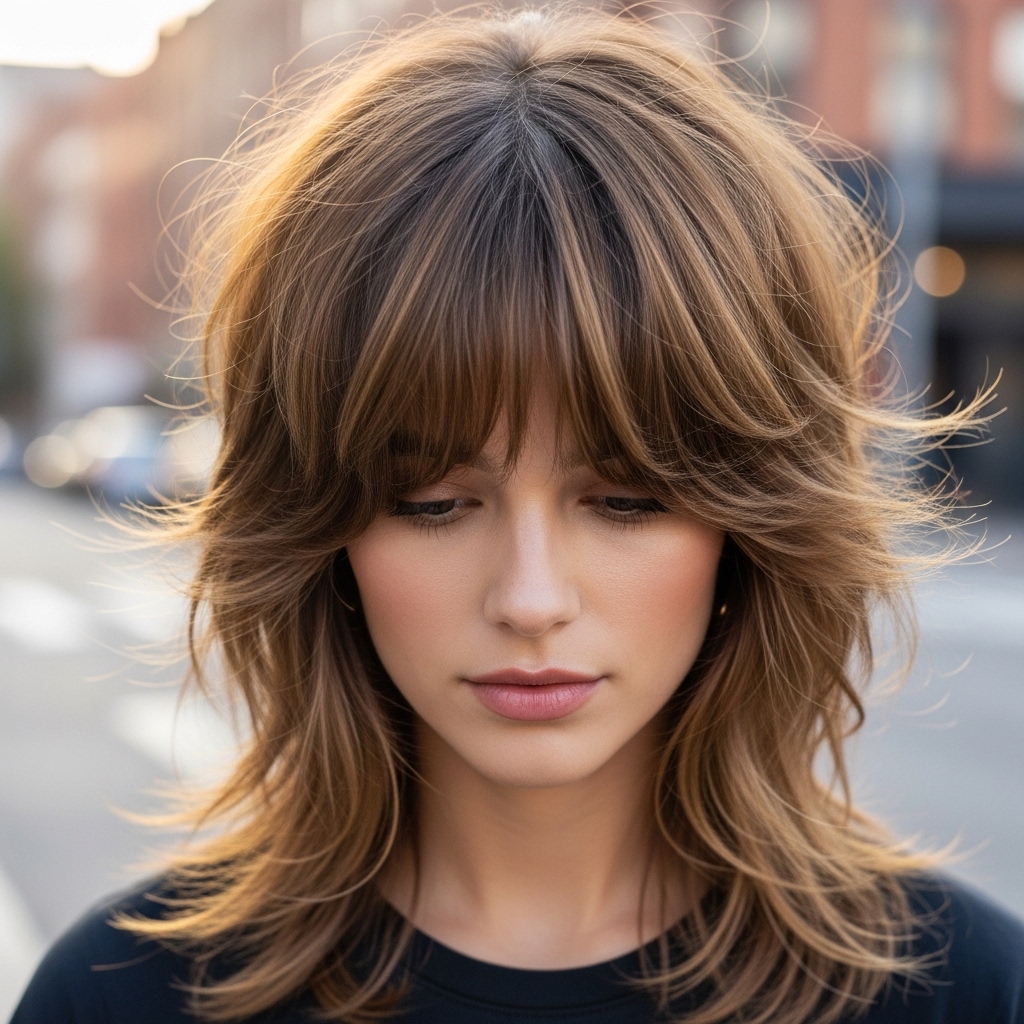
2. The Curtain Bang Revival
You’ve seen them everywhere, and for good reason. Curtain bangs are the poster child for layered bangs. They are parted down the middle and frame the face on either side, blending seamlessly into the rest of your hair. The layered aspect comes from the soft graduation of length, from shorter pieces around the bridge of the nose to longer pieces at the cheeks. They are incredibly versatile, low-commitment, and universally flattering.
Best for: Almost every face shape and hair texture. They are the perfect entry-level layered bang.
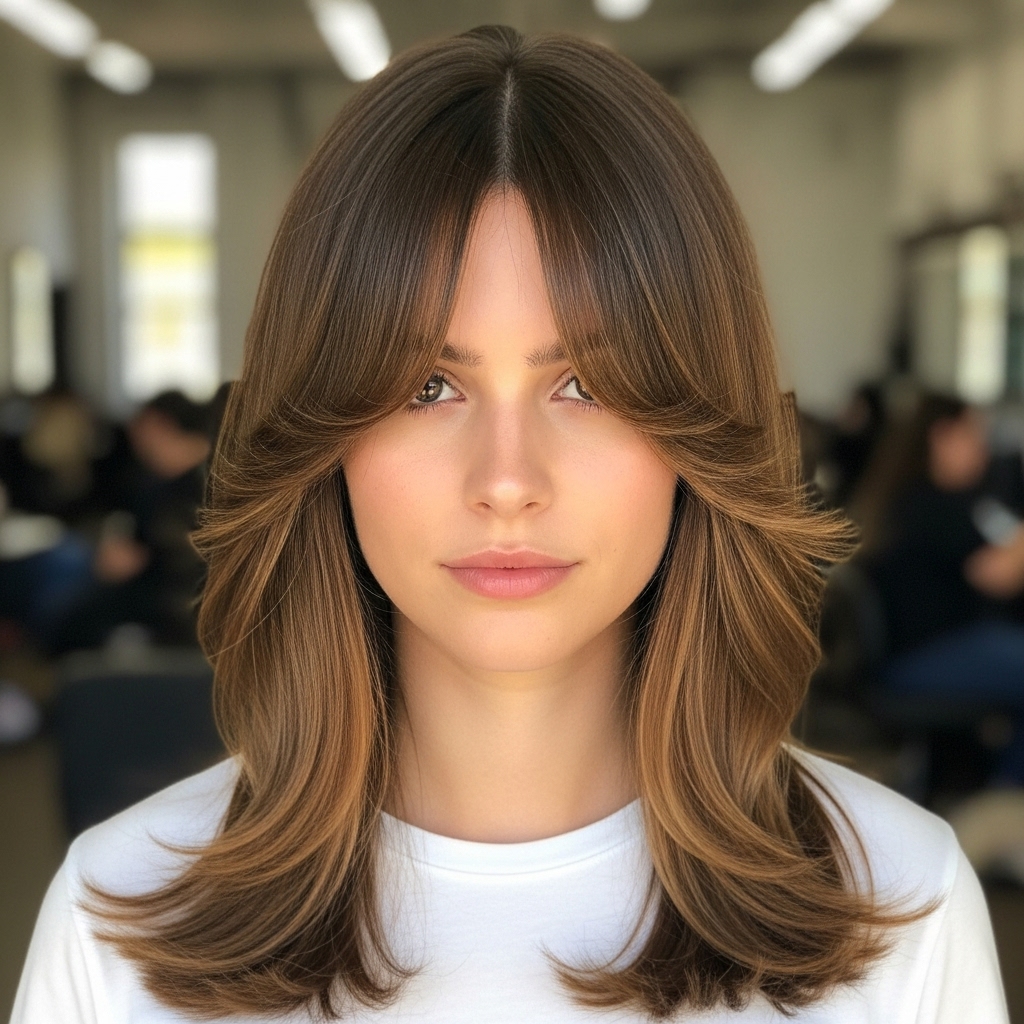
3. The Piece-Y, Textured Bang
If you have fine or thin hair, this style is your best friend. The Piece-Y bang focuses on creating the illusion of thickness and volume. Instead of a solid section of fringe, your stylist will cut individual, “piece-y” strands at different lengths. This technique removes weight and allows the bangs to sit with more body and movement. It’s a modern, urban look that pairs perfectly with a messy bun or a simple, straight hairstyle.
Best for: Fine to medium hair types that need a volume boost and a touch of modern edge.
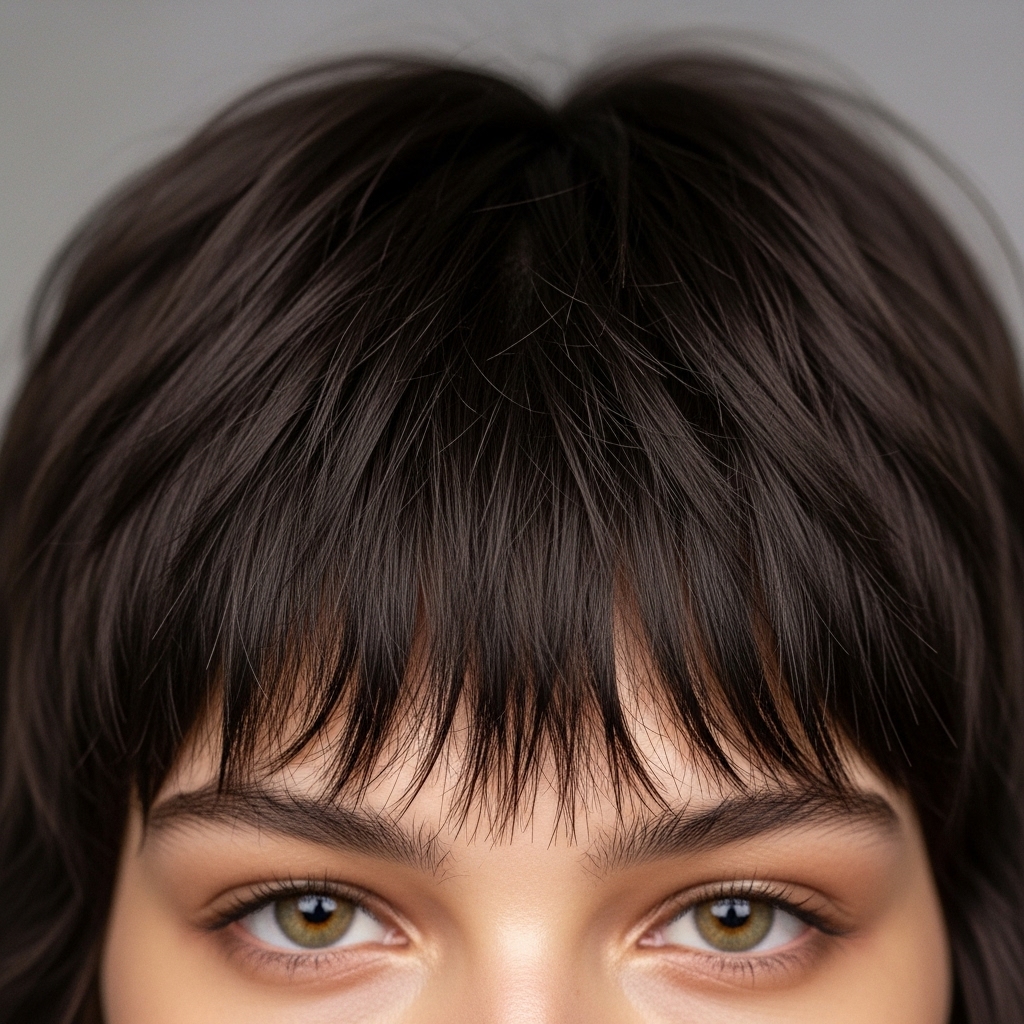
4. The Side-Swept Layered Fringe
Elegant and timeless, the side-swept fringe gets a modern update with layered ends. This style involves a longer section of bangs that are swept to one side of the face. The layering prevents them from looking heavy or dated, creating a soft, feathered effect as they graze the eyebrow and cheekbone. It’s a fantastic way to add drama and sophistication while still maintaining a soft, feminine feel.
Best for: Heart-shaped, square, and round faces. It’s also a great style for those growing out their bangs.
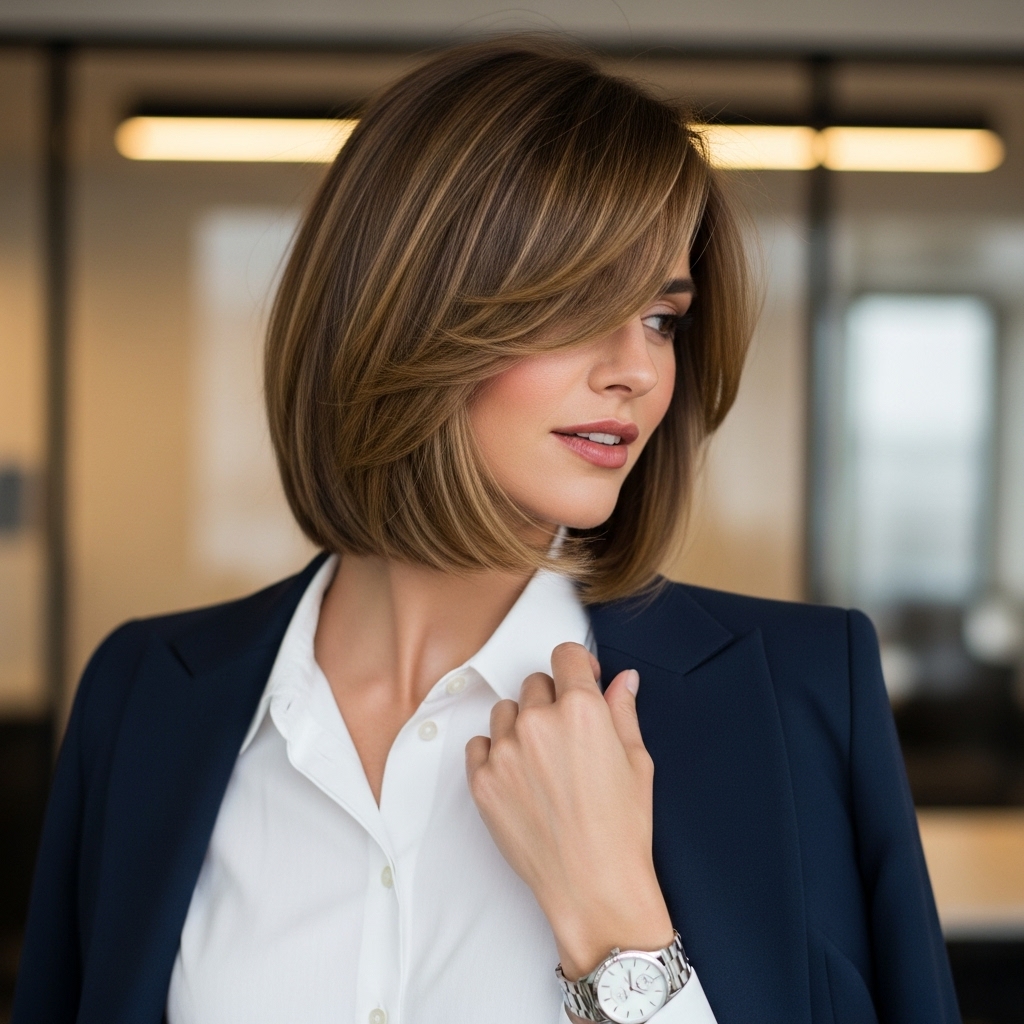
5. The Blended Layer Bang
This is the most seamless option. The Blended Layer Bang isn’t a distinct section of fringe but rather an extension of your face-framing layers. The shortest layers from around your face are cut to fall across your forehead, blending perfectly into the longer layers. It’s a soft, non-committal way to experiment with bangs without the dramatic change. The result is a cohesive, flowy look that adds depth and dimension to your entire hairstyle.
Best for: Anyone wary of a full fringe, or those with long layers who want to enhance their existing cut.
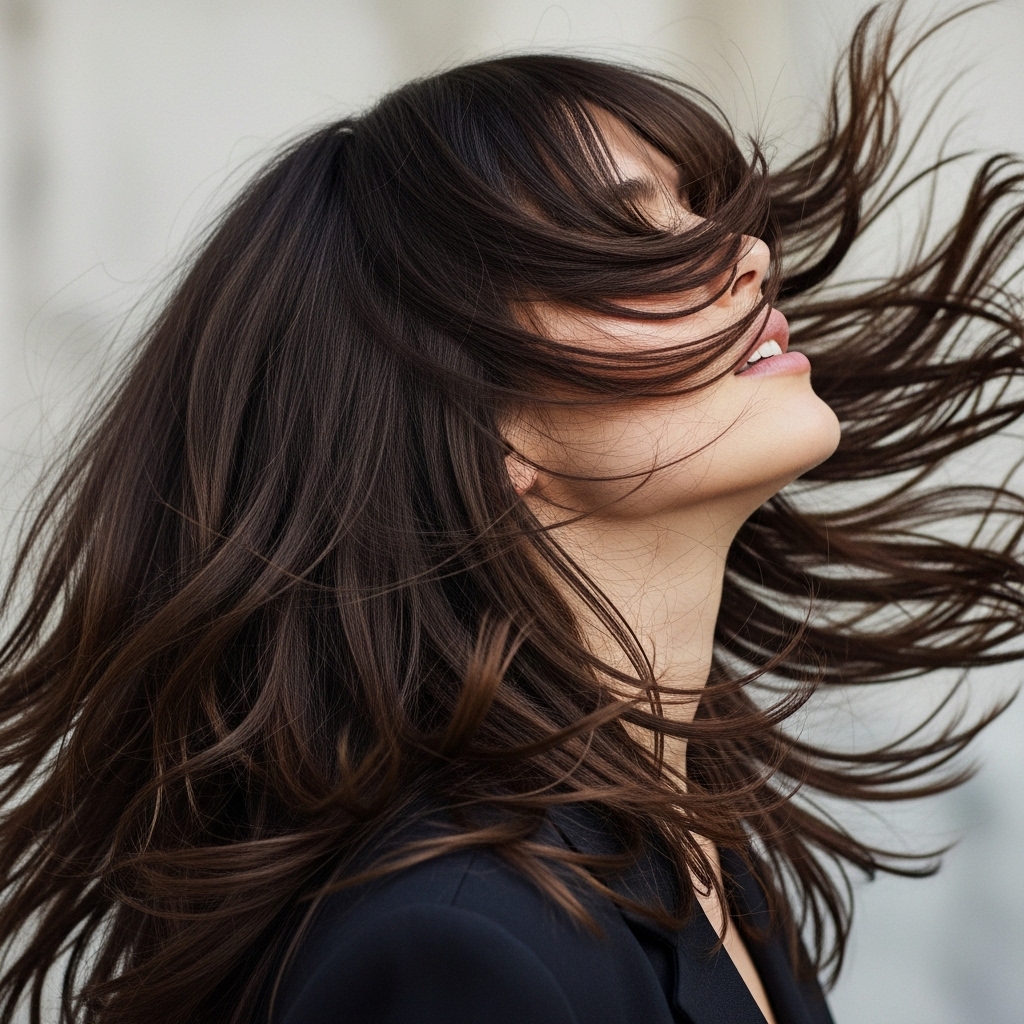
Mastering the Maintenance: How to Care for Your Layered Bangs
Committing to layered bangs requires a little upkeep, but it’s far less demanding than you might think.
Trimming Tips: To keep their shape, you’ll need a small trim every 2-4 weeks. If you’re brave, you can do this at home with sharp hairstyling shears. Always cut dry hair, as wet hair shrinks and can lead to cutting too much. Cut vertically into the ends, not straight across, to maintain that piece-y, textured effect. Start with a tiny amount—you can always cut more.
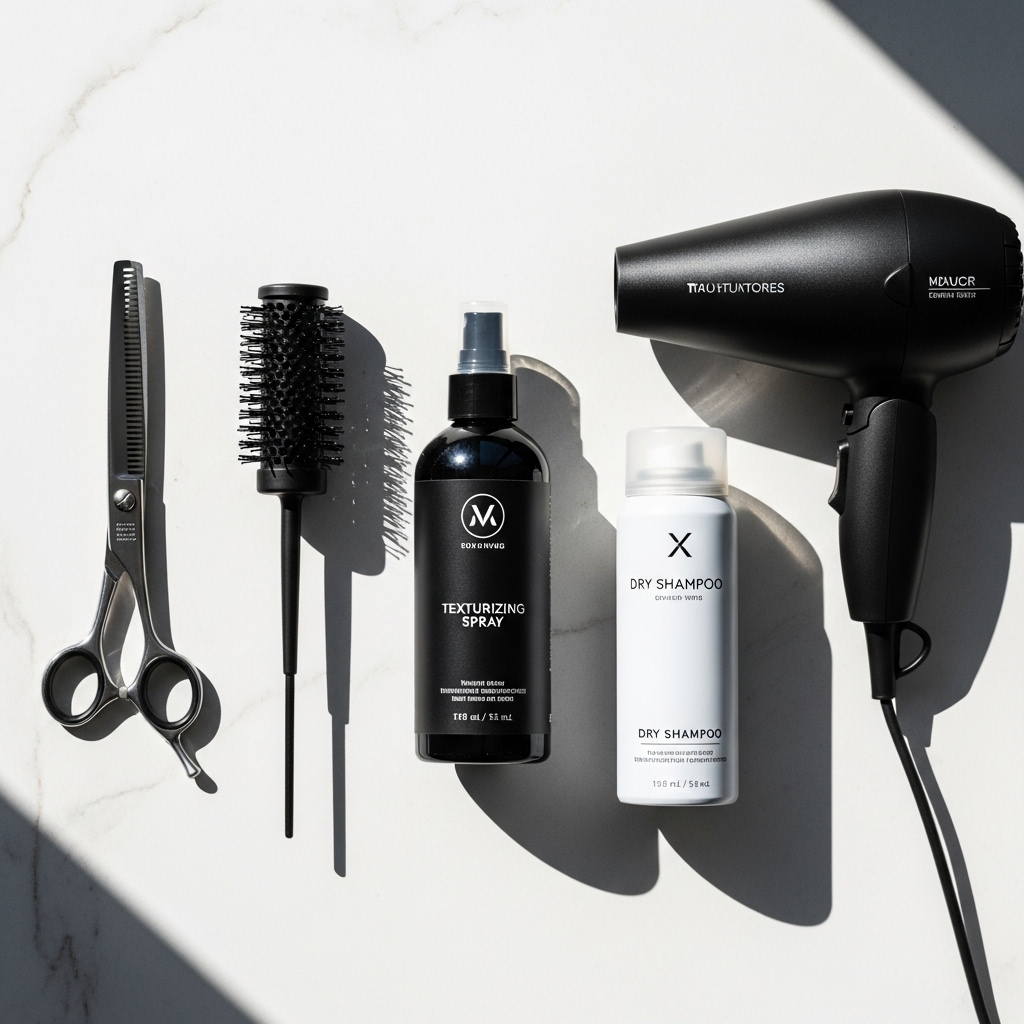
Styling Essentials: The right tools make all the difference. A round brush and a blow dryer are your best friends for smoothing and adding volume. For a more textured, lived-in look, use a flat iron to create subtle bends and waves in individual pieces. A light-hold texturizing spray or a dry shampoo at the roots will provide grip and maintain volume throughout the day without weighing down fine hair.
Daily Routine: You don’t need to wash your entire head of hair every day, but you might need to refresh your bangs. A quick blast with a blow dryer on cool setting or a dab of dry shampoo can absorb oils and revive their shape in seconds.
Ready for the Chop? Your Consultation Checklist
Walking into the salon prepared is the final step to ensuring you walk out with the layered bangs of your dreams. Don’t just say “I want layered bangs.” Be specific.
First, bring photos. A picture is worth a thousand words, especially when describing a specific texture or length. Bring multiple angles if you can. Second, discuss your lifestyle. Tell your stylist how much time you’re willing to spend on styling each morning. This will help them recommend a style that’s not just beautiful, but also practical for you. Finally, trust your stylist. They are the experts. They can see your hair’s natural texture, growth patterns, and how it will interact with the cut. Listen to their professional advice—they want you to love your hair as much as you do.

