
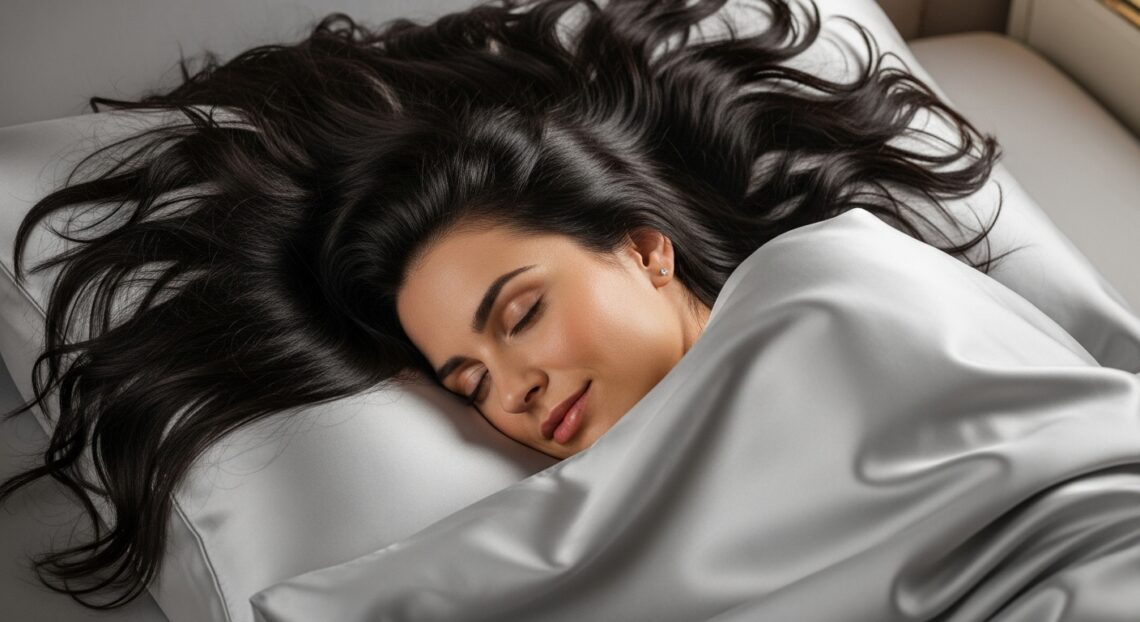
You wash, condition, and treat your hair with care—but did you know that while you sleep, you could be undoing all that hard work? Many of us unknowingly cause significant damage to our hair every night through common habits like rough pillowcases, tight hairstyles, and even the way we toss and turn. The result? Breakage, split ends, and lackluster locks that never seem to recover.
In this guide, we’ll uncover the hidden culprits of nighttime hair damage and share easy, effective solutions to protect your strands while you sleep. Say goodbye to morning tangles and hello to healthier hair!
1. The Problem with Cotton Pillowcases
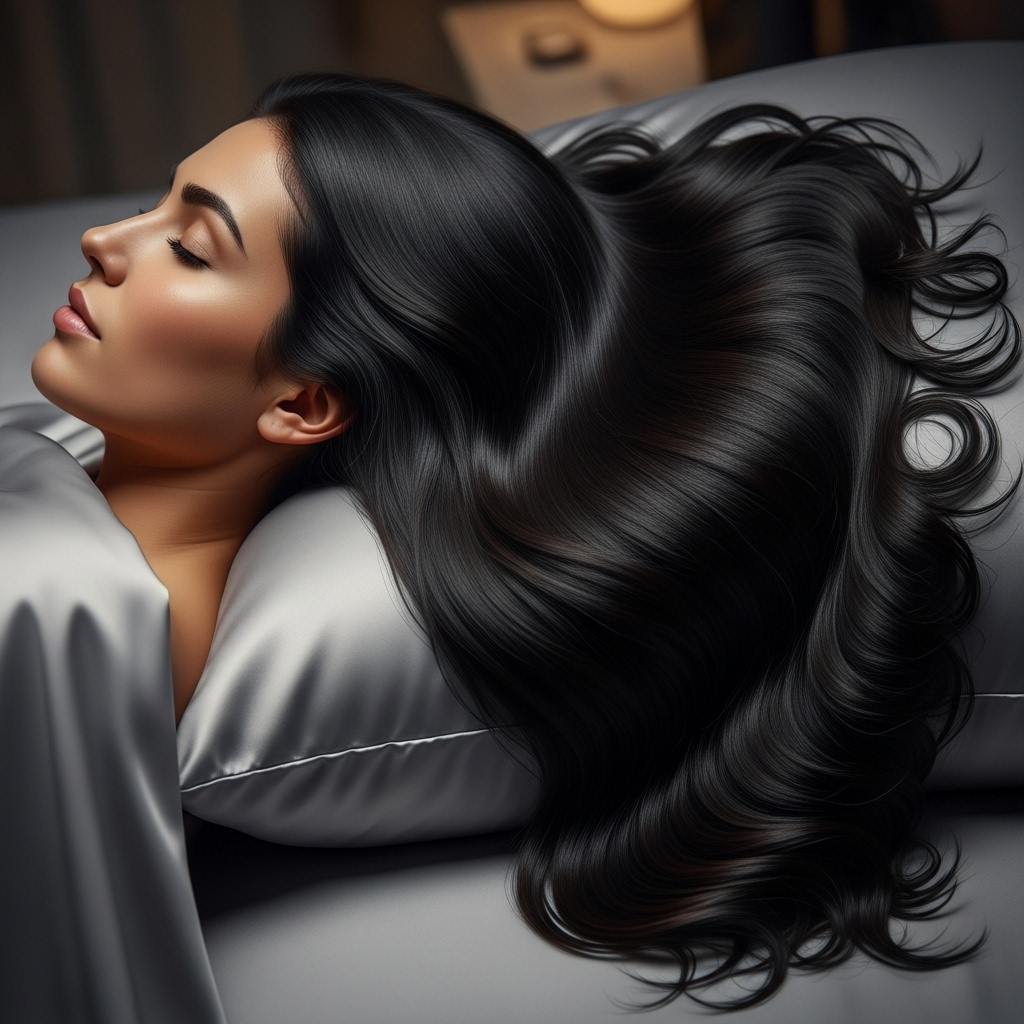
Your soft, cozy cotton pillowcase might feel great against your skin, but it’s a nightmare for your hair. Cotton is a high-friction fabric that creates resistance as you move in your sleep. This constant rubbing leads to:
- Breakage: Hair strands snap under tension.
- Frizz: The rough texture lifts the hair cuticle.
- Tangling: Knots form as hair drags against the fabric.
If you wake up with messy, unruly hair, your pillowcase could be the culprit.
2. Tight Hairstyles and Elastic Damage
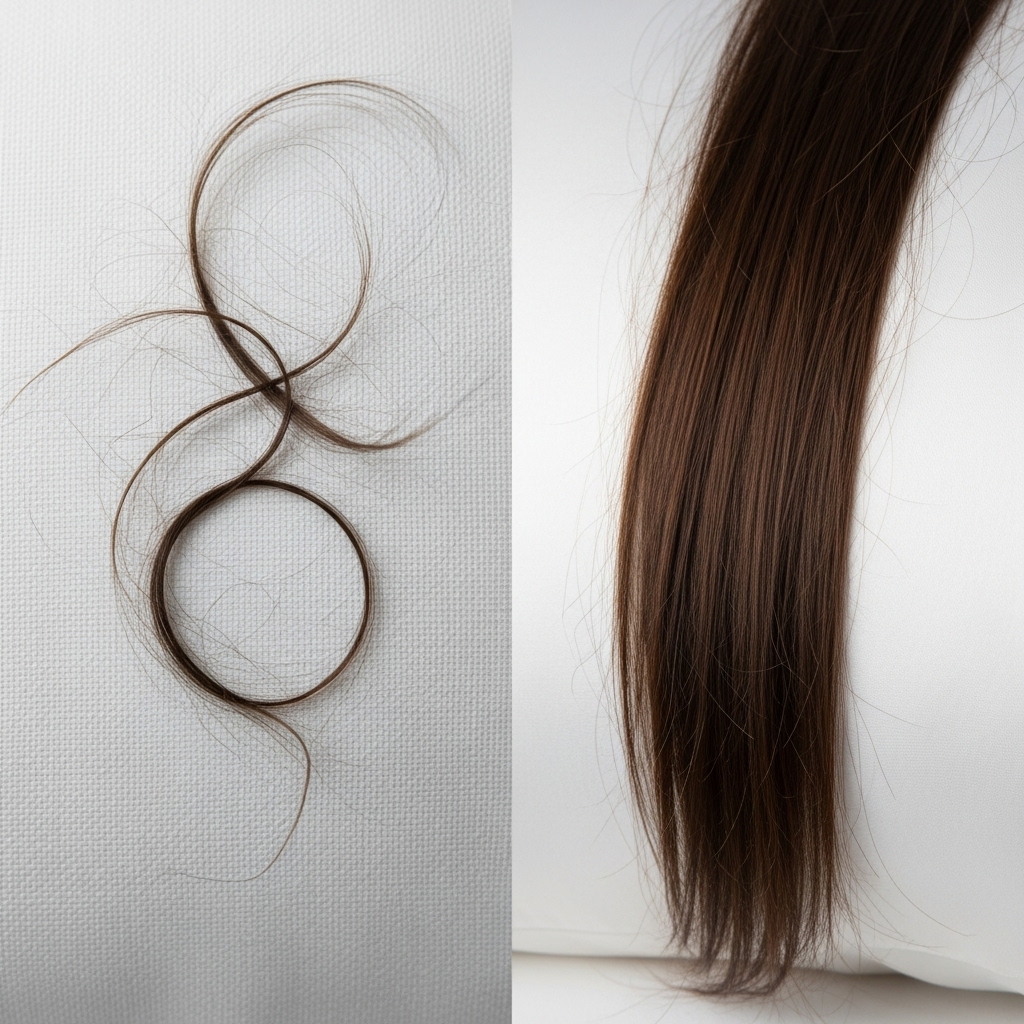
Many people secure their hair in ponytails, braids, or buns before bed to keep it out of their face. However, tight hairstyles put stress on your hair follicles, leading to:
- Traction alopecia: A form of hair loss caused by prolonged tension.
- Breakage around the hairline: Weak spots from repeated pulling.
- Creasing: Kinks and dents from elastic bands.
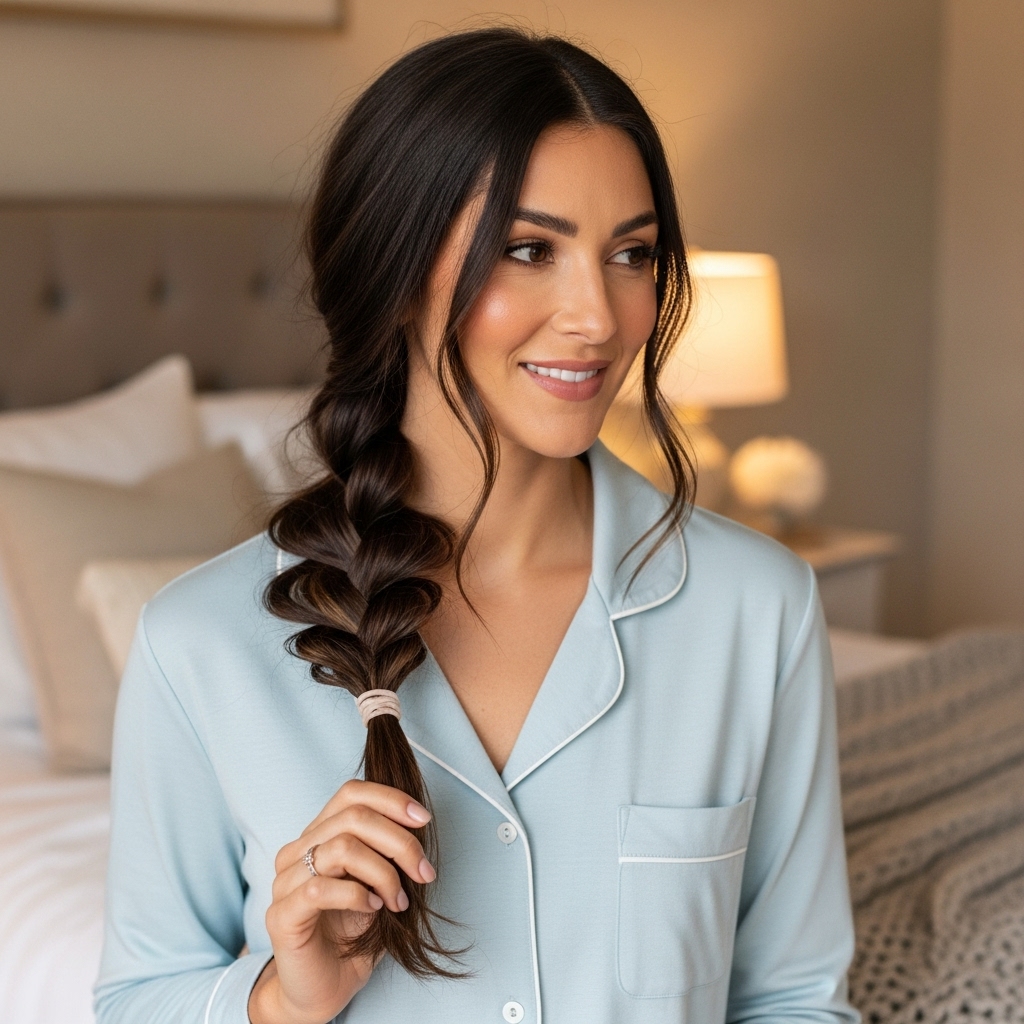
Instead of tight styles, opt for a loose braid or pineapple ponytail (a high, loose ponytail) to minimize tension.
3. The Trouble with Tossing and Turning
Even if you don’t realize it, your nighttime movements can wreak havoc on your hair. Constant friction from shifting positions causes:
- Split ends: Repeated rubbing weakens the hair shaft.
- Static and flyaways: Friction generates static electricity.
- Increased shedding: More hair gets pulled out during sleep.
If you’re a restless sleeper, consider wrapping your hair in a silk scarf or bonnet to reduce friction.
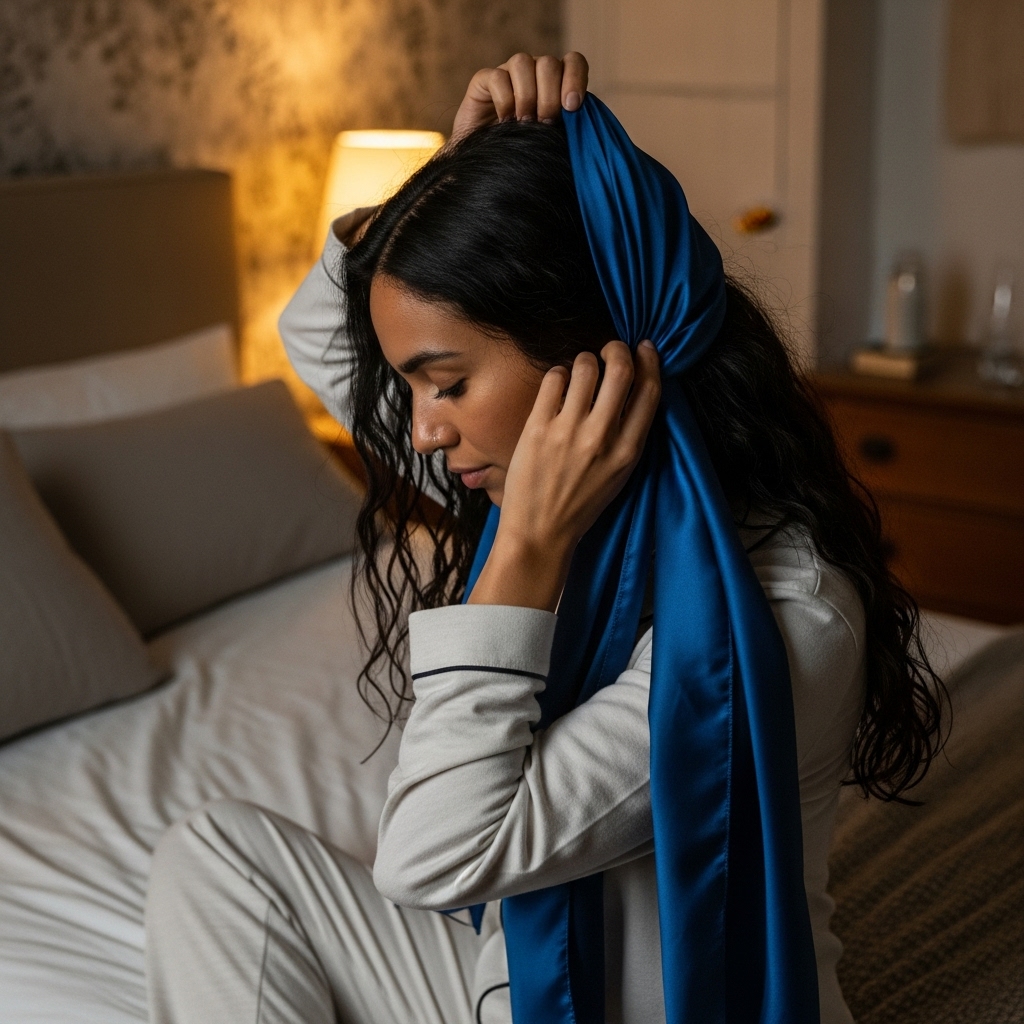
4. Dryness from Nighttime Heat and Humidity
Your bedroom environment plays a bigger role in hair health than you might think. Factors like:
- Air conditioning/heaters: Strip moisture from hair.
- Humidity imbalances: Cause frizz or brittleness.
- Dry scalp: Leads to flakiness and irritation.
Combat dryness by using a humidifier or applying a lightweight overnight hair oil.
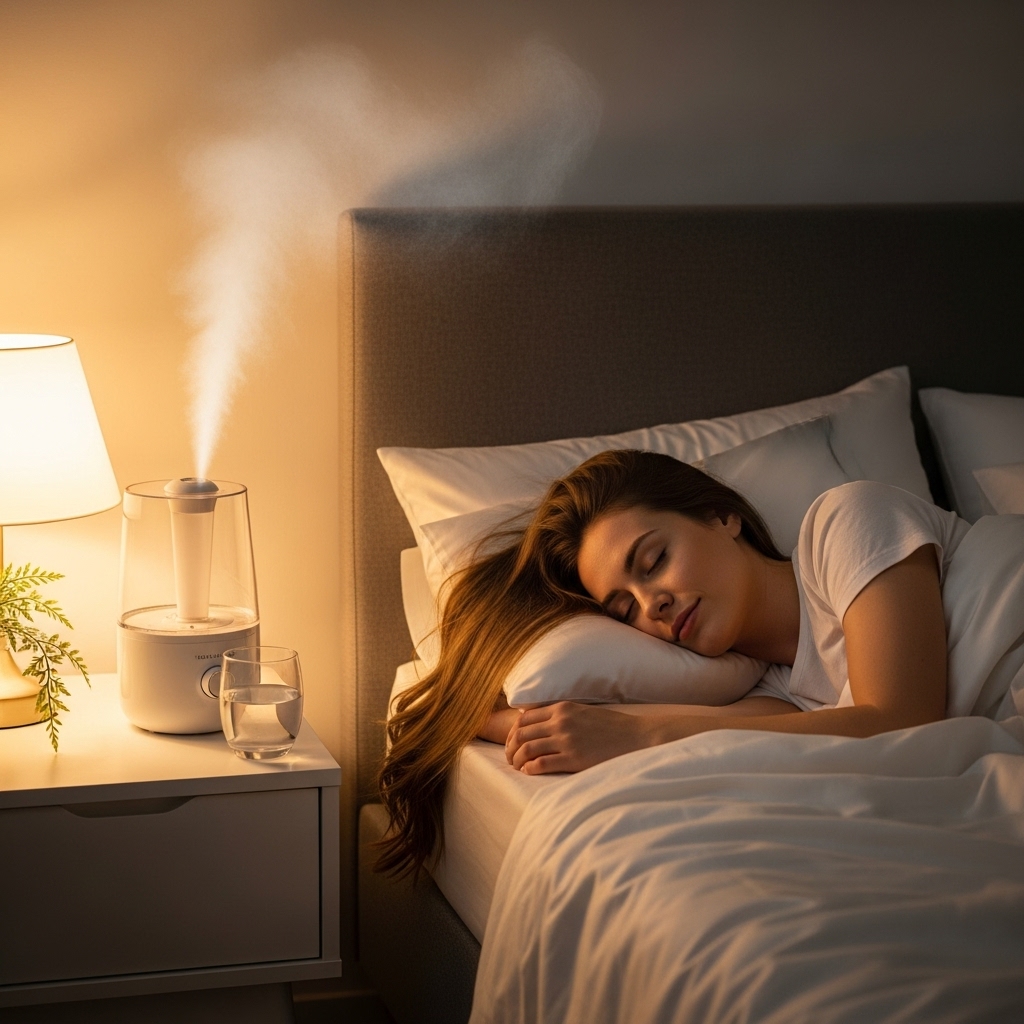
5. How to Protect Your Hair While You Sleep
Now that you know the hidden dangers, here’s how to keep your hair healthy overnight:
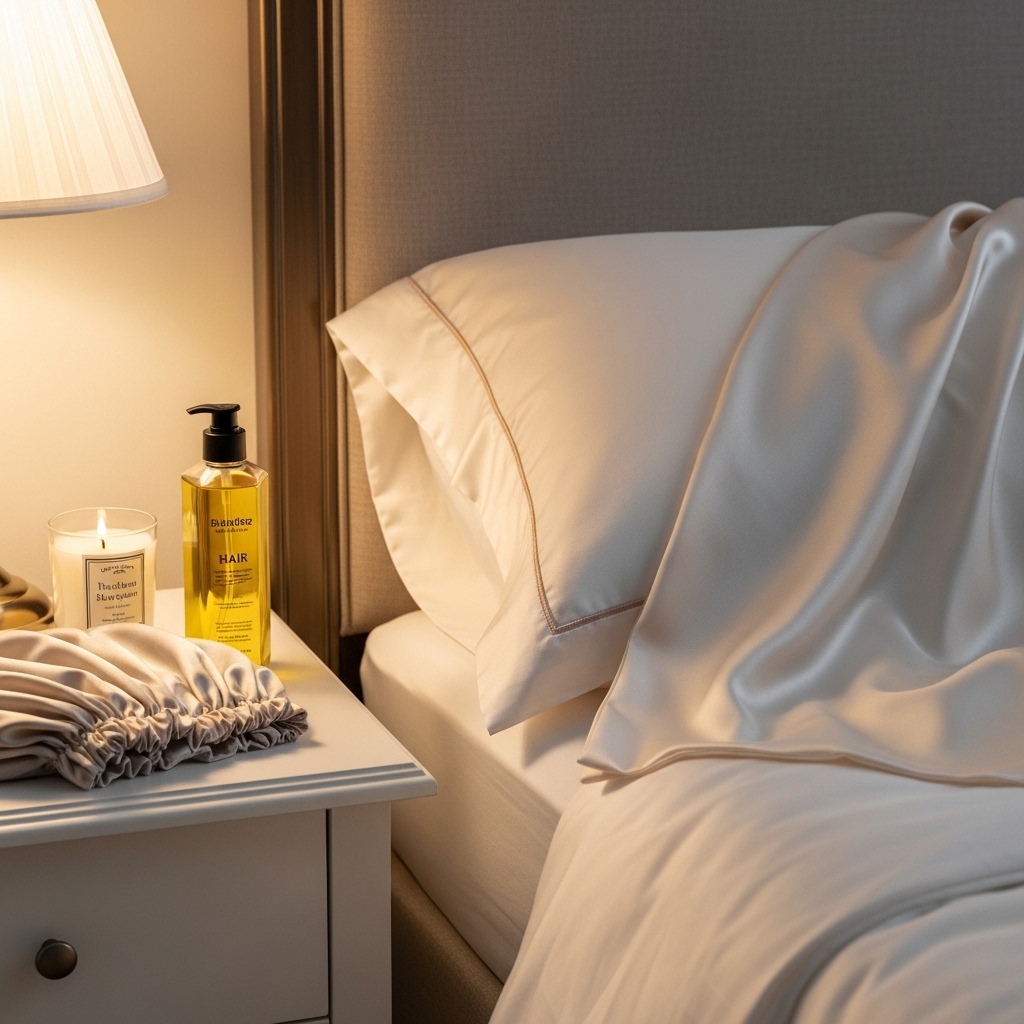
- Switch to a silk or satin pillowcase: Reduces friction dramatically.
- Use a loose protective style: A loose braid or silk hair wrap.
- Apply a leave-in conditioner or oil: Locks in moisture.
- Invest in a silk bonnet or scarf: Shields hair from movement.
- Keep your bedroom humidity balanced: Prevents dryness.
Small changes make a big difference—your hair will thank you!
Final Thoughts: Wake Up to Healthier Hair
Your hair is vulnerable while you sleep, but with the right precautions, you can prevent damage before it happens. By swapping out harsh pillowcases, avoiding tight hairstyles, and protecting your strands from friction, you’ll notice less breakage, smoother texture, and stronger hair over time.

