
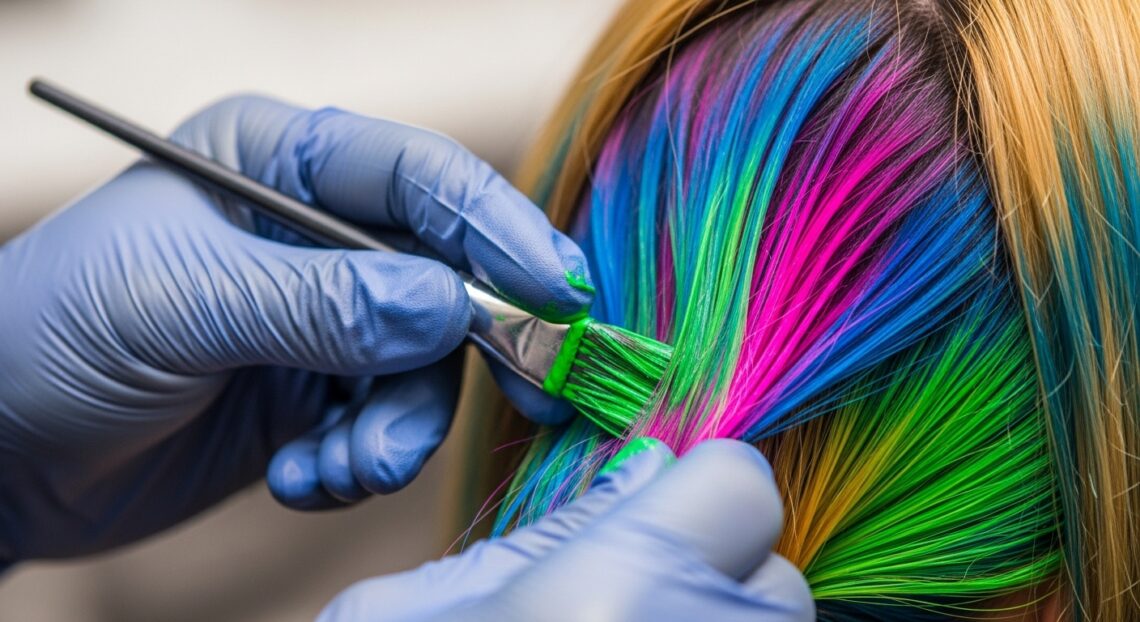
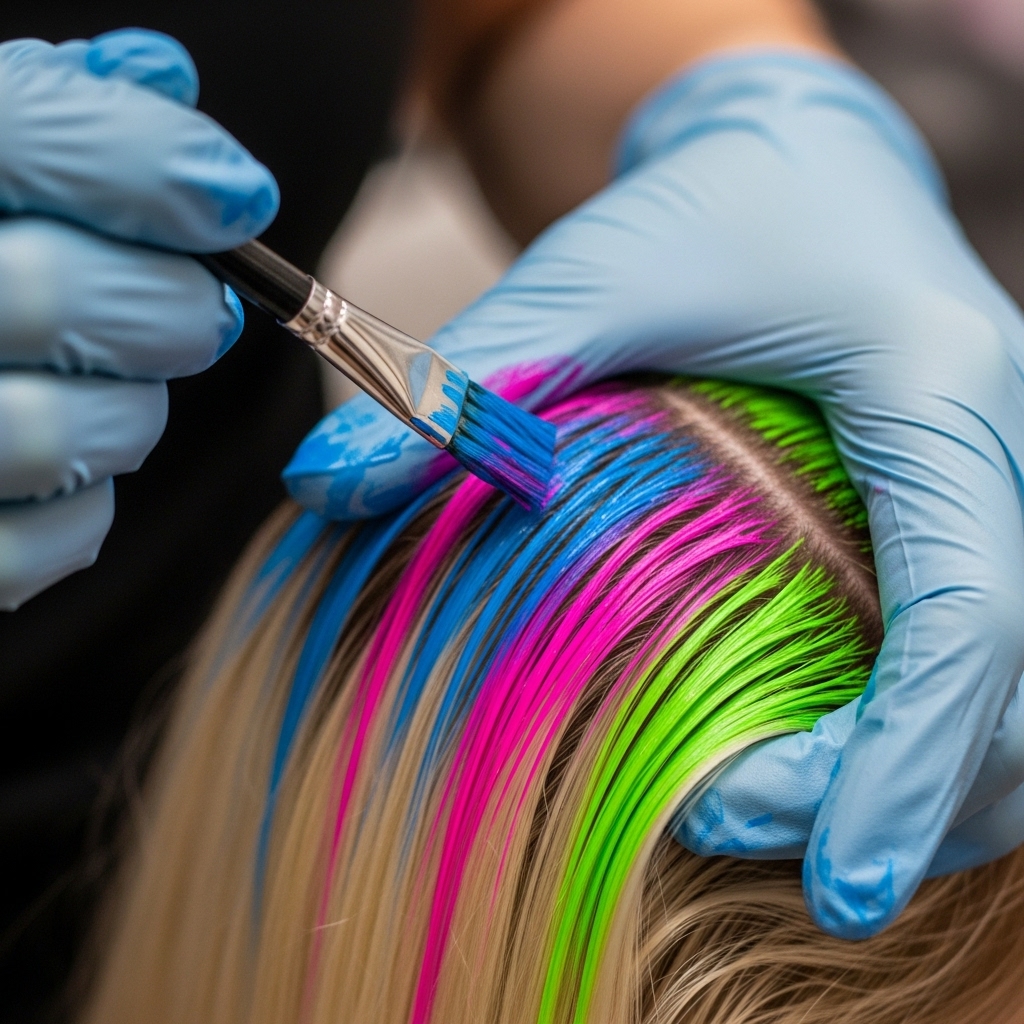
In a world where self-care and mental wellness have become paramount, an unexpected hero has emerged from the beauty industry. What started as a simple fashion statement has quietly evolved into a therapeutic practice for millions. The latest hair coloring trends aren’t just changing appearances – they’re transforming mindsets, boosting confidence, and providing an unexpected outlet for emotional expression.
This isn’t just about looking good – it’s about feeling good in ways psychologists are just beginning to understand. From pastel pinks to vibrant violets, the act of changing one’s hair color has become an accidental form of therapy that’s helping people navigate anxiety, depression, and life transitions with surprising effectiveness.
The Psychology Behind Color Transformation
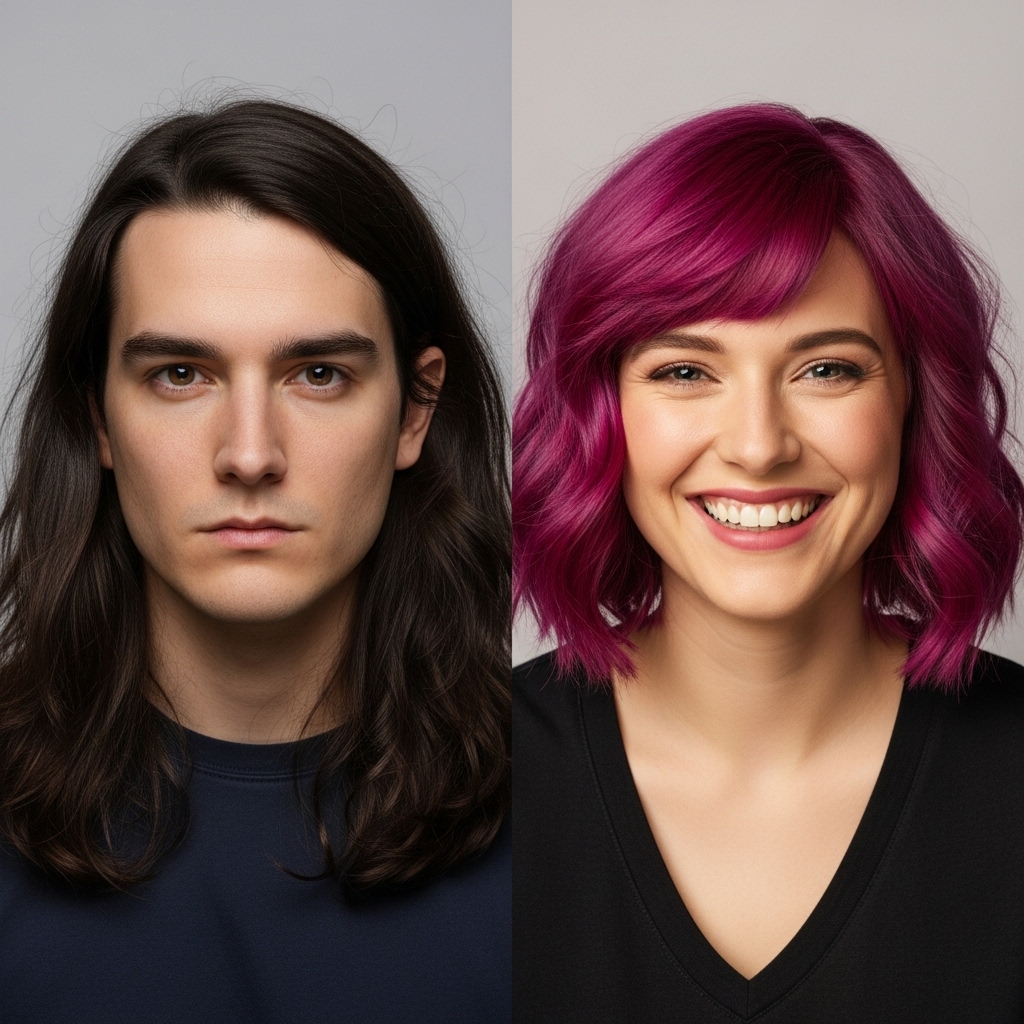
Dr. Sarah Chen, a clinical psychologist specializing in expressive therapies, explains: “When we change our hair color dramatically, we’re not just altering our appearance – we’re creating a psychological marker for personal transformation. The brain interprets this visual change as evidence that change is possible in other areas of life too.”
This phenomenon, sometimes called the “Hair Color Effect”, works on multiple levels:
1. Control in Chaos: During times of stress or uncertainty, choosing and executing a hair color change provides a tangible sense of control.
2. Visible Progress: Unlike internal emotional work, hair transformation offers immediate, visible results that boost mood and self-perception.
3. Identity Exploration: Temporary colors allow safe experimentation with different versions of oneself without permanent commitment.
Unexpected Therapeutic Benefits
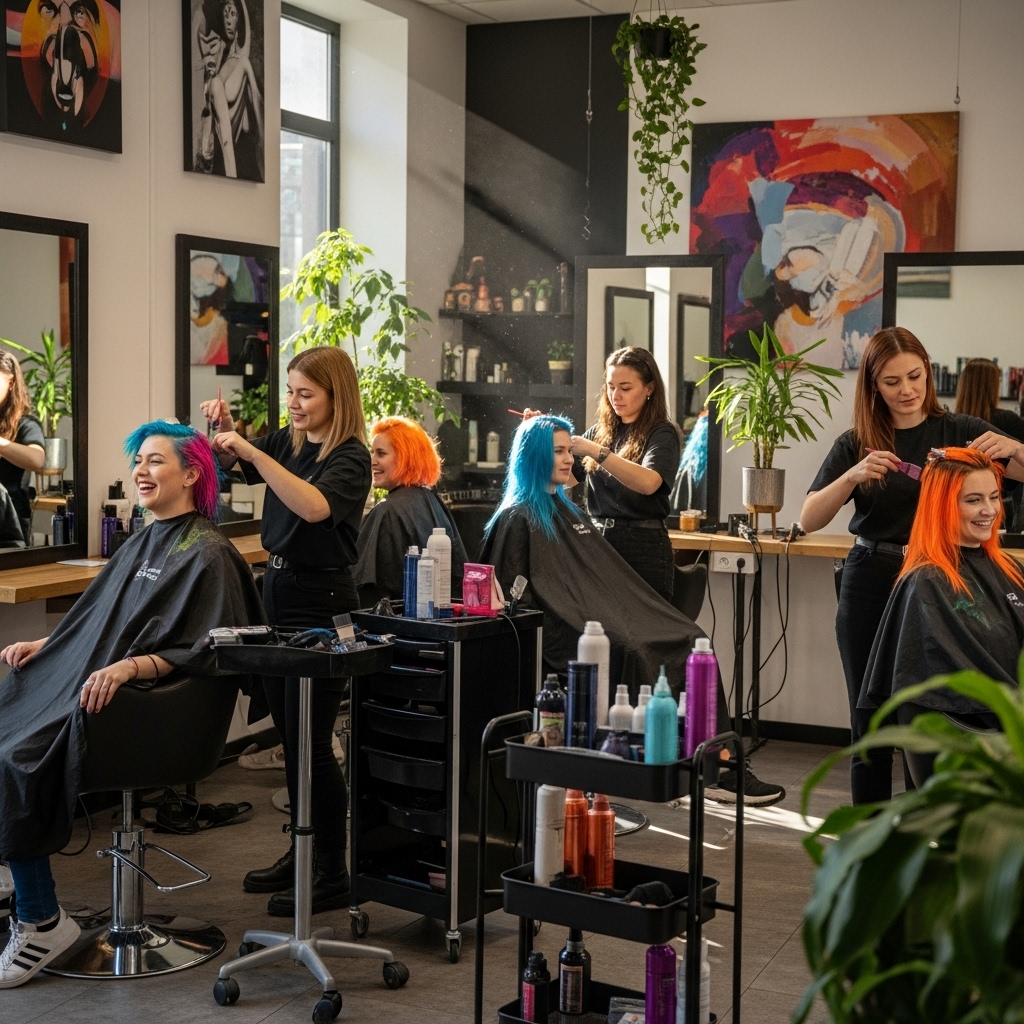
Salon owners nationwide report an interesting shift in client motivations. Jamal Williams, owner of Chroma Cuts in Seattle, notes: “Five years ago, clients wanted colors that looked natural. Now, 60% of my clients specifically ask for ‘something that makes me feel different inside.’ They’re chasing the emotional impact more than the aesthetic.”
The benefits being reported include:
• Mood Regulation: Bright colors act as visual mood boosters, while darker tones provide comfort during vulnerable periods.
• Social Connection: Unconventional hair colors serve as conversation starters, helping isolated individuals connect.
• Mindfulness Practice: The hours spent in salons force digital detoxes and present-moment focus.
• Post-Traumatic Growth: Many use dramatic color changes to mark survival milestones after difficult life events.
The Science of Color Psychology
While individual responses vary, researchers have identified common emotional associations with specific color families:
Pastels (lavender, baby blue, pink): Often chosen during transitional periods, these soft hues provide comfort while still signaling change.
Vibrant Brights (neon green, electric blue): Frequently selected by those needing energy boosts or creative inspiration.
Dark Jewel Tones (emerald, sapphire, ruby): Typically preferred by individuals seeking grounding and emotional protection.
Rainbow Combinations: Usually indicate a desire for holistic self-expression and rejection of binary thinking.
“We’re seeing color choices become a form of non-verbal communication,” notes Dr. Chen. “Patients who can’t articulate their emotional states will often choose colors that perfectly represent their inner experience.”
Salons as Safe Spaces
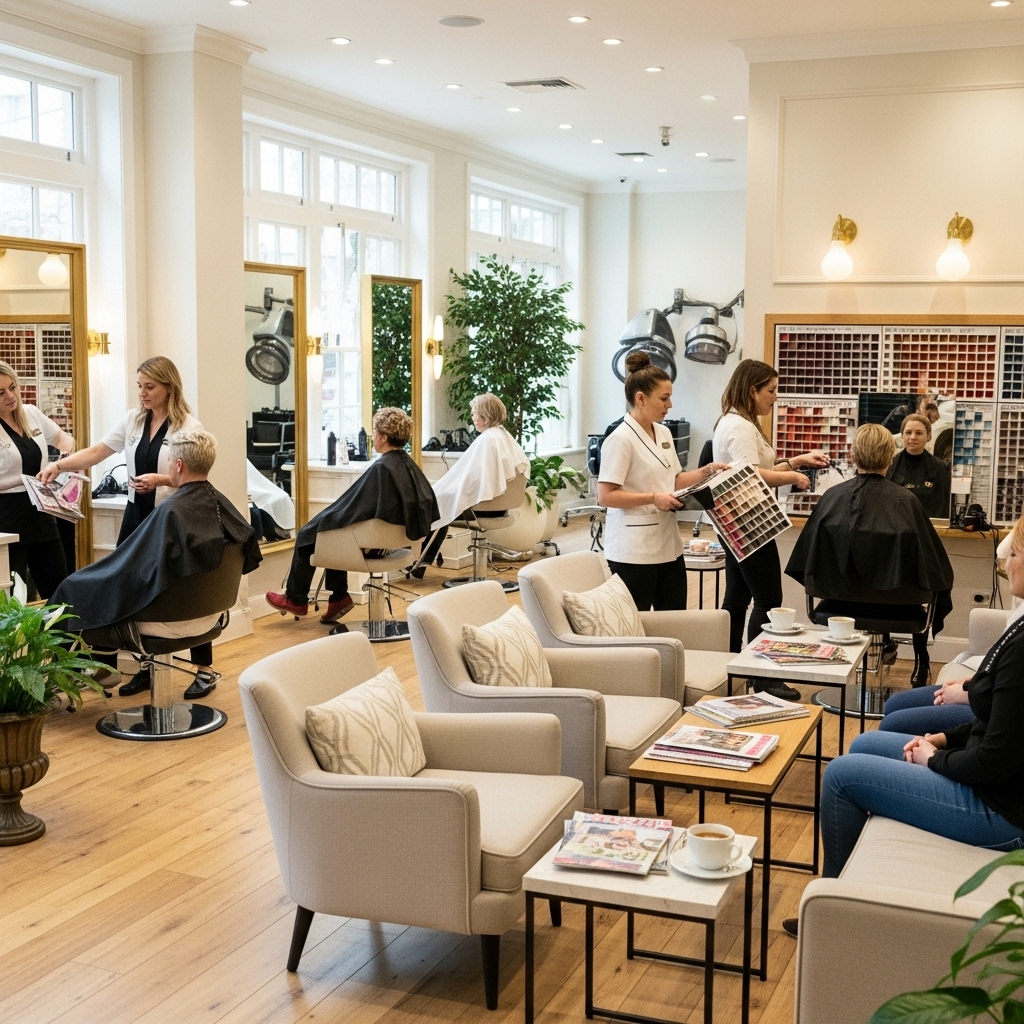
The modern salon has evolved beyond beauty services into what sociologists call “third places” – neutral ground where people can be themselves outside of work and home. Forward-thinking salons are capitalizing on this shift by:
• Offering “Color Therapy” consultations that discuss emotional needs alongside color options
• Creating judgment-free zones where self-expression is celebrated
• Training stylists in basic active listening to better support clients
• Hosting support groups for people navigating life changes
Minneapolis salon owner Elena Rodriguez transformed her business after noticing the trend: “We stopped calling ourselves a hair studio and became a ‘self-expression studio.’ Our retention tripled because people weren’t just coming for cuts – they were coming for the experience of being seen and accepted.”
DIY Culture and Its Benefits
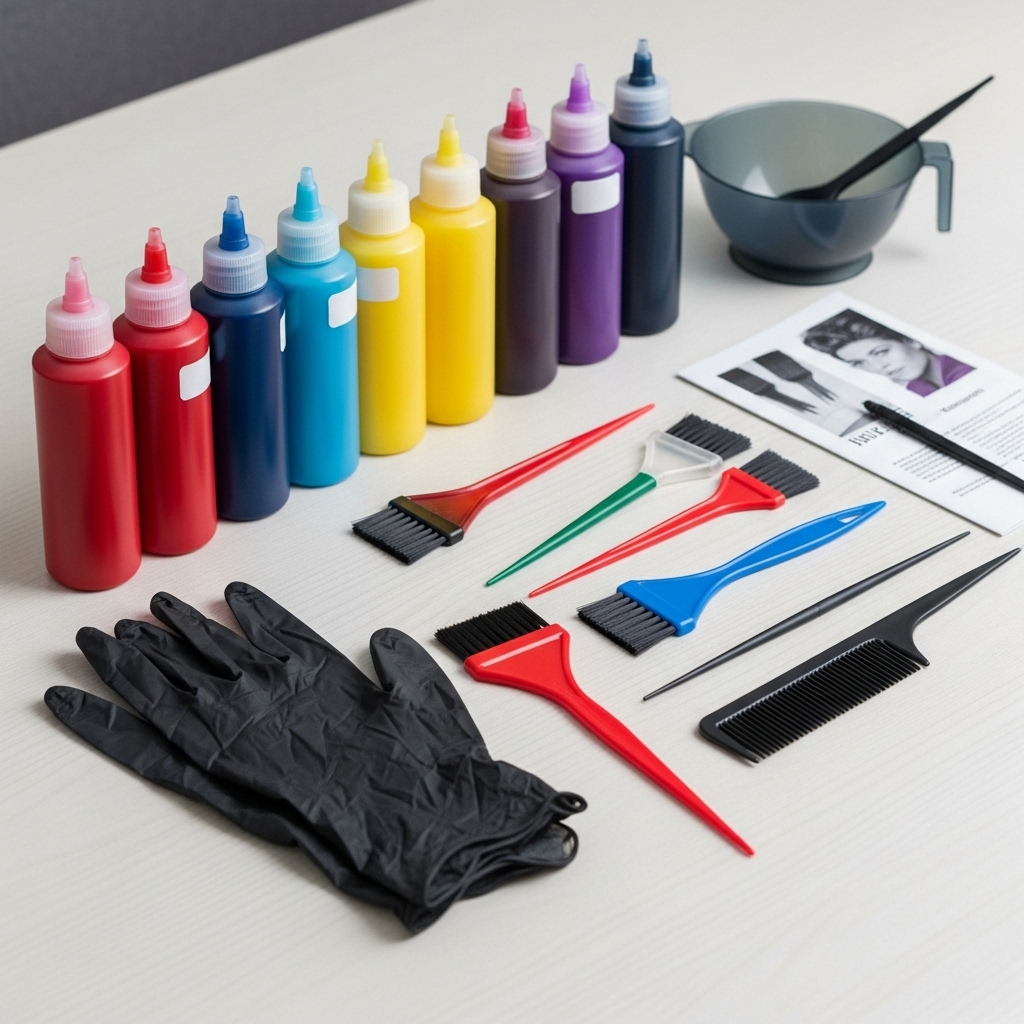
The pandemic-fueled boom in at-home hair care has added another dimension to this phenomenon. For many, the process of:
1. Researching techniques provides cognitive distraction from anxious thoughts
2. Following precise steps creates meditative focus
3. Seeing transformation delivers immediate gratification
4. Sharing results online builds community connection
Psychologists note that the ritualistic aspects of at-home coloring – mixing formulas, sectioning hair, timed processing – mirror established mindfulness practices. The required focus on physical sensations (the smell of products, the feel of brushes) grounds participants in the present moment, disrupting negative thought cycles.
Potential Pitfalls and Healthy Approaches
While the mental health benefits are significant, experts caution against relying solely on external changes for emotional wellbeing. Healthy approaches include:
• Pairing color changes with internal work like therapy or journaling
• Viewing transformations as complements to, not replacements for, professional mental healthcare
• Being mindful of hair damage from frequent processing
• Recognizing when color changes become compulsive or anxiety-driven
“The healthiest practitioners use hair color as one tool among many,” advises Dr. Chen. “When someone tells me they colored their hair to mark progress in therapy or celebrate a personal breakthrough, that’s very different from someone changing colors weekly to escape uncomfortable feelings.”
The Future of Color Therapy
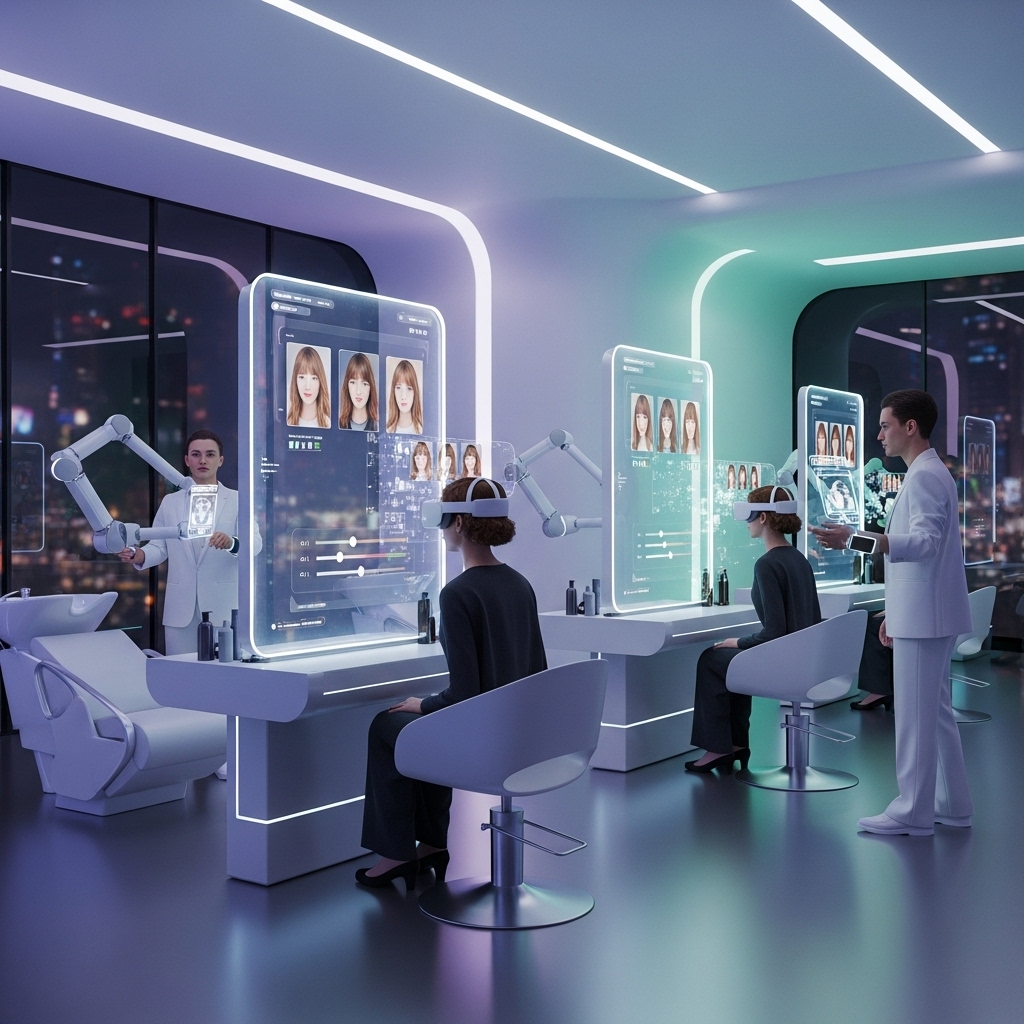
As awareness grows, the beauty and mental health industries are beginning to collaborate. Emerging developments include:
• Salon-staff mental health first aid training programs
• Color/formula recommendations based on emotional goals
• VR technology that lets clients “try on” emotional states through color simulations
• Insurance-covered “color therapy” sessions for certain diagnoses

