
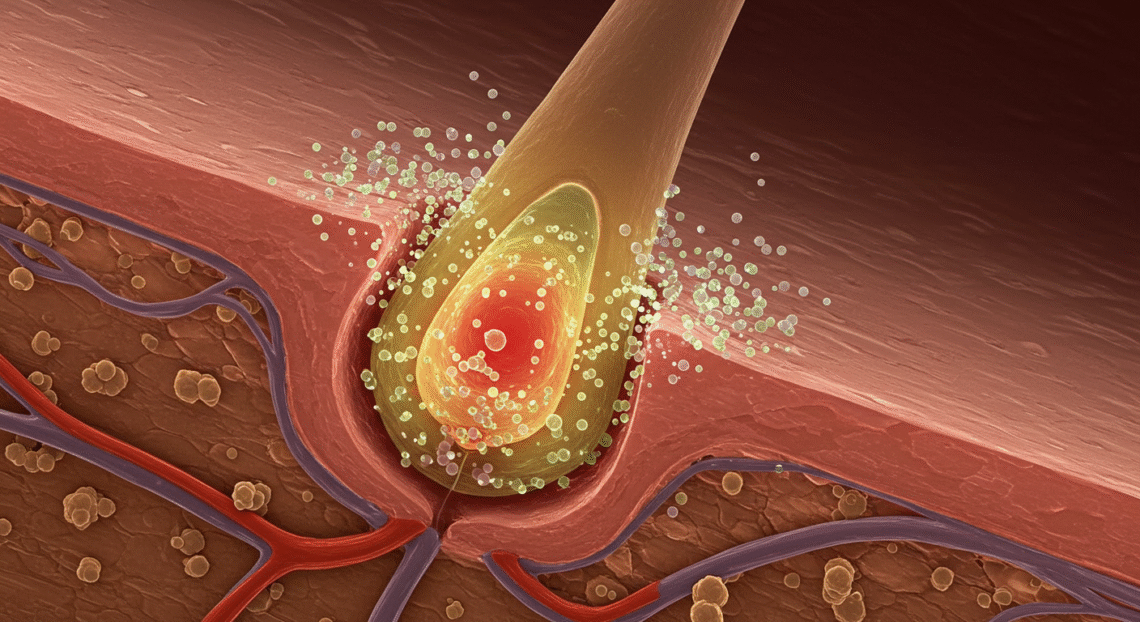
For decades, the battle against hair loss has been fought with topical solutions, oral medications, and invasive transplants. While these methods have offered hope to millions, they often come with limitations, side effects, or unnatural-looking results. But what if the most powerful solution to hair loss has been inside you all along? Enter the cutting-edge world of autologous stem cell hair therapy—a revolutionary treatment that harnesses your body’s innate healing and regenerative power to combat thinning hair and promote natural, sustainable growth.
This isn’t science fiction; it’s the exciting frontier of regenerative medicine applied to dermatology. By using what your body already produces, this innovative approach promises a more holistic and potentially more effective path to restoring a fuller head of hair. If you’re tired of temporary fixes and are searching for a long-term solution rooted in biology, this comprehensive guide will explore everything you need to know about this groundbreaking procedure.
What Exactly is Stem Cell Hair Therapy?
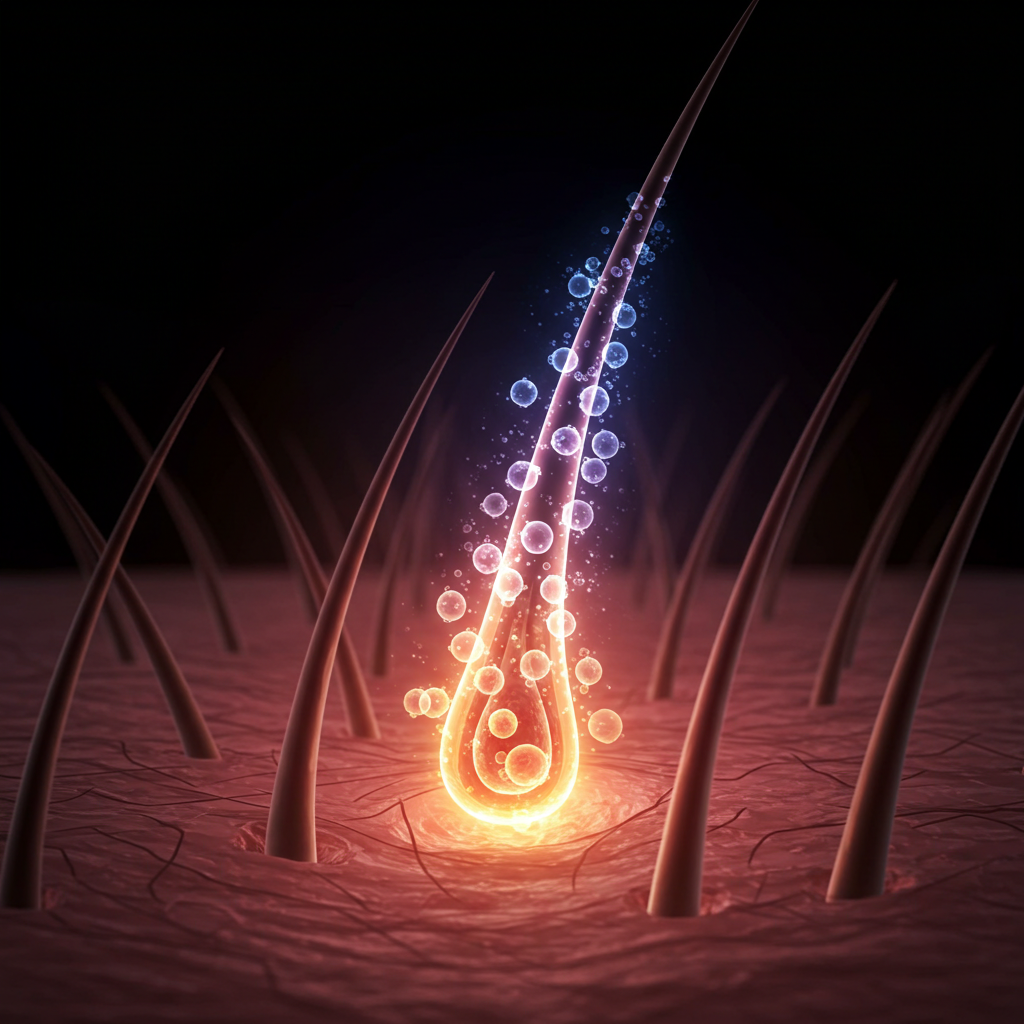
At its core, stem cell hair therapy is a minimally invasive procedure that uses a patient’s own stem cells to stimulate dormant hair follicles and encourage the growth of new, healthy hair. The term “autologous” simply means that the biological material comes from your own body, eliminating the risk of rejection or allergic reactions.
Stem cells are the body’s master cells. They are undifferentiated, meaning they have the unique ability to develop into different cell types—whether that’s a skin cell, a muscle cell, or, importantly for this treatment, a hair follicle cell. They also secrete growth factors and proteins that signal surrounding tissues to repair and regenerate. The therapy works by harvesting a small amount of these powerful cells, usually from your own fat tissue or blood, concentrating them, and then reintroducing them into the scalp in areas affected by thinning or loss. It’s essentially giving your scalp a concentrated dose of its own natural repair kit.
How Does the Procedure Work? A Step-by-Step Breakdown
The entire process is typically completed in a single office visit and can be broken down into a few key stages. While protocols may vary slightly between clinics, the general approach remains consistent.
Step 1: Consultation and Assessment
First, a qualified medical professional will assess your candidacy. They will examine your scalp, determine the pattern of your hair loss, and review your medical history. This treatment is often most effective for individuals in the early to moderate stages of pattern hair loss (androgenetic alopecia).
Step 2: The Harvesting Phase
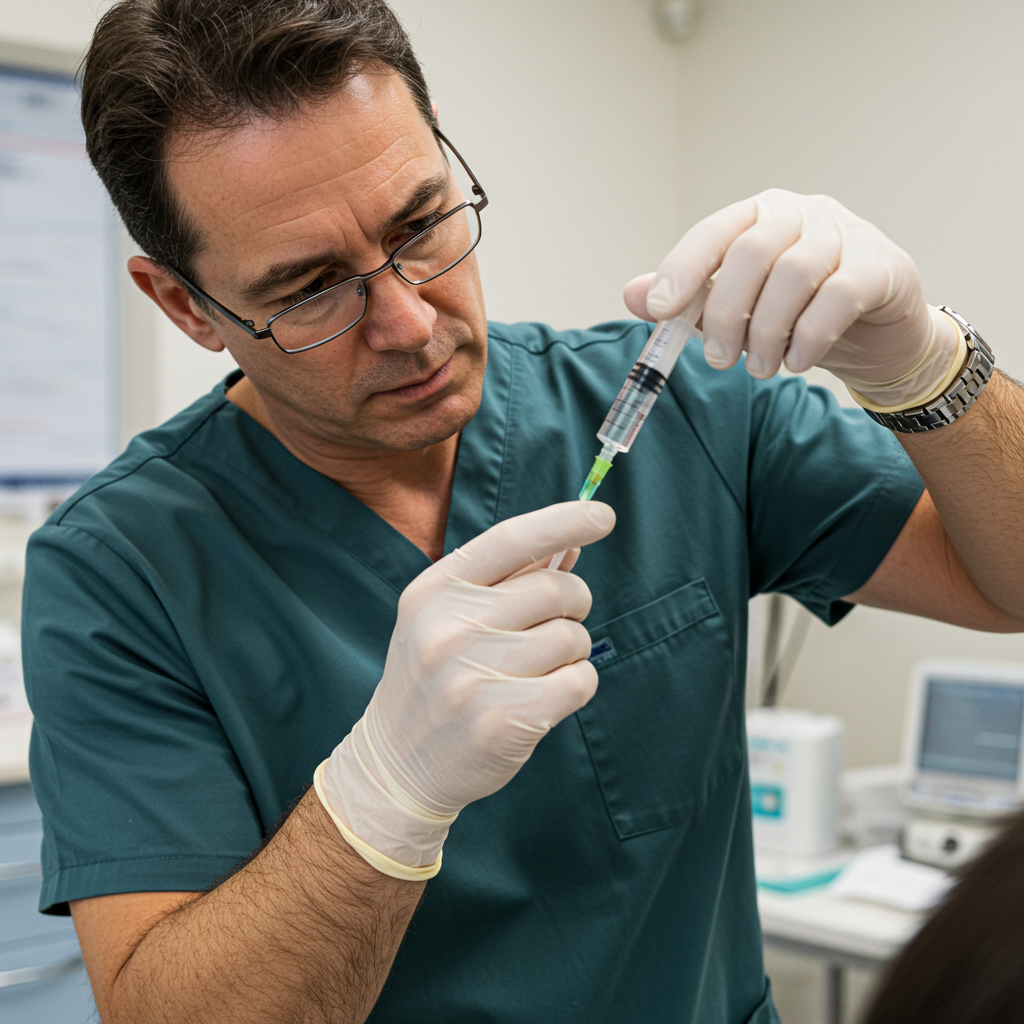
The most common source for stem cells in these treatments is adipose (fat) tissue. Under local anesthesia, a small amount of fat is gently liposuctioned, usually from the patient’s abdomen or love handles. Alternatively, some methods draw a small amount of blood, similar to a standard blood test, which is then processed to isolate platelets and growth factors (often referred to as PRP—Platelet-Rich Plasma—which is a related therapy). The fat-derived method is generally considered to yield a much higher and more potent concentration of mesenchymal stem cells.
Step 3: Processing and Concentration
The harvested fat or blood is then placed into a specialized centrifuge. This machine spins the sample at high speeds, a process that separates its components. The goal is to isolate and concentrate the stem cell-rich portion, often called Stromal Vascular Fraction (SVF) when derived from fat. This creates a powerful, bioactive serum teeming with your own regenerative cells.
Step 4: Re-injection into the Scalp
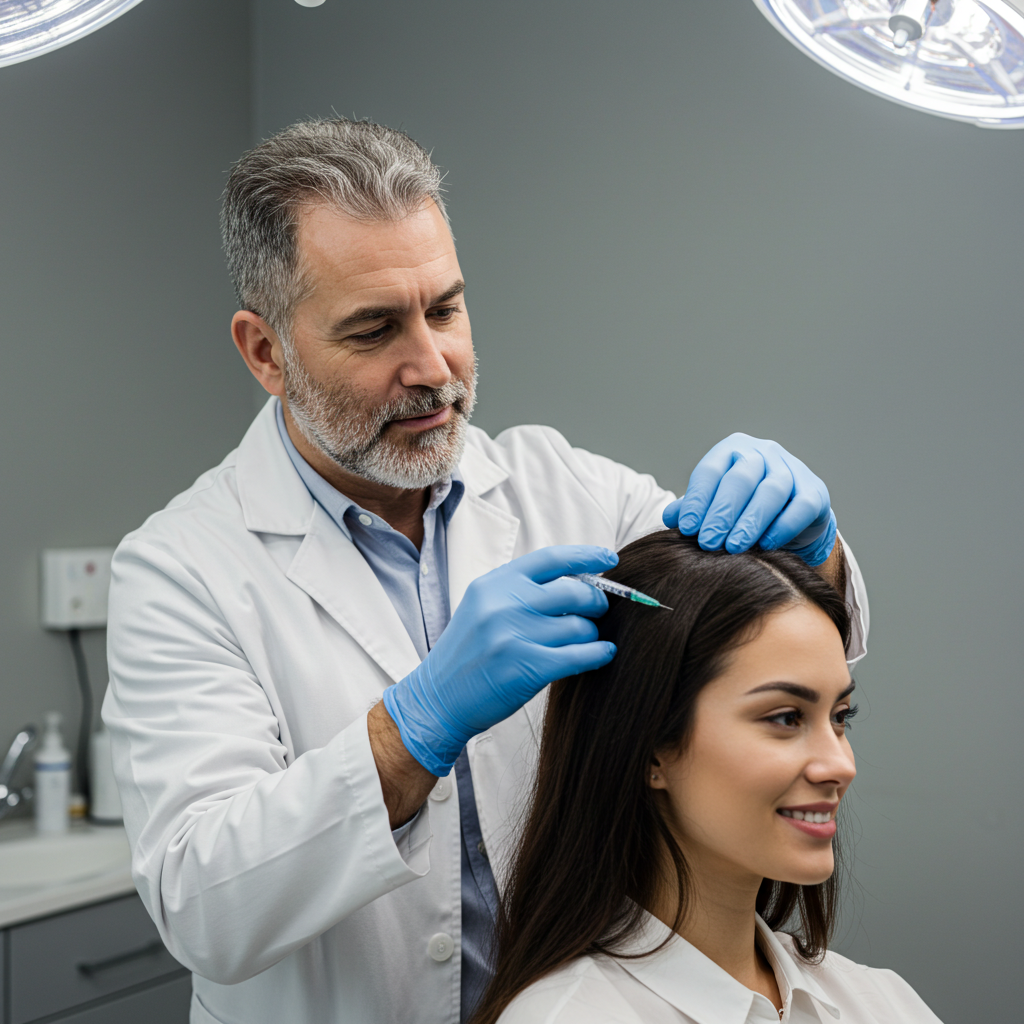
Finally, the concentrated stem cell solution is carefully injected into the thinning areas of the scalp using a very fine needle. The provider will administer multiple micro-injections to ensure even distribution and maximum absorption around the hair follicles. The entire procedure usually takes a few hours from start to finish.
The Science Behind the Growth: Why It’s So Promising
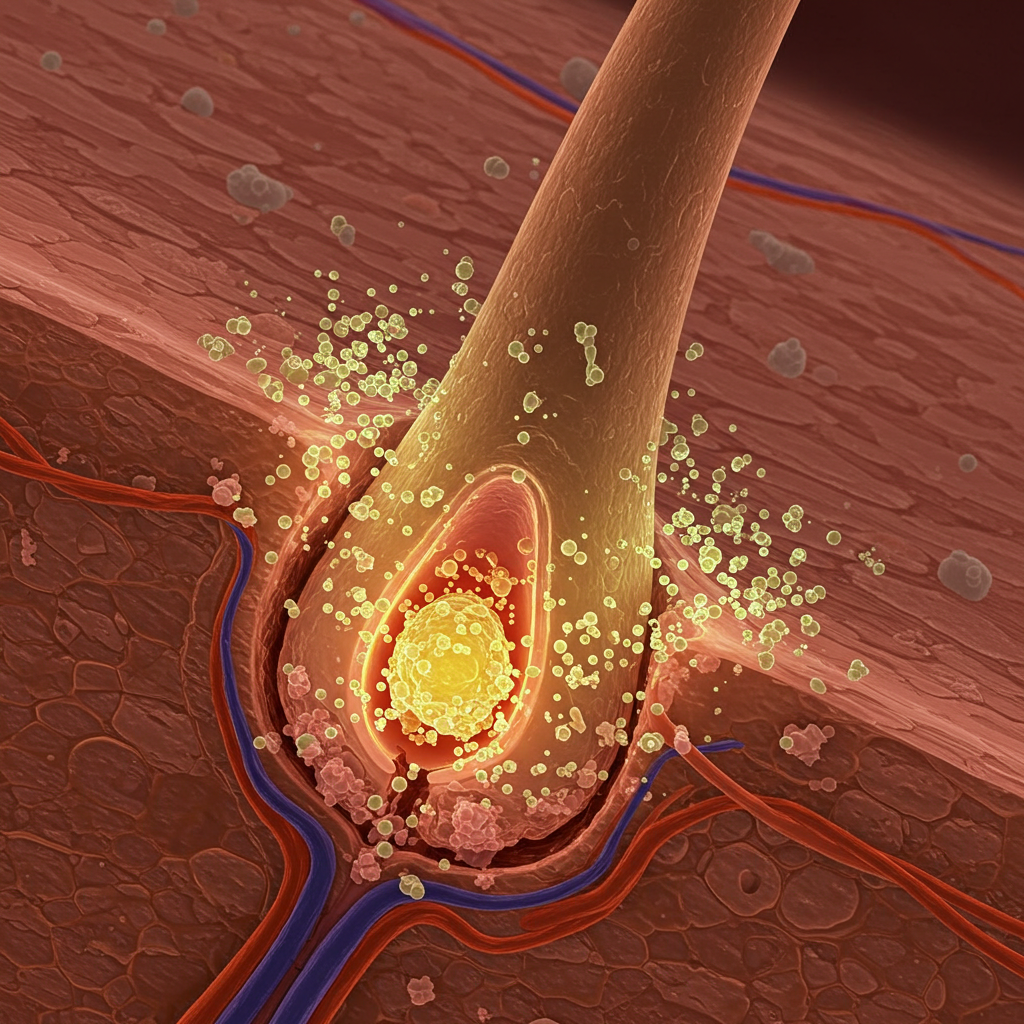
You might be wondering, how do these injected cells actually lead to new hair? The mechanism is fascinating and operates on multiple levels. The reintroduced stem cells don’t necessarily transform into new hair follicles themselves (though they can help). Instead, they work by creating a rejuvenating microenvironment.
Once injected, these cells release a potent cocktail of growth factors, cytokines, and exosomes. These signaling molecules act as messengers, waking up dormant or miniaturized hair follicles and pushing them back into the active growth (anagen) phase. They also promote increased blood flow (angiogenesis) to the scalp, delivering essential oxygen and nutrients that follicles need to thrive. Furthermore, they can help reduce inflammation around the follicles, which is a known contributor to hair loss. In essence, stem cell therapy addresses the underlying biological deficiencies that cause hair to stop growing, rather than just propping up weak follicles temporarily.
Stem Cell Therapy vs. Traditional Hair Transplants: A Clear Advantage?
Traditional Follicular Unit Extraction (FUE) or Follicular Unit Transplantation (FUT) surgeries have been the gold standard for permanent hair restoration. However, they come with significant trade-offs. They are invasive surgeries that involve harvesting hair follicles from a donor area (usually the back of the head) and implanting them one by one into the recipient area. This can lead to a linear scar (FUT), require a long recovery time, and the results are limited by the finite number of donor hairs available.
Stem cell therapy presents a compelling alternative. It is minimally invasive with no scarring and minimal downtime. Most patients return to normal activities the next day. Crucially, it doesn’t just move hair from one place to another; it aims to reactivate and regenerate your existing follicles, promoting natural-looking density without the “pluggy” look that poorly executed transplants can sometimes have. It can also be used in conjunction with a transplant to improve the survival rate of grafted follicles and enhance overall results.
What to Expect: Results, Timeline, and Maintenance
Patience is key with regenerative treatments. Unlike a transplant where results are immediately visible (after the scabs heal), stem cell therapy works gradually as your body’s biological processes take effect.
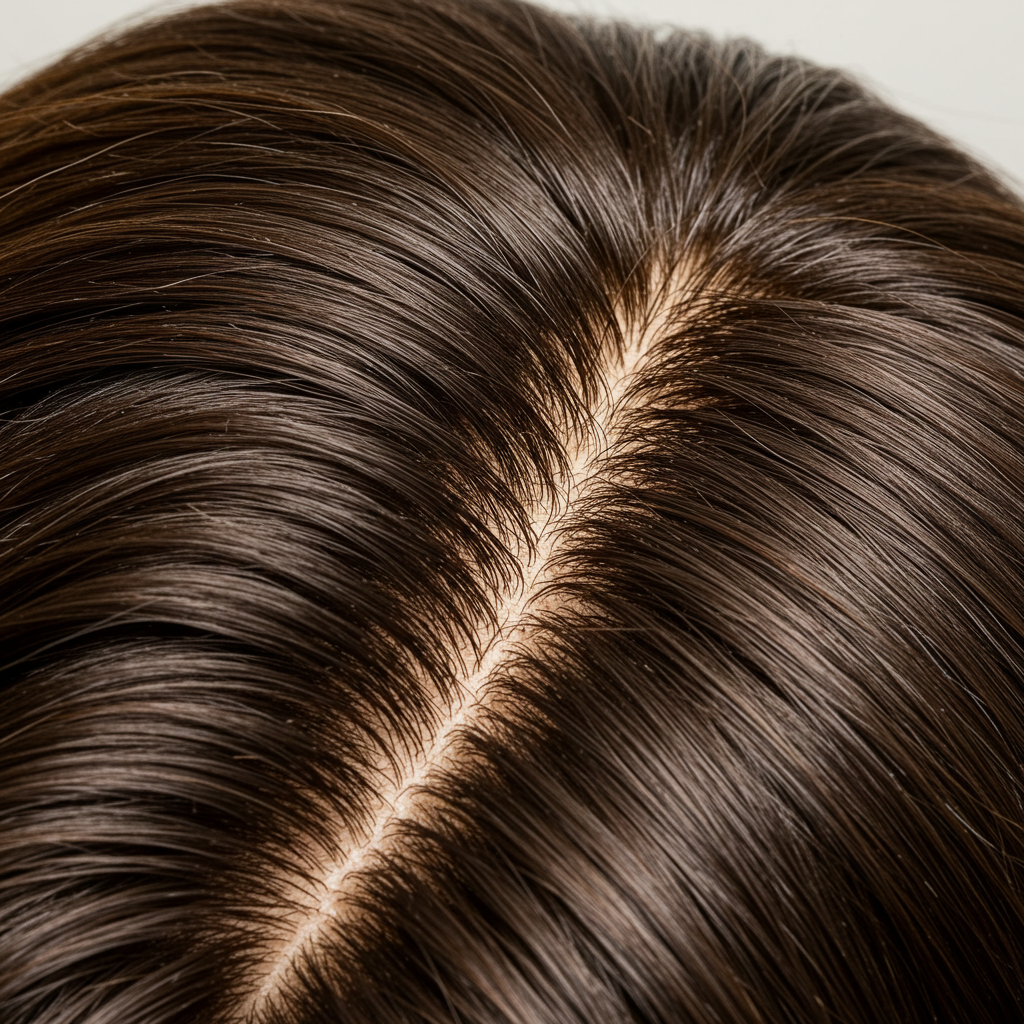
Most patients will require a series of treatments, often 2-3 sessions spaced a few months apart, to achieve optimal results. You may start to notice initial changes, like decreased shedding and improved hair texture, within the first 1-2 months. Significant new growth typically becomes visible around the 3 to 6-month mark, with continued improvement for up to a year or more as the hair cycles continue. The results are your own natural hair growing thicker and stronger. Because the treatment addresses the underlying health of the follicle, the results can be very long-lasting, though maintenance sessions might be recommended annually or bi-annually to combat the ongoing natural process of aging and hair loss.

Is Stem Cell Hair Restoration Right for You?
This innovative treatment holds immense promise, but it’s not a magic bullet for everyone. Ideal candidates are generally those experiencing:
Early to moderate male or female pattern baldness: The therapy is most effective when there are still dormant follicles to awaken. If an area is completely bald and slick for many years, the follicles may be too far gone to revive.
Individuals seeking a non-surgical option: For those wary of the scars, pain, and downtime associated with surgery.
Those with realistic expectations: It aims for significant improvement and density, but not necessarily a perfect teenage hairline.
It is less suitable for individuals with certain autoimmune conditions, widespread cicatricial (scarring) alopecia, or those with very advanced hair loss. A thorough consultation with a certified and experienced provider is essential to determine if you are a good candidate.

Choosing a Provider: Safety, Ethics, and Expertise
As a rapidly evolving field, stem cell therapy demands that you choose your provider with extreme care. This is a medical procedure, not a spa treatment. It should be performed by a licensed medical doctor, such as a dermatologist or a cosmetic surgeon, with specific training in regenerative medicine.
Be wary of clinics that make outlandish promises or offer prices that seem too good to be true. During your consultation, ask pointed questions: Where exactly are you getting the stem cells from? (It should always be autologous—from your own body). What is your specific protocol and what equipment do you use? Can you show me before-and-after photos of your actual patients? A reputable provider will be transparent, prioritize patient safety, and set realistic expectations rather than guaranteeing a cure.

The Future of Hair Loss Treatment is Here
Stem cell hair therapy represents a monumental shift in our approach to hair restoration. It moves beyond simply rearranging or propping up hair and instead taps into the body’s own powerful regenerative systems to encourage natural growth. While more long-term research is always welcomed, the current evidence and patient experiences are overwhelmingly positive, pointing to a future where treating hair loss is less about surgery and more about science-driven regeneration.
If you are on a journey to address hair loss, this autologous treatment offers a compelling, cutting-edge, and minimally invasive path worth exploring. By consulting with a qualified medical professional, you can determine if your body holds the key to unlocking a thicker, healthier, and more confident you.

