
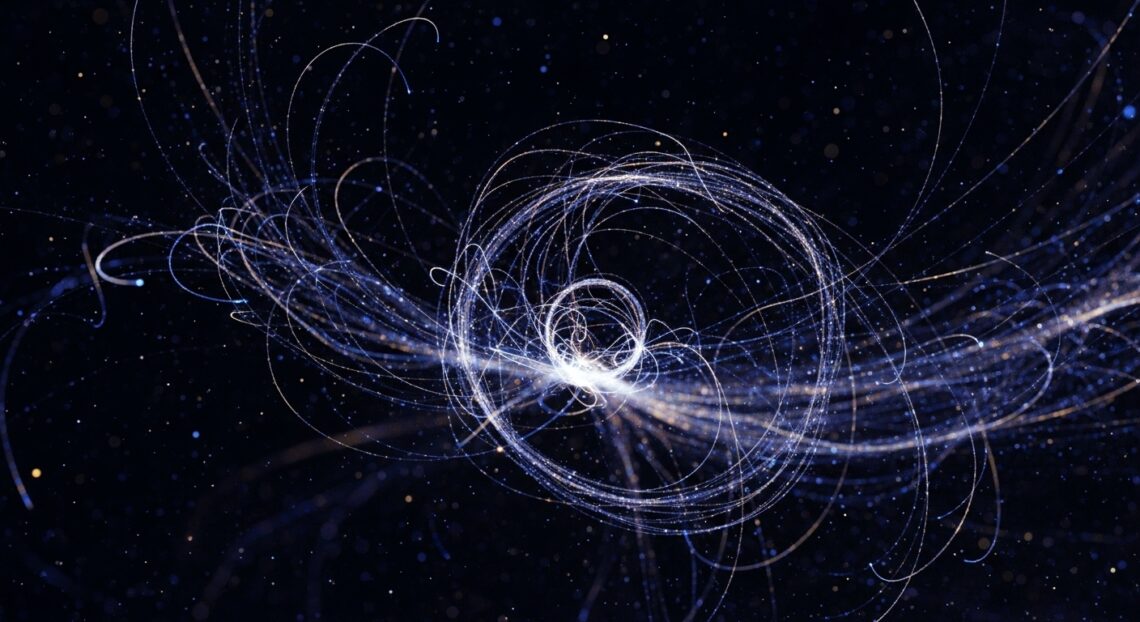
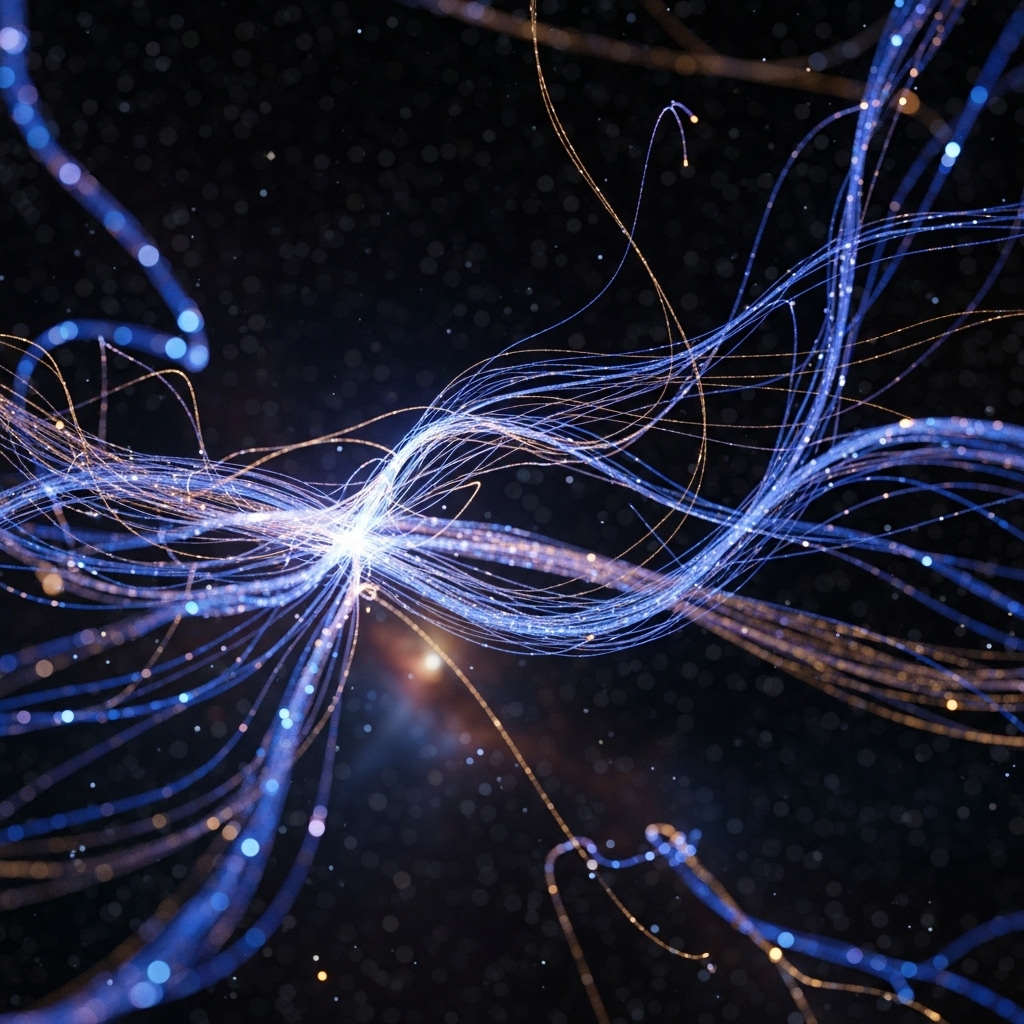
These bizarre filaments, discovered in various regions of space, defy conventional explanations. Some researchers speculate they could be remnants of cosmic events, while others wonder if they hint at unknown physics. One thing is certain: this mystery isn’t going away anytime soon.
What Exactly Are These “Cosmic Hairs”?
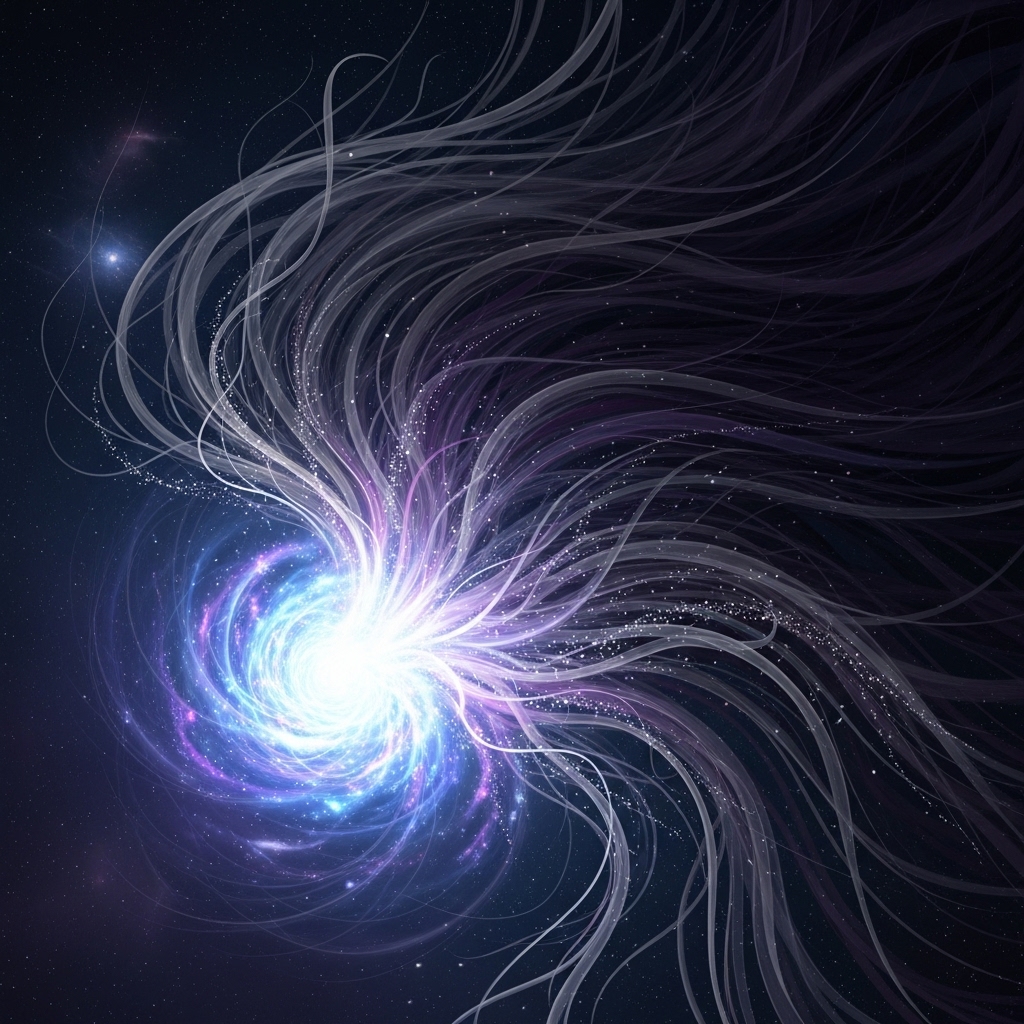
The so-called “cosmic hairs” are thin, elongated strands that resemble human hair under high magnification. They’ve been observed in telescope images and even in data from space probes, drifting in microgravity environments. Unlike cometary tails or plasma filaments, these structures don’t behave like typical space phenomena.
Key characteristics include:
- Unusual composition: Spectroscopy suggests they aren’t made of ordinary cosmic dust or ice.
- Strange movement: They don’t follow predictable orbital paths.
- Mysterious origins: No known cosmic process explains their formation.

NASA’s Baffling Discoveries
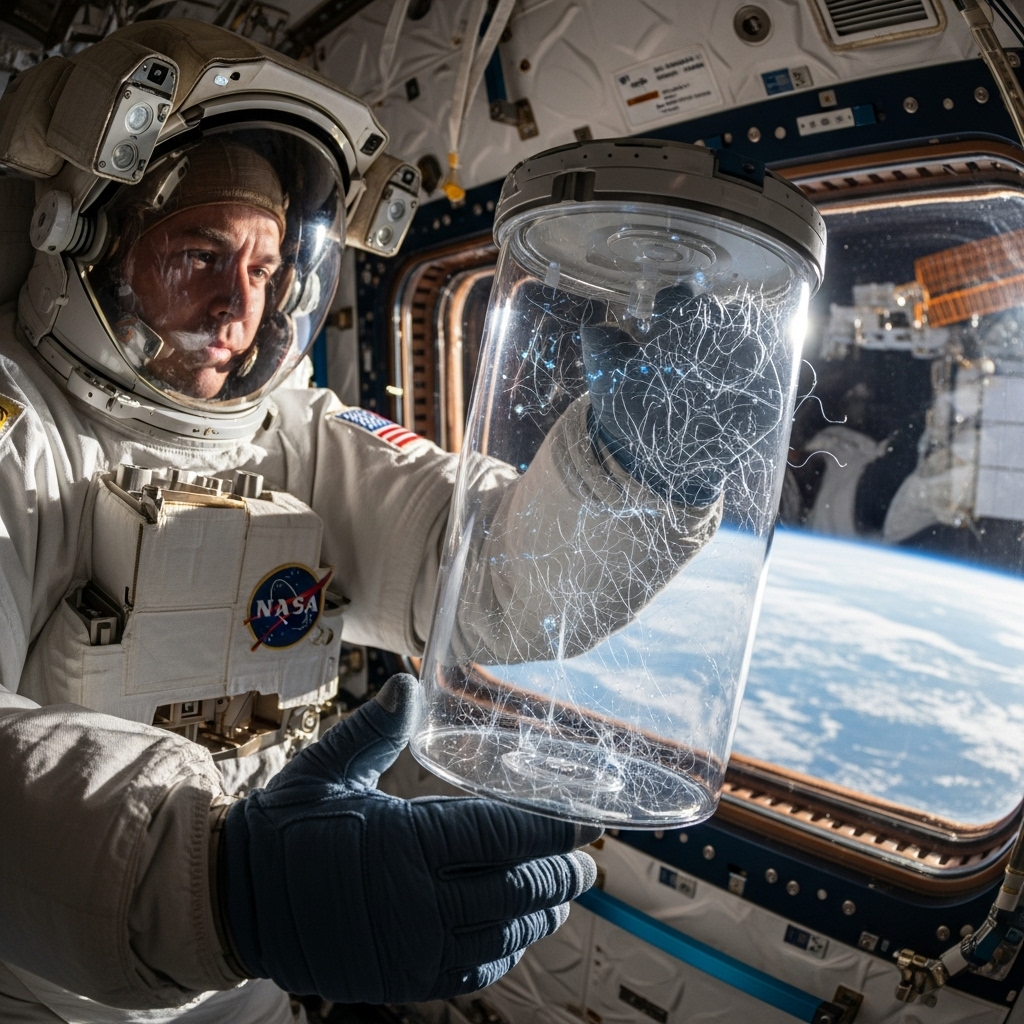
NASA’s interest in these filaments began when the Hubble Space Telescope captured unexplained wisps near distant nebulae. Later, the Juno spacecraft detected similar anomalies around Jupiter. The most puzzling case? Strands found inside the International Space Station (ISS).
Astronauts reported seeing hair-like particles floating in the cabin, initially dismissing them as fibers from clothing or equipment. But when collected samples revealed no match to any known materials, NASA launched an investigation. To this day, their origin remains unknown.
The Leading Theories (And Why They Fall Short)
Scientists have proposed several theories, but none fully explain the phenomenon:
1. Space Dust Aggregation: Some suggest these are clumps of cosmic dust. However, their uniform structure and resilience in harsh conditions contradict this idea.
2. Biological Contamination: Could they be microbial extremophiles? While intriguing, no DNA or organic signatures have been detected.
3. Exotic Matter: A fringe theory proposes they’re evidence of dark matter interactions, but this lacks empirical support.
“We’ve ruled out the obvious explanations,” says Dr. Elena Rodriguez, an astrophysicist at NASA. “This is something entirely new.”
Why This Mystery Matters
Beyond scientific curiosity, solving this puzzle could have real-world implications:
Spacecraft Safety: If these filaments are more common than realized, they could pose risks to satellites and manned missions.
New Physics: Unusual matter behavior might hint at undiscovered forces or particles.
Astrobiology: If biological, they’d redefine our understanding of life’s resilience.
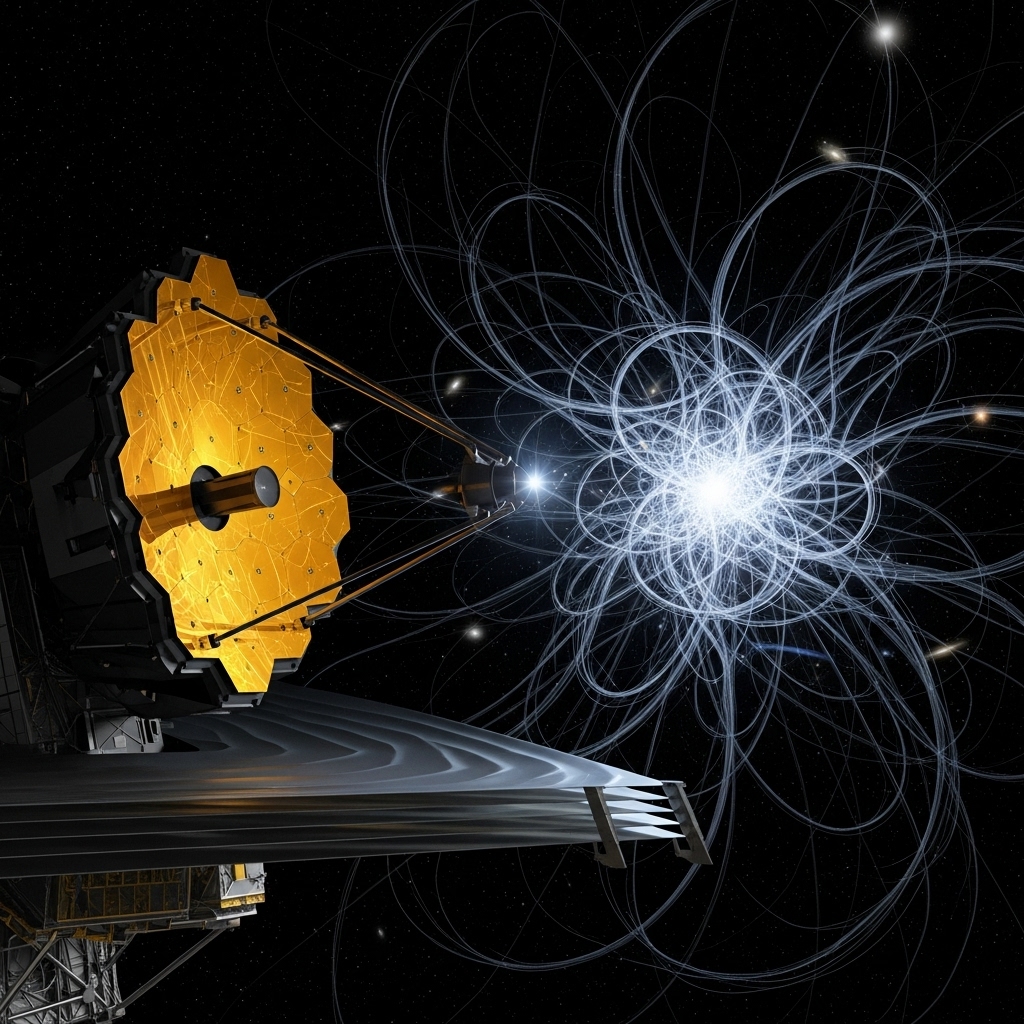
NASA has allocated additional telescope time to study these anomalies, and upcoming missions like the James Webb Space Telescope may provide clearer answers.
The Future of the Investigation
Researchers are taking a multi-pronged approach:
- Advanced Spectroscopy: Analyzing light interaction to determine composition.
- Microgravity Experiments: Recreating conditions aboard the ISS.
- AI-Assisted Analysis: Machine learning helps spot patterns in vast datasets.
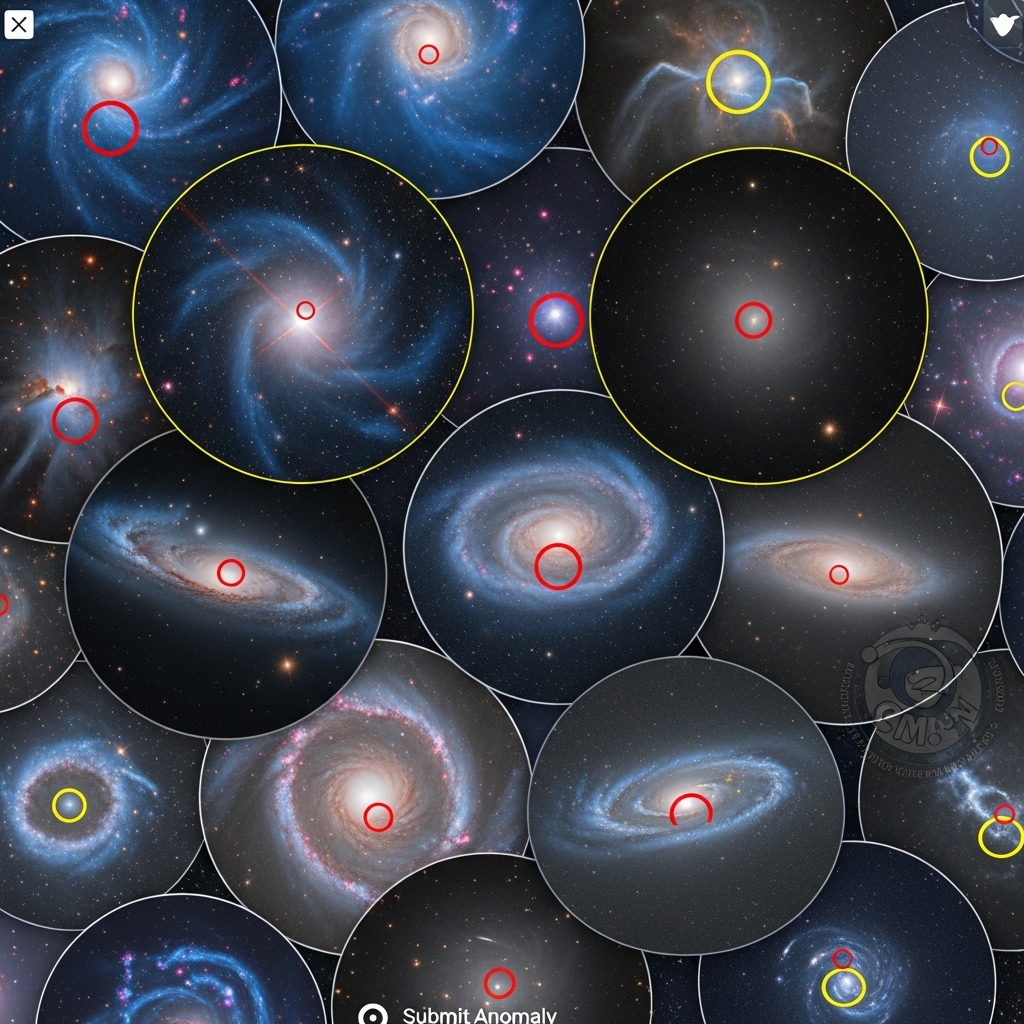
Public contributions may also play a role. Citizen science projects like Zooniverse allow amateur astronomers to flag potential sightings in telescope images.
Conclusion: A Cosmic Whodunit
The “hair mystery” exemplifies how much we still don’t understand about the universe. Whether it’s an overlooked natural phenomenon or evidence of something extraordinary, one thing is clear: NASA scientists won’t rest until they comb through every possibility.
What do you think these strange strands could be? Share your theories in the comments!

