
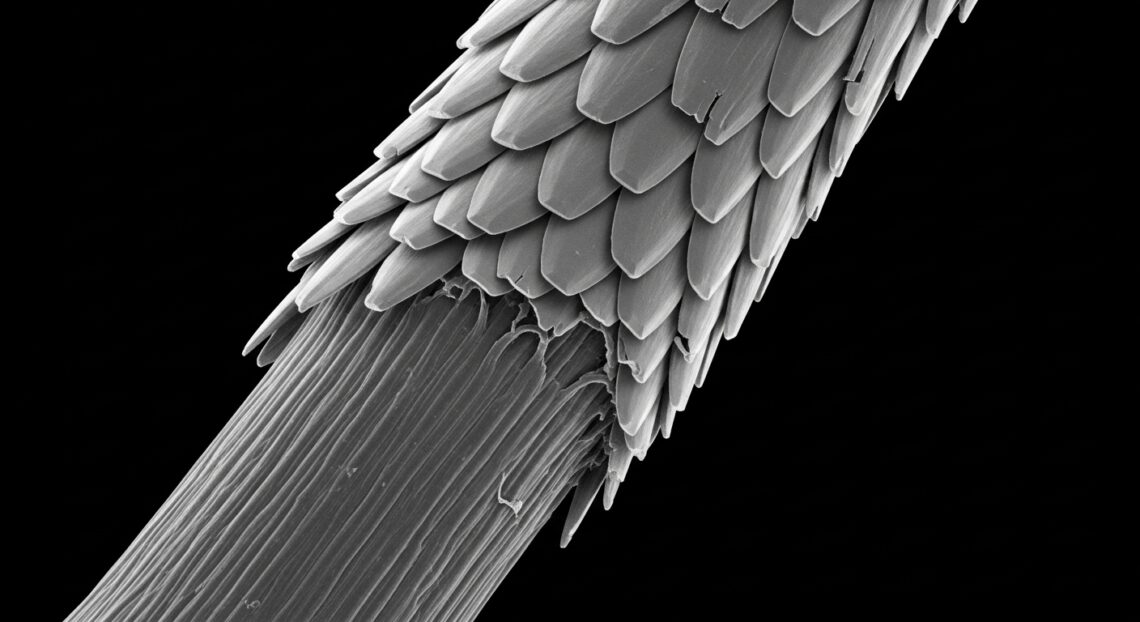
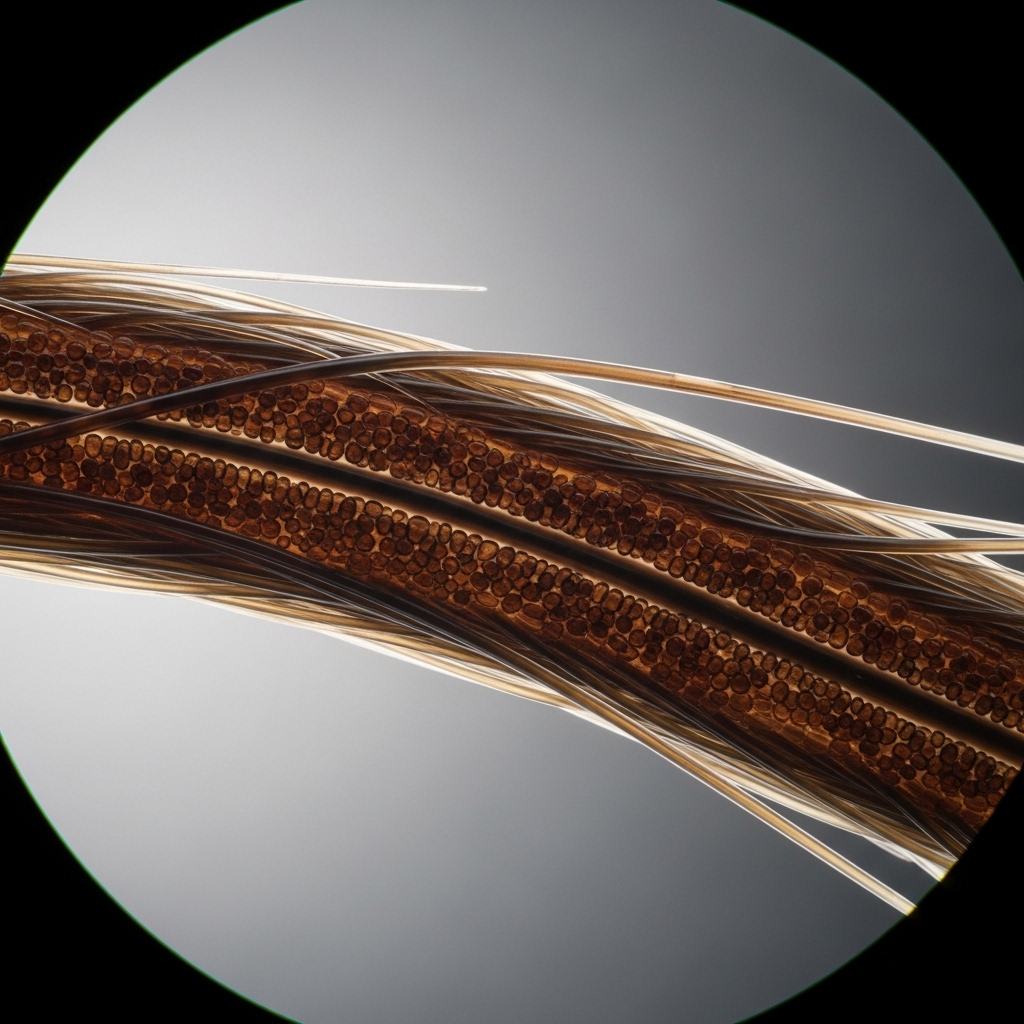
Have you ever wondered why some people have naturally thick, luscious hair while others struggle with fine, thinning strands? The answer may lie deep within your DNA. Scientists have uncovered a fascinating genetic mechanism—a biological “switch”—that influences hair thickness. Even better? This switch can potentially be activated to promote fuller, healthier hair.
In this blog post, we’ll explore the science behind this genetic switch, how it affects hair growth, and the lifestyle changes that may help you turn it on. Whether you’re battling thinning hair or simply want to maximize your hair’s potential, understanding this breakthrough could be the key to unlocking your best hair yet.
What Is the Genetic Switch for Hair Thickness?
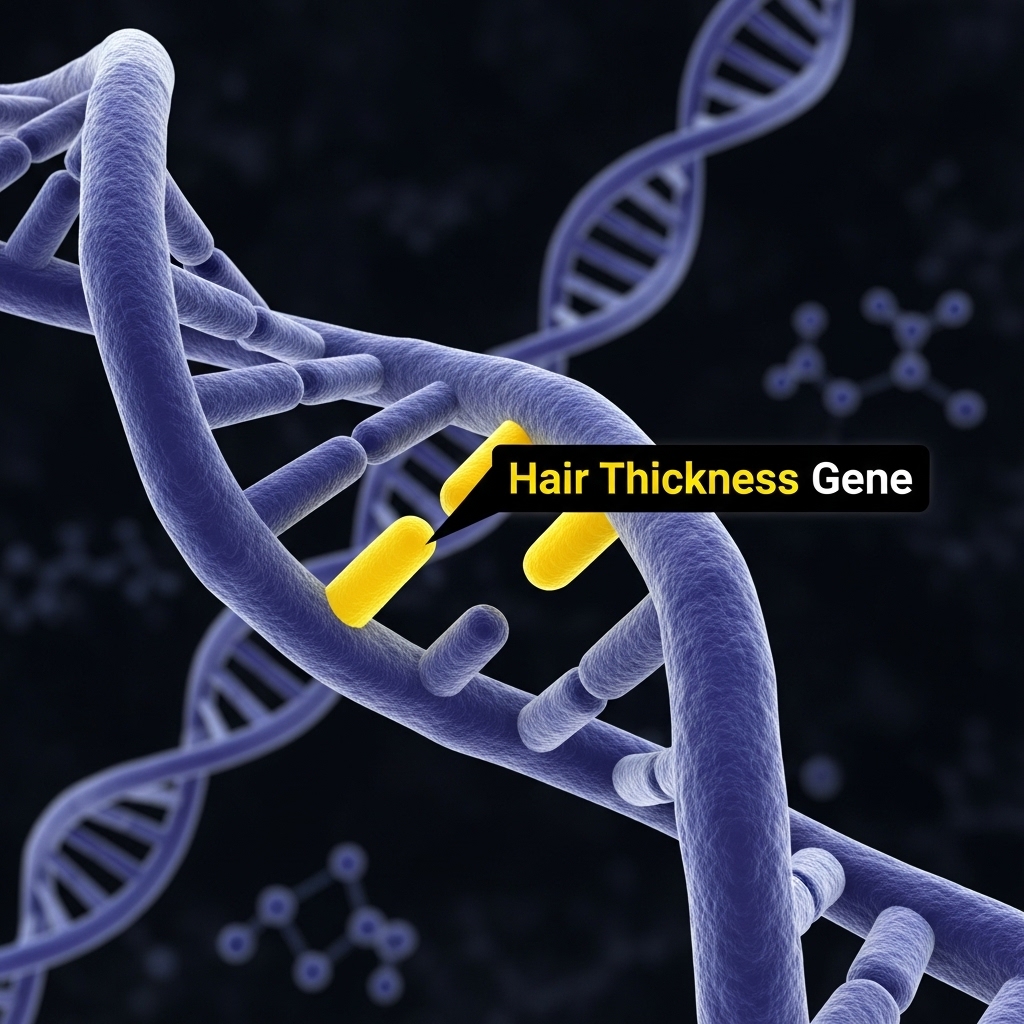
At the core of hair thickness lies a complex interplay of genetics. Researchers have identified specific genes, such as the EDAR gene, that play a crucial role in determining hair follicle size and density. This gene influences the production of proteins that shape hair structure, effectively acting as a “switch” that can enhance or reduce thickness.
How does it work? The EDAR gene regulates signaling pathways in hair follicles during development. A more active EDAR variant leads to thicker hair shafts, while a less active one results in finer strands. Interestingly, this genetic variation is also linked to other traits, such as sweat gland density and tooth shape.
But here’s the exciting part: even if you didn’t inherit the “thick hair” variant of this gene, emerging research suggests that certain environmental and lifestyle factors can influence its expression. That means you might be able to “activate” this switch naturally.
How to Activate the Hair Thickness Switch Naturally

While you can’t change your DNA, you can influence how your genes express themselves. This field of study, known as epigenetics, reveals that diet, stress, and external treatments can modify gene activity. Here’s how you can encourage your hair thickness genes to work in your favor:
1. Nutrition That Supports Hair Follicle Health
Your hair follicles require specific nutrients to function optimally. Key players include:
- Biotin (Vitamin B7): Strengthens keratin infrastructure.
- Zinc: Supports DNA repair in hair follicles.
- Omega-3 Fatty Acids: Reduce inflammation that can hinder hair growth.
- Vitamin D: Linked to follicle cycling and activation.
Foods like salmon, eggs, spinach, and nuts are excellent sources of these nutrients. A deficiency in any of these can “silence” genes responsible for healthy hair.
2. Scalp Stimulation and Blood Flow
Increased blood circulation to the scalp delivers more oxygen and nutrients to hair follicles, potentially enhancing gene expression. Techniques like:
- Massage: Stimulates follicles and may increase hair thickness over time.
- Microneedling: Tiny punctures can trigger growth factors and activate dormant follicles.
3. Reducing Stress and Cortisol Levels
Chronic stress elevates cortisol, which can disrupt hair growth cycles and suppress follicle activity. Practices like meditation, yoga, and adequate sleep can help keep stress-related gene silencing at bay.
The Future of Genetic Hair Thickness Treatments

Beyond natural methods, scientific advancements are exploring direct ways to manipulate the genetic switch for hair thickness. Some promising avenues include:
- Topical Gene Therapies: Creams or serums designed to enhance EDAR gene expression.
- CRISPR Technology: Early-stage research into editing hair-related genes (though this is still experimental).
- Peptide Treatments: Compounds that mimic genetic signals to boost follicle activity.
While these treatments aren’t mainstream yet, they highlight the growing understanding of genetics in hair health.
Myths vs. Facts About Hair Thickness Genes
Misinformation abounds when it comes to hair growth. Let’s debunk a few myths:
- Myth: “If your parents have thin hair, you’re doomed to the same.”
Fact: While genetics play a role, epigenetic changes mean you can influence your hair’s potential. - Myth: “Hair thickness is determined only by age.”
Fact: Age affects hair, but gene expression can be optimized at any life stage.
Conclusion: Your Hair’s Potential Is in Your Hands
Your genes may set the baseline for hair thickness, but they don’t have the final say. By nourishing your body, stimulating your scalp, and reducing stress, you can create an environment where your hair’s genetic potential thrives.
Ready to activate your hair thickness switch? Start with small changes today—your follicles will thank you!

