

Have you ever wondered why humans have such a wide variety of hair colors? From jet black to platinum blonde, fiery red to rich brown, our hair comes in a stunning spectrum of shades. While we often think of hair color as purely aesthetic, science reveals there’s much more to the story. These variations didn’t appear by accident – they’re the result of thousands of years of evolutionary adaptation.
In this deep dive, we’ll explore the fascinating biological and environmental factors that shaped human hair color diversity. You’ll discover how different shades provided survival advantages in specific climates, how they influenced social dynamics in early human societies, and why this genetic legacy continues to influence us today.
The Science Behind Hair Color Genetics
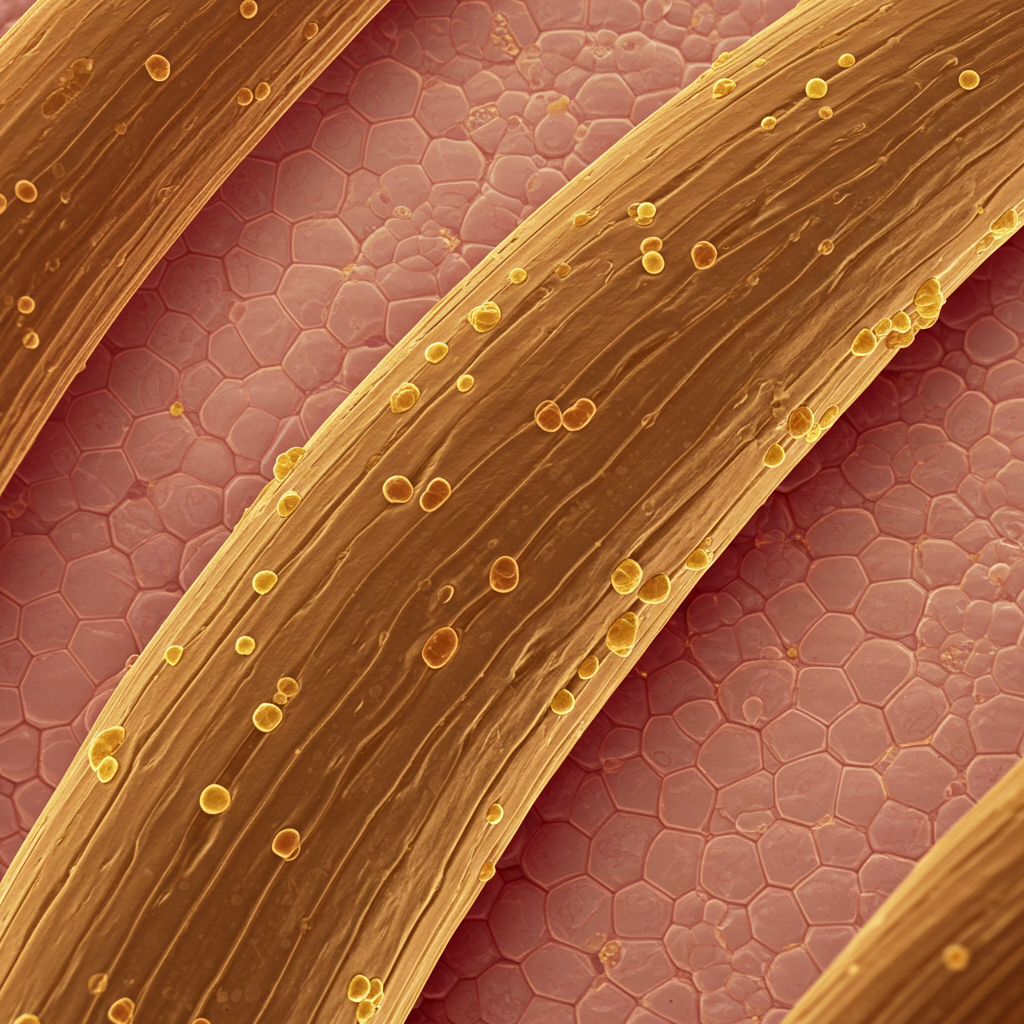
Human hair color is primarily determined by two types of melanin pigment: eumelanin (which produces black and brown shades) and pheomelanin (responsible for red and yellow tones). The specific combination and concentration of these pigments create the full range of hair colors we see today.
Genetic research has identified several key genes that influence hair color, with MC1R being particularly important for red hair. These genetic variations emerged at different points in human history, often correlating with migration patterns and environmental changes. Interestingly, the mutation for blonde hair appears to have evolved independently in multiple populations across Europe and Oceania.
Climate Adaptation and Hair Color Diversity
One of the most compelling evolutionary explanations for hair color variation relates to climate adaptation. As early humans migrated out of Africa into northern latitudes with less sunlight, their bodies needed to adapt to these new environmental conditions.
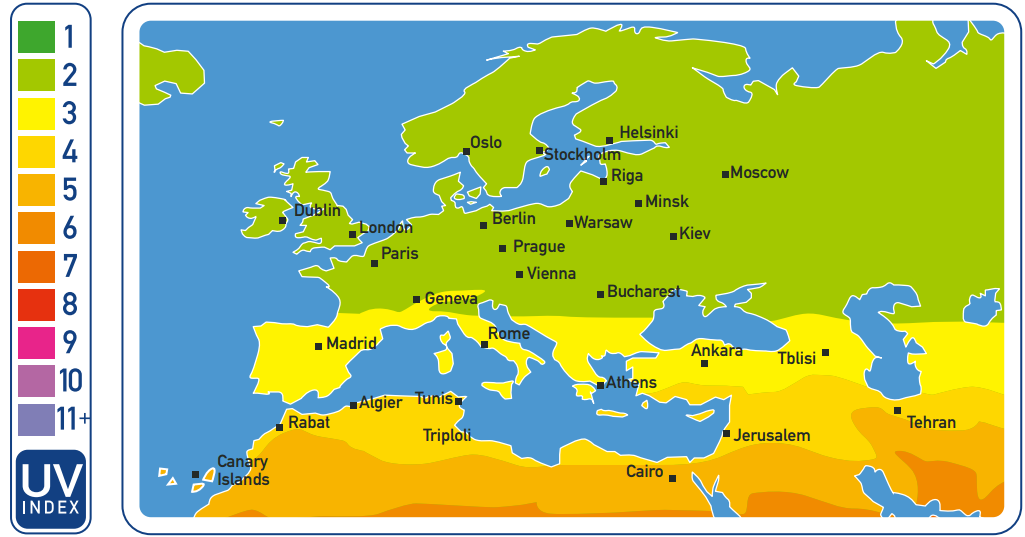
Darker hair contains more eumelanin, which provides natural UV protection. This was advantageous near the equator where sunlight is intense year-round. Conversely, lighter hair allows more sunlight to penetrate the scalp, facilitating vitamin D production in regions with limited sunlight. This explains why blonde and red hair became more prevalent in northern European populations.
The correlation between latitude and hair color is remarkably strong. Studies show that in Europe, the frequency of lighter hair colors increases the further north you go, with the highest concentrations in Scandinavia and the Baltic regions.
The Mysterious Case of Red Hair
Red hair presents one of the most intriguing evolutionary puzzles. Occurring in only 1-2% of the global population (but up to 10% in some northern European regions), this striking hair color results from a mutation in the MC1R gene that causes increased pheomelanin production.
Scientists have proposed several theories about red hair’s evolutionary advantage:
Vitamin D efficiency: Redheads may produce vitamin D more efficiently, crucial in cloudy northern climates. Some studies suggest they can synthesize this essential nutrient with less sunlight exposure than others.
Camouflage advantage: In the forested landscapes of northern Europe, reddish tones might have provided better camouflage against predators than darker hair.
Sexual selection: The rarity of red hair may have made it more attractive to potential mates, ensuring the genes were passed on despite the small population size.

Hair Color and Social Perception
Beyond biological advantages, hair color has played a significant role in social dynamics throughout human history. Anthropologists believe that as human societies became more complex, distinctive hair colors may have served as visual markers for group identity or social status.
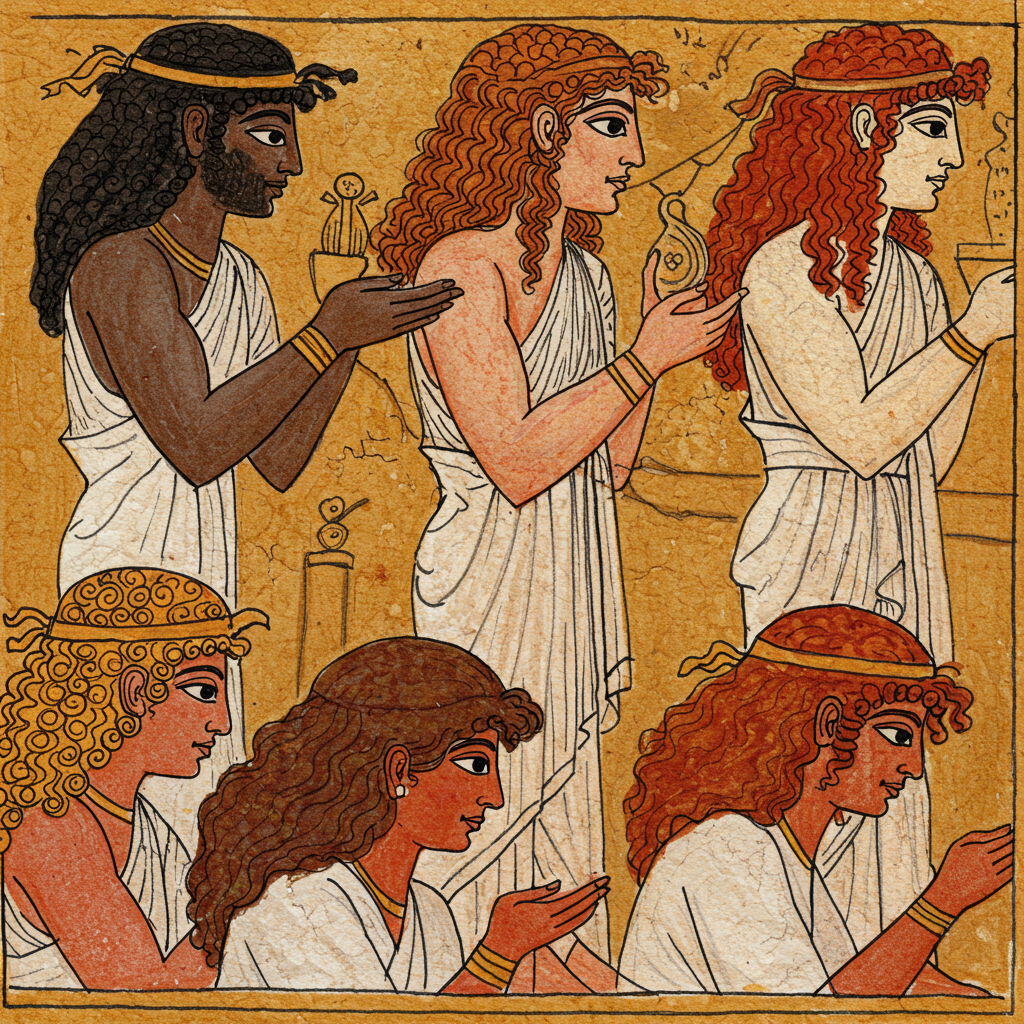
In some ancient cultures, blonde hair was associated with divinity or nobility. The Norse god Baldr was described as radiantly blonde, while in ancient Greece, blonde hair was often linked to heroes and gods. Conversely, red hair has been both revered and stigmatized in different historical periods and cultures.
These social perceptions likely created evolutionary feedback loops where certain hair colors became more prevalent because they were considered desirable, regardless of any direct survival advantage.
Modern Implications of Hair Color Evolution
While modern technology has largely eliminated the survival advantages of specific hair colors, our evolutionary legacy still influences us today. Studies show that people often make subconscious judgments based on hair color, a phenomenon researchers call “hair color stereotypes.”
For example:
- Blondes are often perceived as more approachable but less competent (the “dumb blonde” stereotype)
- Redheads are frequently seen as more temperamental or unique
- Brunettes tend to be viewed as more reliable and intelligent
These perceptions have no biological basis but may stem from ancient social associations that became culturally ingrained over generations.

The Future of Human Hair Color
As global populations become increasingly mixed, geneticists predict some hair color variations may become less distinct. However, the genes responsible for different shades aren’t disappearing – they’re simply recombining in new ways.
Some scientists speculate that as humans potentially colonize other planets or space habitats with different light conditions, we might see new hair color variations emerge through natural selection over many generations. The story of human hair color evolution is far from over!
What remains clear is that our rainbow of hair colors represents one of the most visible examples of human adaptation and diversity. Each shade tells a story of survival, migration, and social evolution that spans thousands of years of human history.
From practical climate adaptation to complex social signaling, the evolutionary advantages of different hair colors reveal the incredible adaptability of our species. The next time you notice someone’s hair color, remember – you’re seeing a living artifact of human evolution.

