
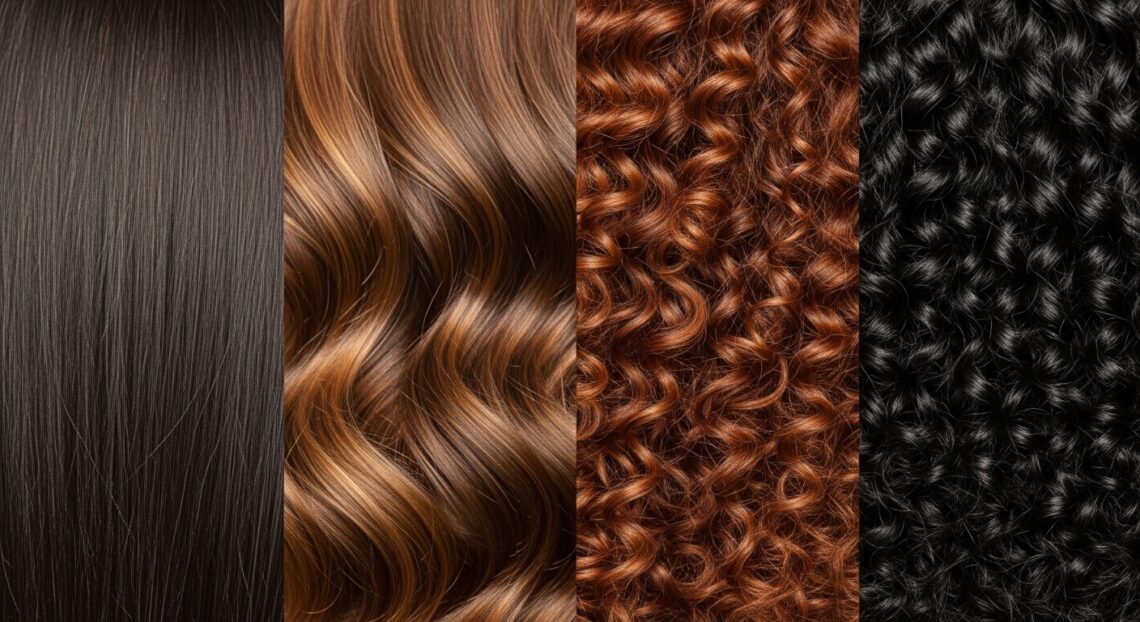
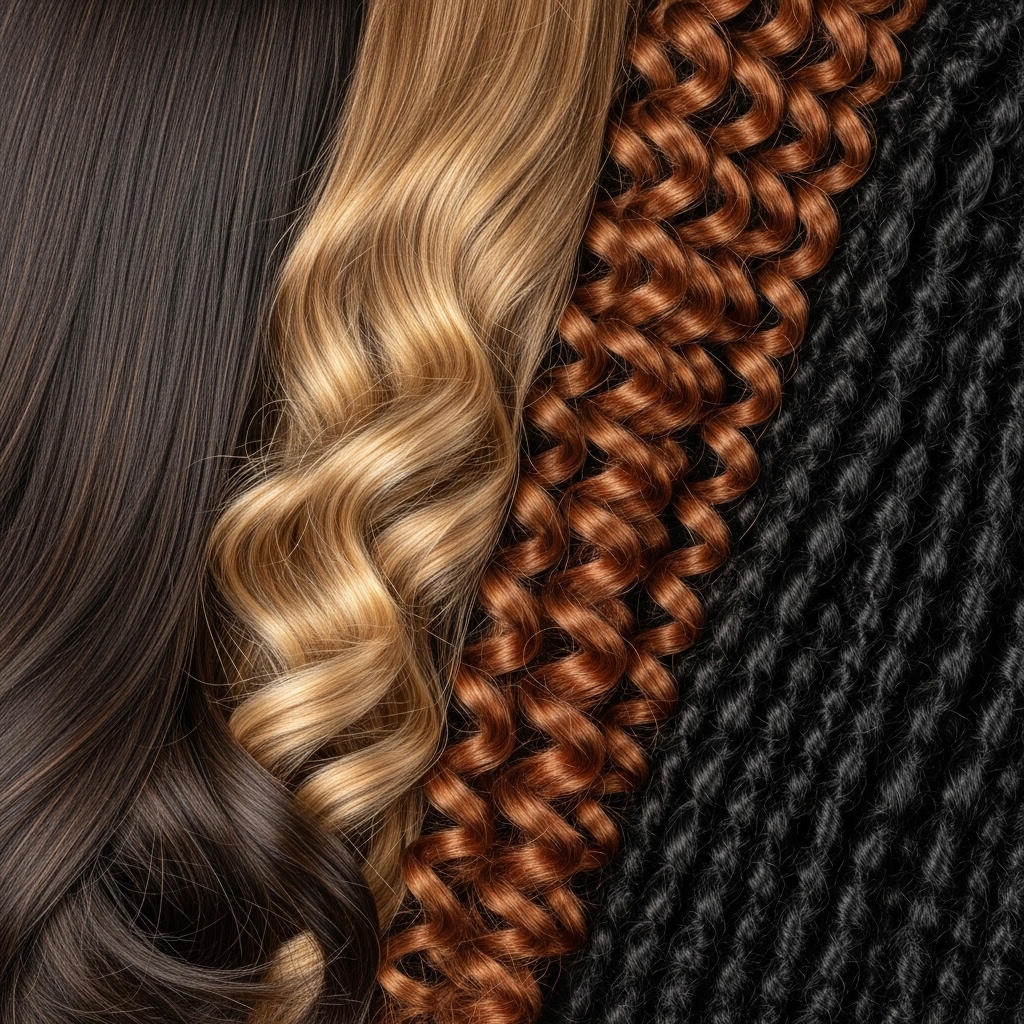
Have you ever wondered why some people have pin-straight hair while others have bouncy curls or tight coils? The answer lies deep within your hair follicles—specifically, in an enzyme that plays a crucial role in determining your hair’s texture. Scientists have discovered that this enzyme can be modified, opening doors to revolutionary hair treatments that could allow people to alter their natural texture without harsh chemicals or heat damage.
In this article, we’ll explore the science behind hair texture, the enzyme responsible for its formation, and how future innovations might let us customize our hair like never before.
Understanding Hair Texture: More Than Just Genetics
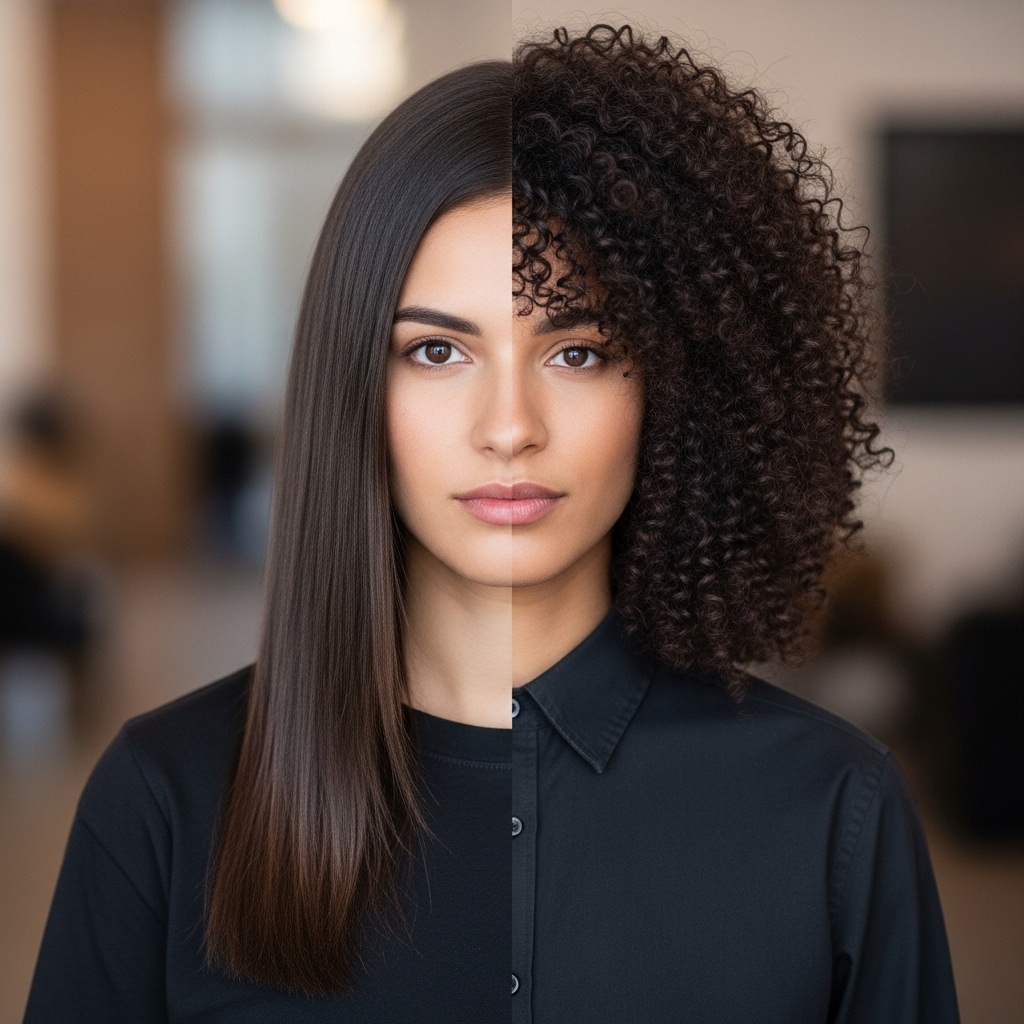
While genetics largely determine whether your hair is straight, wavy, curly, or kinky, the physical structure of your hair shaft is what creates these differences. The shape of your hair follicle—whether it’s round, oval, or asymmetrical—dictates how your hair grows and curls. But what controls that shape? Recent research points to a key enzyme called transglutaminase.
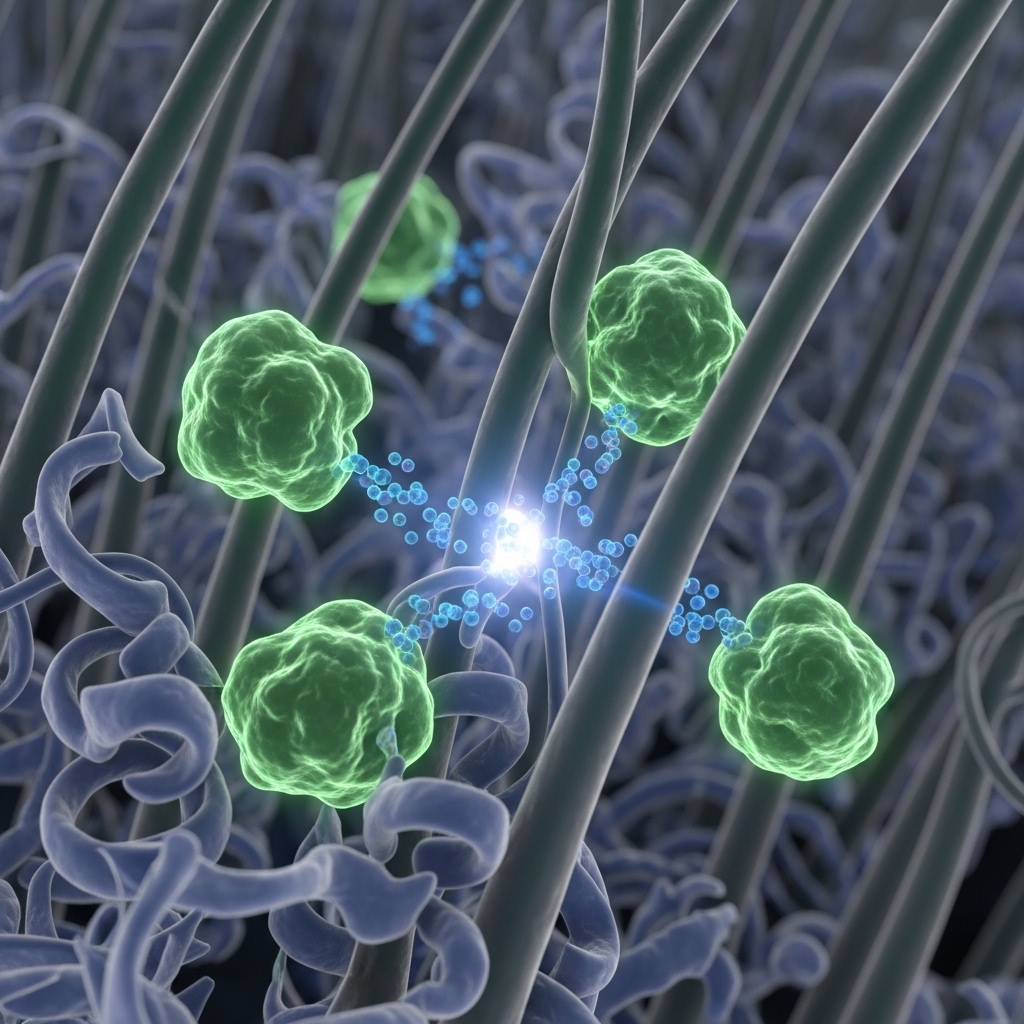
Transglutaminase works by creating cross-links between proteins in the hair follicle, essentially acting as a biological “glue” that shapes the follicle’s structure. The more active this enzyme is, the more asymmetrical the follicle becomes, leading to curlier hair. Conversely, less activity results in straighter hair.
The Role of Transglutaminase in Hair Formation
Transglutaminase belongs to a family of enzymes that modify proteins by forming strong bonds between them. In hair follicles, it primarily interacts with keratin—the structural protein that makes up most of your hair. Here’s how it works:
- Follicle Shape: The enzyme’s activity determines whether your follicle is symmetrical (straight hair) or asymmetrical (curly hair).
- Hair Strength: It contributes to the structural integrity of hair by cross-linking keratin proteins.
- Growth Patterns: The enzyme influences the angle at which hair emerges from the scalp.
What makes this discovery groundbreaking is that transglutaminase activity can be modified—meaning we might soon have ways to alter hair texture at the biological level.
Can We Really Change Our Natural Hair Texture?
The short answer is: yes, potentially. While current methods like chemical relaxers and perms alter hair texture by breaking and reforming disulfide bonds (which can damage hair), targeting transglutaminase offers a gentler, more precise approach. Researchers are exploring two main avenues:
1. Topical Enzyme Modulators: Scientists are developing products that can either enhance or inhibit transglutaminase activity in hair follicles. For example:
- An inhibitor could loosen curls for people who want straighter hair.
- An activator could help straight-haired individuals achieve natural-looking waves or curls.
2. Genetic and Cellular Therapies: More advanced approaches might involve modifying gene expression related to transglutaminase production or using stem cells to “reprogram” hair follicles. While this technology is still in early stages, it could eventually allow for permanent, damage-free texture changes.

The Future of Hair Care: Personalized Texture Solutions
Imagine walking into a salon and receiving a treatment that adjusts your hair’s natural texture to your desired look—without chemicals, heat, or long-term damage. This could become reality within the next decade as research into transglutaminase modulation advances.
Potential applications include:
- Customizable Styles: Temporary or semi-permanent texture changes that grow out naturally.
- Hair Repair: Strengthening damaged hair by optimizing protein cross-linking.
- Medical Uses: Helping people with hair disorders like uncombable hair syndrome or certain types of alopecia.
However, experts caution that human trials are still needed, and any commercial products are likely several years away.

Current Alternatives for Modifying Hair Texture
While we wait for enzyme-based solutions, here are the current methods for changing hair texture—along with their pros and cons:
Chemical Relaxers:
These break down hair’s natural bonds to straighten curls. While effective, they can cause scalp irritation and hair damage with long-term use.
Permanent Waves:
“Perms” use chemicals to create curls in straight hair. Like relaxers, they weaken hair structure over time.
Heat Styling:
Flat irons and curling wands provide temporary changes but can lead to heat damage with frequent use.
Keratin Treatments:
These semi-permanent treatments smooth hair by infusing keratin, but many contain formaldehyde or other harsh chemicals.
The advantage of future transglutaminase-based treatments would be their ability to work with your hair’s biology rather than against it.

What This Means for the Beauty Industry
The beauty and hair care industry is poised for a major shift as this science develops. We may see:
- New categories of hair care products targeting enzyme activity
- Salon services offering “biochemical texture modification”
- Personalized hair care based on genetic testing of hair follicle characteristics
- Reduced reliance on damaging chemical treatments
Brands are already investing heavily in this research, recognizing its potential to revolutionize how we approach hair texture.

Ethical Considerations and Potential Concerns
As with any emerging biotechnology, there are important questions to consider:
Safety: Any treatment that alters biological processes must undergo rigorous testing to ensure it doesn’t have unintended side effects.
Accessibility: Will these advanced treatments be affordable, or will they create new disparities in beauty standards?
Cultural Implications: Hair texture carries deep cultural significance for many communities. The ability to easily change one’s natural texture could have complex social ramifications.
These discussions will become increasingly important as the technology develops.

Conclusion: A New Era for Hair Science
The discovery of transglutaminase’s role in hair texture opens exciting possibilities for the future of hair care. While current methods for changing hair texture often involve compromise—trading your desired look for hair health—enzyme-based solutions could offer the best of both worlds.
As research progresses, we may soon have safer, more effective ways to embrace our natural hair or experiment with different textures—all by working with our biology rather than against it. The key enzyme controlling these processes has been identified, and now scientists are learning how to modify it responsibly.
For now, the best approach is to care for your natural hair texture while keeping an eye on this fascinating scientific development. The future of hair care is looking more personalized—and more biological—than ever before.

