
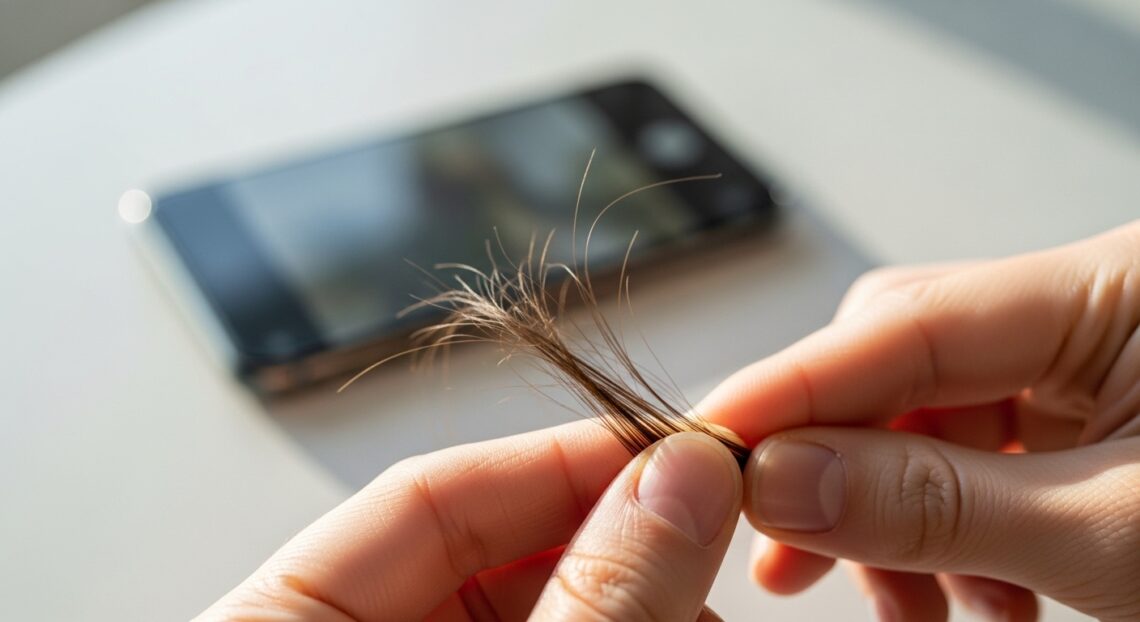
Ever wondered why some hair products work miracles for your friend but leave your locks limp or frizzy? The secret lies in your hair texture. Understanding whether your hair is fine, medium, or coarse can revolutionize your hair care routine—and you don’t need expensive salon visits to figure it out. With just your smartphone and a few simple techniques, you can become your own hair texture expert!
In this guide, we’ll walk you through a step-by-step method to analyze your hair texture using tools you already have. No fancy gadgets, no complicated processes—just smart, DIY hair science.
Why Hair Texture Matters
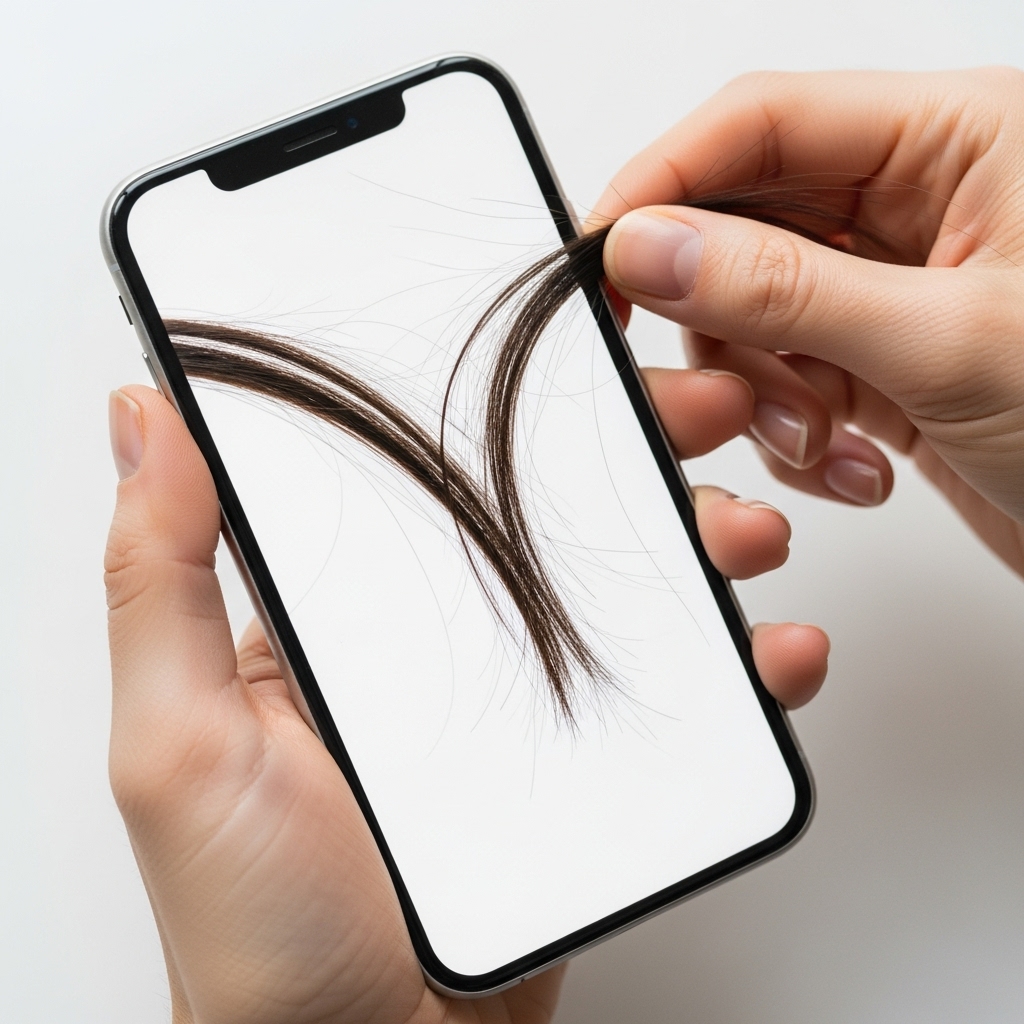
Hair texture refers to the thickness of individual hair strands, not to be confused with hair density (how many strands you have). Knowing your texture helps you choose the right products, avoid damage, and enhance your natural beauty.
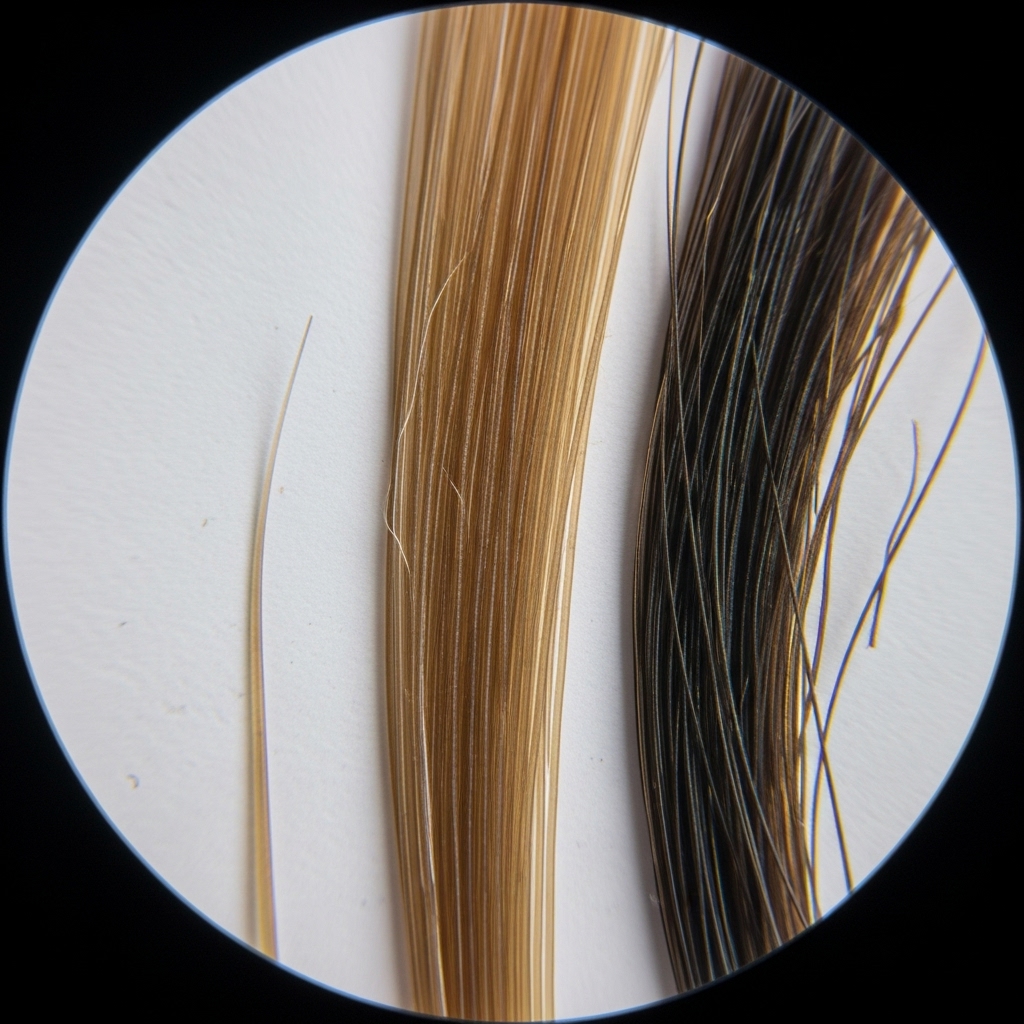
Fine hair is delicate and prone to oiliness, while coarse hair is thicker and often drier. Medium-textured hair strikes a balance between the two. Each type has unique needs—get it wrong, and you might weigh hair down or fail to moisturize properly.
What You’ll Need for the DIY Analysis
Before diving in, gather these simple tools:
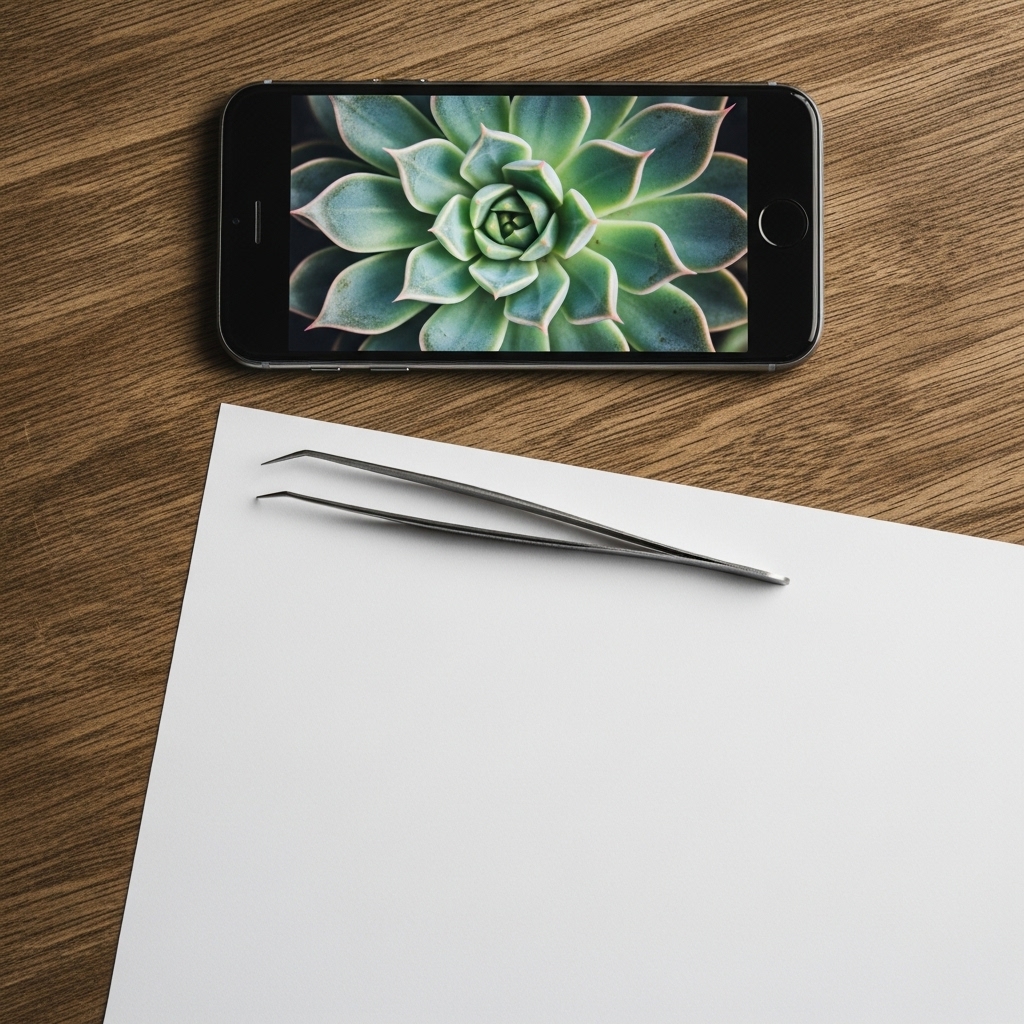
- Your smartphone (with a high-resolution camera)
- A white piece of paper (for contrast)
- Tweezers (to pluck a single strand)
- Ruler or measuring app (optional, for precision)
That’s it! No lab equipment required.
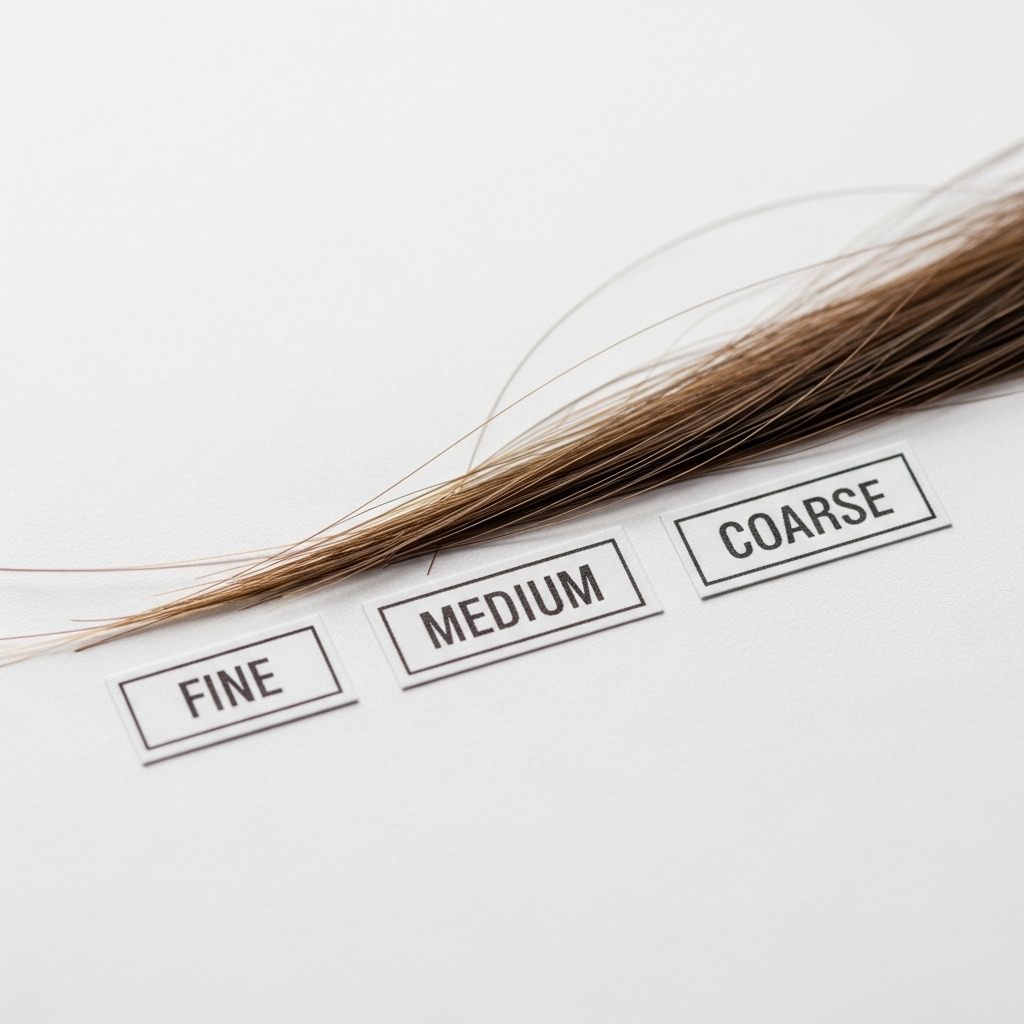
Step 1: The Strand Test (The Classic Method)
Start with the traditional strand test for a baseline understanding:
- Pluck a single strand from your head using tweezers. Choose one from the crown for accuracy.
- Place it on the white paper to enhance visibility.
- Use your smartphone’s camera to zoom in. Enable macro mode if available.
Now, observe:
- Fine hair is barely visible, like a thin thread.
- Medium hair is clearly visible but not thick.
- Coarse hair appears sturdy, almost like a sewing thread.
Step 2: The Roll Test (For Extra Confirmation)
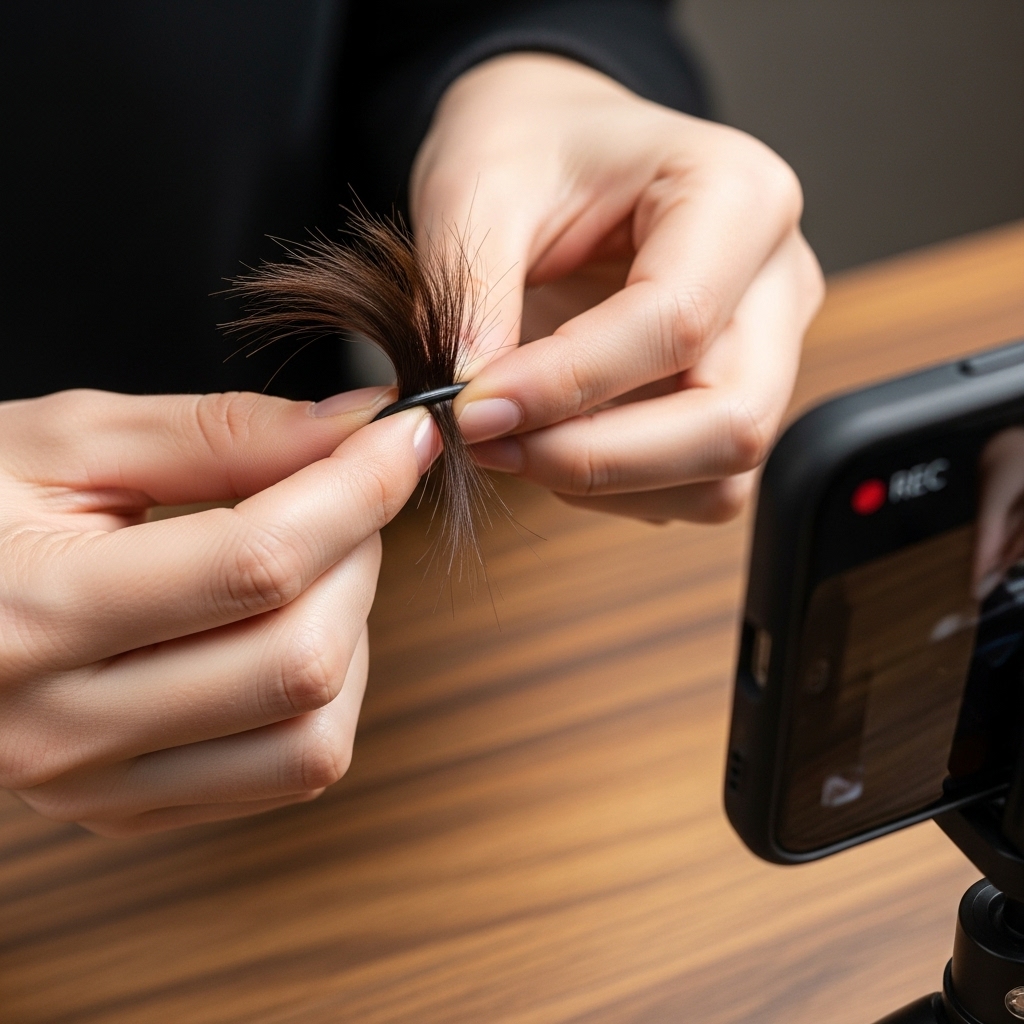
Not sure from visuals alone? Try the roll test:
- Take a dry strand and roll it between your fingertips.
- Note what you feel:
- Fine hair is slippery, almost elusive.
- Medium hair has a slight texture.
- Coarse hair feels distinctly rough or wiry.
Combine this with your visual analysis for a confident conclusion.
Step 3: Smartphone Photography Tricks
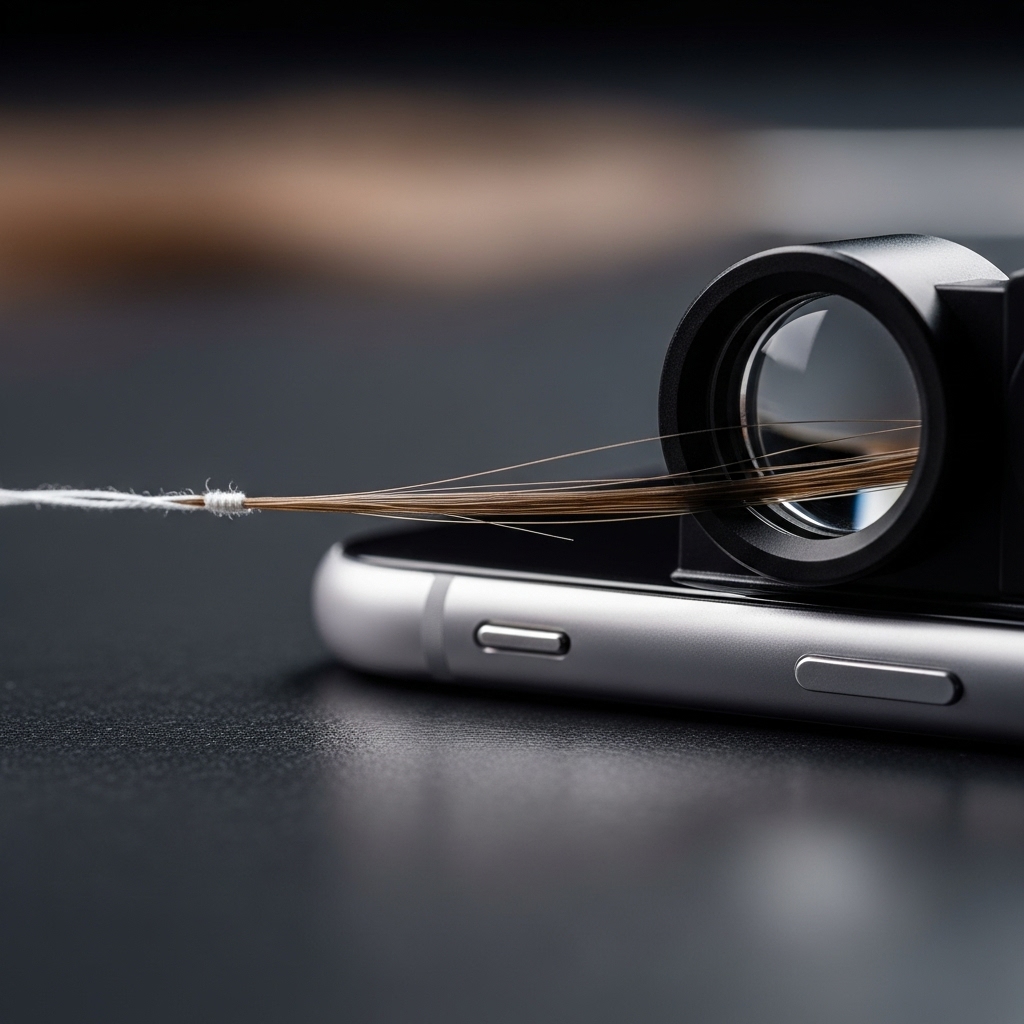
Boost your DIY analysis with these smartphone hacks:
- Use natural light to avoid shadows distorting the strand’s appearance.
- Try a macro lens attachment (or a DIY version with a water droplet on your camera lens).
- Compare to a known reference, like a sewing thread (fine = 0.05mm, coarse ≈ 0.12mm).
Some apps even measure pixel width—though this is advanced!
Common Mistakes to Avoid
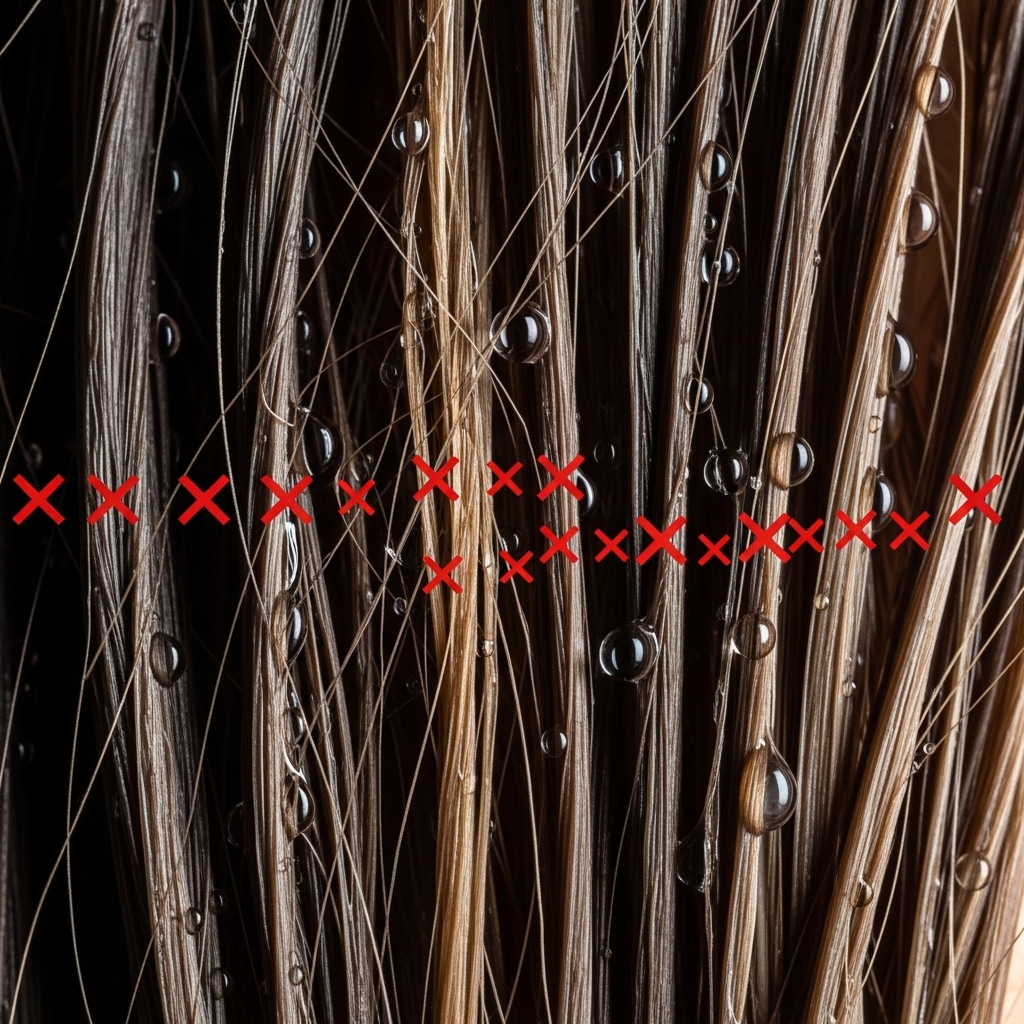
Even simple methods have pitfalls. Steer clear of these errors:
- Using wet hair: Water swells strands, skewing results.
- Testing damaged ends: Always analyze mid-lengths for accuracy.
- Ignoring variations: Your hair may have multiple textures!
When in doubt, test multiple strands from different areas.
How to Tailor Your Hair Care Routine
Now that you know your texture, optimize your routine:
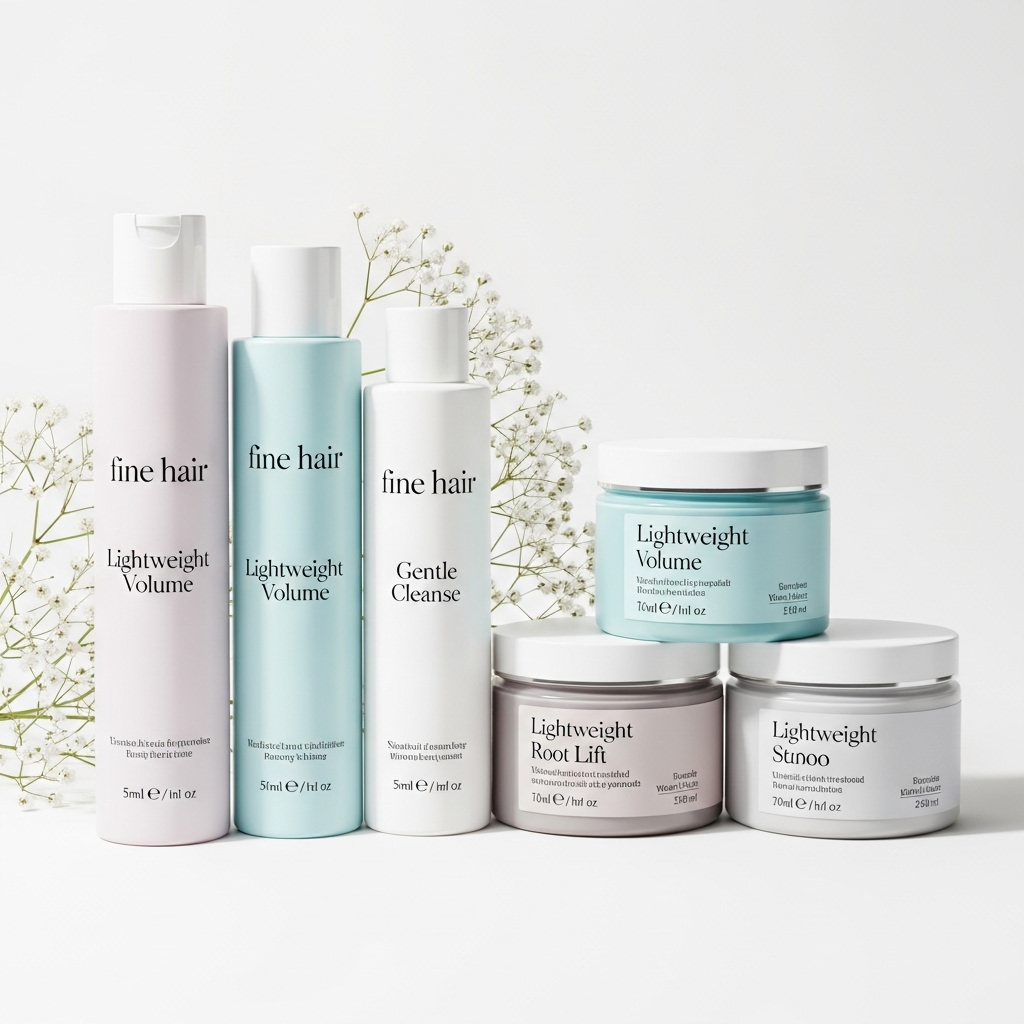
- Fine hair: Lightweight products, volumizing sprays, avoid heavy oils.
- Medium hair: Balanced moisture, occasional deep conditioning.
- Coarse hair: Rich creams, sealing oils, protein treatments.
Your smartphone just saved you years of trial and error!
Final Thoughts: Embrace Your Unique Texture
Your hair texture is as unique as your fingerprint. With this DIY method, you’ve unlocked the first step to personalized hair care—no expensive tools needed. Repeat the test seasonally, as factors like humidity or treatments can cause subtle changes.

