
In this article, we’ll dive into the science behind hair shine, explore the latest discoveries, and reveal how this knowledge can help you achieve healthier, glossier hair. Whether you’re a beauty enthusiast or just curious about the science of hair, this research will change the way you see your strands.
The Science of Hair Shine: What Makes Hair Glow?
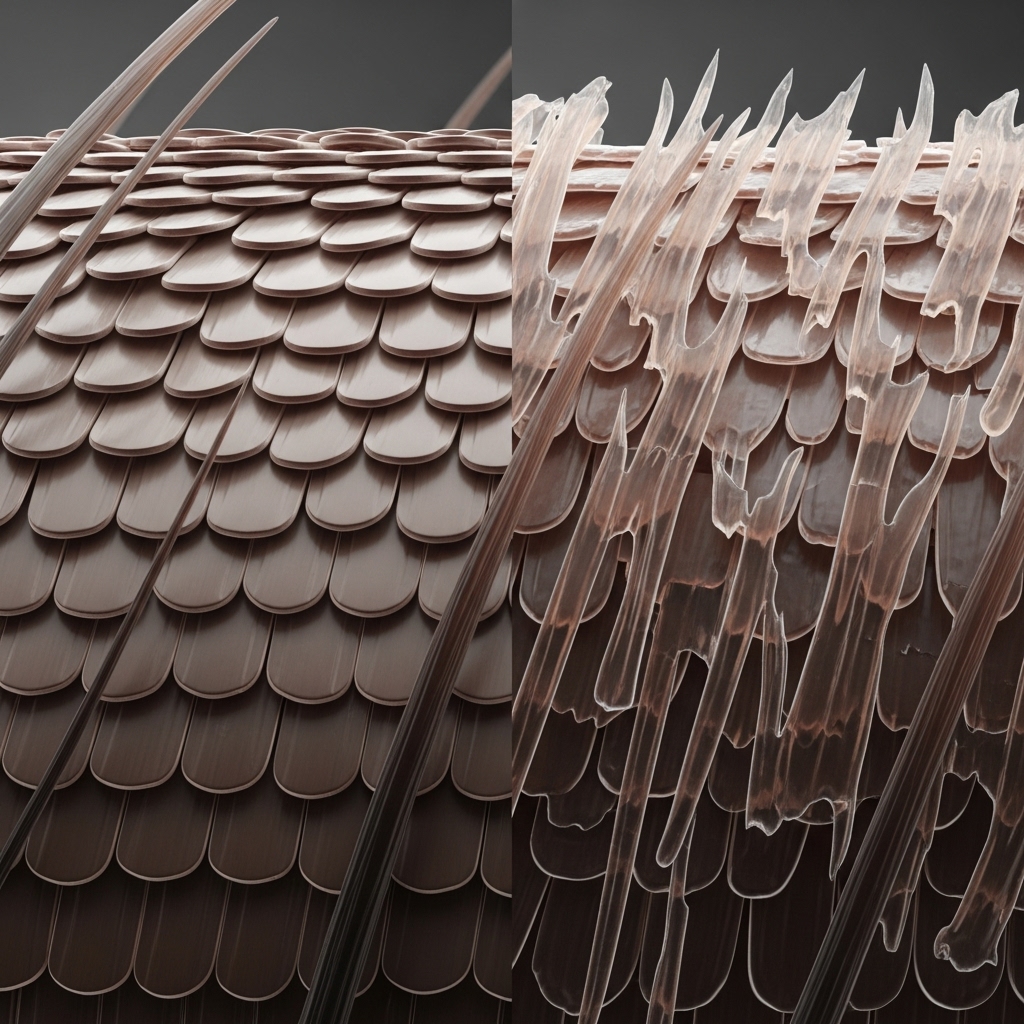
Hair shine isn’t just about surface-level smoothness—it’s a result of complex molecular interactions. The outermost layer of your hair, called the cuticle, is made up of overlapping scales. When these scales lie flat, light reflects off them evenly, creating shine. But when they’re damaged or raised, light scatters unevenly, leading to dullness.
Researchers have now identified a key chemical reaction involving keratin proteins and natural oils that helps maintain this smooth, reflective surface. This reaction, known as the “lipid-keratin bonding process,” strengthens the hair cuticle and enhances light reflection.
The Breakthrough: How Scientists Discovered the Shine Reaction
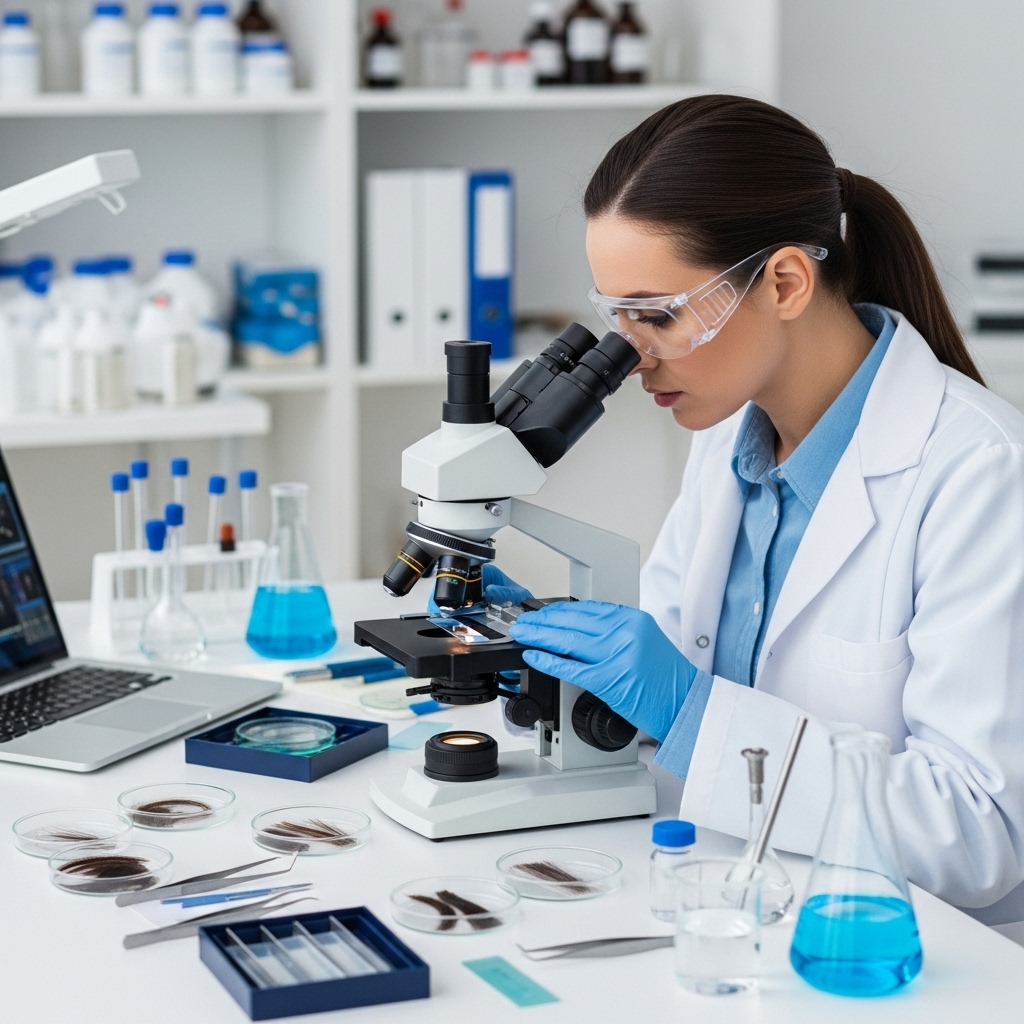
For years, scientists suspected that natural lipids (oils) played a role in hair shine, but the exact mechanism was unclear. A 2023 study published in the Journal of Cosmetic Science used advanced spectroscopy and microscopy techniques to observe how lipids interact with keratin at a molecular level.
The findings were groundbreaking: certain fatty acids in sebum (the oil produced by your scalp) form covalent bonds with keratin proteins in the cuticle. This bonding process not only smooths the hair surface but also creates a protective barrier against environmental damage.
“This discovery changes everything,” says Dr. Elena Rodriguez, lead researcher of the study. “We now understand why some natural oils make hair shinier than synthetic silicones—it’s all about the chemical bond.”
How to Boost Your Hair’s Natural Shine Reaction
Now that we know the secret behind hair shine, how can we use this knowledge in our daily routine? Here are science-backed tips to enhance your hair’s natural lipid-keratin bonding:
- Use sulfate-free shampoos: Harsh detergents strip away natural oils, disrupting the shine reaction.
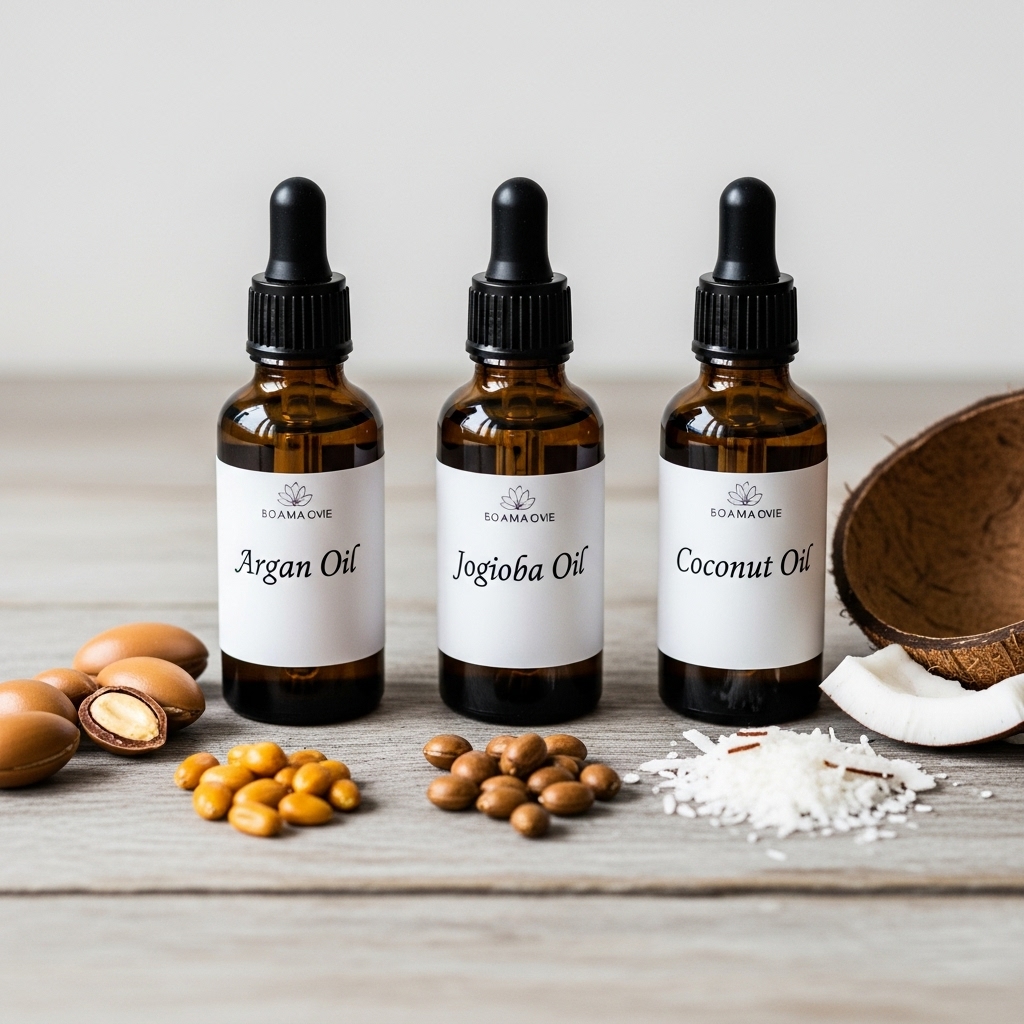
- Incorporate omega-rich oils: Oils like argan, jojoba, and coconut contain fatty acids that support keratin bonding.
- Avoid excessive heat styling: High temperatures can break down the lipid-keratin bonds.
- Eat a balanced diet: Nutrients like biotin and omega-3s promote healthy sebum production.
The Future of Hair Care: Products That Mimic Nature
This research is already inspiring a new generation of hair care products. Instead of relying on temporary shine-enhancing silicones, brands are developing formulas that stimulate natural lipid-keratin bonding.
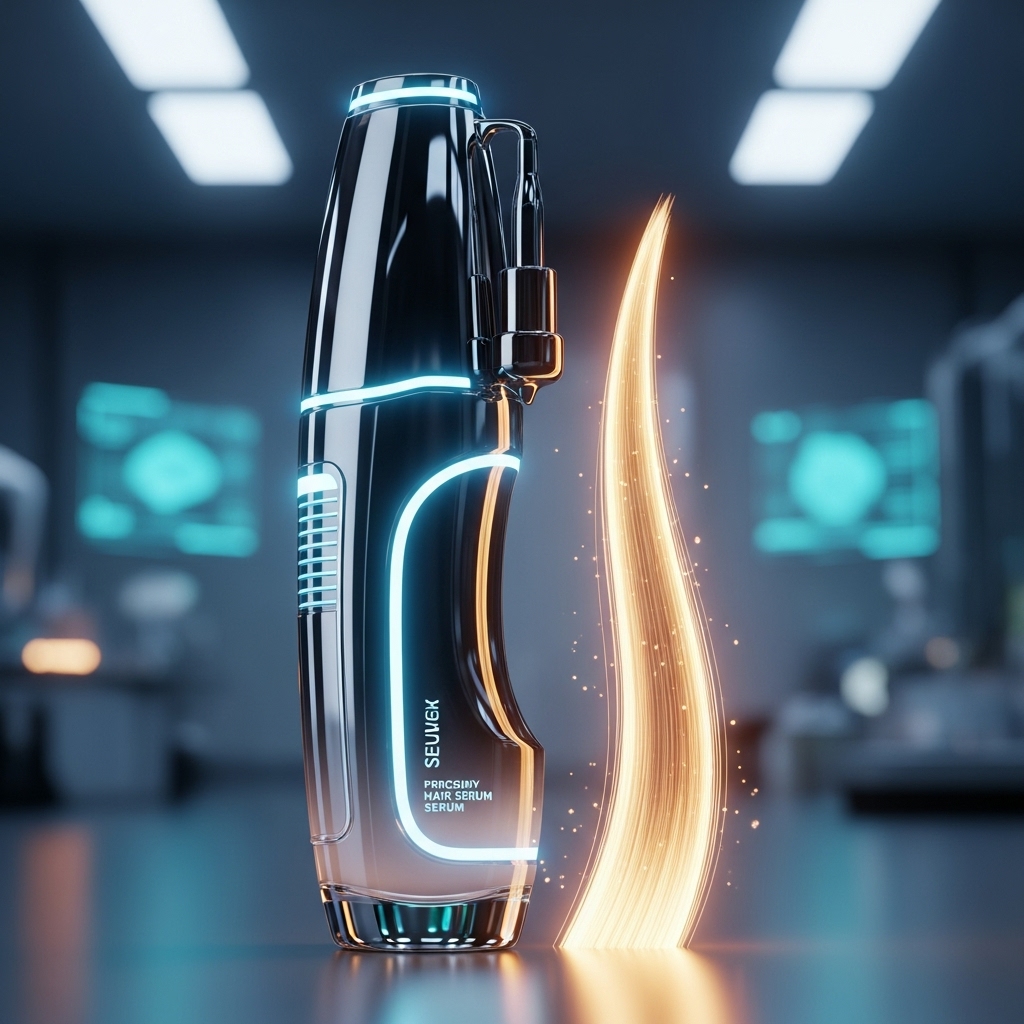
One such innovation is “bioactive shine serums,” which contain plant-derived lipids identical to those in human sebum. Early tests show these serums can increase hair shine by up to 40% after just two weeks of use.
“We’re moving toward hair care that works with your biology, not against it,” says cosmetic chemist Mark Chen. “The future is in biomimetic formulations.”
Debunking Hair Shine Myths
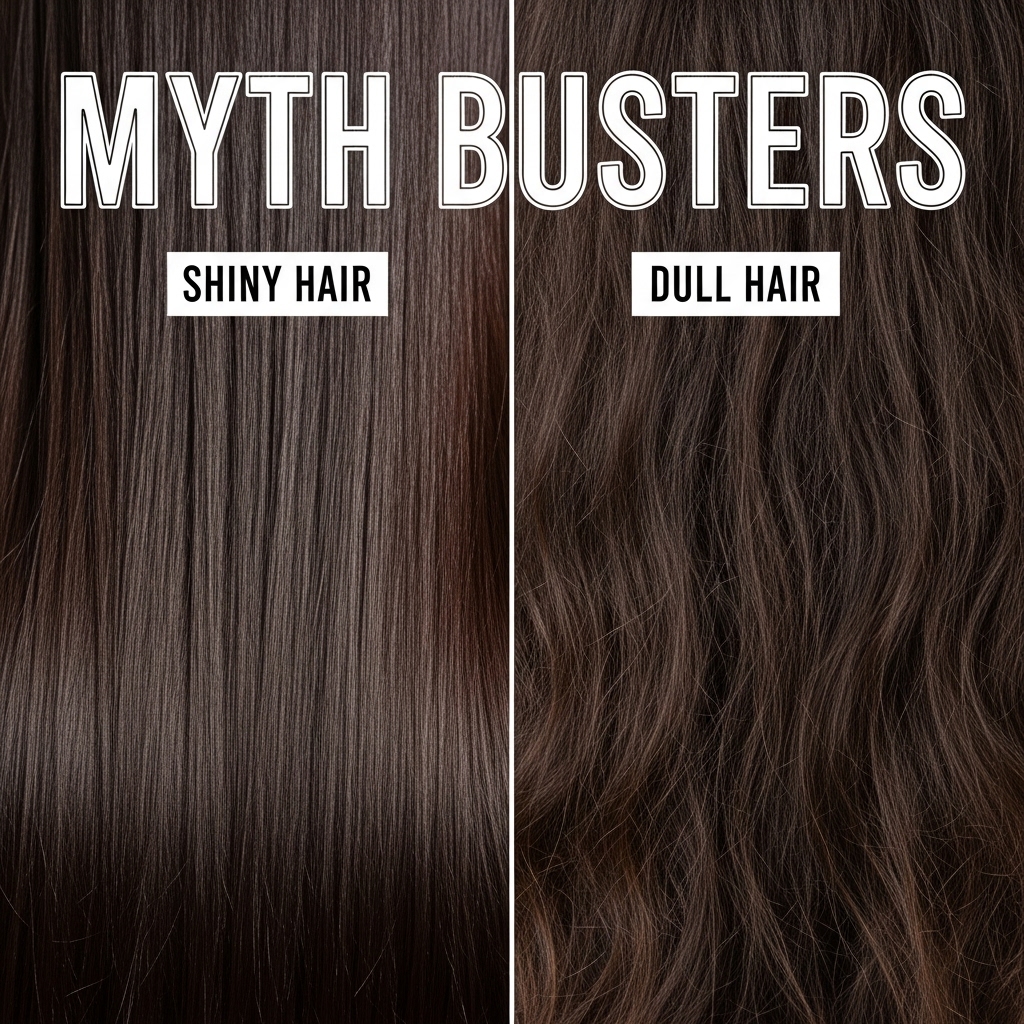
With so much misinformation about hair care, let’s clear up some common myths about shine:
Myth 1: “More washing equals shinier hair.”
Truth: Overwashing removes natural oils, disrupting the shine reaction.
Myth 2: “All oils make hair shiny.”
Truth: Only certain fatty acids (like linoleic and oleic acid) form strong bonds with keratin.
Myth 3: “Shine is only about the surface.”
Truth: Healthy shine starts from within—proper nutrition affects sebum quality.
Conclusion: Embracing the Science of Shine
The discovery of the lipid-keratin bonding process marks a turning point in hair science. No longer is shine just a cosmetic concern—it’s a measurable biological process that we can now optimize.
By understanding and supporting this natural chemical reaction, we can achieve healthier, shinier hair without harsh chemicals or temporary fixes. The future of hair care is here, and it’s more scientific—and more beautiful—than ever.

