
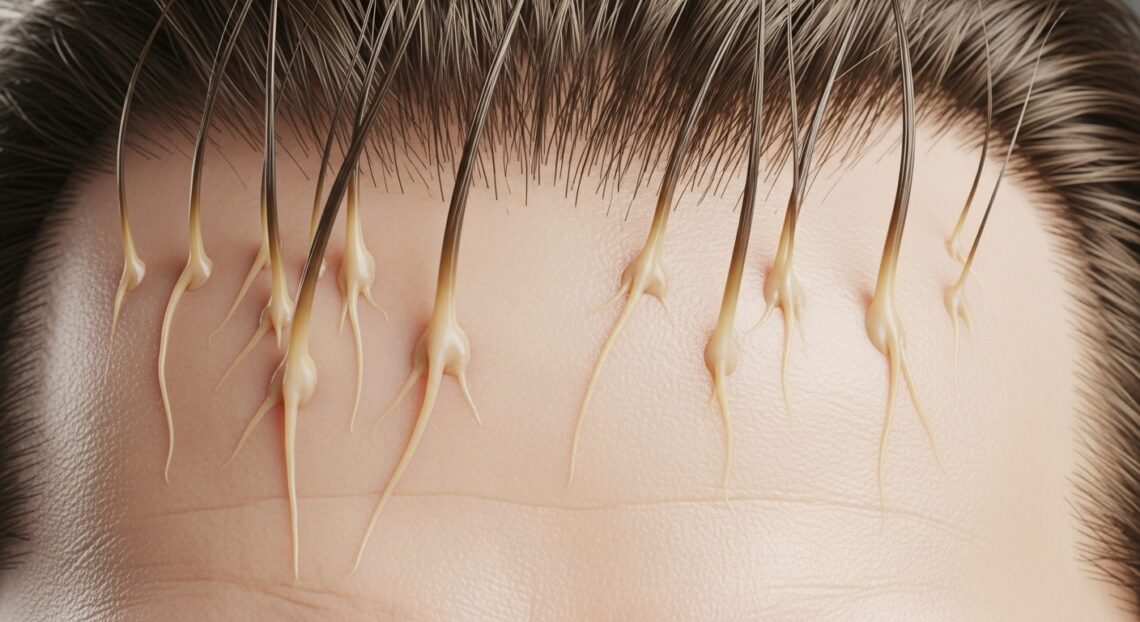
Your scalp is the foundation of healthy hair, yet it’s often overlooked in daily beauty routines. Just like skincare, scalp care plays a crucial role in maintaining strong, shiny, and fast-growing hair. If you’ve been struggling with dryness, flakiness, or slow hair growth, a dedicated scalp care routine could be the game-changer you need.
In this guide, we’ll walk you through six essential steps to nurture your scalp and encourage healthier hair growth from the roots. Whether you have oily, dry, or sensitive skin, these tips will help you achieve a balanced and thriving scalp environment.
Why Scalp Health Matters for Hair Growth
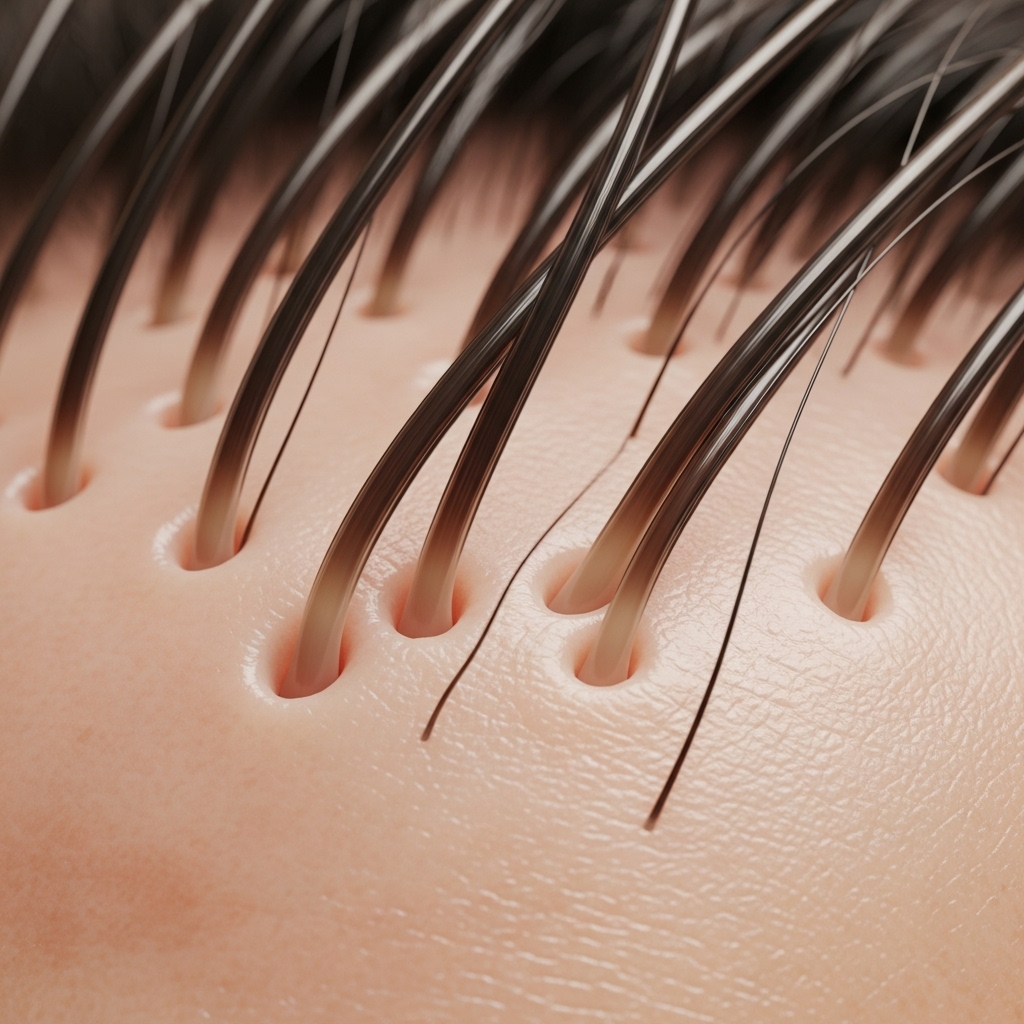
A healthy scalp is the secret to luscious locks. Your hair follicles rely on a clean, well-nourished scalp to produce strong strands. When your scalp is clogged with excess oil, product buildup, or dead skin cells, hair growth can slow down, leading to thinning or brittle hair.
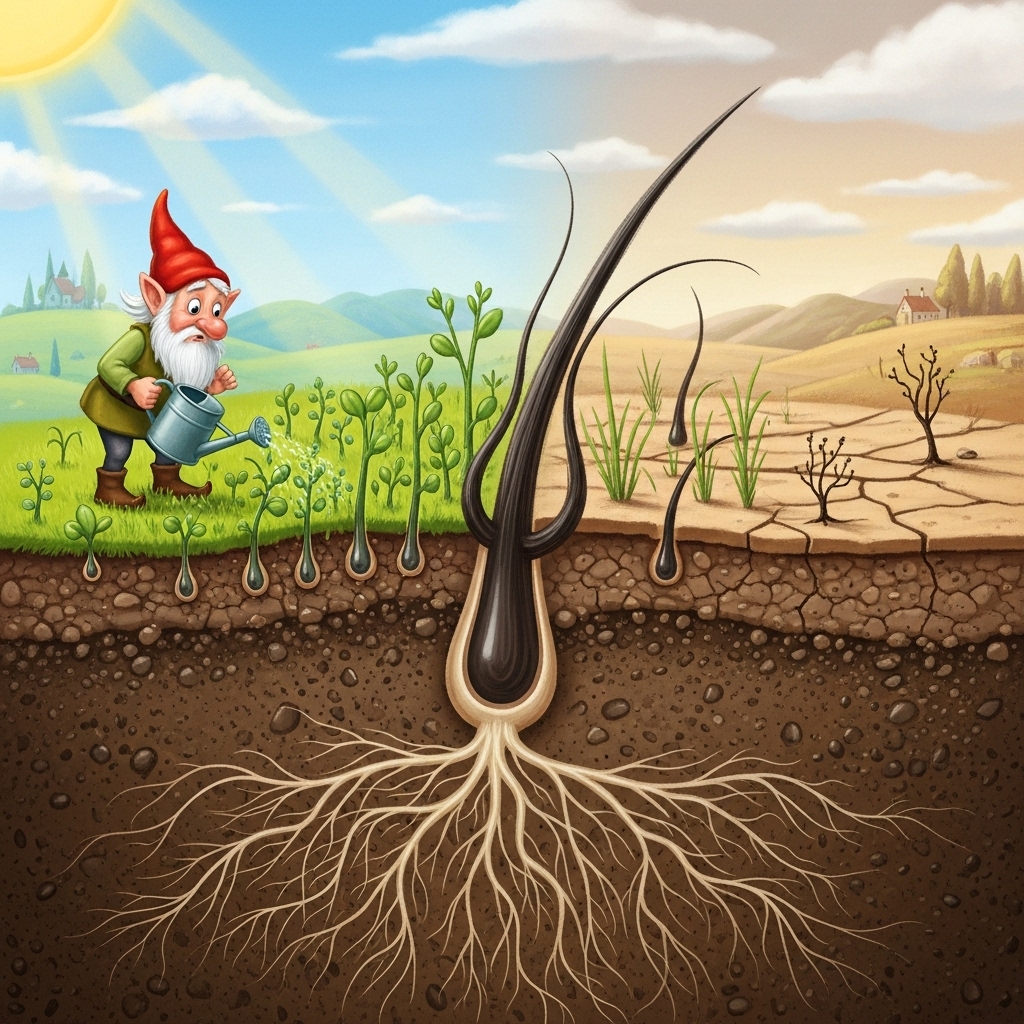
Think of your scalp as the soil in a garden. If the soil is dry, polluted, or lacking nutrients, the plants (your hair) won’t grow as well. By adopting a consistent scalp care routine, you can create the perfect environment for thicker, longer, and healthier hair.
Step 1: Choose the Right Cleansing Routine
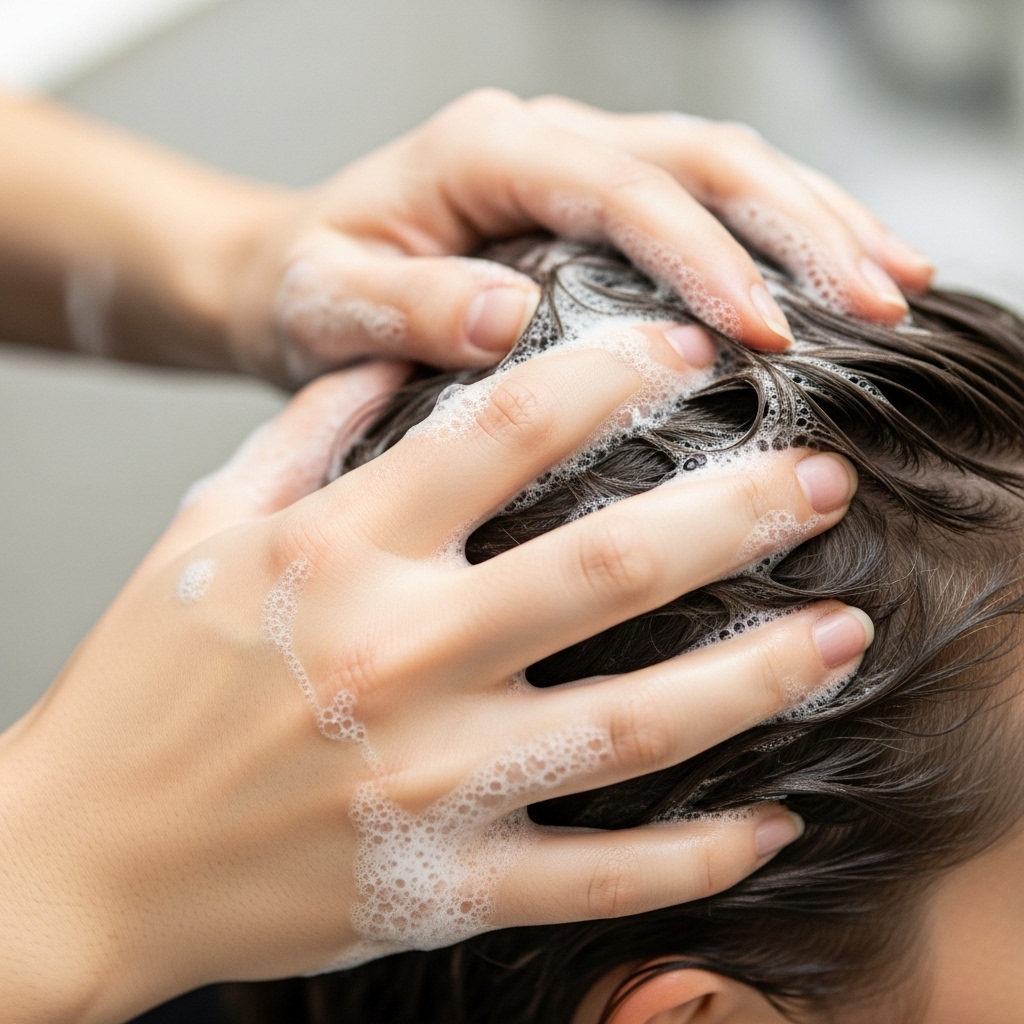
The first step in any scalp care routine is proper cleansing. Using a gentle yet effective shampoo removes dirt, excess oil, and product buildup without stripping your scalp of its natural moisture.
Pro Tip: Look for sulfate-free shampoos with ingredients like tea tree oil, salicylic acid, or charcoal for a deep yet balanced cleanse. If you have a dry scalp, opt for hydrating formulas with aloe vera or hyaluronic acid.
How often should you wash your hair? It depends on your scalp type:
- Oily Scalp: Every other day or daily (if needed)
- Normal Scalp: 2-3 times a week
- Dry Scalp: 1-2 times a week with a moisturizing shampoo
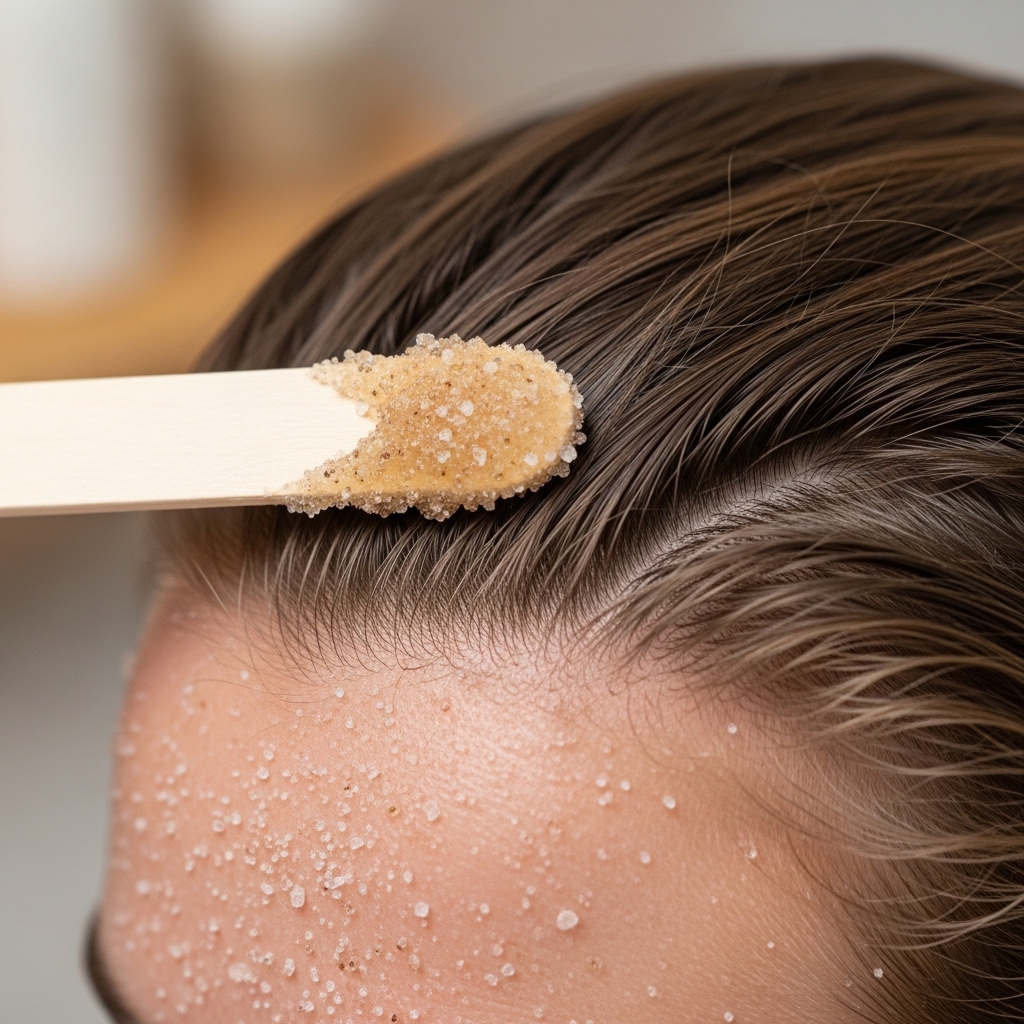
Step 2: Exfoliate for a Fresh Scalp
Just like your face, your scalp benefits from regular exfoliation. A buildup of dead skin cells can clog hair follicles, leading to irritation and slower hair growth.
How to exfoliate your scalp:
- Use a scalp scrub once a week to remove flakes and improve circulation.
- Try a chemical exfoliant (like a glycolic acid toner) to dissolve dead skin gently.
- Massage with a soft brush while shampooing to stimulate blood flow.
Note: Avoid over-exfoliating, as this can cause irritation. Stick to once a week for best results.
Step 3: Hydrate and Nourish with Serums & Oils
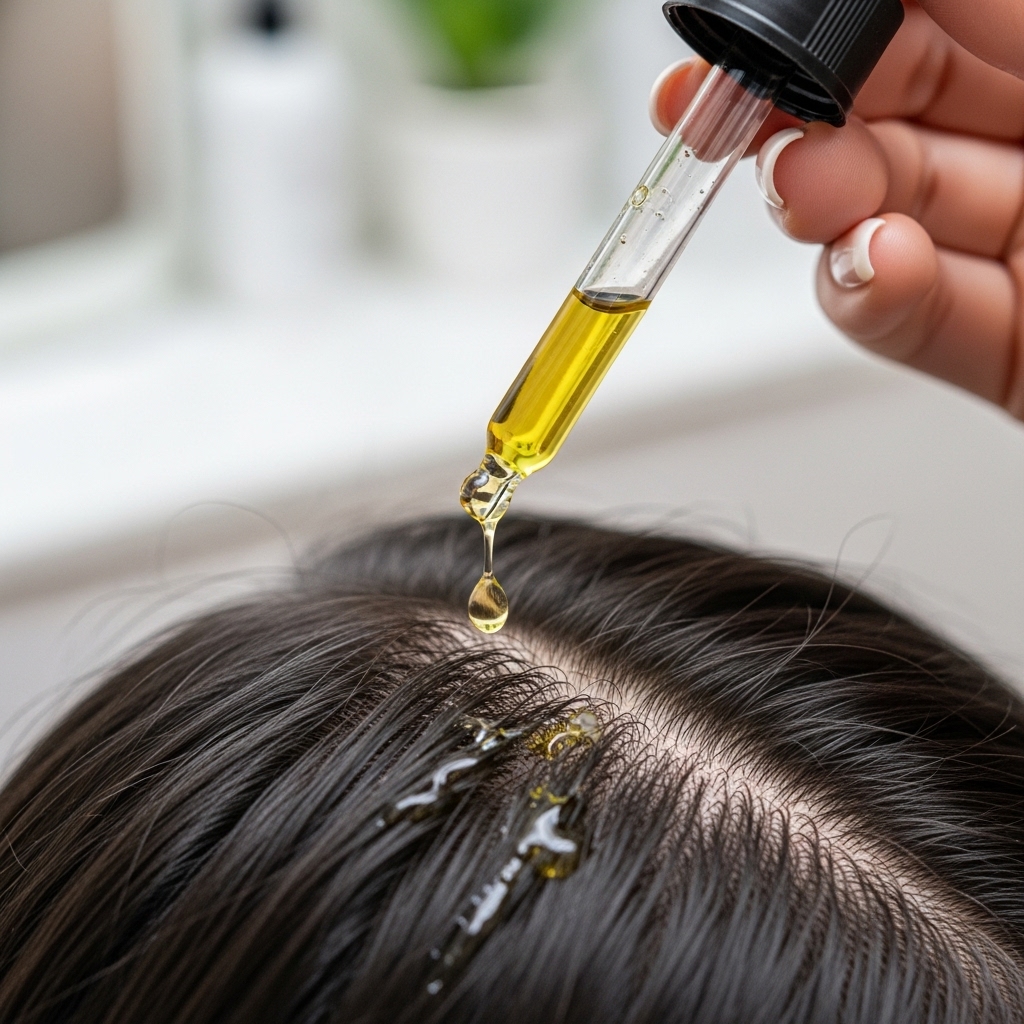
After cleansing and exfoliating, it’s time to replenish moisture. A dry scalp can lead to itching, flaking, and even hair breakage.
Best ingredients for scalp hydration:
- Peppermint oil – Soothes irritation and boosts circulation.
- Rosemary oil – Supports hair growth and reduces inflammation.
- Hyaluronic acid – Locks in moisture for a balanced scalp.
Apply a few drops of scalp serum or oil to your fingertips and massage into damp or dry scalp. Focus on areas that feel tight or flaky.
Step 4: Massage for Better Blood Circulation
Scalp massages aren’t just relaxing—they’re scientifically proven to promote hair growth by increasing blood flow to hair follicles.
How to massage your scalp:
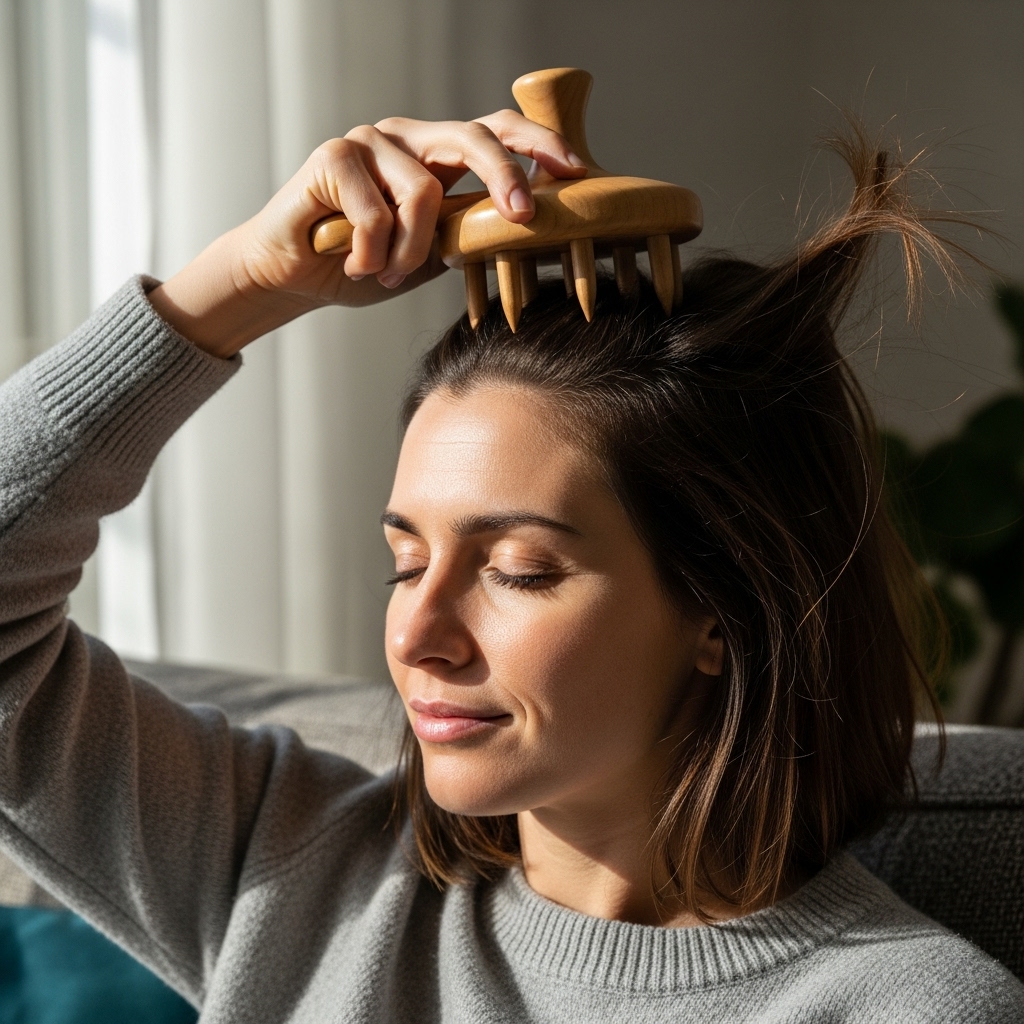
- Use your fingertips (not nails) in circular motions.
- Spend 3-5 minutes daily for best results.
- Try a scalp massaging tool for deeper stimulation.
For an extra boost, warm a few drops of oil before massaging to enhance absorption.
Step 5: Protect Your Scalp from Damage
External factors like heat styling, pollution, and UV rays can damage your scalp just as much as your hair.
Scalp protection tips:
- Wear a hat or scarf in harsh sunlight.
- Avoid tight hairstyles that pull on roots.
- Use a heat protectant when styling with hot tools.
If you swim often, rinse your scalp immediately after chlorine or saltwater exposure to prevent dryness.

Step 6: Eat for Scalp & Hair Health
What you eat directly impacts your scalp’s condition. A diet rich in vitamins and minerals supports strong hair growth from within.
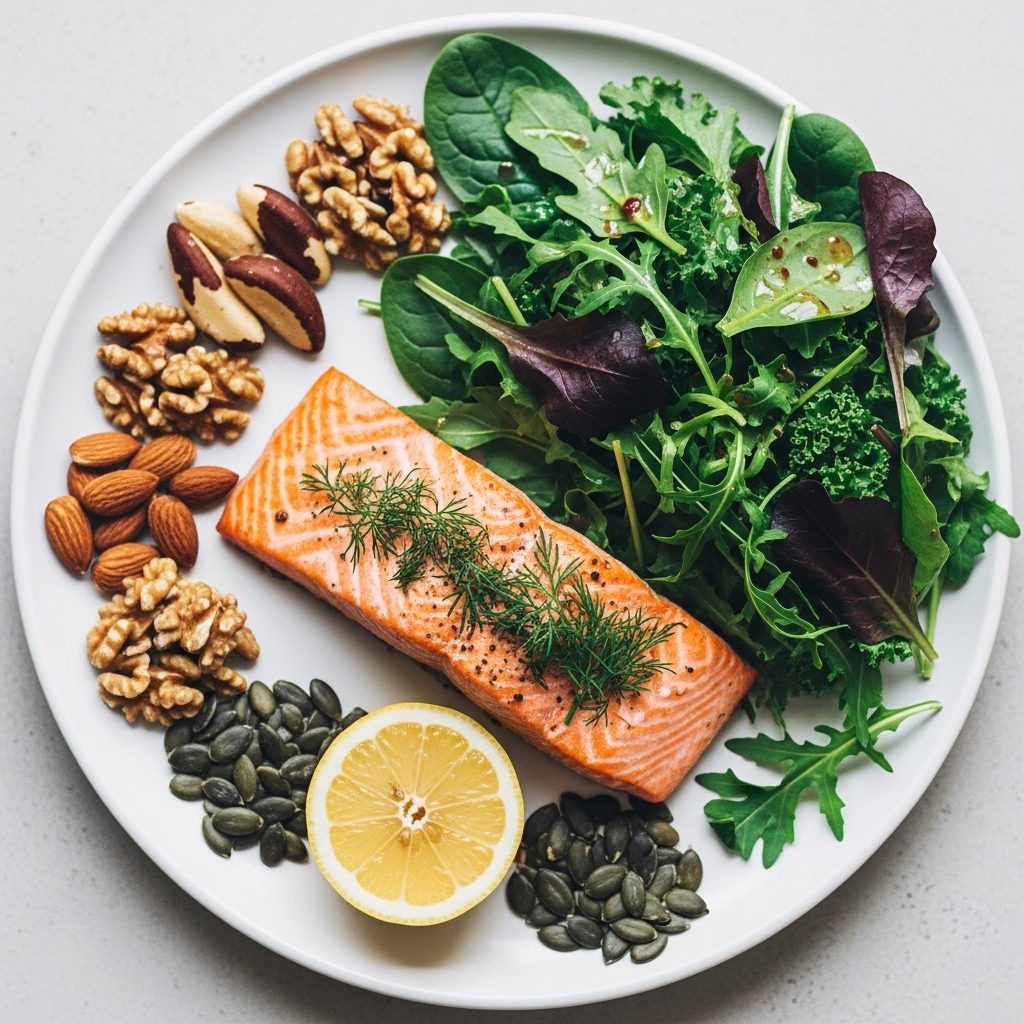
Top foods for a healthy scalp:
- Omega-3s (salmon, walnuts) – Reduce inflammation.
- Biotin (eggs, almonds) – Strengthens hair follicles.
- Zinc (pumpkin seeds, lentils) – Prevents flakiness.
Stay hydrated and limit processed foods to keep your scalp in top shape.
Final Thoughts: Consistency is Key
A healthy scalp doesn’t happen overnight, but with a dedicated routine, you’ll start seeing improvements in hair texture, growth speed, and overall shine. Stick to these six steps, and your scalp (and hair) will thank you!
Ready to transform your hair from the roots? Start today by assessing your scalp’s needs and choosing the right products. Your journey to thicker, healthier hair begins with a well-cared-for scalp.

