
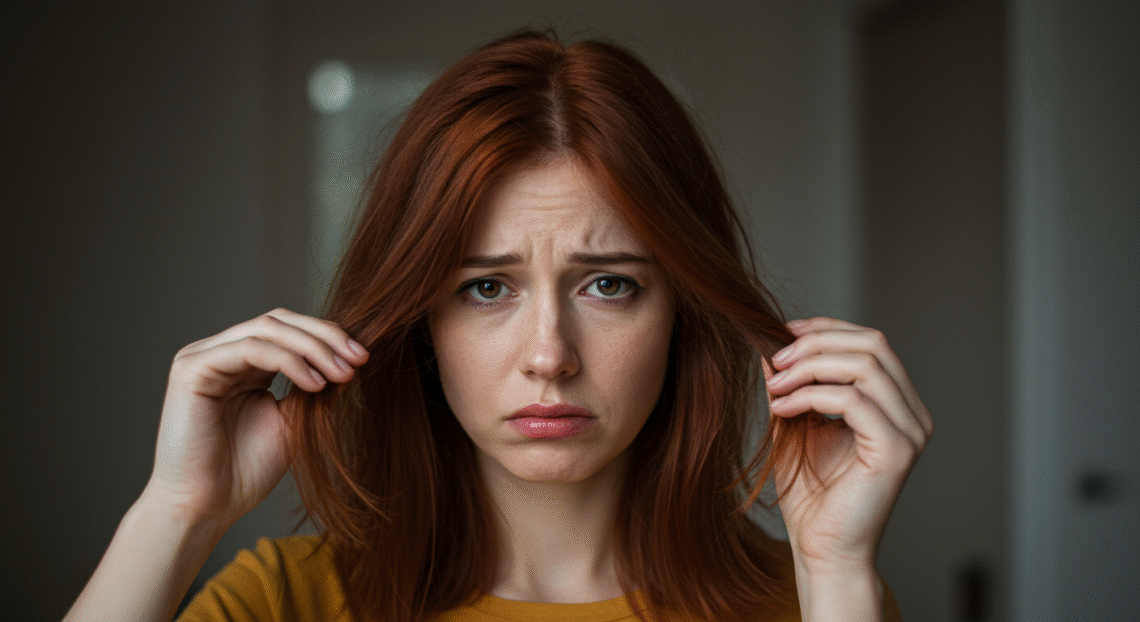
Have you ever accidentally ruined your favorite shirt or damaged your hair with bleach? Bleach is a powerful chemical that can cause serious harm to fabrics and hair, leaving them brittle, discolored, and lifeless. But what if we told you there’s a simple, natural solution hiding in your kitchen? That’s right—a common food item can help reverse bleach damage and restore vitality to your hair or fabric.
In this blog post, we’ll reveal the surprising ingredient, explain how it works, and provide step-by-step instructions to bring your damaged items back to life. No expensive salon treatments or harsh chemicals required—just a little kitchen magic!
Why Bleach Causes Damage
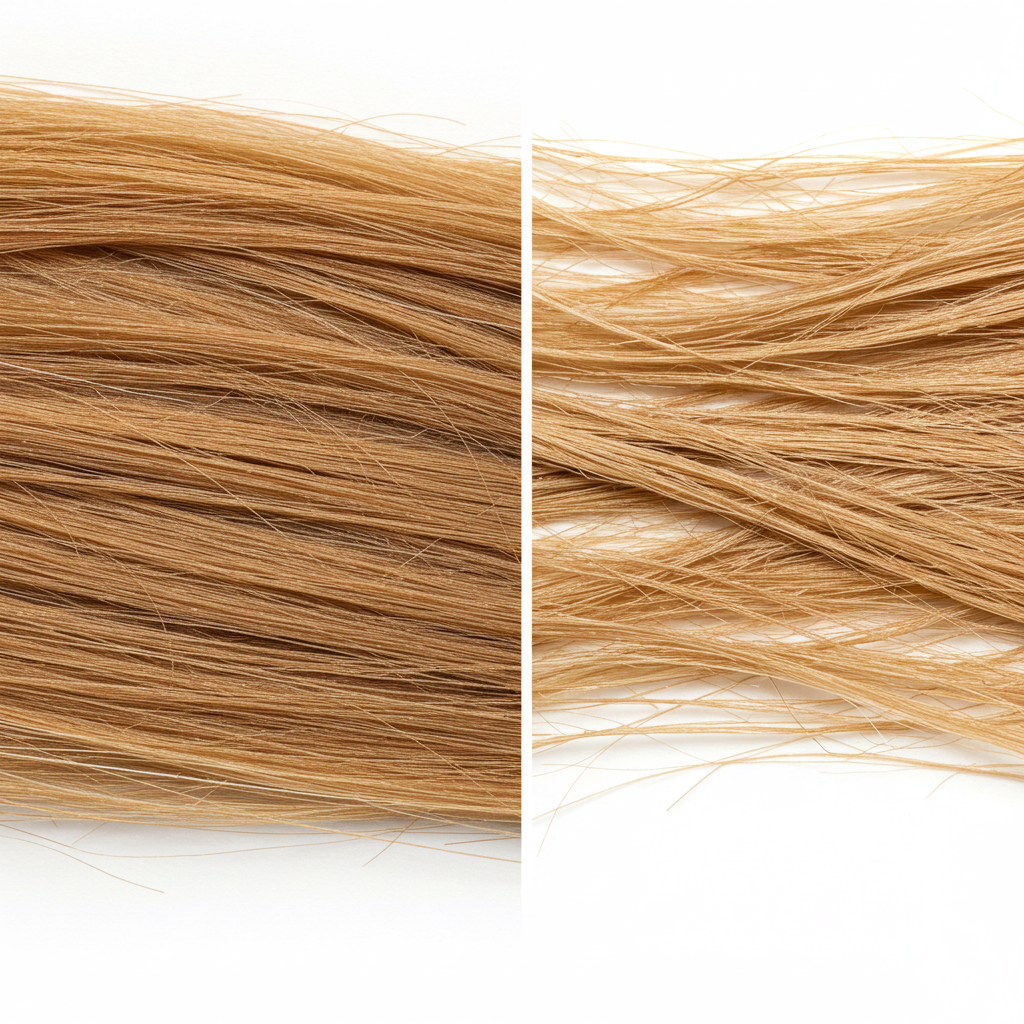
Bleach is a strong oxidizing agent that breaks down color molecules and weakens the structural integrity of fibers—whether in fabric or hair. When bleach strips away natural oils and proteins, it leaves behind dry, brittle strands or fabric that’s prone to tearing. Over-bleaching can even lead to irreversible damage.
Common signs of bleach damage include:
- Dryness and brittleness
- Yellow or brassy tones (especially in hair)
- Fraying or thinning (in fabrics)
- Loss of elasticity (hair breaks easily)
Traditional repair methods often involve deep conditioning treatments or fabric softeners, but they don’t always address the root issue. That’s where our surprising food hero comes in.
The Surprising Food That Repairs Bleach Damage
Drumroll, please… the miracle worker is mayonnaise! Yes, the same creamy condiment you spread on sandwiches can work wonders on bleach-damaged hair and fabric.
Why mayonnaise? It’s packed with natural oils (like soybean or olive oil) and proteins (from eggs) that penetrate damaged fibers, replenishing lost moisture and strengthening weakened structures. The fats in mayonnaise act as a protective barrier, sealing in hydration and smoothing rough cuticles.
Key benefits of using mayonnaise:
- Deep conditioning – Restores moisture to parched strands or fabric.
- Protein reinforcement – Strengthens weakened fibers.
- Shine restoration – Adds a healthy, glossy finish.
- Natural and affordable – No harsh chemicals required.
How to Use Mayonnaise for Bleach-Damaged Hair
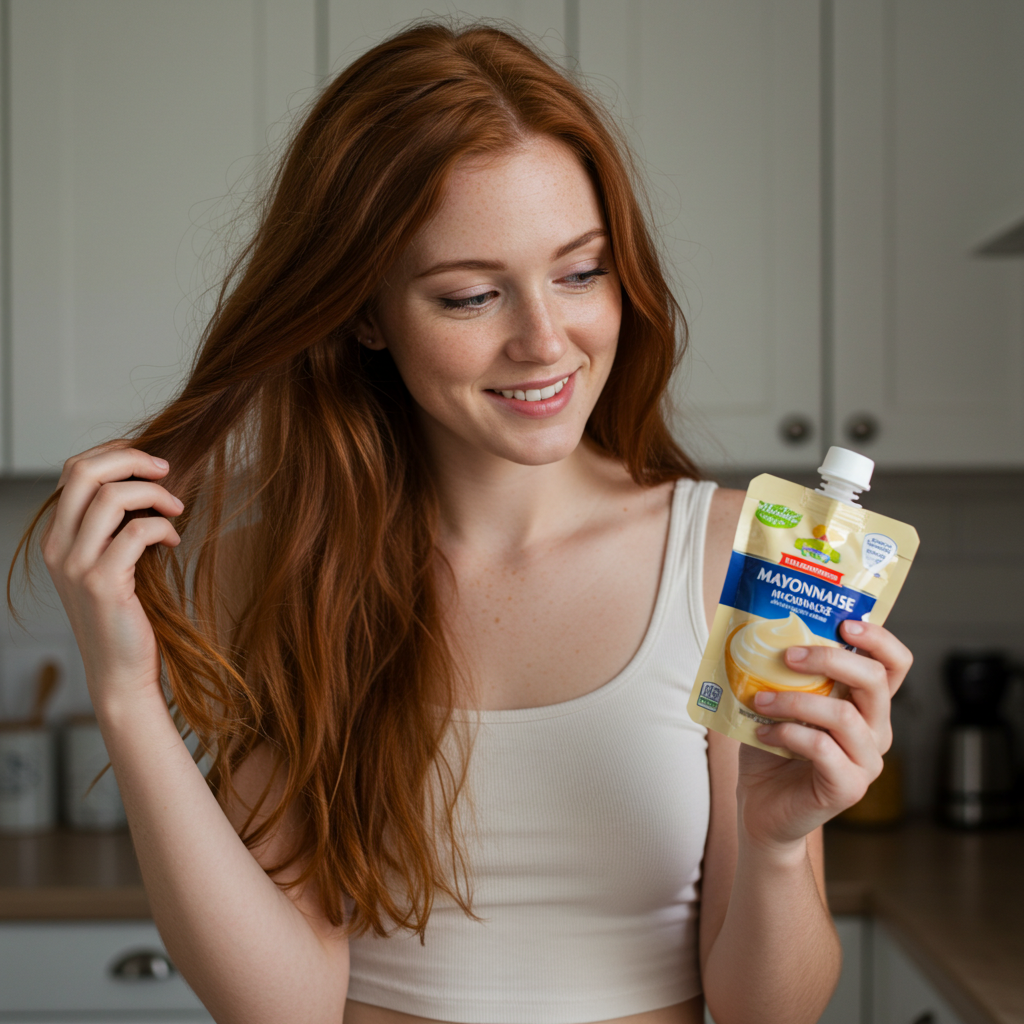
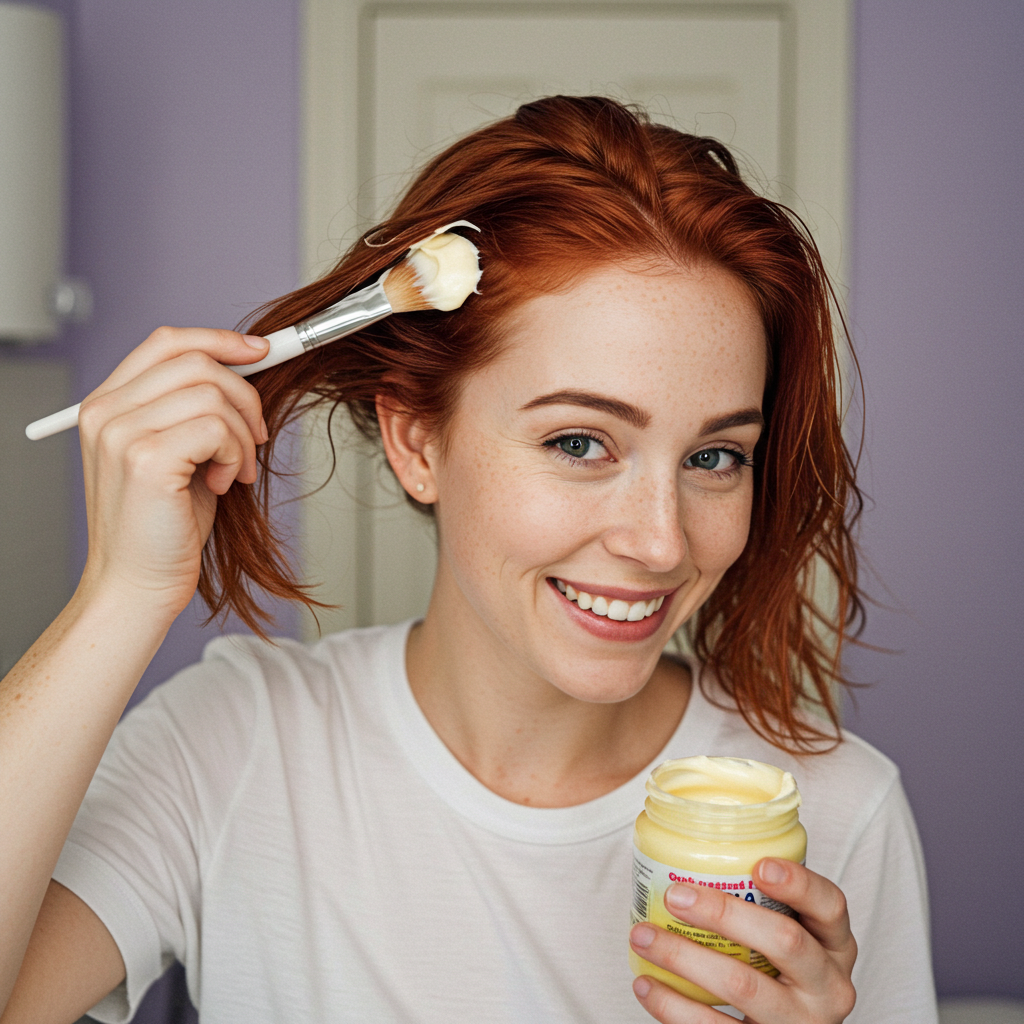
If your hair has suffered from bleach over-processing, a mayonnaise treatment can bring it back to life. Here’s how to do it:
Step 1: Start with clean, damp hair. Gently towel-dry to remove excess water.
Step 2: Scoop out a generous amount of mayonnaise (about ½ cup for shoulder-length hair).
Step 3: Apply evenly from roots to ends, massaging it into the strands. Focus on the most damaged areas.
Step 4: Cover your hair with a shower cap and let it sit for 20-30 minutes. For extra repair, wrap a warm towel around your head to help the oils penetrate deeper.
Step 5: Rinse thoroughly with lukewarm water, then shampoo as usual. Avoid hot water, as it can strip away the benefits.
Step 6: Repeat once a week for severely damaged hair, or bi-weekly for maintenance.
How to Use Mayonnaise for Bleach-Damaged Fabric
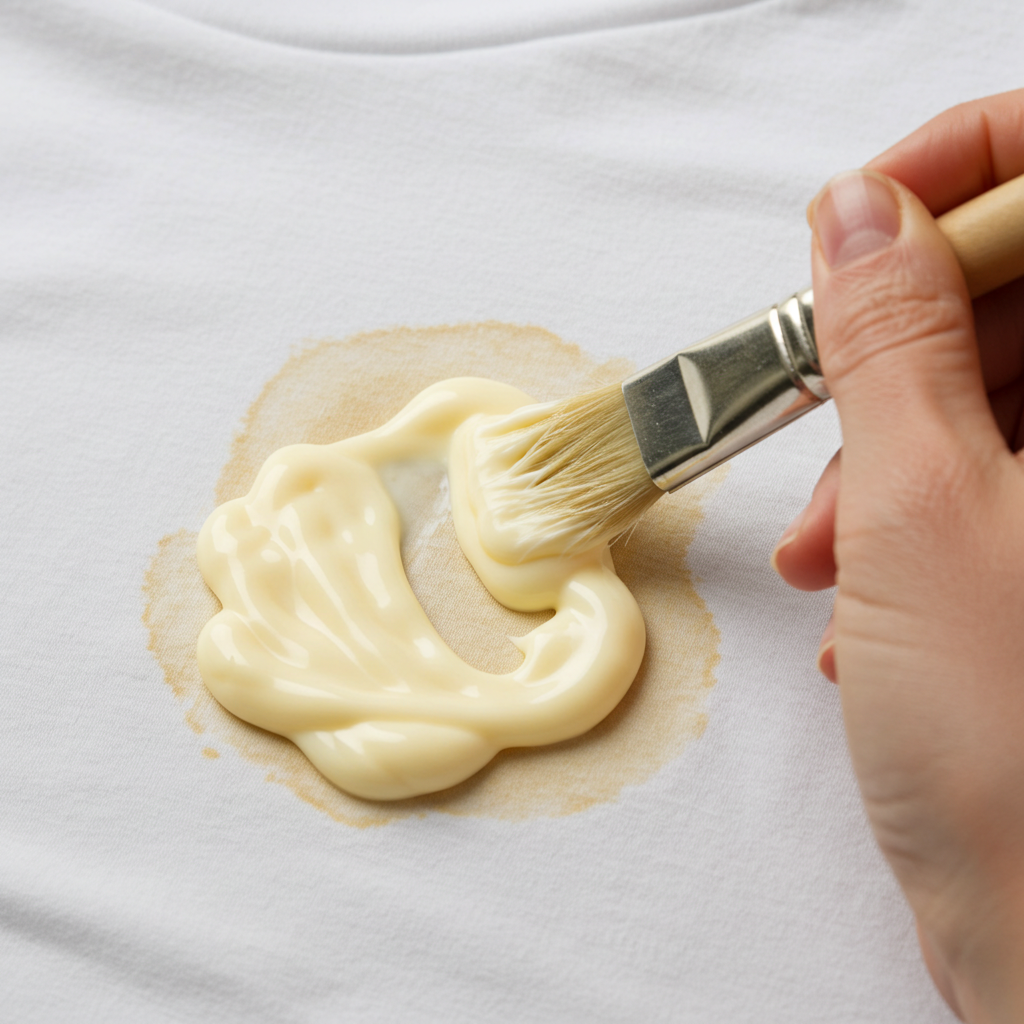
Yes, mayonnaise can even help restore fabric that’s been accidentally bleached! This works best on small stains or discolored spots.
Step 1: Test a small, hidden area first to ensure the fabric doesn’t react negatively.
Step 2: Apply a thin layer of mayonnaise directly to the bleached area.
Step 3: Gently rub it in with your fingers or a soft cloth.
Step 4: Let it sit for 10-15 minutes, allowing the oils to absorb.
Step 5: Blot away excess mayo with a clean cloth, then wash the fabric as usual.
Note: This method works best on cotton or natural fibers. Always check care labels before treating delicate fabrics.
Other Kitchen Remedies for Bleach Damage
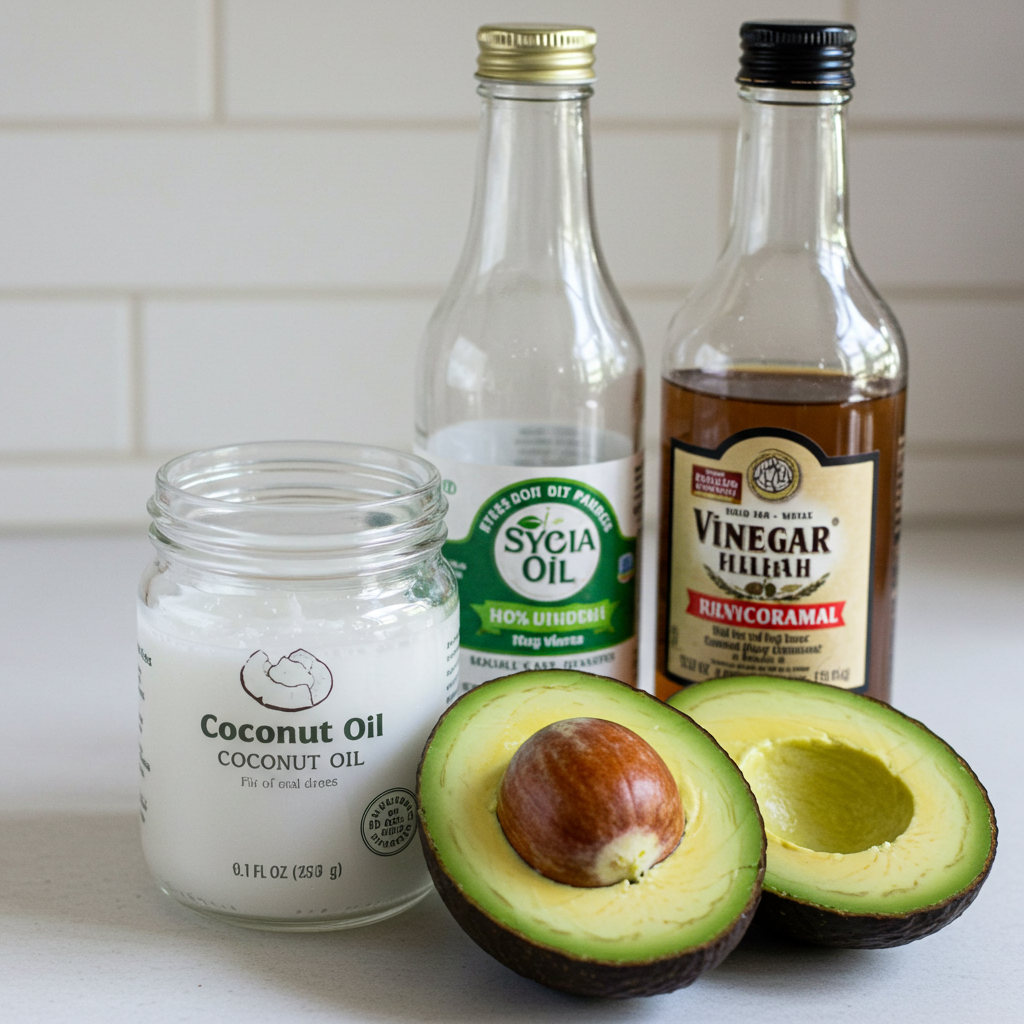
If mayonnaise isn’t your thing, here are a few other kitchen staples that can help:
1. Coconut Oil: A natural moisturizer that strengthens hair and softens fabric. Apply as a mask or spot treatment.
2. Avocado: Rich in healthy fats and vitamins, mashed avocado makes an excellent deep conditioner.
3. Apple Cider Vinegar: Helps restore pH balance in hair, reducing brassiness and adding shine.
Each of these options provides unique benefits, so experiment to see which works best for your needs.
Preventing Future Bleach Damage
While these remedies can help repair damage, prevention is always better than cure. Here’s how to avoid over-bleaching:
For Hair:
- Space out bleaching sessions (at least 6-8 weeks apart).
- Use a lower-volume developer (20 or 30, not 40).
- Always follow up with a deep conditioner.
For Fabric:
- Dilute bleach before use.
- Spot-test in an inconspicuous area first.
- Rinse thoroughly after bleaching.
Final Thoughts
Bleach damage doesn’t have to be permanent. With a simple jar of mayonnaise (or other kitchen staples), you can revive your hair or fabric and restore its natural beauty. Whether you’re dealing with a bleach mishap or just looking for a deep conditioning treatment, this natural remedy is a game-changer.
Have you tried this method before? Share your results in the comments below!

