

Welcoming a new baby into the world is one of life’s most beautiful experiences—but the postpartum period can bring unexpected challenges, including hair loss. If you’ve noticed clumps of hair in your brush or thinning patches, you’re not alone. Postpartum hair loss affects up to 90% of new mothers, but the good news is that it’s usually temporary and manageable.
In this guide, we’ll explore why postpartum hair loss happens and share 8 proven methods to help you regrow thicker, healthier hair quickly. Whether you’re three months postpartum or still noticing shedding a year later, these tips can help restore your locks—and your confidence.
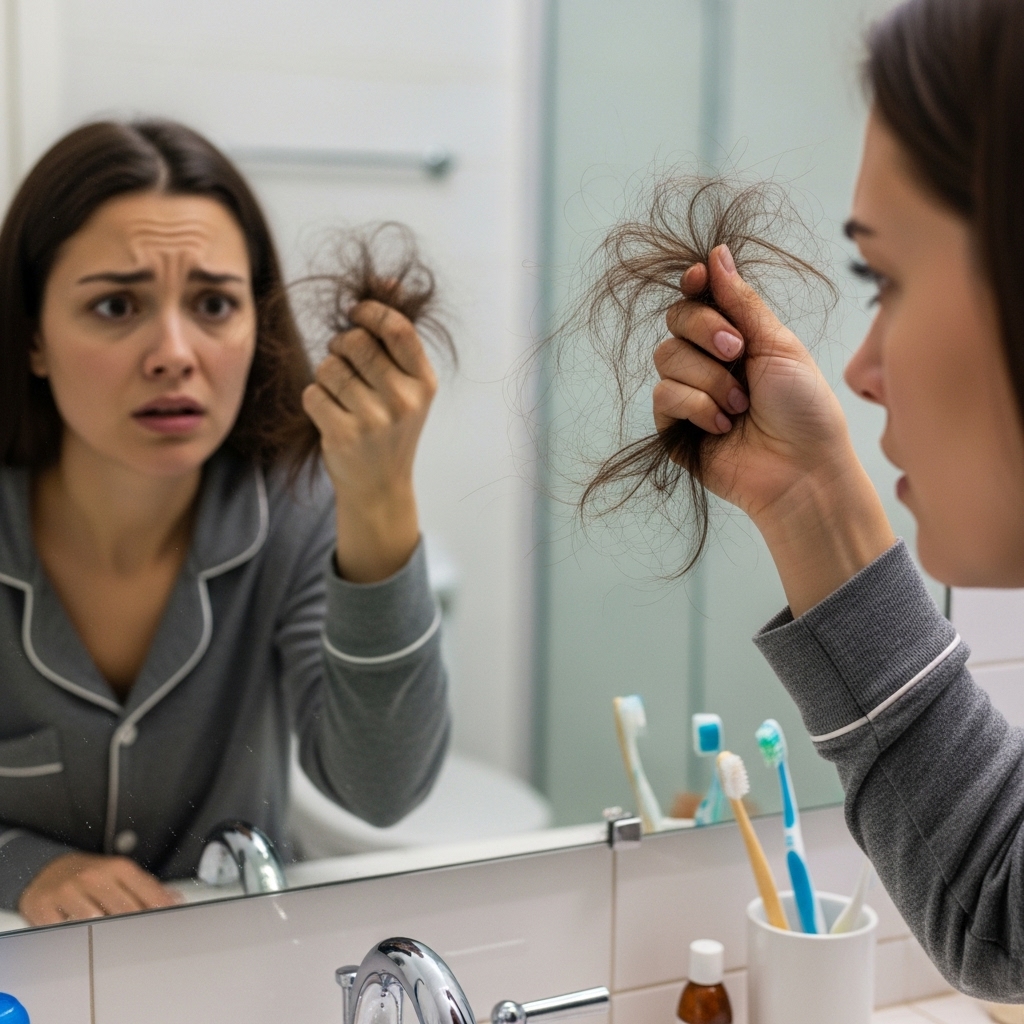
Why Does Postpartum Hair Loss Happen?
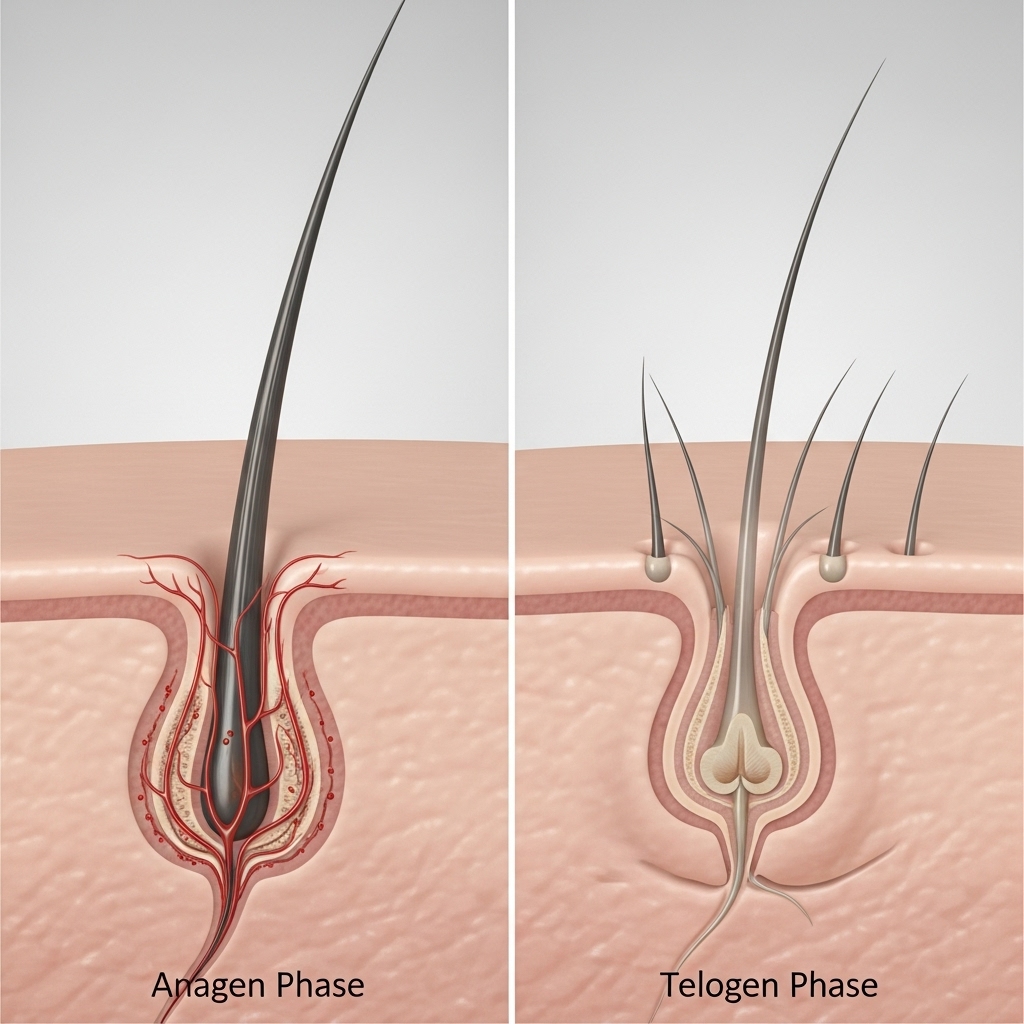
During pregnancy, elevated estrogen levels keep your hair in the growth phase (anagen), leading to thicker, fuller locks. But after childbirth, hormone levels drop dramatically, causing hair to enter the shedding phase (telogen). This shift can result in noticeable hair loss, typically peaking around 3-4 months postpartum.
Other factors that may contribute include:
- Nutritional deficiencies (iron, vitamin D, biotin)
- Stress and lack of sleep
- Thyroid imbalances
While shedding is normal, excessive or prolonged hair loss may require medical attention. If you’re concerned, consult a dermatologist.
8 Proven Methods to Regrow Thicker Hair Fast
1. Optimize Your Nutrition
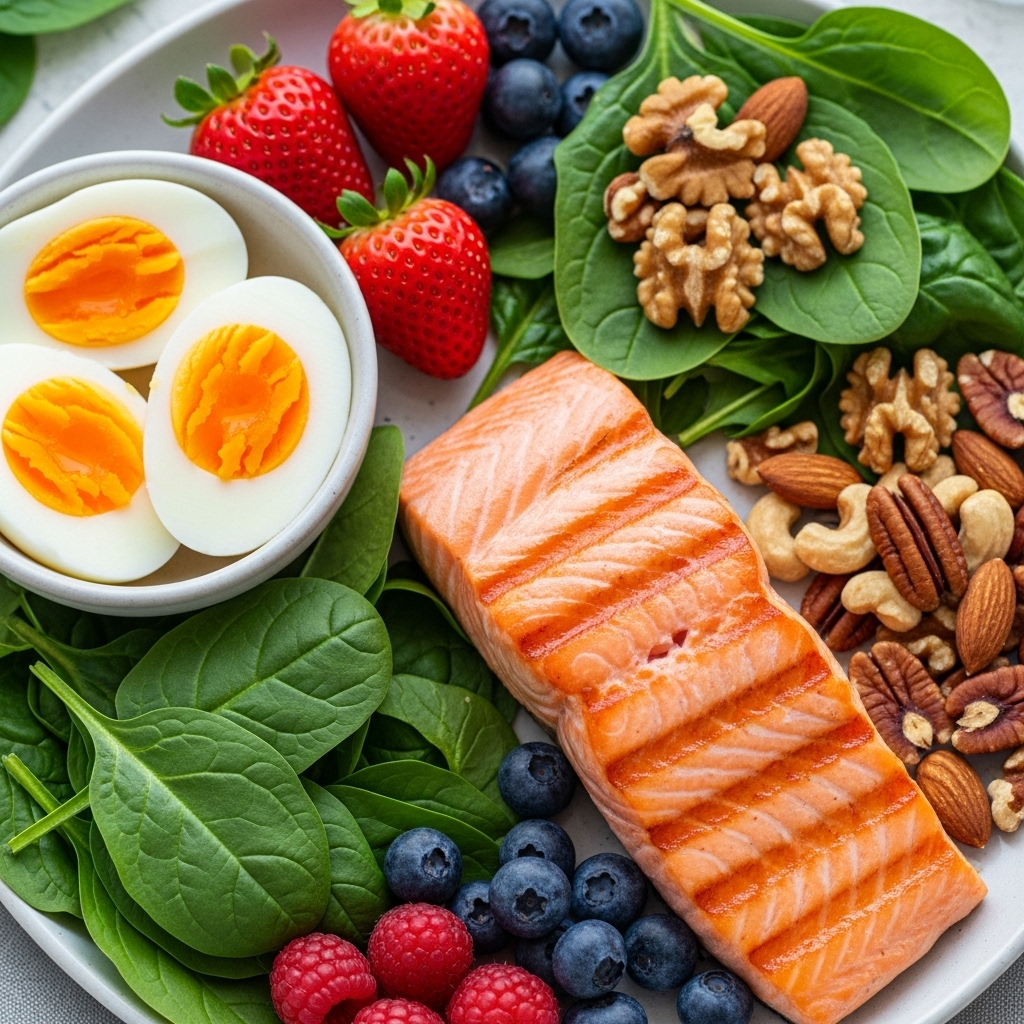
Your hair thrives on key nutrients. Focus on a balanced diet rich in:
- Protein (hair is made of keratin, a protein)
- Iron (combats postpartum anemia)
- Biotin & Zinc (support follicle health)
- Omega-3s (reduce inflammation)
Foods like eggs, salmon, spinach, and nuts can make a big difference. Consider a postnatal vitamin if your diet lacks these essentials.
2. Try Scalp Massage & Essential Oils
Stimulating blood flow to your scalp can encourage regrowth. Try:
- Daily 5-minute scalp massages (use fingertips in circular motions)
- Essential oils like rosemary or peppermint (diluted in a carrier oil)
Studies suggest rosemary oil may be as effective as minoxidil for regrowth—without the side effects!

3. Switch to Gentle Hair Care
Avoid harsh treatments that stress fragile postpartum hair:
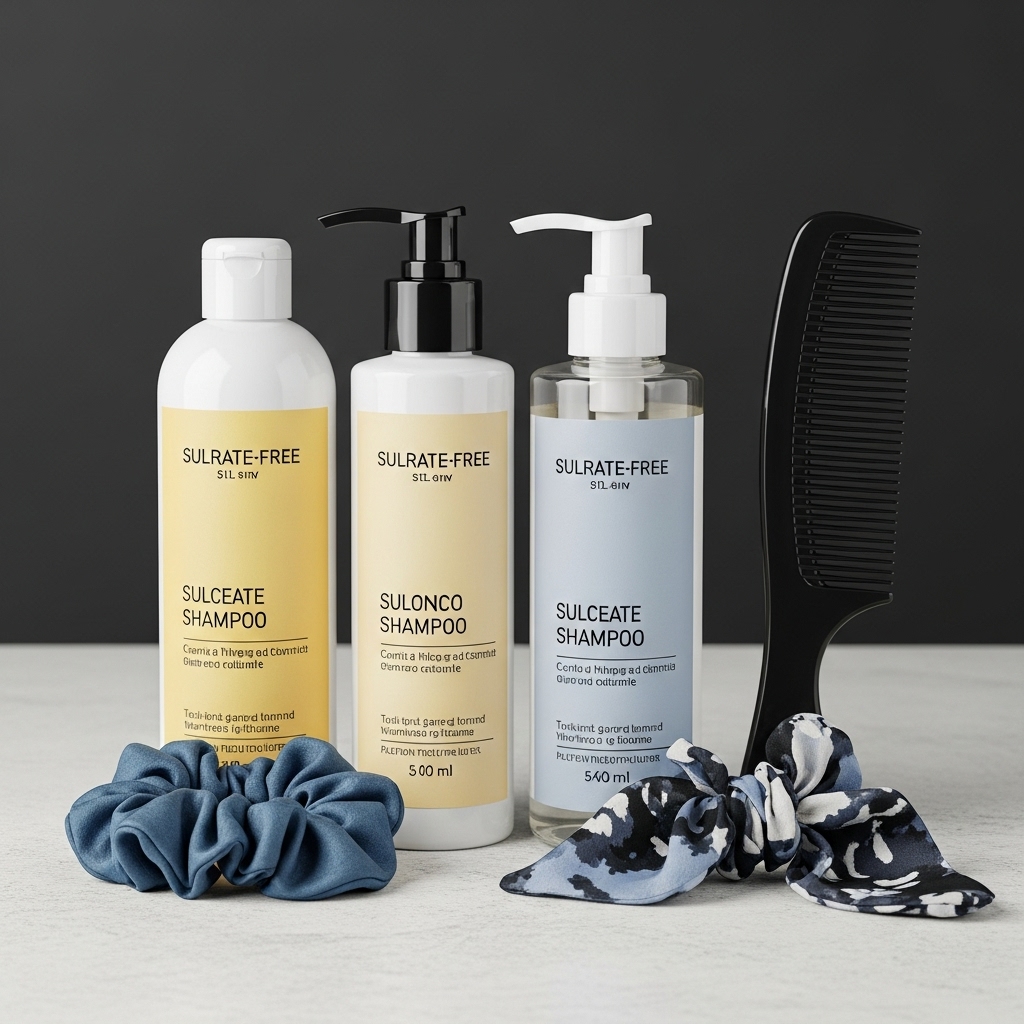
- Use a sulfate-free shampoo
- Skip tight ponytails (opt for loose braids)
- Limit heat styling
Look for products with biomimetic peptides or keratin to strengthen strands.
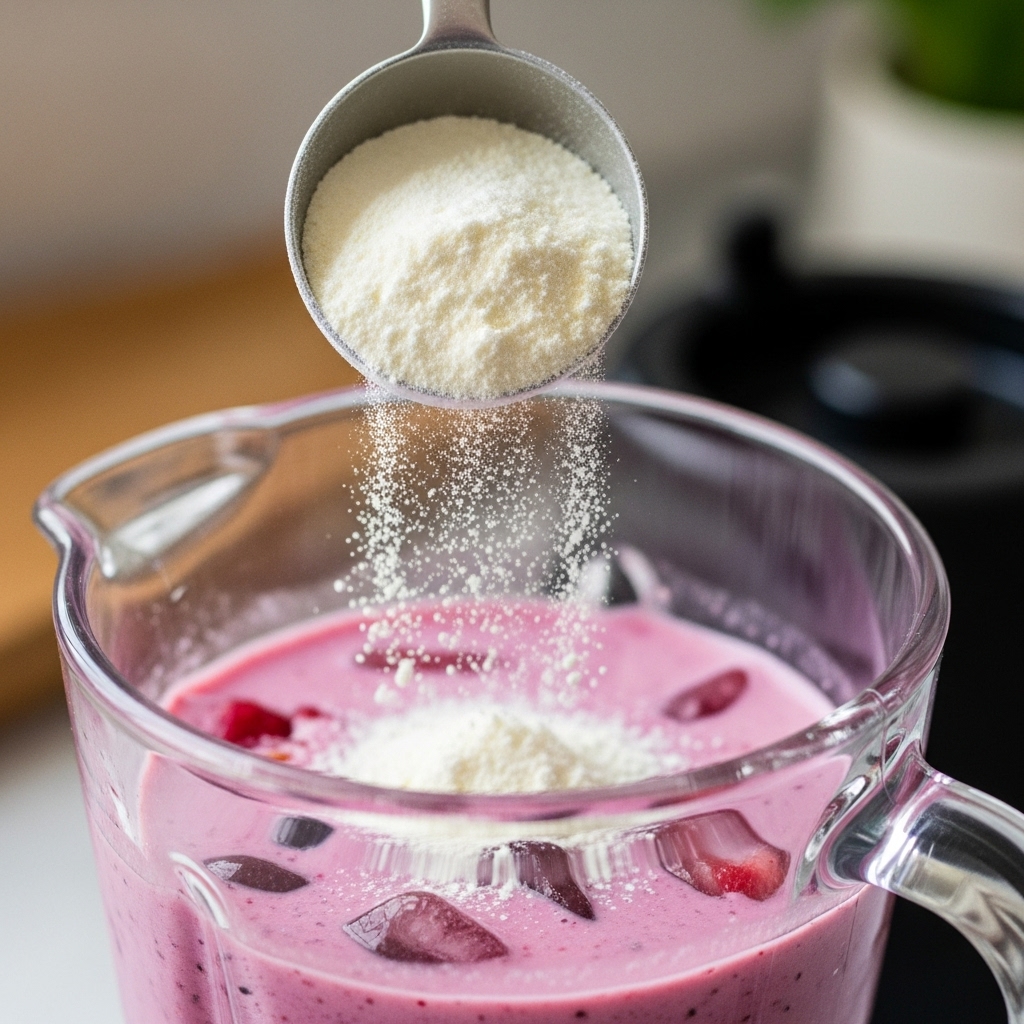
4. Consider Collagen Supplements
Collagen provides amino acids that support hair structure. Research shows it may:
- Increase hair thickness
- Reduce breakage
- Improve scalp health
Choose hydrolyzed collagen peptides for better absorption.
5. Manage Stress & Sleep
Chronic stress can worsen hair loss. Prioritize:
- 7-9 hours of sleep (nap when baby naps!)
- Mindfulness practices (meditation, deep breathing)
- Gentle exercise (yoga, walking)
Even 10 minutes of daily relaxation can help lower cortisol levels.

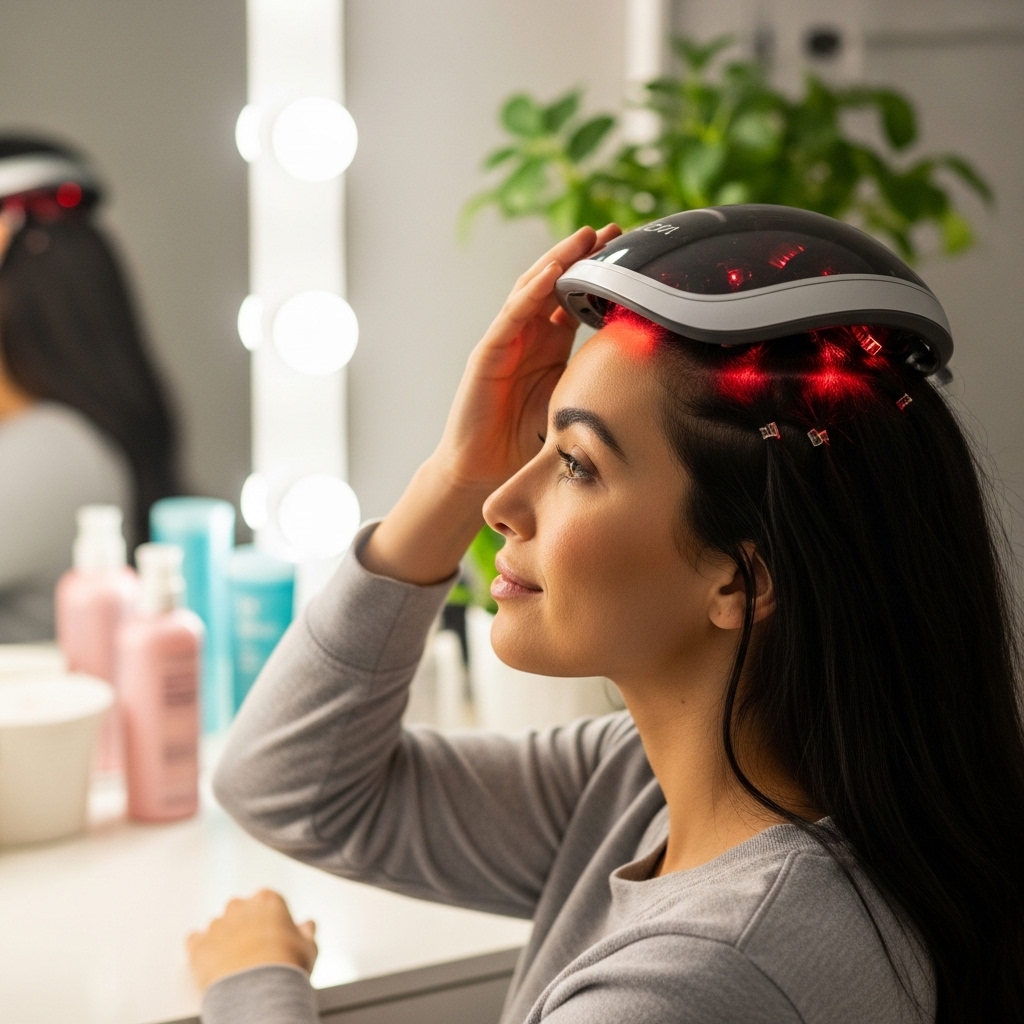
6. Try Low-Level Laser Therapy (LLLT)
LLLT devices (like laser combs or caps) use red light to:
- Stimulate follicles
- Extend the growth phase
- Increase hair density
FDA-cleared options are safe for postpartum use—check with your doctor first.
7. Be Patient & Track Progress
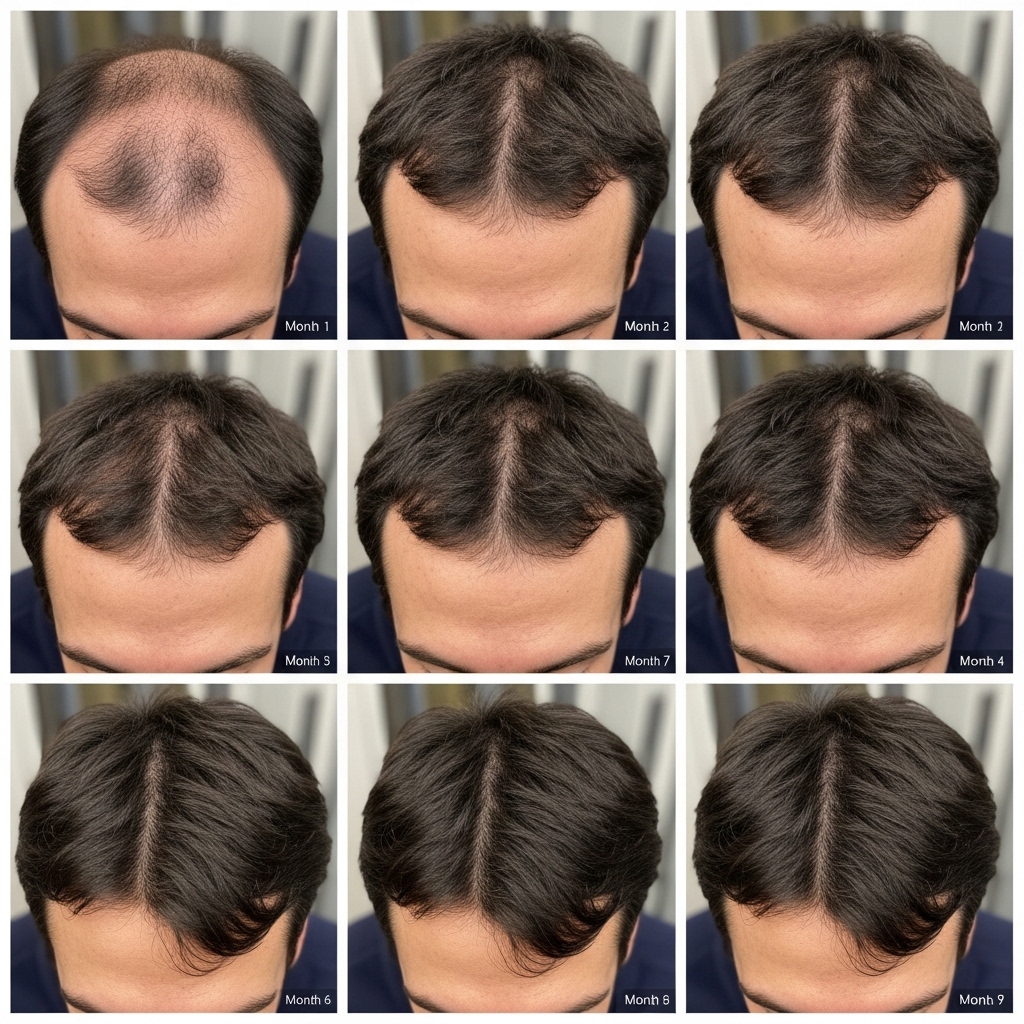
Hair regrowth takes time. New growth may appear fuzzy or short at first. Take monthly photos to monitor changes. Most women see significant improvement by 6-12 months postpartum.
8. Consult a Dermatologist if Needed
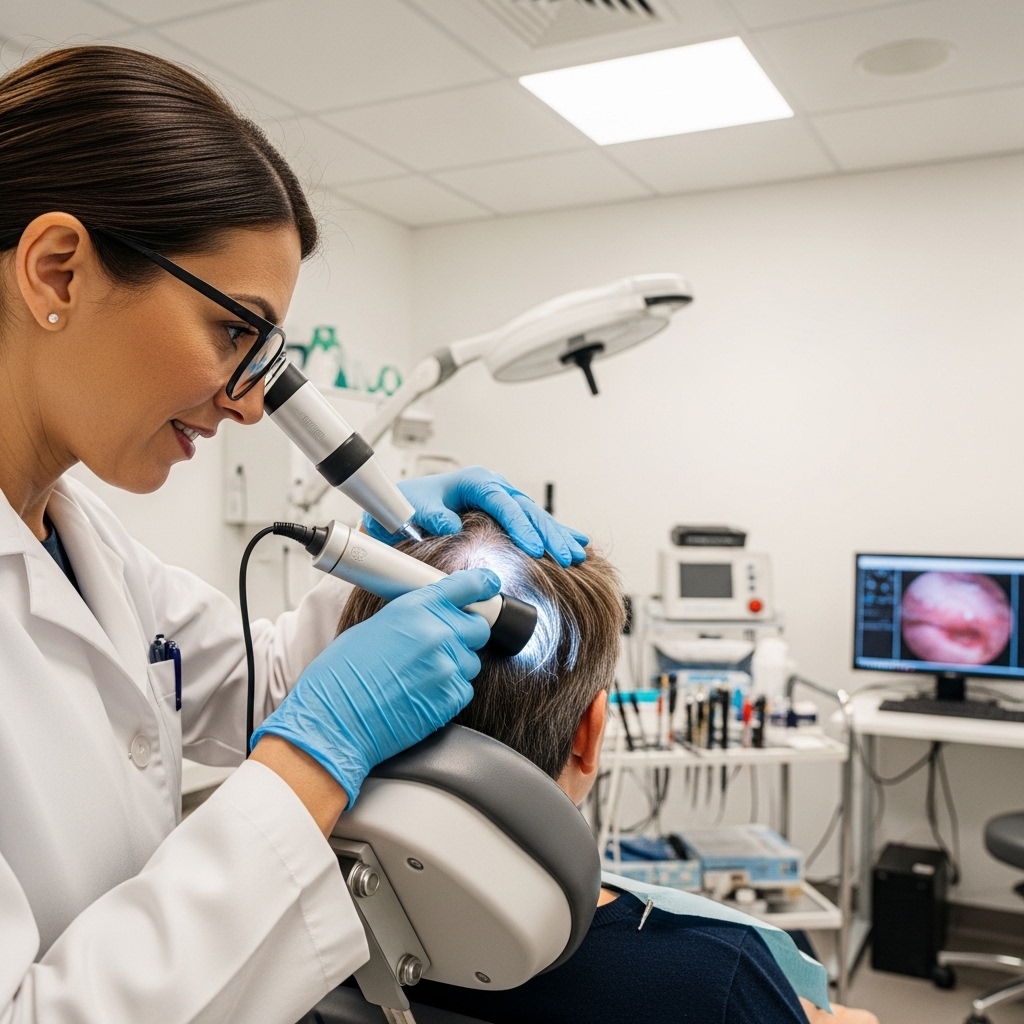
If shedding persists beyond a year or you notice bald patches, see a specialist. They may recommend:
- Blood tests (check iron, thyroid, etc.)
- Topical treatments (like minoxidil 2%)
- PRP therapy (platelet-rich plasma injections)
Final Thoughts: You’re Not Alone
Postpartum hair loss can be distressing, but it’s usually temporary. By nourishing your body, caring for your scalp, and giving yourself grace, you’ll likely see regrowth in time. Your hair doesn’t define your beauty as a mother—but these tips can help you feel more like yourself again.
Have you tried any of these methods? Share your experiences in the comments!

