
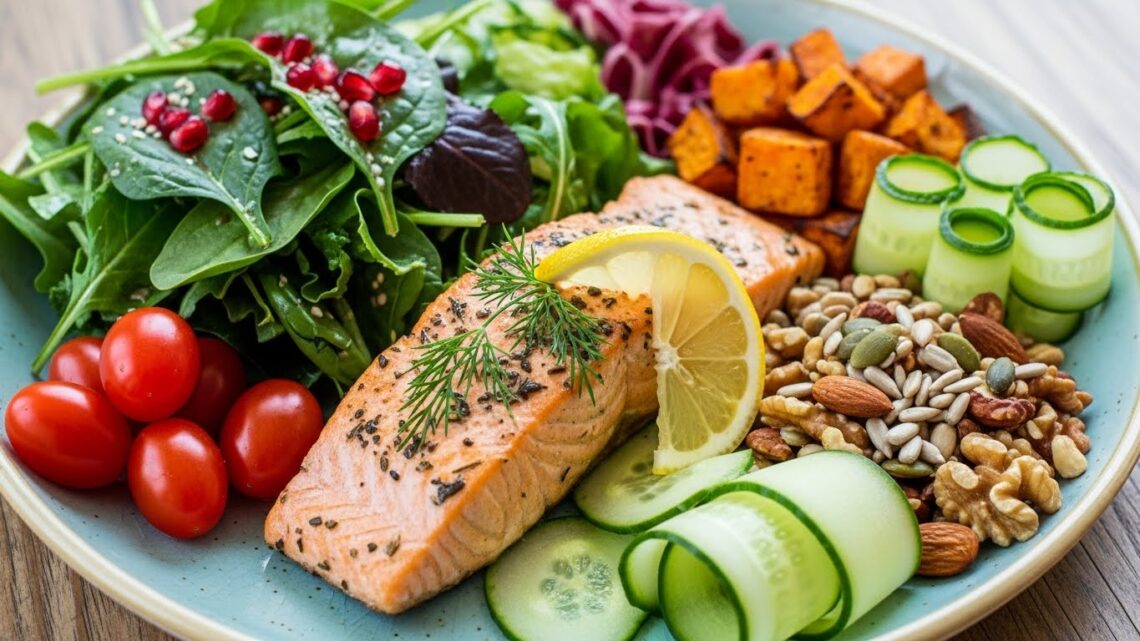
Have you ever wondered if your body keeps a hidden record of your past meals? Surprisingly, your hair does exactly that. From the nutrients you consume to toxins you’ve been exposed to, your strands hold a detailed log of your dietary history. In this blog post, we’ll explore the fascinating science behind how hair retains this information and what it means for your health.
The Science of Hair Growth and Nutrition
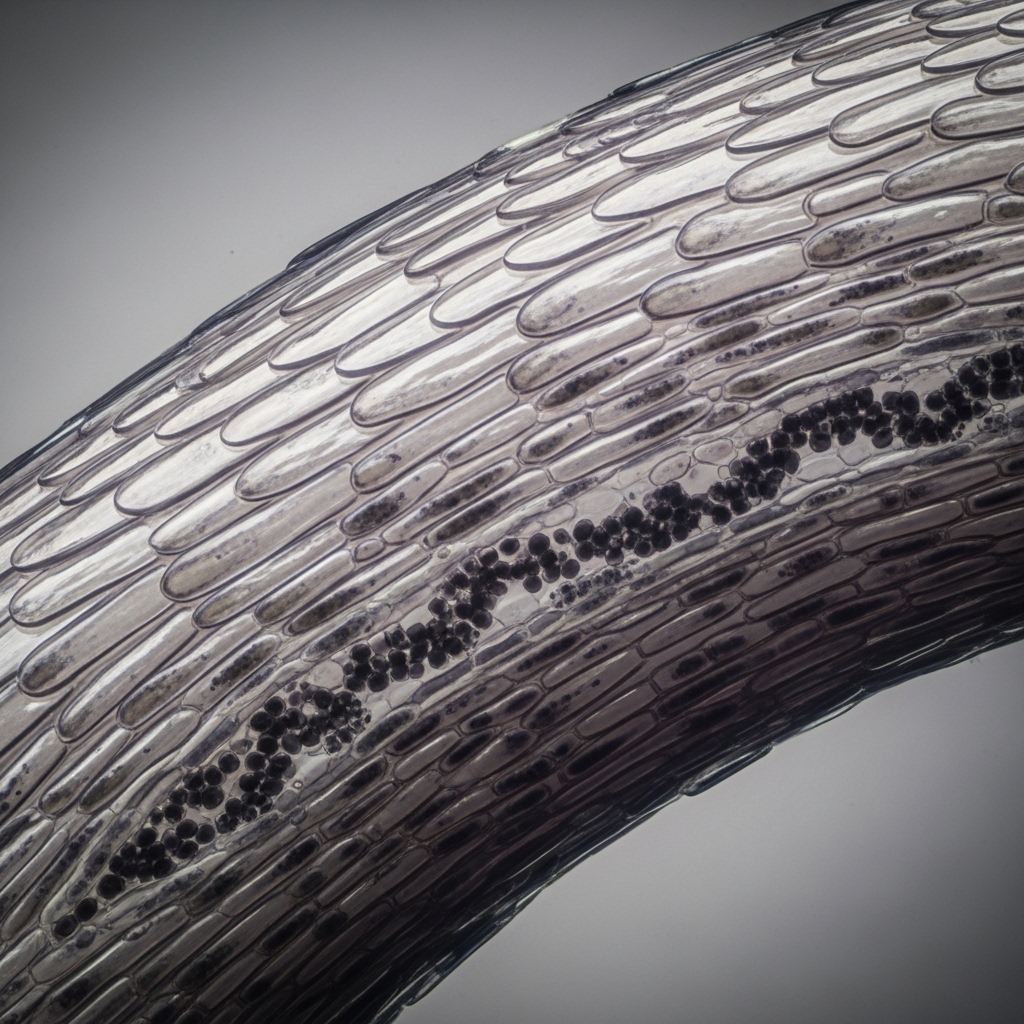
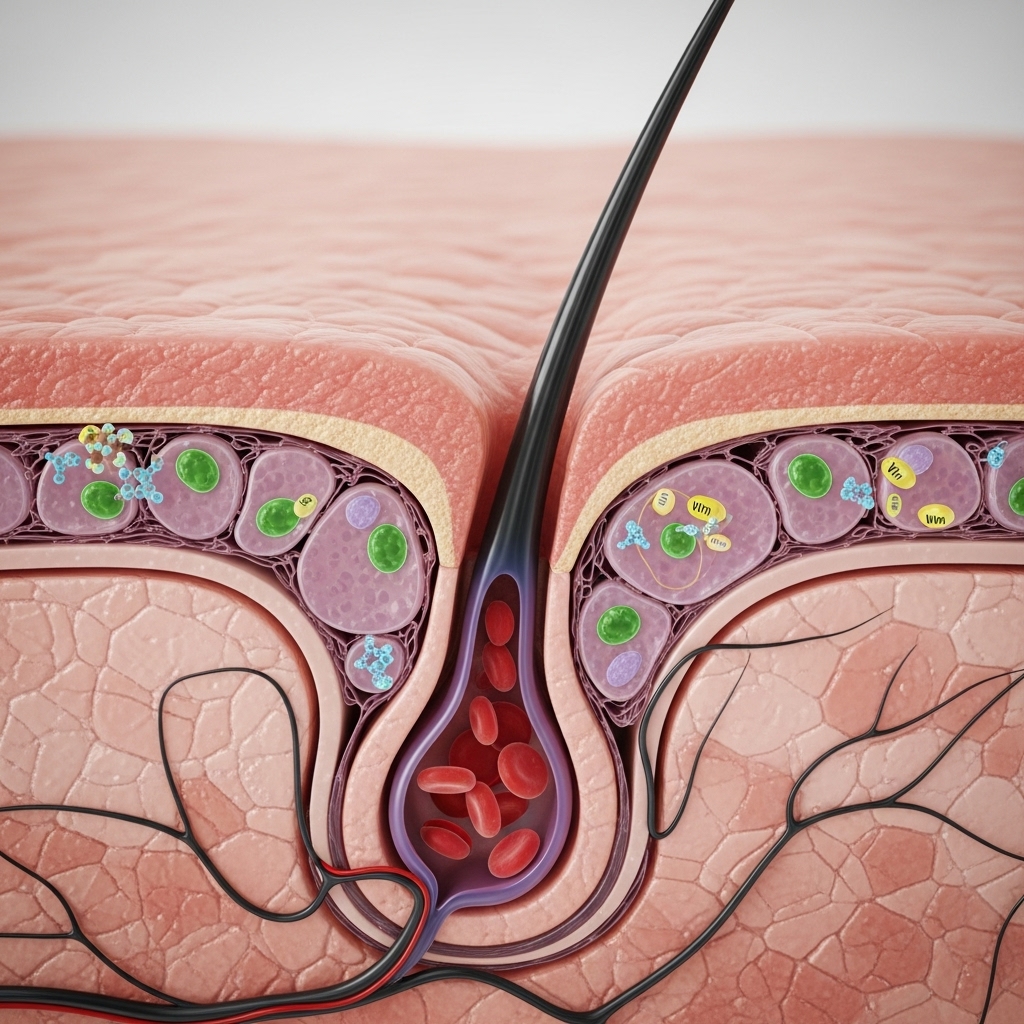
Hair grows from follicles embedded in your scalp, and as it forms, it absorbs nutrients and compounds from your bloodstream. Each strand is composed primarily of keratin, a protein that’s built using the amino acids from the foods you eat. But hair doesn’t just reflect protein intake—it also records minerals, vitamins, and even environmental exposures.
How does this work? As your hair grows (about 1 cm per month), it traps metabolic byproducts, hormones, and trace elements in its structure. These elements remain locked in place, creating a biological timeline of your diet and lifestyle.
What Your Hair Can Reveal About Your Diet
Hair analysis has been used in forensic science, archaeology, and nutrition studies to uncover dietary patterns. Here’s what your hair can tell you:
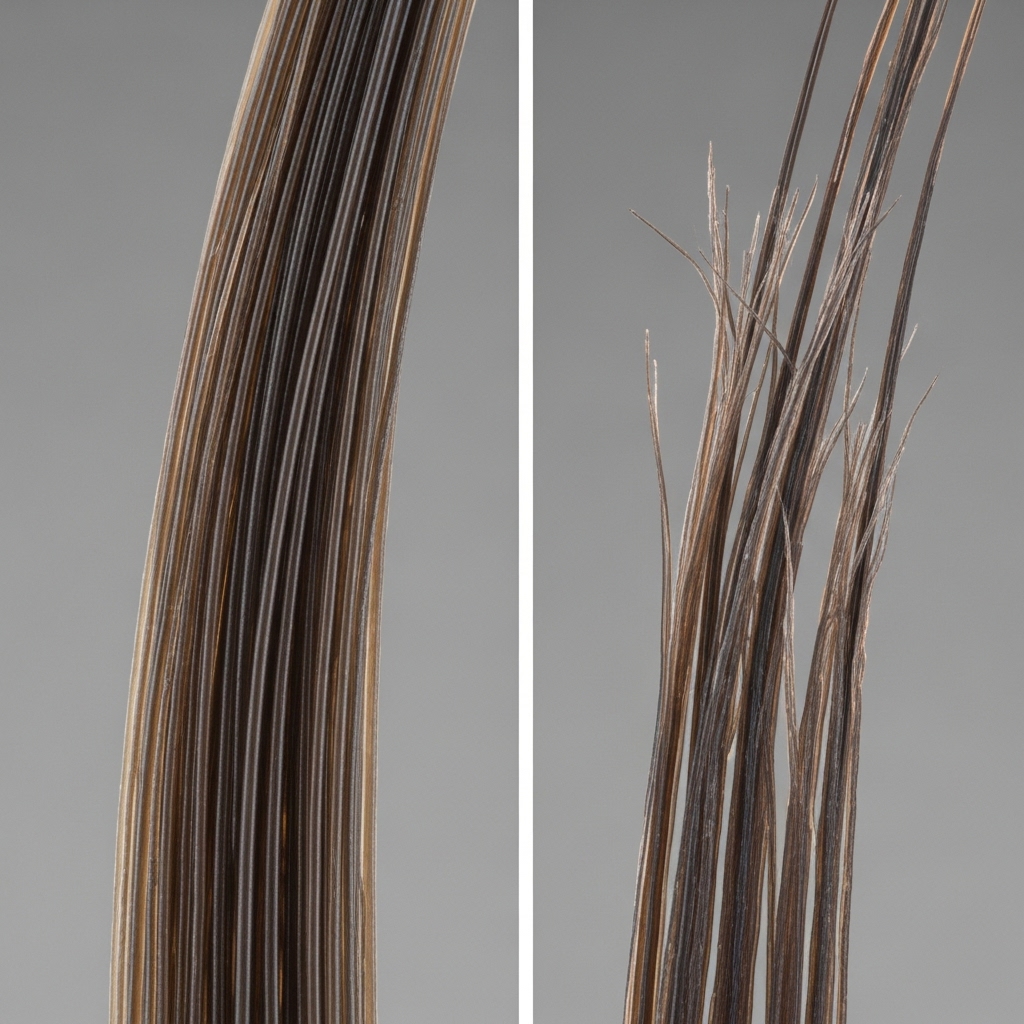
1. Protein Intake: Since hair is mostly protein, deficiencies in essential amino acids can lead to weak, brittle strands. A lack of biotin, zinc, or iron may also show up as slow growth or hair loss.
2. Heavy Metal Exposure: Toxins like mercury, lead, and arsenic accumulate in hair over time. Researchers have even studied historical figures (like Beethoven) using hair samples to detect poisoning.
3. Stress and Hormones: Cortisol, the stress hormone, leaves traces in hair. Long-term stress can alter hair growth cycles and nutrient absorption.
How Hair Analysis Works
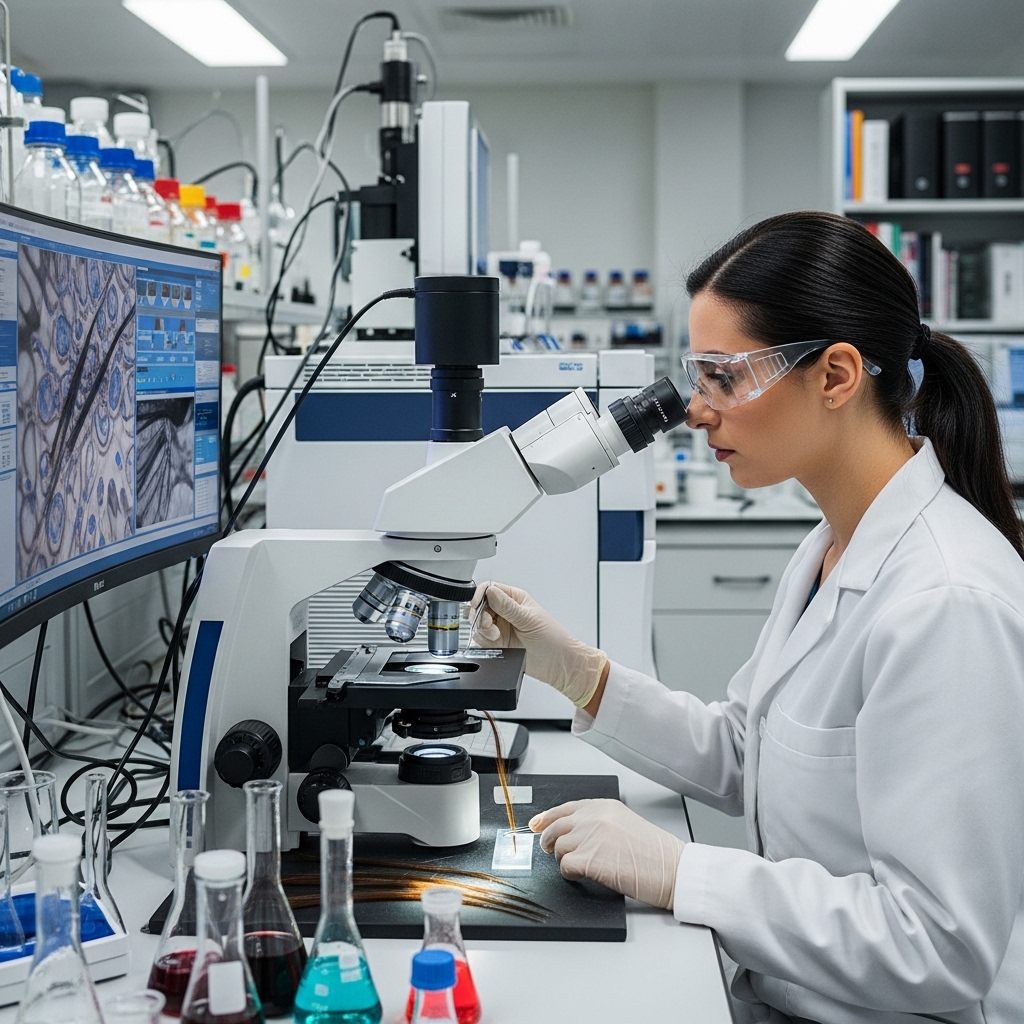
Scientists use a technique called mass spectrometry to analyze hair samples. By examining just a few centimeters of hair, they can detect:
- Mineral imbalances (e.g., low magnesium or excess copper)
- Vitamin deficiencies (like B12 or vitamin D)
- Exposure to pollutants or drugs
This method is so precise that it can estimate dietary changes over the past several months, making it a powerful tool for health assessments.
Improving Your Hair’s Health (And Your Diet)
Since your hair reflects your nutritional status, improving your diet can lead to stronger, shinier locks. Here are some key nutrients to focus on:
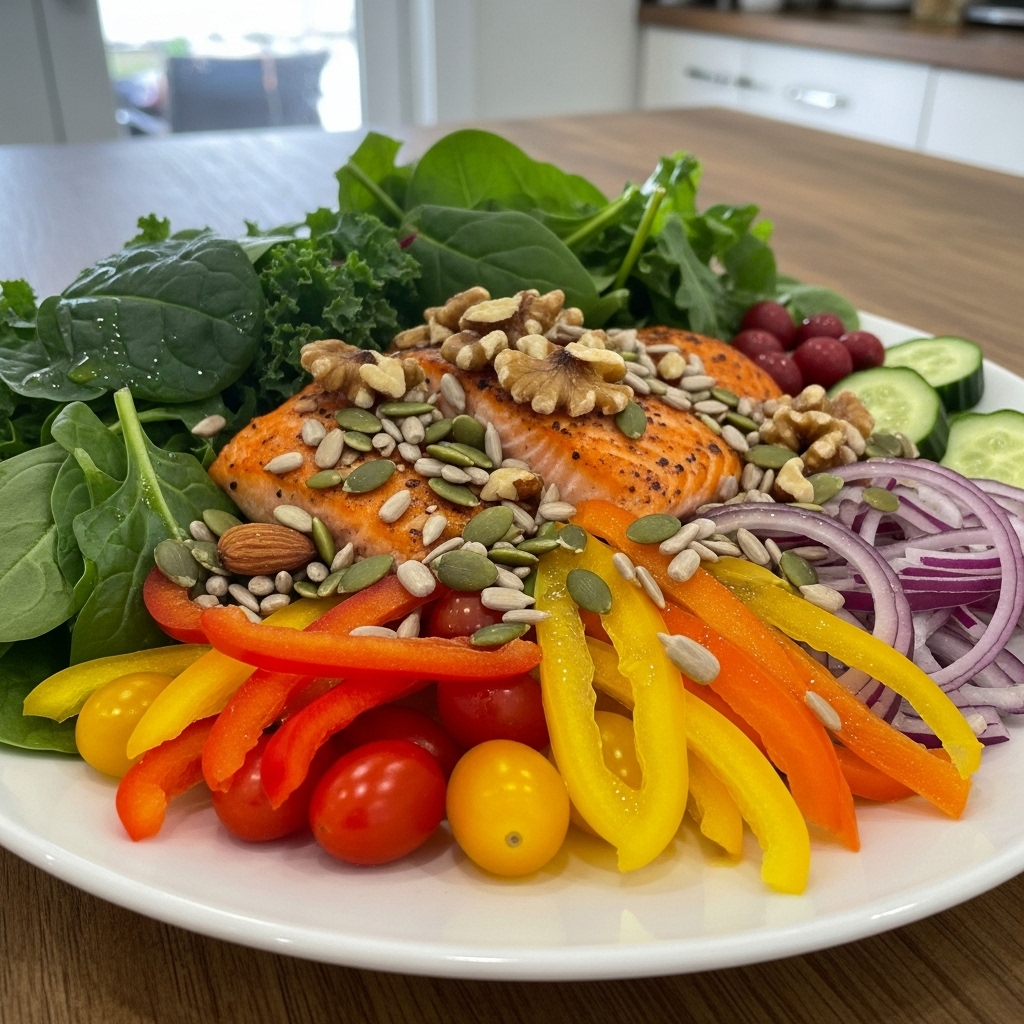
Protein-Rich Foods: Eggs, lean meats, beans, and quinoa provide the building blocks for keratin.
Omega-3 Fatty Acids: Found in salmon, walnuts, and flaxseeds, these fats support scalp health.
Iron and Zinc: Spinach, lentils, and oysters help prevent hair thinning.
By eating a balanced diet, you’re not just feeding your body—you’re also writing a healthier story in your hair.
Conclusion: Your Hair Tells Your Story
Your hair is more than just a style statement—it’s a living record of your health journey. From the foods you eat to the stressors you face, every strand holds clues about your well-being. Next time you look in the mirror, remember: your hair has a memory of its own.
Want to learn more? Consider a hair analysis test or consult a nutritionist to decode what your locks are saying about you!

