

Have you ever wondered if your body keeps a hidden diary of your life? It turns out, your hair does exactly that. From the nutrients you consume to the toxins you encounter, every strand of hair holds a detailed record of your diet, health, and even your environment. In this blog post, we’ll explore the fascinating science behind hair analysis and how it reveals the secrets of your past.
The Science Behind Hair Memory
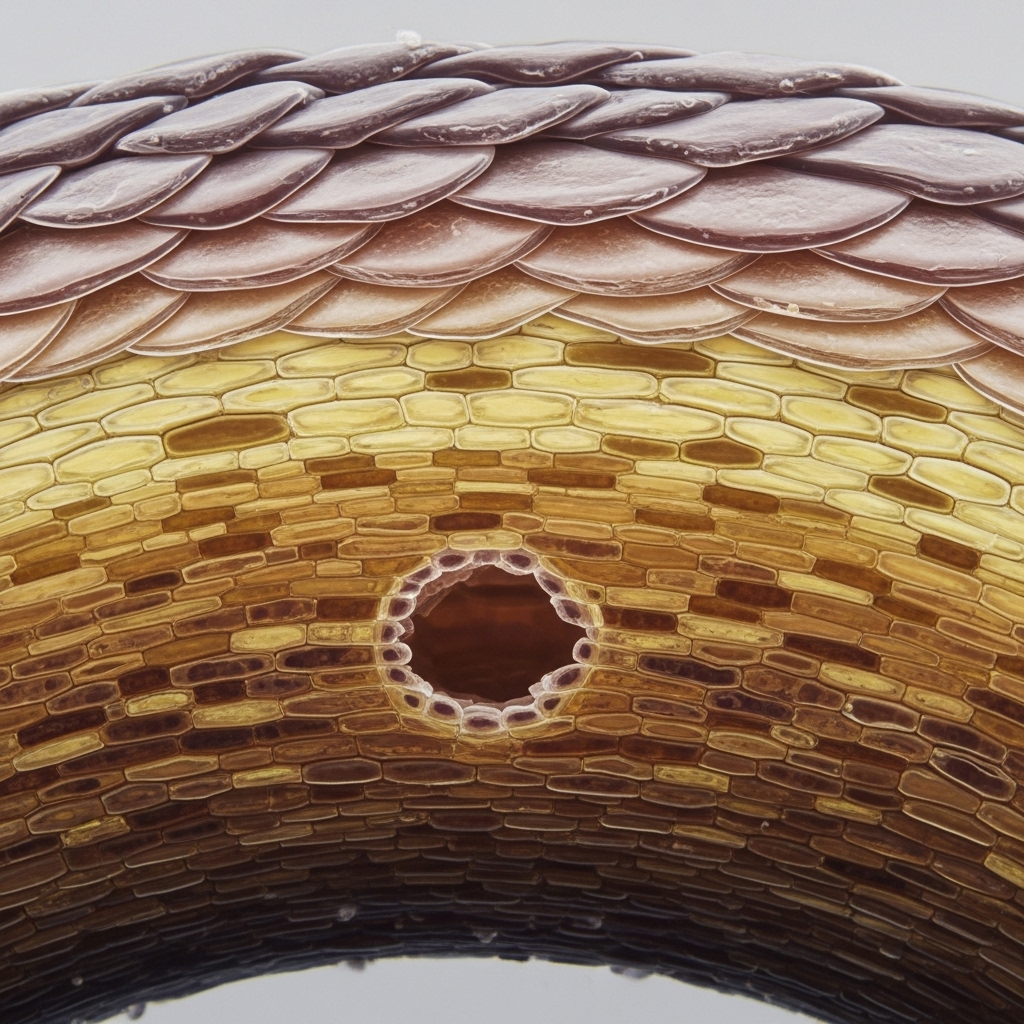
Hair is more than just a fashion statement—it’s a biological archive. As hair grows, it absorbs trace elements from your bloodstream, locking them into its structure. This process creates a timeline of your nutritional intake, exposure to pollutants, and even stress levels over time.
Each strand of hair grows at an average rate of about 1 cm per month, meaning a 12 cm strand can reveal a year’s worth of data. Scientists use advanced techniques like mass spectrometry to decode this information, uncovering insights about your health and habits.
What Can Hair Analysis Reveal?
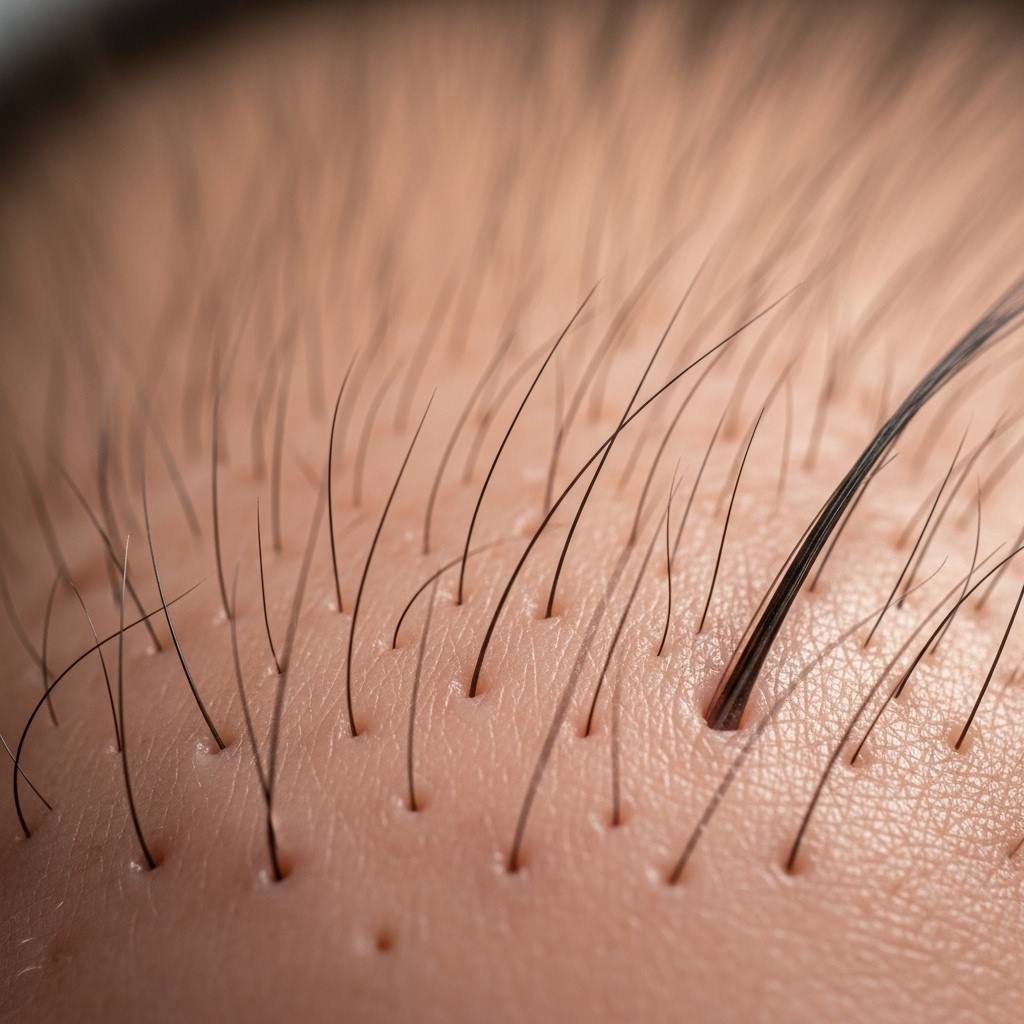
Hair analysis isn’t just for forensic investigations—it’s a powerful tool for understanding your body. Here’s what your hair can tell you:
1. Nutritional Deficiencies: Low levels of zinc, iron, or vitamins? Your hair knows. These deficiencies can manifest as brittle, thinning, or slow-growing hair.
2. Toxin Exposure: Heavy metals like lead or mercury accumulate in hair, providing a record of environmental exposure.
3. Stress and Hormones: Cortisol levels leave a mark, revealing periods of high stress. Hormonal imbalances can also be detected.
4. Dietary Habits: Protein intake, sugar consumption, and even caffeine levels are reflected in your hair’s composition.
How Your Diet Shapes Your Hair
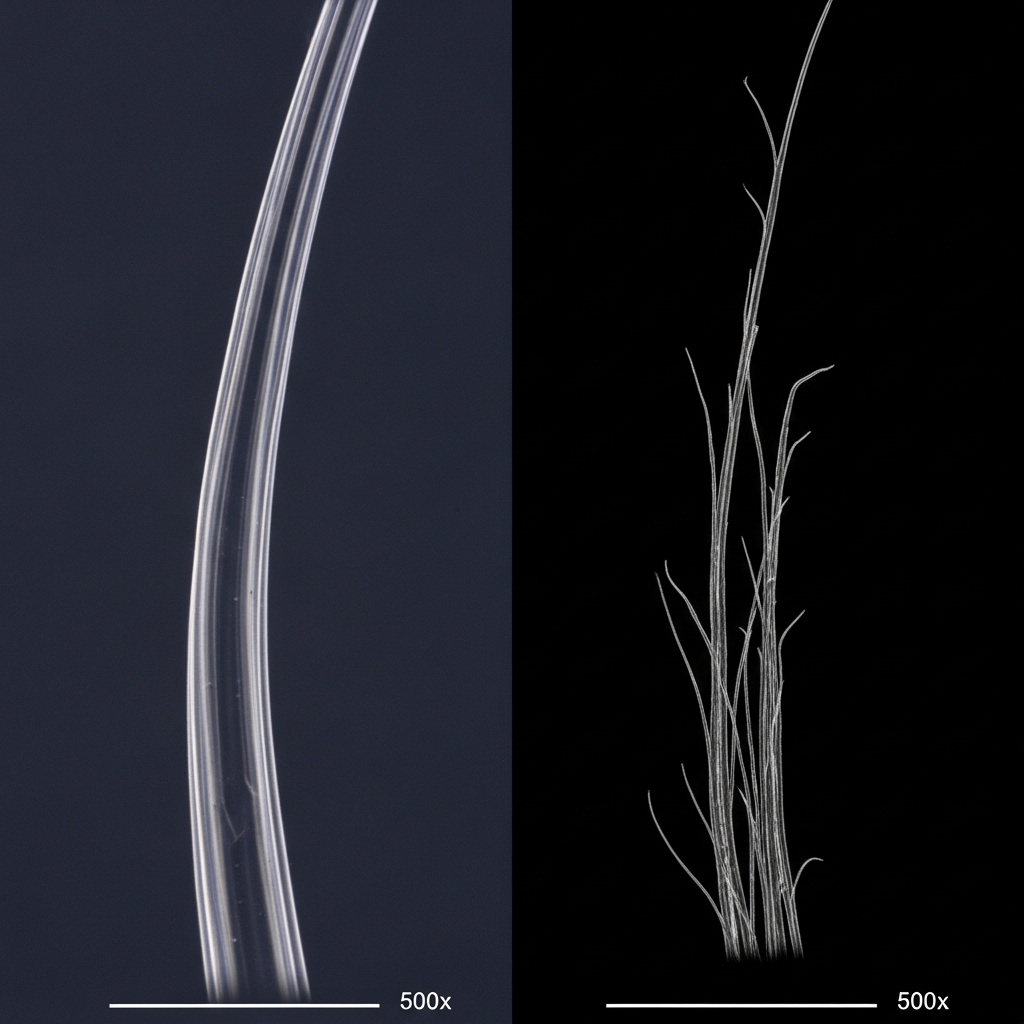
You truly are what you eat—and your hair proves it. A diet rich in proteins, vitamins, and minerals leads to strong, shiny hair, while poor nutrition results in dull, weak strands. Here’s how key nutrients impact your hair:
Protein: Hair is made of keratin, a protein. Insufficient protein intake can lead to hair loss.
Iron: Essential for oxygen transport, low iron levels can cause hair thinning.
Omega-3s: These healthy fats keep your scalp hydrated and reduce inflammation.
Vitamin D: Crucial for hair follicle cycling, a deficiency may contribute to alopecia.

The Forensic Power of Hair
Hair analysis isn’t just for personal health—it’s a game-changer in forensics. Law enforcement and archaeologists use hair to:
1. Solve Crimes: Detect drug use, poisoning, or even geographic movement based on isotopic signatures.
2. Study Ancient Diets: Scientists analyze mummified hair to understand the diets of historical figures.
3. Track Environmental Changes: Hair from animals and humans can reveal pollution trends over time.

How to Improve Your Hair’s Health (and Memory)
Want your hair to tell a healthier story? Follow these tips:
Eat a Balanced Diet: Prioritize lean proteins, leafy greens, and healthy fats.
Stay Hydrated: Water supports nutrient delivery to hair follicles.
Reduce Stress: Practice mindfulness or yoga to lower cortisol levels.
Avoid Toxins: Minimize exposure to heavy metals and harsh chemicals.

Final Thoughts: Your Hair Tells Your Story
Your hair is a silent witness to your life, capturing every bite, every stressor, and every environmental exposure. By understanding how it works, you can make choices that lead to healthier hair—and a healthier you. Next time you look in the mirror, remember: your hair isn’t just a style choice, it’s a living record of your journey.

