
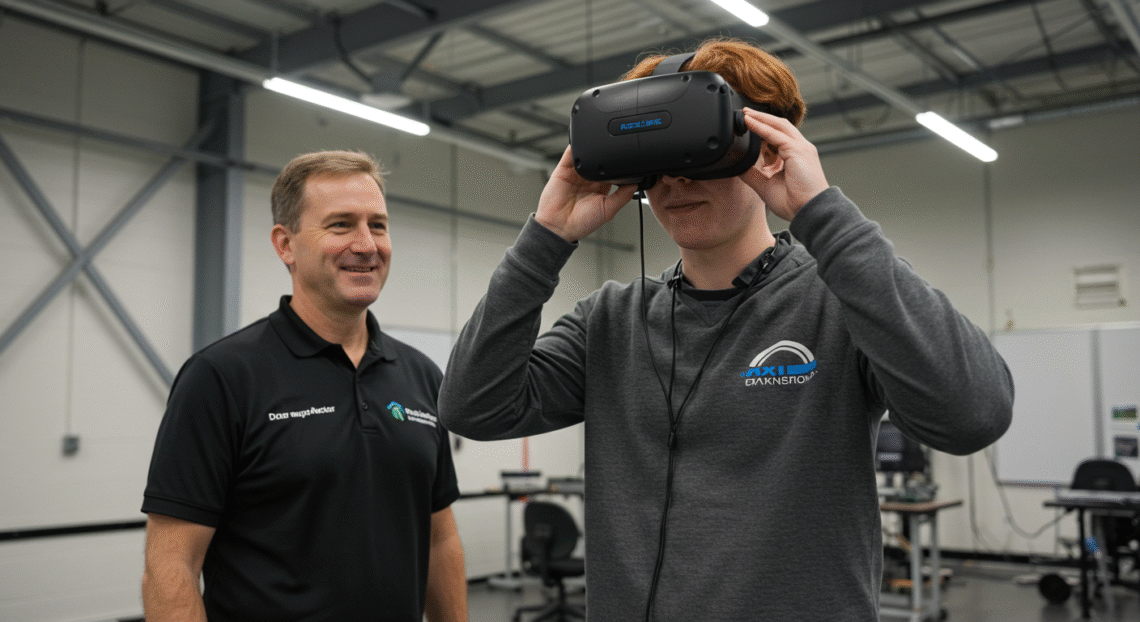
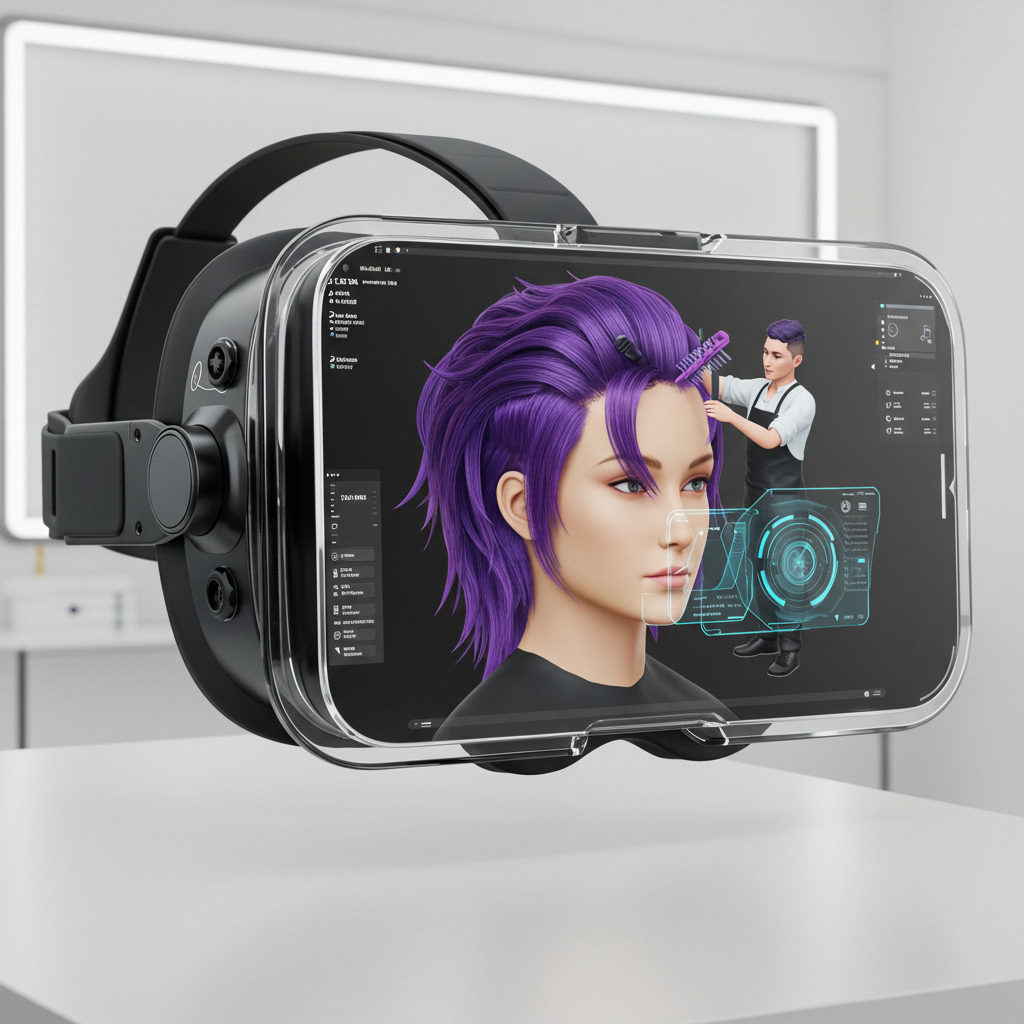
Imagine stepping into a salon where you can experiment with bold hairstyles, daring makeup looks, and avant-garde fashion—without ever touching a pair of scissors or a makeup brush. This isn’t science fiction; it’s the reality of virtual reality (VR) training for stylists. The fashion and beauty industry is undergoing a digital transformation, and VR is at the forefront, reshaping how aspiring stylists learn, practice, and perfect their craft.
From hairdressers to makeup artists, VR offers an immersive, risk-free environment to hone skills, explore creativity, and gain confidence before working with real clients. In this blog post, we’ll explore how VR is revolutionizing stylist training, the benefits it brings, and what the future holds for this cutting-edge technology.
The Rise of VR in Fashion and Beauty Education
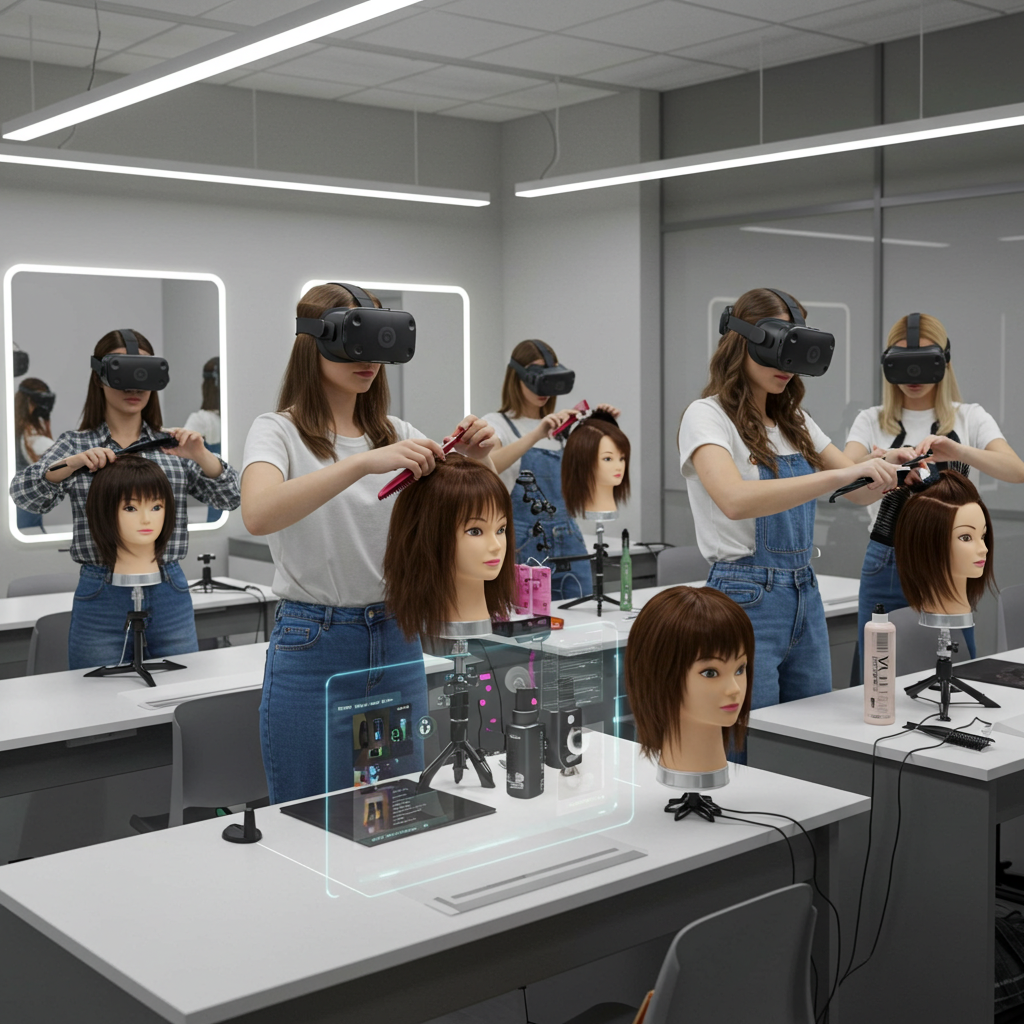
Traditionally, stylists learned their trade through apprenticeships, beauty schools, and hands-on practice. While these methods are effective, they come with limitations—costly materials, limited access to diverse clients, and the pressure of making irreversible mistakes. Virtual reality eliminates these barriers by providing a scalable, interactive, and cost-effective alternative.
Leading beauty schools and brands are now integrating VR into their curricula. For example, L’Oréal’s Modiface allows students to experiment with hair coloring techniques in a virtual space before applying them in real life. Similarly, platforms like Virtuoso offer VR training for makeup artists, simulating different skin tones, textures, and lighting conditions.
This shift isn’t just about convenience—it’s about democratizing education. Aspiring stylists from anywhere in the world can access high-quality training without needing expensive equipment or relocation.
How VR Enhances Stylist Training
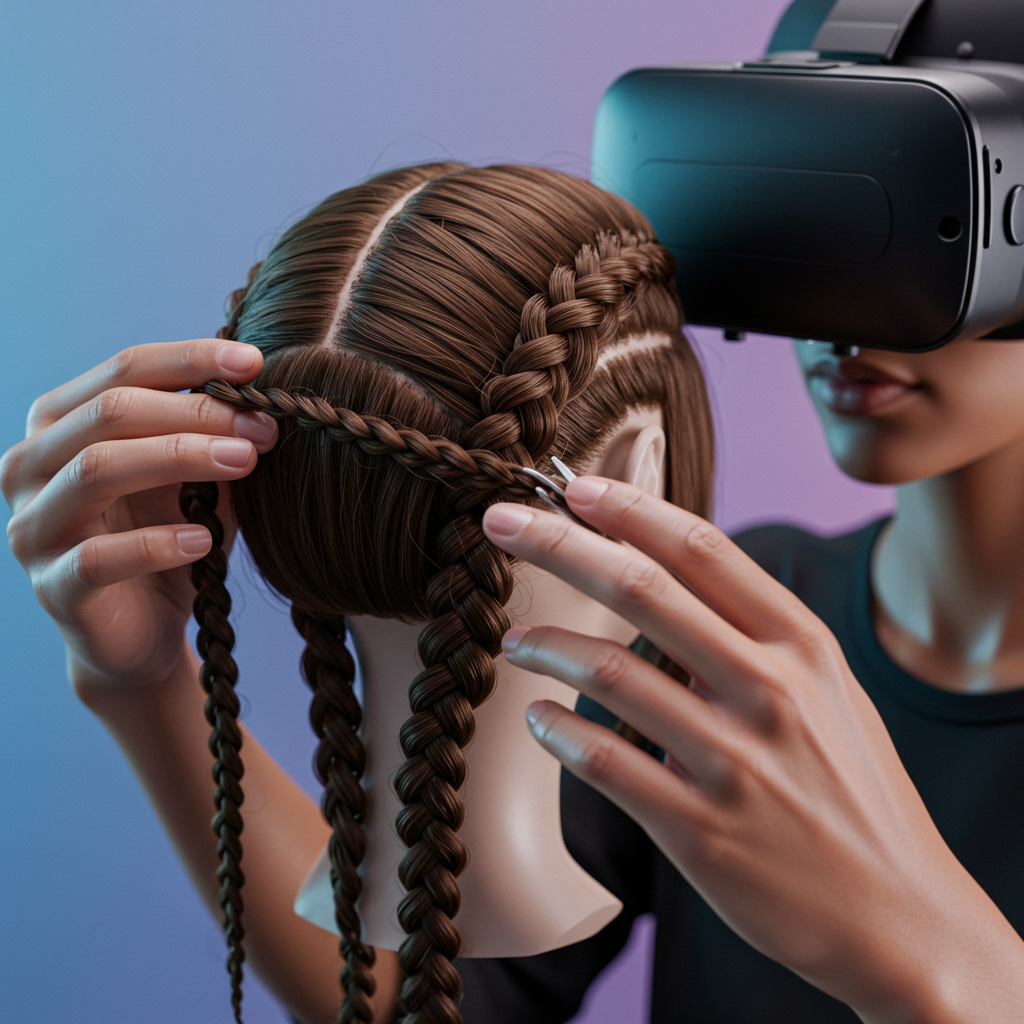
Virtual reality enhances stylist training in several key ways:
1. Realistic Simulations: VR provides hyper-realistic environments where students can practice cutting, coloring, and styling without wasting products or risking damage to real hair. Advanced haptic feedback even simulates the sensation of scissors cutting through strands.
2. Unlimited Creative Freedom: In VR, there are no limits. Stylists can experiment with bold, unconventional looks that might be too risky in real life. This fosters creativity and innovation.
3. Instant Feedback: AI-powered VR programs analyze techniques in real time, offering corrections and suggestions. This accelerates learning and ensures proper form from the start.
4. Accessibility & Inclusivity: VR training can be accessed remotely, making it ideal for students in underserved areas. It also allows stylists to practice on diverse virtual clients, preparing them for real-world inclusivity.
Case Studies: VR Success Stories in Stylist Training
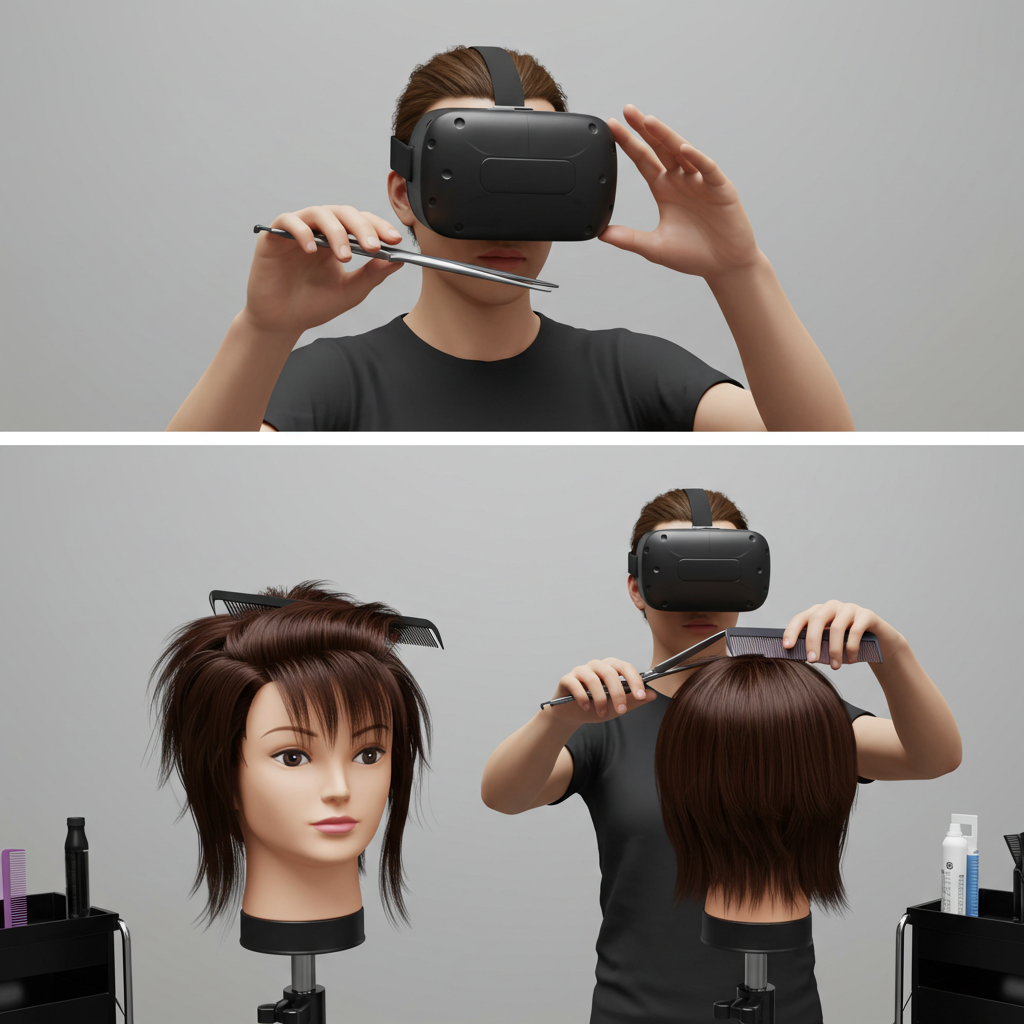
Several institutions and brands have already seen remarkable success with VR training:
• Aveda Arts & Sciences Institutes: Aveda has incorporated VR into its cosmetology programs, allowing students to practice precision haircuts in a virtual space. Early results show a 30% improvement in technique retention compared to traditional methods.
• Wella Professionals’ VR Salon: Wella’s VR training program lets stylists master complex coloring techniques without using real chemicals. Participants report higher confidence levels when transitioning to live clients.
• The Virtual Makeup Academy: This online platform uses VR to teach makeup application, with modules ranging from everyday looks to high-fashion editorial styles. Students can “undo” mistakes instantly, reinforcing learning through repetition.
The Future of VR in Stylist Education
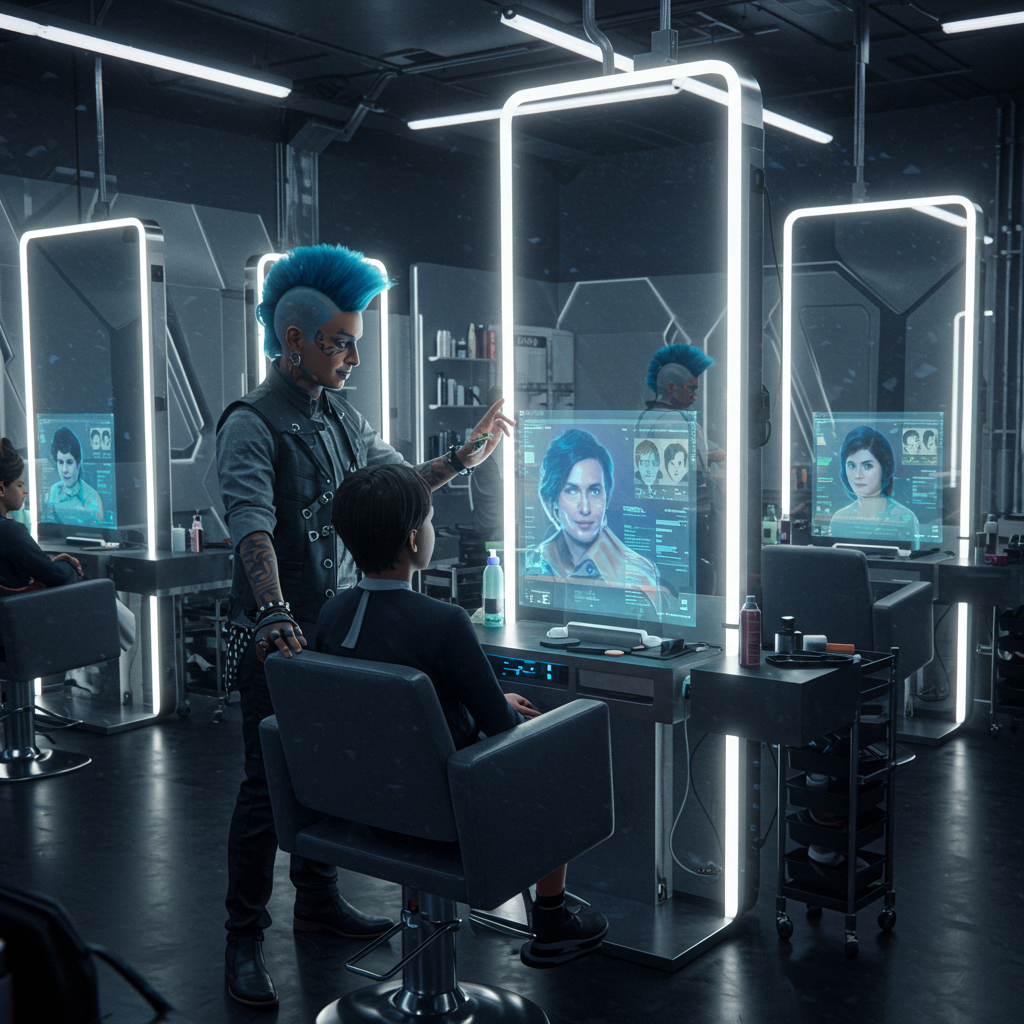
The potential for VR in stylist training is limitless. As technology advances, we can expect:
• AI-Powered Personalization: Future VR programs may adapt to individual learning styles, offering customized lesson plans based on a student’s progress.
• Social VR Collaborations: Stylists could collaborate in virtual salons, working on the same digital client from different locations.
• Augmented Reality (AR) Integration: AR mirrors in real salons might overlay virtual styles onto clients, allowing stylists to preview looks before execution.
• Sustainability Benefits: Reduced reliance on physical materials means less waste, aligning with the beauty industry’s growing focus on eco-friendly practices.
Challenges and Considerations
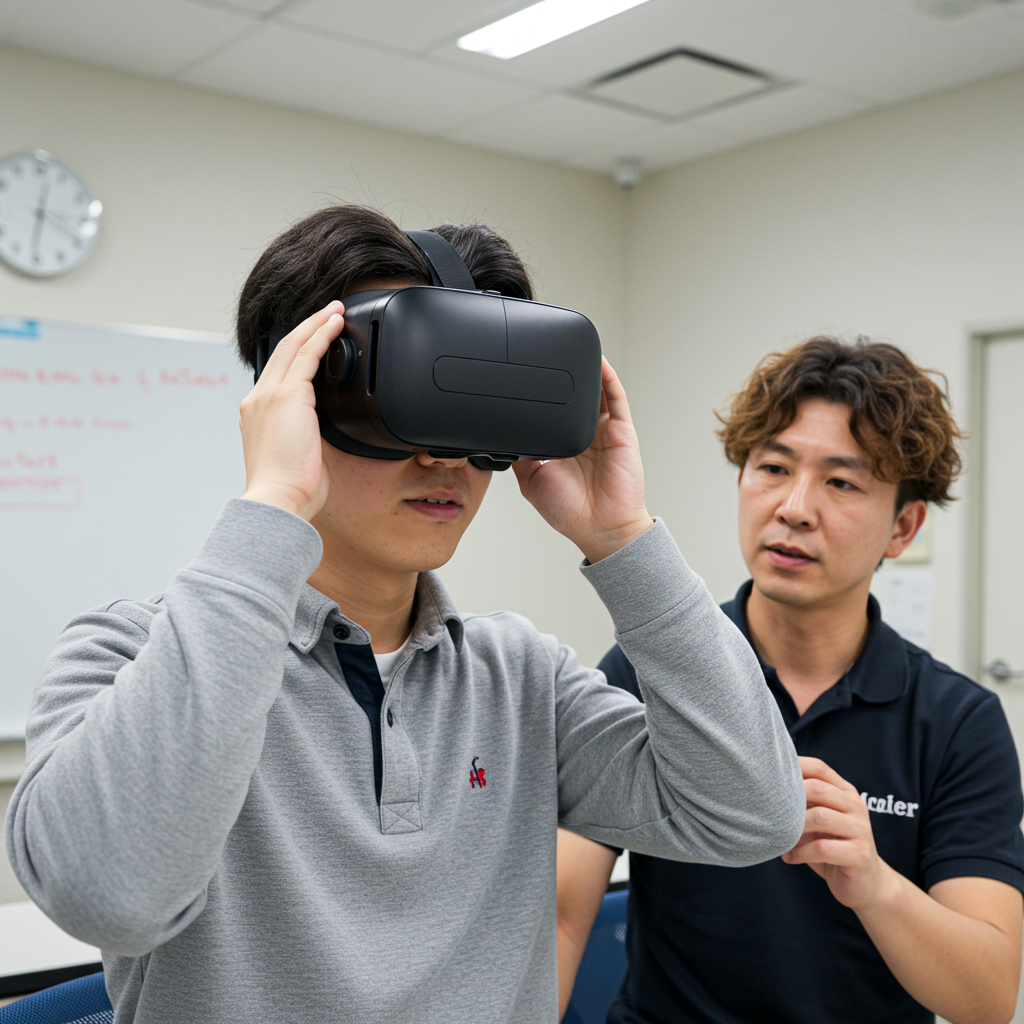
While VR offers immense potential, there are challenges to address:
• High Initial Costs: VR equipment and software development can be expensive, though prices are decreasing as technology becomes more mainstream.
• Motion Sickness: Some users experience discomfort during prolonged VR sessions, though newer headsets are minimizing this issue.
• Balancing Virtual & Real-World Practice: VR should complement, not replace, hands-on training. Schools must find the right blend of both methods.
Final Thoughts: Embracing the Virtual Salon
Virtual reality is no longer a novelty—it’s a powerful tool shaping the future of stylist education. By offering immersive, risk-free training, VR empowers the next generation of stylists to push boundaries, refine their skills, and enter the industry with confidence.
As beauty schools and brands continue to adopt this technology, we can expect a new era of creativity and inclusivity in fashion and beauty. Whether you’re an aspiring stylist or a seasoned professional, now is the time to embrace the virtual salon and discover how VR can elevate your craft.

