
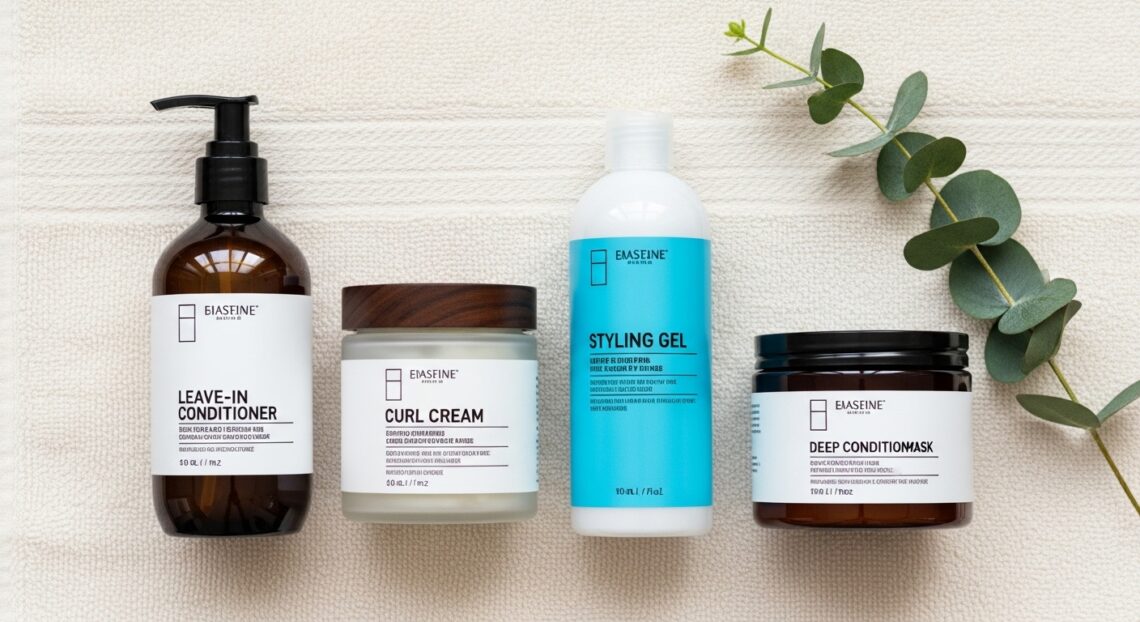
For far too long, textured hair was something to be tamed, straightened, and hidden. But times have changed, and the world has finally woken up to the breathtaking beauty and versatility of curls, coils, and waves. Rocking your natural texture isn’t just a hairstyle; it’s a statement of confidence, authenticity, and self-love. But let’s be honest, the journey to a great hair day can sometimes feel like a mysterious science experiment.
Understanding Your Unique Texture
Before you can rock your hair, you need to know what you’re working with. The term “textured hair” is a beautiful umbrella that covers a wide spectrum, from loose, beachy waves to tight, springy coils. The most common classification system is the hair typing system, which categorizes hair from Type 2 (wavy) to Type 4 (coily). However, this is just a starting point.
Your hair’s true personality is also defined by its density (how many hairs you have on your head), porosity (how well your hair absorbs and holds moisture), and strand thickness (fine, medium, or coarse). Understanding these factors is the real game-changer. For instance, high-porosity hair drinks up moisture but loses it quickly, needing heavier creams and butters, while low-porosity hair repels water and benefits from lighter, liquid-based products and heat during conditioning.

The Holy Grail: Hydration and Moisture Lock
If there’s one universal truth for textured hair, it’s this: moisture is non-negotiable. The natural oils from your scalp have a harder time traveling down the twists and turns of curly and coily strands, leaving the ends particularly prone to dryness. A consistent hydration strategy is your foundation for defined, frizz-free, and healthy hair.
This starts in the shower with a moisturizing shampoo and a rich conditioner. Don’t be shy with the conditioner—this is where you detangle with a wide-tooth comb, starting from the ends and working your way up. For an extra boost, incorporate a deep conditioning treatment once a week. After washing, the key is to lock in that moisture. Apply a leave-in conditioner to damp hair, followed by a curl cream for definition, and finally, a sealing product like a gel or butter to create a cast that holds the style and prevents moisture loss.
Mastering the Wash-and-Go for Defined Curls
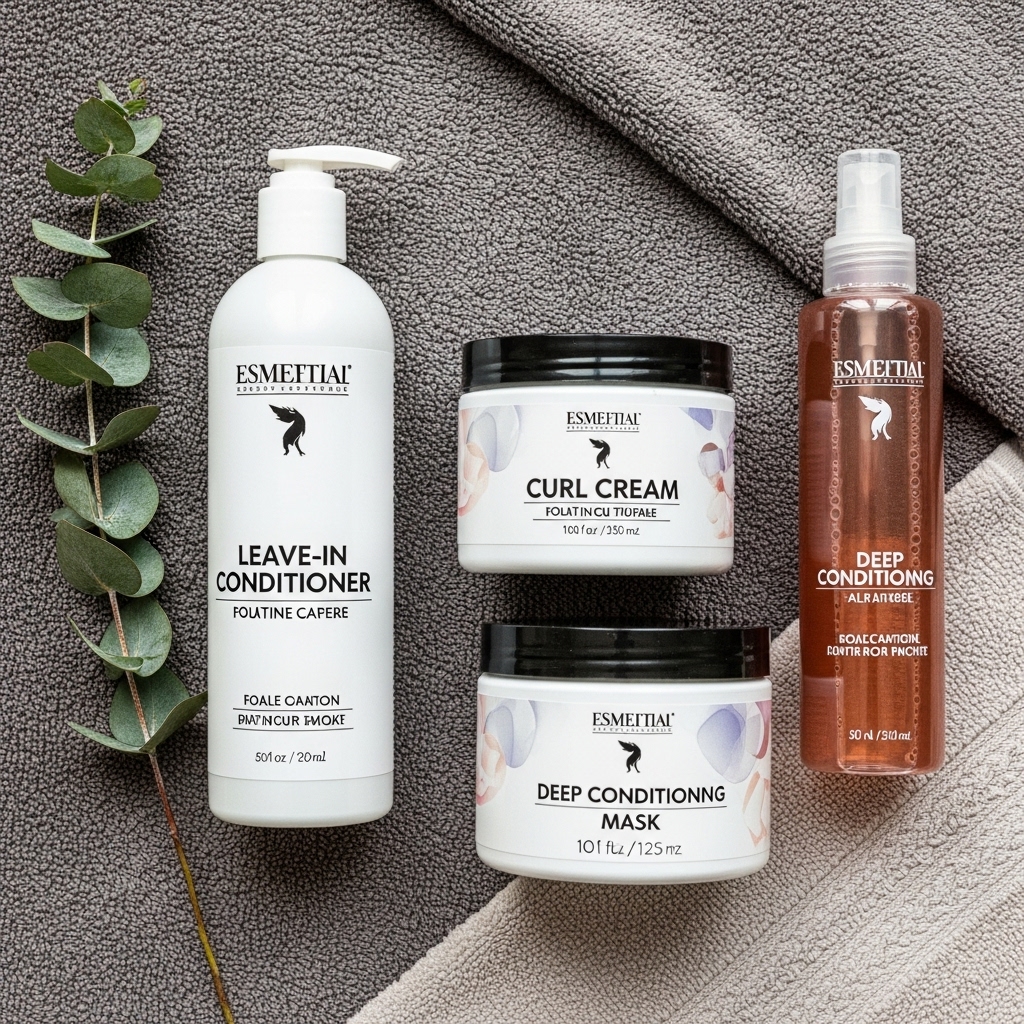
The “wash-and-go” is a bit of a misnomer—it’s more of a “wash-and-style-with-purpose.” But when done right, it’s the ultimate way to achieve a low-maintenance, high-impact look that celebrates your natural curl pattern. The goal is enhanced definition and a lasting hold.
Start on soaking wet hair in the shower. Section your hair into 4-6 parts. Apply your leave-in conditioner and curl cream, raking or smoothing the products through each section to ensure even distribution. Then, using a generous amount of a hard-hold gel, apply it using the same technique. Many people find success with the “praying hands” method (smoothing product down the hair shaft) followed by gentle scrunching to encourage curl formation. Once your hair is fully styled, you can either air dry or use a diffuser on a low heat and speed setting to dry your hair without causing frizz.
Protective Styling: The Trendy Way to Healthy Hair
Rocking your texture doesn’t always mean wearing it out. Protective styles are not only incredibly trendy but also essential for hair health. These styles tuck away the fragile ends of your hair, minimizing manipulation, preventing breakage, and retaining length. The best part? They’re a stylish vacation for both you and your hair.
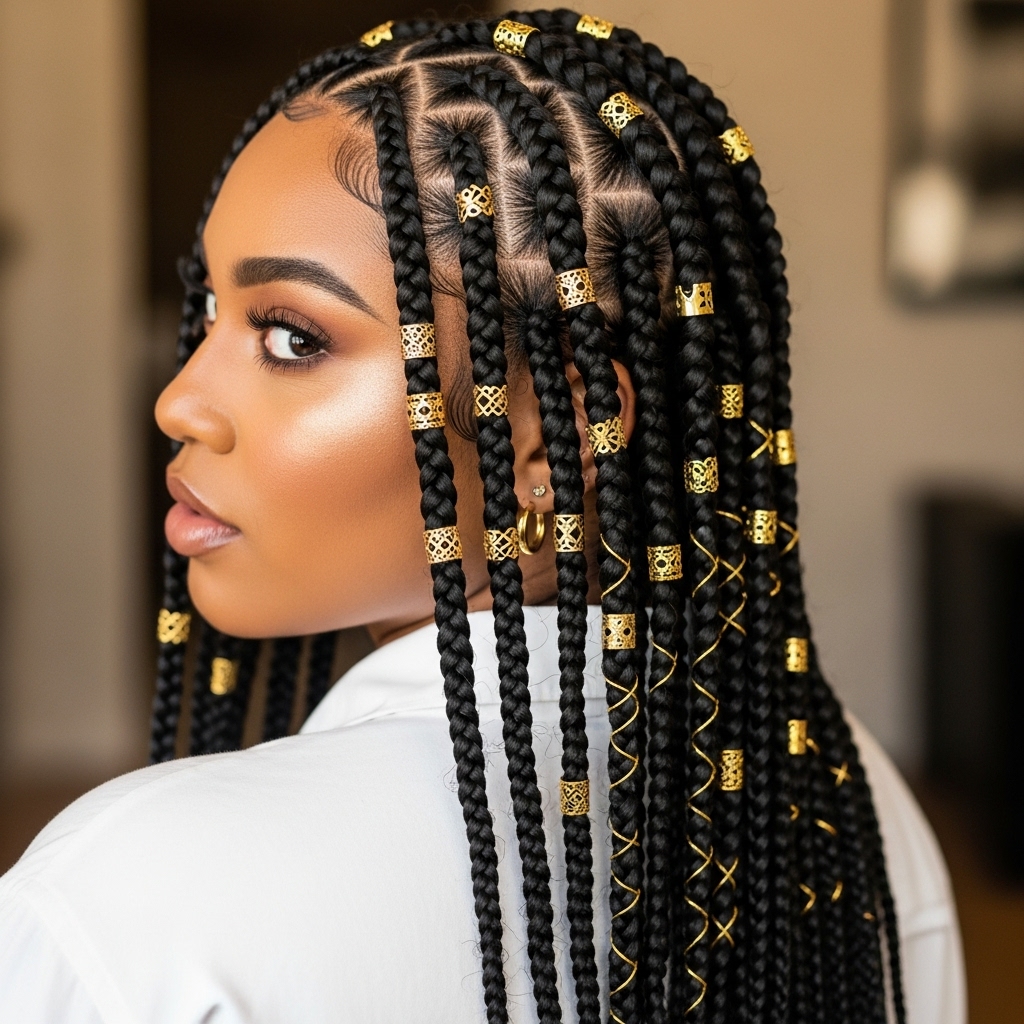
Think braids (like box braids or cornrows), twists (two-strand or Senegalese), updos, and wigs. When installing these styles, ensure they are not too tight, as this can cause traction alopecia. Always prep your hair by washing, deep conditioning, and moisturizing it thoroughly before putting it away. And even while in a protective style, remember to care for your scalp with lightweight oils and sprays.
Accessorize and Amplify Your Style
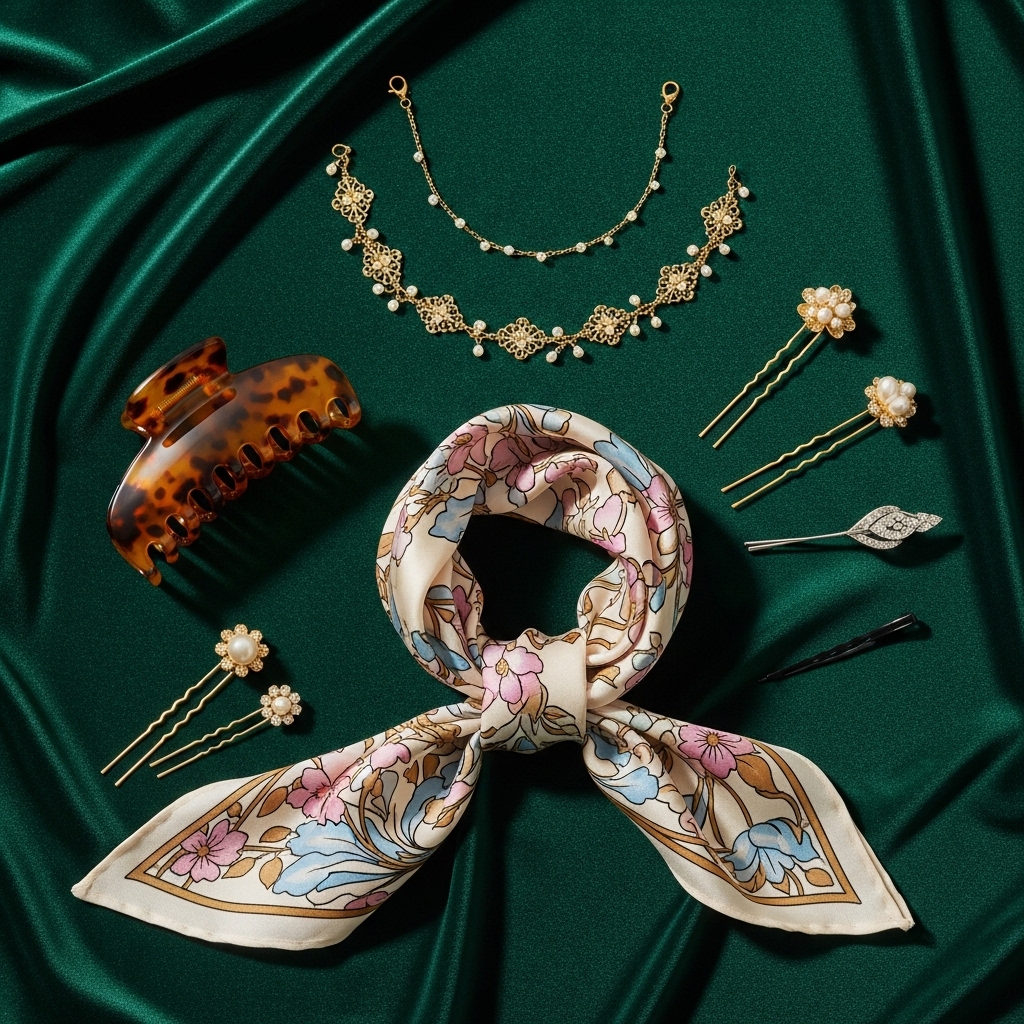
Accessories are the exclamation point of your textured hair look. They are a simple, fun, and effective way to elevate your style and express your personality. From bold statement pieces to delicate accents, the right accessory can turn a simple hairstyle into a head-turning masterpiece.
Silk and satin scarves are both stylish and functional, preventing friction and frizz. Try tying one as a headband or a chic turban. Statement clips and claws are perfect for creating half-up, half-down styles or pinning back sections of your hair. For a boho-chic vibe, incorporate head chains or delicate chains into your braids and twists. Don’t underestimate the power of a vibrant beanie or a trendy cap for bad hair days—just pop your hair into a pineapple or loose bun underneath.
Embracing the Shrinkage and Volume
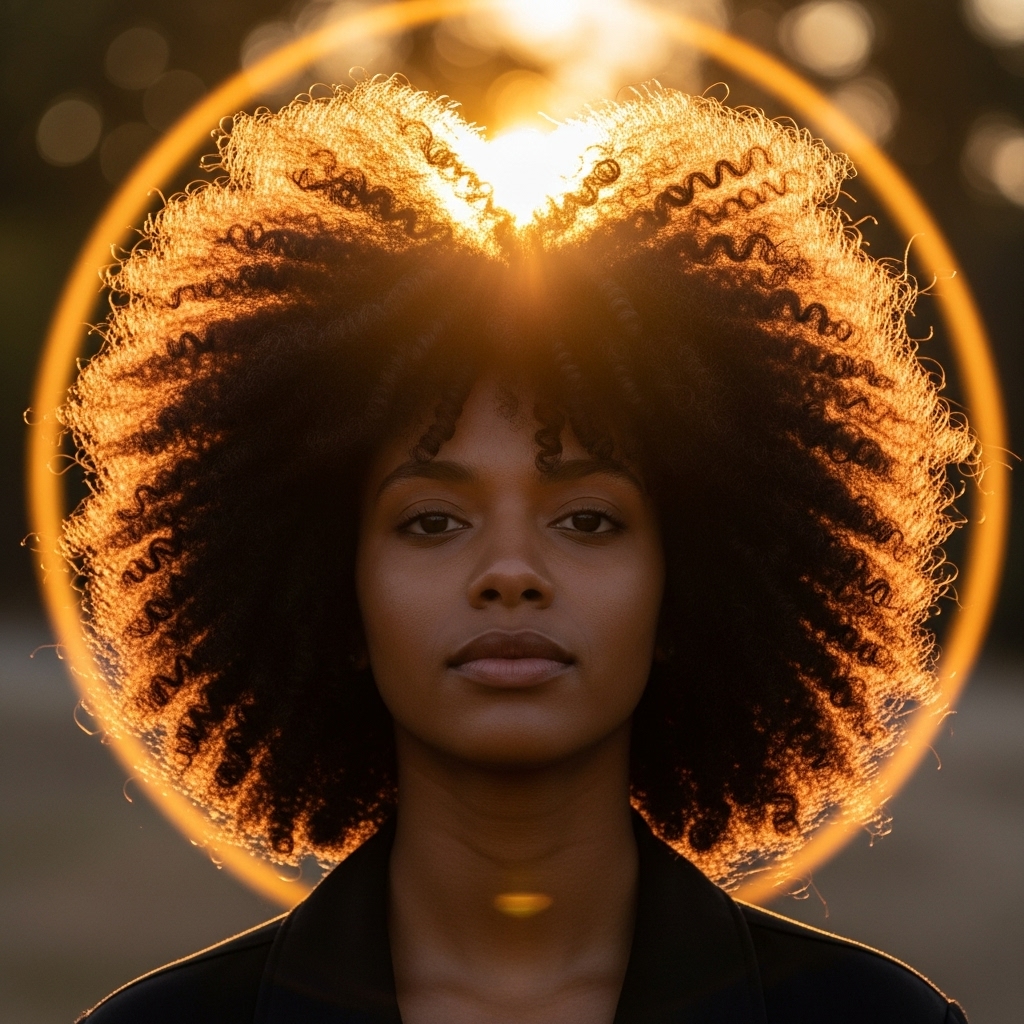
Shrinkage is a sign of healthy, hydrated, and elastic hair, but it can be frustrating when you feel like you have more length than you can see. Instead of fighting it, learn to love it and work with it. That incredible volume you get is something people with straight hair can only dream of!
To showcase your length while still honoring your texture, try styles like a stretched twist-out or braid-out. You can also use the banding method (placing soft hair ties down the length of your hair while it’s damp) to gently stretch it as it dries. For a bold and trendy look, fully embrace the volume. Create a giant, fluffy afro, a voluminous blowout (with heat protectant, of course), or a shaggy layered cut that maximizes your hair’s natural body.
The Final Touch: Nighttime Routine and Maintenance
How you treat your hair at night is just as important as how you style it during the day. Sleeping on a cotton pillowcase creates friction that leads to frizz, breakage, and moisture loss. The solution is simple: switch to satin or silk. These materials have a smooth surface that allows your hair to glide as you sleep.
Before bed, protect your style by gathering your hair at the crown of your head in a loose ponytail (a “pineapple”) to preserve your curls. For shorter hair or tighter curl patterns, a satin or silk bonnet or scarf is your best friend. In the morning, you may just need to spritz your hair with a water and leave-in conditioner mix, shake it out, and go. This simple step will extend the life of your styles and keep your hair healthy day after day.

