
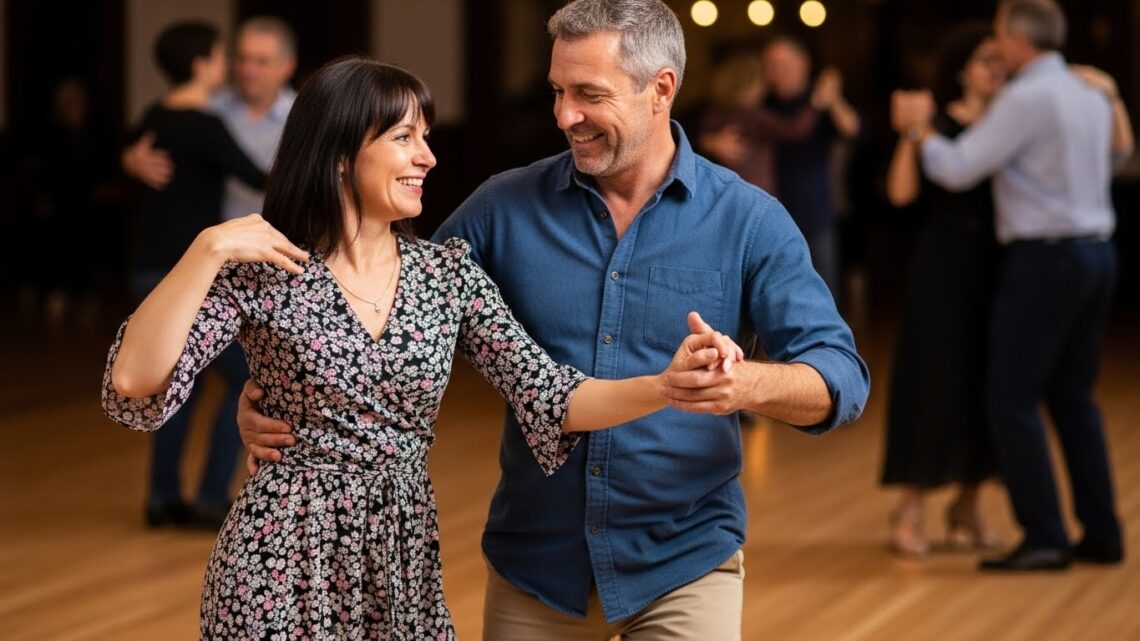
Remember those early days when just holding hands sent electric sparks through your body? A decade later, you might find yourselves more focused on grocery lists than gazing into each other’s eyes. This shift is completely normal—research shows romantic passion naturally evolves—but that doesn’t mean the spark has to fade entirely. As a relationship psychologist, I’ve witnessed countless couples reignite deep connection by embracing intentionality, emotional courage, and neuroscience-backed strategies tailored for long-term love.
The Science Behind the 10-Year Shift
Our brains aren’t wired to sustain “honeymoon phase” intensity forever. Dopamine (the craving neurotransmitter) decreases as familiarity grows, while oxytocin (the bonding hormone) strengthens. This biological shift explains why you feel comfortable yet may miss the excitement. The key insight? Lasting romance requires moving beyond initial infatuation to cultivate what researchers call “companionate passion”—a deeper blend of intimacy, commitment, and playful energy.
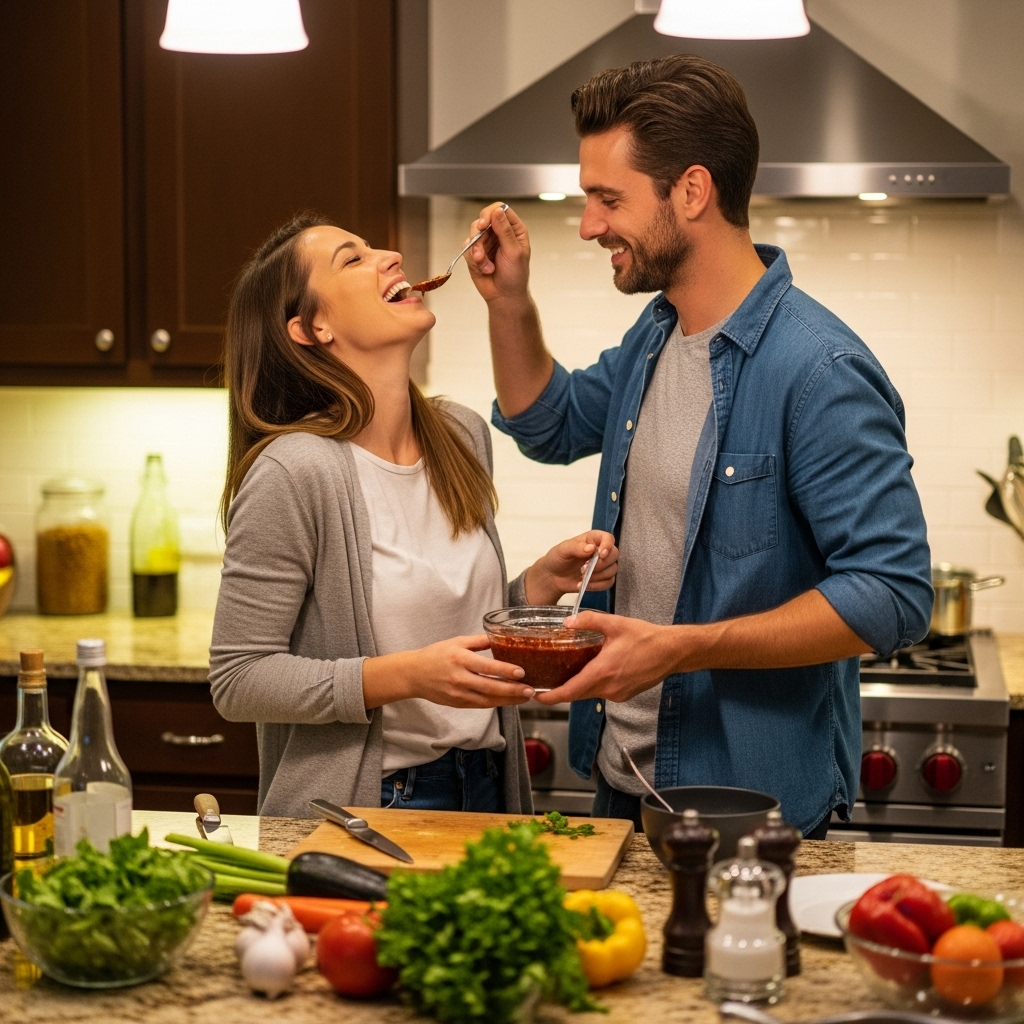
Prioritize Novelty Like Your Relationship Depends On It
Brain scans reveal that novel activities activate the same reward centers as early romance. One study found couples who tried new hobbies together reported increased relationship satisfaction equivalent to their early dating months. Practical application: Break routines every 2-3 weeks. This could be:
- Taking an improv class together
- Exploring a new neighborhood on “pretend first dates”
- Learning tandem biking despite the inevitable wobbles
Self-reflection: When did you last feel genuinely excited together? What childhood hobby have you never shared with your partner?
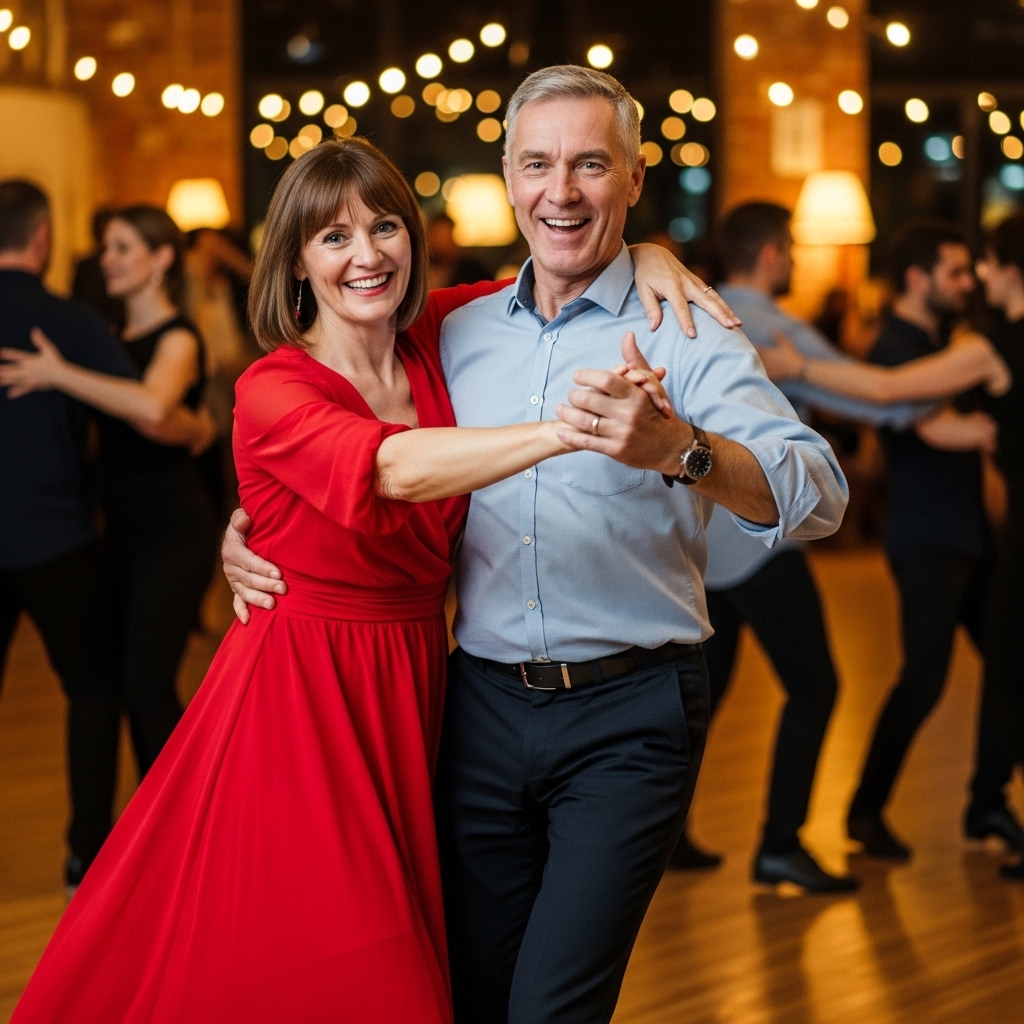
Reinvent Your Emotional Intimacy
After 10 years, you might assume you know everything about each other—this illusion kills curiosity. Dr. Sue Johnson’s emotionally focused therapy research shows that vulnerability sparks connection. Try this:
The 3-Level Check-In:
1. Surface: “How was your day?”
2. Emotional: “What moment made you feel proud/anxious today?”
3. Aspirational: “What dream have you been too shy to mention?”
Real-life example: When Mark asked level 3 questions, his wife revealed she secretly wanted to write children’s books. Their weekly “library dates” to study picture books became a shared passion.

Turn Everyday Moments Into Micro-Romances
Grand gestures matter less than daily emotional attunement. Neuroscientist Dr. Stephanie Ortigue found that simple affectionate touch releases serotonin and endorphins. Transform mundane activities:
- Make coffee together with synchronized movements like a dance
- Turn laundry folding into a “gratitude exchange” (mentioning one thing you appreciated that week per folded item)
- Create a 6-second kissing ritual before leaving for work
Remember: It’s not about adding tasks, but injecting presence into existing routines.
Address the Elephant in the Room: Sexual Connection
Sexual frequency typically declines in long-term relationships, but satisfaction can increase through emotional intimacy. Esther Perel’s work highlights the paradox of intimacy and eroticism—we crave security but need space for mystery. Try:
- Scheduling intimate time (removes pressure of spontaneity)
- Separate showers before reuniting (builds anticipation)
- Reading erotic fiction aloud to each other
Psychological insight: Desire often follows action, not precedes it. Starting with affection can naturally lead to passion.

Celebrate Your Relationship’s Evolution
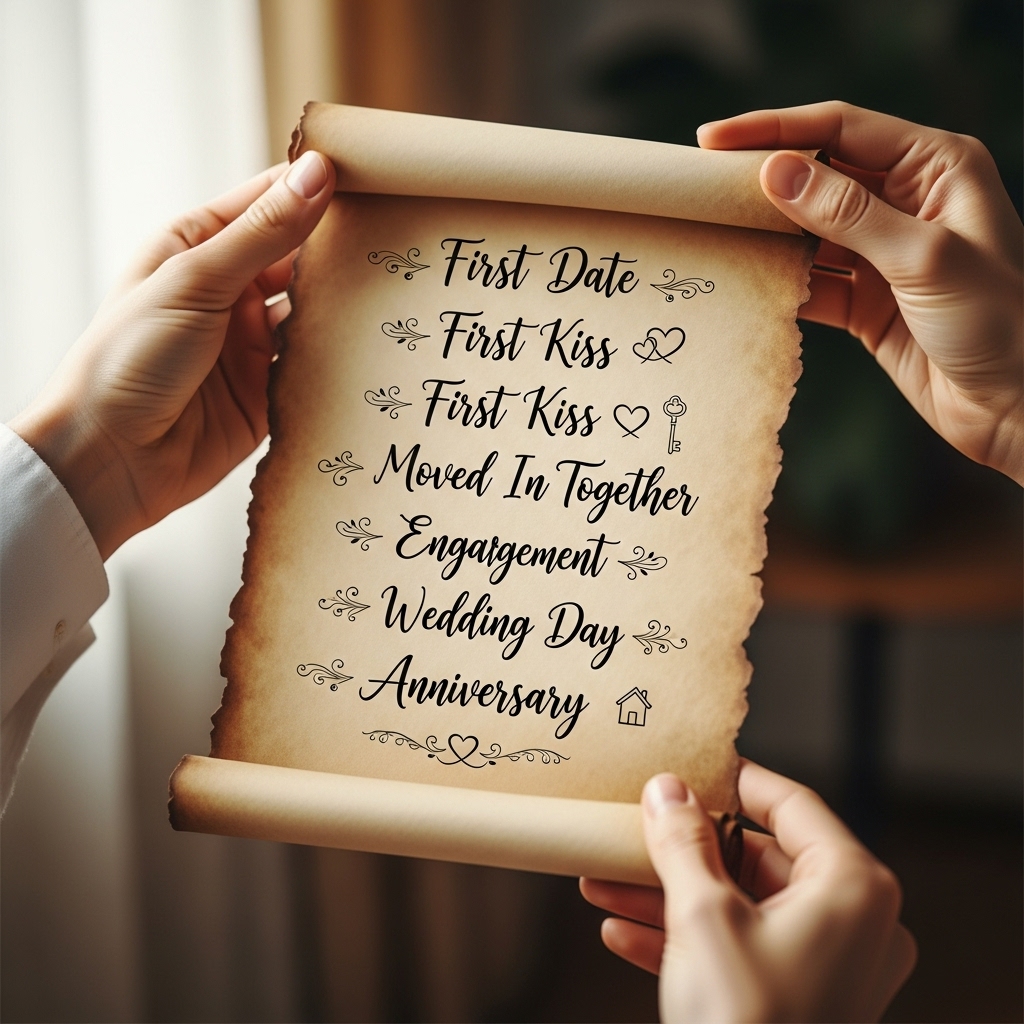
Create an annual “relationship resume” highlighting:
- Challenges you’ve overcome (job loss, parenting struggles)
- Inside jokes that define your humor
- How your love languages have changed
One couple I worked with framed theirs alongside wedding photos—a powerful reminder of growth beyond the wedding day.
When to Seek Support
If you’re experiencing:
- Persistent resentment
- Lack of physical/emotional connection for 6+ months
- Feeling more like roommates than partners
Consider couples therapy not as failure, but as relationship fitness training. The Gottman Institute’s research shows even happy couples benefit from tune-ups.

