
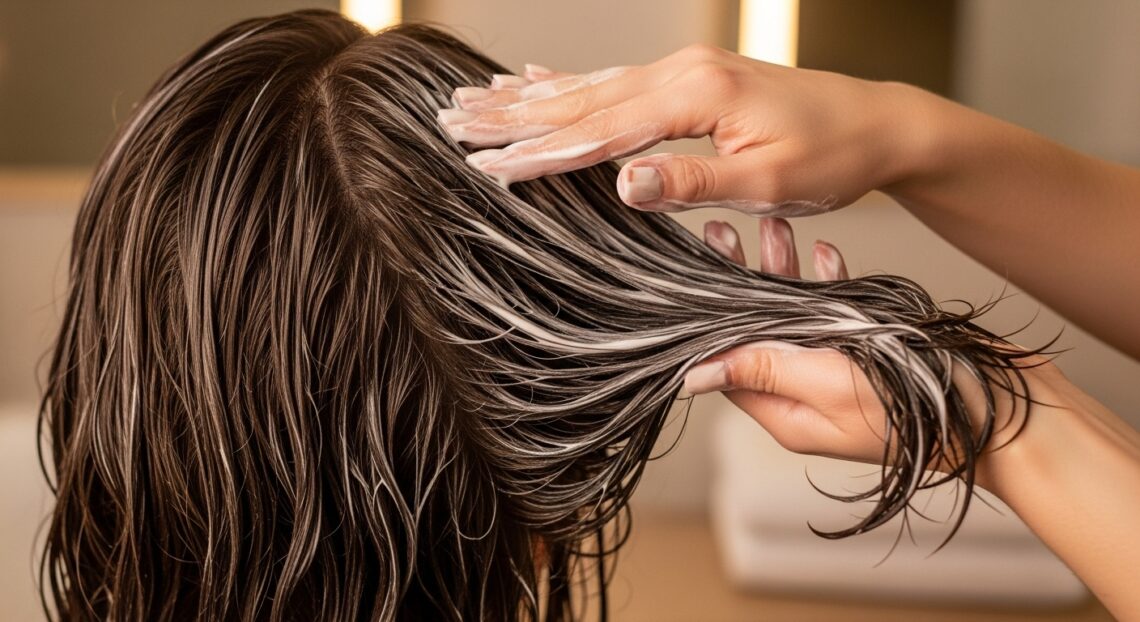
We’ve all been there—split ends, frizz, and brittle strands that make us want to grab the scissors and start fresh. But before you take the plunge and chop it all off, know this: damaged hair can often be repaired with the right care. Whether your hair has suffered from heat styling, chemical treatments, or environmental stress, there are ways to nurse it back to health without sacrificing length.
In this guide, we’ll explore proven methods to restore your hair’s vitality, from deep conditioning treatments to protective styling techniques. Say goodbye to breakage and hello to luscious, healthy locks—no haircut required!
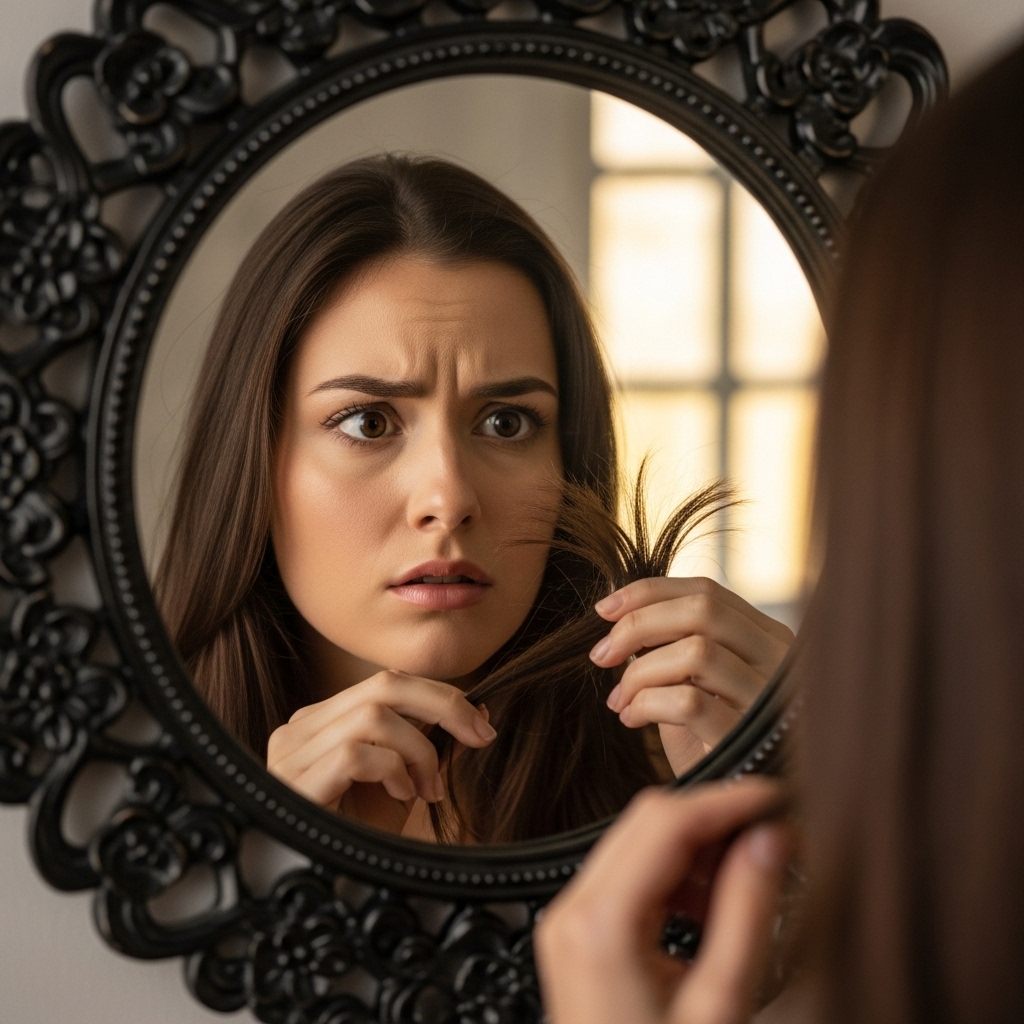
Understanding Hair Damage: What Causes It?
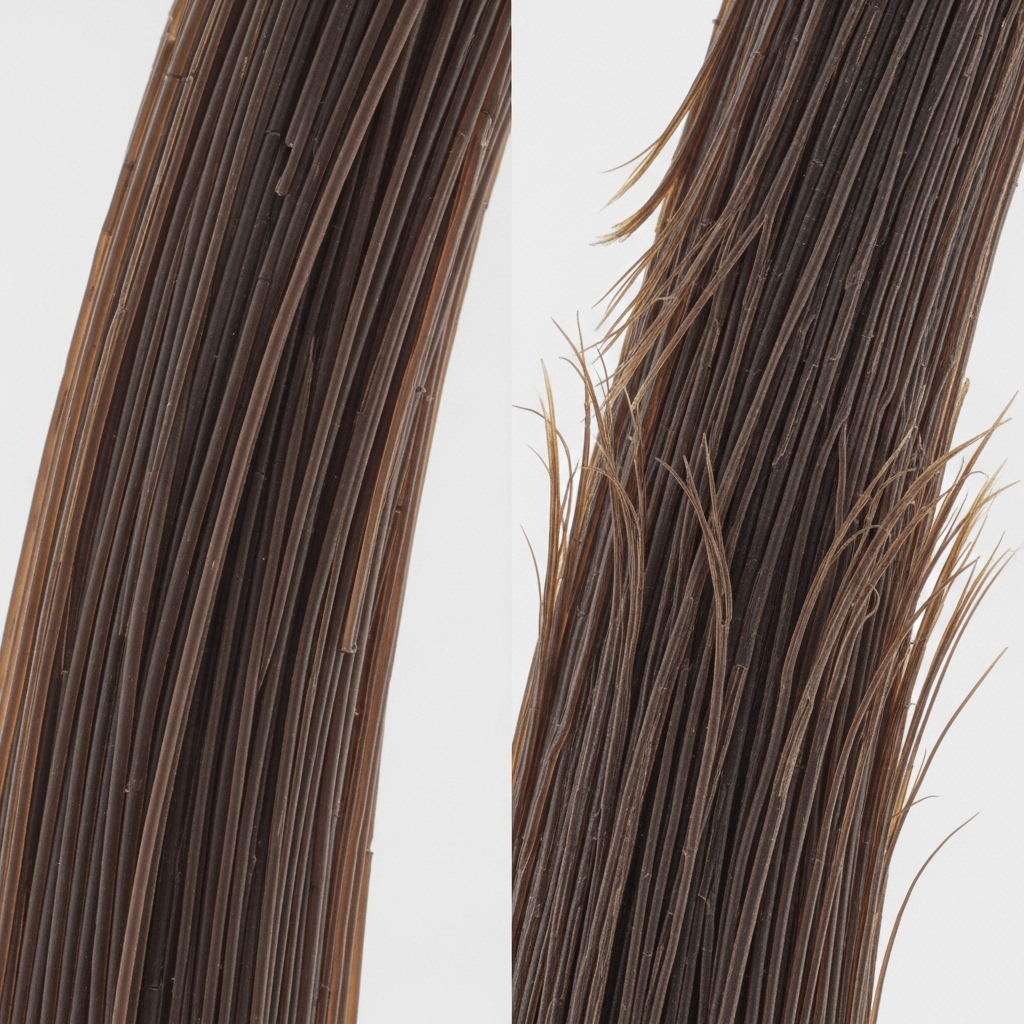
Before diving into solutions, it’s essential to understand what causes hair damage in the first place. Hair damage occurs when the protective outer layer of your hair, called the cuticle, becomes weakened or stripped away. This exposes the inner layers, leading to dryness, breakage, and split ends.
Common culprits include:
- Heat styling: Excessive use of flat irons, curling wands, and blow dryers can dehydrate hair.
- Chemical treatments: Coloring, perming, and relaxing weaken hair structure.
- Environmental factors: Sun exposure, chlorine, and pollution contribute to damage.
- Poor hair care habits: Rough brushing, tight hairstyles, and harsh shampoos can worsen breakage.
By identifying the root cause of your hair’s distress, you can tailor your repair routine for maximum effectiveness.
Step 1: Switch to a Gentle Hair Care Routine
The first step in repairing damaged hair is to stop further damage. Swap out harsh products and habits for gentler alternatives:
- Use sulfate-free shampoos: Sulfates strip natural oils, leaving hair dry. Opt for moisturizing formulas.
- Wash less frequently: Overwashing can deplete your hair’s natural moisture. Aim for 2-3 times a week.
- Pat dry, don’t rub: Rough towel drying causes friction. Use a microfiber towel or an old cotton T-shirt instead.
- Detangle with care: Start from the ends and work your way up to minimize breakage.
Small changes in your daily routine can make a big difference in preventing additional harm.

Step 2: Deep Condition Regularly
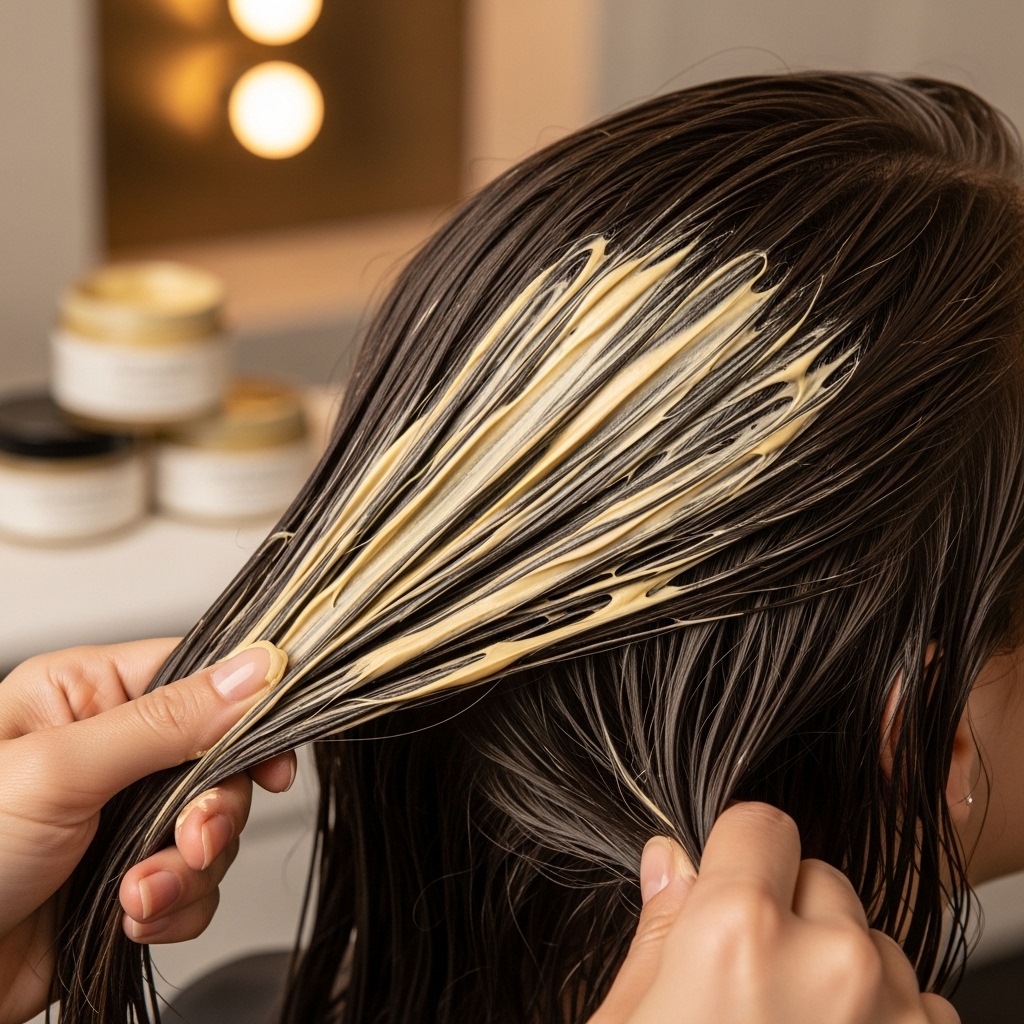
Damaged hair craves moisture, and deep conditioning treatments are your best friend. Look for products containing:
- Keratin: Repairs protein loss and strengthens strands.
- Argan oil: Adds shine and softness.
- Shea butter: Locks in moisture and reduces frizz.
For an intensive treatment, apply a deep conditioner once a week, cover your hair with a shower cap, and let it sit for 20-30 minutes before rinsing. For extra hydration, try an overnight mask with coconut oil.
Step 3: Minimize Heat Styling
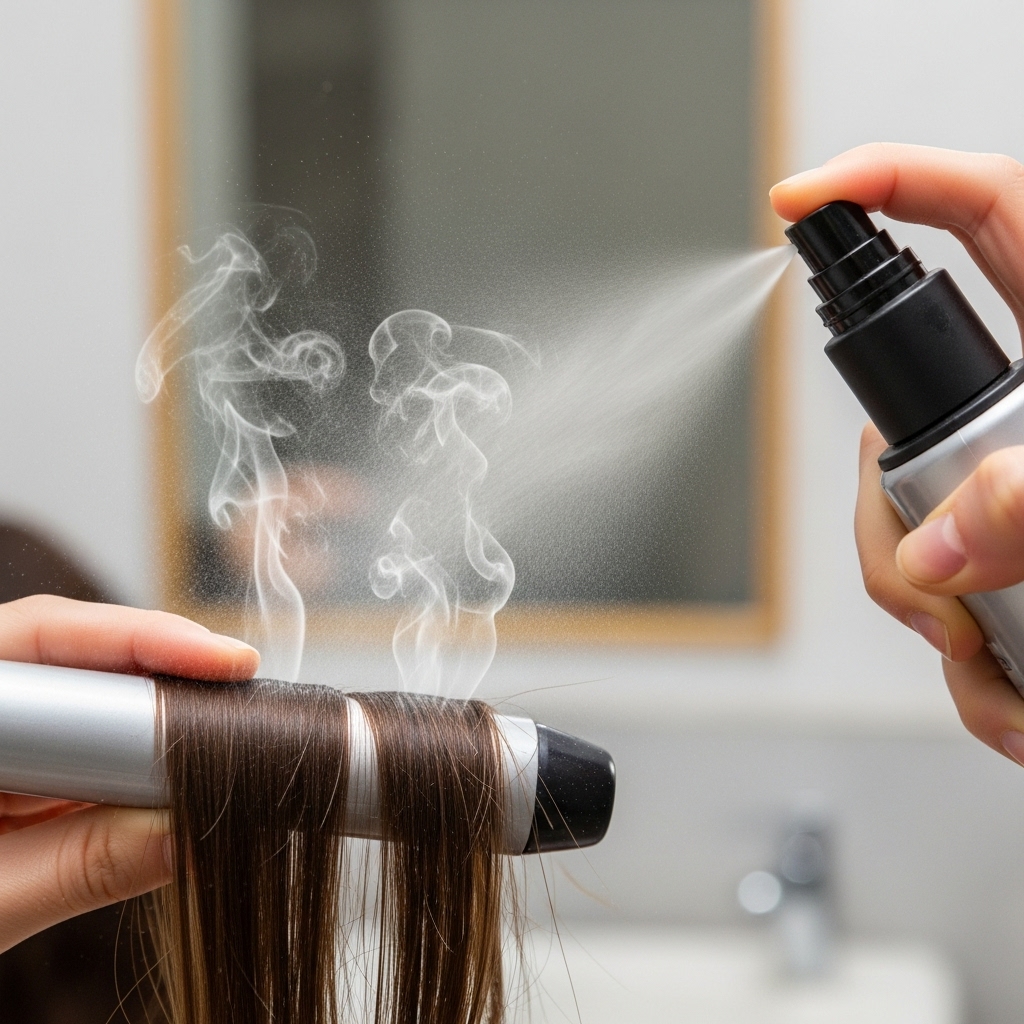
If you can’t avoid heat tools entirely, follow these tips to reduce damage:
- Always use a heat protectant: This creates a barrier between your hair and high temperatures.
- Lower the temperature: Keep styling tools below 350°F (177°C) to prevent excessive drying.
- Embrace air-drying: Let your hair dry naturally whenever possible.
- Try heatless styles: Braids, buns, and silk wraps can create beautiful looks without heat.
Your hair will thank you for the break!
Step 4: Trim Strategically (Not All Off!)
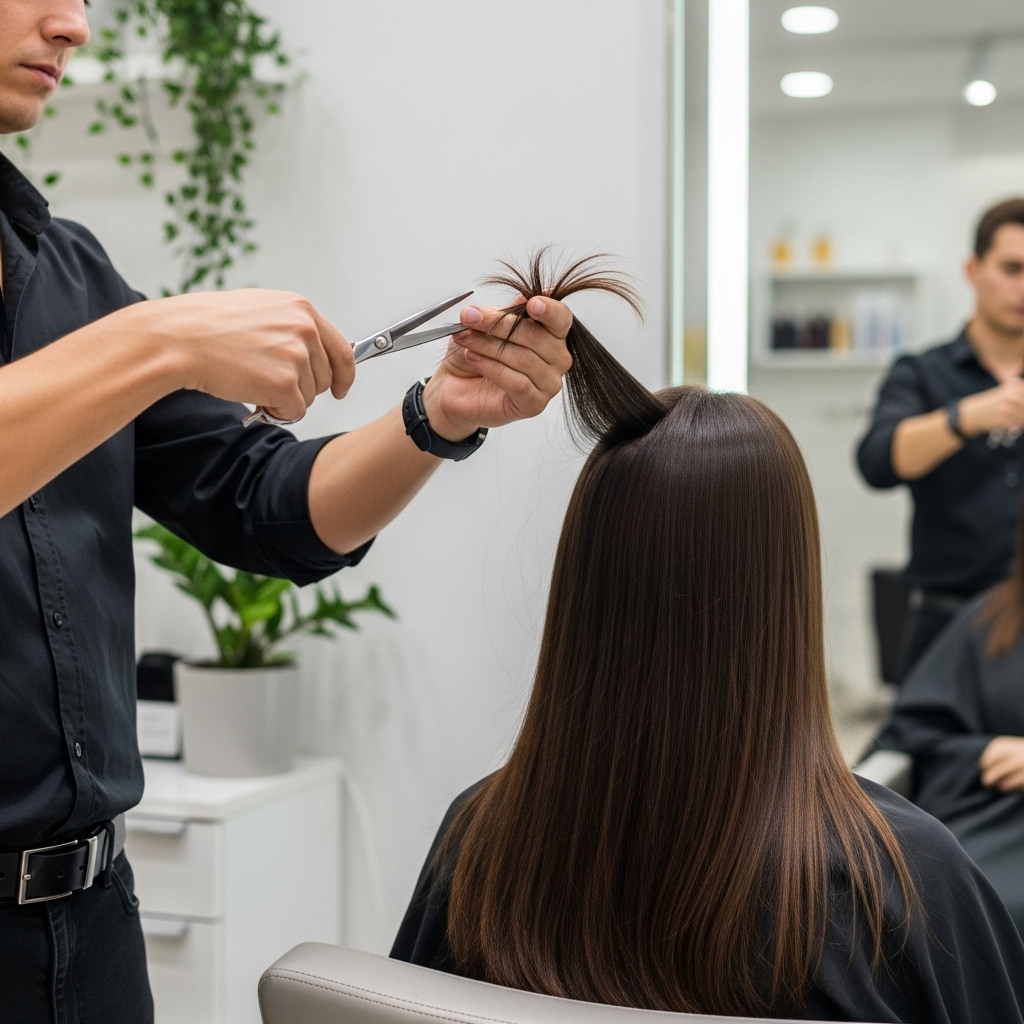
While the goal is to avoid major cuts, small, strategic trims can prevent split ends from traveling up the hair shaft. Ask your stylist for a “dusting” trim—just enough to remove damaged ends without losing length.
Schedule trims every 8-12 weeks to maintain healthy ends while your hair continues to grow.
Step 5: Protect Hair While You Sleep
Nighttime friction can worsen damage. Protect your hair with these bedtime habits:
- Sleep on a silk pillowcase: Reduces friction and prevents breakage.
- Loose braids or a pineapple ponytail: Keeps hair secure without tension.
- Apply a lightweight oil: A drop of jojoba oil on ends keeps them hydrated overnight.
Your hair will look smoother and healthier in the morning.

Bonus: DIY Remedies for Damaged Hair
For a natural approach, try these at-home treatments:
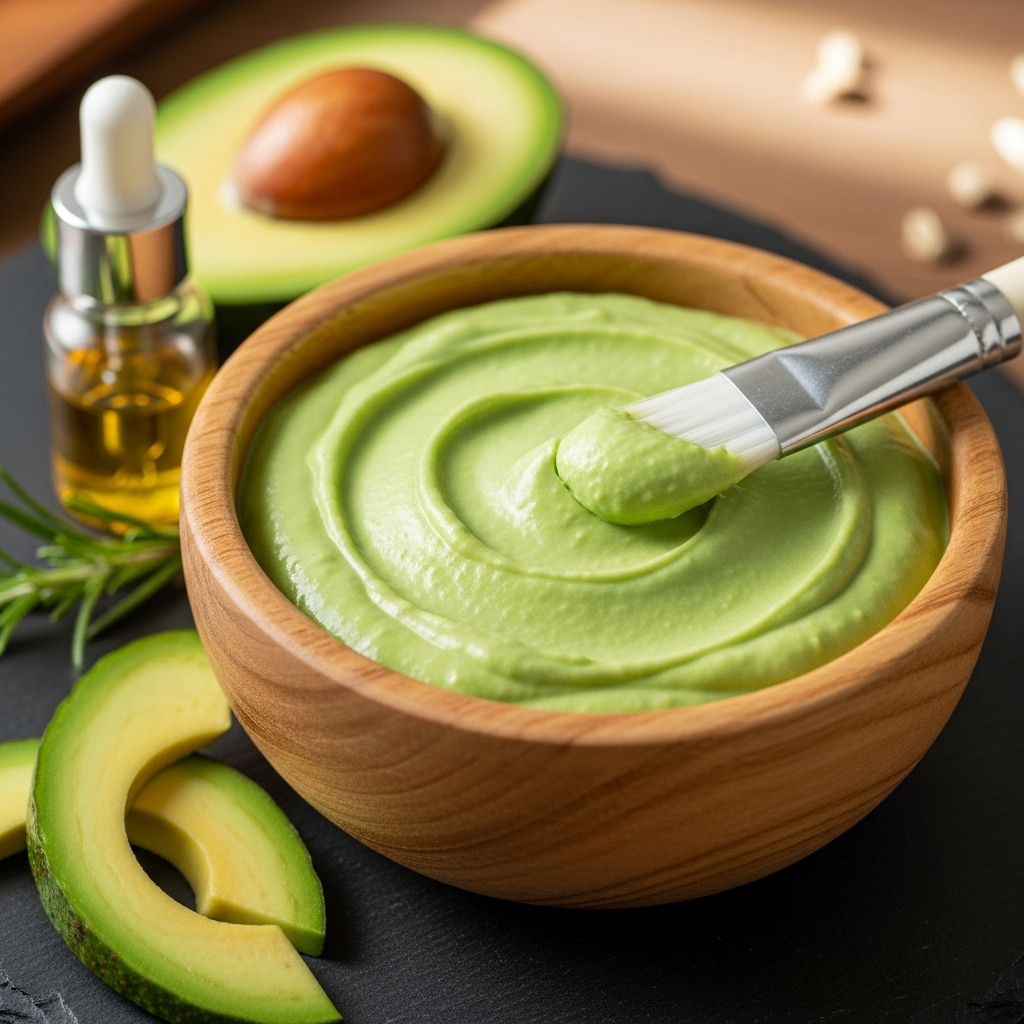
- Avocado & honey mask: Mash one ripe avocado with 2 tbsp honey for deep hydration.
- Apple cider vinegar rinse: Mix 1 part vinegar with 3 parts water to restore pH balance.
- Egg yolk treatment: Rich in protein, egg yolks can temporarily strengthen weak strands.
Use these once a week for noticeable improvements in texture and shine.
Final Thoughts: Patience Is Key
Repairing damaged hair is a marathon, not a sprint. Consistency with your new routine will yield the best results over time. Avoid quick fixes that promise miracles—healthy hair grows from dedicated care.
By following these steps, you can revive your hair’s strength, shine, and elasticity without reaching for the scissors. Remember: every strand is worth the effort!

