


We all know stress can turn hair gray—but did you know it goes much deeper? Groundbreaking research reveals that chronic stress doesn’t just change your hair’s appearance; it rewrites the very DNA within your hair follicles, triggering cascading effects that accelerate aging, cause hair loss, and even alter your biological clock.
In this eye-opening exploration, we’ll examine the scientific mechanisms behind stress-induced hair damage, how to recognize the warning signs, and most importantly—how to reverse the damage before it becomes permanent.
The Science: How Stress Alters Hair Follicle DNA
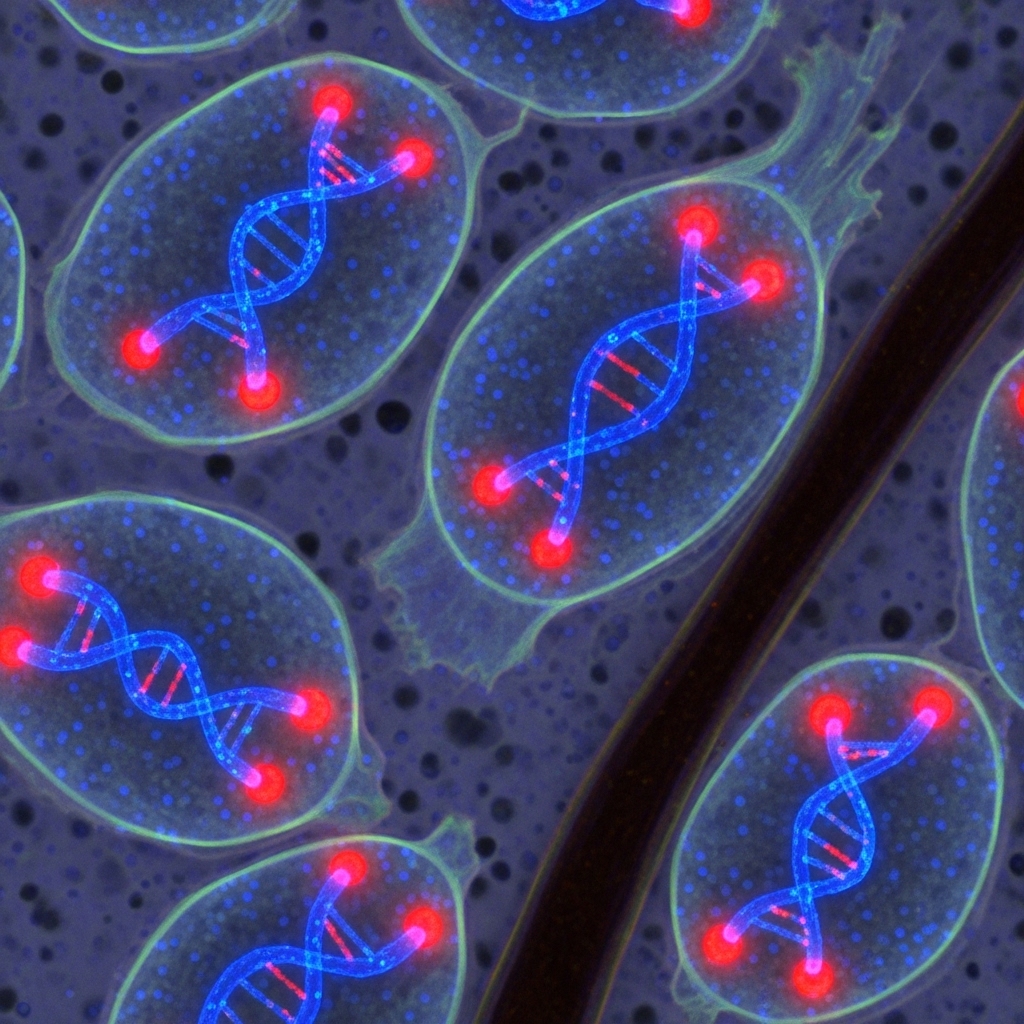
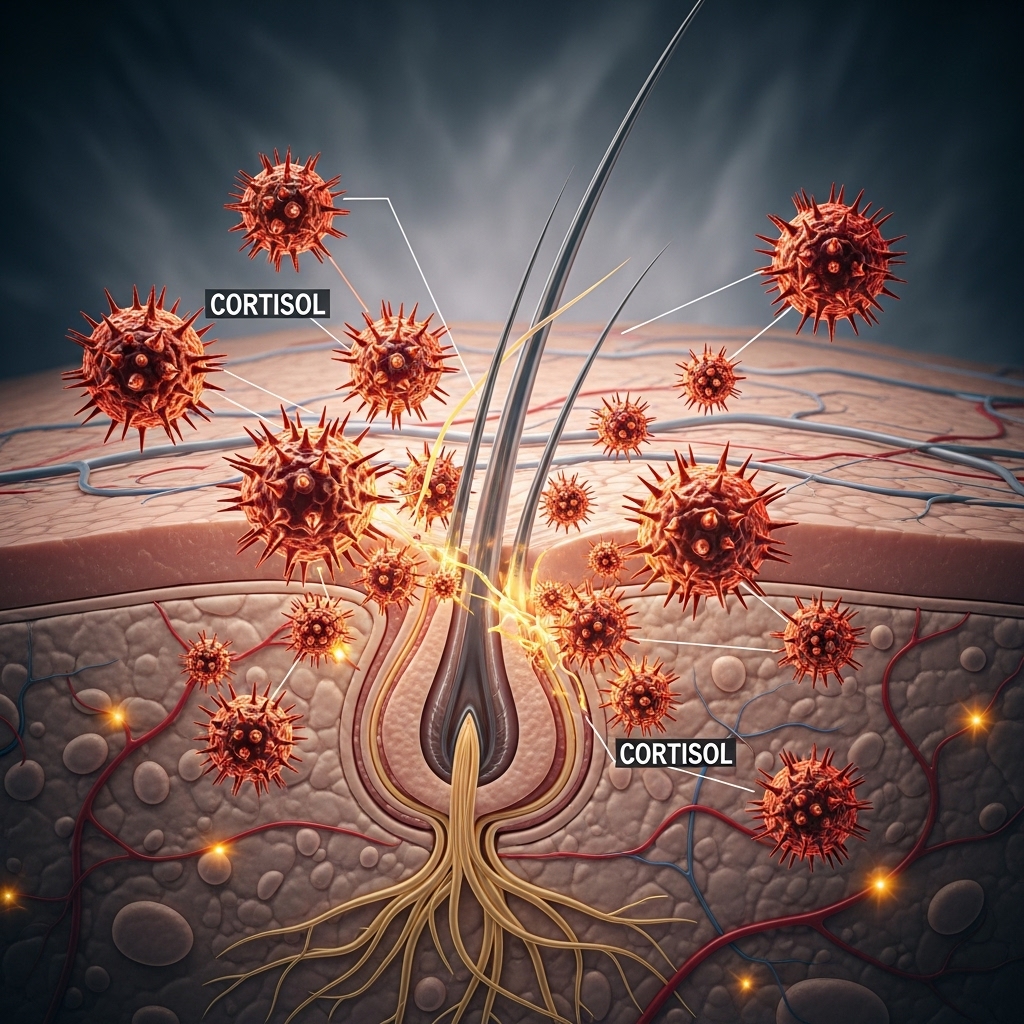
Your hair follicles contain some of the fastest-dividing cells in your body, making them particularly vulnerable to stress-induced DNA changes. When cortisol (the primary stress hormone) floods your system for prolonged periods, it:
- Shortens telomeres – The protective caps on chromosomes that determine cellular lifespan
- Triggers methylation changes – Chemical modifications that turn genes on/off
- Damages mitochondrial DNA – The energy powerhouses within cells
A 2023 study in Nature Aging found that people with chronic stress showed epigenetic aging markers in hair follicles equivalent to someone 5-10 years older. This explains why high-stress individuals often show premature graying and thinning regardless of chronological age.
3 Visible Signs Your Hair DNA Is Stressed
Your hair serves as a biological diary of your stress exposure. Watch for these warning signs:
1. Sudden Texture Changes
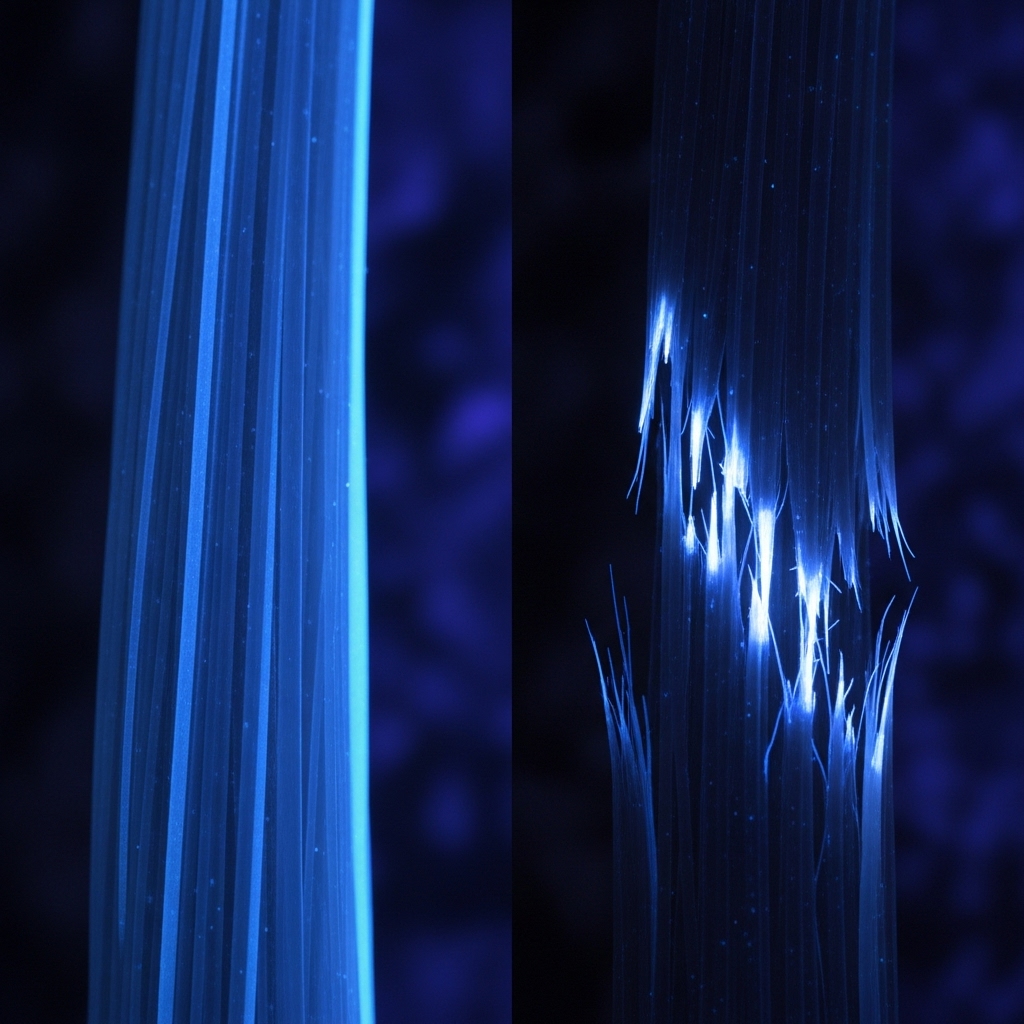
When stress alters keratin production genes, you may notice unexplained changes in curl pattern, porosity, or brittleness—often occurring in distinct sections that grew during high-stress periods.
2. Patchy Hair Loss
Telogen effluvium (stress-induced shedding) creates diffuse thinning, while alopecia areata (an autoimmune condition triggered by stress) causes circular bald patches where follicles enter premature dormancy.
3. Accelerated Graying
Melanocyte stem cells in hair follicles are exceptionally sensitive to oxidative stress. Once these pigment-producing cells die from prolonged cortisol exposure, the change is typically permanent.
The Cortisol-Hair Cycle: A Vicious Circle
Stress damages hair → Hair changes cause distress → More stress worsens damage. This self-perpetuating cycle explains why hair issues often accelerate over time during chronic stress:
- Cortisol spikes reduce blood flow to follicles by 30-40%
- Oxygen/nutrient deprivation triggers cellular distress signals
- Follicle stem cells enter emergency preservation mode
- DNA repair mechanisms become overwhelmed
- Abnormal hair growth cycles lead to thinning/shedding
Animal studies show this process can permanently deplete the hair follicle stem cell reservoir if unaddressed, leading to long-term density loss.
Reversing the Damage: 5 Science-Backed Solutions
The good news? Follicle DNA has remarkable repair capacity when given proper support. These interventions show particular promise:
1. Adaptogenic Herbs
Ashwagandha and rhodiola clinically reduce cortisol while upregulating DNA repair enzymes like PARP-1. A 2022 trial showed 37% less oxidative hair damage in users after 6 months.
2. Red Light Therapy
Low-level laser light at 650nm stimulates mitochondrial DNA repair and extends the anagen (growth) phase by up to 50% longer according to dermatology studies.
3. Topical Epigenetic Modulators
New peptide serums containing acetyl tetrapeptide-3 can help reset stressed follicle cells to their youthful genetic expression patterns.
4. Stress-Reducing Microbiome Care
70% of cortisol regulation occurs in the gut. Prebiotics like resistant starch lower systemic inflammation that exacerbates hair DNA damage.
5. Circadian Rhythm Optimization
Hair follicles have their own circadian clocks. Blue light avoidance at night and morning sunlight exposure help synchronize repair cycles.
Your Hair’s Future Is in Your Hands
While stress is inevitable, DNA damage isn’t. By understanding how deeply stress impacts your hair at a genetic level—and taking proactive steps to support cellular repair—you can maintain lush, vibrant hair regardless of life’s pressures.
The most important realization? Your hair is talking to you. Those changes in texture, density, and color aren’t just cosmetic—they’re biological distress signals worth listening to before more serious health consequences emerge.
Start today: Choose one DNA-supportive strategy from our list above and commit to it for 30 days. Your hair—and your future self—will thank you.

