
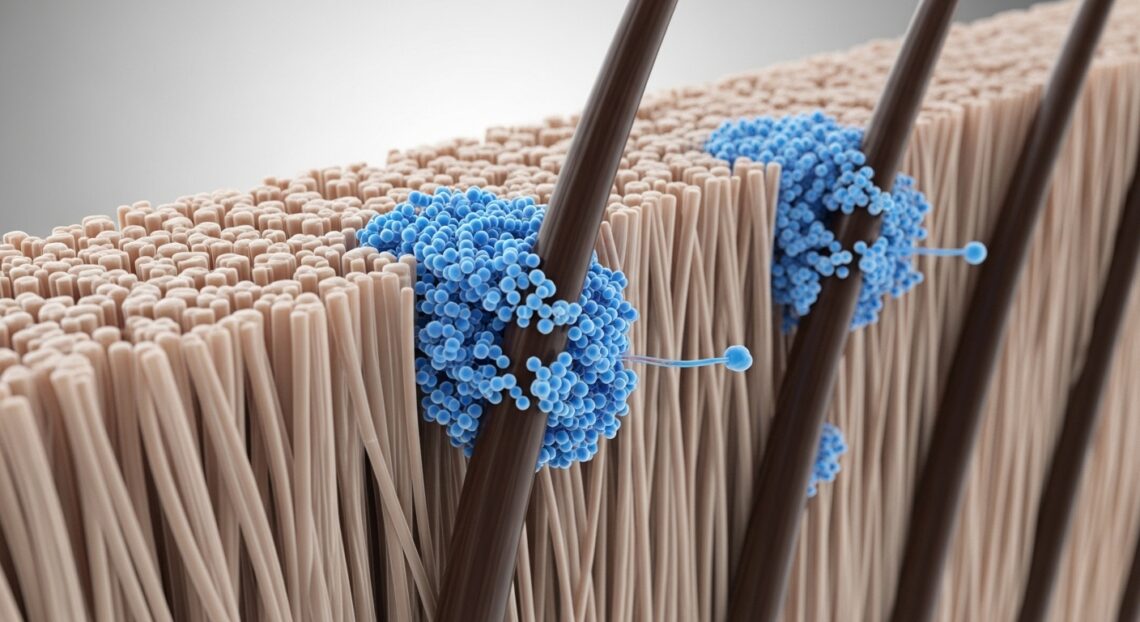
For centuries, the quest for strong, shiny, and resilient hair has driven an entire industry. We’ve tried everything from ancient Egyptian castor oil treatments to modern chemical serums, yet split ends, breakage, and damage from heat and environment remain a universal frustration. But what if the solution wasn’t found in a new plant extract or a stronger chemical, but in the realm of the incredibly small? What if we could rebuild and protect hair from the inside out, at a molecular level? This isn’t the plot of a sci-fi novel; it’s the reality being built today in laboratories around the world. Welcome to the frontier of hair care, where nanotechnology is poised to make the dream of indestructible hair a tangible reality.
The promise is staggering: hair that doesn’t just resist damage but actively repels it. Hair that maintains its vibrancy and strength through countless washes, styling sessions, and exposure to the elements. This is the goal of nano-engineered hair solutions, and we are closer than you might think. This blog post will delve into the fascinating science, the groundbreaking products already on the market, and the future potential of using nanotechnology to create hair that is, for all intents and purposes, indestructible.
From Split Ends to Scientific Marvel: Understanding the Problem
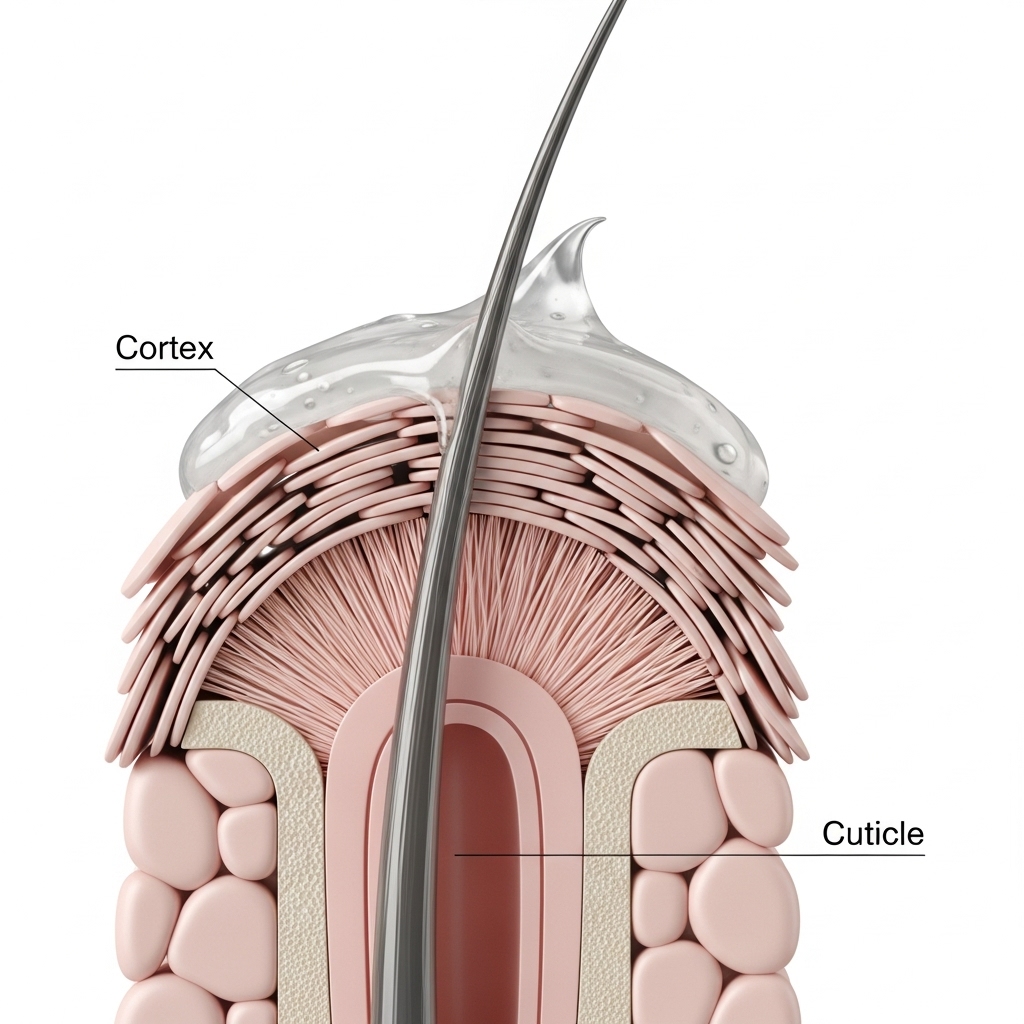
To appreciate the solution, we must first understand the problem at its core. A single strand of hair may seem simple, but it’s a complex biological structure. Its strength and shine primarily come from the cortex, which is made up of coiled proteins called keratin. These keratin chains are bound together by strong disulfide bonds and surrounded by a protective layer of scales called the cuticle. Think of the cuticle as a layer of roof shingles; when they lie flat, the hair is smooth, reflects light beautifully, and is strong. Damage occurs when these “shingles” are lifted or chipped away through brushing, heat styling, chemical processing, and UV exposure.
Once the cuticle is compromised, the inner cortex is exposed. Moisture escapes, making hair dry and brittle. The keratin proteins become damaged, leading to breakage and those dreaded split ends. Traditional conditioners and treatments work by coating the hair shaft temporarily, smoothing down the cuticle and providing a superficial layer of protection. They are a temporary fix, washed away with the next shampoo, and they do nothing to repair the underlying structural damage. This is where conventional hair care hits its ceiling. Nanotechnology, however, smashes through that ceiling.
What Exactly is Nanotechnology in Hair Care?
Nanotechnology involves manipulating matter on an atomic and molecular scale. A nanometer is one-billionth of a meter; to put that in perspective, a human hair strand is about 80,000 to 100,000 nanometers wide. Working at this scale allows scientists to create particles and delivery systems so small they can interact with the very building blocks of the hair shaft itself.
In the context of hair care, nanotechnology isn’t about one single thing. It’s a toolkit of revolutionary approaches:
Nano-carriers: These are tiny, engineered vessels (like liposomes or polymer nanoparticles) designed to carry active ingredients—vitamins, proteins, oils—deep into the hair shaft where traditional molecules are too large to go.
Nano-repair particles: These are functional nanoparticles that can physically bind to damaged areas of the hair, filling in cracks and gaps in the cuticle and cortex, effectively acting as molecular spackle.
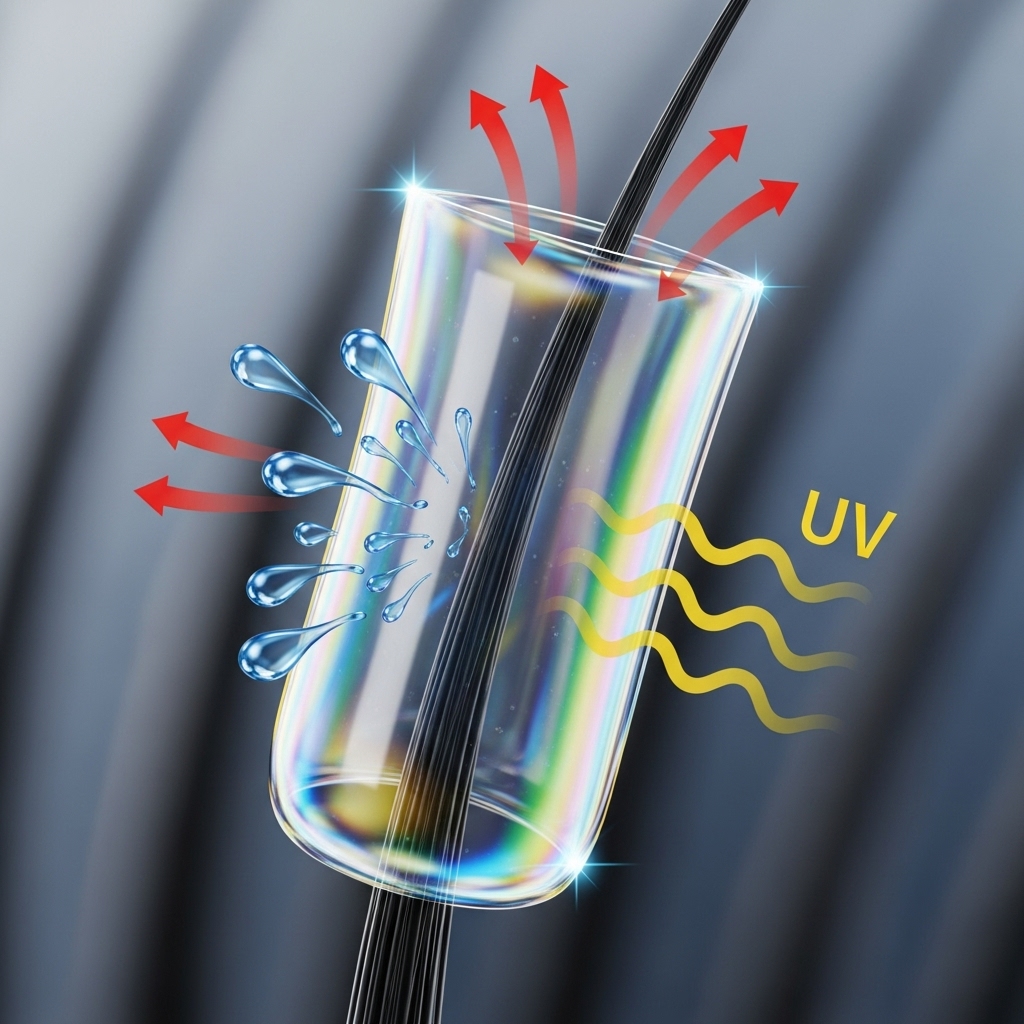
Nano-coatings: Ultra-thin, durable films that wrap each hair strand, providing a flexible, invisible shield against heat, water, humidity, and UV radiation without weighing the hair down.
This shift from coating to repairing and reinforcing is the fundamental revolution. It’s the difference between putting a bandage on a wound and sending in microscopic robots to rebuild the damaged tissue.
The Science of Strength: How Nano-Particles Reinforce Hair
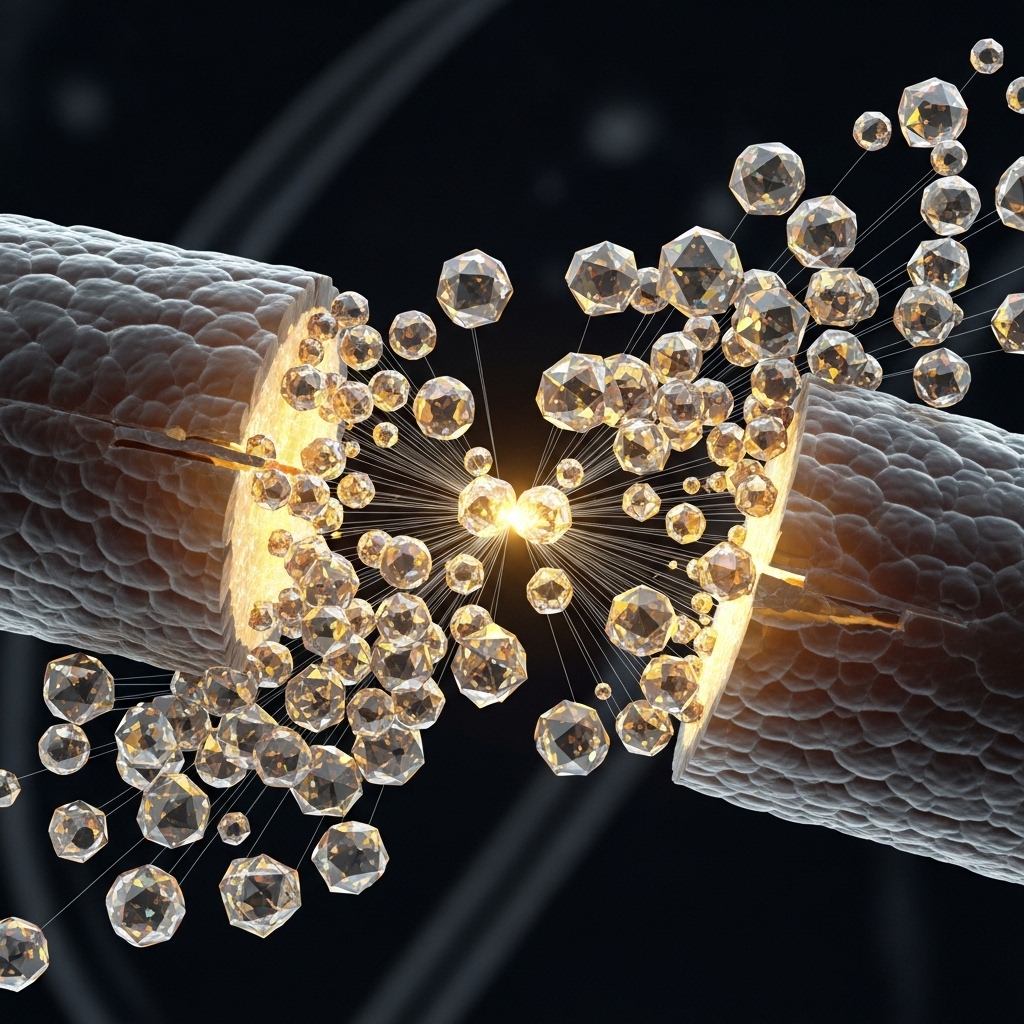
So, how do these tiny particles actually make hair stronger? The process is as ingenious as it is precise. One of the most promising technologies involves keratin-derived nanoparticles. Scientists can break down keratin proteins into nano-sized fragments. Because these fragments are so small and are essentially the same material as the hair itself, they can penetrate the hair shaft through the gaps in the damaged cuticle.
Once inside, they navigate to areas where the hair’s natural keratin structure has been weakened. There, they form new cross-links with the existing proteins, essentially rebuilding the hair’s internal scaffolding. This isn’t a coating; it’s a molecular integration. The result is a significant increase in the hair’s tensile strength and elasticity, meaning it can withstand much more force and stretching before it breaks. Studies using electron microscopes have visually confirmed these nanoparticles residing within the cortex, providing undeniable proof of their reparative action.
Another approach uses minerals and ceramics. Nano-sized particles of materials like hydroxyapatite (a primary component of bone) or silica can be engineered to bind to the hair’s surface. These particles fill the voids between lifted cuticle scales, creating a smooth, continuous surface that drastically reduces friction between strands. This not only prevents future cuticle damage during brushing but also restores instant shine by creating a perfect light-reflecting surface.
Beyond Repair: Nano-Tech as the Ultimate Protector
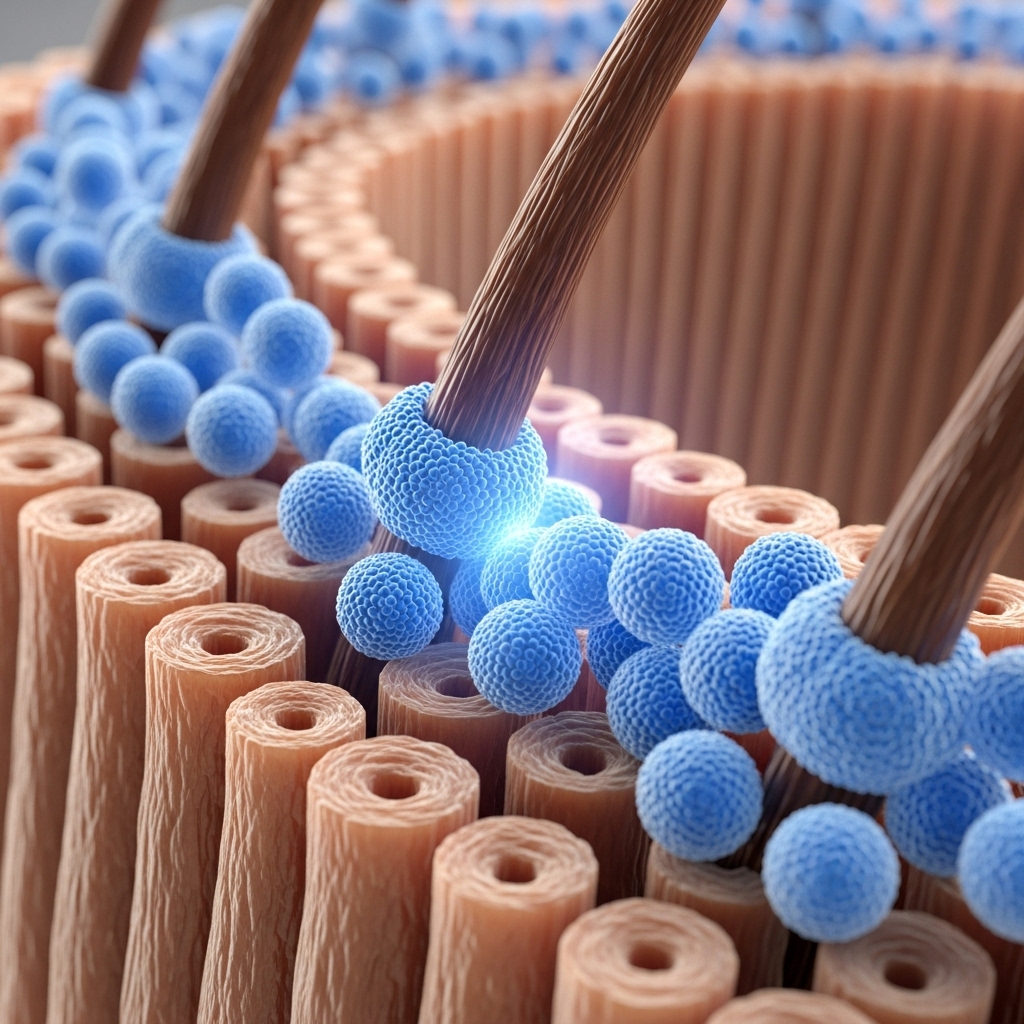
Repairing existing damage is only half the battle. The true goal of “indestructible” hair is to prevent damage from happening in the first place. This is where nano-tech coatings truly shine. Researchers have developed smart polymeric membranes that form an incredibly thin, conformal layer around each hair strand.
This nano-shield is multifunctional. It can be designed to be hydrophobic, repelling water to prevent hygral fatigue (the swelling and drying that damages hair with every wash). It can be thermally resistant, dissipating heat from styling tools evenly to prevent localized scorching. Most impressively, it can contain nano-sized UV filters like zinc oxide or titanium dioxide. Unlike the bulky, white lotions of beach sunscreen, these nano-filters are clear and lightweight, providing powerful protection against the sun’s degrading rays without any aesthetic downside.
Imagine a force field for your hair—one that is invisible, weightless, and durable enough to survive multiple washes. This technology effectively decouples styling from damage. You could blow-dry, curl, and color your hair with drastically reduced consequences, finally achieving the style you want without sacrificing the health of your hair.
The Future is Now: Nano-Infused Products on the Market
This isn’t just lab-talk for the distant future. The first wave of nano-infused hair products is already here, offering a glimpse of what’s to come. Several high-end professional and consumer brands have launched lines featuring “nano-keratin,” “molecular repair complexes,” or “energy capsules.”
These products, often found in intensive repair masks, leave-in conditioners, and heat protectant sprays, represent a significant leap over their predecessors. Users report noticeable differences: hair that feels stronger, detangles with unbelievable ease due to reduced friction, and maintains its style and shine for longer periods even in humid conditions. The key is to look for brands that are transparent about their technology and can explain the mechanism of action beyond marketing buzzwords. The presence of ingredients like hydrolyzed keratin (especially if specified as low molecular weight), amino acids, and certain polymers often indicates a nano-tech approach.
Ethical Considerations and The Road Ahead
As with any powerful new technology, the rise of nanotechnology in cosmetics brings important questions. Safety is paramount. The incredibly small size of these particles is what makes them effective, but it also raises questions about potential penetration into the skin on the scalp. Rigorous testing is required to ensure these particles are safe for topical use and do not cause unintended biological reactions. Regulatory bodies like the FDA are continually updating their guidelines to address these novel ingredients.
Looking forward, the potential is boundless. We are moving towards personalized nano-care, where products could be tailored to the specific protein structure and damage profile of an individual’s hair. We could see stimuli-responsive nanoparticles that release healing ingredients only when they sense damage, like a microscopic first-a kit activated by heat or mechanical stress. The line between hair care and biomaterial engineering is blurring, and the outcome will be hair that is healthier, stronger, and more resilient than ever before thought possible.
The dream of indestructible hair is being woven, one nanometer at a time. It’s a fusion of biology, chemistry, and engineering that promises to transform a daily chore into a session of advanced maintenance and a bad hair day into a relic of the past. The future of hair care is small, and it’s incredibly powerful.

