
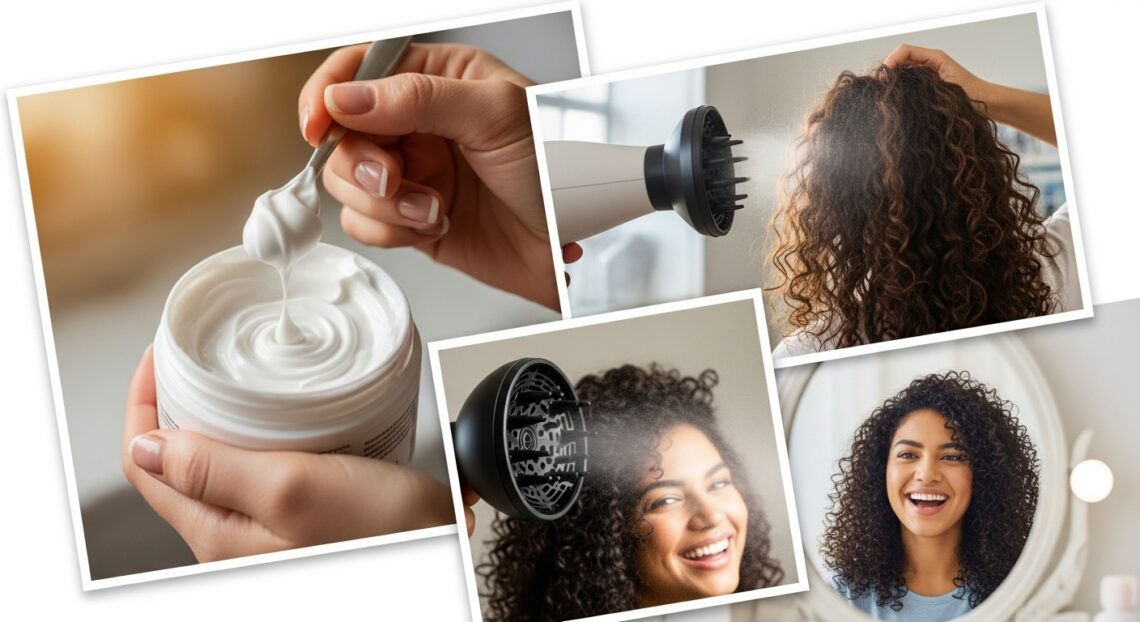
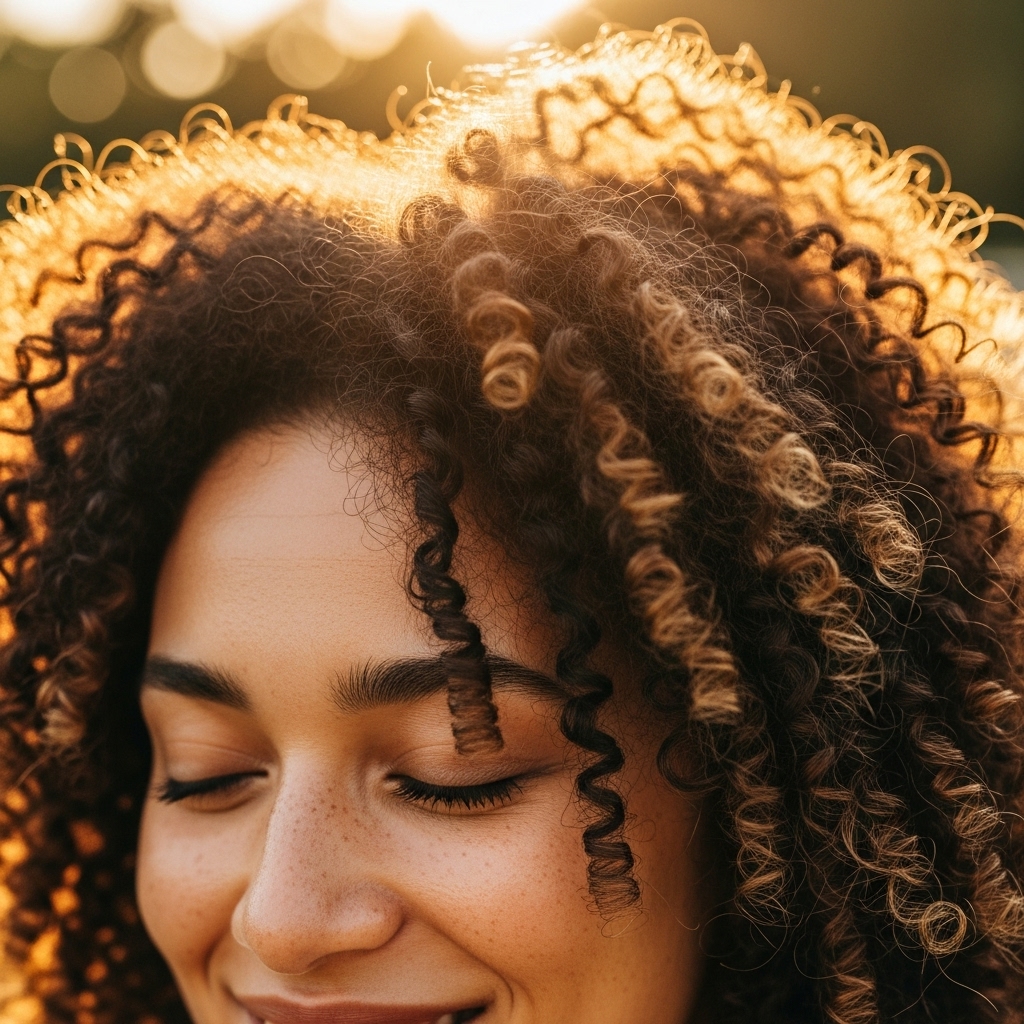
For years, I struggled with my hair. Not because it was unruly or difficult to manage—though sometimes it was—but because it didn’t fit the mold of what I thought beauty should look like. Growing up, I straightened, relaxed, and tucked away my natural curls, believing they were something to be fixed rather than celebrated. It wasn’t until much later that I realized my hair wasn’t just strands on my head; it was a reflection of my identity, my heritage, and my journey toward self-acceptance.
This is the story of how my hair texture taught me about identity—about embracing who I am, where I come from, and the beauty in standing out.
The Early Years: Fighting Against My Roots
As a child, I remember sitting between my mother’s knees as she combed through my thick, coily hair, her hands working diligently to tame what felt like a wild beast. “Hold still,” she’d say, as I winced at the tugging. Back then, straight hair was the standard—the easier, the better. I envied friends whose hair fell smoothly down their backs, while mine seemed to have a mind of its own.
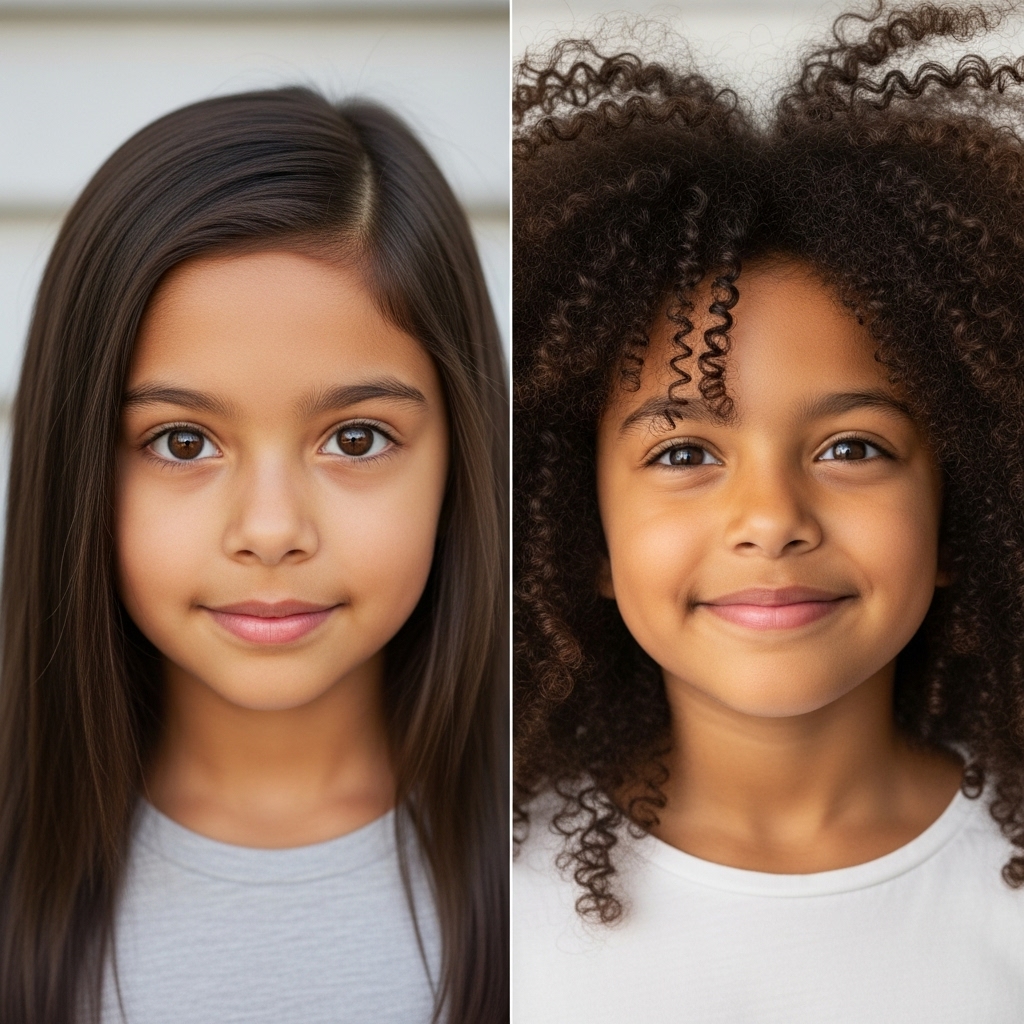
By the time I reached middle school, I was begging for relaxers. The chemical process promised sleek, manageable hair, and for a while, it delivered. But it also delivered something else: a disconnect. My hair was straighter, yes, but it didn’t feel like mine. It was thinner, weaker, and devoid of the volume and life that once defined it.
The Awakening: Learning to Love My Natural Texture
The turning point came in college. Surrounded by a more diverse group of people, I began seeing women who wore their natural hair with pride—curly, coily, kinky, and everything in between. For the first time, I questioned why I had spent so much time running from what grew naturally from my scalp.
I decided to “go natural.” It wasn’t easy. The transition phase was awkward—half-straightened, half-curly, and entirely frustrating. But as my natural texture grew in, so did a newfound appreciation for it. I discovered products that worked for me, techniques that enhanced rather than suppressed my curls, and most importantly, a community of people who celebrated their hair in all its forms.
My hair wasn’t just hair anymore. It was a statement. A declaration that I no longer needed to conform to someone else’s idea of beauty.

Hair as Heritage: Connecting to My Culture
As I embraced my natural texture, I began researching its origins. My curls weren’t just a random genetic trait—they were tied to my ancestry, to generations of people who wore their hair with pride long before flat irons and relaxers existed.
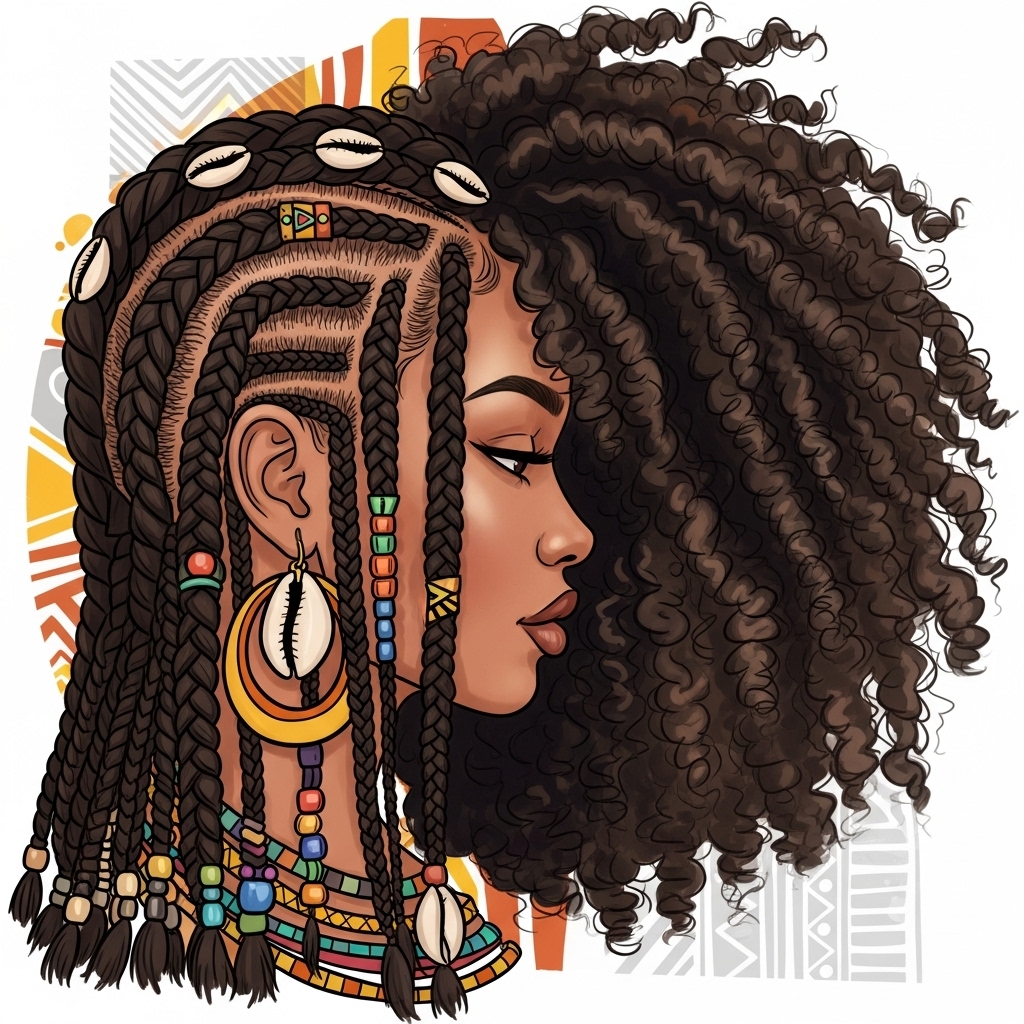
In many African cultures, hair is more than aesthetics; it’s a form of storytelling. Braids could signify marital status, social rank, or even spiritual beliefs. The more I learned, the more I realized that my hair was a living connection to my roots—one I had been taught to erase.
This realization was profound. My hair wasn’t something to be “fixed.” It was a legacy.
The Bigger Picture: Hair and Self-Identity
This journey wasn’t just about hair—it was about identity. How often do we suppress parts of ourselves to fit in? How many of us have been taught that our natural state isn’t good enough?
For me, hair was the gateway to these deeper questions. Embracing my curls meant embracing my uniqueness, my history, and my right to take up space as I am. It taught me that identity isn’t static—it’s something we uncover, challenge, and redefine over time.
Final Thoughts: A Lesson in Acceptance
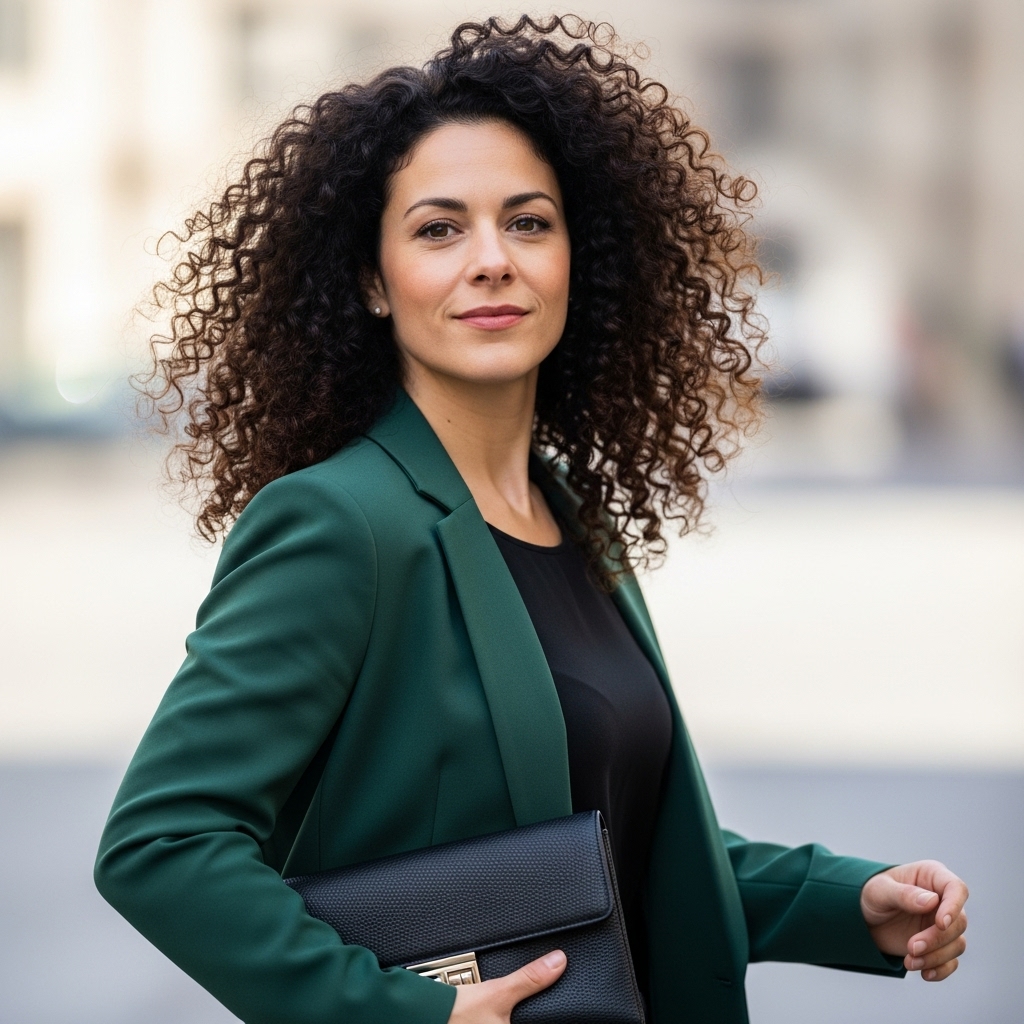
Today, my hair is a crown I wear with pride. Some days it’s wild and untamed; other days, it’s neatly styled. But every day, it’s mine—no apologies, no explanations.
If there’s one thing my hair texture has taught me, it’s this: Identity isn’t about fitting in. It’s about belonging to yourself. Whether it’s hair, skin, voice, or dreams, the parts of us that seem “different” are often the most powerful. They tell our story. And that’s something worth celebrating.

