
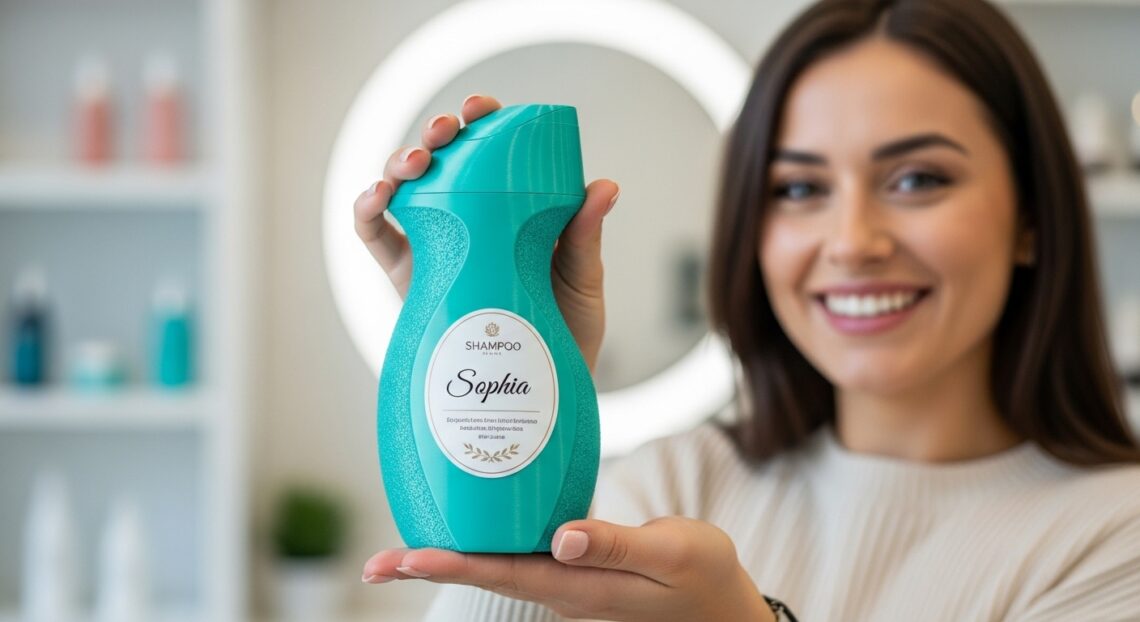
Imagine a world where your shampoo, conditioner, or even hair mask is tailored exactly to your hair type, texture, and specific concerns. Thanks to advancements in 3D printing technology, this futuristic vision is becoming a reality. The beauty industry is undergoing a transformation, and personalized hair care is at the forefront. In this blog post, we’ll explore how 3D printing is enabling bespoke hair care solutions, the benefits of customization, and what the future holds for this innovative approach.
The Rise of Personalized Hair Care
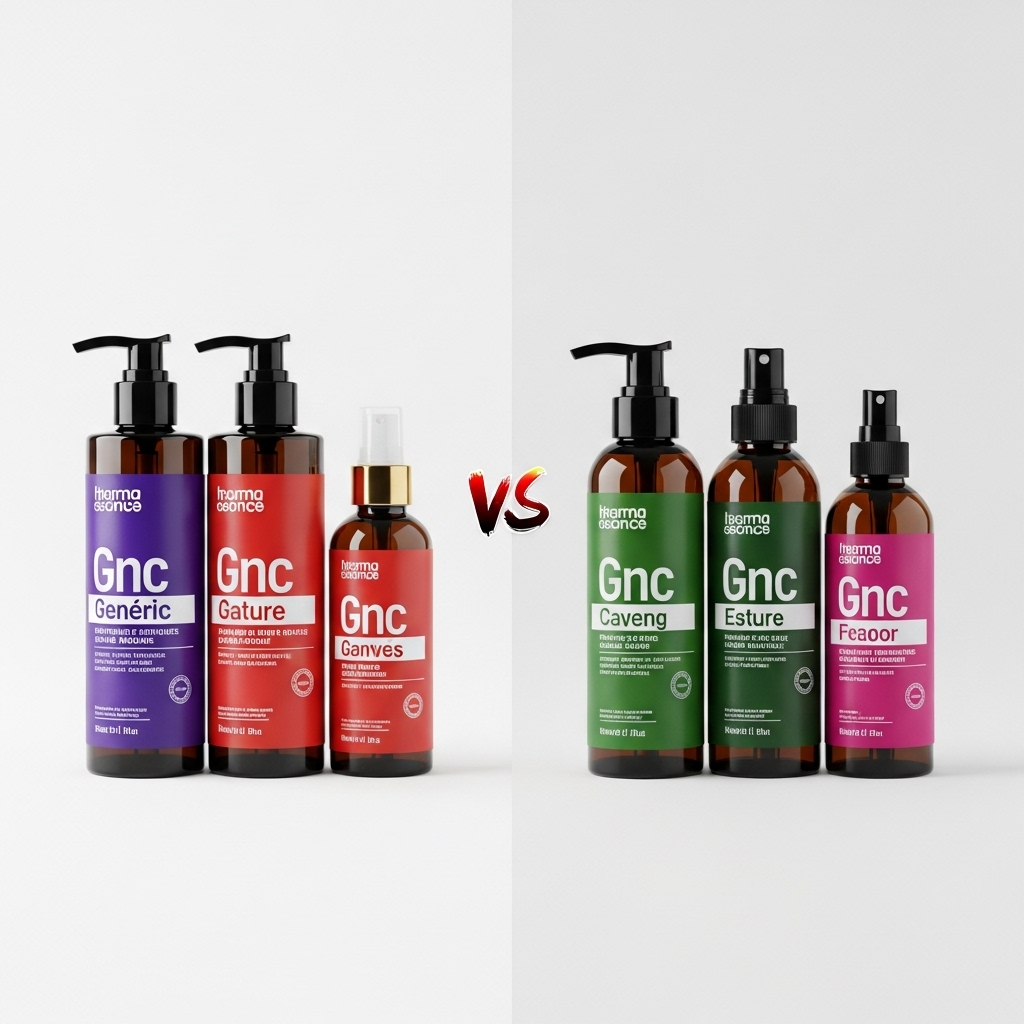
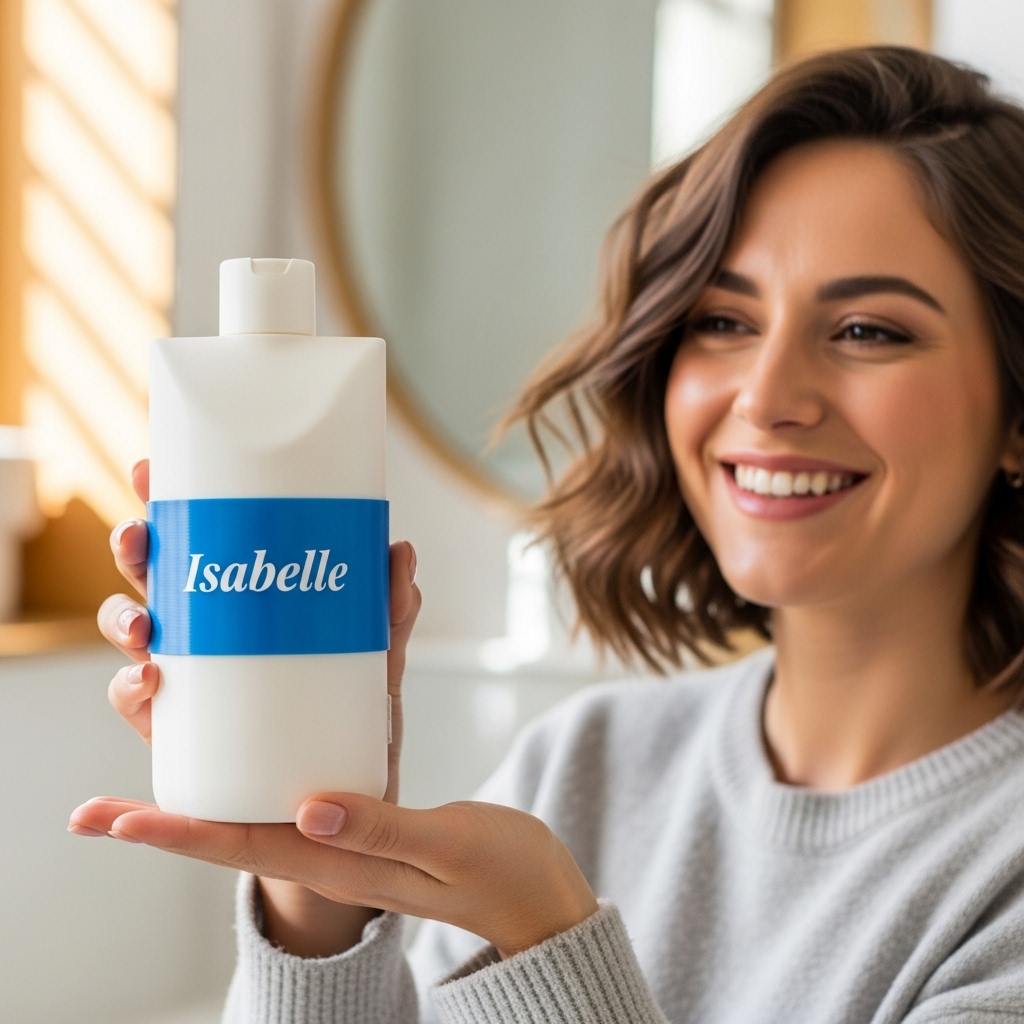
Traditional hair care products follow a one-size-fits-all approach, but every individual’s hair is unique. Factors like porosity, density, scalp health, and environmental exposure mean that a generic shampoo or conditioner may not deliver optimal results. Consumers are increasingly demanding personalized solutions, and brands are responding with innovative technologies like 3D printing.
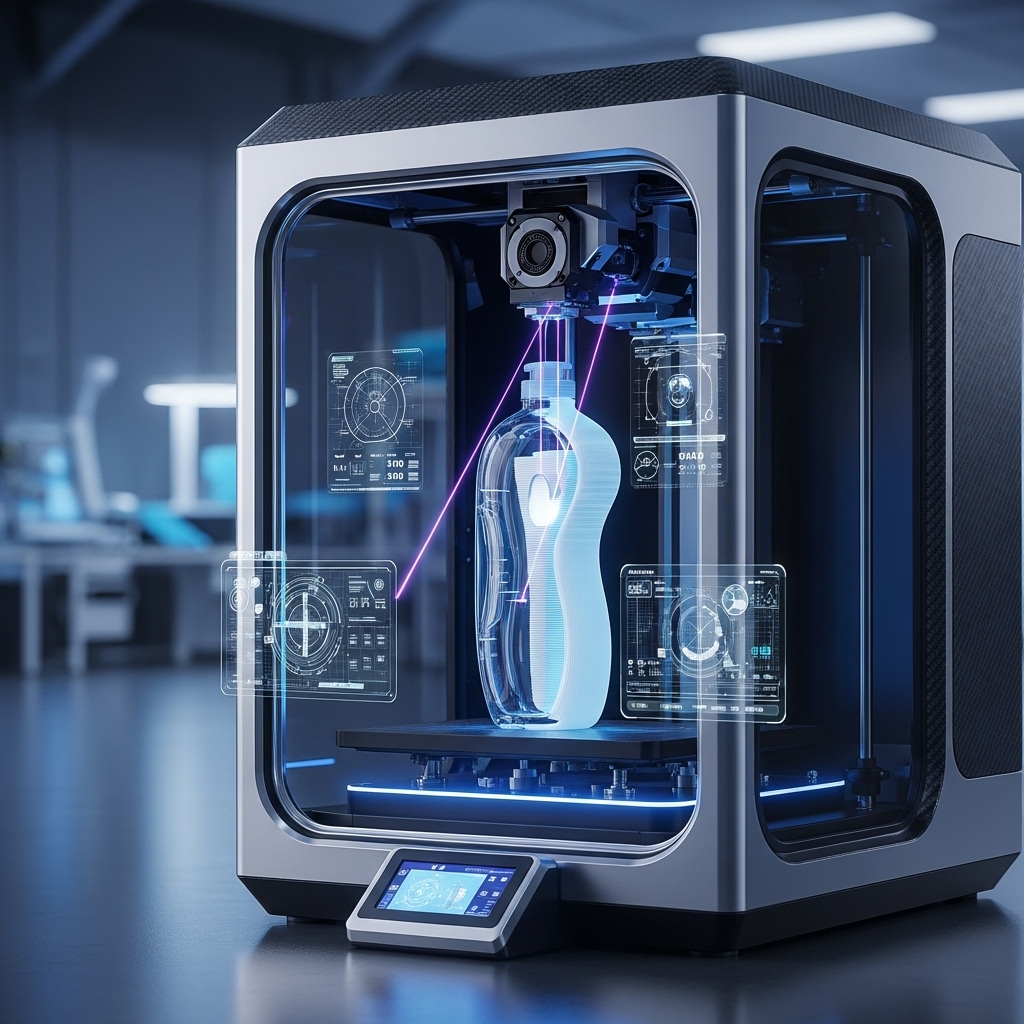
3D printing allows for the precise formulation and manufacturing of hair care products tailored to an individual’s needs. Whether it’s adjusting ingredient ratios, creating custom textures, or even designing unique packaging, this technology is unlocking new possibilities in beauty and wellness.
How 3D Printing Works in Hair Care
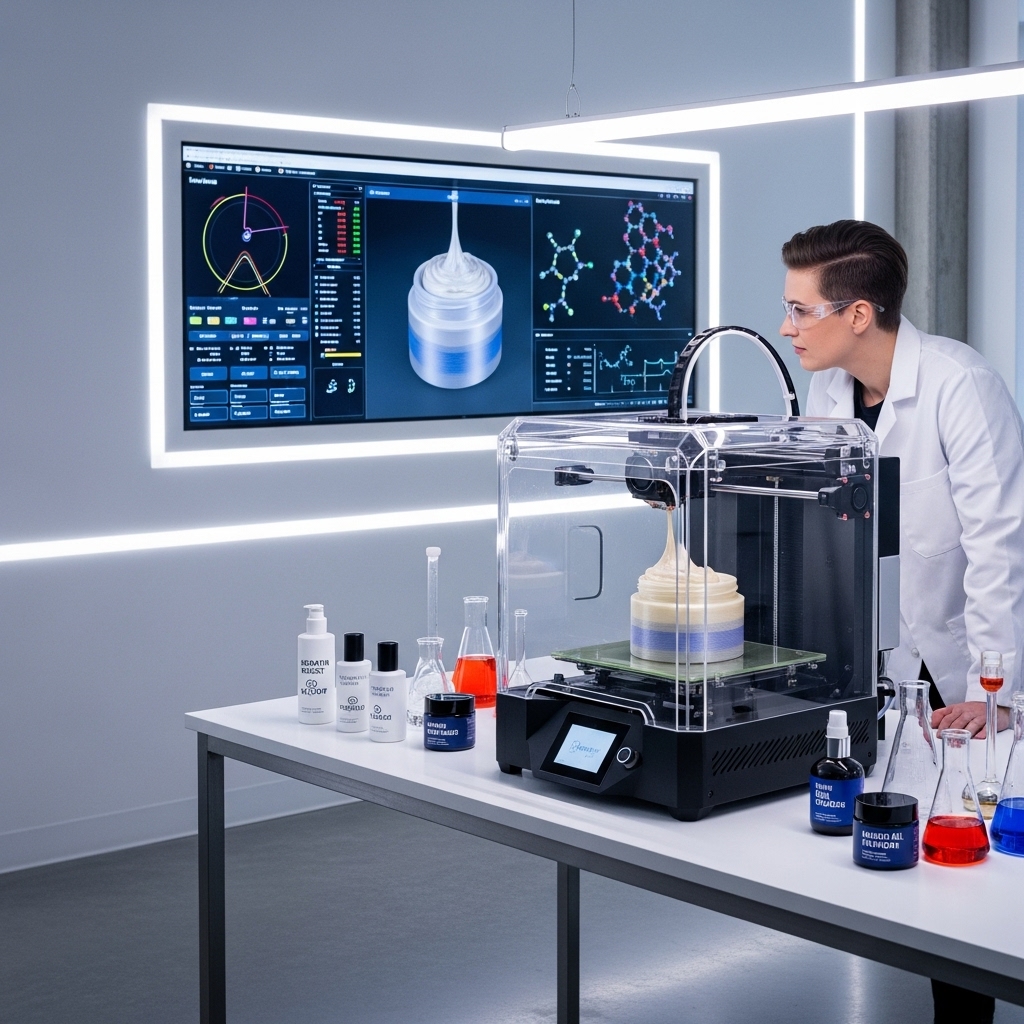
3D printing, also known as additive manufacturing, builds products layer by layer from digital designs. In hair care, this technology is used in several ways:
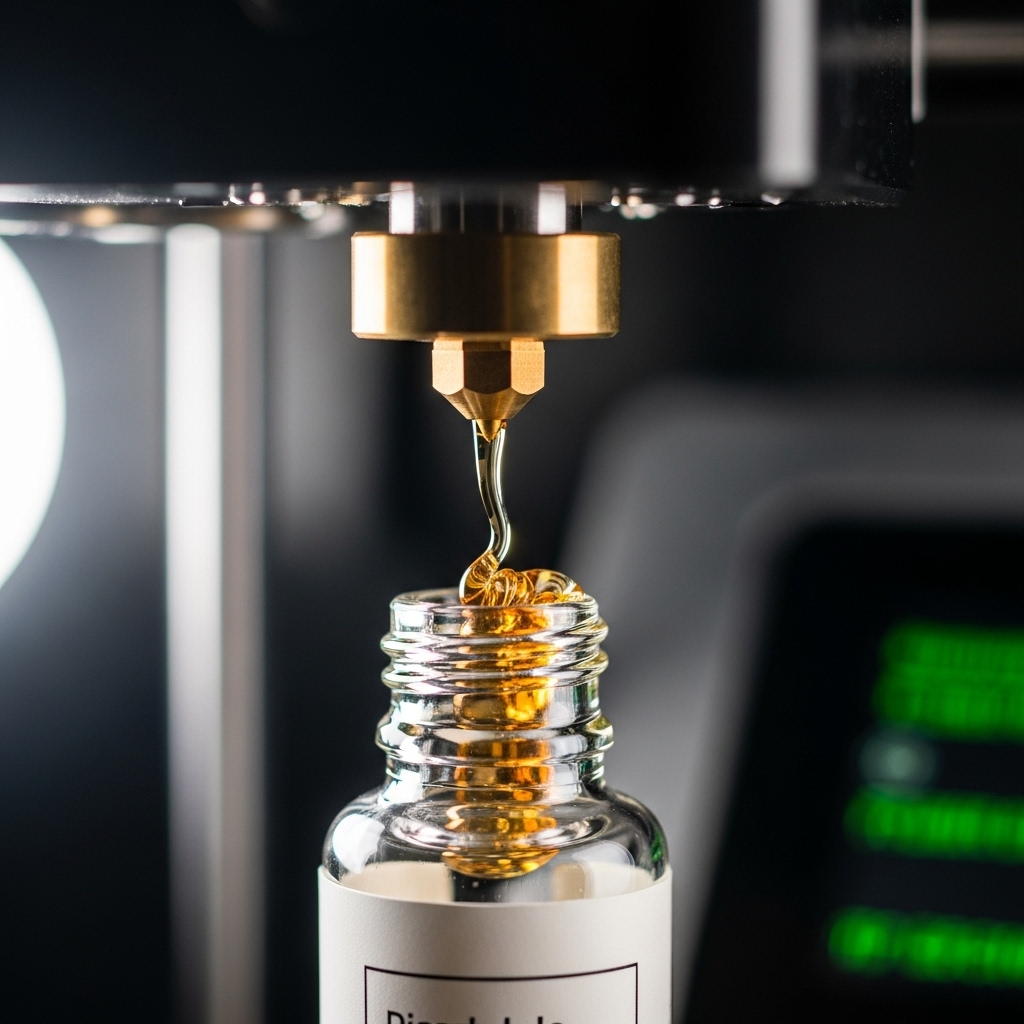
1. Custom Formulations: Advanced 3D printers can mix and deposit exact amounts of active ingredients (like oils, proteins, or vitamins) to create a product that matches a user’s hair profile.
2. Tailored Textures: Depending on hair type—whether curly, fine, or thick—3D printing can adjust the viscosity and consistency of products for better application and absorption.
3. Sustainable Packaging: Brands are using biodegradable or recyclable materials to 3D print eco-friendly bottles and containers, reducing waste.
The Benefits of Custom 3D-Printed Hair Care
Why should consumers consider switching to 3D-printed hair care? Here are some compelling advantages:
1. Precision: No more guessing which products will work—each formulation is designed based on real data, such as scalp analysis or hair strand tests.
2. Reduced Waste: Traditional mass production often leads to excess inventory and unsold products. 3D printing enables on-demand manufacturing, minimizing overproduction.
3. Innovation in Ingredients: With 3D printing, brands can experiment with niche ingredients that would be impractical in large batches, such as rare botanicals or microbiome-friendly actives.
4. Scalability: As technology improves, personalized hair care could become accessible to a broader audience, not just luxury consumers.
Real-World Applications and Brands Leading the Way
Several forward-thinking companies are already harnessing 3D printing for hair care innovation:
1. Function of Beauty: While not exclusively using 3D printing, this brand’s algorithm-driven customization approach aligns with the same principles—personalized shampoos and conditioners based on user input.
2. Prose: Another leader in bespoke hair care, Prose uses AI and small-batch production to create tailored formulas, a model that could integrate 3D printing in the future.
3. Emerging Startups: Smaller labs are experimenting with 3D-printed hair masks and serums, offering niche solutions for specific concerns like color-treated hair or scalp sensitivity.
Challenges and Future Outlook
While the potential is exciting, there are hurdles to overcome:
1. Cost: Currently, 3D printing personalized products is more expensive than mass production, though prices are expected to drop as the technology evolves.
2. Speed: Printing each customized product takes time, which may limit scalability for now.
3. Consumer Adoption: Not everyone is ready to transition from store-bought brands to bespoke solutions—education and marketing will play a key role.
Despite these challenges, the future looks bright. As 3D printing becomes faster, cheaper, and more sophisticated, we may see a shift toward hyper-personalized beauty becoming the norm rather than the exception.

Final Thoughts: Is 3D-Printed Hair Care Right for You?
If you’ve ever struggled to find a product that perfectly suits your hair, 3D-printed custom solutions could be a game-changer. While the technology is still emerging, its potential to deliver truly personalized and sustainable hair care is undeniable.
As more brands adopt this innovation, we may soon see a world where your hair care routine is as unique as your fingerprint—crafted with precision, efficiency, and a touch of futuristic flair.

