
Ever left the salon feeling ecstatic about your new hair color, only to notice uneven patches days later? Or maybe your at-home dye job didn’t turn out as flawless as you hoped. Uneven hair color can be frustrating, but the good news is—you don’t always need a salon visit to fix it!
In this guide, we’ll walk you through simple, effective ways to correct uneven hair color at home. Whether it’s blotchy highlights, brassy tones, or patchy dye distribution, we’ve got you covered. Let’s dive in!
Why Does Hair Color Turn Out Uneven?
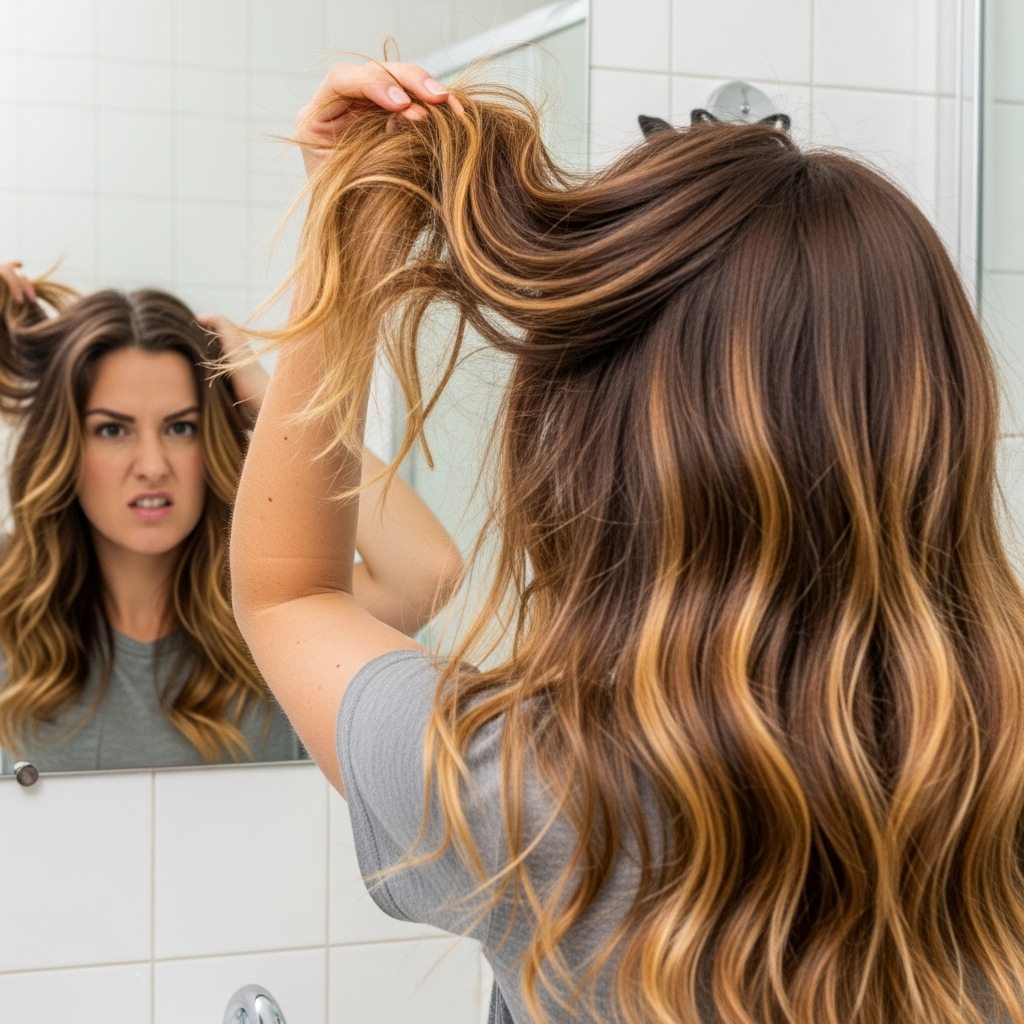
Before fixing the problem, it helps to understand why hair color can turn out uneven in the first place. Here are the most common culprits:
1. Uneven Application: Missing spots or applying dye inconsistently can lead to patchy results.
2. Porosity Differences: Damaged or overly porous hair absorbs color faster, creating darker or uneven patches.
3. Old or Expired Dye: If your hair color product is past its prime, it may not work uniformly.
4. Hard Water: Mineral buildup from hard water can interfere with color absorption.
5. Previous Color Residue: Leftover dye or product buildup can affect how new color develops.
How to Fix Uneven Hair Color at Home
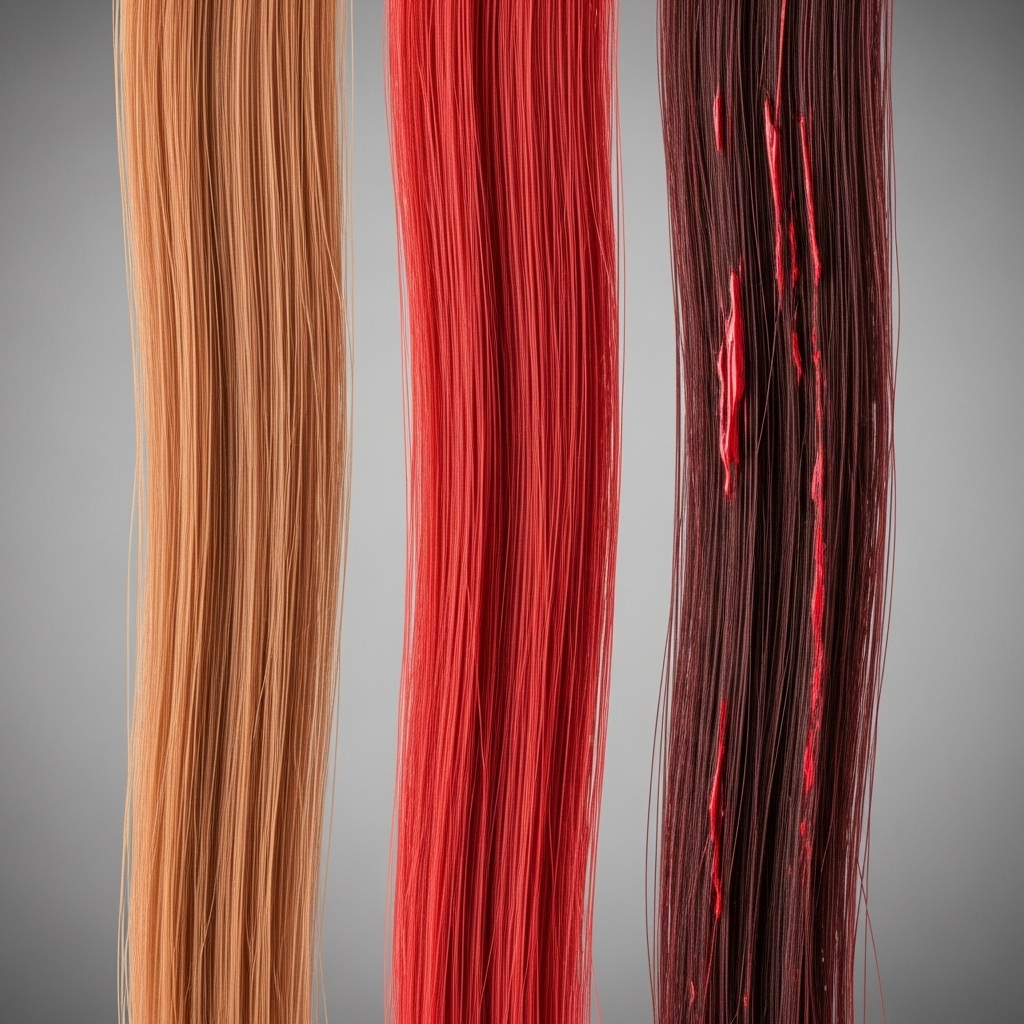
Now, let’s explore the best ways to fix uneven hair color without stepping foot in a salon. These methods range from quick fixes to gradual corrections, depending on your hair’s needs.
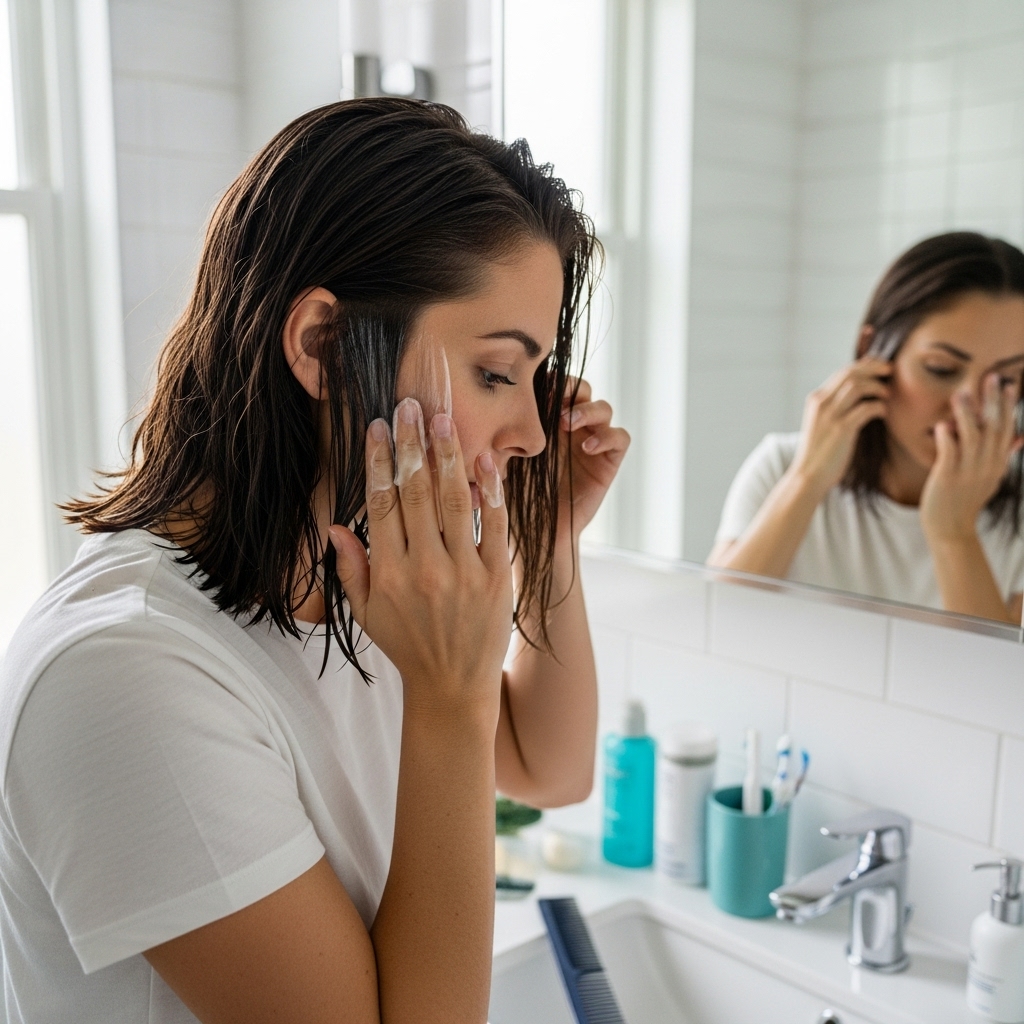
1. Use a Color-Depositing Shampoo or Conditioner
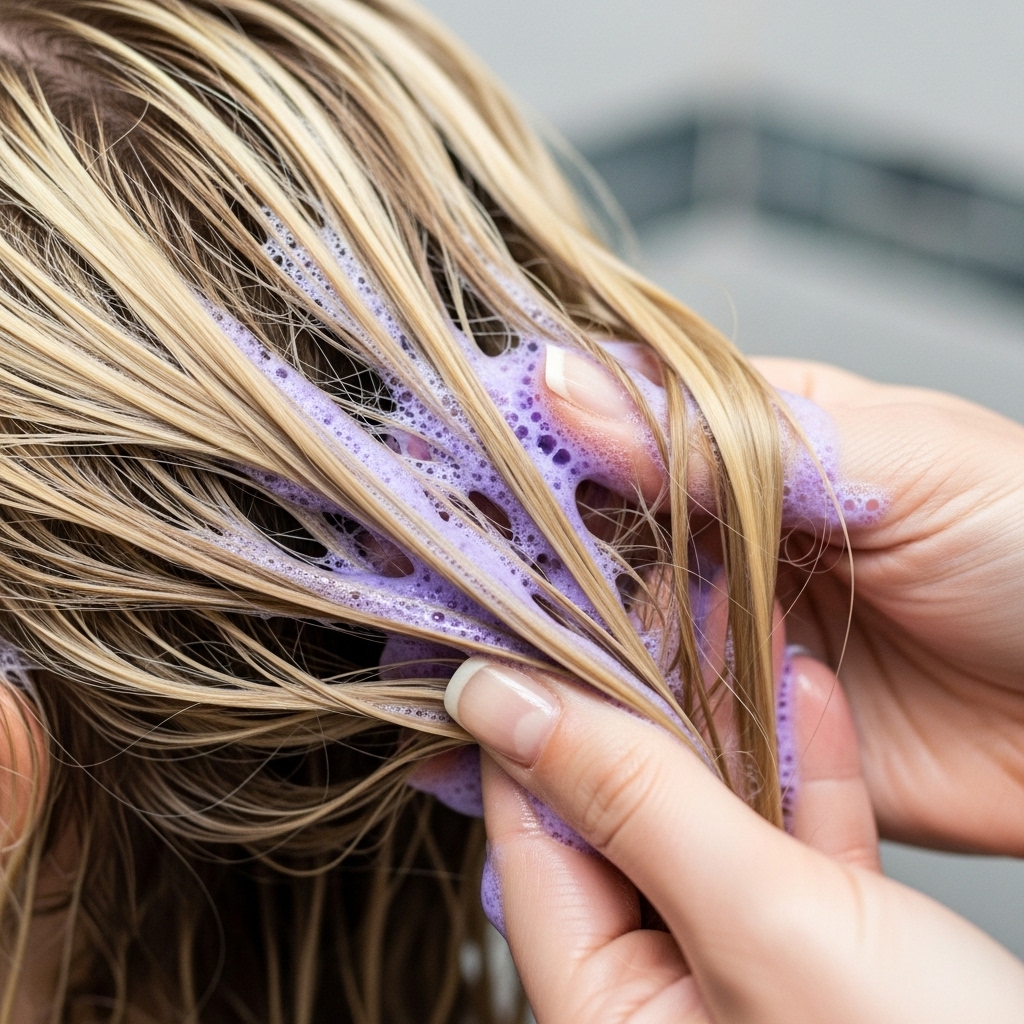
If your hair color is slightly uneven or fading in patches, a color-depositing shampoo can help blend the tones. These products add temporary pigment to your hair, helping to mask inconsistencies.
Best for: Minor unevenness, faded highlights, or brassy tones.
How to use: Apply the shampoo evenly, leave it on for the recommended time, and rinse. Repeat as needed until the color evens out.
2. Try a Gloss or Semi-Permanent Dye
A gloss treatment or semi-permanent dye can refresh and even out your color without the commitment of permanent dye. These products add shine while subtly adjusting tone.
Best for: Dull, uneven color that needs a refresh.
How to use: Apply the gloss or semi-permanent dye evenly, focusing on the patchy areas. Follow the instructions for processing time, then rinse.
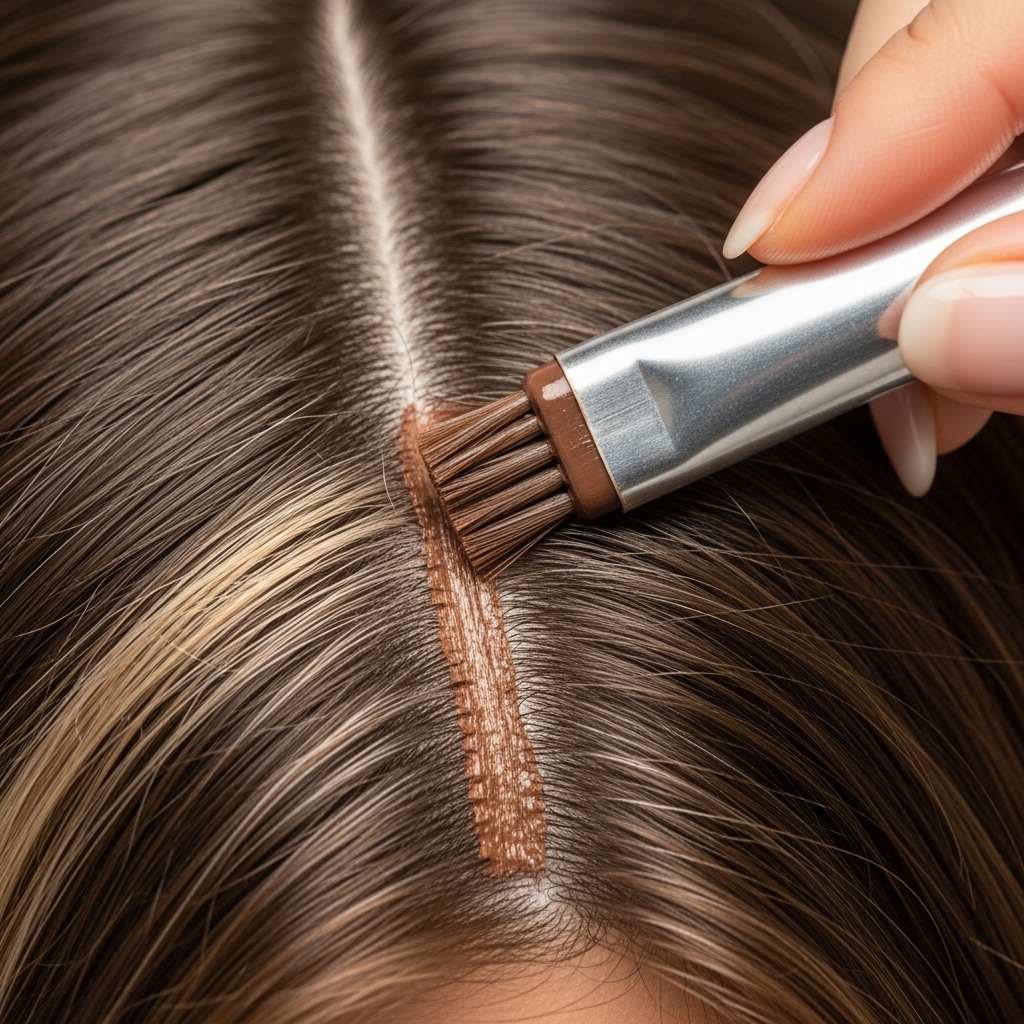
3. Spot-Treat with a Temporary Color Stick
For small, noticeable patches, a color touch-up stick works wonders. These temporary fixes are great for covering roots or dark spots until your next full dye job.
Best for: Quick fixes on visible spots or roots.
How to use: Gently rub the stick over the uneven area, blending it in with your fingers.
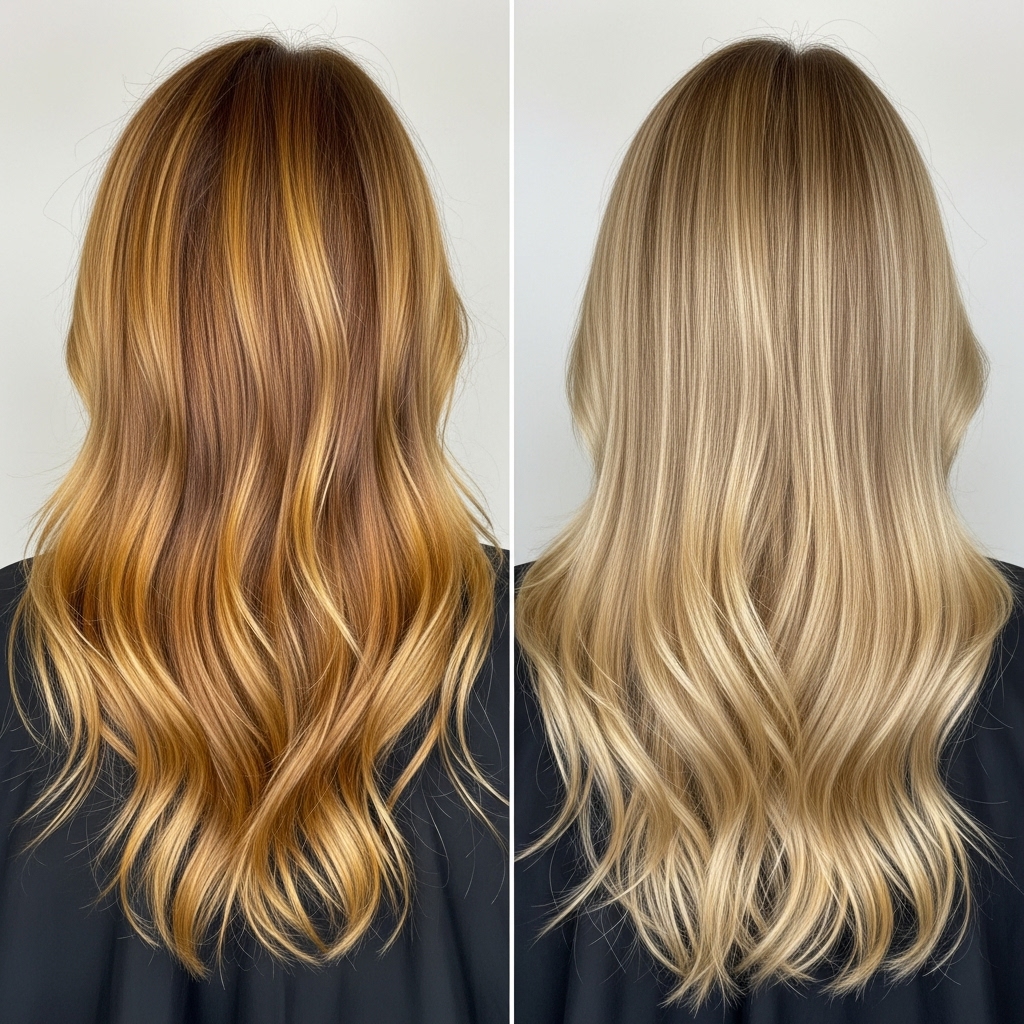
4. Use a Toner to Neutralize Brassiness
If your uneven color leans too warm or brassy, a toner can help neutralize unwanted tones and create a more uniform look.
Best for: Blonde or lightened hair with orange or yellow patches.
How to use: Mix the toner as directed, apply evenly, and process for the recommended time before rinsing.
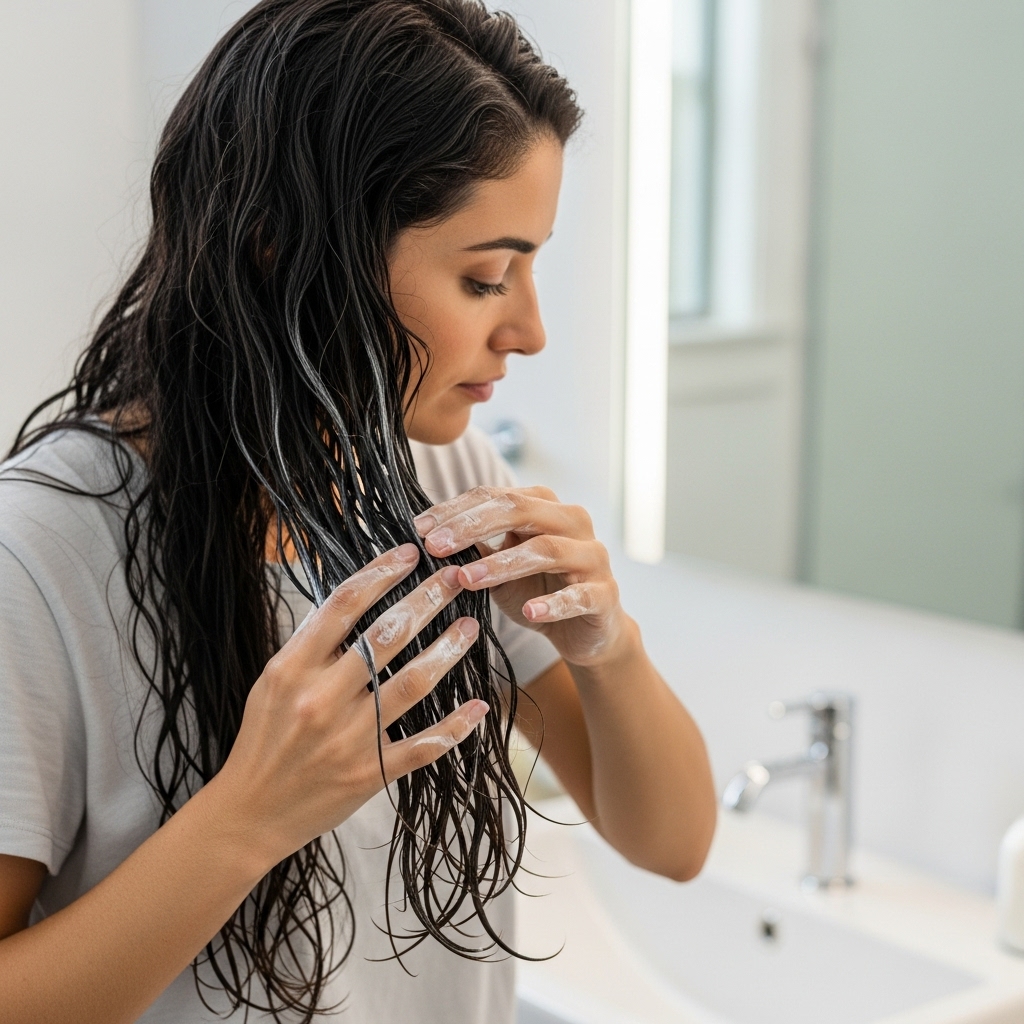
5. Deep Condition to Balance Porosity
If your hair’s unevenness is due to porosity issues, a deep conditioning treatment can help balance moisture levels, allowing for more even color absorption in the future.
Best for: Dry, damaged, or overly porous hair.
How to use: Apply a hydrating hair mask, leave it on for 15-30 minutes, then rinse thoroughly.
Preventing Uneven Hair Color in the Future
Now that you’ve fixed your uneven color, let’s make sure it doesn’t happen again! Follow these tips for a flawless dye job every time.
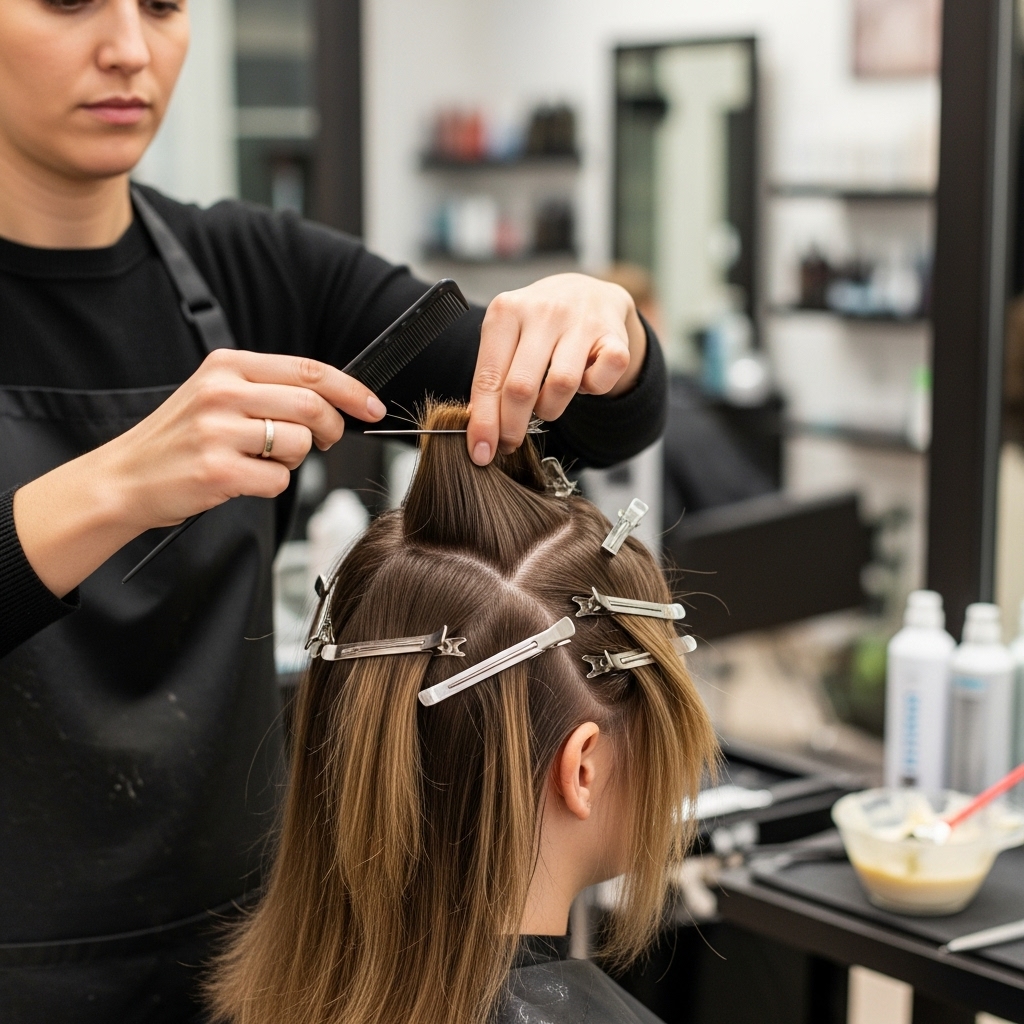
1. Section Your Hair Properly
Dividing your hair into small, even sections ensures full coverage and prevents missed spots.
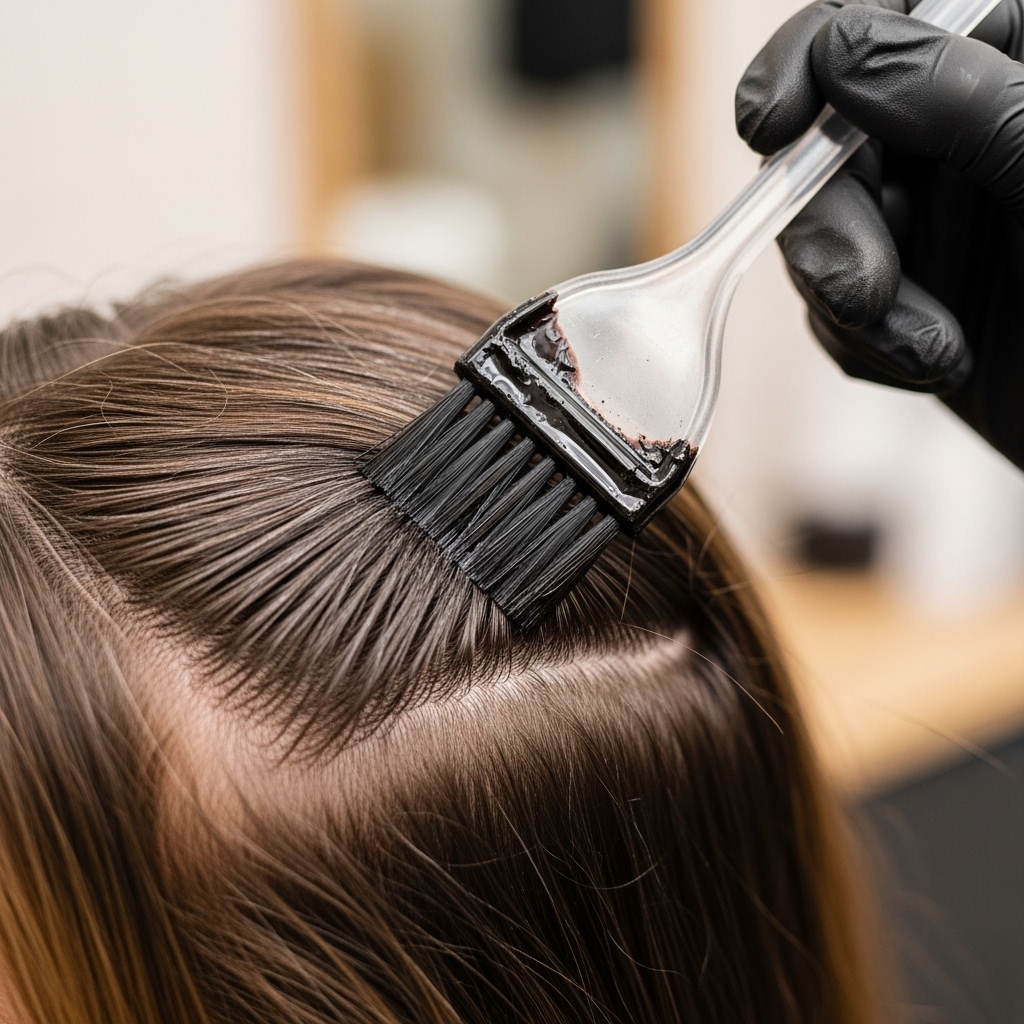
2. Use the Right Tools
A tint brush or applicator bottle helps distribute color evenly, unlike fingers or a comb.
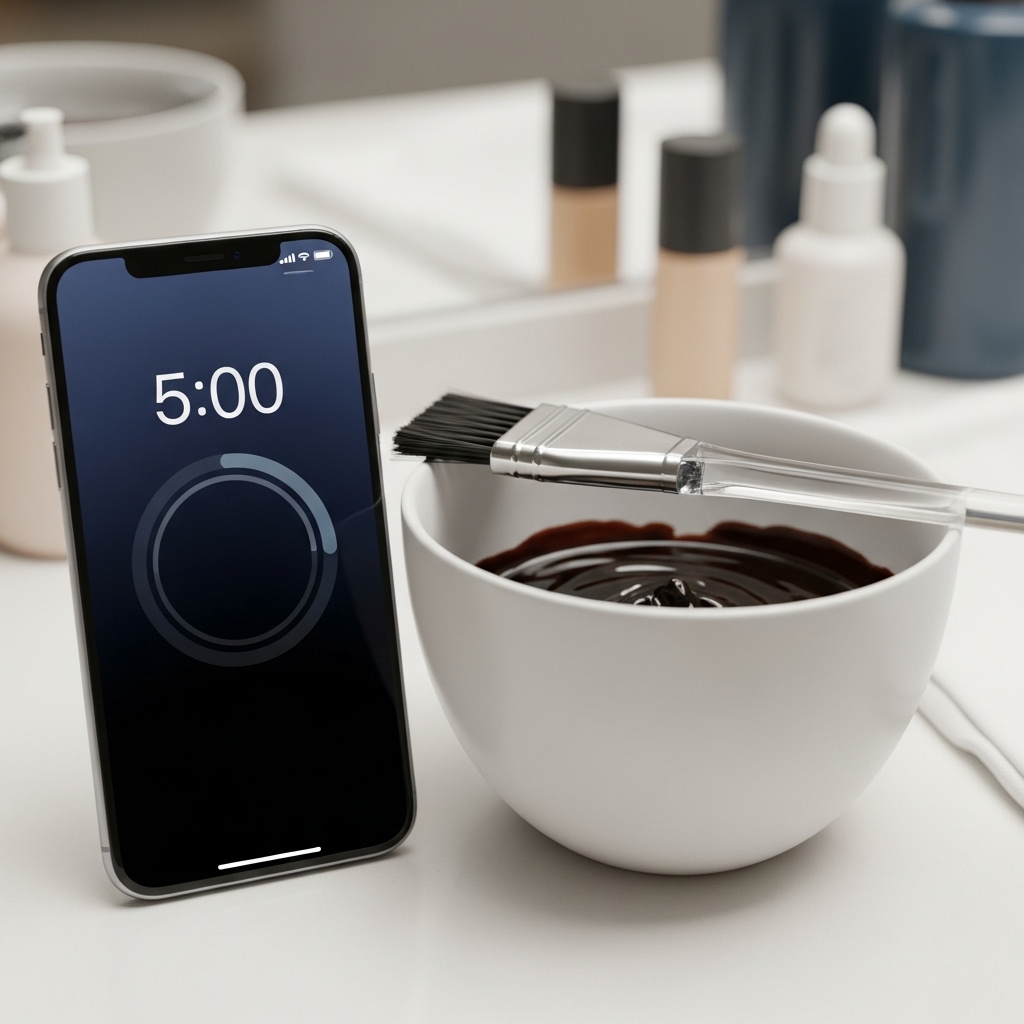
3. Follow Processing Times
Leaving dye on too long or not long enough can lead to uneven results. Always set a timer!
Final Thoughts
Uneven hair color doesn’t have to ruin your week—or your wallet! With these easy at-home fixes, you can restore balance to your locks without a salon visit. Whether you opt for a gloss, toner, or deep conditioning treatment, the key is patience and precision.

