
Let’s be real: washing textured hair—be it coily, curly, or kinky—is an event. It’s a process that requires time, a small army of products, and a level of dedication that people with straighter hair textures simply cannot comprehend. So, when you’ve finally achieved that perfect wash-and-go, twist-out, or braid-out, you want it to last. The goal? To stretch those beautiful results for as many days as possible without your hair succumbing to dryness, frizz, or losing its definition.
The struggle is real, but it’s also completely solvable. The secret to fresh-looking hair for days on end isn’t magic; it’s a strategic routine focused on moisture retention, protection, and smart reviving techniques. This guide is your roadmap to extending the life of your hairstyle, saving you time, and keeping your textured hair looking vibrant and healthy from one wash day to the next.
Understanding Your Hair’s Needs: The Science of the “In-Between”
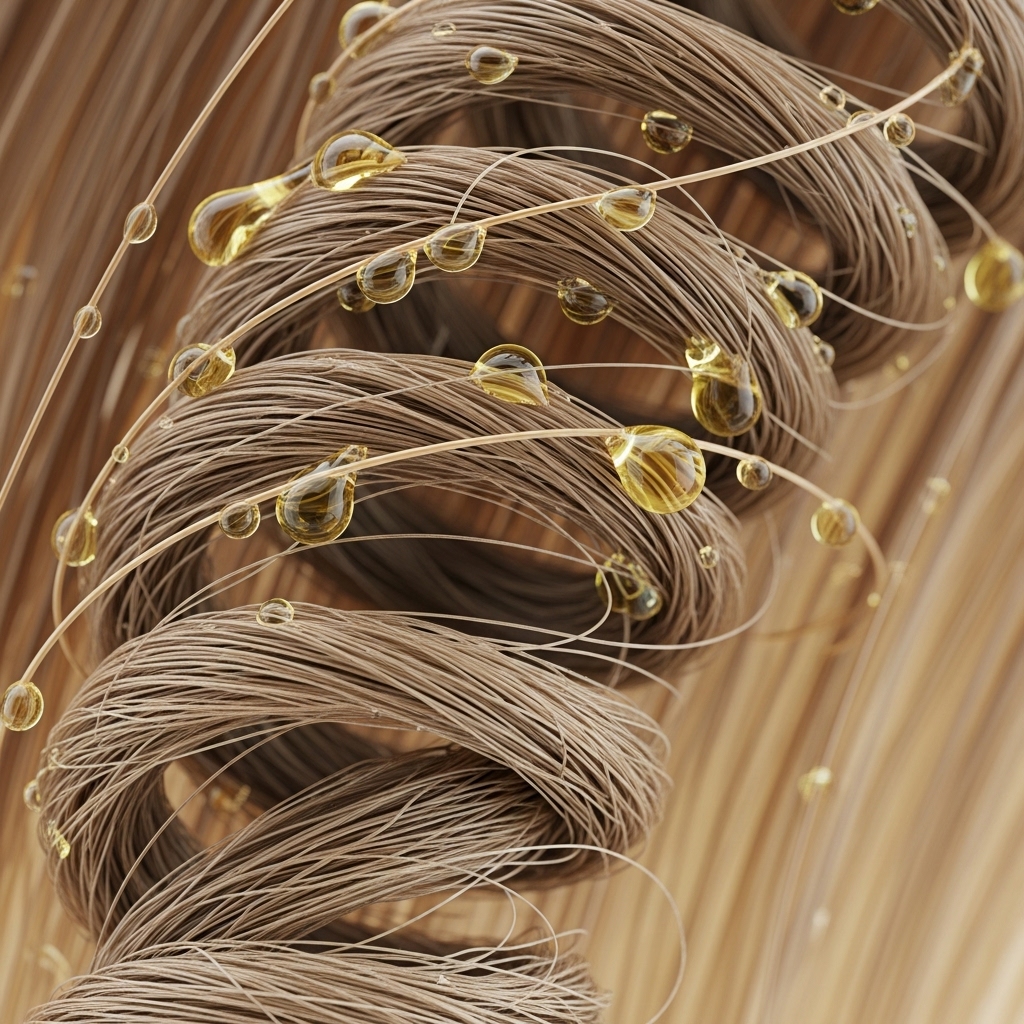
Before we dive into the “how,” it’s crucial to understand the “why.” Textured hair, with its beautiful coils and zig-zag patterns, has a unique structure. This shape makes it difficult for the natural oils (sebum) produced by your scalp to travel down the hair shaft. Unlike straight hair, which gets a consistent coating of these lubricating oils, the ends of textured hair are often left high and dry—literally.
This is the core challenge of the days between washes: moisture escape. As time passes, the water absorbed during your wash day slowly evaporates. Without a proper routine to seal that moisture in and protect your hair from the elements, you’re left with dryness, single-strand knots, frizz (which is often just your hair desperately seeking moisture from the air), and a loss of definition. Your mission, therefore, is to become a moisture-locking champion.
The Golden Rule: Nighttime Preservation is Everything
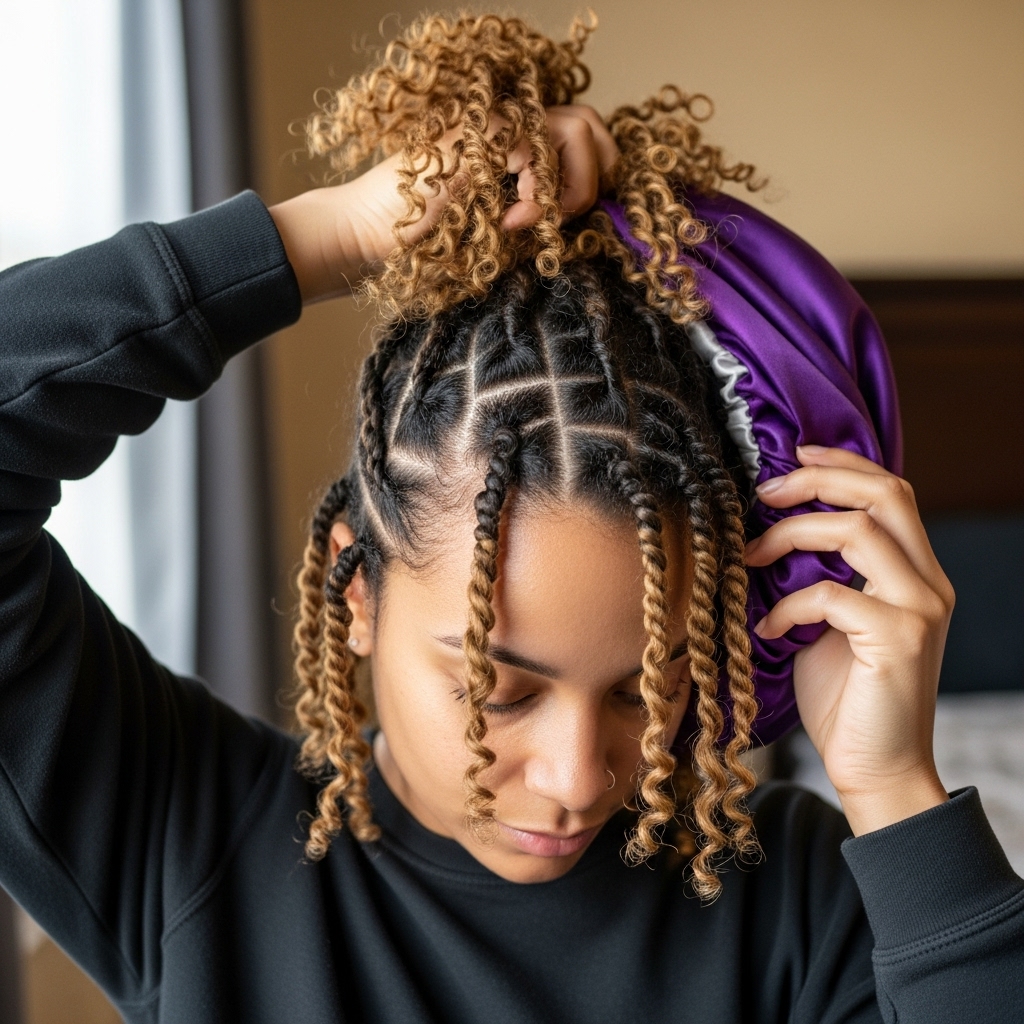
If you take only one thing from this guide, let it be this: how you protect your hair at night is the single most important factor in preserving your style. Sleeping on cotton or rough pillowcases creates friction that roughs up the hair cuticle, saps moisture, and turns a defined twist-out into a frizzy cloud by morning. Your hair needs a smooth, friction-free environment to rest.
The go-to method for most is the satin or silk bonnet or scarf. These materials glide over your hair, minimizing friction and helping to retain moisture. If you’re a restless sleeper, a satin pillowcase is a great backup or alternative. For specific styles like twist-outs or braid-outs, you can take it a step further with the “Pineappling” technique. Loosely gather your hair into a very high, loose ponytail on the very top of your head (like a pineapple) before putting on your bonnet. This preserves the curl pattern at the roots and ends for volume and definition the next day.
Your Daily Revival Toolkit: Refreshing, Not Redoing
Waking up to hair that’s a little flat or has lost its zip doesn’t mean it’s time for a full wash. This is where your daily refresh routine comes in. The goal is to add a burst of moisture and reactivate the products already in your hair.
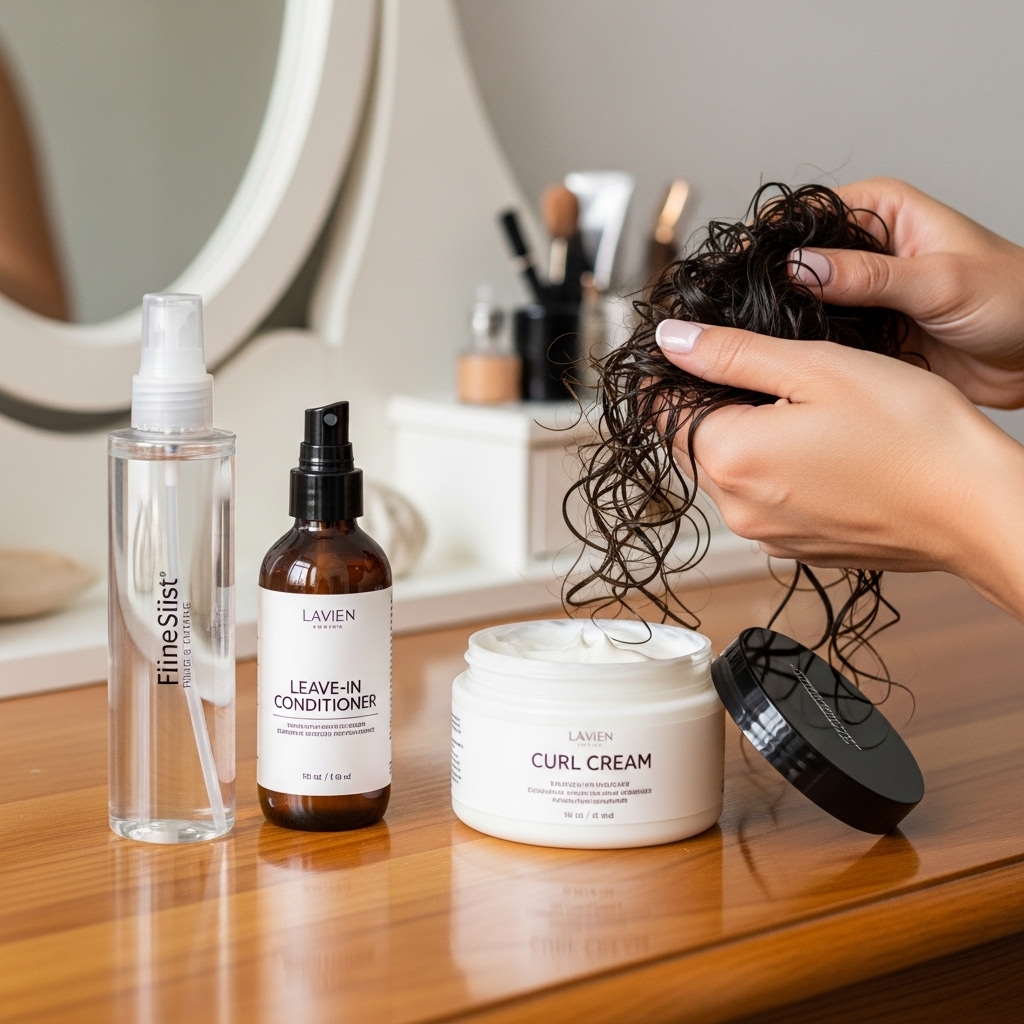
Your most powerful tool here is water. A fine-mist spray bottle is essential. Fill it with just water, or create a custom mix. A popular recipe is ⅔ water to ⅓ leave-in conditioner or a light curl cream, with a drop of oil. Lightly mist your hair—you want to dampen it, not soak it. The water will reactivate the stylers from your wash day.
Once your hair is lightly damp, use this opportunity to gently reshape your curls. Use a small amount of your preferred styling cream or gel on your hands, smoothing it over sections that need more definition. For frizz, try the “praying hands” method, gliding your hands down sections of hair to smooth the cuticle. Then, scrunch your curls from the ends up to encourage them to spring back to life.
Strategic Product Application: Less is More
When refreshing your style, the biggest mistake is over-applying product. This can lead to heavy, greasy, product-laden hair that looks dull and feels stiff. The mantra for refresh days is “less is more.”
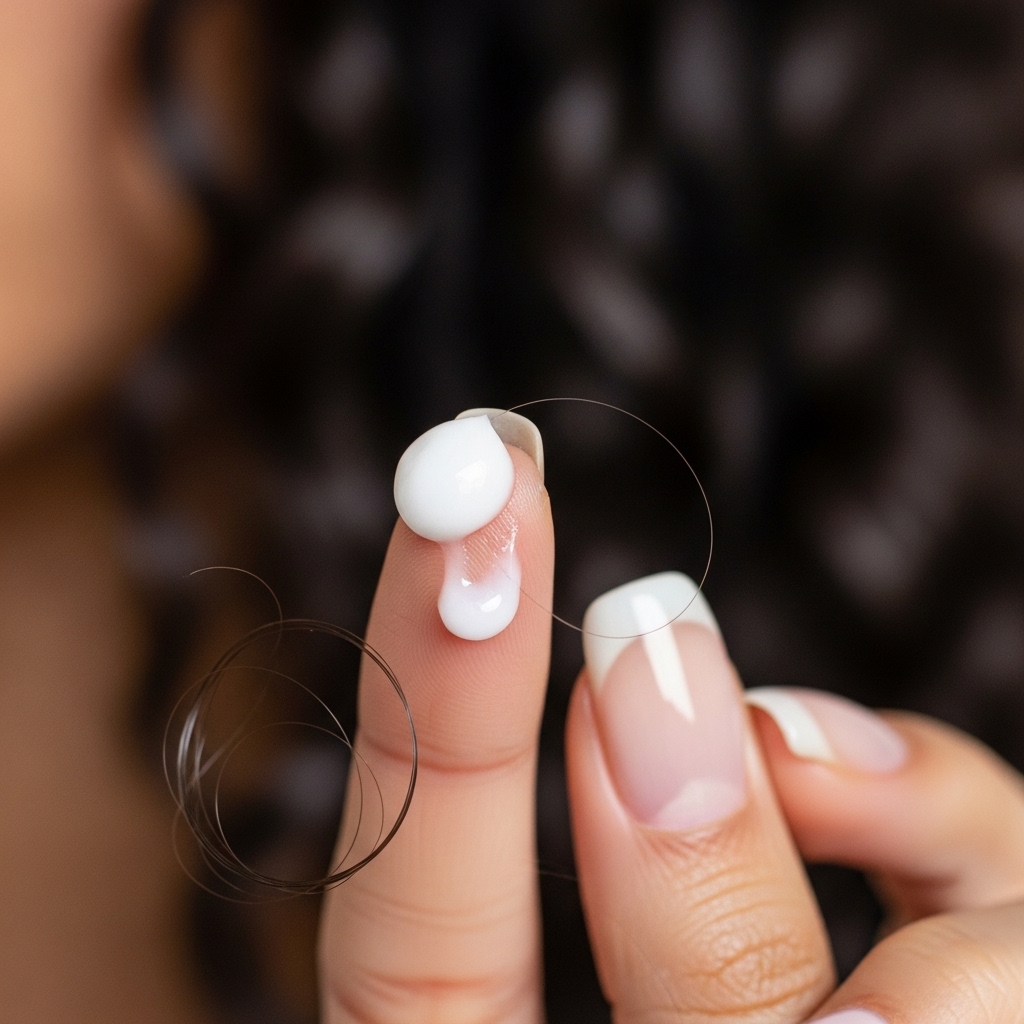
Start with your water spray. Often, that’s all you need. If certain areas need extra help, apply a tiny amount of product—think pea-sized for smaller sections—focusing only on the areas that need it, like the frizzy crown or the stretched-out ends. Remember, you are layering on top of existing product. Using water-based, lightweight products during your initial wash day will also make refreshing easier, as they reactivate more effectively than heavier, butter-based products.
The Power of Protective Styling
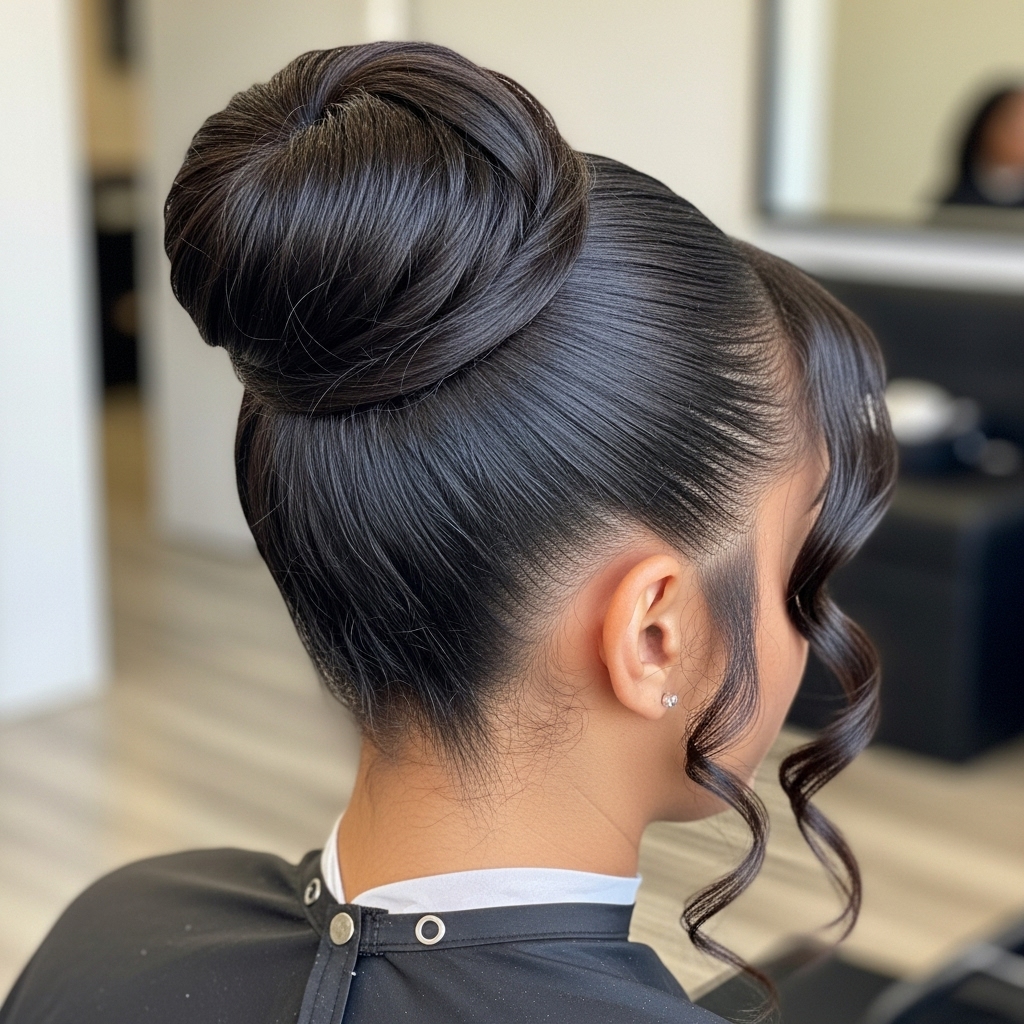
Sometimes, the best way to keep your hair fresh is to give it a break from daily manipulation. This is where protective styles come in. Styles like two-strand twists, flat twists, braids, or buns aren’t just fashionable; they are functional. By tucking away your ends—the oldest and most fragile part of your hair—you minimize friction, reduce breakage, and lock in moisture.
You can install these styles on freshly washed hair and wear them for several days, or use them as a mid-week reset. For example, if your wash-and-go on day three is looking tired, you can detangle lightly with a conditioner spray and put your hair in a set of chunky twists. Wear the twists for a day or two, and when you take them down, you’ll have a beautiful, revived twist-out that can carry you through the rest of the week.
Scalp Care: Don’t Forget the Foundation
While the focus is often on the hair strands, a healthy scalp is the foundation for healthy hair. Between washes, your scalp continues its natural processes, which can sometimes lead to buildup or itchiness. A dry scalp does not equate to a dirty one.
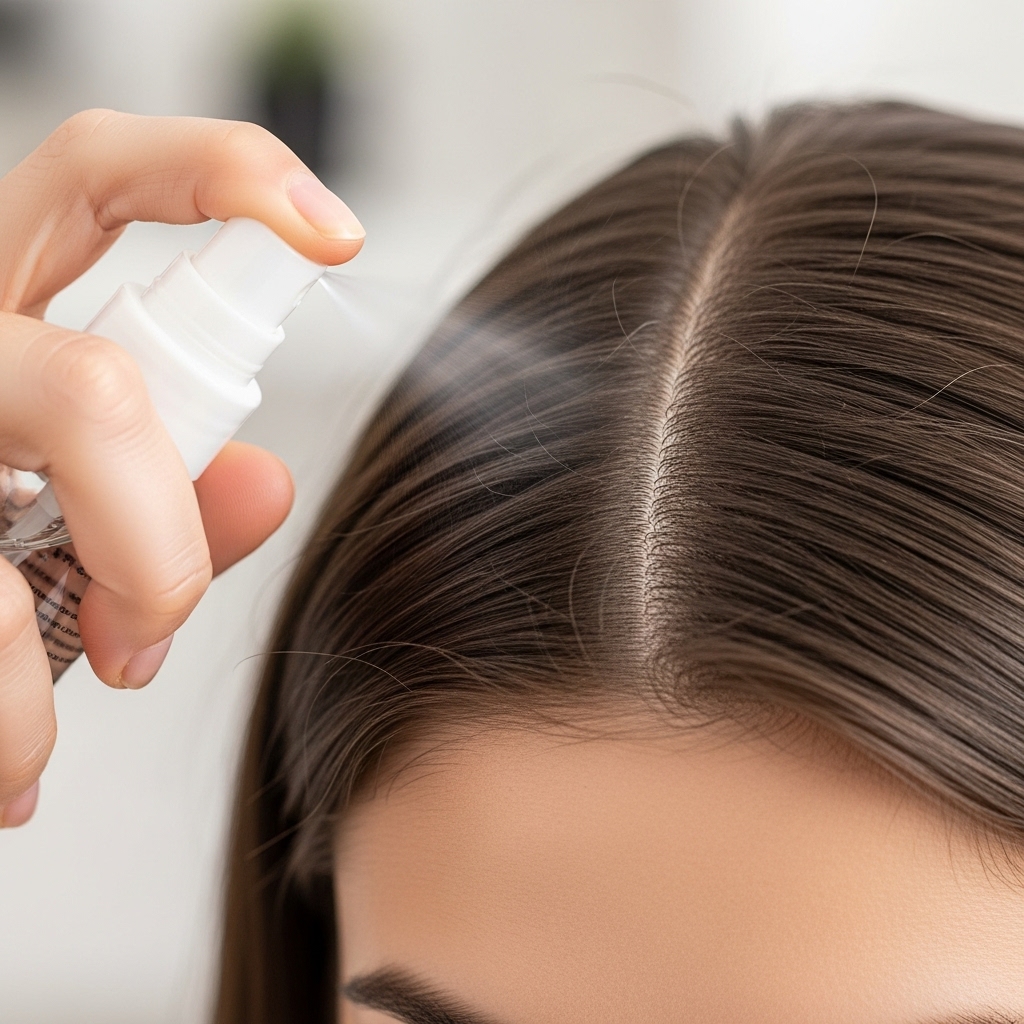
For a quick refresh, use a targeted scalp treatment. A cotton pad with a bit of witch hazel or a dedicated scalp spray can help cleanse and soothe without a full wash. Gently massaging your scalp with the pads of your fingers (not nails) can also stimulate blood flow and help distribute natural oils around the roots. If you use heavier oils, apply them sparingly and directly to the scalp, not all over your hair, to avoid greasiness.
Common Pitfalls to Avoid
Even with the best intentions, a few common mistakes can sabotage your between-wash efforts. Steer clear of these to ensure your hair stays fresh:
Over-manipulation: Constantly touching, combing, or brushing your hair throughout the day disrupts your curl pattern and causes frizz. Style it in the morning and let it be.
Using Heavy Oils Incorrectly: Applying thick oils like coconut or castor oil to dry hair can sit on top of the strand, blocking moisture from entering and creating a greasy feel. Use them sparingly or on damp hair to seal.
Ignoring Your Edges: The hair around your hairline is often the most fragile. A soft-bristle brush and a light edge control product can keep them sleek and defined without causing breakage.
Waiting Too Long to Wash: While stretching washes is the goal, listen to your hair and scalp. If you have significant buildup, itchiness, or odor, it’s time for a reset. A healthy scalp is paramount.
Conclusion: Embrace Your Unique Rhythm
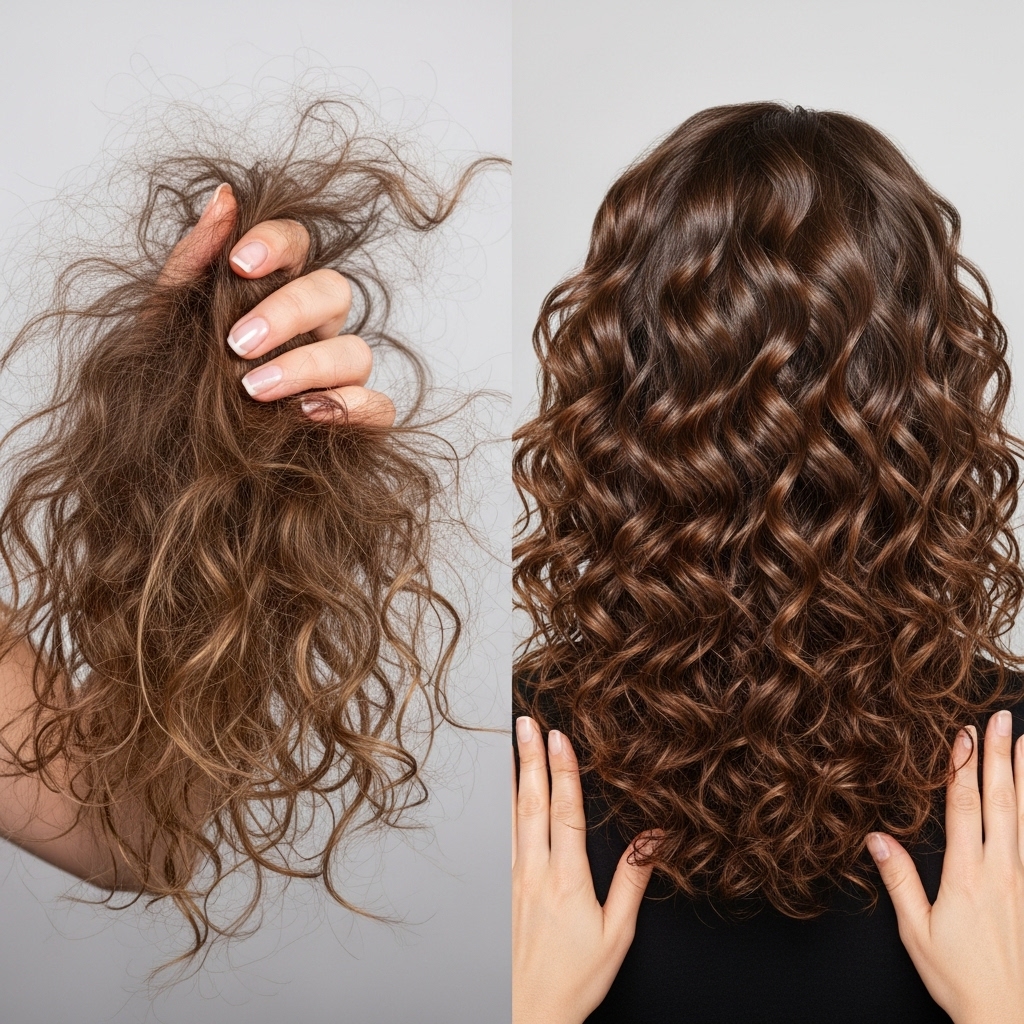
Learning how to keep your textured hair looking fresh between washes is a journey of experimentation. What works for a tight coil might differ from what works for a loose wave. Your hair’s porosity, density, and personal lifestyle all play a role. The key is to build a simple, sustainable routine centered on moisture, protection, and gentle revival.
Start with the non-negotiable—a satin bonnet or pillowcase. Master a quick refresh spray technique. Don’t be afraid to use protective styles as a reset. Pay attention to what your hair is telling you each day. By embracing these practices, you can confidently extend the life of your styles, reduce manipulation, and spend less time on your hair—all while it looks incredibly fresh and vibrant. Now go forth and conquer those in-between days.

