

You took the plunge. You sat in the stylist’s chair, heard the satisfying snip of the scissors, and walked out with a fresh, chic short haircut. You felt lighter, more confident, and utterly stylish. But then, you woke up the next morning. The mirror reflected a reality far from the salon-finished look you left with. Frizz, flatness, or a bizarre case of “bed head” had taken over, and suddenly, the “wash-and-go” promise of short hair felt like a distant myth.
If this sounds familiar, you’re not alone. Many people believe short hair is the ultimate time-saver, only to find themselves battling with styling tools and products for what feels like longer than they did with long locks. The secret isn’t growing your hair out again; it’s working smarter, not harder.
This guide is your roadmap to reclaiming that promised ease. We’re diving into the strategies, products, and habits that will keep your short ‘do looking salon-fresh with minimal daily effort. Get ready to fall in love with your short hair all over again, without the styling marathon.

Master the Foundation: The Right Cut for Your Lifestyle
Let’s start with the most critical element: the haircut itself. A low-maintenance short style begins not in your bathroom, but in the salon chair. A cut that fights your hair’s natural texture or growth patterns is a cut destined for high maintenance. The key is to choose a style that works with your hair, not against it.
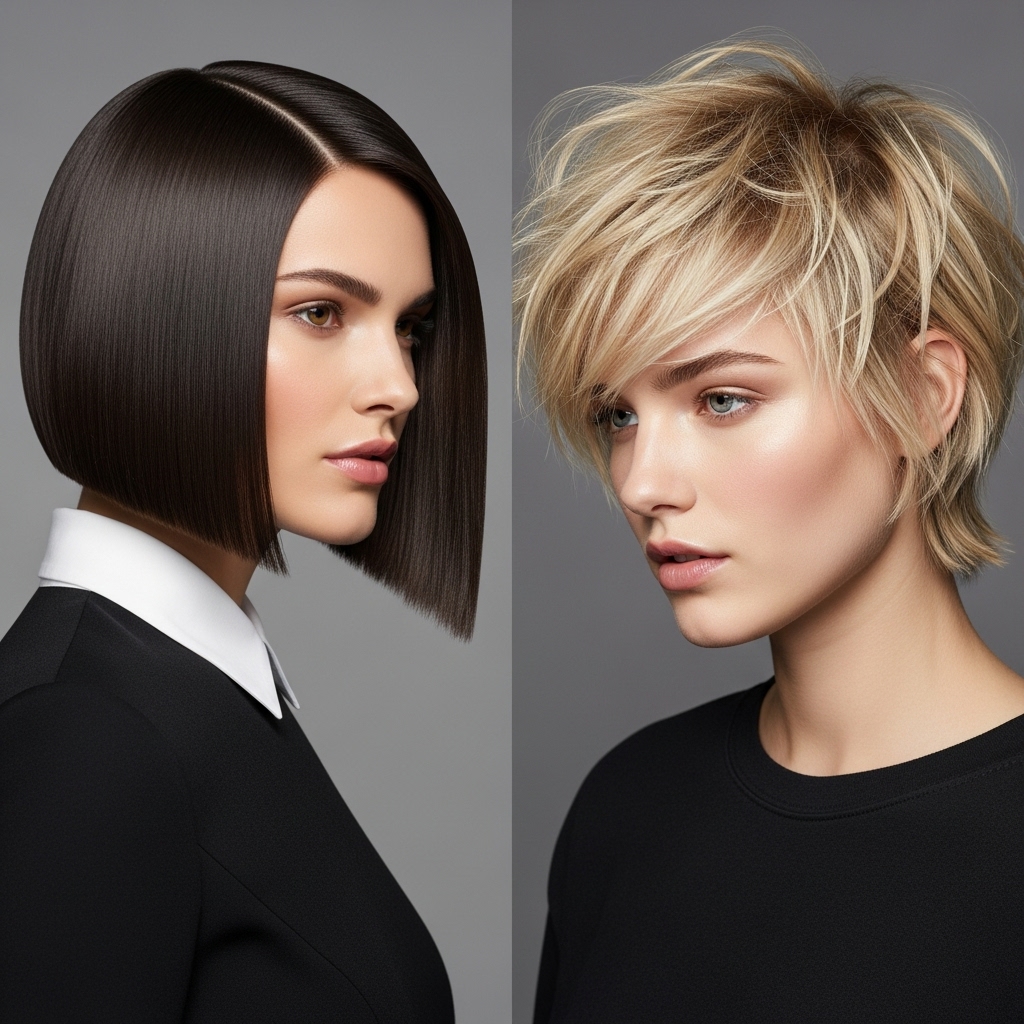
When consulting with your stylist, be upfront about your desire for a low-fuss routine. Discuss your hair’s natural texture—is it pin-straight, wavy, curly, or coily? A good stylist will recommend a cut that enhances your natural wave or curl, meaning you’ll have to do less styling to achieve definition and shape. For example, a razor cut can add beautiful movement and texture that air-dries beautifully, while blunt cuts might require more heat styling to avoid a “helmet” effect.
Also, consider the layers. While layers can add volume and shape, too many on fine hair can lead to a choppy, hard-to-manage look. For thick hair, strategic layers are essential to remove weight and prevent a triangular shape. The ultimate low-maintenance hack? Ask for a cut that looks good even as it grows out. A graduated bob or a shaggy pixie, for instance, often maintains its shape beautifully for weeks longer than a precise, geometric cut.
Simplify Your Wash and Care Routine
How you wash and treat your hair sets the stage for how it behaves. Over-washing is a common mistake that can strip your scalp of natural oils, leading to a cycle of grease and dryness. With short hair, you have the advantage of needing less product and often less frequent washing.
Embrace Co-Washing or Extend Time Between Washes: Consider using a cleansing conditioner (co-wash) between shampoo sessions. This gently cleanses without stripping moisture, perfect for refreshing your style. If your hair gets oily, a good dry shampoo is your best friend. Applied at the roots on day-two or day-three hair, it soaks up excess oil and adds volume, buying you extra days between full washes.
Condition Strategically: Focus your conditioner mainly on the mid-lengths and ends. Applying heavy conditioner directly to your roots can weigh down short hair, making it look flat and greasy. A lightweight, volumizing conditioner is often the best bet for short styles.
The Power of the Cold Rinse: It might be a slight shock to the system, but finishing your rinse with a blast of cool water can work wonders. It helps to seal the hair cuticle, locking in moisture, enhancing shine, and reducing frizz—all of which contribute to a more polished look with zero extra styling effort.
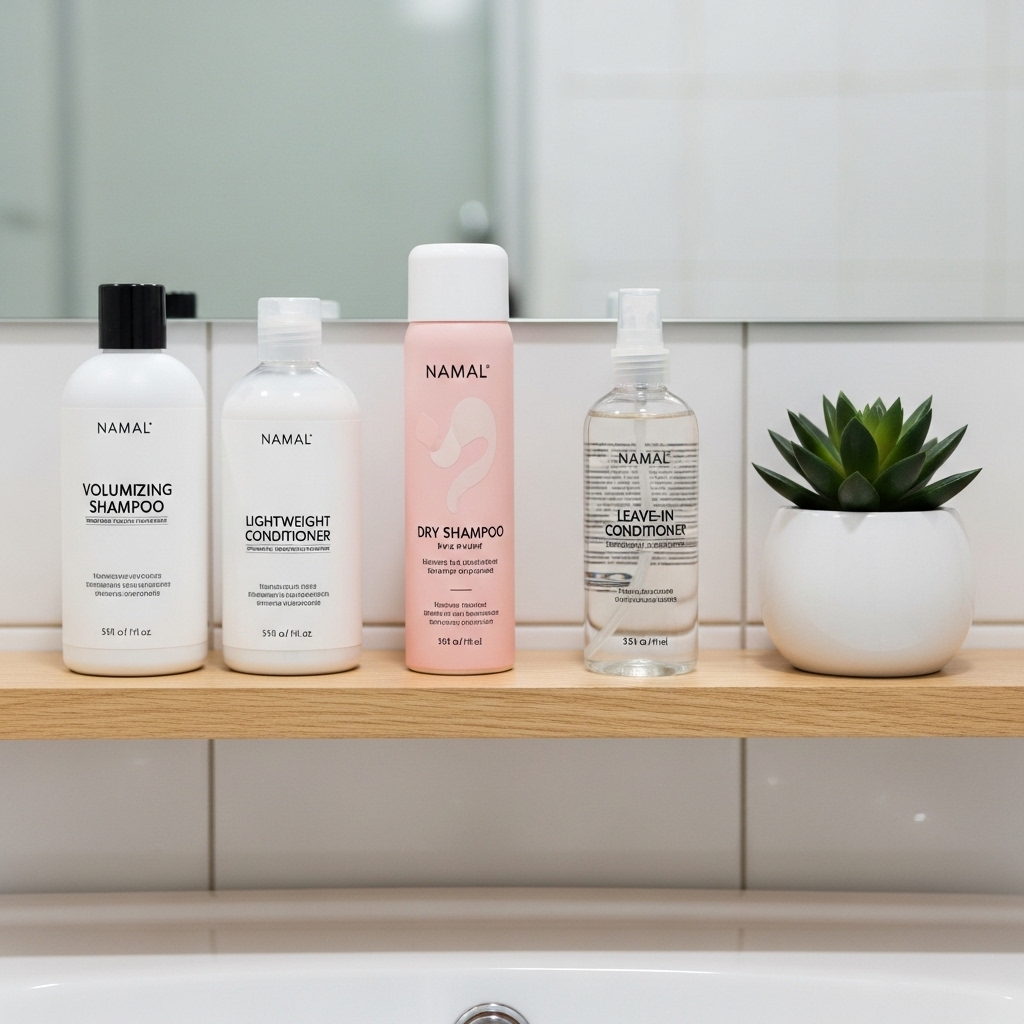
Your Low-Effort Styling Product Arsenal
The right product can mean the difference between a 30-minute styling session and a 2-minute one. The goal is to find products that enhance your hair’s natural texture and provide hold without feeling stiff or sticky.
Sea Salt Spray: This is a game-changer for adding texture, piecey definition, and a beachy, lived-in wave. Spritz it onto damp or dry hair, scrunch, and let it air-dry for instant, effortless cool-girl texture.
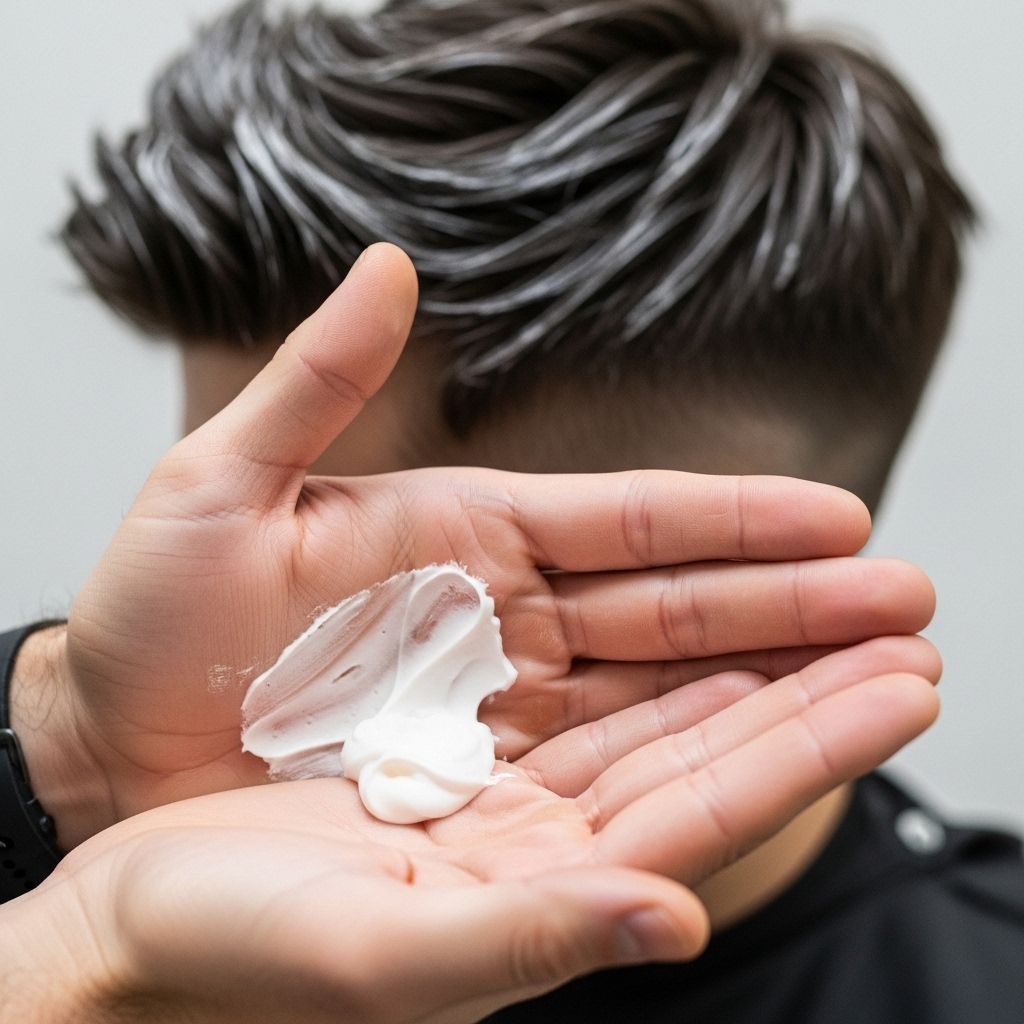
Texturizing Paste or Cream: These are perfect for defining pieces, taming flyaways, and creating separation. Use a tiny amount rubbed between your palms and then run your fingers through your hair to create shape and definition without the crunch of a gel.
Lightweight Mousse: Applied to damp hair at the roots, a good mousse provides lift and volume that lasts all day. It also provides a light hold that helps your style maintain its shape as it air-dries.
Pomade or Wax: Ideal for more structured styles like slicked-back looks or for controlling stubborn pieces. A little goes a very long way, so start with a pea-sized amount and build up if needed.
The application technique is crucial. For most products, emulsify them in your hands first and then apply, focusing on the areas that need control or definition. Remember, you can always add more, but it’s hard to take it away.
Embrace the Art of Air-Drying
Heat styling is often the most time-consuming part of a hair routine. The ultimate low-maintenance goal is to master the art of the air-dry. This doesn’t mean just letting your hair dry wildly; it’s about guiding it into place as it dries.
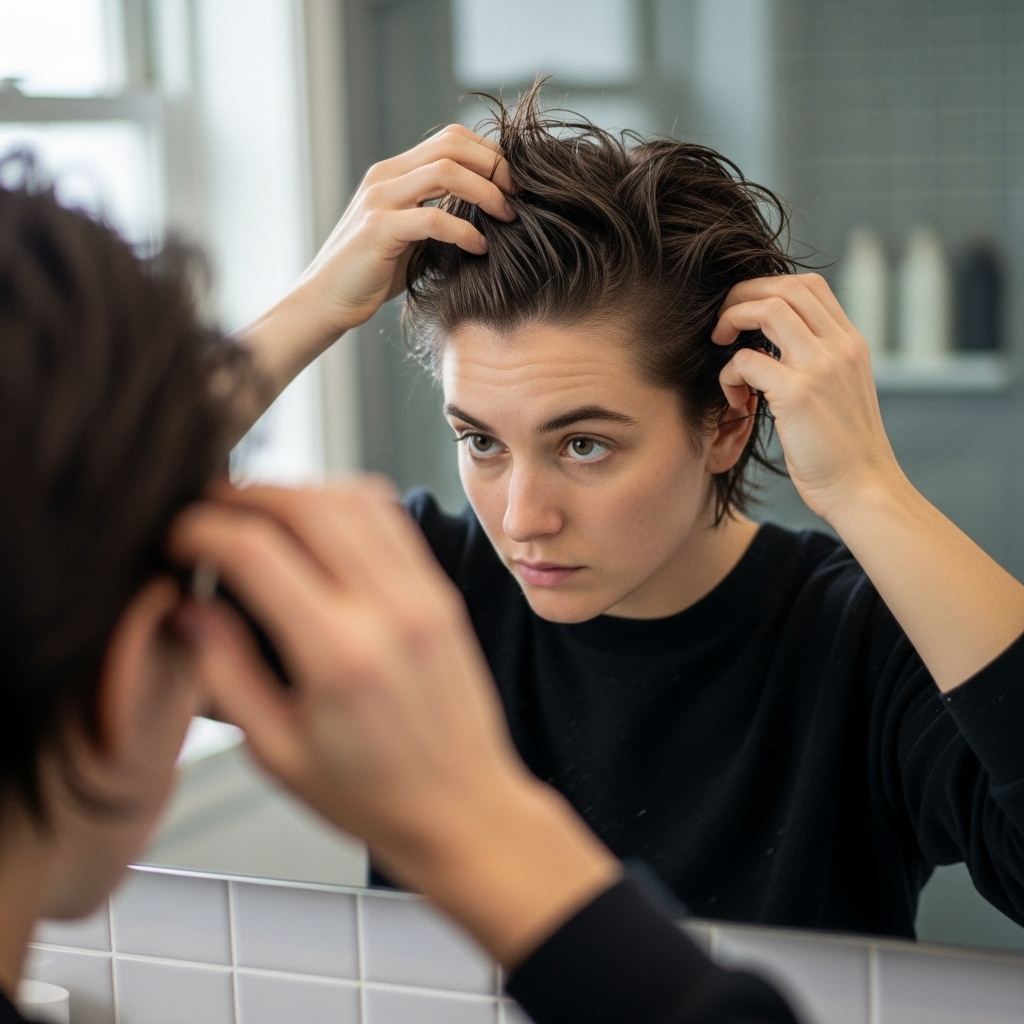
After washing, gently towel-dry your hair by blotting, not roughing it up, which causes frizz. Then, apply your chosen styling product—a mousse for volume or a cream for definition. Now, here’s the pro tip: style your hair while it’s wet. Use your fingers to push your hair into the general shape you want. If you have a side part, set it now. If you want volume at the crown, lift the roots with your fingers.
Then, do not touch it. Let it dry completely without fussing with it. If you have bangs or a fringe that you want to stay in place, you can use a small clip or a bobby pin to hold them while they dry. For wavy or curly hair, scrunching in a curl-enhancing cream and then allowing it to dry without disruption will give you the most defined, natural-looking curls.
Strategic Heat Styling (For When You Really Need It)
Some days call for a sleeker look, or maybe your hair just needs a little encouragement. On these days, heat styling is fine—as long as it’s strategic and efficient.
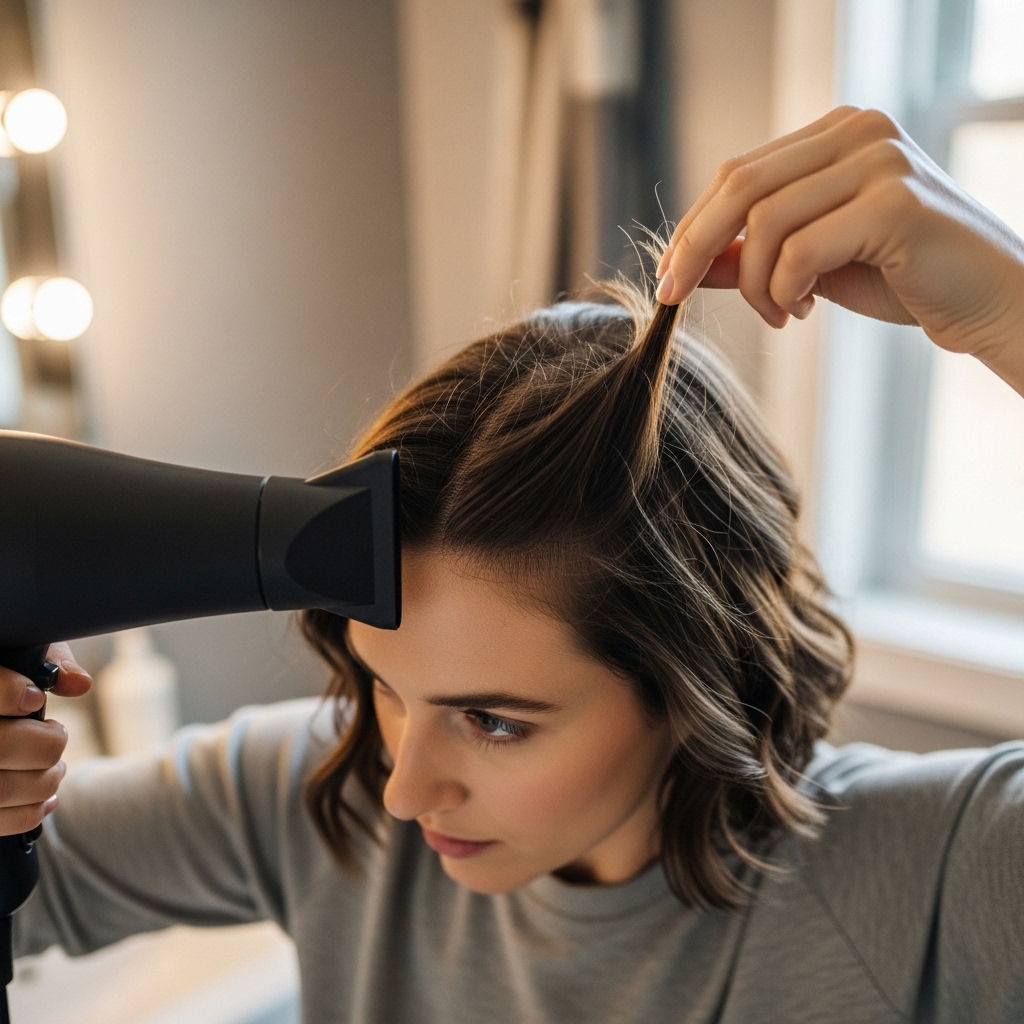
Instead of drying your entire head from sopping wet, let it air-dry 80-90% of the way first. This drastically reduces the time you need to spend with a blow dryer and minimizes heat damage. Use a concentrator nozzle on your dryer to direct the airflow precisely where you need it, like at the roots for lift or around the hairline for smoothing.
For a quick polish, a flat iron or curling wand can be used to fix a few unruly sections or add a slight bend to the ends—not to straighten or curl your entire head. The goal is a targeted approach. And never, ever skip the heat protectant spray. It’s a non-negotiable step for keeping your hair healthy, which is the true foundation of any great-looking style.
Nighttime Tricks for Morning Bliss
What you do overnight can set you up for success the next day. Instead of waking up to a flattened or chaotic mess, a simple nighttime routine can preserve your style.
If you have a style that needs refreshing, try loosely pinning up the top section of your hair with a large, soft clip before bed. This helps maintain volume at the crown. For those with curls or waves, a satin or silk pillowcase is a worthy investment. It creates less friction than cotton, drastically reducing frizz and helping your style hold its shape. You can also use a satin bonnet or scarf.
For very short hair, sometimes a quick spritz of water or a light-hold spray in the morning is all you need to reactivate your styling products and reshape your ‘do. The less you have to “fix” in the morning, the more time you save.

Maintain Your Shape with Regular Trims
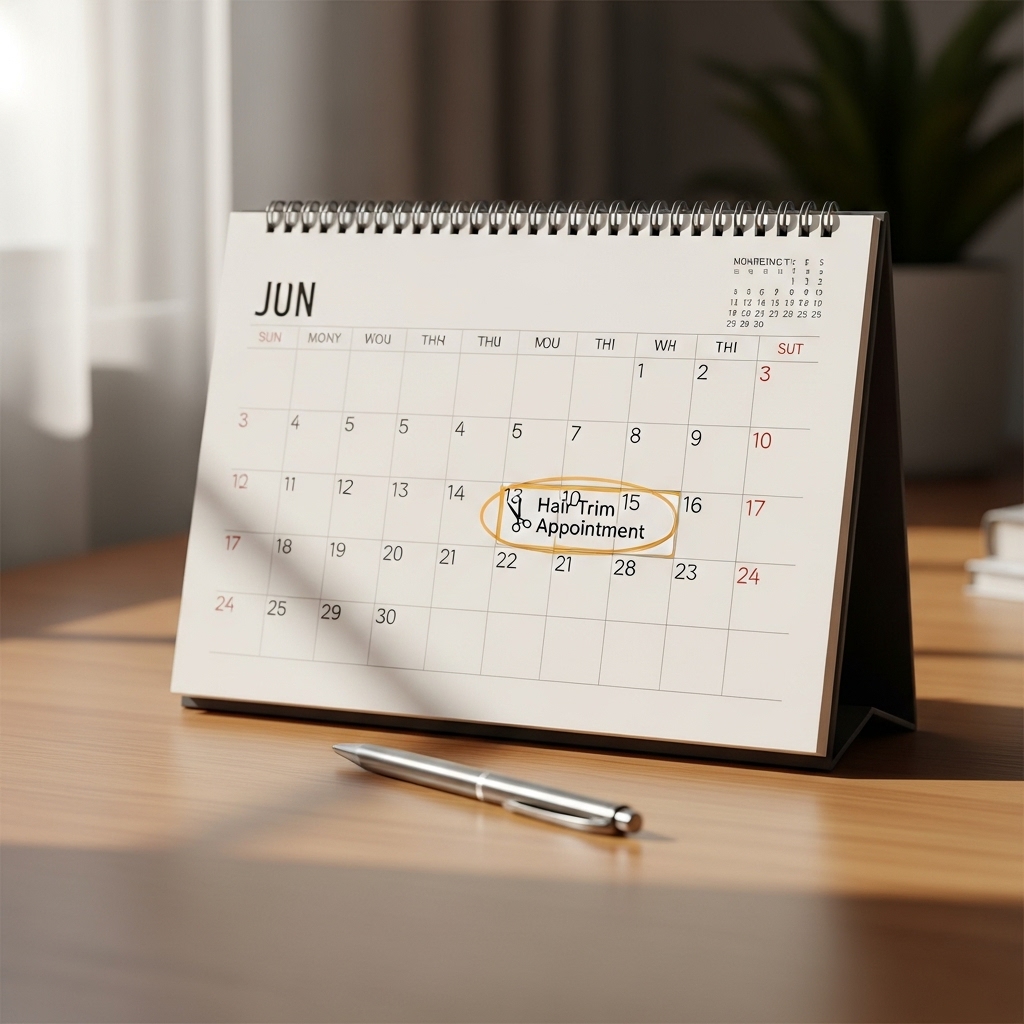
This might seem counterintuitive—wouldn’t more salon visits mean more maintenance? Actually, regular trims are the secret to long-term low maintenance. As short hair grows, it loses its shape. The lines get blurry, the weight distribution changes, and what was once an easy-to-style cut becomes a daily struggle.
By getting a trim every 4-6 weeks, you’re maintaining the integrity of the cut. Your stylist can clean up the lines, remove any split ends, and keep the shape looking intentional. This means that on a day-to-day basis, your hair will fall into place more easily, requiring less product and less styling time to look good. Think of it as preventative maintenance for your style.
Embrace the “Messy” and Redefine “Perfect”
Finally, a mindset shift can be the most powerful tool in your arsenal. Short hair often looks best with a bit of texture and movement—what some might call “messy.” A perfectly sleek, helmet-like bob can look dated and, frankly, requires a lot of work to maintain.
Learn to love a little imperfection. That piece that sticks up? Maybe it’s edgy. The slight wave that isn’t uniform? It’s organic and modern. By embracing your hair’s natural tendencies, you automatically reduce the time spent fighting them. Use your fingers, not a brush, for styling. Scrunch, don’t smooth. A lived-in, touchable look is not only chic but also incredibly efficient to achieve.
Your short hair is a statement. It’s a reflection of confidence and practicality. By implementing these strategies—choosing the right cut, simplifying your routine, using smart products, and embracing your natural texture—you can absolutely have a head-turning style that fits into your busy life. Stop fighting your hair and start working with it. You’ll save time, reduce frustration, and ultimately enjoy your fabulous short look more than ever.

