
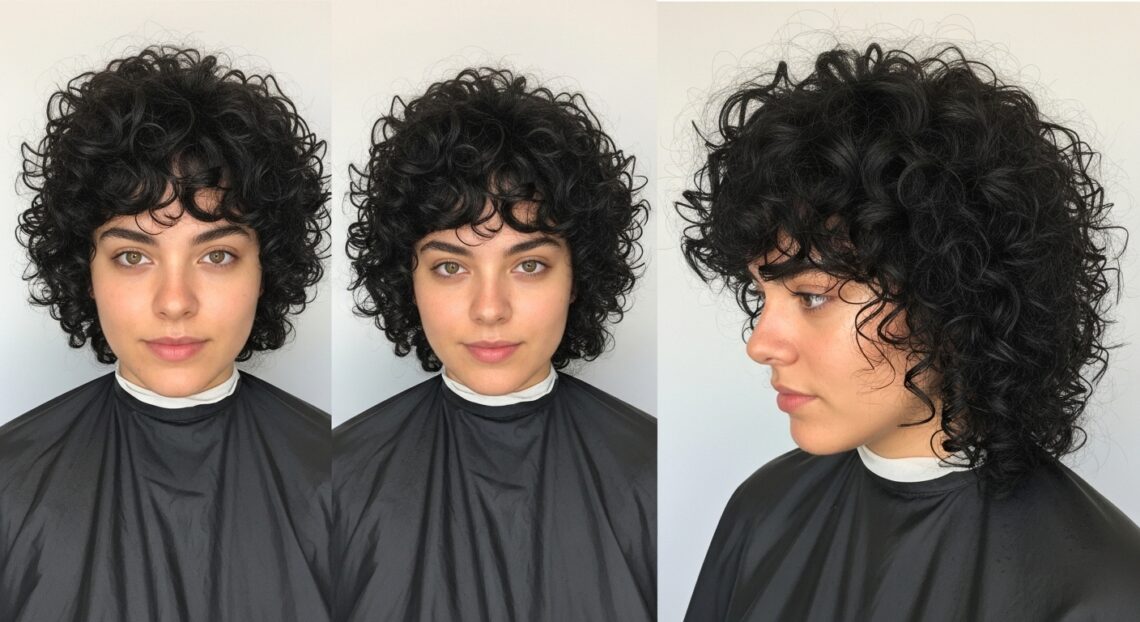
Remember the shag? That iconic, rebellious cut from the 70s? Well, it’s back, and it’s bigger, better, and more voluminous than ever. The modern shag has shed any hint of datedness, evolving into the ultimate haircut for anyone craving texture, movement, and an effortlessly cool vibe. It’s not just a haircut; it’s an attitude. But achieving that perfect balance of choppy layers, face-framing pieces, and sky-high volume can feel like a mystery. How do you go from flat to fabulous? How do you style it without looking like you just wrestled with a lawnmower?
Fear not. This isn’t your grandmother’s shag. The contemporary voluminous shag is a masterclass in strategic layering, designed to create body, dimension, and a touch of rock-and-roll edge. It’s a universally flattering cut that works on straight, wavy, and curly hair alike, celebrating natural texture rather than fighting it. Whether you’re a styling novice or a beauty guru, this guide will walk you through everything you need to know—from talking to your stylist to mastering your morning routine. Get ready to unlock the secrets to hair that’s full of life, personality, and undeniable volume.
What Exactly is the Voluminous Shag?
At its core, the shag is defined by its layers—and lots of them. Unlike a standard layered cut, a shag employs disconnected, heavily textured layers that start high up on the head, often at the crown or even around the cheekbones. This technique is the magic key to volume, as it removes weight from the bottom of the hair, allowing the shorter layers on top to lift and create body.
The modern voluminous shag is characterized by a few key elements. First, choppy, piece-y ends that avoid a blunt, heavy line. Second, wispy, face-framing bangs—which can range from curtain bangs to a full, shaggy fringe—that draw attention to your eyes and cheekbones. And third, an overall shape that is meant to look a little undone and imperfect. This is a cut that celebrates texture and movement over sleek, polished perfection. It’s artfully messy, intentionally ruffled, and always dynamic.
Consultation is Key: Talking to Your Stylist
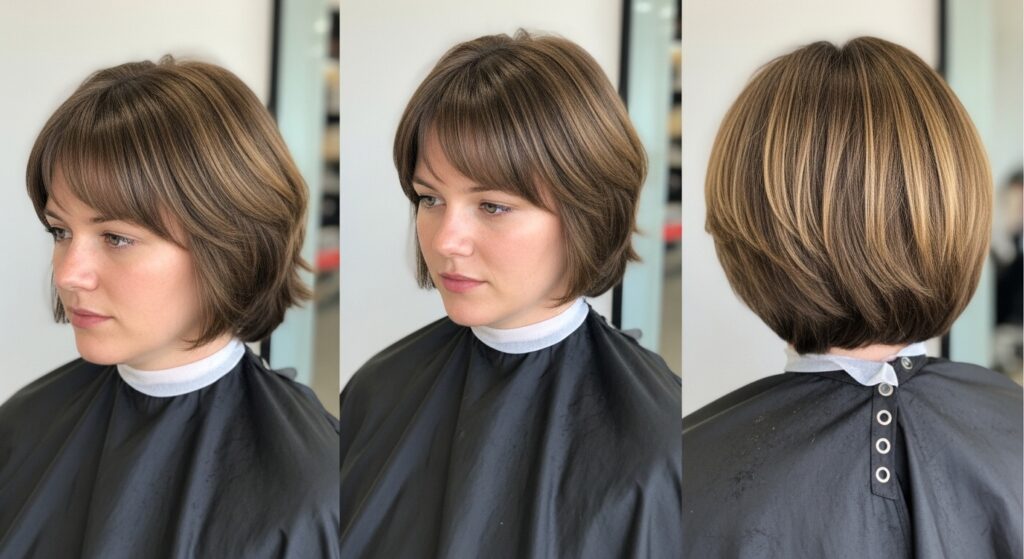
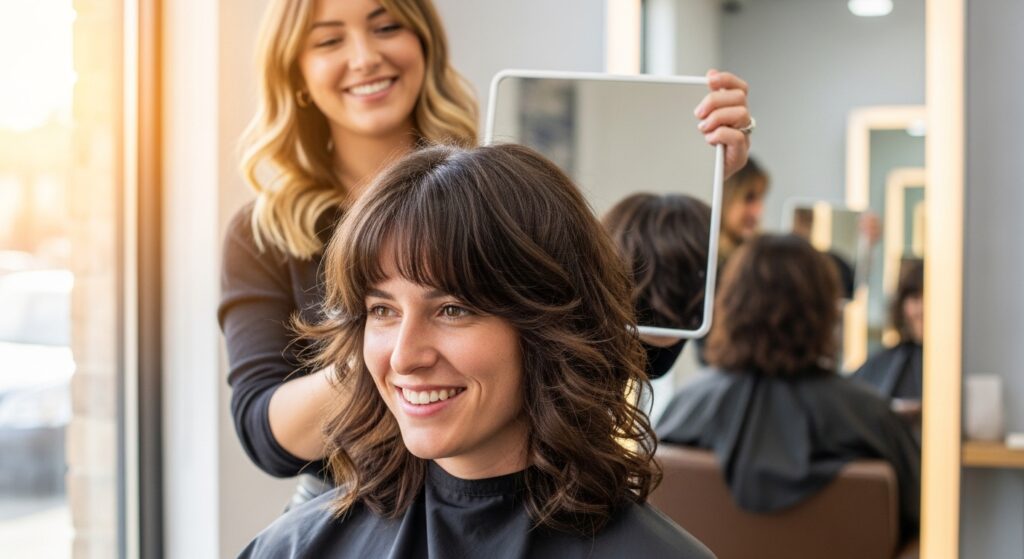
Walking into a salon and asking for “a shag” can mean a hundred different things. To ensure you and your stylist are on the same page, come prepared with visual references. Browse Pinterest or Instagram and save photos of shags that you love, paying close attention to the volume level, bang style, and overall length. This gives your stylist a concrete starting point.
Communication is crucial. Don’t just show a picture; use the right language. Describe the volume you want. Are you looking for “rockstar-level lift at the crown” or “soft, beachy body”? Talk about texture. Do you want it “choppy and edgy” or “feathered and soft”? Be specific about the bangs. Mention if you’re thinking of “curtain bangs,” “wispy bangs,” or a “micro fringe.” A good stylist will also assess your hair type, face shape, and lifestyle to tailor the cut to you. For example, if you have fine hair, they might suggest more, finer layers to build volume without sacrificing thickness. If you have a round face, they might focus on longer, face-framing layers to create elongation.
The Cut is the Foundation: Techniques for Maximum Volume
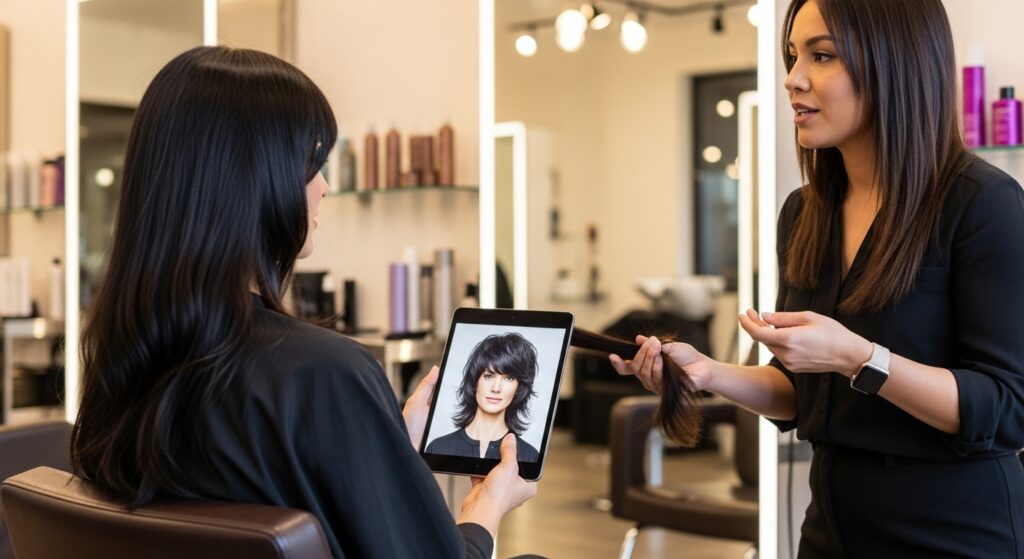
The volume in a shag doesn’t happen by accident; it’s engineered through specific cutting techniques. A skilled stylist won’t just use shears—they’ll likely bring out the razor and texturizing scissors to achieve that signature lived-in feel.
Razor cutting is a game-changer for the shag. It creates soft, feathered ends that blend seamlessly, preventing the layers from looking chunky or heavy. This technique is excellent for removing bulk and encouraging movement, which is essential for that airy, voluminous effect. Point cutting, where the stylist cuts into the ends of the hair at an angle, instead of straight across, creates those choppy, piece-y ends that are a hallmark of the style. Finally, extensive texturizing throughout the mid-lengths and ends helps to break up the hair, allowing it to collapse in on itself less and stand up with more body. This is the structural work that makes daily styling so much easier.
Your At-Home Styling Arsenal: Products and Tools
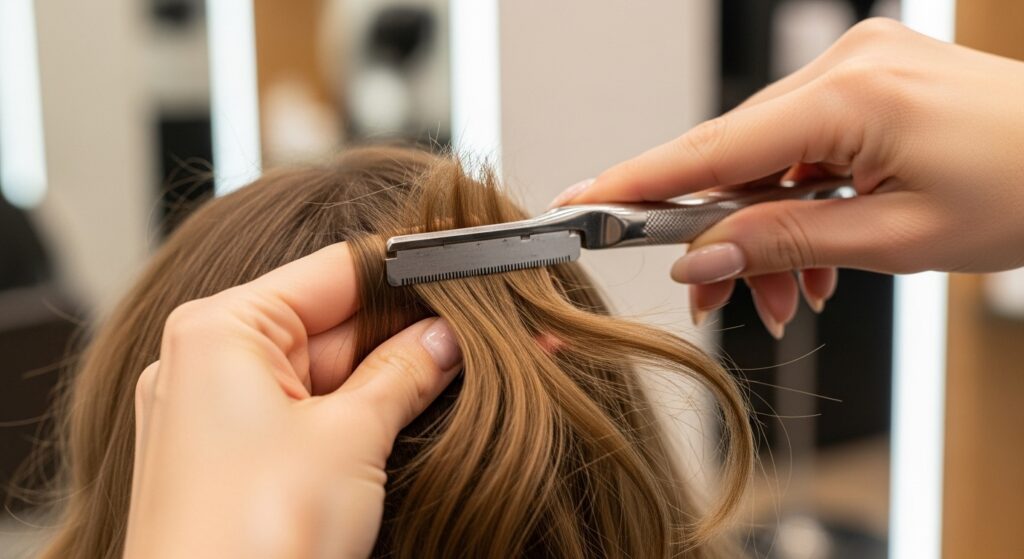
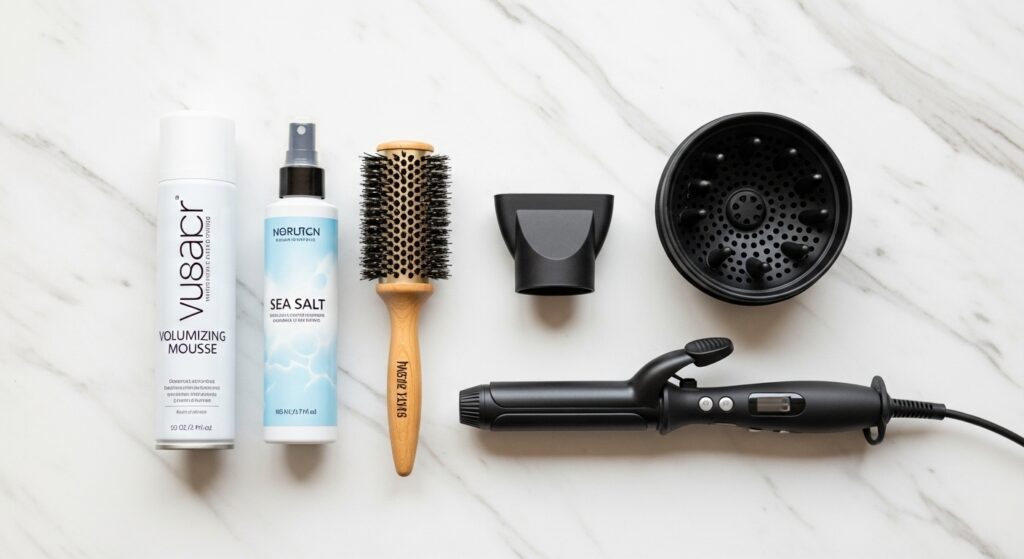
To maintain that salon-fresh volume, you need the right products and tools. This isn’t about achieving a sleek, flat-ironed look; it’s about enhancing texture and lift.
Essential Products:
Volumizing Mousse or Root Lift Spray: Your number one ally. Apply this to damp hair at the roots for a base of lasting lift.
Texture Spray or Sea Salt Spray: This is your go-to for creating that piece-y, slightly gritty texture that defines the shag. It adds grip and separation.
Dry Shampoo: Not just for second-day hair! A quick spritz at the roots on clean hair can add instant volume and texture.
A Lightweight Hairspray: Look for a flexible-hold formula that locks in style without making your hair stiff or crunchy.
Essential Tools:
A Round Brush: Crucial for blow-drying volume into the crown and smoothing the bangs.
A Diffuser: If you have wavy or curly hair, a diffuser is non-negotiable for enhancing your natural texture without causing frizz.
A Curling Wand (with a smaller barrel): Perfect for adding definition to the ends and face-framing pieces. Avoid uniform curls; aim for random, piece-y bends.
The Step-by-Step Styling Routine for Voluminous Shag Hair
Now for the fun part: putting it all together. This routine is designed to build volume from the root and define your texture without weighing your hair down.
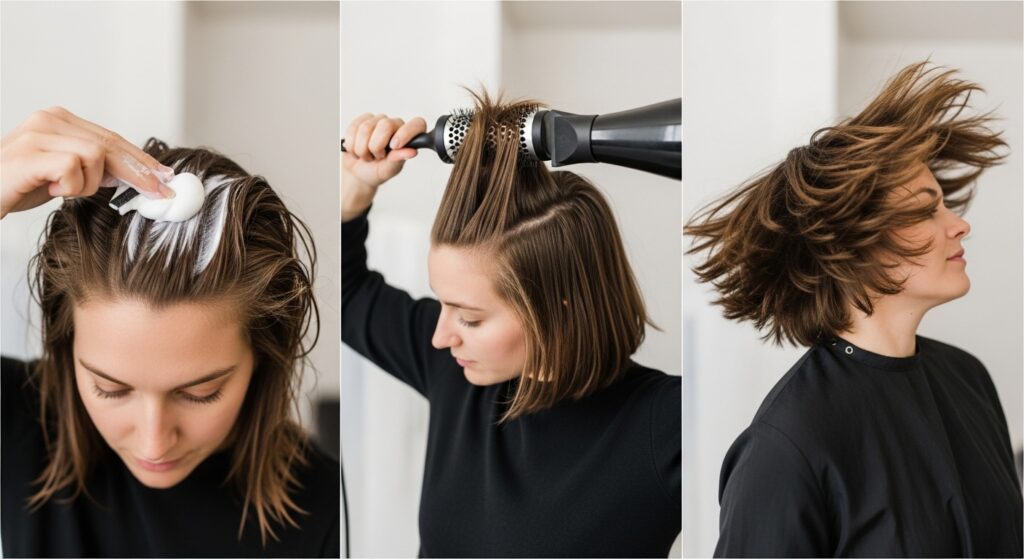
Start with towel-dried hair. Apply your volumizing mousse or root lift spray directly to the roots, massaging it in. Then, work a texturizing spray through the mid-lengths and ends. Flip your head upside down and use your diffuser (if you have curls or waves) or a round brush and blow dryer to dry your hair about 80% of the way. This initial upside-down drying is critical for building root volume.
Once it’s mostly dry, flip back up. Now, use your round brush to lift the sections at the crown, directing the heat from the blow dryer down the hair shaft from root to tip. For the face-framing layers and bangs, brush them away from your face to create a soft, flattering shape. If your hair is straight or you want more defined texture, take a 1-inch curling wand and wrap random, small sections of hair around it, focusing on the ends and the layers around your face. Don’t curl all your hair—just enough to create movement and separation. Finally, flip your head over again, give it a shake, and mist lightly with texture spray, scrunching the ends with your hands. Finish with a light hold hairspray to lock in the volume and texture.
Maintaining Your Masterpiece: Health and Upkeep
A shag with damaged hair is a sad shag. All those layers and textures are best showcased on healthy, well-maintained hair. Because the cut is so textural, split ends and dryness will be immediately noticeable.
Regular trims are non-negotiable. To keep the shape sharp and the ends looking choppy (not frayed), plan on a trim every 6-8 weeks. This might seem frequent, but it’s essential for maintaining the integrity of the cut. At home, invest in a hydrating shampoo and conditioner to combat the potential drying effects of texture sprays and heat styling. Once a week, use a deep conditioning mask to replenish moisture and keep your hair shiny and soft. When you use heat tools, always apply a heat protectant spray first. Your shag’s volume and texture depend on the health of each individual strand, so treat them well.
Adapting the Shag for Your Unique Hair Type
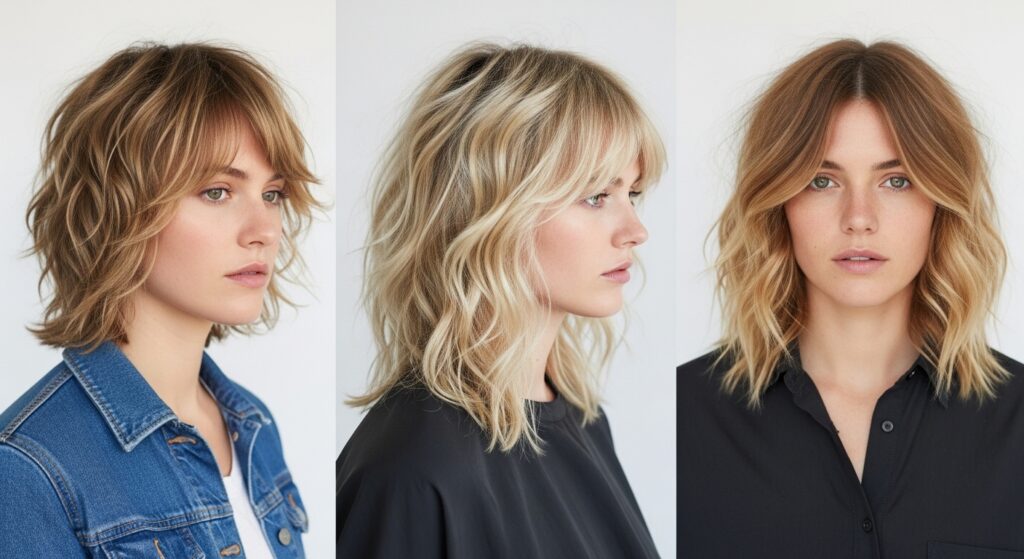
The beauty of the modern shag is its incredible versatility. It’s not a one-size-fits-all cut; it’s a template that can be customized to flatter every hair type and face shape.
For Fine Hair: The shag is a godsend. The layers create the illusion of thickness and body. Ask your stylist for more, finer layers and to avoid over-texturizing the very ends, which can make them look wispy and thin.
For Thick or Coarse Hair: The shag is perfect for removing bulk and weight. A razor cut can help soften the density, and the layers will give your hair a shape and movement it might lack otherwise.
For Curly and Wavy Hair: This is where the shag truly shines. The layers help to define your natural curl pattern, reducing triangle-head syndrome by releasing the curl spring. Embrace your diffuser and styling creams to enhance your curls, letting the layers create a beautiful, cascading effect.
For Straight Hair: You can absolutely rock a shag! The texturizing techniques will create the illusion of wave and movement that isn’t naturally there. Your styling routine will rely more on a curling wand and texture spray to create that piece-y, undone finish.
Conclusion: Embrace the Effortless Cool
The voluminous shag is more than a passing trend; it’s a liberation from high-maintenance, overly polished hairstyles. It’s a cut that encourages you to work with your hair’s natural texture, not against it. It gives you body, movement, and an instant dose of confidence. By understanding the cut, communicating clearly with your stylist, and mastering a simple, effective styling routine, you can absolutely rock this trendy look.
So, take the plunge. Embrace the chop, the layers, and the texture. Let your hair be a little wild, a little undone, and a whole lot of fabulous. With your new voluminous shag, you’re not just following a trend—you’re making a statement that you are effortlessly, undeniably cool.

