

Hey friend, Hailey here. If you’ve been rinsing your hair with rice water and staring at your roots every morning, you’re in good company. I’ve done it too. The internet makes rice water sound like a magic potion, but the truth is more practical and honestly more encouraging.
Rice water can support healthier hair, but it won’t grow three inches overnight. Real growth happens when you pair simple care with real tracking.
In this post, I’m sharing what rice water actually does, what it can’t do, and how to track hair growth milestones without losing your mind. We’ll also talk 2026 hairstyles, quiet luxury bob energy, old money hair, romantic goth hairstyles, glitchy glam hair, asymmetrical lob, vampire haircut, and hime cut goals. Let’s get into it, bestie.
What Rice Water Rinses Really Do
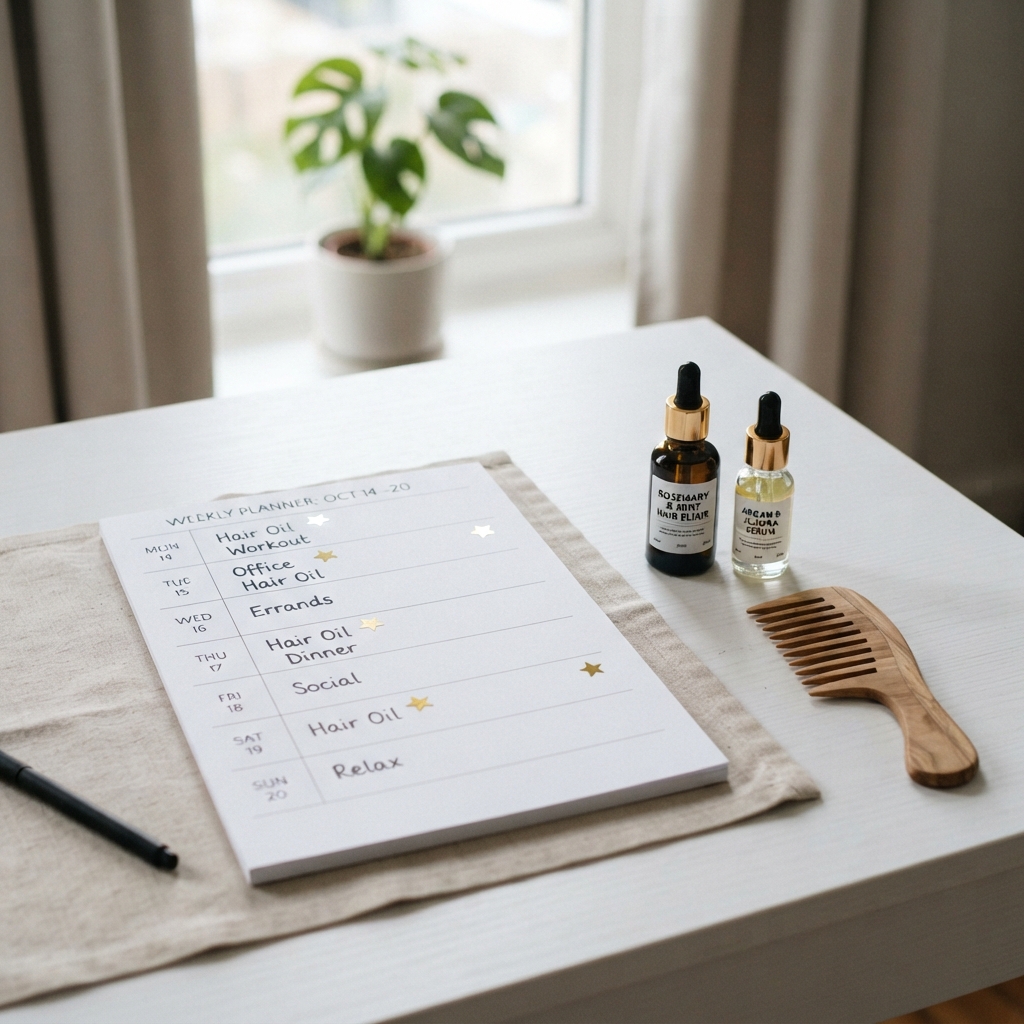
Rice water is exactly what it sounds like: water that has soaked rice. People use it as a final rinse after shampoo and conditioner.
It coats the hair with vitamins, minerals, and amino acids. That can make strands feel smoother, stronger, and shinier.
But here’s the truth: rice water is a cosmetic rinse, not a growth serum. It supports the hair you have. It doesn’t wake up dormant follicles overnight. Think of it like a good conditioner with extra minerals. Helpful, yes. Magic, no. If your goal is a quiet luxury bob or old money hair, healthy strands matter more than hype.
The Real Benefits of Rice Water for Hair
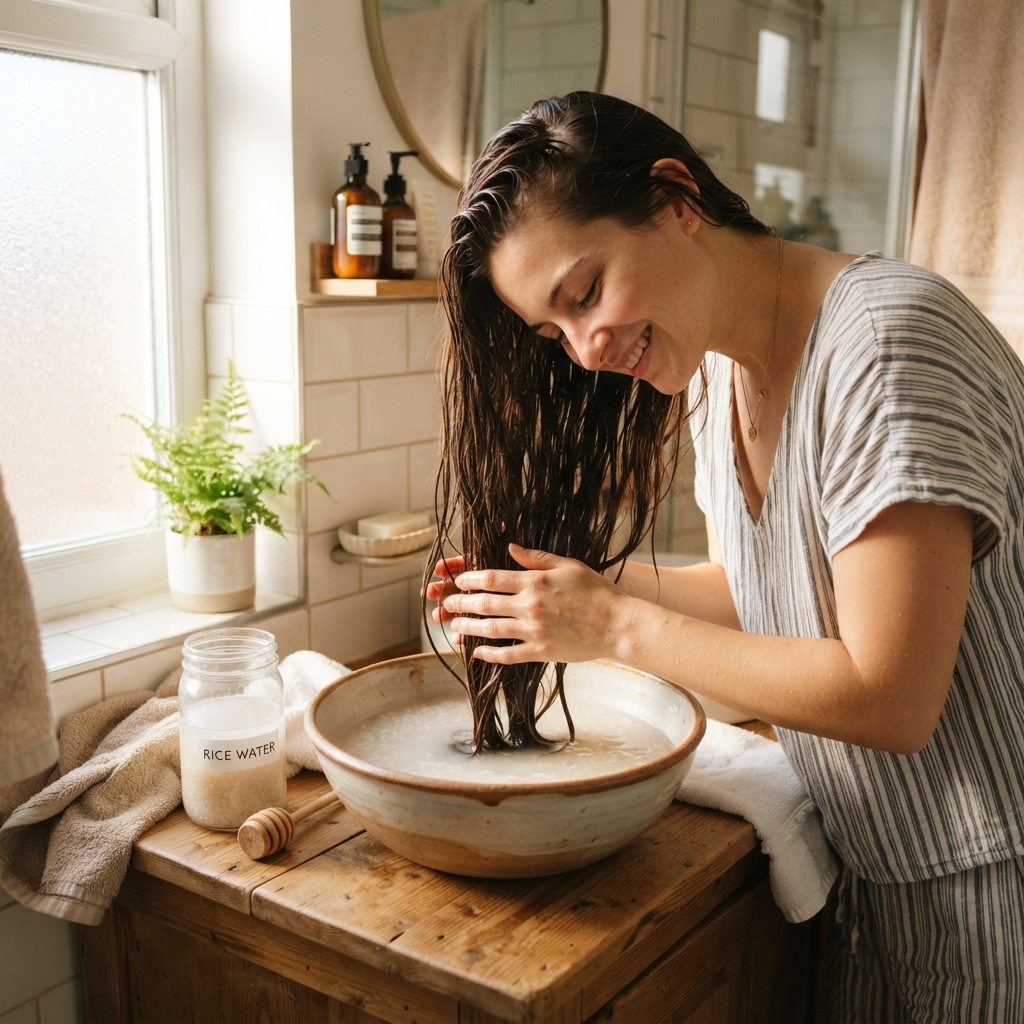
So what can rice water actually do? A few things, and they’re worth knowing.
- Adds slip: Hair feels easier to detangle.
- Boosts shine: It can smooth the cuticle for glass-like reflection.
- Strengthens strands: Amino acids may help reduce breakage over time.
- Supports scalp: Some people find it soothing, especially when chilled.
If you’re growing out a hime cut or an asymmetrical lob, less breakage means you keep more length. That’s the real win. Just don’t expect rice water to replace a balanced diet, gentle styling, or regular trims. It’s one small piece of a healthy hair routine.
What Rice Water Can’t Do
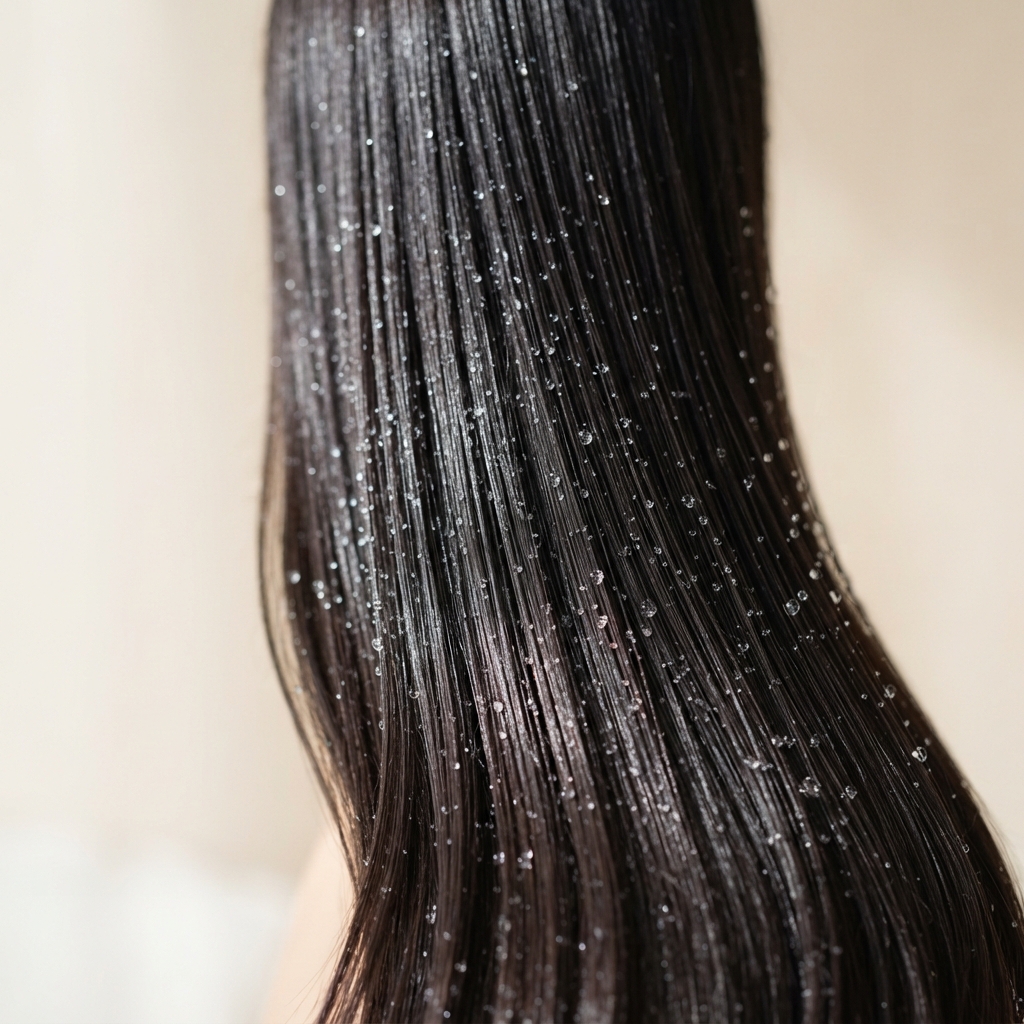
Rice water can’t fix split ends. Once a strand splits, it stays split until you trim it.
It can’t make hair grow faster than your genetics allow. Most people get about half an inch per month.
It can’t reverse bald spots, thyroid issues, or nutritional deficiencies. Those need a doctor or dietitian. And it can’t give you instant 2026 hairstyles if your hair is breaking off. Breakage is not growth. If you’re losing length, focus on moisture, protein balance, and gentle handling first. Rice water can support that, but it’s not the whole story.
How to Make a Rice Water Rinse at Home

Making rice water is simple. You don’t need a fancy recipe.
- Rinse 1/2 cup of rice until the water runs clear.
- Soak the rice in 2 cups of distilled water for 30 minutes to 24 hours.
- Strain the water into a clean bottle.
- Refrigerate it and use within 3 to 5 days.
For a lighter rinse, dilute it with more water. For extra freshness, add a few drops of rosemary oil if your scalp tolerates it. Always test on a small section first. If your hair feels dry or brittle after, dilute more or use it less often.
How Often Should You Use Rice Water?
Start slow. Once a week is plenty for most people.
If your hair loves it, you can try twice a week. If your hair feels stiff, straw-like, or dry, pull back.
Here’s a simple schedule to try:
- Week 1: one rinse, 2 to 3 minutes.
- Week 2: one rinse, 5 minutes.
- Week 3: add a second rinse only if your hair feels soft.
Overusing rice water can cause protein buildup. That makes hair brittle and prone to snapping. A quiet luxury bob needs movement, not crunch. So listen to your hair, not the trend cycle.
Rice Water for Low vs. High Porosity Hair

Porosity changes how rice water works for you.
Low porosity hair: cuticles are tight. Rice water can sit on top and feel greasy. Use it as a quick dilute rinse, then rinse it out.
High porosity hair: cuticles are open. Rice water can absorb faster and help fill gaps. Leave it on for a few minutes, then follow with a light leave-in.
Not sure which you are? Drop a strand in water. If it floats, low porosity. If it sinks quickly, high porosity. If it floats then sinks, medium. Match your rinse to your porosity, not your best friend’s hair.
Rice Water and Protein Sensitivity

Rice water contains amino acids, which are protein building blocks. Some hair drinks that up. Other hair hates it.
Signs of protein overload:
- Hair feels rough or straw-like.
- Strands snap instead of stretching.
- Tangles get worse, not better.
If that happens, stop rice water. Use a moisturizing deep conditioner and avoid protein for a few weeks. If your hair is fine, bleached, or heat-damaged, you might love rice water. If your hair is low porosity and easily stiff, you might not. There’s no shame in skipping a trend.
Rice Water Mistakes That Slow Growth

A few common mistakes can make rice water backfire.
- Leaving it in too long: More time isn’t better. It can dry out your ends.
- Using spoiled rice water: If it smells sour, toss it. Your scalp deserves better.
- Skipping conditioner: Rice water is not a replacement for moisture.
- Using it on an irritated scalp: Wait until your scalp is calm.
- Expecting overnight growth: That’s not how hair works.
The goal is retention, not miracles. If you’re trying to grow a romantic goth hairstyle or a vampire haircut, healthy ends are everything. Rice water should support that, not sabotage it.
Why Hair Growth Milestones Matter
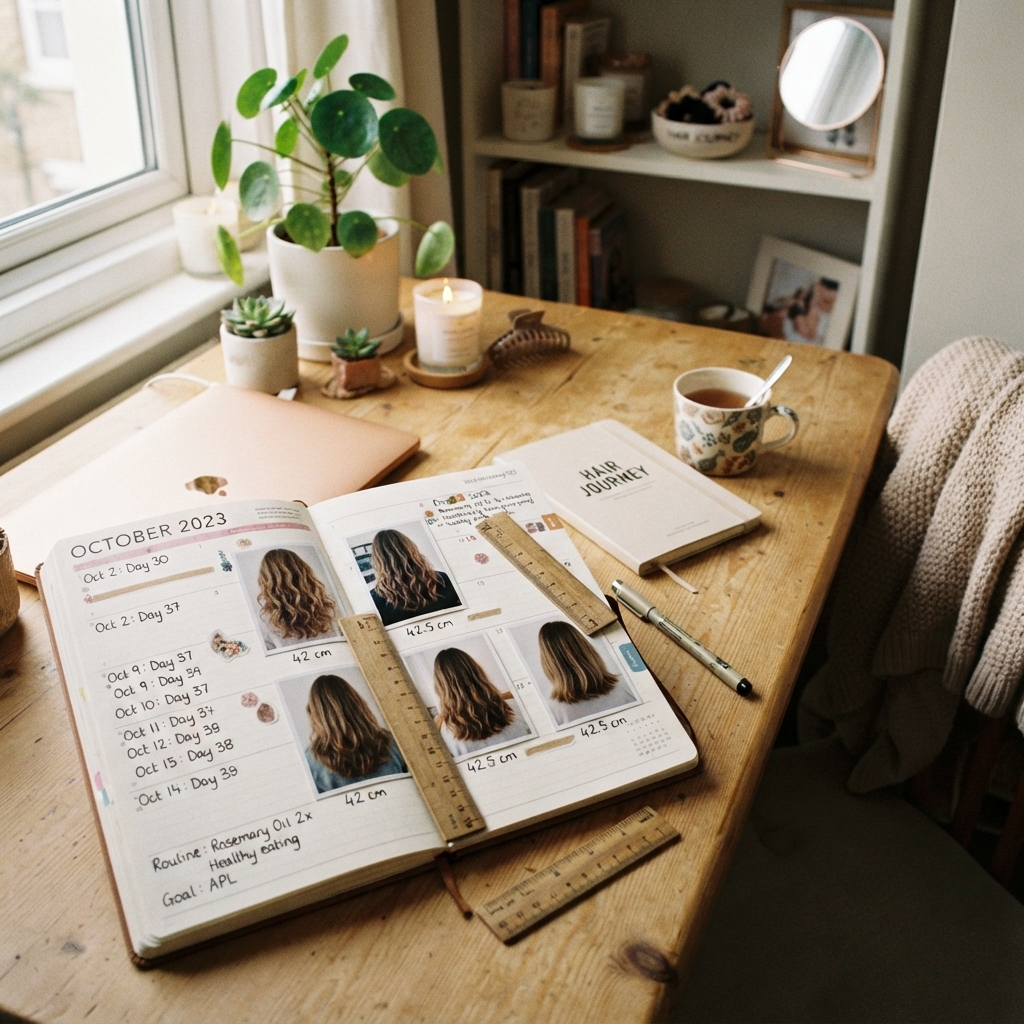
Hair grows slowly. That’s why milestones matter. They give you proof that your routine is working, even when the mirror lies.
Instead of checking every day, track real milestones:
- Your bangs reach your eyebrows.
- Your shortest layer touches your shoulders.
- Your ponytail gets thicker.
- Your hime cut side pieces finally frame your jaw.
These small wins keep you consistent. They also help you spot problems early. If you haven’t hit a milestone in months, you can adjust your routine instead of guessing. Growth is quiet. Tracking makes it visible.
How to Track Hair Growth the Simple Way

You don’t need an elaborate spreadsheet. Keep it simple.
- Pick one day per month.
- Wash and style your hair the same way each time.
- Take photos from the front, back, and both sides.
- Measure from your hairline to your ends with a soft tape.
- Write down anything that changed: trims, color, new products.
A notes app is enough. The key is consistency. Same lighting, same shirt, same pose. If you’re growing out a quiet luxury bob or an asymmetrical lob, monthly photos show the shape changing before length is obvious.
The Best Photos for Hair Growth Tracking
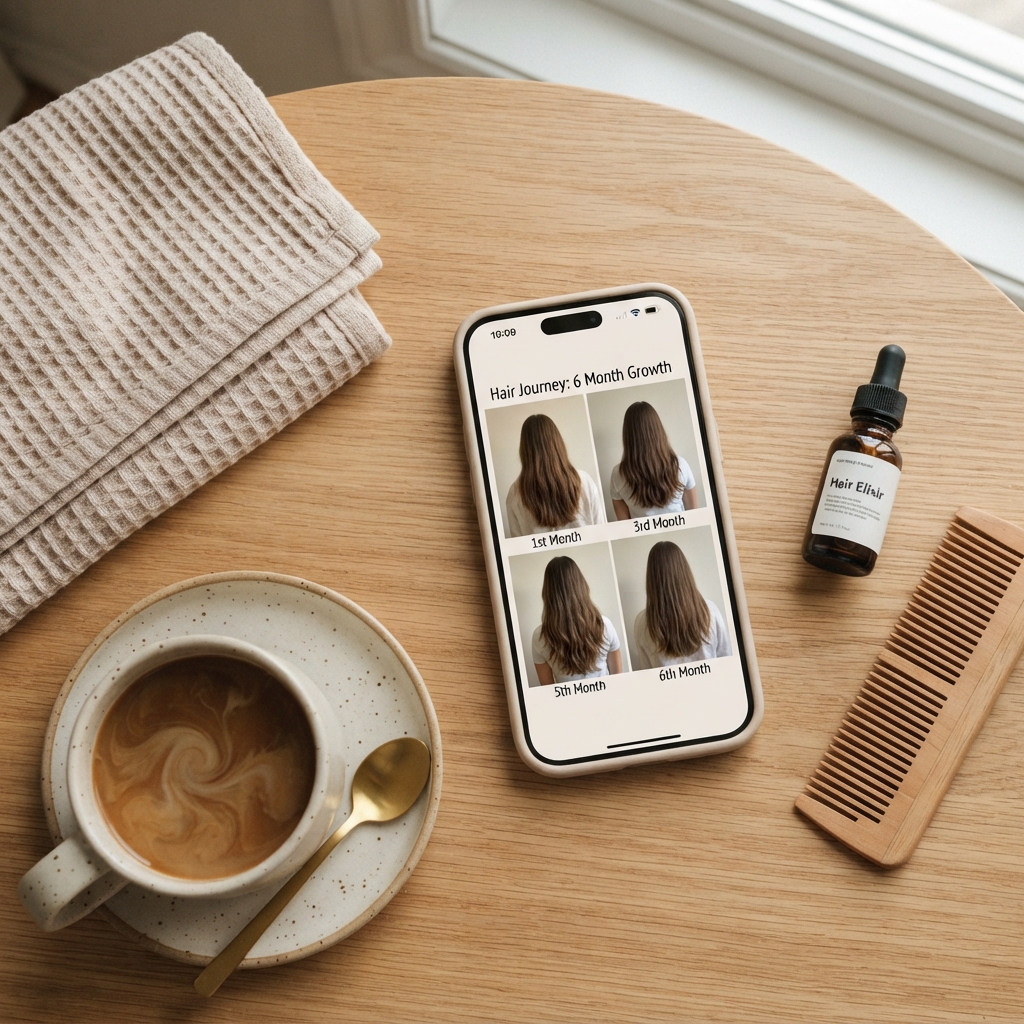
Good photos make growth tracking so much easier. Here’s what to do.
- Use natural daylight. Overhead bathroom light hides shine and texture.
- Wear a plain top. Patterns distract from your hair.
- Keep your hair dry or fully dry the same way each time.
- Take a back photo with arms down.
- Take a side photo to see layers and shape.
For curly hair, take one photo stretched and one photo natural. That way you can see length without sacrificing your texture. This is especially helpful if you’re aiming for romantic goth hairstyles or glitchy glam hair with lots of shape.
Measuring Hair Growth Without Obsession

Tracking is helpful. Obsessing is not. If you’re measuring every day, you’re going to drive yourself crazy.
Try this:
- Measure once a month, not weekly.
- Focus on how your hair feels, not just length.
- Celebrate retention: fewer broken ends, better moisture, softer curls.
- Take a break from length checks if you feel anxious.
Hair grows about half an inch per month. That’s tiny. Your eyes won’t see daily change. Monthly photos will. Trust the process, keep your routine gentle, and let your milestones surprise you.
Realistic Hair Growth Timelines
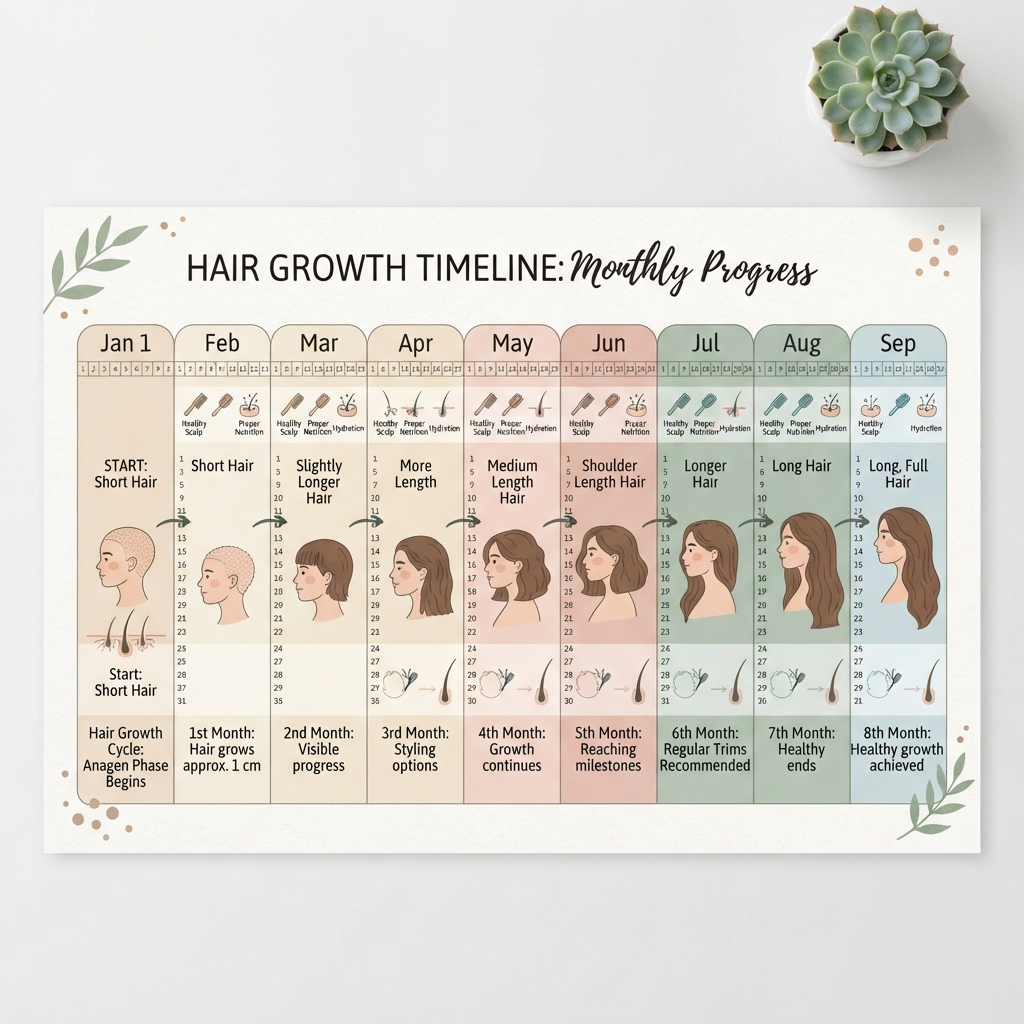
Let’s talk real timelines. Most people grow about 6 inches of hair per year. That’s with good health and low breakage.
- Short hair to shoulder length can take 12 to 18 months.
- Shoulder length to armpit length can take another 12 to 18 months.
- Armpit length to waist length can take 2 to 3 years.
If you have coily hair, shrinkage can make growth feel slower. Measure stretched to see the truth. If you’re growing out a vampire haircut or a hime cut, plan for awkward phases. They’re normal. Trims, gentle styling, and patience get you through.
Growth Milestones for Short Hair

Short hair milestones are so satisfying. Here’s what to watch for.
- Pixie to ear length: about 6 to 9 months.
- Ear length to jaw length: about 6 to 9 months.
- Jaw length to shoulder: about 9 to 12 months.
If you want an asymmetrical lob, you can start shaping the back while the front catches up. That makes the grow-out feel intentional. For a quiet luxury bob, wait until your shortest layers reach your chin. Then trim the back to match. It looks expensive and polished, even during the in-between stage.
Growth Milestones for Long Hair

Long hair milestones are about retention, not speed.
- Bra strap length: a solid goal for old money hair.
- Mid-back length: where ponytails feel full and heavy.
- Waist length: a major milestone for hime cut dreams.
- Hip length: requires serious protection and patience.
To get there, keep your ends moisturized, sleep on satin, and trim every 12 to 16 weeks. Tiny trims prevent big breakage. If you want a romantic goth hairstyle with long layers, regular dusting keeps the shape while length grows. Long hair is a lifestyle, not a race.
How Trims Affect Your Growth Milestones
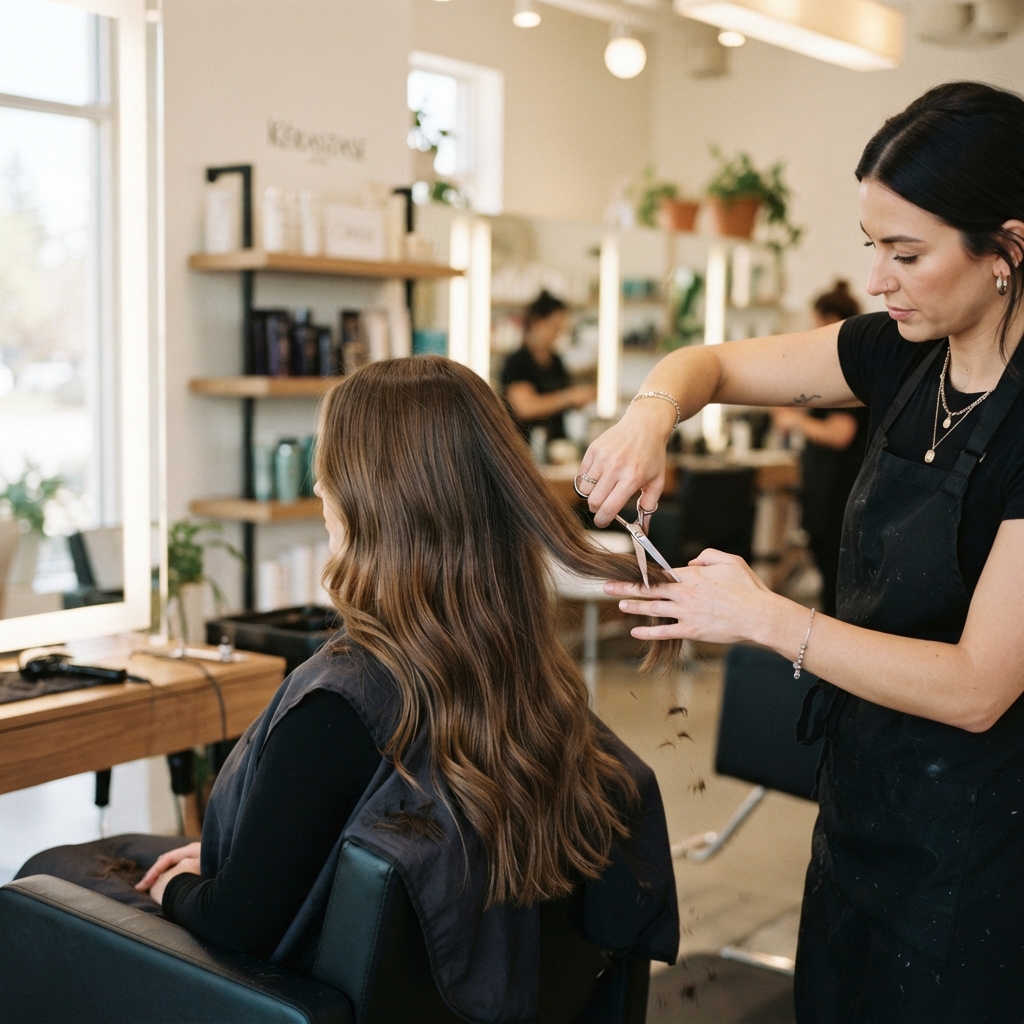
Trims don’t stop growth. They protect it. Split ends travel up the strand and steal your length.
Here’s a simple rule:
- Fine hair: trim every 8 to 12 weeks.
- Medium hair: every 10 to 14 weeks.
- Thick or coily hair: every 12 to 16 weeks.
If you’re growing out a bob, ask for a dusting instead of a full reshape. You’ll keep your milestone progress without losing the shape. For 2026 hairstyles like the quiet luxury bob, regular trims keep the line crisp. Healthy ends make every style look better.
Protective Styles That Help You Track Growth

Protective styles can help you grow and track at the same time. They keep your ends tucked away and reduce manipulation.
Try:
- Low buns with a satin scrunchie.
- Loose braids without tight tension.
- Claw clips instead of tight ponytails.
- Satin wraps or bonnets at night.
Take a length photo before you install the style and after you take it down. That before-and-after is a milestone. Just avoid styles that pull your edges. A hime cut or asymmetrical lob can still be protected with pin curls or a loose wrap. Cute and careful wins.
Rice Water and 2026 Hairstyles

So how does rice water fit into 2026 hairstyles? It’s all about finish.
The 2026 vibe is healthy, glossy, and intentional. Think glass hair, soft movement, and low-effort polish.
Rice water can add shine, which makes trends like glitchy glam hair and old money hair look expensive. It can smooth the cuticle, so a quiet luxury bob catches the light. But don’t use it as a styling crutch. You still need a good cut, regular trims, and gentle heat habits. Rice water is the supporting actor. Your routine is the main character.
Quiet Luxury Bob and Old Money Hair

The quiet luxury bob is everywhere, and it needs one thing above all: healthy hair.
A blunt bob shows every split end. So rice water rinses can help by smoothing the cuticle and adding shine. But if your hair is damaged, no rinse will fake that blunt line.
For old money hair, keep it simple. Shampoo, condition, rice water once a week, and a lightweight oil on ends. Blow-dry with a round brush for bend. Sleep on satin. Then get a trim every 8 to 10 weeks. That’s the real secret behind expensive-looking hair.
Romantic Goth Hairstyles and Vampire Haircut

Romantic goth hairstyles and the vampire haircut are all about texture and shape. Think long layers, face-framing pieces, and soft volume.
Rice water can help here if your hair is high porosity or damaged. It adds strength and shine without weighing down dark color. Just don’t overdo it, or the hair can feel stiff.
For a vampire haircut, ask for long face-framing layers and a slightly pointed center part. Keep ends trimmed to avoid a ragged look. Pair it with a deep conditioning mask once a week. Healthy dark hair looks mysterious. Damaged dark hair just looks tired.
Glitchy Glam Hair and Asymmetrical Lob
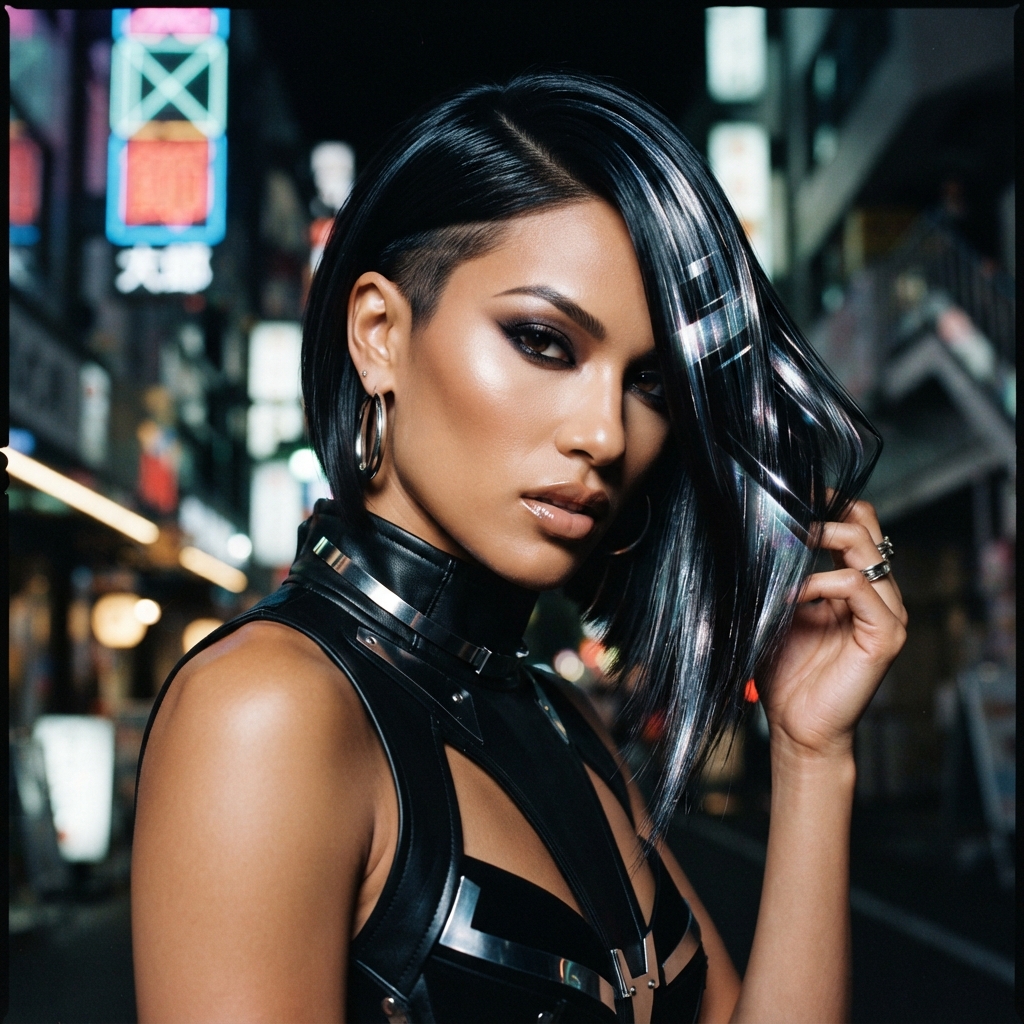
Glitchy glam hair is graphic, shiny, and a little unexpected. The asymmetrical lob is the perfect base.
This cut works best when ends are sharp, so breakage is your enemy. Rice water can help keep strands smooth, but you still need regular trims.
Ask your stylist for a deep side part and one side longer than the other. Then style with a flat iron for sleekness or add waves for contrast. If you use heat, always use a protectant. Rice water is not a heat shield. It’s a support step. Keep it simple and your lob will stay sharp.
Hime Cut Growth Goals

The hime cut is one of the most specific styles to grow out. It needs blunt side pieces, a straight back, and clean lines.
Rice water can help keep your hair smooth and shiny, which makes those blunt lines look crisp. But the hime cut requires patience. You may need to grow your front pieces to cheekbone or jaw level.
Use a silk pillowcase and avoid tight ponytails. Trim the back every 10 to 12 weeks while you let the sides catch up. Once it’s shaped, it looks stunning. Until then, take monthly photos. You’ll see progress.
When to See a Doctor About Hair Growth

Rice water is not a treatment for medical hair loss. If you notice sudden shedding, bald patches, or a widening part, see a doctor.
Possible causes include:
- Thyroid imbalance.
- Iron or vitamin D deficiency.
- Hormonal changes.
- PCOS or menopause.
- Certain medications.
- Extreme stress or illness.
A doctor can run bloodwork and help you find the root cause. Once that’s handled, rice water and good hair habits can support regrowth. Don’t wait months hoping a rinse will fix it. Your health comes first, always.
A Warm Wrap-Up
So here’s the honest truth: rice water rinses can make hair feel smoother, shinier, and stronger. They’re a lovely addition to a gentle routine. But they are not a magic growth potion.
Real hair growth comes from consistency, retention, and tracking your milestones. Take monthly photos. Measure once a month. Trim when needed. Protect your ends. And be patient with your 2026 hairstyle dreams, whether you want a quiet luxury bob, old money hair, romantic goth hairstyles, glitchy glam hair, an asymmetrical lob, a vampire haircut, or a hime cut. You’re doing better than you think. Keep going.
Save this post to Pinterest so you can find it on your next wash day. And tell me in the comments: what hair growth milestone are you celebrating right now?

