

Chemical services can give you the hair of your dreams, but they can also push your strands past their limit. I have seen too many beautiful 2026 hairstyles ruined by bleach, relaxers, or perms because the hair was not prepped first.
Pre-treatment hair protectants are the quiet heroes. They create a buffer, reinforce bonds, and help your hair stay strong while the formula does its job.
Think of them like a seatbelt for your strands. You still get the color, the shape, the shine. You just lower the risk of breakage, uneven texture, and regret.
Below, I am sharing the protectants that matter, how to use them, and how to prep for looks like a quiet luxury bob, old money hair, or a vampire haircut. Let’s keep your integrity intact.
What Are Pre-Treatment Hair Protectants?
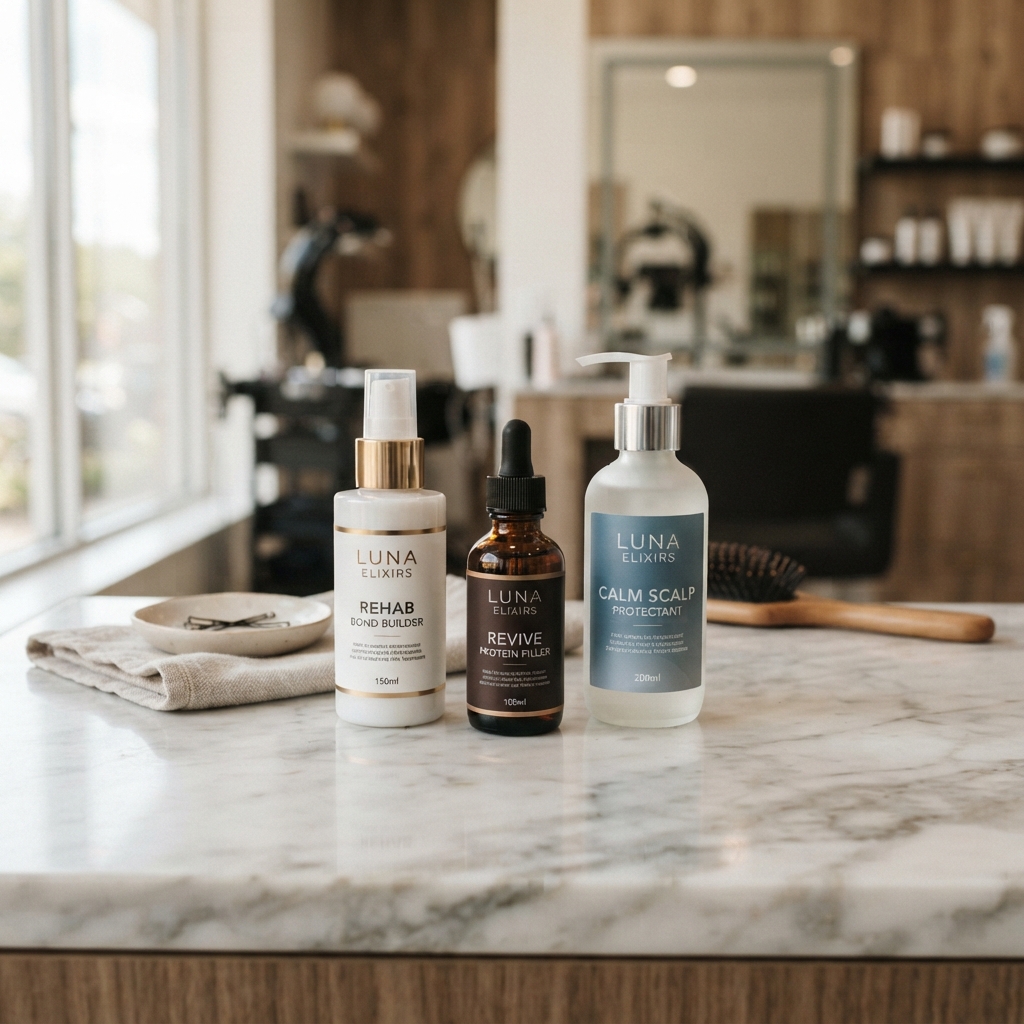
Pre-treatment hair protectants are products applied before chemical services like color, bleach, perms, relaxers, or keratin treatments. They do not replace a good stylist. They simply give your hair a better starting point.
They can add protein, lipids, moisture, or pH balance. Some create a physical barrier on the scalp or strand. Others work inside the hair to support bonds.
- Bond builders
- Protein fillers
- Lipid and oil barriers
- Scalp protectants
- pH balancing primers
The goal is simple: less damage, more predictable results. That matters for every look, from a hime cut to glitchy glam hair.
Why Use A Pre-Treatment Before Chemical Services?
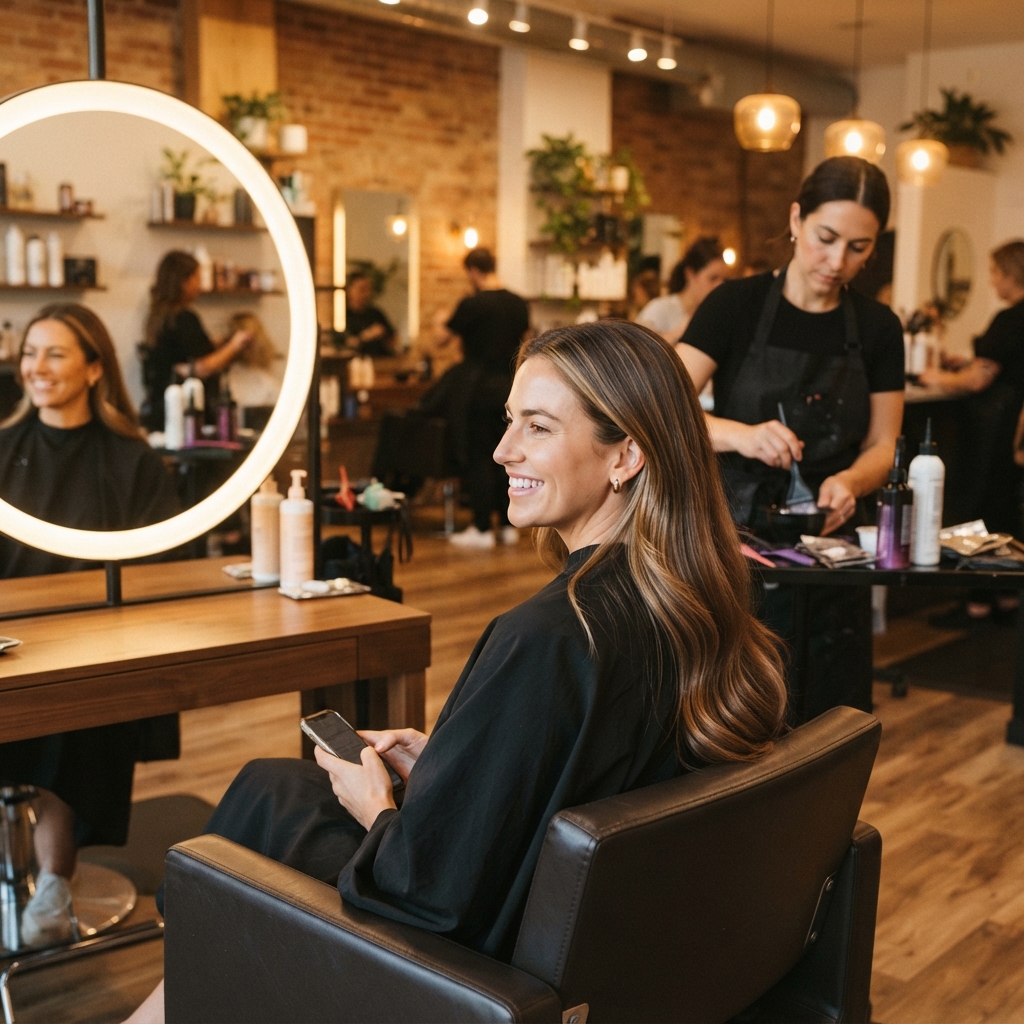
Chemical services are designed to change your hair. That change can be beautiful, but it also means the cuticle gets lifted, bonds get broken, and moisture can escape.
A pre-treatment acts like insurance. It helps your hair hold onto strength while the service does its work. You may notice less snapping, less roughness, and better color payoff.
- Fewer mid-service surprises
- More even porosity
- Stronger elasticity
- Better shine after rinsing
If you want old money hair or a sleek asymmetrical lob, prep is not extra. It is part of the plan.
Bond Builders: The Gold Standard Pre-Treatment
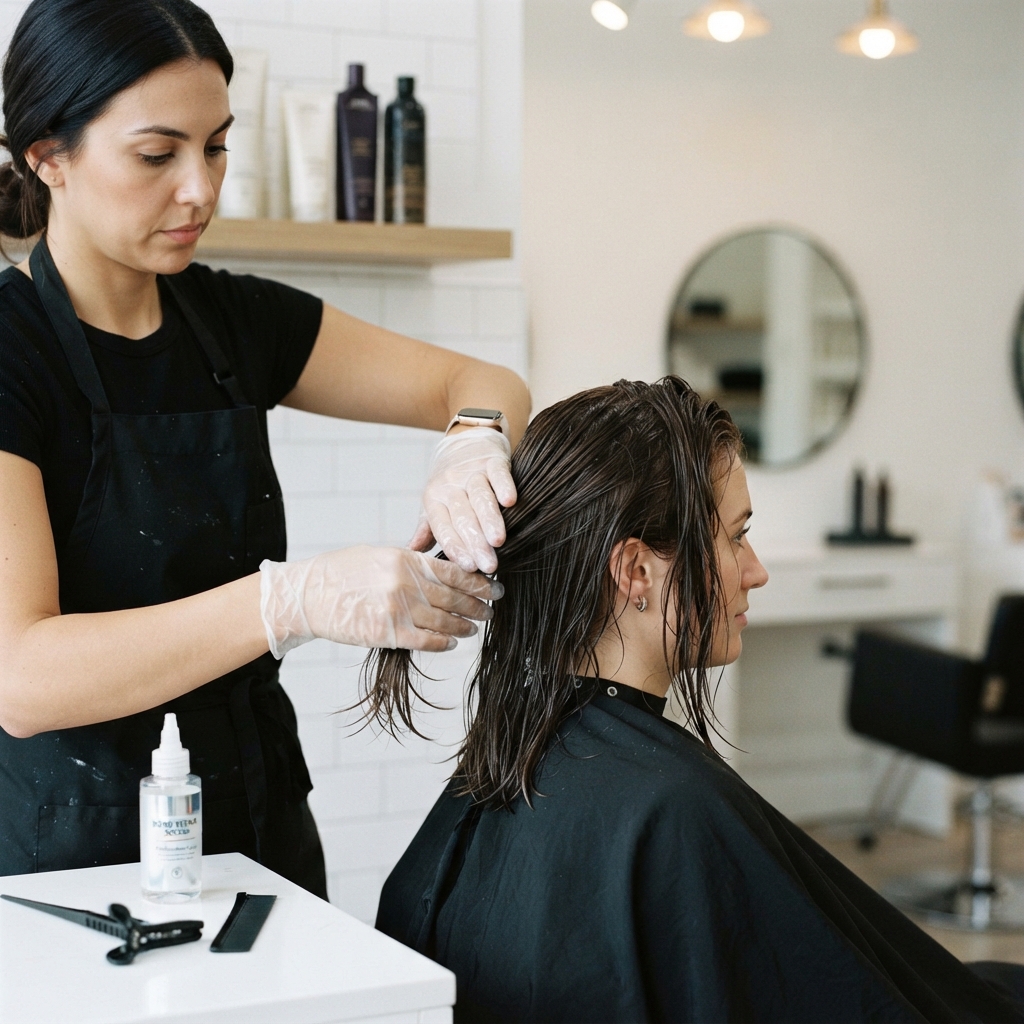
Bond builders are popular because they target the links inside your hair. They can help reduce breakage during bleach, color, and lightening services.
Some are mixed into the lightener. Others are applied as a pre-treatment rinse or mist. Ask your stylist which one fits your hair history.
- Clarify gently if your stylist says to.
- Apply the bond builder as directed.
- Let it process for the full time.
- Do not rinse unless instructed.
Bond builders are not magic. They support smart decisions. They pair well with a romantic goth hairstyles color or a soft quiet luxury bob refresh.
Protein Fillers For Bleach And Lightening
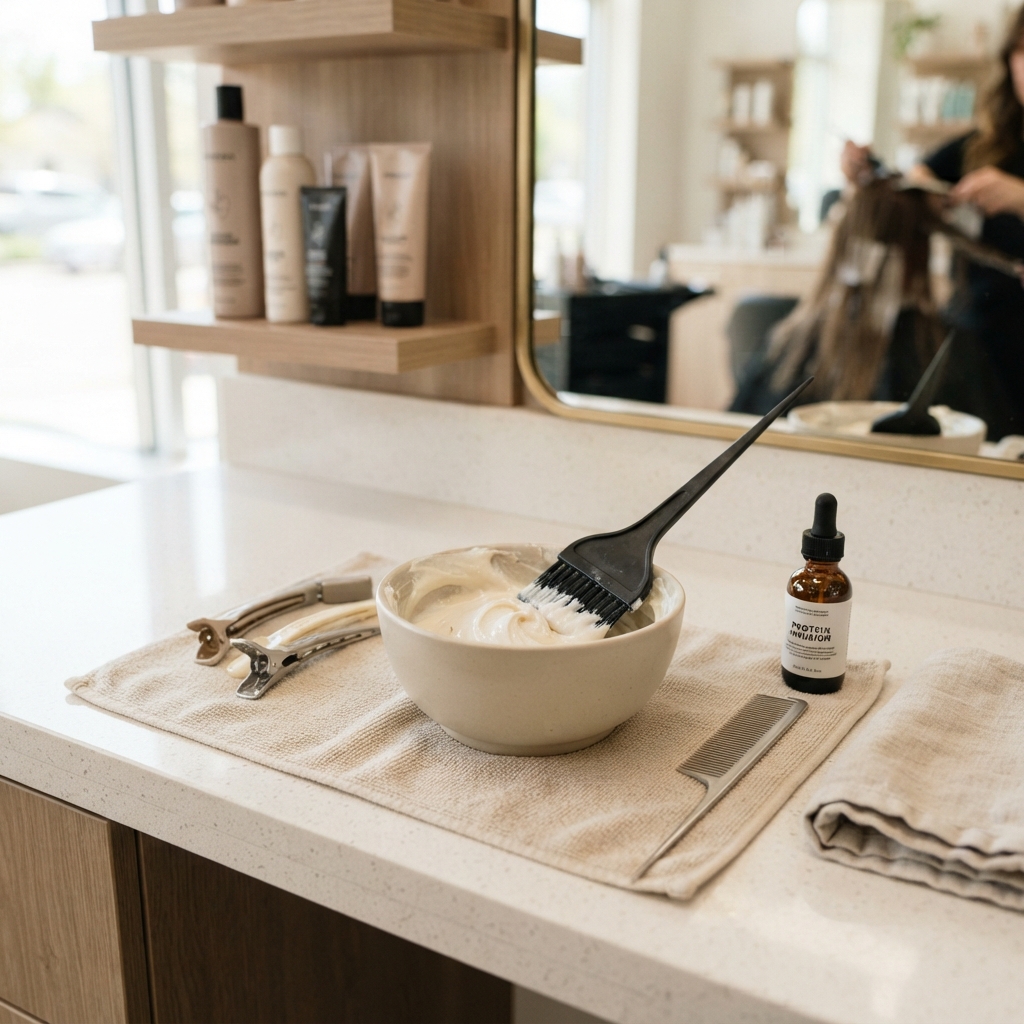
Bleach can make hair feel mushy or stretchy. A protein filler can temporarily fill gaps in the cuticle and add structure before lightening.
This is especially helpful if you have porous hair, previous highlights, or you are going from dark to light. It can help the bleach process more evenly.
- Use a lightweight protein filler, not a heavy mask.
- Apply to damp, clean hair.
- Focus on mid-lengths and ends.
- Do not overdo it, or hair can feel stiff.
Your stylist may call this a “filler” or “fortifier.” It is a smart step for a vampire haircut color change.
Lipid Barriers For Moisture And Elasticity

Lipids are fats that help hair stay flexible. A lipid barrier can slow down how fast chemicals penetrate and protect moisture levels.
Think of oils, ceramides, and fatty alcohols. They can be used as a pre-treatment on dry or damaged sections. Your stylist might apply them only where you need them.
- Coconut oil for some hair types
- Ceramide serums
- Argan or jojoba oil
- Cholesterol treatments
Lipid barriers are great before a gentle gloss or a shape update like an asymmetrical lob. They keep hair from feeling straw-like afterward.
Scalp Protectants You Should Never Skip
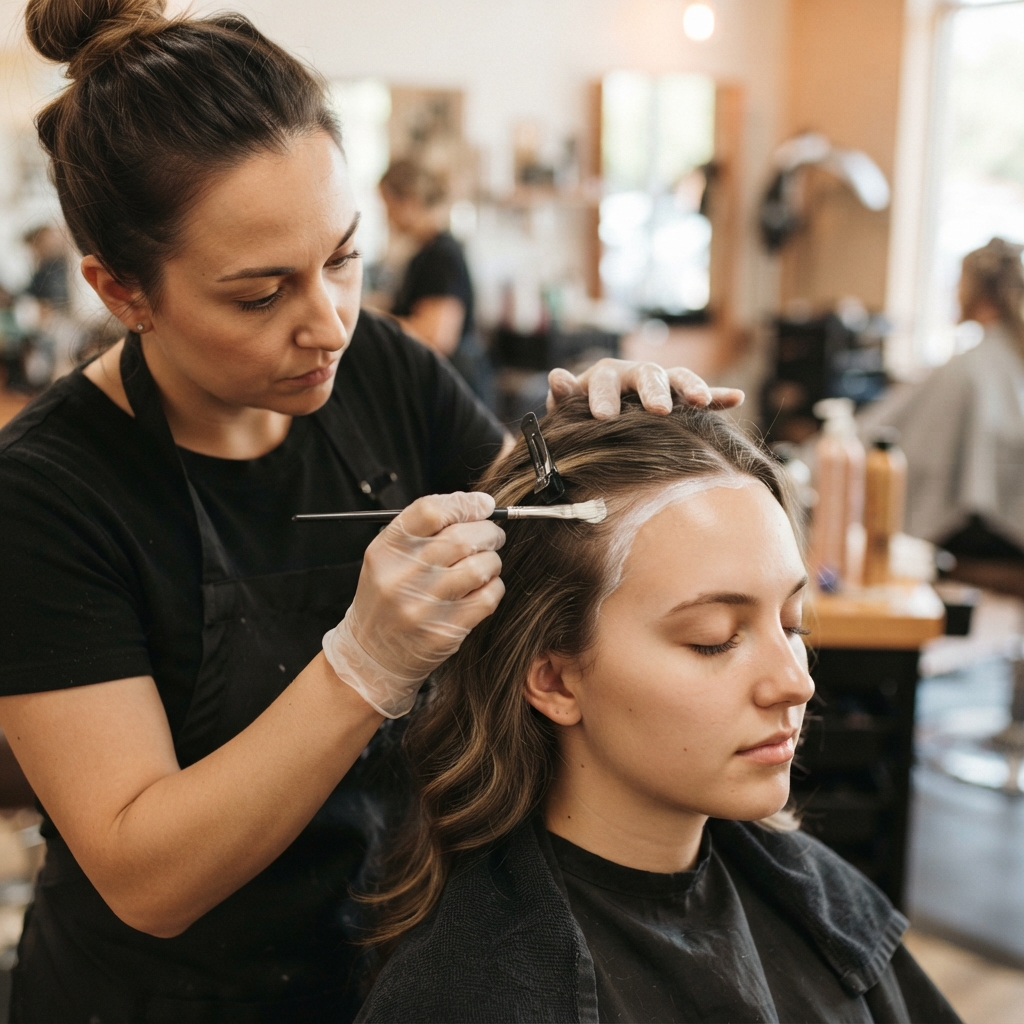
Your scalp is skin, and chemical services can irritate it. A scalp protectant creates a barrier along the hairline, part, and ears before color or relaxers touch your roots.
Some stylists use petroleum-based barriers. Others prefer lighter gels or creams. The right one depends on your scalp sensitivity and the service.
- Ask for a barrier if you have a sensitive scalp.
- Do not scratch or wash aggressively the day before.
- Skip oils if your stylist says they interfere.
- Speak up about burning or tingling.
Healthy scalp, happier service. That is true for every 2026 hairstyle.
pH Balancing Primers Before Color

Hair and color products have a pH. When your hair’s pH is off, color can grab unevenly or fade faster. A pH balancing primer helps bring your strands into a calm, ready state.
These primers often feel like a light mist or rinse. They can smooth the cuticle and prep hair for better pigment absorption.
- Use before gloss, toner, or permanent color.
- Great for porous, highlighted hair.
- Can help reduce brassiness surprises.
- Follow your stylist’s timing exactly.
If you love old money hair, this step helps keep that rich, expensive-looking tone even from root to tip.
How To Prep For A Quiet Luxury Bob Color

The quiet luxury bob is all about polish. Soft color, healthy shine, and a clean shape. Chemical services like a root touch-up or gloss can make it sing.
Before you go, prep gently. Do not over-wash. Do not scratch your scalp. Let your stylist know about any recent box color or henna.
- Clarify two days before if recommended.
- Apply a bond builder or protein filler as directed.
- Skip heavy oils on service day unless approved.
- Bring inspiration photos in natural light.
This keeps your bob looking expensive, not fried. Quiet luxury is a finish, not just a cut.
Protecting Old Money Hair During Highlights

Old money hair is shiny, healthy, and effortless. Highlights can add depth, but they can also dry out mid-lengths and ends.
Ask your stylist about a pre-treatment for highlighted sections. Bond builders and lipid barriers are common choices. They help protect the hair that has already been lightened.
- Mention old bleach or color.
- Request a strand test.
- Use a barrier on fragile ends.
- Plan a trim after if needed.
The goal is lived-in dimension, not damage. A little prep keeps that old money glow intact.
Pre-Treatment For Romantic Goth Hairstyles Color
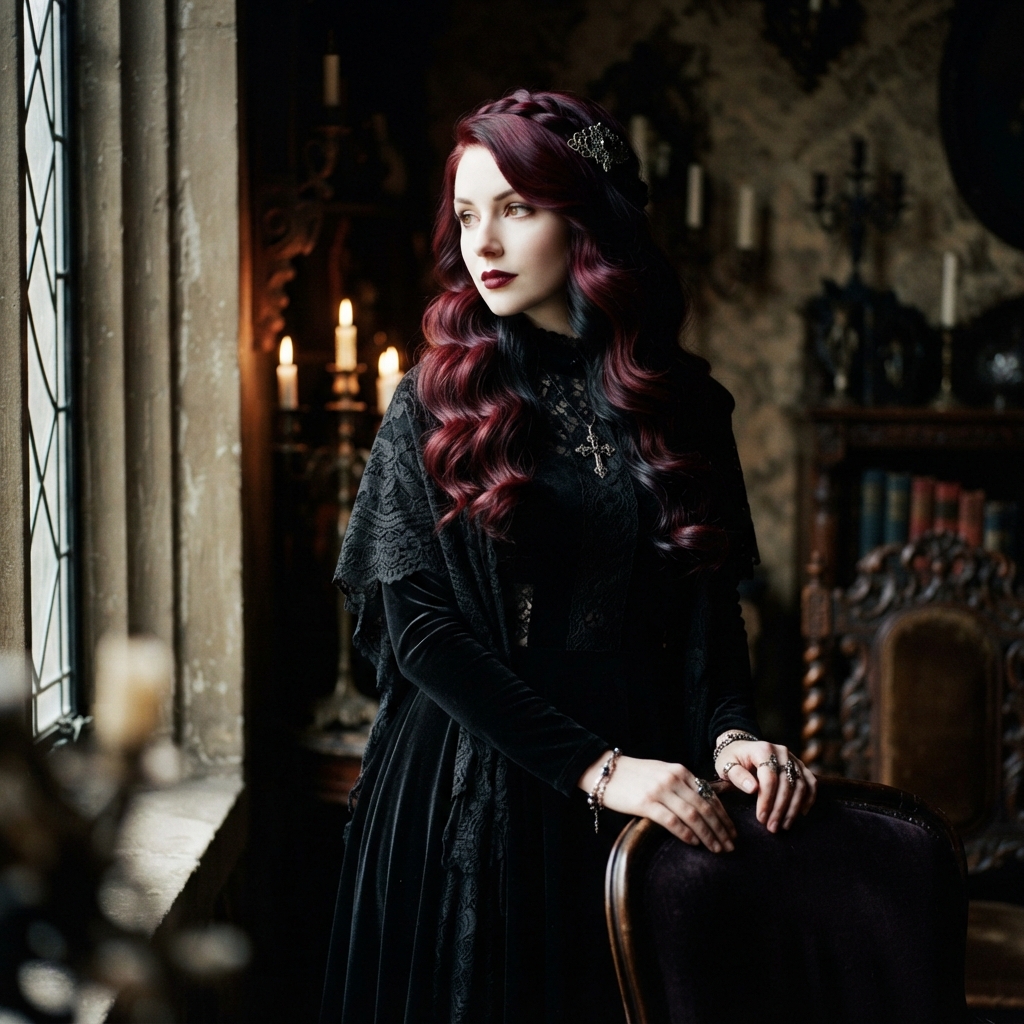
Romantic goth hairstyles often mix deep color, soft texture, and moody shine. Think black cherry, cool burgundy, or inky violet. These colors can be intense.
Pre-treating helps prevent patchiness and breakage, especially if you are going darker or using a bleach wash first. Protein fillers and bond builders are your friends.
- Do a strand test for new dark shades.
- Use a color-safe primer.
- Protect the scalp with a barrier.
- Avoid heavy oils before bleach.
Romantic goth hair should feel strong and silky, not brittle. Prep makes the drama last.
Glitchy Glam Hair Without The Damage

Glitchy glam hair is playful, edgy, and a little futuristic. It might include sharp color blocks, metallic tones, or textured layers. That usually means lightening or vivid color.
Before you go glitchy, protect your canvas. A bond builder can help with lightening, while a pH primer can prep for vivids. If your hair is already compromised, your stylist may suggest a slower plan.
- Be honest about previous color.
- Ask for a test strand.
- Do not bleach over damaged hair.
- Plan a nourishing aftercare routine.
Glitchy glam is fun. Breakdown is not. Protect first, play later.
Asymmetrical Lob Color And Texture Prep

The asymmetrical lob is chic and modern. It can be sleek, wavy, or edgy. If you are adding color or a texture service, prep is key.
A protein filler can help if your ends are porous. A lipid barrier can protect the longer side. A scalp protectant keeps root color comfortable.
- Decide if you want color, texture, or both.
- Ask your stylist which pre-treatment fits.
- Avoid washing with harsh sulfates right before.
- Bring photos of the shape and tone.
This cut shows every flaw, so healthy hair matters. Prep gives that sharp, intentional finish.
Vampire Haircut Color Survival Guide

The vampire haircut often has sharp layers, deep color, and a moody vibe. If you are going from light to dark or dark to light, the chemical jump can be rough.
Pre-treatment helps manage the shock. Bond builders support the inside. Protein fillers smooth porosity. Scalp barriers keep the root area comfortable.
- Do not rush a big color change.
- Use a strand test.
- Ask about a two-step process.
- Keep aftercare simple and moisturizing.
Vampire hair should look powerful, not fragile. A strong prep keeps the bite without the breakage.
Hime Cut Chemical Service Protection

The hime cut is precise and elegant. It has blunt side pieces, a straight back, and a clean line. Color or smoothing services can make it look even more polished.
But precision cuts show damage fast. Pre-treat with a bond builder if you are lightening. Use a pH primer before gloss. Protect the scalp if you are relaxing or smoothing.
- Keep the cuticle smooth.
- Avoid heavy product buildup.
- Trim before or after as advised.
- Use a silk pillowcase.
A hime cut deserves a healthy canvas. Prep helps those lines stay crisp and shiny.
Pre-Treatment For Keratin And Smoothing Treatments
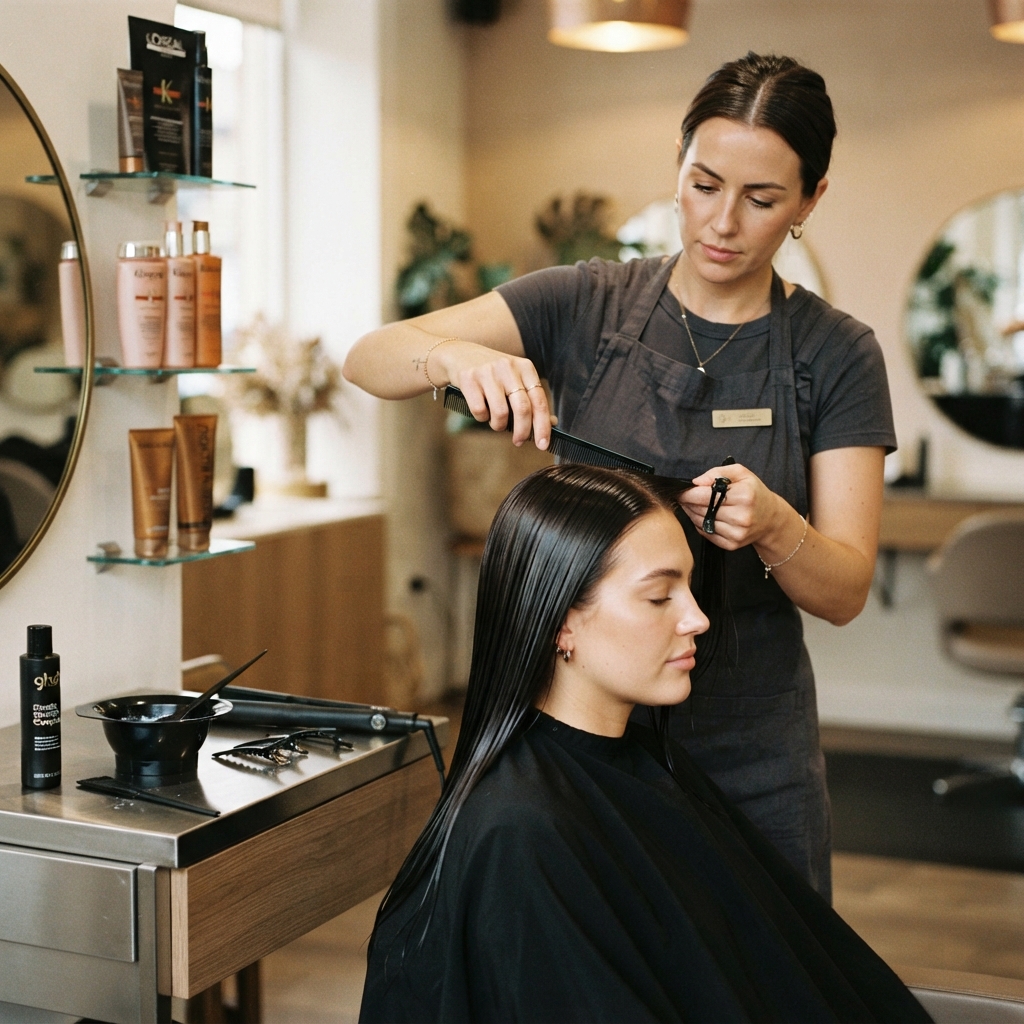
Keratin and smoothing treatments can reduce frizz and add shine. But they are still chemical services. The prep is different from bleach prep.
Your stylist may ask you to clarify first. They may avoid heavy oils or silicones that block the treatment. Bond builders are sometimes used, but not always.
- Clarify as directed.
- Do not apply heavy masks right before.
- Skip oil on the scalp if asked.
- Tell your stylist about any previous keratin.
Prep helps the smoothing agent work evenly. That means better results and less risk of weird texture.
Pre-Treatment For Perms And Waves
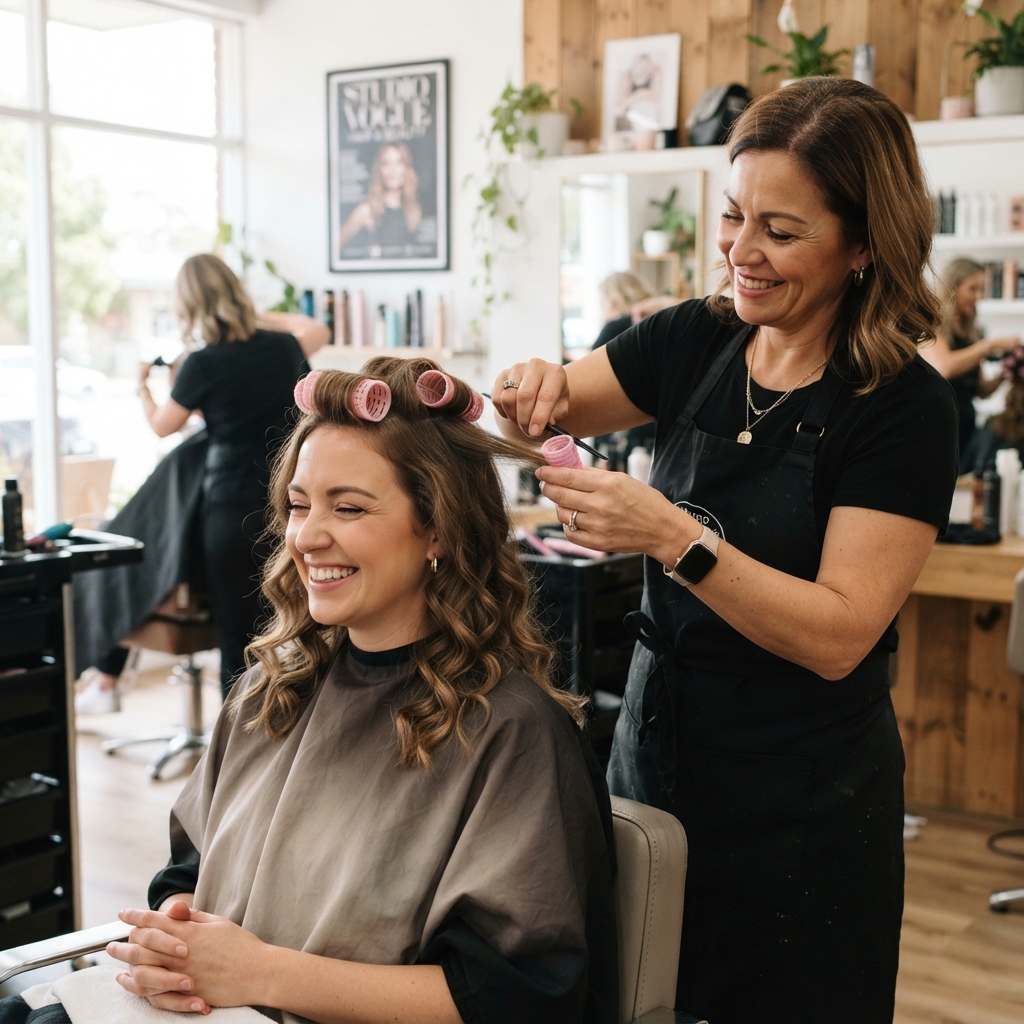
Perms and waves change your pattern. They can be gorgeous, but they also break bonds. A pre-treatment can help your hair handle the process.
Protein fillers are common before perms, especially on porous or previously colored hair. Your stylist may also use a bond builder. They will check elasticity first.
- Do not perm over bleach-damaged hair.
- Do a strand test.
- Use a gentle protein filler if advised.
- Avoid washing the day before if your stylist says so.
Prep helps curls form evenly. No one wants a perm that looks puffy on the ends and flat at the root.
Pre-Treatment For Relaxers And Texturizers
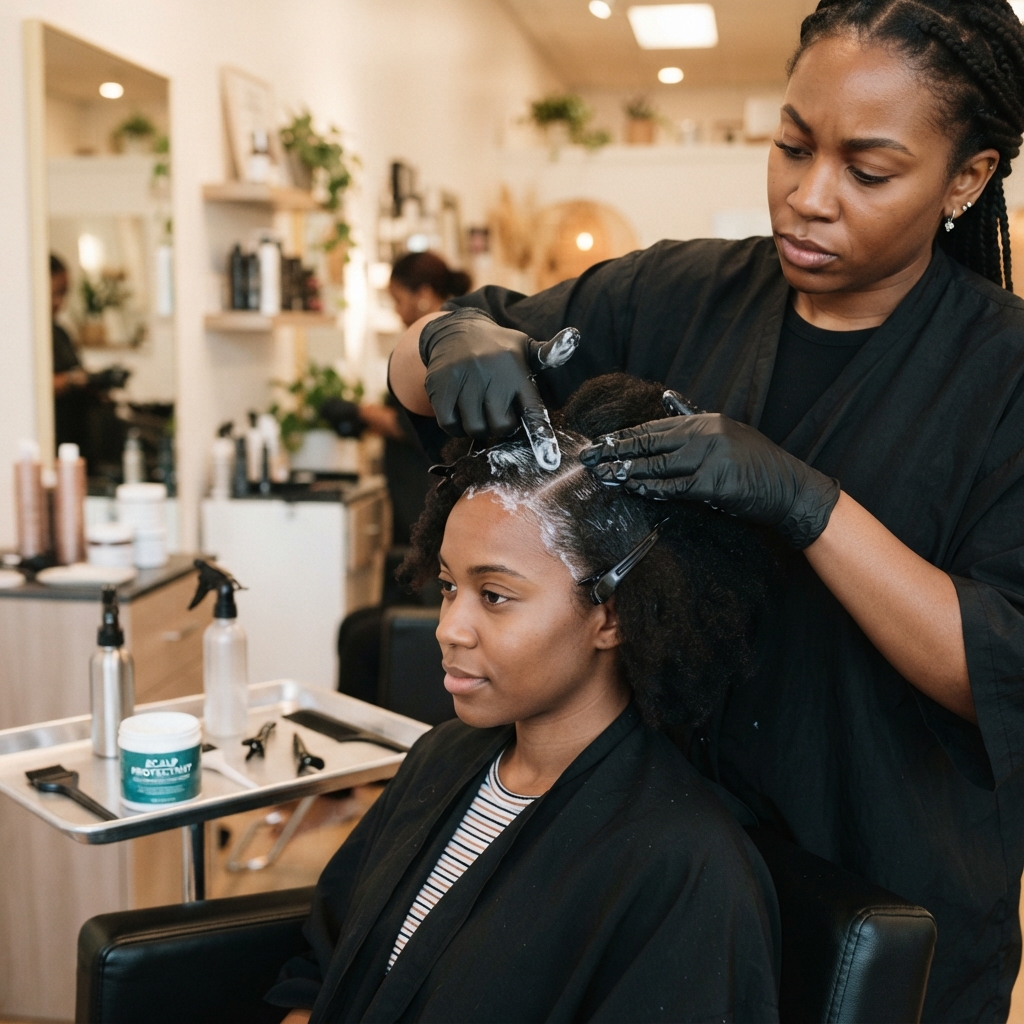
Relaxers and texturizers are strong. They can change your curl pattern fast. Pre-treatment is about protecting the scalp and supporting the hair you already have.
Your stylist may use a base or barrier on the scalp. They may also apply a protein filler to the ends if they are fragile. Do not apply these yourself unless you know what you are doing.
- Do not scratch your scalp before.
- Be honest about recent treatments.
- Ask for a scalp barrier.
- Follow the neutralizer instructions exactly.
Protection before service helps avoid burns and breakage. That is non-negotiable.
Should You Do A Patch Or Strand Test?
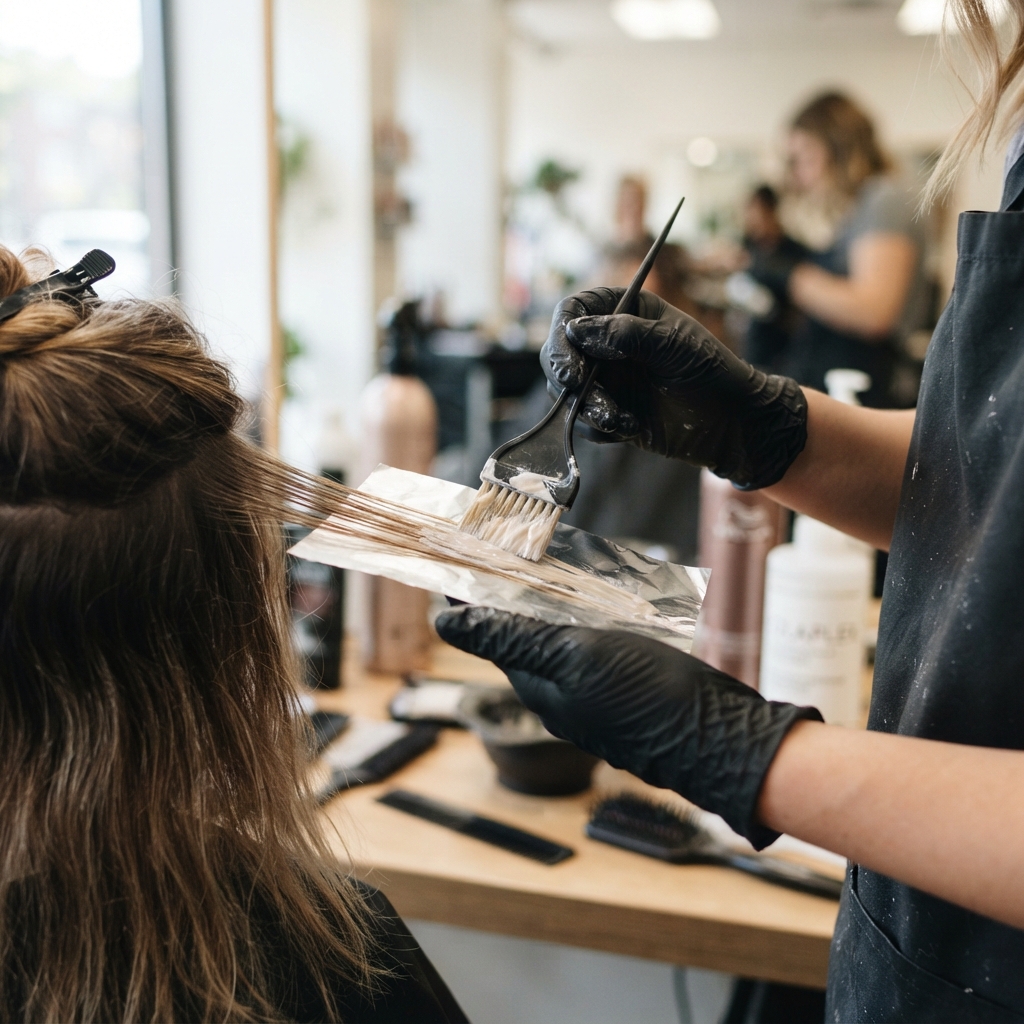
Yes, whenever possible. A patch test checks for allergic reactions. A strand test shows how your hair responds to the chemical. Both are quick and can save you from a big mistake.
Strand tests are especially important for bleach, vivids, relaxers, and perms. They can reveal how fast your hair lifts, how it takes color, or if it will break.
- Patch test 24 to 48 hours before.
- Strand test on a small hidden piece.
- Test on clean, product-free hair.
- Wait the full processing time.
Do not skip this if you want old money hair or a bold vampire haircut. Testing is caring.
What Is The Best At-Home Pre-Treatment Routine?

Keep it simple. A few days before your appointment, focus on gentle cleansing and moisture. Do not overload your hair with heavy oils unless your stylist approves.
Two days before, clarify if recommended. One day before, use a light bond builder or protein filler if your stylist told you to. On service day, arrive with clean, dry hair unless told otherwise.
- Clarify two days before.
- Use a pre-treatment one day before.
- Avoid heavy styling products.
- Do not scratch or irritate your scalp.
Simple beats complicated. Your stylist can build on a calm, balanced canvas.
What Should You Avoid Before Chemical Services?

Some habits can sabotage your pre-treatment. Avoid harsh scrubs, scalp scratching, and strong actives right before your appointment. They can irritate skin and make color sting.
Do not use heavy silicone masks unless your stylist says they are fine. They can block some treatments. Skip box dye if you are planning a salon color correction.
- No scalp scrubs 48 hours before.
- No waxing or threading on the face right before.
- No new medications without telling your stylist.
- No surprise box color.
Honesty and a calm scalp make the service smoother. Protect your integrity by keeping it real.
What Questions Should You Ask Your Stylist?

Ask before the service, not during. A good stylist will welcome questions. They want your hair to stay healthy too.
Ask which pre-treatment they recommend, why, and how it works with your hair history. Ask about patch tests, strand tests, and aftercare.
- Which pre-treatment is best for my hair?
- Do I need a bond builder or protein filler?
- Will this affect my color result?
- What should I do at home before and after?
These answers help you relax. You are not just getting a service. You are building a plan for 2026 hairstyles you can actually keep.
How Do You Maintain Results After Service?
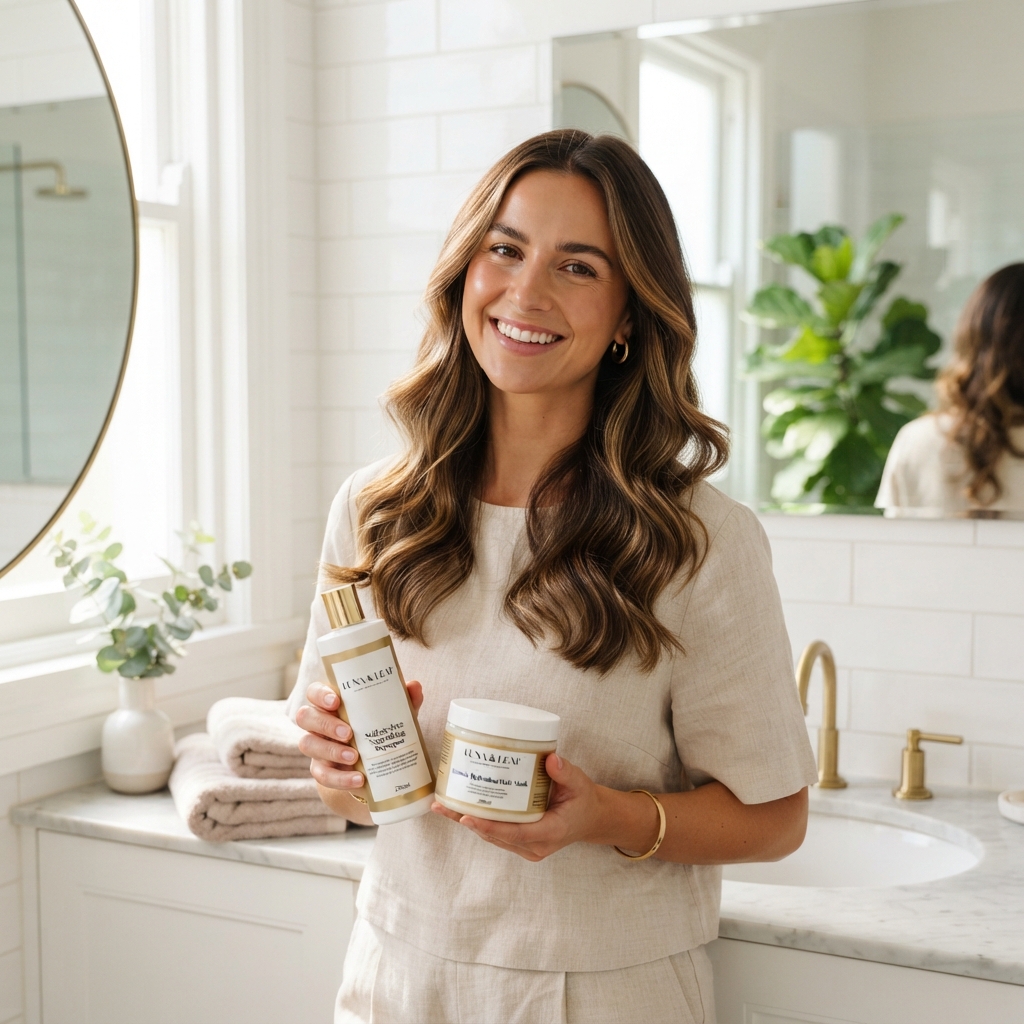
Aftercare is part of protection. Once the chemical service is done, your hair needs moisture, protein balance, and gentle handling. Do not wash too soon if your stylist says to wait.
Use sulfate-free shampoo if recommended. Add a bond builder or mask weekly. Limit heat. Trim regularly so ends do not travel up the strand.
- Wait 48 to 72 hours before washing if advised.
- Use a silk pillowcase.
- Deep condition weekly.
- Keep up with trims.
Good aftercare makes your pre-treatment worth it. That is how a quiet luxury bob or asymmetrical lob stays gorgeous.
My Warm Final Take
Pre-treatment hair protectants are not a trend. They are a practical step for anyone who wants beautiful color, smooth texture, or bold shapes without trashing their hair.
Whether you are dreaming of old money hair, a romantic goth hairstyles refresh, or glitchy glam hair, start with protection. Your future self will thank you.
Save this post to Pinterest so you can find it before your next salon appointment. And tell me in the comments: which pre-treatment are you trying first?

