

Hi friend, it’s Hailey. If you’ve been staring at the same shoulder-length hair for two years wondering why it refuses to budge, I get it. I spent way too many nights googling “how to grow hair faster” and buying every serum the internet told me to.
Here’s what I finally learned: hair grows about half an inch a month, and no product on earth beats that number. What products can do is stop the breakage that makes it look like nothing is growing at all.
So in this post I’m sharing the products I actually repurchase, plus the small daily habits that made the biggest difference for me. We’ll talk scalp care, supplements, heat damage, protective styles, and a few 2026 hairstyles that look great while you wait.
You’ll walk away with a simple routine you can start tonight. Let’s grow some hair.
Why Your Hair Feels Like It’s Not Growing
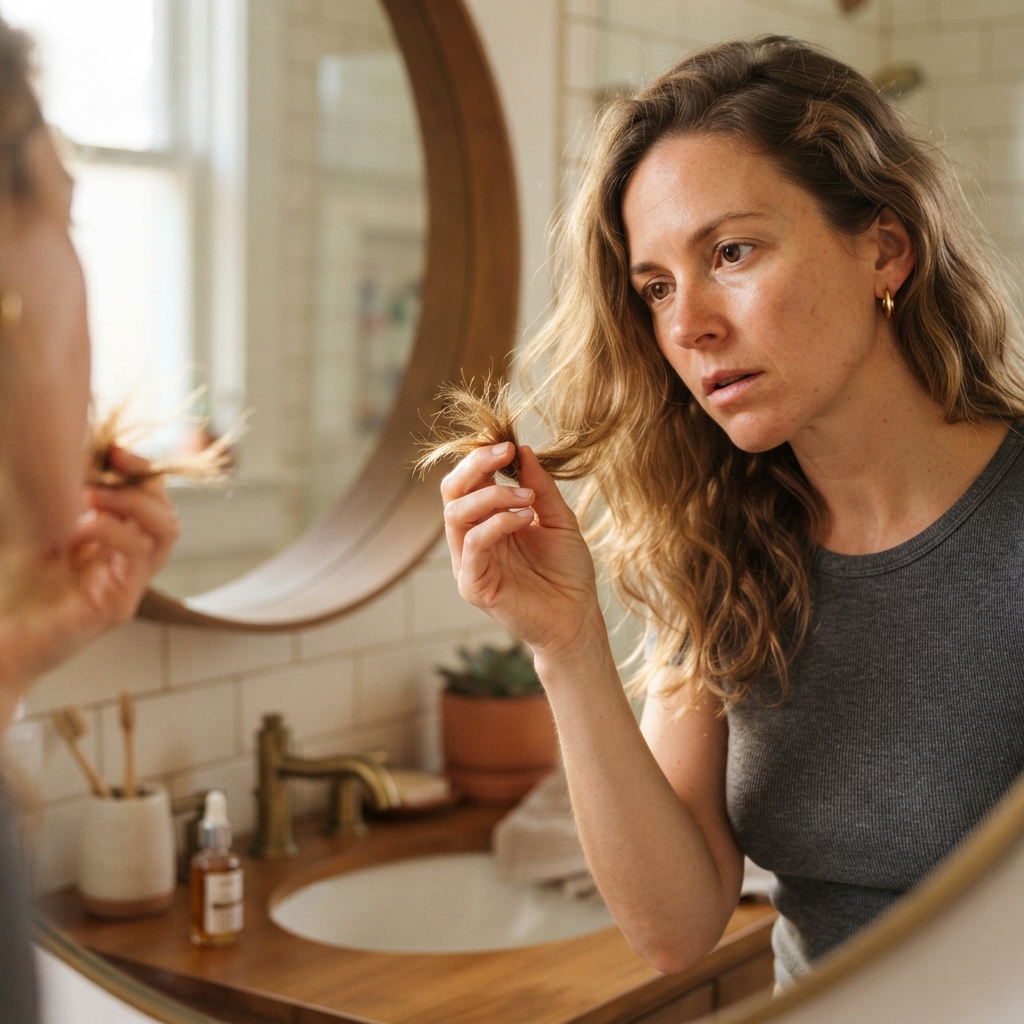
Here’s the thing nobody tells you: your hair is probably growing just fine. The problem is retention, not growth.
Your scalp pushes out roughly half an inch of new hair every month. But if your ends are snapping off at the same rate, your length stays stuck in the same spot forever.
So before you buy anything, ask yourself:
- Are my ends dry, crunchy, or full of splits?
- Do I brush my hair wet and hear snapping?
- Am I flat ironing more than once a week?
Fix those three things and you’ll see progress faster than any miracle oil can give you.
How Fast Hair Actually Grows (The Honest Timeline)
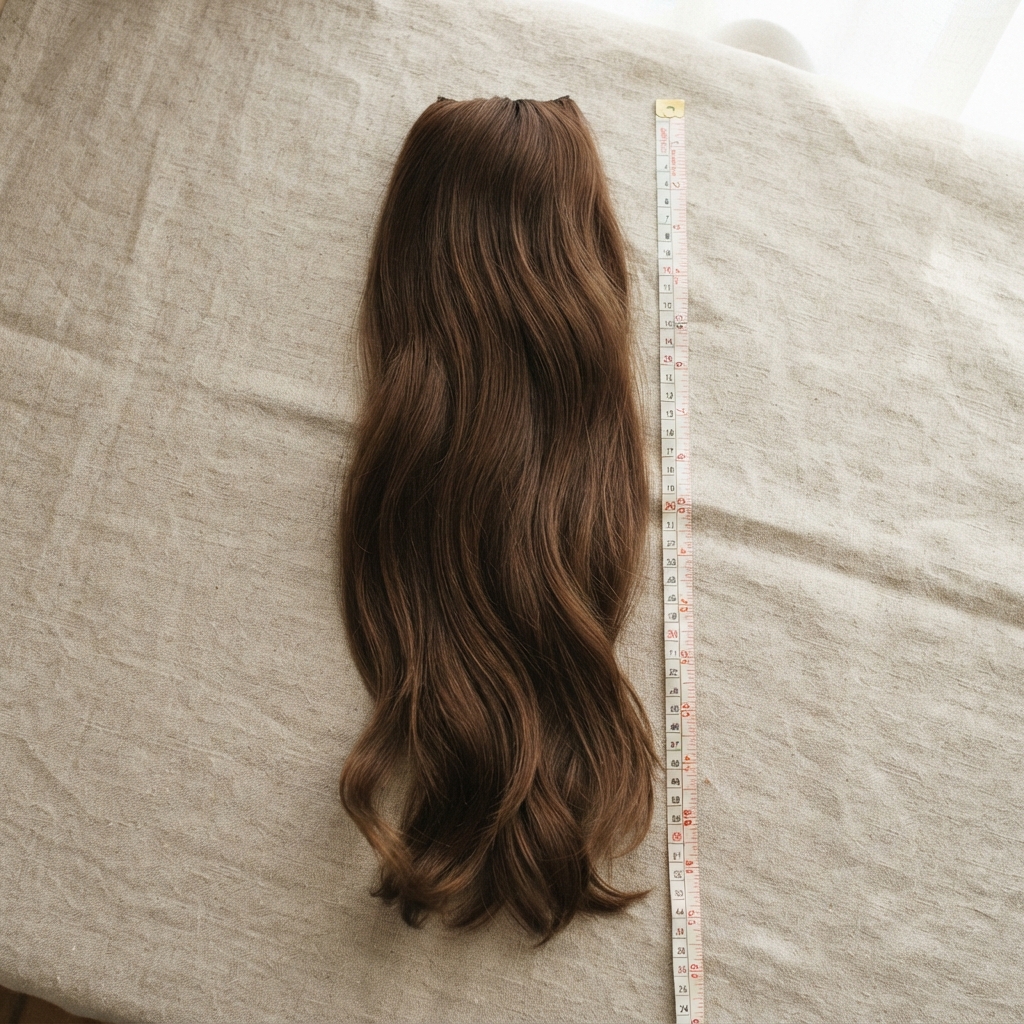
Let’s set expectations so you don’t quit in month two. Most people get four to six inches of growth in a year, if their hair is healthy.
That means shoulder length to mid-back takes about eighteen months to two years. Not six weeks. I know, I was disappointed too.
What actually speeds up the clock:
- Keeping your scalp clean and stimulated
- Stopping breakage so you keep every inch you grow
- Being consistent for months, not days
Slow and steady really does win here.
Healthy Scalp First, Everything Else Second

Think of your scalp like soil. Great soil grows great hair. Neglected soil grows nothing.
Signs your scalp needs attention: itching, flakes, buildup, or that heavy greasy feeling even right after washing. All of that can slow things down.
My simple routine:
- Wash with a gentle shampoo twice a week.
- Massage your scalp for three minutes with fingertips or a silicone brush.
- Use a clarifying shampoo once a month to remove buildup.
That’s it. No gimmicks, just a clean, stimulated, happy scalp.
The Best Shampoos For Hair Growth
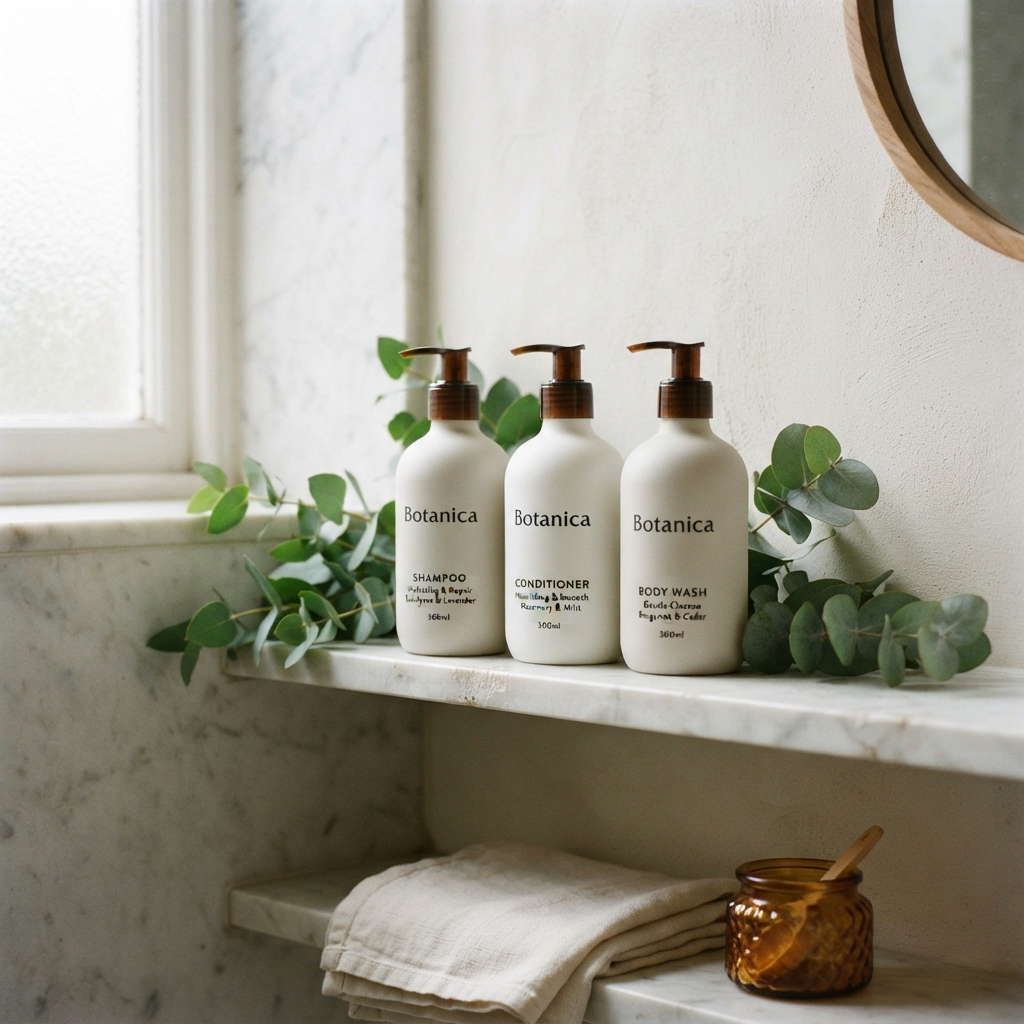
No shampoo makes hair sprout overnight. But the right one keeps your scalp healthy enough for growth to actually happen.
Look for gentle cleansers, no harsh sulfates if your scalp is sensitive, and ingredients like biotin, caffeine, or rosemary.
What I look for:
- Caffeine to support the follicle
- Rosemary or peppermint for circulation
- No heavy silicones that build up over time
- A scent you actually enjoy using
If you have a flaky scalp, try a zinc pyrithione formula once a week. That alone has saved a lot of growth journeys.
Scalp Serums Worth Your Money
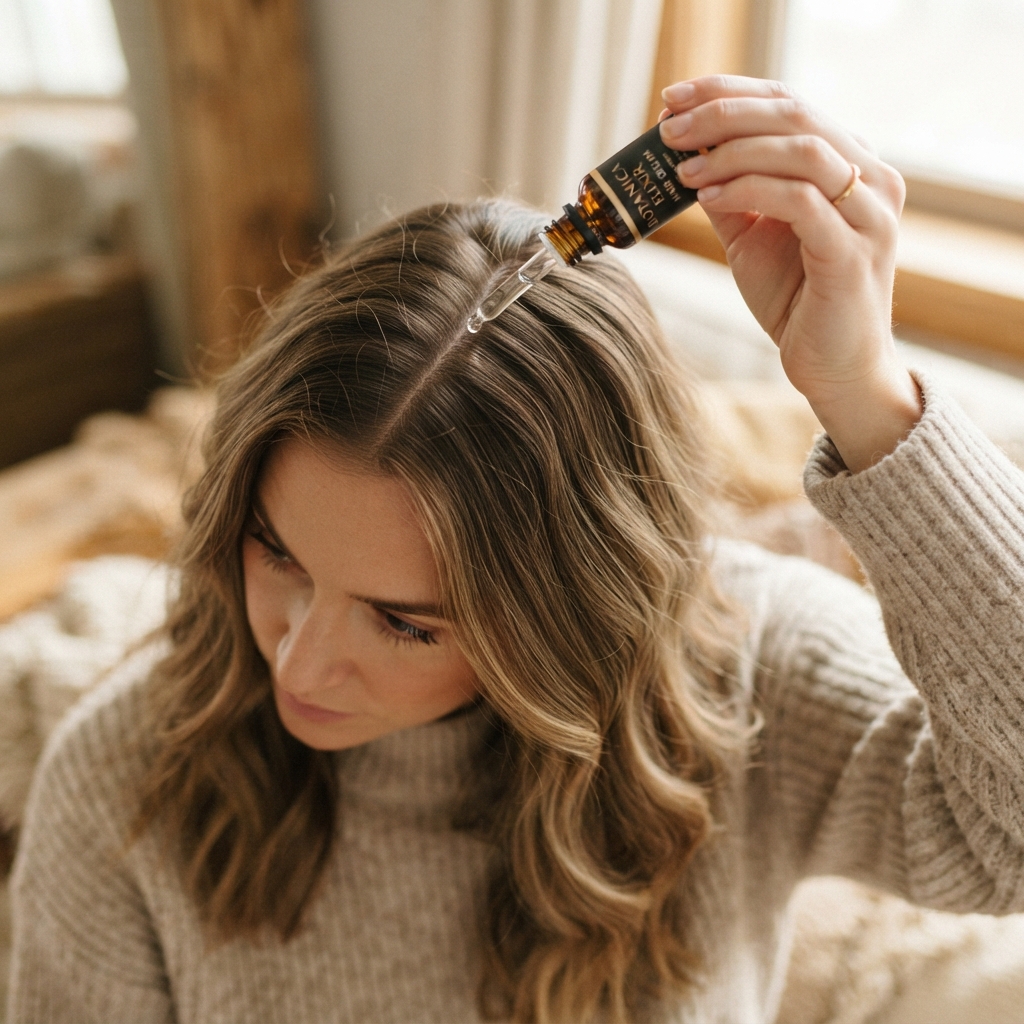
Serums are the one product category where I genuinely see a difference, mostly because you apply them right where the action is.
Rosemary oil, minoxidil, and peptide blends are the ones with real research behind them. Everything else is mostly nice-smelling hope.
How I use them:
- Apply to a clean, dry scalp at night
- Massage in for two minutes
- Use four to five nights a week
- Wash it out in the morning
Give it ninety days before you judge. Hair grows slowly, remember?
Conditioner Is Not Optional

Skipping conditioner is the fastest way to dry, snapping ends. And snapping ends mean no length, no matter what.
But here’s the trick most people miss: conditioner goes on your mid-lengths and ends, not your scalp. Your scalp makes its own oil. Your ends need the help.
My routine:
- Squeeze excess water out first
- Apply from the ears down
- Leave it on for three minutes
- Rinse with cool water to seal the cuticle
Deep condition once a week if your hair is color-treated. It makes a real difference.
How Often Should You Really Wash Your Hair

There’s no universal answer here, and anyone who says otherwise is selling something.
Fine or oily hair usually needs washing every one to two days. Thick, curly, or dry hair can go four to seven days with dry shampoo in between.
Signs you’re washing too much:
- Scalp feels tight or itchy after washing
- Hair gets greasy within hours
- Ends feel like straw
Slowly stretch your wash days by one every couple of weeks. Your scalp adapts more than you’d think.
Supplements That Actually Help

Supplements are the most oversold part of hair growth. But a few do have real evidence behind them, especially if you’re deficient.
Talk to your doctor before starting anything, because too much of certain vitamins can actually cause shedding.
The ones worth asking about:
- Biotin, if your levels are low
- Vitamin D, which most of us are short on
- Iron, only if bloodwork shows you need it
- Omega-3s for overall scalp health
A basic multivitamin covers a lot of ground without a cabinet full of bottles.
Eat Your Way To Longer Hair

Your hair is built from what you eat. No serum can outrun a diet that’s missing the basics.
Protein is the big one, since hair is literally made of it. If you’re not getting enough, your body sends it to more important places first.
Easy wins to add:
- Eggs, chicken, fish, or beans at most meals
- Iron-rich greens like spinach
- Nuts and seeds for zinc and healthy fats
- Plenty of water every day
You don’t need a perfect diet. Just stop running on coffee and vibes.
The Free Scalp Massage Trick

This is my favorite tip in the whole post because it’s free and it works.
Scalp massage increases blood flow to the follicle and helps release tension from tight hairstyles. Some studies show it can help with thickness over time.
How to do it:
- Use your fingertips, never your nails.
- Press in small circles across your whole scalp.
- Go for three to five minutes, once a day.
- Do it while watching TV or in the shower.
That’s it. Free, easy, and honestly kind of relaxing.
Heat Tools Without The Damage
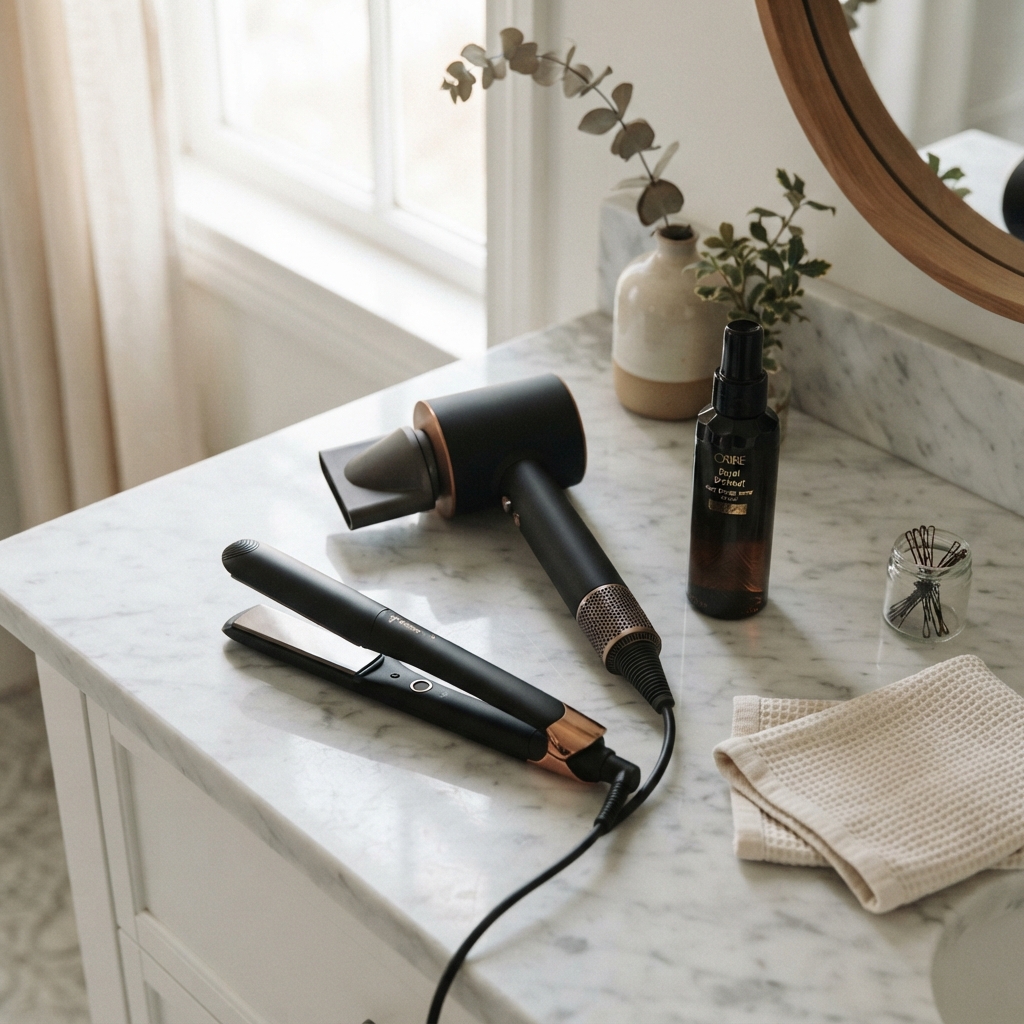
You don’t have to give up your flat iron. You just have to be smart about it.
Heat damage is permanent. Once the cuticle is fried, no product brings it back. That’s exactly why your ends break first.
My rules:
- Always use a heat protectant. Always.
- Keep tools under 380 degrees.
- Never flat iron wet hair.
- Limit hot tools to one or two days a week.
If you want length, air-dry whenever you can. It’s the single biggest favor you can do for your ends.
Overnight Habits That Save Your Length

You spend a third of your life in bed. What your hair does during those hours matters more than you’d think.
Cotton pillowcases pull and tug at your strands all night long. That friction adds up to breakage over months.
Small swaps that help:
- Silk or satin pillowcase
- Loose braid or a silk scrunchie before bed
- Satin bonnet if you’re a restless sleeper
- Leave-in conditioner on your ends
It’s quiet luxury hair care on a budget, and honestly, old money hair is mostly just healthy hair.
Protective Styles That Actually Protect

Protective styling means keeping your ends tucked away so they stop rubbing against clothes, chairs, and everything else.
Done right, it’s one of the fastest ways to retain length. Done wrong, meaning too tight or left in too long, it causes traction damage and breakage.
Styles that treat your hair well:
- Loose braids and twists
- Low buns with a silk scrunchie
- Claw clips instead of tight elastics
- Anything that doesn’t pull at your hairline
If it hurts, it’s not protective. Simple as that.
How To Get Trims Without Losing Length
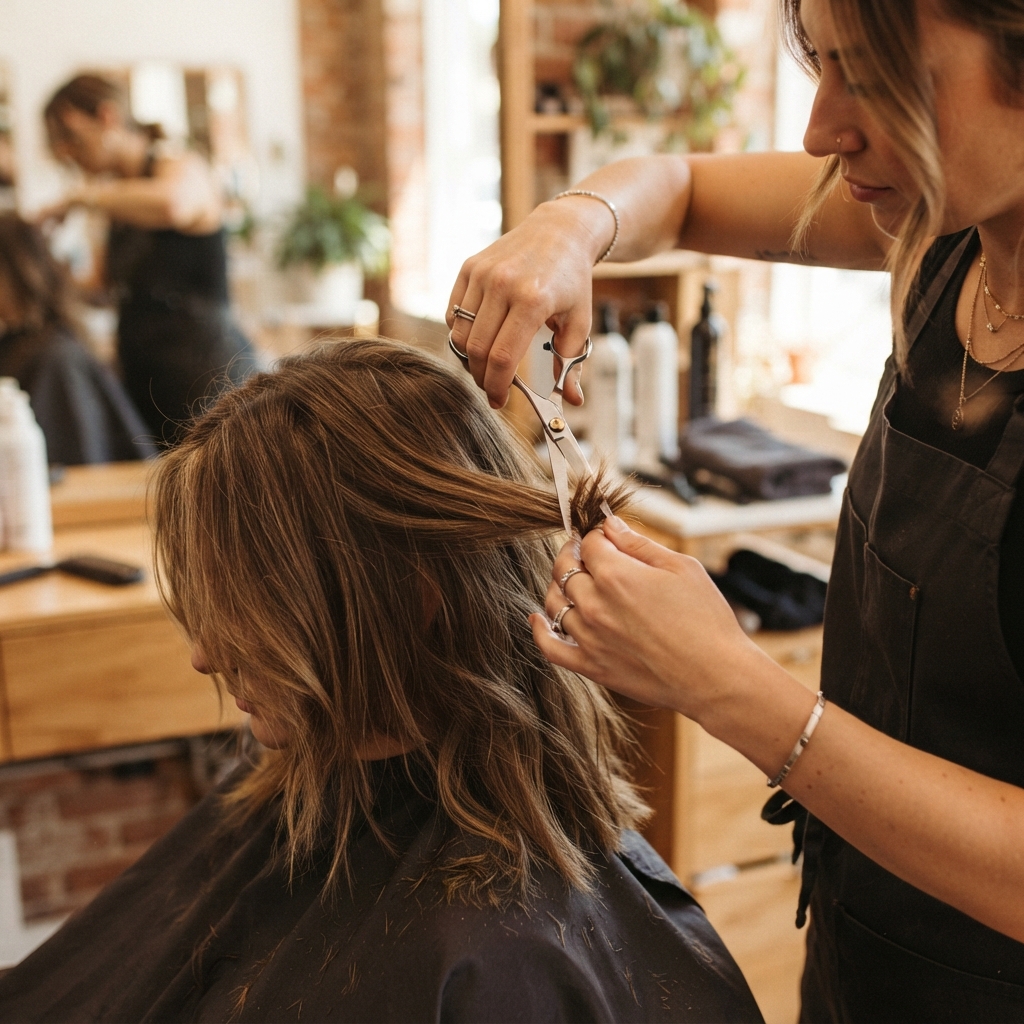
Yes, you need trims. No, they won’t ruin your growth. Skipping them will.
Split ends travel upward. If you ignore them, the split keeps climbing and you eventually lose more length than a trim would have cost you.
How to keep it painless:
- Get a dusting every eight to twelve weeks
- Ask for a quarter inch, not an inch
- Request a dry cut so they see your real ends
- Be clear that you’re growing your hair out
Find a stylist who respects your goal and you’ll never dread the chair again.
Stop These Habits Today
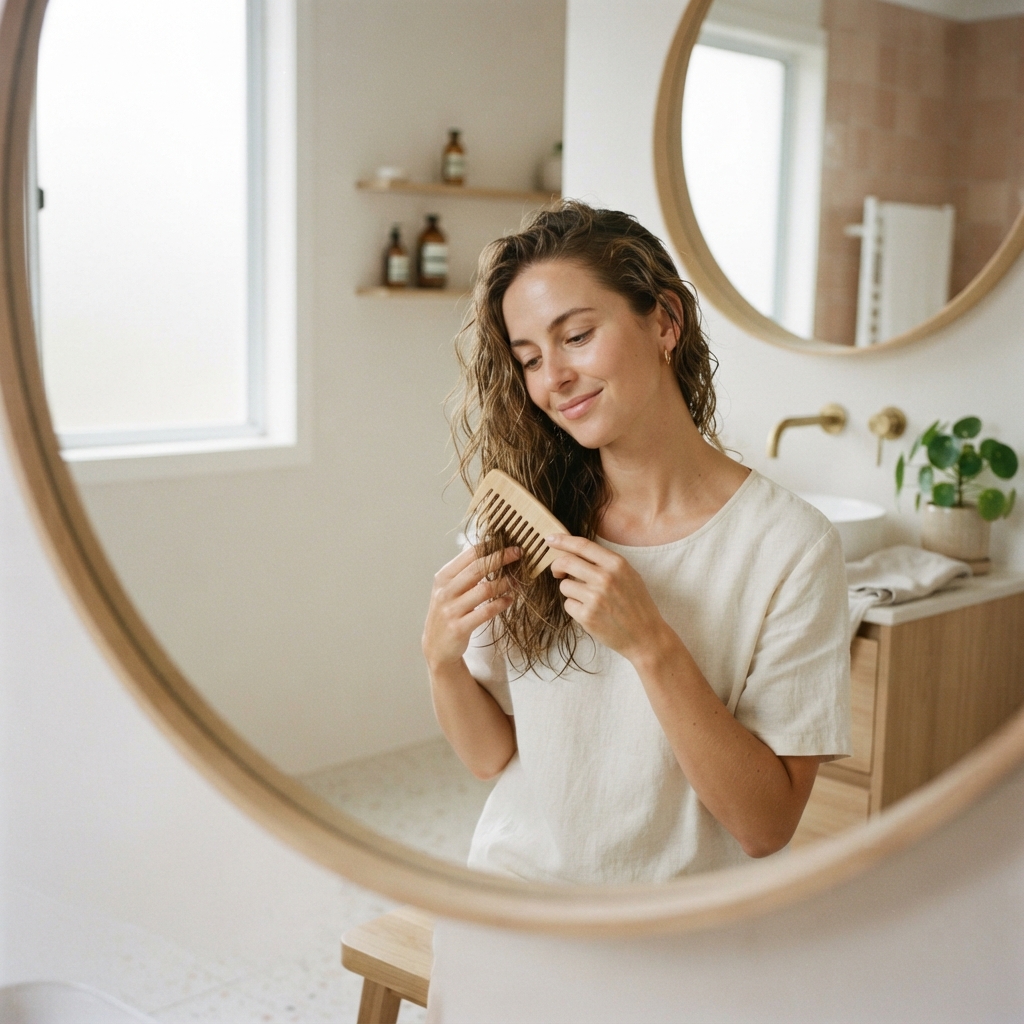
Sometimes growing your hair isn’t about adding things. It’s about quitting the stuff that’s quietly wrecking it.
These are the ones I see most:
- Brushing wet hair with a fine brush
- Sleeping with tight top knots
- Bleaching your roots every six weeks
- Ripping through tangles instead of working them out
- Using rubber bands along your hairline
- Ignoring a dry, itchy scalp for months
Pick one to drop this week. Small changes stack up faster than you’d believe.
Detangling Without Breakage
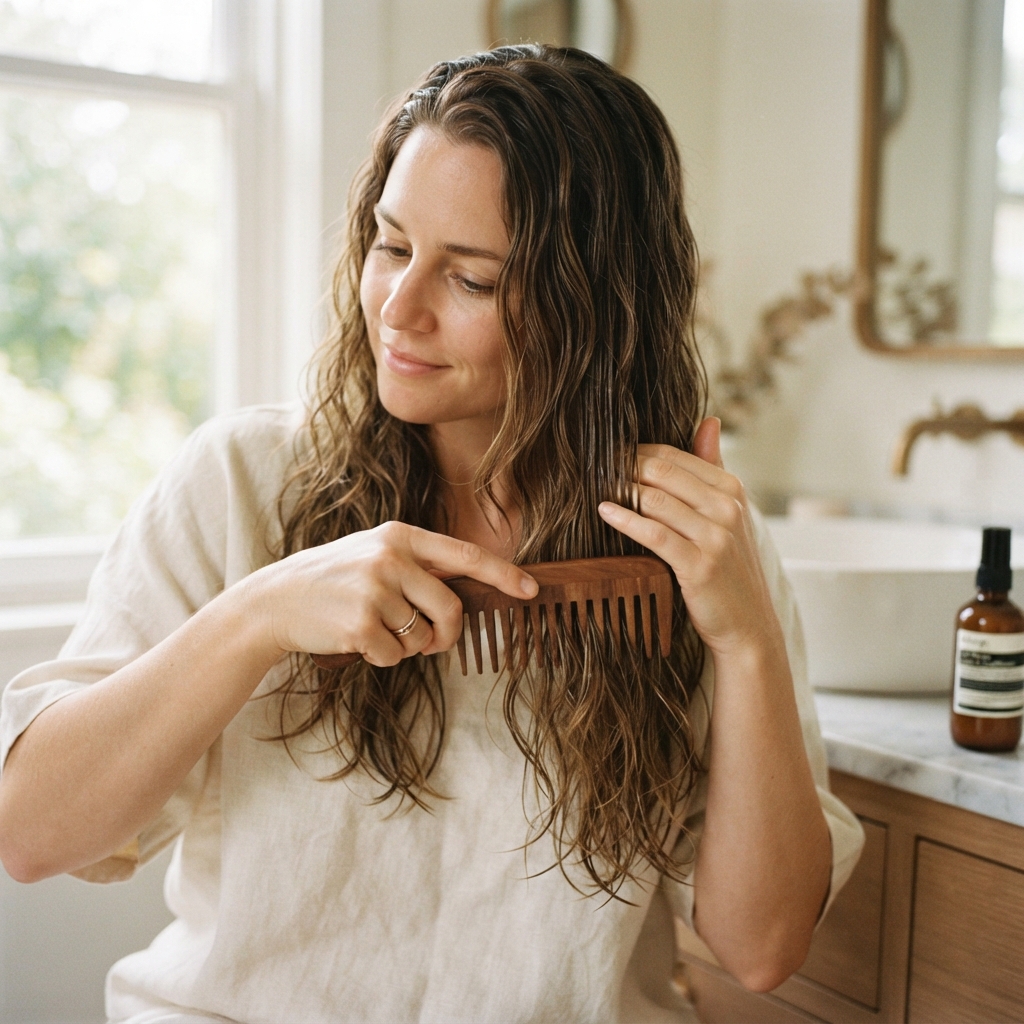
Detangling is where a lot of people lose their length without even realizing it. Every rip is a strand gone for good.
The rule is simple: start at the ends and work your way up, never from the root down.
My method:
- Spray in a leave-in or detangler.
- Section your hair into four parts.
- Comb from the bottom inch upward.
- Hold the hair above where you’re combing so it doesn’t pull.
Patience here saves inches. I promise.
Color, Bleach, And Your Growth Goals

You can color your hair and grow it long. You just can’t bleach it into straw and expect it to survive.
Bleach is the harshest thing you can do to your strands. If length is the goal, keep lightening away from your roots and off your ends.
What works better:
- Balayage or highlights instead of full bleach
- Root touch-ups only, no full re-lightening
- Bond-building treatments after every color service
- Going a shade or two darker as it grows
Healthy hair always looks more expensive than damaged hair, no matter the color.
Fall And Winter Hair Care

Cold air, indoor heat, and wool scarves are a rough combo. Winter is when a lot of people quietly lose their progress.
Your scalp gets dry, your ends get brittle, and static makes everything feel worse.
Simple winter swaps:
- Add a weekly deep conditioning mask
- Use a humidifier in your bedroom
- Switch to a richer leave-in on your ends
- Line your hats with silk or satin
A little extra moisture in winter means you start spring with the length you earned in summer.
How To Fake Length While You Grow

Growing your hair out does not mean looking awkward for a year. You just need cuts that grow out beautifully.
The asymmetrical lob is my favorite, longer in front and shorter in back, so it looks intentional at every stage. The quiet luxury bob also grows out into a gorgeous collarbone-length cut.
Cuts that age well:
- Asymmetrical lob
- Long layers with face framing
- Soft U-shaped hemline
- Curtain bangs you can pin back
You’re not in a waiting room. You’re allowed to look good right now.
Trend Watch: Short Cuts That Still Grow Out Pretty

If you want a chop before you grow, pick something that transitions well. That’s the whole trick.
2026 hairstyles are leaning toward contrast and polish. The hime cut, the vampire haircut, romantic goth hairstyles, and glitchy glam hair are all having a moment.
How they grow out:
- Hime cut: side lengths turn into soft face framing.
- Vampire haircut: grows into a chic collarbone shag.
- Romantic goth hairstyles: layers blend into a soft lob.
- Glitchy glam hair: choppy ends soften into pretty texture.
Get the drama now. Let it grow into something just as good.
Track Your Progress So You Don’t Quit

Hair growth is so slow that you will not notice it in the mirror. That’s why most people give up at month three, right when things are finally working.
Take photos. Seriously. Same spot, same lighting, same shirt, once a month.
What to track:
- Monthly length photos from the back
- A measuring tape from your hairline down
- How your ends feel, soft or crunchy
- How many days your hair can go between washes
Seeing three months of progress in one scroll is the motivation that keeps you going.
Your Simple Weekly Routine
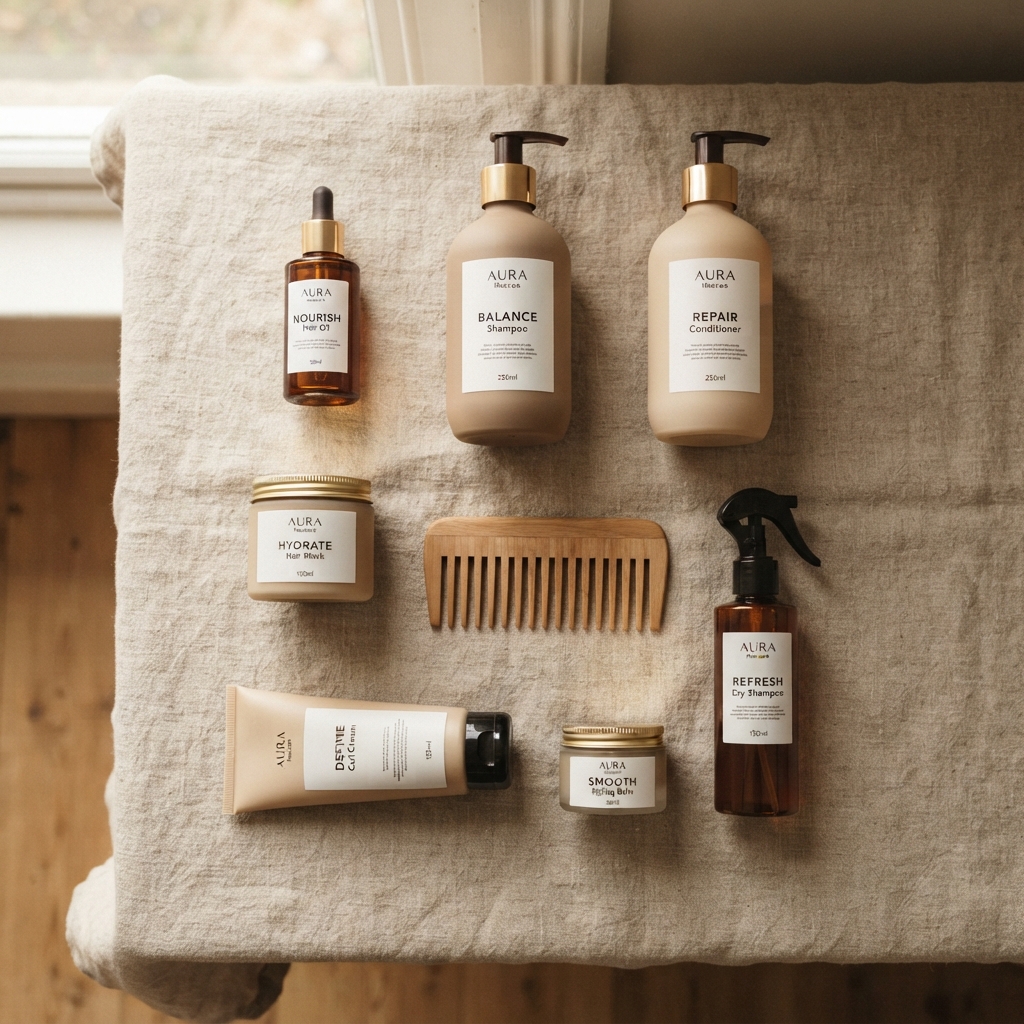
Everything we covered, boiled down to something you can actually stick to.
Most days:
- Scalp massage for three minutes
- Serum on wash nights
- Heat tools only once or twice a week
- Leave-in on your ends before bed
Once a week:
- Deep condition
- Clarify if you use a lot of product
- Take your monthly progress photo
Nothing here is complicated. Consistency is the entire secret.
A Few Last Thoughts
Growing your hair is not about one magic product. It’s about protecting what you already have, month after month, until it adds up.
Pick two things from this post and start tonight. A silk pillowcase. A scalp massage. A protein-rich breakfast. That’s enough to begin.
Six months from now, you’ll be so glad you started today. I’m rooting for you.
Save this post to Pinterest so you can find it the next time you’re tempted to buy a random growth serum at 11pm.
And tell me in the comments: what’s the one hair habit you’re finally dropping this month? I read every single one, and I’ll cheer you on.

