

If your scalp feels sore when you brush, wash, or even just touch it, you are not imagining it. A tender scalp is real, and it can make every hairstyle feel like a tiny battle. The good news? Most tenderness is fixable once you know what is irritating your skin and your hair.
I have been there. That raw, achy feeling after a tight ponytail or a harsh shampoo can ruin your whole day. So today, we are keeping it simple. We will look at causes, quick soothing remedies, and the scalp-friendly ways to wear 2026 hairstyles without pulling or pain.
You will also get gentle ideas for old money hair, a quiet luxury bob, romantic goth hairstyles, glitchy glam hair, an asymmetrical lob, a vampire haircut, and a hime cut. Let us calm your scalp first, then make it look good.
What Scalp Tenderness Actually Feels Like

Scalp tenderness can feel like soreness, burning, itching, or a bruised feeling on your head. Some people notice it only when they brush or wash. Others feel it all day, especially around the hairline.
It is different from a normal headache. The pain lives in your skin, not deep inside your head. You might also see redness, flakes, bumps, or dryness.
- Sore spots after tight styles
- Stinging during shampoo
- Pain when hair moves
- Itchy or raw patches
If this sounds familiar, you are in the right place. A tender scalp is your body asking for gentler care. Next, we will find the likely cause so you can stop guessing.
Common Causes of a Tender Scalp
Most tender scalps come down to irritation, tension, or a skin condition. The fix depends on which one is driving yours.
- Tight ponytails, braids, or buns
- Harsh sulfates or fragrances
- Product buildup
- Dry scalp or dandruff
- Seborrheic dermatitis
- Psoriasis or eczema
- Sunburn or heat damage
- Stress and poor sleep
Sometimes it is a mix. You might have a dry scalp plus tight hairstyles. Or buildup plus a sensitive reaction. Start by removing the obvious irritants.
If pain is severe, sudden, or comes with hair loss, see a doctor. Otherwise, gentle changes can help a lot. Do not ignore it.
When to See a Doctor First

Most tenderness is not an emergency. But some signs mean you should skip the DIY route and get medical help.
- Sudden, severe pain
- Open sores or oozing
- Thick crusts or bleeding
- Rapid hair loss
- Fever or swelling
- Pain that lasts more than two weeks
You should also see a doctor if your scalp hurts with no obvious cause. Conditions like folliculitis, nerve pain, or autoimmune issues need a real diagnosis.
I know it is tempting to just switch shampoos and hope. But your health comes first. Once you are cleared, you can focus on gentle styling and soothing routines. That is smart self-care.
Gentle Washing Rules for a Tender Scalp
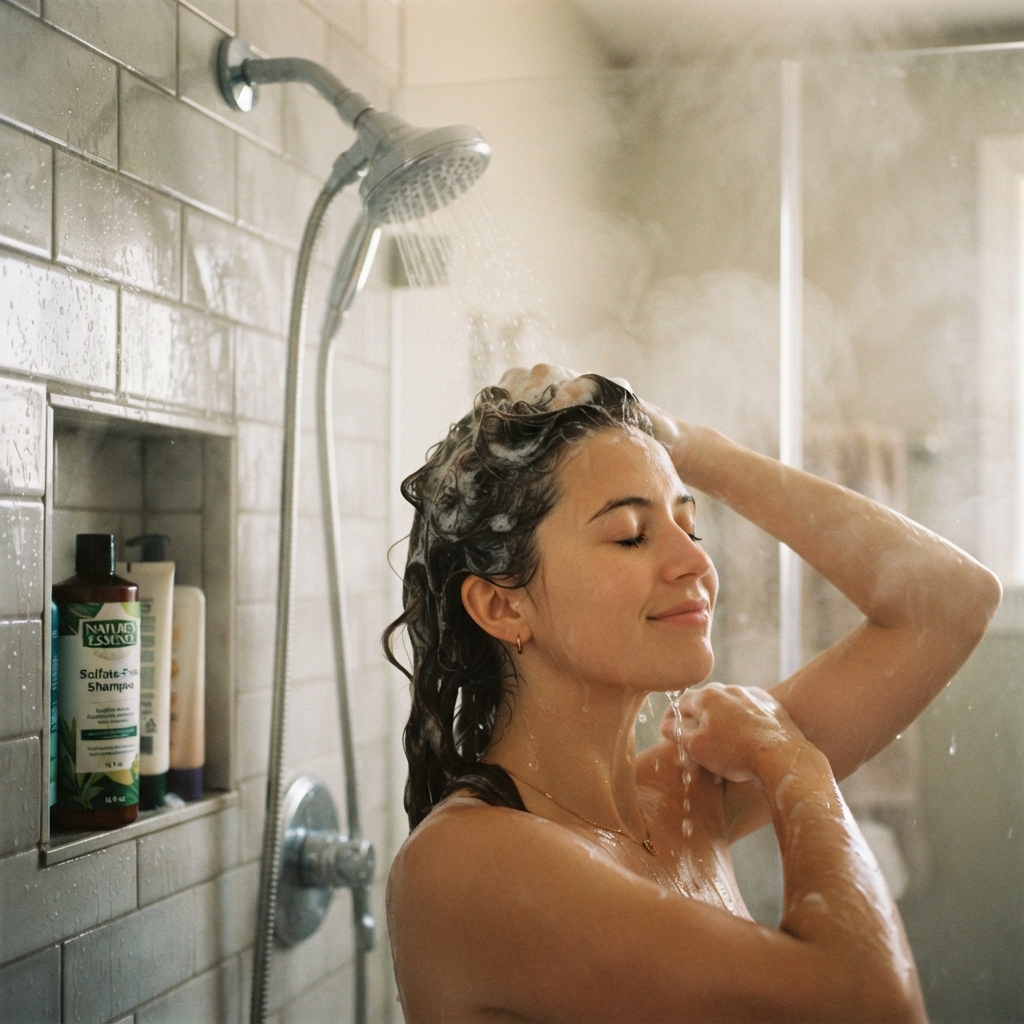
Washing should calm your scalp, not make it sting. The trick is temperature, pressure, and product choice.
- Use lukewarm water, never hot.
- Apply shampoo only to the roots.
- Massage with fingertips, not nails.
- Rinse for a full minute.
- Skip tight towel wraps.
Wash as often as your scalp needs. If you are oily, daily may be fine. If you are dry, every two or three days can work better. There is no single rule.
Always pat your hair dry with a soft T-shirt or microfiber towel. Rubbing rough fabric can irritate tender spots and cause breakage around your hairline.
How to Pick the Right Shampoo
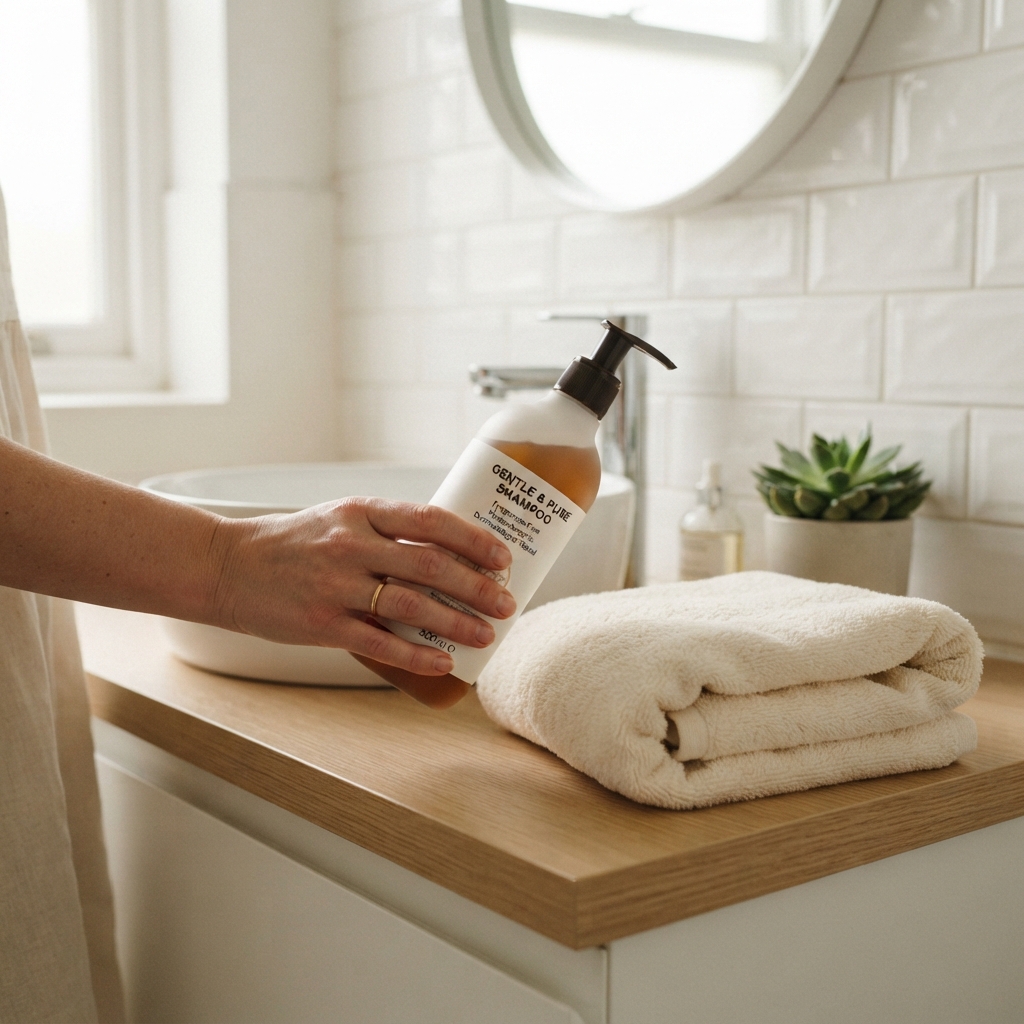
Your shampoo can be the hero or the villain here. For a tender scalp, simple is usually better.
- Fragrance-free or low-fragrance
- Sulfate-free but still cleansing
- No menthol or peppermint if it stings
- Zinc pyrithione for flakes
- Salicylic acid for buildup
- Colloidal oatmeal for calm
Look for labels like sensitive, gentle, or balanced. Avoid anything that promises an intense icy tingle. That cooling feeling can be too much for sore skin.
Introduce one new product at a time. If your scalp burns, stop. Keep a tiny note of what you used so you can spot patterns. Your scalp will tell you the truth fast. Simple wins.
The 60-Second Scalp Massage That Helps
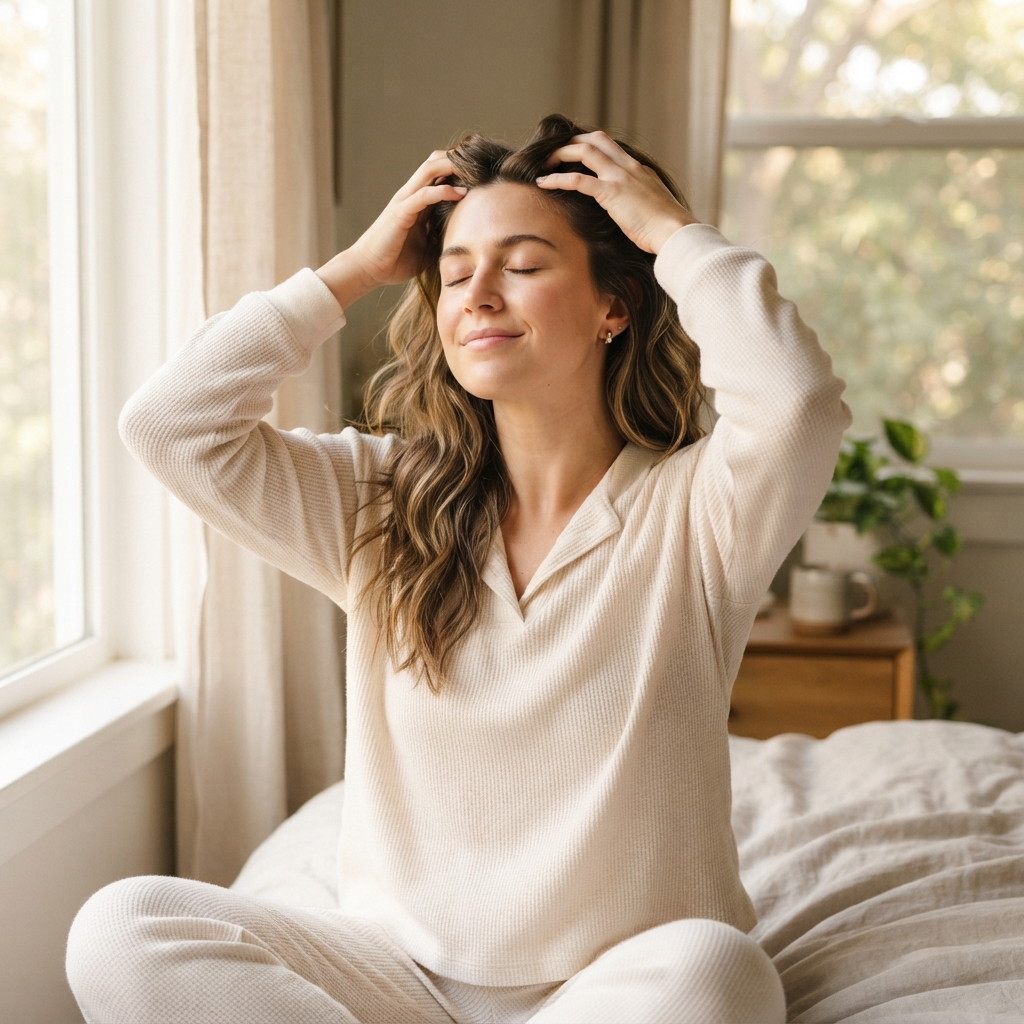
A gentle massage can boost blood flow and relax tight tissue. But you have to do it lightly. Think soft circles, not deep digging.
- Place fingertips at your hairline.
- Press gently for three seconds.
- Move in small circles.
- Work across your whole scalp.
- Finish at the nape of your neck.
Do this for one minute before washing or before bed. You can use a little scalp oil if your skin is dry. If it hurts, stop. Pain is not progress.
This is also a great moment to check for tender spots. Notice where they are. That can help you spot which hairstyle or product is causing trouble.
Hot Oil Treatments That Soothe, Not Sting
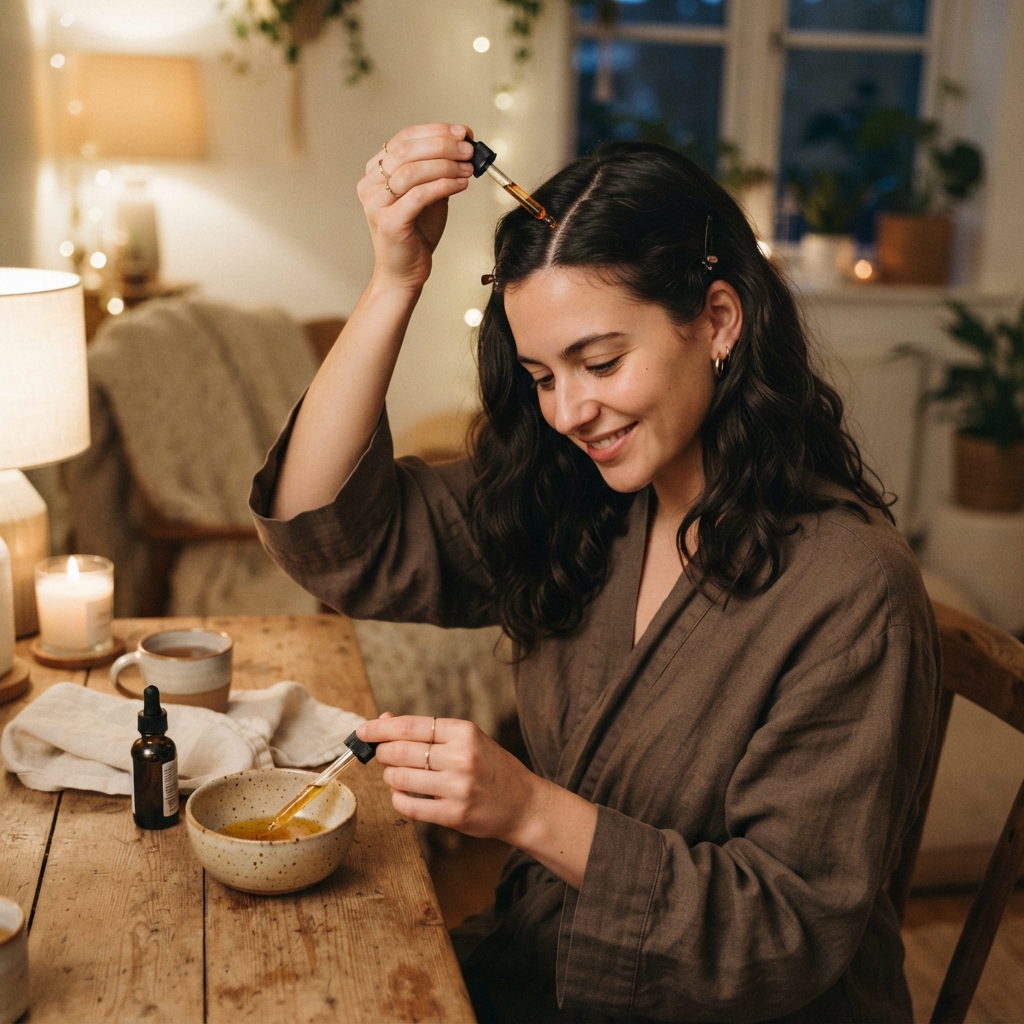
Hot oil can feel amazing on a dry, tight scalp. The key word is warm, not hot. If it feels even a little too warm, let it cool down.
- Jojoba oil for balance
- Sweet almond oil for calm
- Olive oil for dryness
- Coconut oil for some, but not all
Apply with a dropper, massage gently, and leave it on for 20 minutes. Then wash it out with a gentle shampoo. Do not sleep in heavy oil if your scalp is already irritated.
Skip essential oils unless you know your skin tolerates them. Peppermint, tea tree, and rosemary can be too strong. Patch test first on your inner arm. When in doubt, use one plain oil.
Avoid These Tight Hairstyles
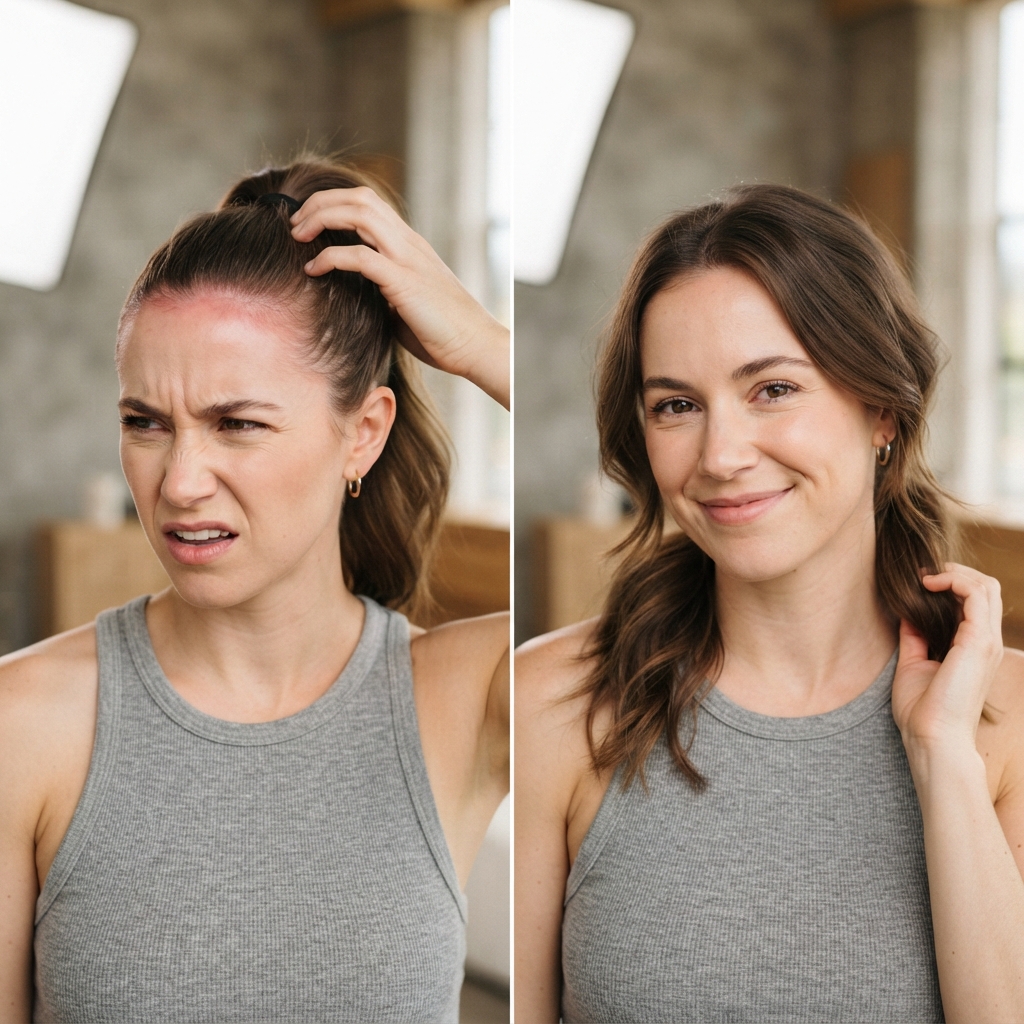
Tension is one of the biggest causes of scalp tenderness. If your hairstyle hurts, it is too tight. Period.
- High slicked ponytails
- Tight cornrows
- Heavy braids
- Snug buns with elastic bands
- Glued-down edges
- Any style that gives you a headache
You do not have to give up fun hair. You just need to adjust the tension. Ask your stylist to go one notch looser. Use soft scrunchies and clips instead of thin rubber bands.
Watch for bumps, redness, or sore spots. If you see them, take the style down. Your hairline will thank you later, and your scalp will calm down faster.
Scalp-Friendly Hairstyles for 2026

Good news: 2026 hairstyles can be gorgeous and gentle. You do not need tight roots to look polished.
- Loose low buns
- Soft side braids
- Claw clip twists
- Half-up styles with no pull
- Air-dried waves
- Silk scarf updos
These work for work, weekends, and everything in between. They also pair beautifully with old money hair and quiet luxury looks because they feel effortless.
If you want something trendy, try a loose braided crown or a low pony wrapped with a scarf. Keep the tension at your roots minimal. Style the mid-lengths and ends instead of pulling from the scalp. That is the secret.
How to Wear a Quiet Luxury Bob Without Pain

A quiet luxury bob is sleek, simple, and low-effort. But if it is cut or styled too tight, it can still irritate your scalp.
Ask your stylist for a blunt or soft A-line bob that sits below your jaw. Avoid heavy undercutting or tight blowouts at the root. The goal is movement, not tension.
- Use a round brush only on the ends
- Air-dry the roots
- Add a little light oil to smooth
- Skip tight headbands
For old money hair vibes, tuck one side behind your ear. Let the other side fall soft. You get polish without pulling. Simple and chic.
Old Money Hair With Zero Tension

Old money hair looks rich, but the secret is ease. It is never tight or fussy. Think healthy shine, soft waves, and a relaxed shape.
- Loose waves from a braid
- Middle part with volume
- Silk scarf headband
- Low, loose chignon
- Soft curtain bangs
You can get this look without hurting your scalp. Use velcro rollers on dry hair instead of a hot iron at the roots. Or braid damp hair before bed and undo it in the morning.
Keep products light. Heavy gels and sprays can build up and make tenderness worse. A tiny bit of serum on the ends is usually all you need. That is it.
Romantic Goth Hairstyles That Go Easy on Your Roots

Romantic goth hairstyles can be soft, moody, and gentle. You do not need a tight slicked look to get the vibe.
- Loose dark waves
- Face-framing braids
- Velvet ribbon tied low
- Soft messy bun
- Half-up with lace clips
Use a wide-tooth comb to avoid pulling. If you add extensions, keep them lightweight. Heavy clips can create tender spots in minutes.
For a subtle gothic touch, leave a few loose tendrils around your face. It looks romantic and takes pressure off your hairline. Pair it with a dark lip and you are set. Soft can still be dark.
Glitchy Glam Hair Without the Pull

Glitchy glam hair is all about unexpected texture and playful edges. It should look cool, not painful. The trick is to keep the root area free.
- Baby braids on loose hair
- Metallic clips on mid-lengths
- Textured ponytail with a soft base
- Flipped ends
- Face-framing zigzag part
Skip tight gel slicking at the scalp. Instead, use a light cream to add piecey texture. Let the roots breathe. You can still get that futuristic feel with color, clips, and movement.
If your scalp is tender, avoid heavy glitter sprays near the roots. They can dry out skin and cause itching. Put the sparkle on the ends instead. It is safer and looks just as fun.
Asymmetrical Lob: Cute and Comfortable

An asymmetrical lob is one of the best cuts for a tender scalp. It gives you style without needing tight updos. The uneven length adds interest all on its own.
Ask for a cut that is longer in the front and slightly shorter in the back. Or reverse it if you like. Keep layers soft. Sharp, heavy layers can pull at the roots when they grow out.
- Style with a center or deep side part
- Use a round brush only at the ends
- Add a small clip on one side
- Let it air-dry for texture
This cut also works with 2026 hairstyles because it feels modern and easy. You can wear it sleek, wavy, or tucked. No tight ponytail required.
Vampire Haircut and Tender Scalp Tips

The vampire haircut is sharp, dramatic, and surprisingly easy on the scalp. It usually features a strong middle part and collarbone-length layers. No tight pulling needed.
- Keep the crown smooth but not glued
- Use a light shine serum
- Let the ends flick out
- Avoid tight clips at the part
If your scalp is sore, skip the intense root teasing. You can get volume with a blow-dryer on low heat, lifting the hair with your fingers. Or use soft velcro rollers for a few minutes.
This cut pairs well with romantic goth hairstyles and old money hair. It is edgy but polished. Keep the tension low, and you can wear it all day without pain.
Hime Cut Without Heavy Pulling
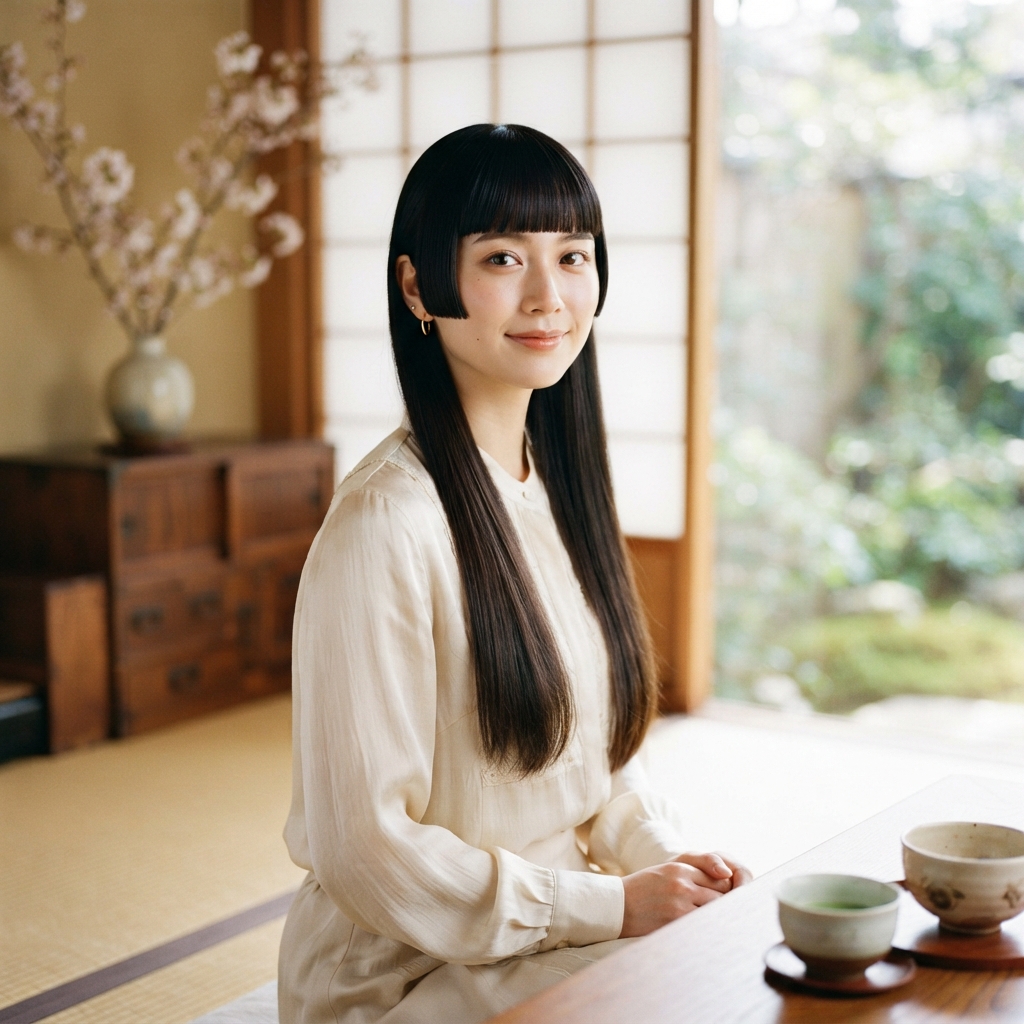
The hime cut is a Japanese style with blunt side pieces and longer back hair. It looks striking, but it can be gentle if you style it right.
- Keep the side pieces flat, not tight
- Use a soft headband if needed
- Avoid pulling the back into a high pony
- Try a low loose half-up
Straightening your hair can help, but keep the iron away from your roots. Use a heat protectant and work in small sections. Let the side pieces fall naturally around your face.
If you want a modern twist, add a small braid on one side. It looks beautiful and keeps tension away from your hairline. This is one of the most elegant 2026 hairstyles for sensitive scalps.
Best Updos for Sensitive Scalp

Updos do not have to hurt. The secret is a stable base that does not pull. You want the weight of your hair supported by the style, not your hairline.
- Loose low bun with a silk scrunchie
- Claw clip twist
- Braided crown with soft tension
- Gibson tuck
- Low ponytail wrapped with a scarf
Start by making a loose ponytail at the nape of your neck. Then twist and pin it gently. Do not pull the front tight. Leave a little slack at the roots.
If your head starts to ache, take it down. A style that hurts is not worth it. Choose comfort every time, and your scalp will recover faster.
Braids, Twists, and Tension Warning Signs
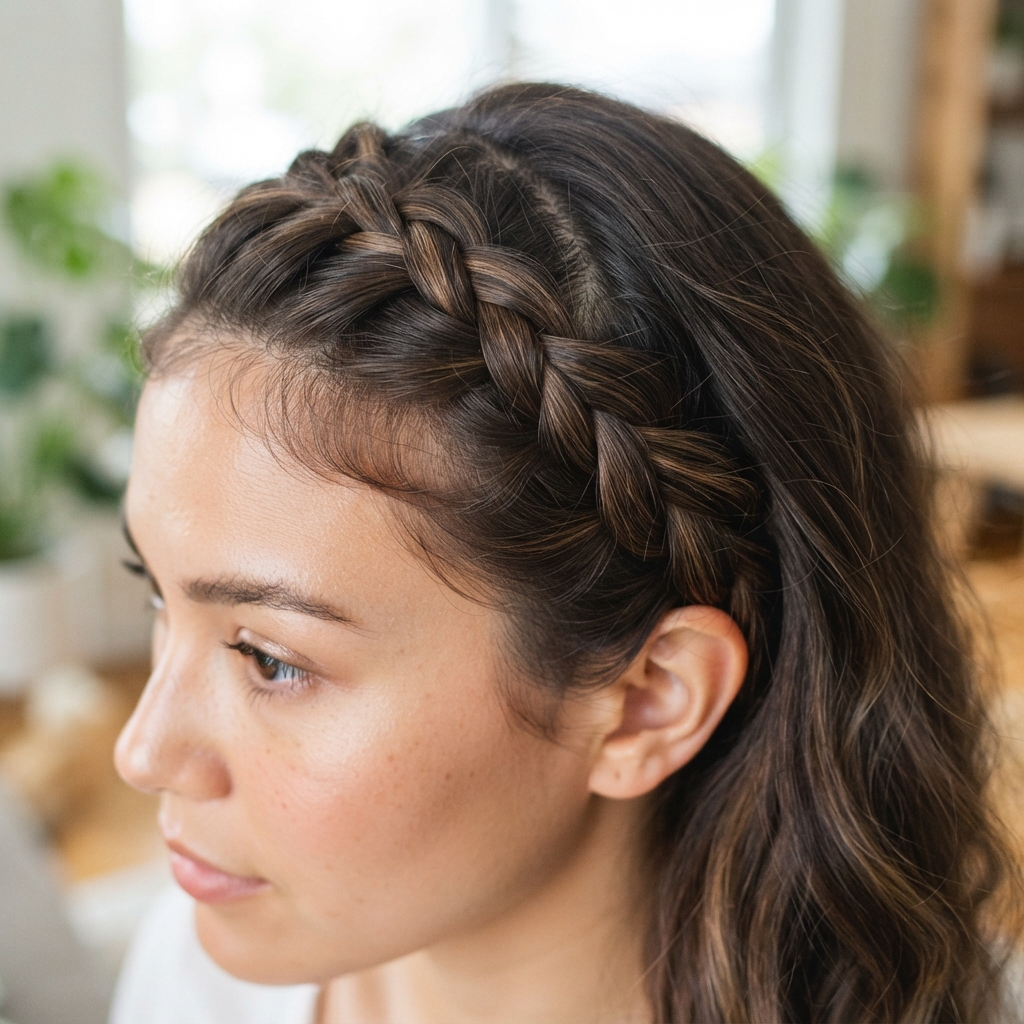
Braids and twists can be protective, but they can also cause tenderness if they are too tight. The line between cute and painful is all about tension.
- Bumps along the hairline
- Itching that will not stop
- Sore spots when you touch your head
- Redness or small pimples
- A headache after styling
If you feel any of these, take the style down. Do not wait. The longer you leave tight braids in, the more damage they can do.
Ask your braider to use a lighter hand. Smaller braids are not always better. Fewer, larger sections can actually be gentler. And always keep your scalp clean and moisturized between styles.
Heat Tools and Scalp Sensitivity
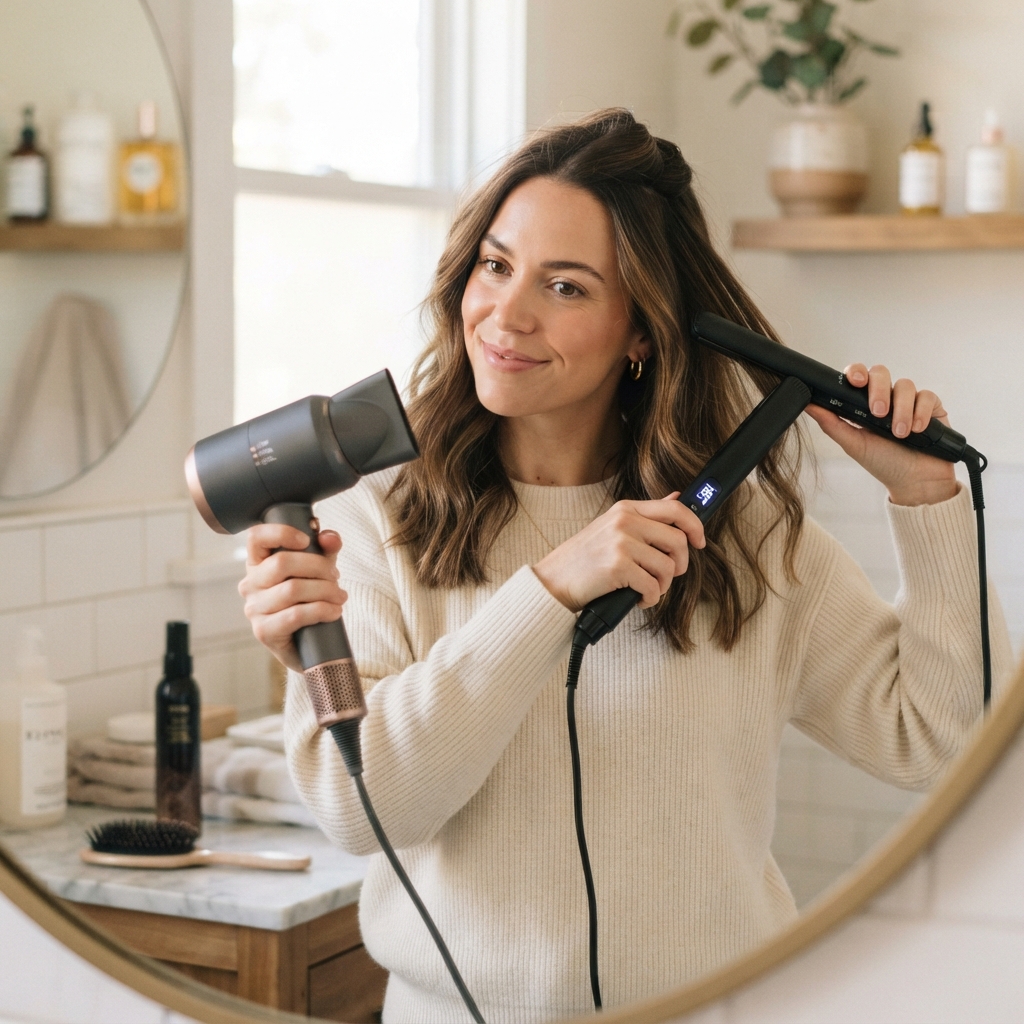
Heat tools can make a tender scalp worse. Even if the heat is not directly on your skin, the hot air and tension from brushing can irritate sore spots.
- Keep dryers on low or medium
- Point the nozzle down, not at your roots
- Use a heat protectant
- Skip hot tools on painful days
- Let hair cool before styling
Try air-drying when you can. If you need a smooth look, use a blow-dry brush on low heat. Keep it moving. Never hold it in one spot near your scalp.
For special occasions, use velcro rollers or soft foam rollers. They give volume without intense heat. Your scalp will feel calmer, and your hair will still look styled.
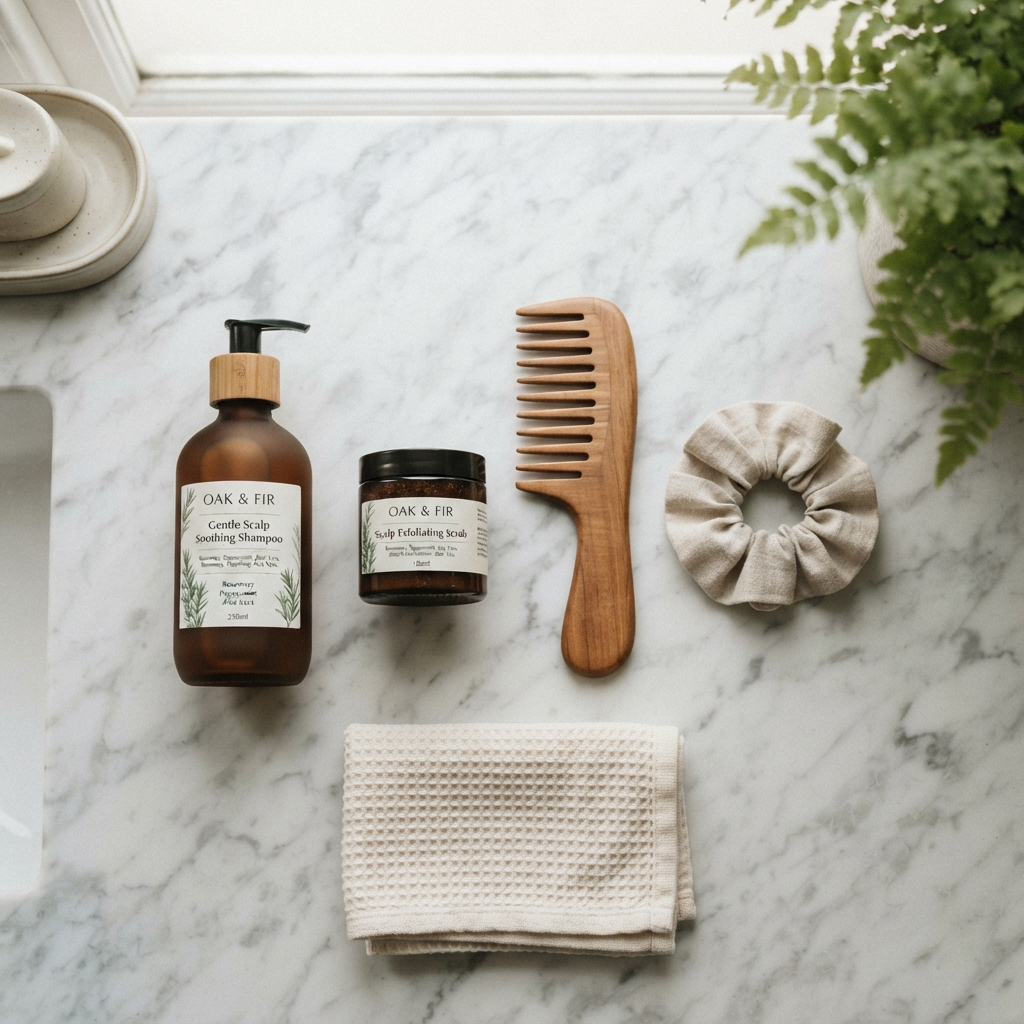
Products to Keep in Your Scalp Kit
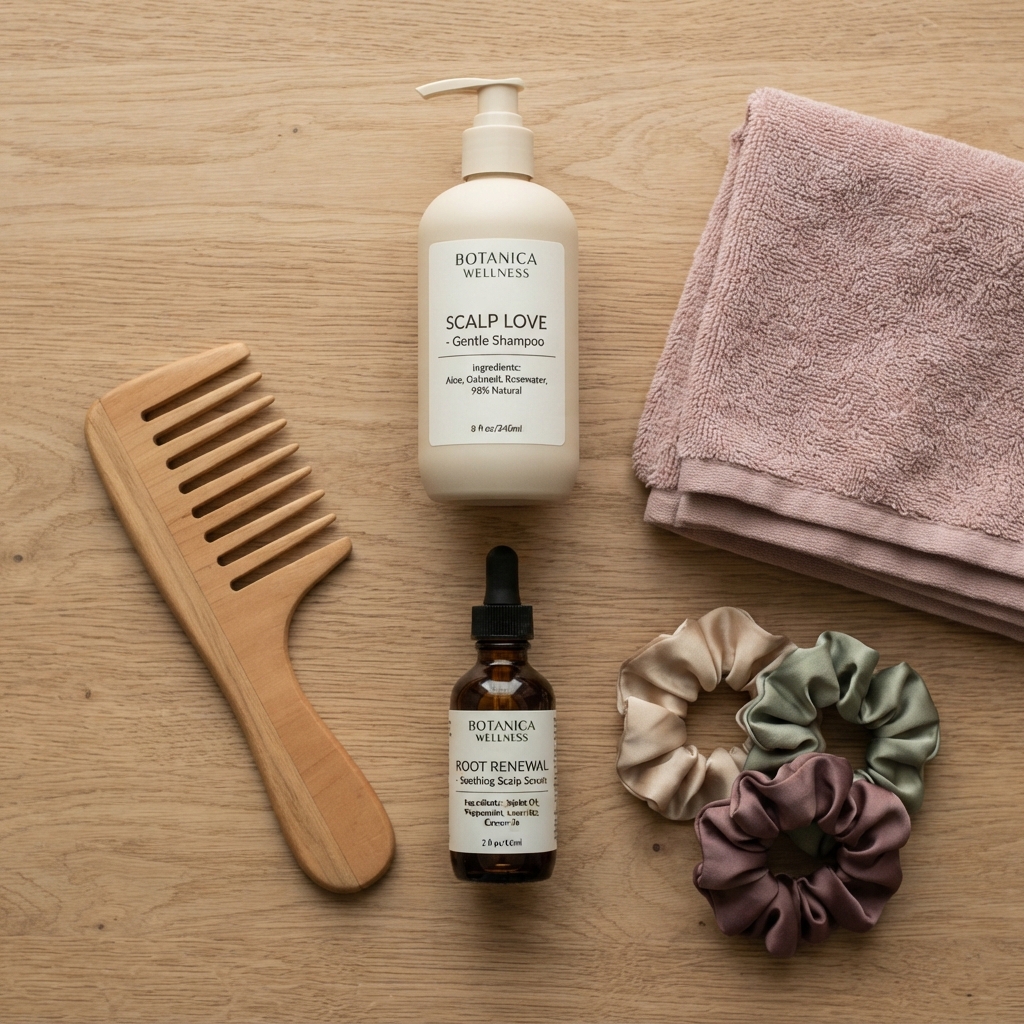
A small scalp kit can make a big difference. You do not need ten products. You need the right few.
- Gentle, fragrance-free shampoo
- Soothing scalp serum
- Wide-tooth comb
- Silk scrunchies
- Microfiber towel
- Lightweight oil for dry spots
Keep them together in your bathroom. When your scalp feels sore, you will not have to search. You can just reach for what helps.
Replace products that sting or make you itch. Also check your hair tools. Rough bristles, broken combs, and tight elastics can all cause micro-irritation. Smooth, soft tools are worth the upgrade. Do it.
Daily Habits That Calm a Tender Scalp

Small daily habits can keep your scalp from flaring up. You do not need a complicated routine. Consistency matters more than perfection.
- Sleep on a silk or satin pillowcase
- Loosen your hair before bed
- Drink enough water
- Manage stress with walks or breathing
- Wash your pillowcases weekly
- Stop touching your scalp with dirty hands
Stress can make skin more sensitive, so rest really does matter. Try a five-minute breathing break before bed. It sounds small, but your scalp may notice.
Also avoid scratching, even if it itches. Scratching can break the skin and make tenderness worse. Use a cool compress or a soothing serum instead.
How Long Until It Feels Better?

If you remove the cause, many tender scalps feel better in a few days. If it is from a tight style, relief can come within hours. If it is from a product reaction, it may take a week or two.
Be patient with skin conditions. Dandruff, eczema, and seborrheic dermatitis can take longer. Follow your doctor’s advice and give treatments time to work.
- Tight style: hours to 2 days
- Product irritation: 3 to 7 days
- Dry scalp: 1 to 2 weeks
- Skin condition: weeks to months
If things are not improving after two weeks, check in with a doctor. You deserve to feel comfortable in your own hair. Keep notes, track what helps, then repeat it.
A Simple 7-Day Scalp Reset
Want a simple plan? Try this gentle seven-day reset. It is not fancy, but it works.
- Day 1: Take down all tight styles.
- Day 2: Wash with gentle shampoo.
- Day 3: Do a one-minute massage.
- Day 4: Skip heat tools.
- Day 5: Use a soothing serum.
- Day 6: Wear a loose style.
- Day 7: Check how your scalp feels.
Through the week, keep your hair loose at night. Use silk scrunchies. Avoid new products. Let your scalp rest.
By day seven, you should notice less soreness. If not, or if it gets worse, see a doctor. This reset is a starting point, not a cure-all. Your scalp knows what it needs.
Your scalp is not being dramatic. It is asking for a little less tension, a little more kindness, and a few smarter choices. Once you calm the skin, you can enjoy soft old money hair, a quiet luxury bob, or any 2026 hairstyle without wincing.
Start with one change tonight. Loosen your hair, wash gently, and give your roots room to breathe. Small tweaks really do add up, and your scalp will thank you.
I am cheering for your comfiest, prettiest hair yet. You deserve styles that feel as good as they look.
Save this post to Pinterest so you can come back to these scalp-friendly hairstyles and remedies whenever your head feels sore.
And tell me: have you tried any of these gentle styles yet? What helps your tender scalp the most? I love hearing from you.

