
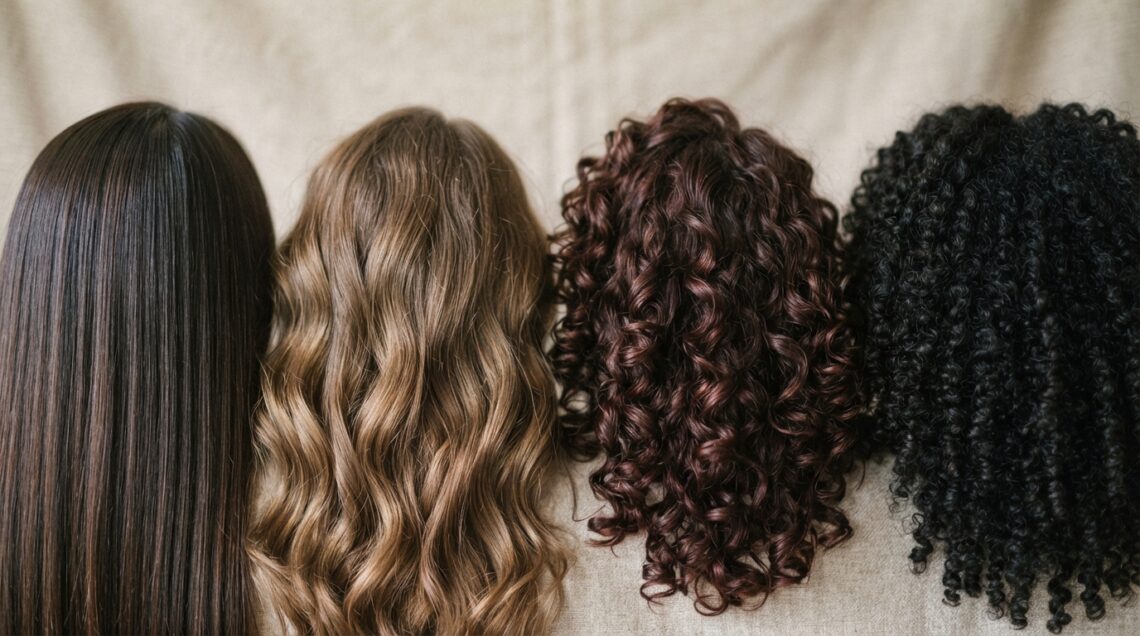
Hey, friend. I’m Hailey. If you’ve ever stood in the shampoo aisle and felt your brain go fuzzy, you’re in the right place. There are a million bottles, and they all promise the same shiny, bouncy, life-changing hair.
But the truth is simple: the best shampoo and conditioner for you depends on your hair type, your scalp, and your daily routine. In this post, I’ll walk you through how to choose the right formulas without wasting money or overthinking it.
We’ll talk fine hair, thick hair, curls, coils, color-treated strands, and even how to care for trendy cuts like the quiet luxury bob, asymmetrical lob, and hime cut. By the end, you’ll know exactly what to look for on the label. Let’s make wash day feel easy again.
Know Your Hair Type First
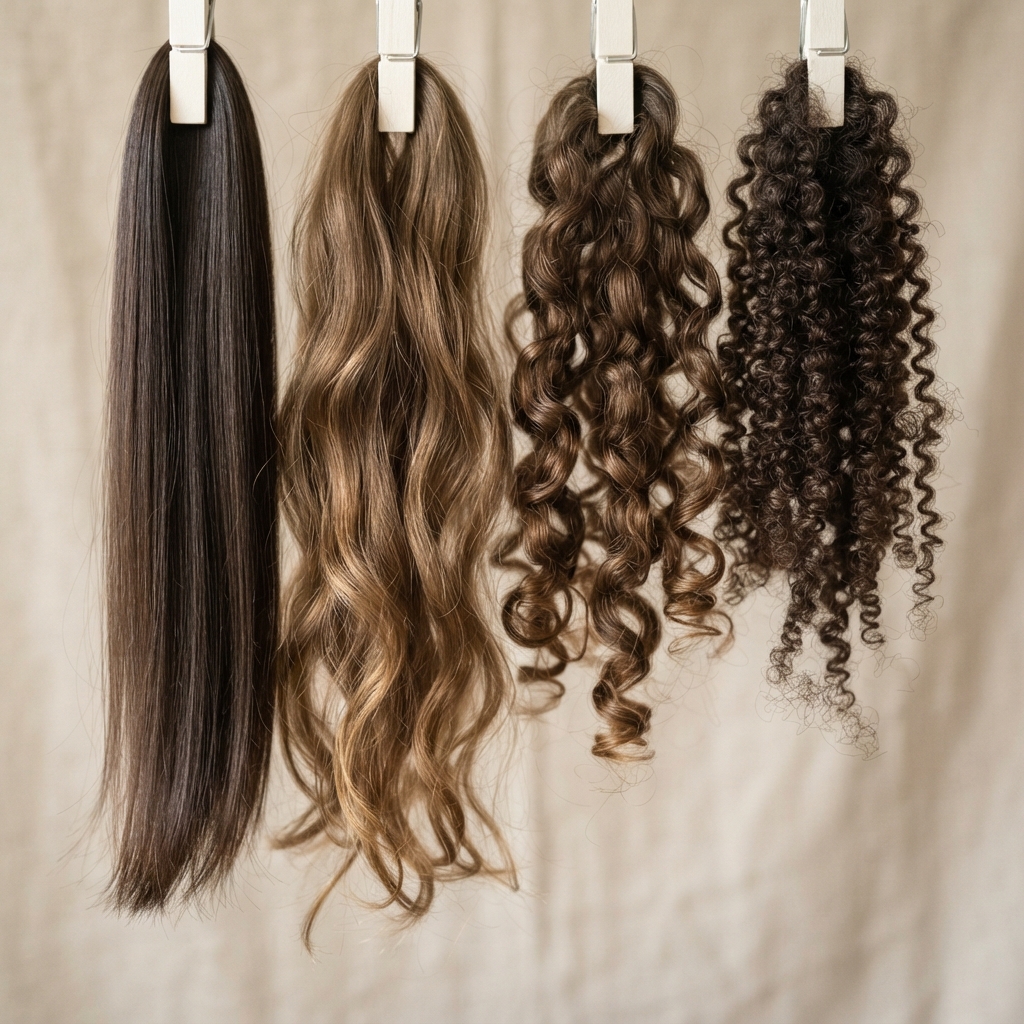
Before you buy another bottle, figure out your hair type. Hair type is not just straight, wavy, curly, or coily. It is also thickness, density, and porosity. I know that sounds like homework, but it takes two minutes.
- Strand shape: Straight, wavy, curly, or coily.
- Thickness: Fine, medium, or thick strands.
- Density: How much hair you have on your head.
- Porosity: How easily your hair absorbs and holds moisture.
Once you know these basics, choosing shampoo and conditioner gets much easier. You stop guessing and start matching. This matters for every look, from old money hair to 2026 hairstyles.
Check Your Scalp, Not Just Your Strands

Your scalp and your strands often need different things. That is why one shampoo for your whole head can feel confusing. I always tell my friends: treat your scalp like skin, and treat your ends like fabric.
- Oily scalp: Use a clarifying or balancing shampoo.
- Dry scalp: Look for gentle, hydrating, fragrance-free options.
- Sensitive scalp: Avoid harsh sulfates and strong scents.
- Flaky scalp: Try zinc pyrithione or salicylic acid.
Then choose your conditioner based on your hair type, not your scalp. Keep conditioner off your roots if you get greasy fast. This one shift can fix so much.
Fine Hair: Go Lightweight

Fine hair gets weighed down fast. If you use heavy oils, thick butters, or rich creams, your hair can look flat by noon. The goal is clean volume and movement.
- Pick clear, lightweight shampoos.
- Choose conditioners labeled volumizing or lightweight.
- Apply conditioner from mid-length to ends only.
- Rinse with cool water to add shine.
For 2026 hairstyles like the quiet luxury bob or asymmetrical lob, fine hair looks best with a little texture and zero buildup. A weekly clarifying wash helps too. Keep it simple, and your hair will feel bouncy.
Thick Hair: Go Rich but Rinse Well
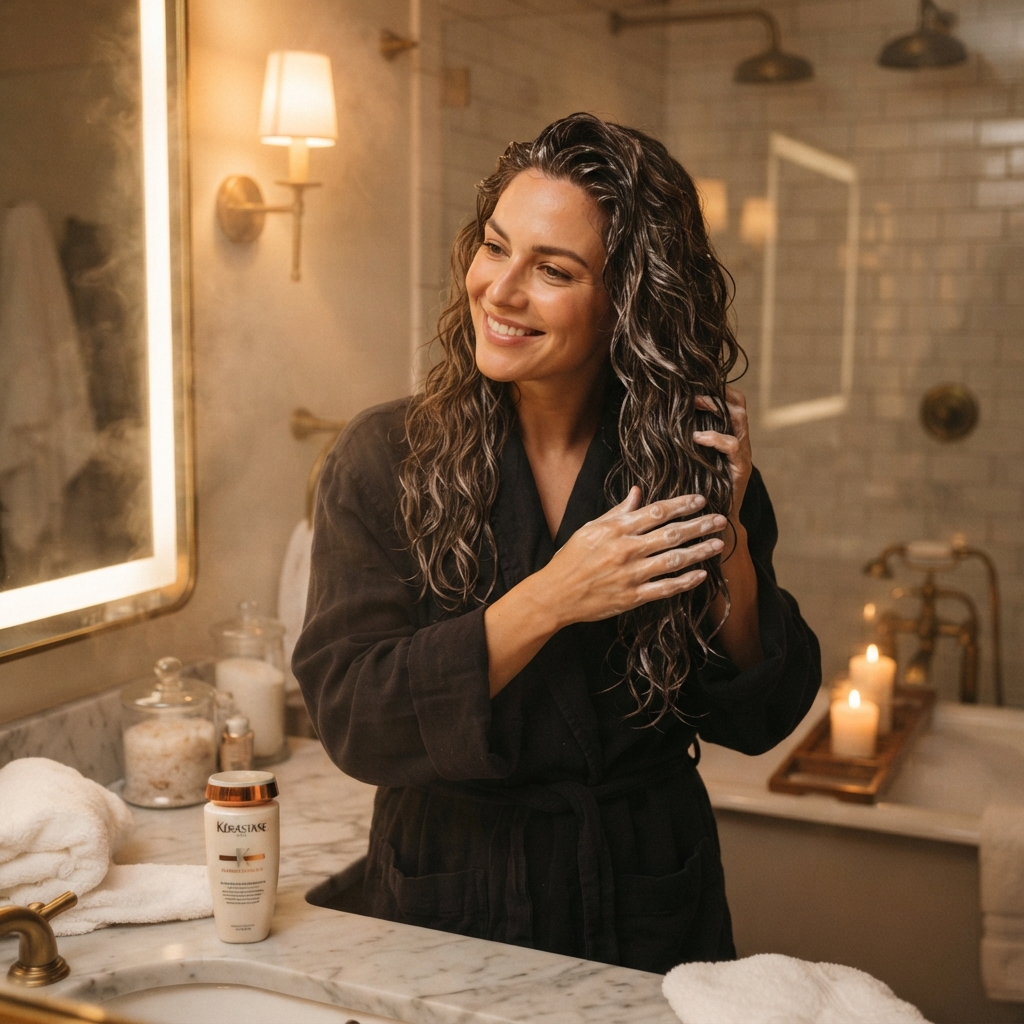
Thick hair can handle more moisture, but it still hates leftover product. You want rich formulas that actually rinse clean. If your hair feels coated or dull, your conditioner is probably too heavy or not rinsed enough.
- Use creamy, moisturizing shampoos.
- Choose conditioners with shea butter, argan oil, or coconut oil.
- Rinse longer than you think you need to.
- Use a wide-tooth comb in the shower to distribute product.
This routine supports old money hair and romantic goth hairstyles because both need softness without greasy weight. Healthy thick hair is all about balance.
Straight Hair: Avoid Heavy Buildup

Straight hair shows oil and buildup quickly. That does not mean you need harsh shampoo every day. It means you need lightweight products and a good clarifying routine.
- Use a gentle shampoo for daily washing.
- Clarify once a week or every two weeks.
- Choose a lightweight conditioner or a leave-in mist.
- Keep conditioner away from your roots.
If you love a quiet luxury bob or a sleek asymmetrical lob, this is your blueprint. Shine comes from clean hair, not from piling on products. Less really is more here.
Wavy Hair: Balance Moisture and Hold

Wavy hair lives in the middle. It needs moisture, but too much can pull the wave down. It also needs a little hold to keep frizz away. The right shampoo and conditioner make a big difference.
- Use sulfate-free shampoo if your waves are dry.
- Pick a lightweight moisturizing conditioner.
- Scrunch your hair while conditioning to encourage waves.
- Rinse with cool water to seal the cuticle.
For romantic goth hairstyles or glitchy glam hair, waves add soft texture. Just avoid heavy butters near your roots. Your waves will thank you.
Curly Hair: Moisture Is Everything
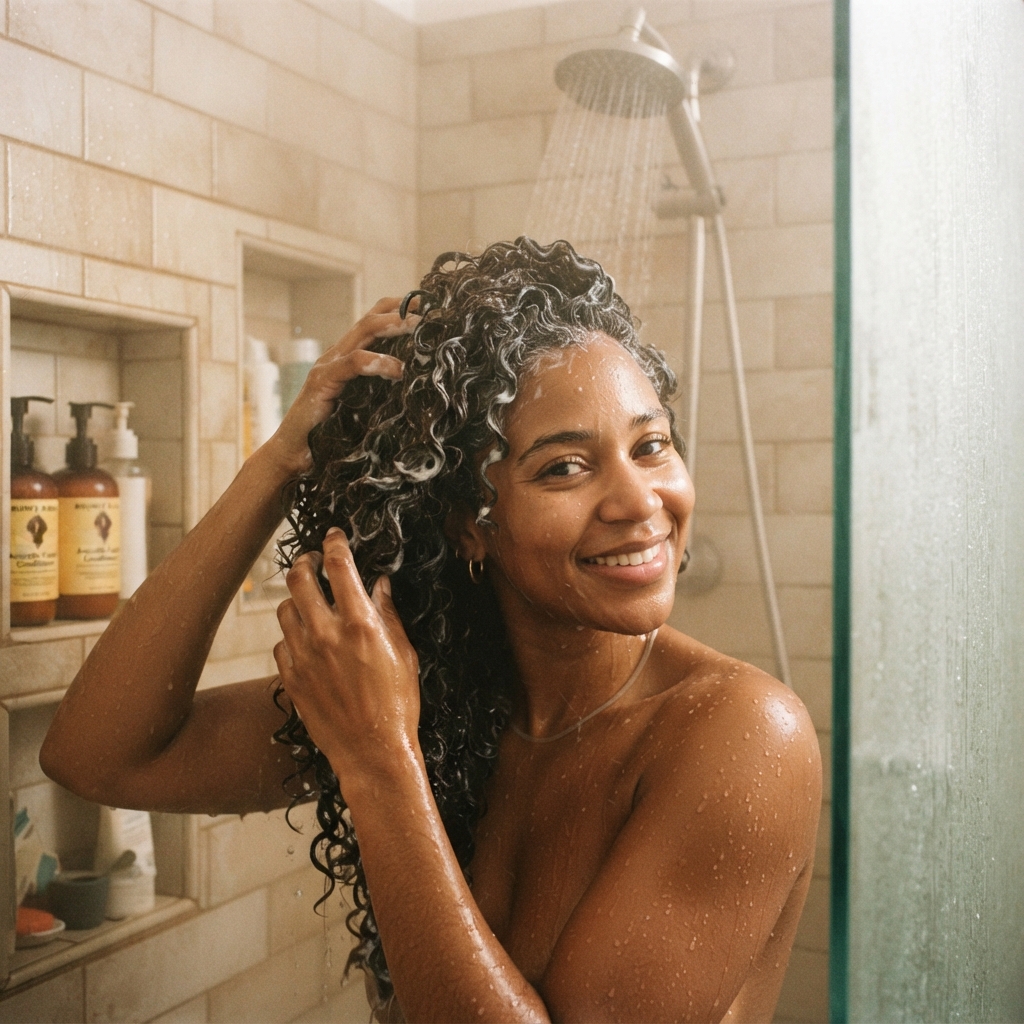
Curly hair is naturally drier because the curl shape makes it harder for oil from your scalp to travel down. So moisture is not optional. It is the whole game.
- Use a sulfate-free shampoo or co-wash.
- Choose a conditioner with slip, like marshmallow root or slippery elm.
- Detangle with conditioner in the shower.
- Apply leave-in conditioner while hair is still wet.
This works for everything from tight coils to loose curls. If you want a vampire haircut or hime cut with curly texture, hydration keeps the shape sharp and soft at the same time.
Coily Hair: Seal in Hydration
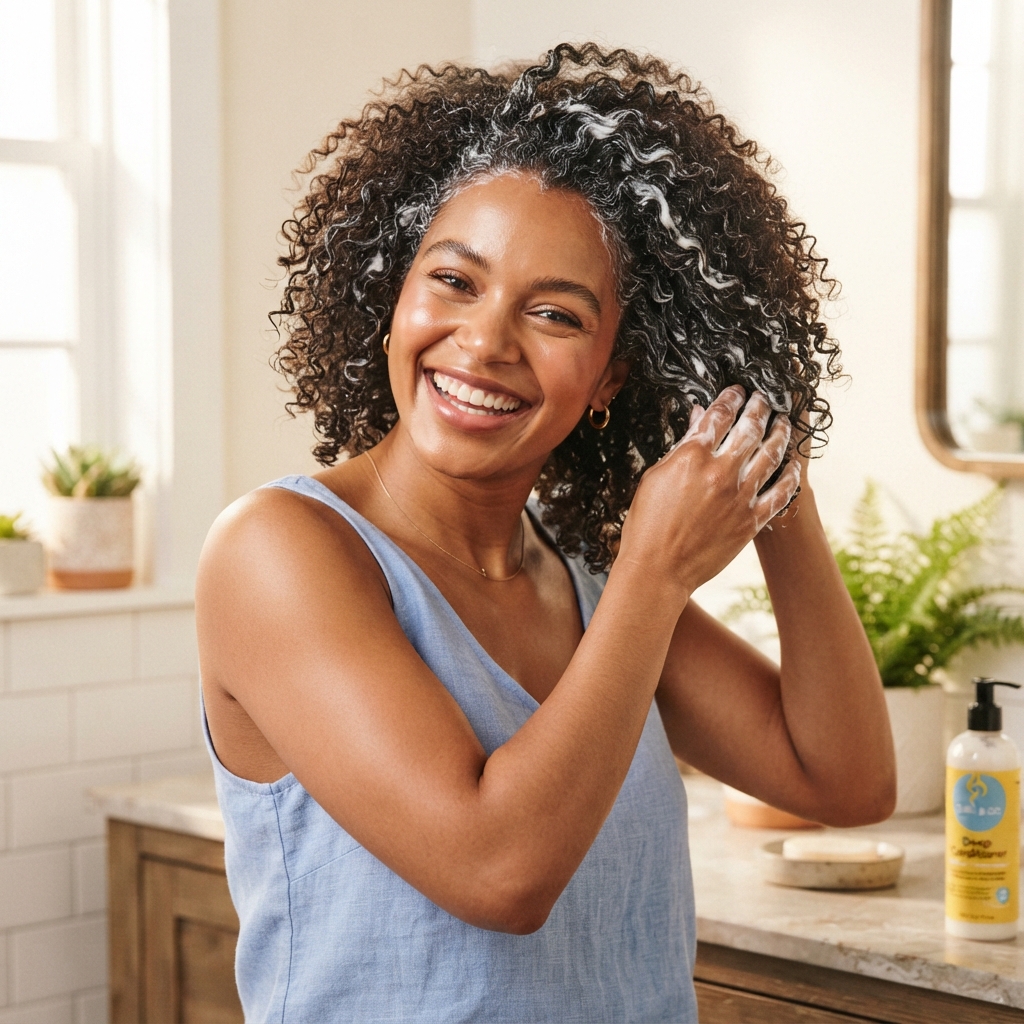
Coily hair loves rich, creamy products. It needs water first, then oil or butter to seal that water in. Shampoo can be drying, so choose wisely and wash less often if you can.
- Use a moisturizing shampoo or a cleansing conditioner.
- Look for conditioners with shea butter, cocoa butter, or avocado oil.
- Pre-poo with oil before washing to protect your strands.
- Seal with a leave-in cream or oil after washing.
Healthy coils can rock any 2026 hairstyle, from a rounded halo to a bold asymmetrical lob. Moisture is your foundation.
Dry Hair: Look for Oils and Butters

Dry hair needs more than a quick rinse. It needs products that add moisture and help it stay there. But not all oils are the same.
- Argan oil: Lightweight and softening.
- Coconut oil: Great for some, but can feel heavy on fine hair.
- Shea butter: Rich and sealing for thick or coily hair.
- Jojoba oil: Closest to scalp oil, good for balancing.
Avoid shampoos with drying alcohols high on the list. Choose a hydrating conditioner and use a deep mask once a week. Your dry ends will feel softer fast.
Oily Hair: Clarify Gently
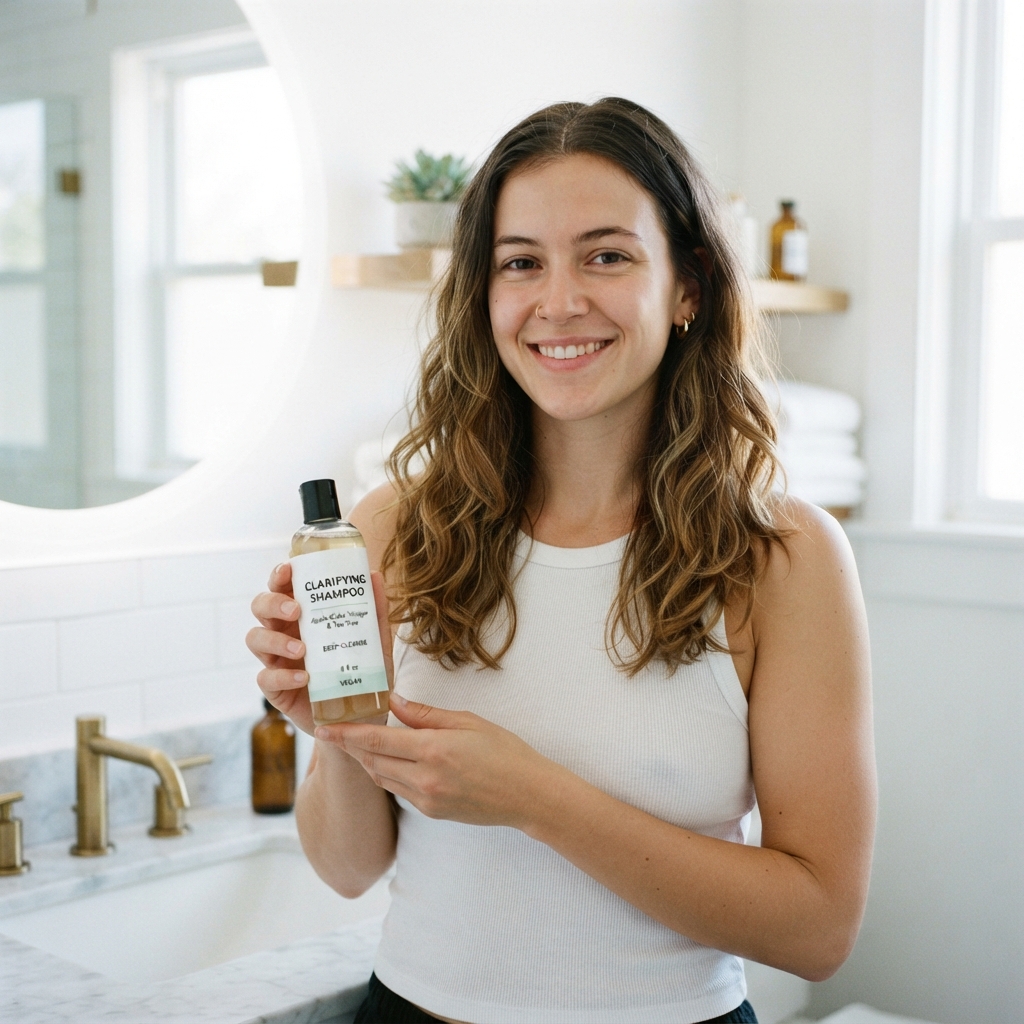
Oily hair does not need to be stripped. Harsh shampoo can make your scalp produce even more oil. The trick is gentle cleansing and smart conditioning.
- Use a clarifying shampoo once or twice a week.
- Choose a lightweight daily shampoo for other days.
- Apply conditioner only to your ends.
- Avoid touching your hair too much during the day.
This keeps your roots fresh without frying your ends. If you want old money hair or a sleek quiet luxury bob, clean roots are everything. Less oil means more polish.
Color-Treated Hair: Protect Your Investment
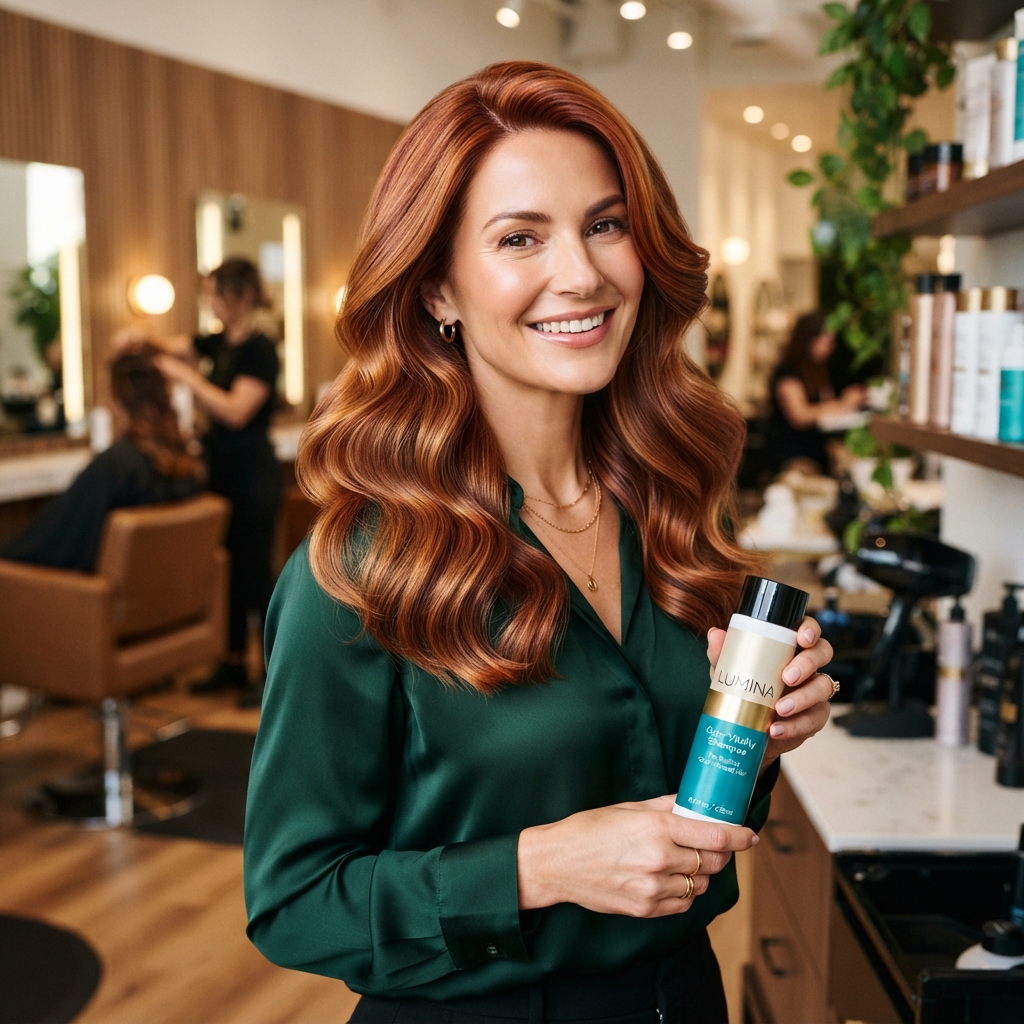
Color-treated hair needs protection. You paid for that color, so you do not want your shampoo to wash it down the drain. Look for color-safe formulas that clean gently.
- Use sulfate-free shampoo.
- Choose conditioner with UV protection.
- Look for bond repair ingredients like bis-aminopropyl diglycol dimaleate.
- Wash with cooler water to keep the cuticle closed.
This helps with vivid shades for glitchy glam hair or deep tones for romantic goth hairstyles. Color-safe care keeps your shade rich and your hair soft.
Bleached Hair: Repair and Strength
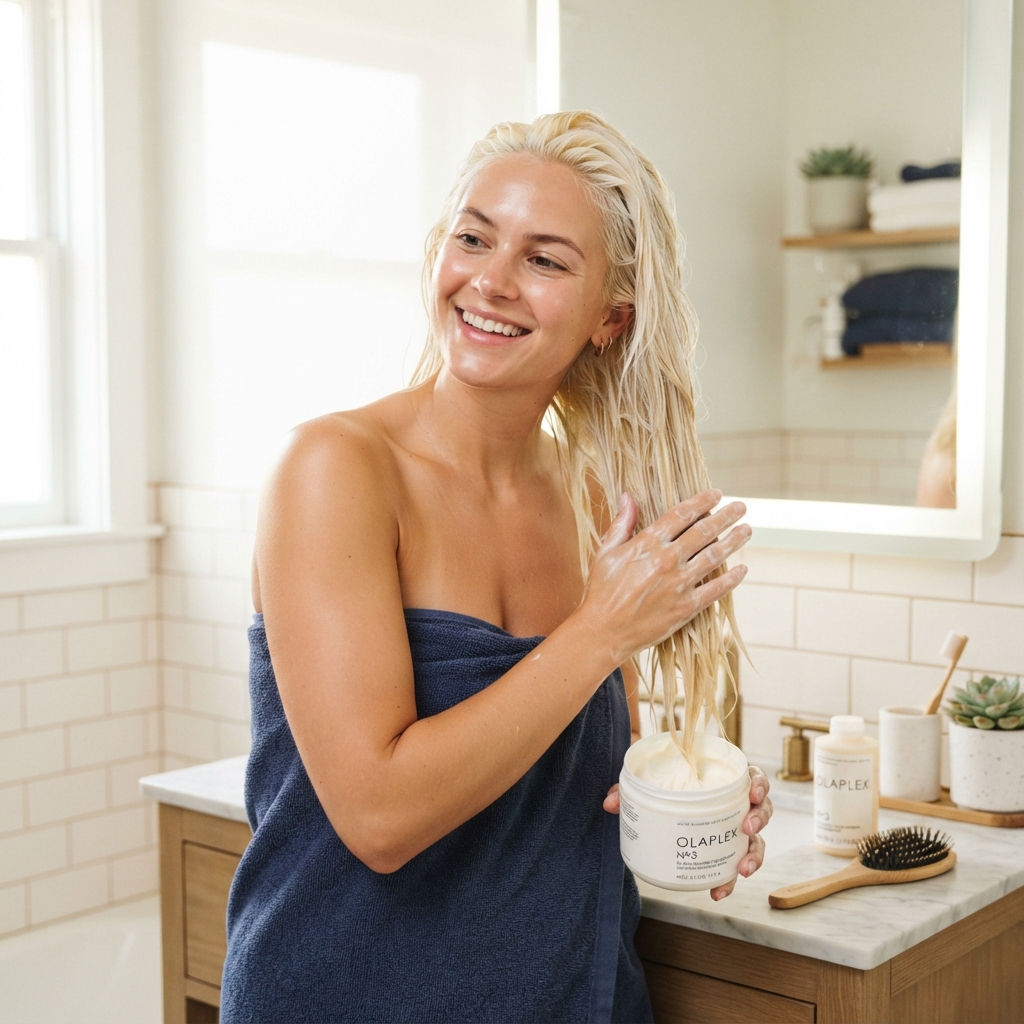
Bleached hair is beautiful but fragile. It needs strength and moisture, not just one or the other. If you overdo protein, it can feel stiff. If you skip it, it can feel mushy.
- Use a bond-building shampoo once or twice a week.
- Choose a moisturizing conditioner for other washes.
- Add a protein treatment every two to four weeks.
- Use purple shampoo only when you need to tone brass.
This balance supports a vampire haircut, hime cut, or any 2026 hairstyle that needs sharp, healthy lines. Strong hair is stylish hair.
Damaged Hair: Protein and Moisture Together
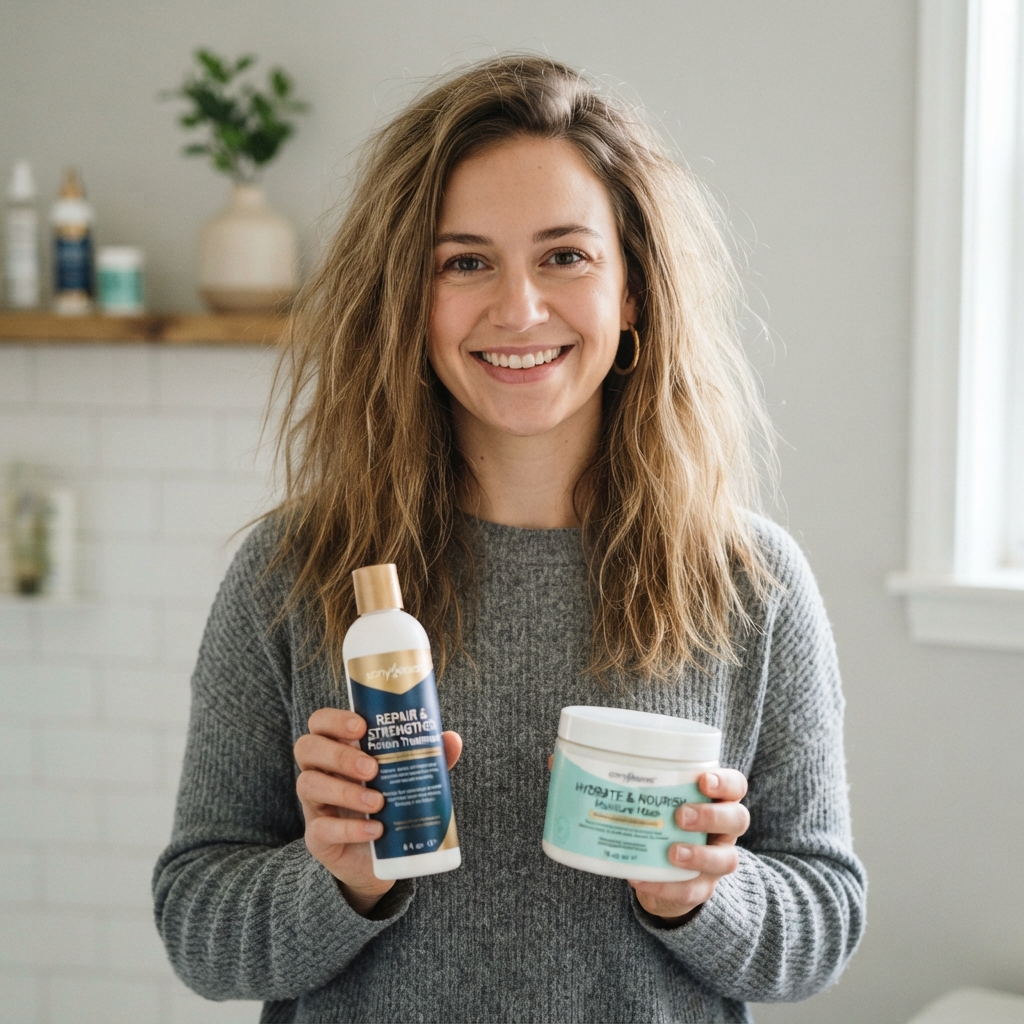
Damaged hair usually needs both protein and moisture. Think of protein as the bricks and moisture as the mortar. You need both to rebuild.
- Use a protein mask every two to four weeks.
- Use a moisture mask on the other weeks.
- Choose a gentle, sulfate-free shampoo.
- Trim split ends every eight to twelve weeks.
If your hair snaps when wet, you need protein. If it feels dry and brittle, you need moisture. Listen to your hair. It will tell you what it needs.
Frizzy Hair: Smooth Without Weighing Down
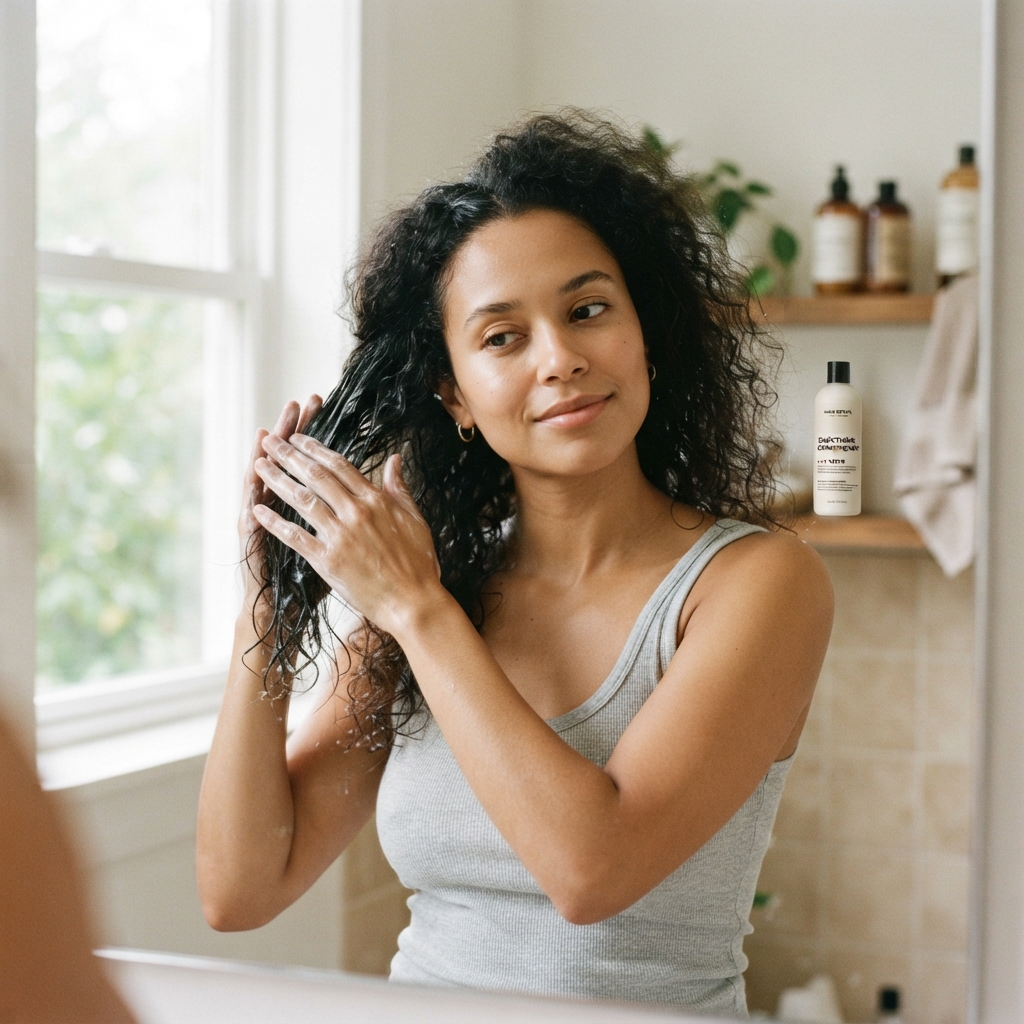
Frizz is usually a sign of dryness. When hair reaches for moisture in the air, it puffs up. The fix is not to fight it with heat. The fix is to add moisture and seal it in.
- Use a smoothing shampoo with gentle cleansers.
- Choose a conditioner with silicones or natural oils for slip.
- Rinse with cool water.
- Apply a leave-in cream or serum to damp hair.
This helps with old money hair, quiet luxury bob, and any sleek 2026 hairstyle. Smooth hair starts in the shower.
Low Porosity Hair: Light Products Only
porosity hair has tightly closed cuticles. That means it resists moisture. Heavy products sit on top and make hair look greasy. You need lightweight, water-based formulas.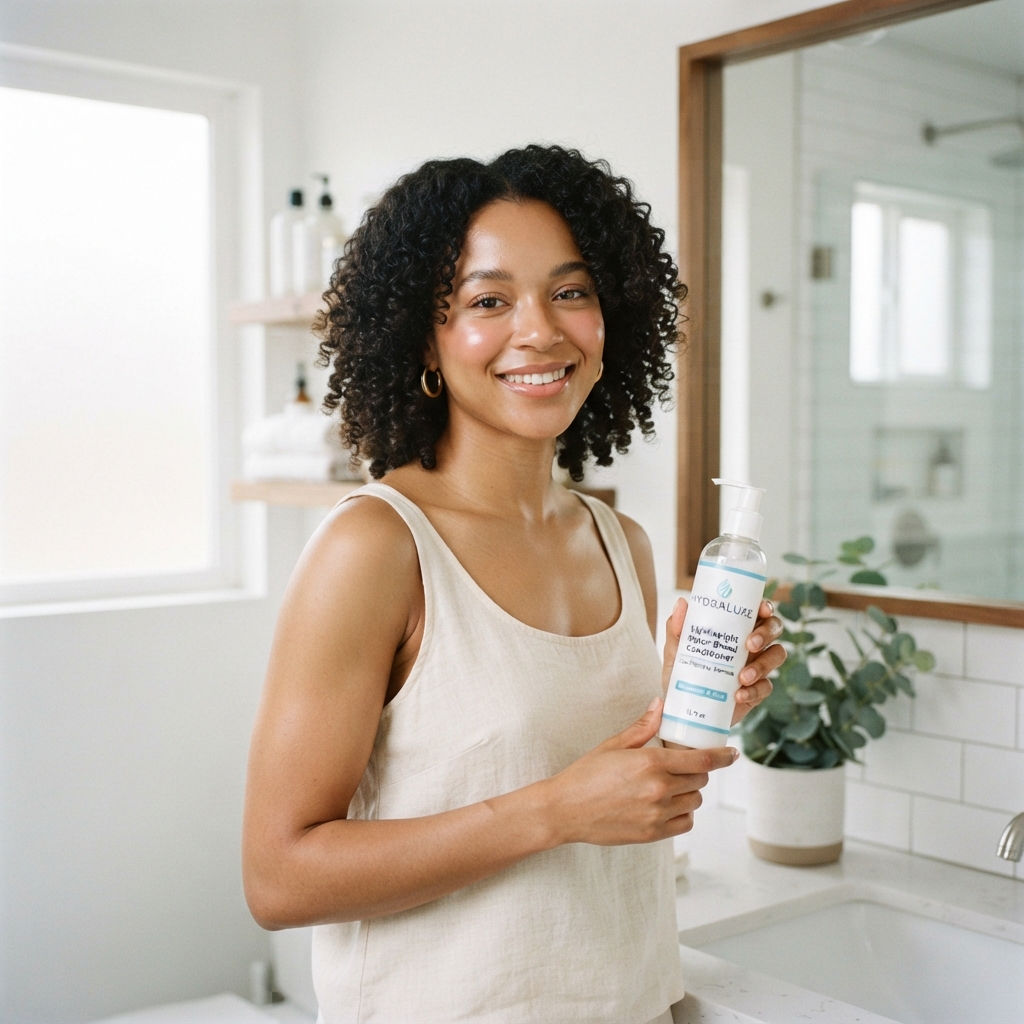
- Use lightweight shampoos and conditioners.
- Avoid heavy butters and thick oils.
- Use warm water to help open the cuticle.
- Apply products to damp, not soaking wet, hair.
Low porosity hair can still be healthy and shiny. It just needs a lighter touch. This is great for fine hair and sleek styles like the asymmetrical lob.
High Porosity Hair: Rich and Repairing
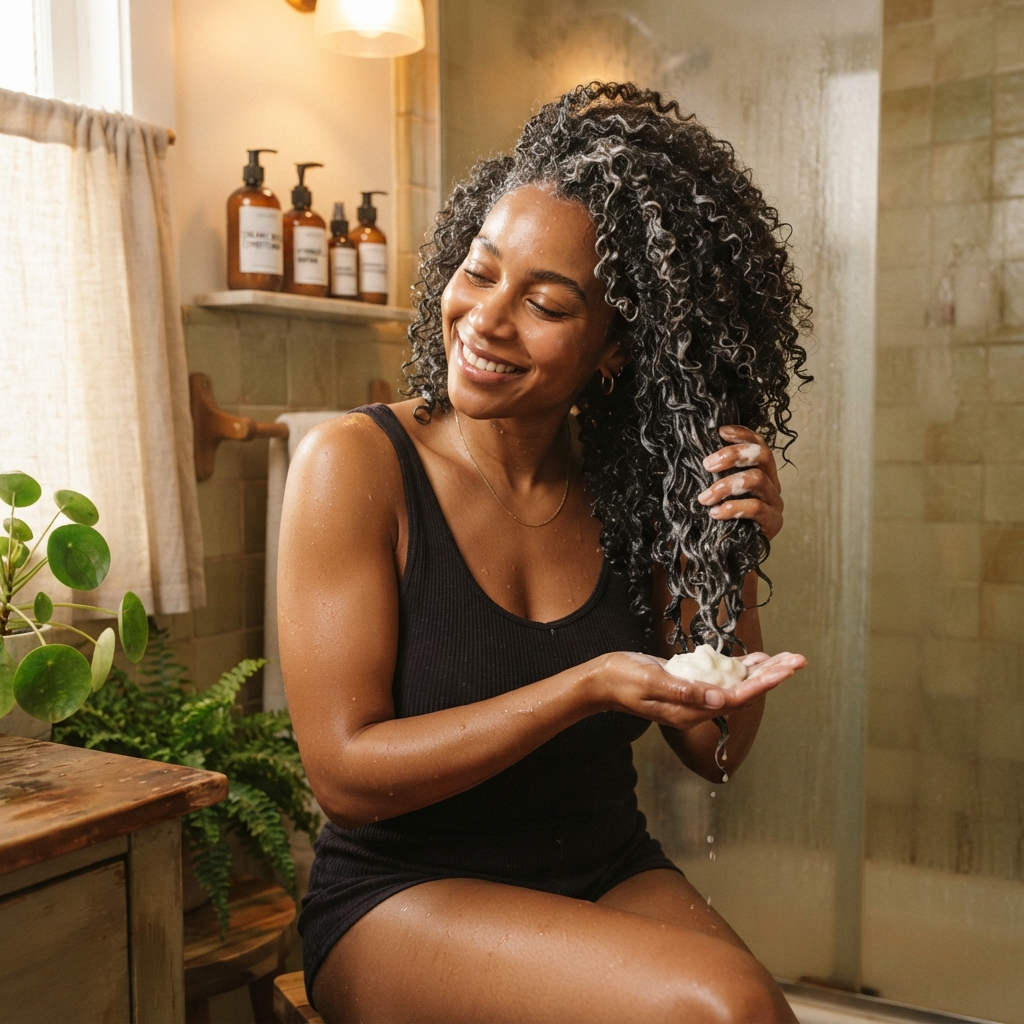
High porosity hair has open cuticles. It absorbs moisture quickly but loses it just as fast. You need rich, sealing products that lock hydration in.
- Use creamy, moisturizing shampoos.
- Choose conditioners with shea butter, coconut oil, or castor oil.
- Apply a leave-in conditioner and seal with oil.
- Try the LOC method: liquid, oil, cream.
This works for curly, coily, and damaged hair. It also helps romantic goth hairstyles and glitchy glam hair hold their shape without drying out.
Sensitive Scalp: Fragrance-Free and Calm
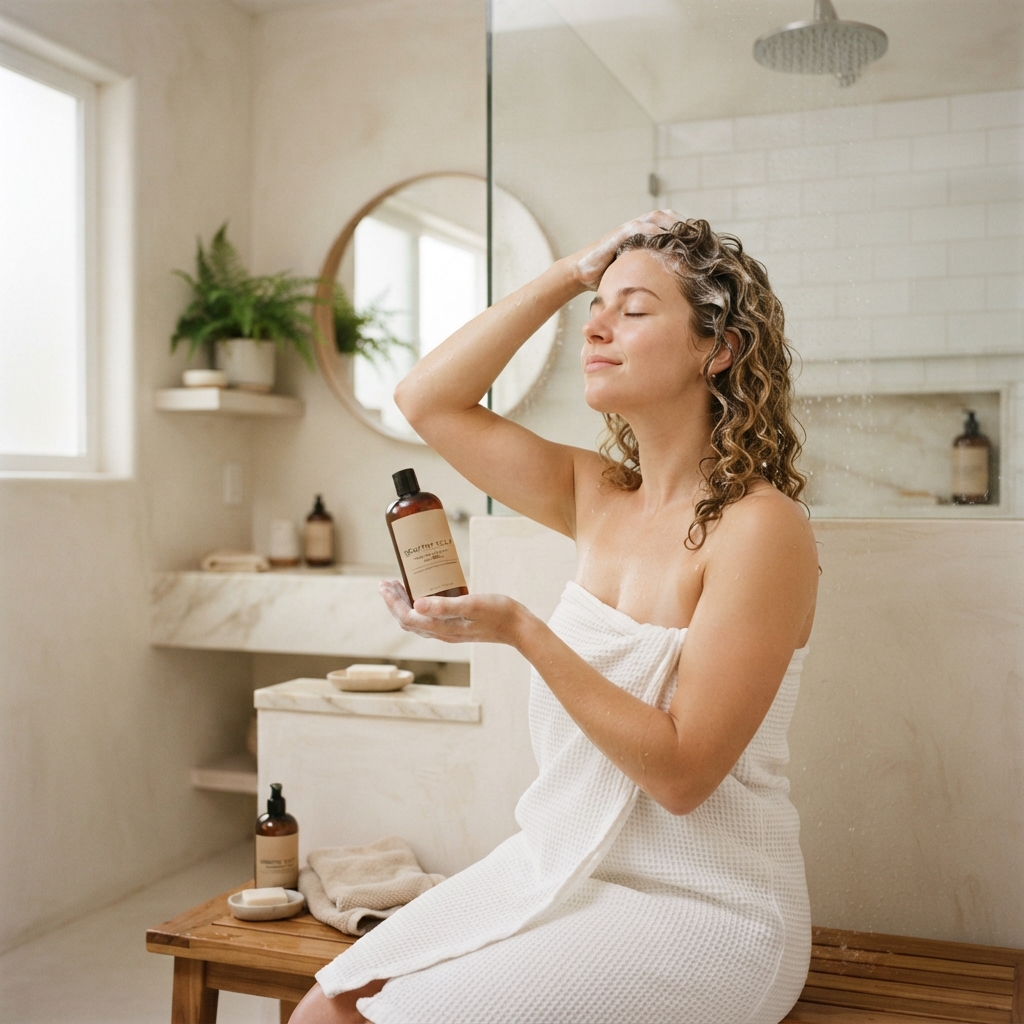
If your scalp stings, itches, or turns red after washing, your products might be too harsh. Sensitive scalp needs calm, simple ingredients. Less is more.
- Choose fragrance-free shampoo and conditioner.
- Avoid sulfates, essential oils, and strong preservatives.
- Look for aloe, chamomile, or colloidal oatmeal.
- Rinse with lukewarm water, not hot.
Your scalp is skin. Treat it gently. Once it calms down, your hair will look healthier too. This is the base for any great 2026 hairstyle.
Dandruff or Flaky Scalp: Zinc and Salicylic Acid
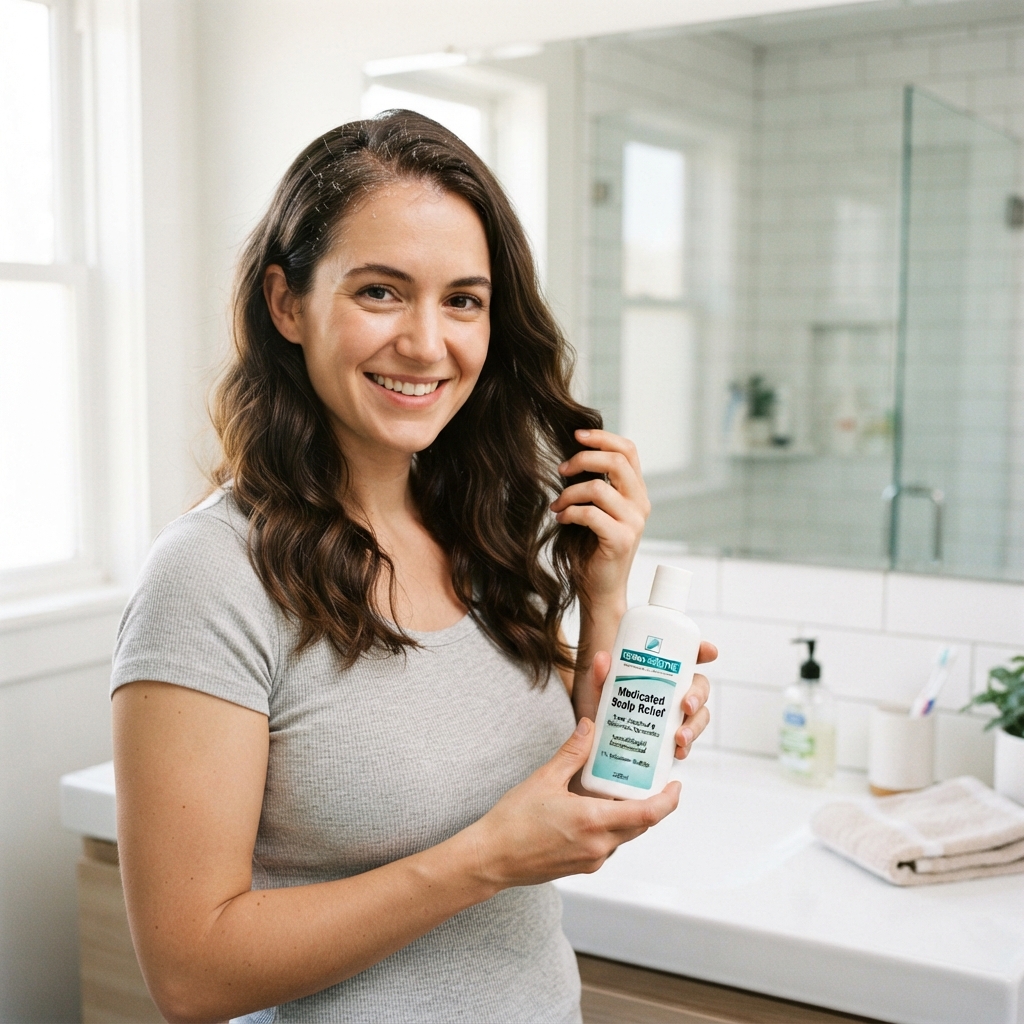
Flakes are not just a dry scalp issue. They can be dandruff, seborrheic dermatitis, or product buildup. The right active ingredient makes a huge difference.
- Zinc pyrithione: Fights fungus and flakes.
- Salicylic acid: Loosens dead skin and buildup.
- Ketoconazole: Stronger option for stubborn dandruff.
- Tea tree oil: Natural option for mild flakes.
Use medicated shampoo two to three times a week. Let it sit for a few minutes. Then condition only your ends. Do not scratch. Consistency is key.
Hard Water: Chelating Shampoo
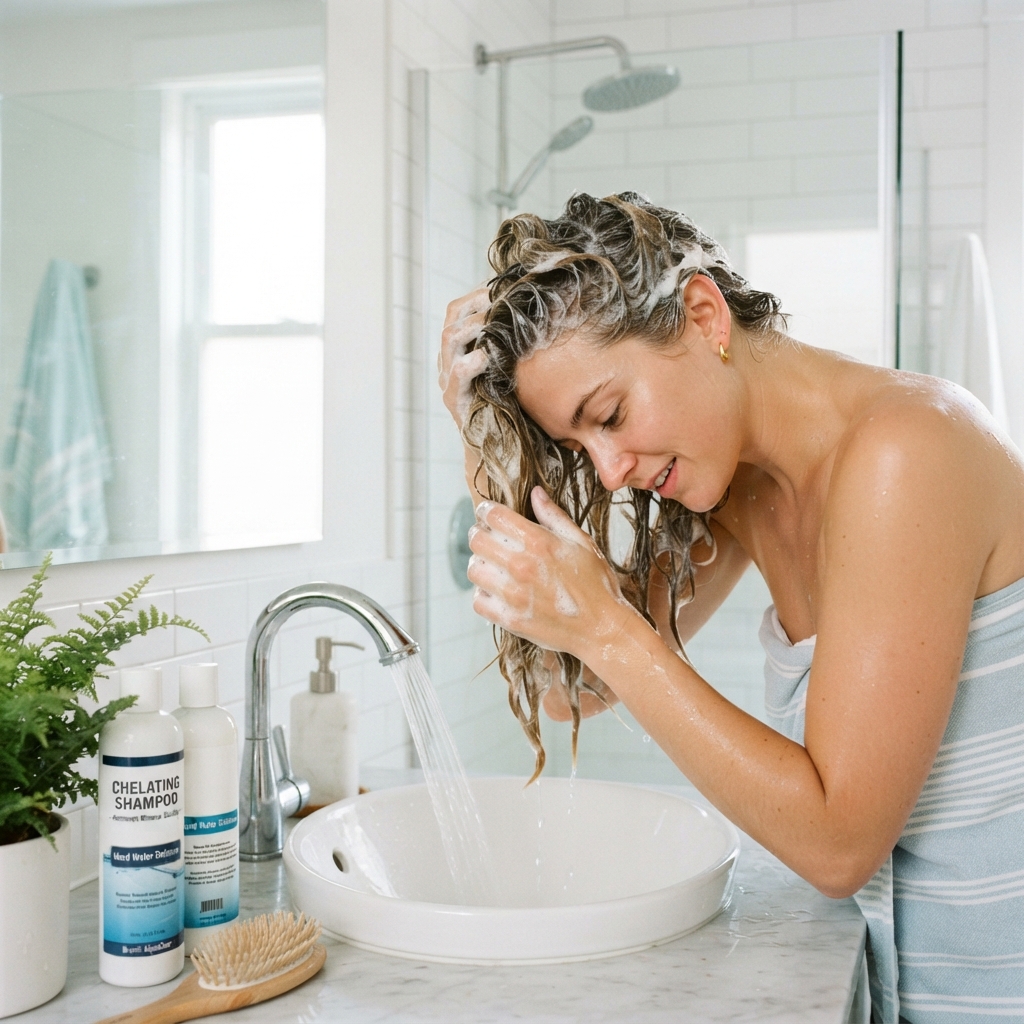
Hard water leaves minerals like calcium and magnesium on your hair. That can make it feel dull, stiff, and tangled. A regular shampoo might not remove them.
- Use a chelating shampoo once a week or once a month.
- Look for ingredients like EDTA or phytic acid.
- Follow with a moisture-rich conditioner.
- Consider a shower filter for long-term help.
If your hair feels weirdly coated no matter what you do, hard water might be the culprit. A chelating wash can bring back softness and shine.
Heat Styling and 2026 Hairstyles: Match Your Wash Routine
If you heat style often, your wash routine needs to support that. 2026 hairstyles like glitchy glam hair, old money hair, and quiet luxury bob all rely on healthy, shiny strands. Heat without protection is the fastest way to ruin them.
- Use a moisturizing shampoo and conditioner.
- Always apply heat protectant before styling.
- Wash less often to preserve natural oils.
- Deep condition once a week.
Healthy hair holds a style better. So your shampoo and conditioner are just as important as your flat iron or curling wand.
Old Money Hair and Quiet Luxury Bob: Keep It Polished

Old money hair is not about complicated styling. It is about health, shine, and simplicity. The quiet luxury bob is the perfect example. It looks effortless, but it needs clean, smooth hair.
- Use a lightweight, shine-boosting shampoo.
- Choose a conditioner that smooths without weighing down.
- Get regular trims to keep the bob sharp.
- Use a heat protectant and a round brush for polish.
This look works for fine, medium, and thick hair. The goal is quiet confidence, not loud products. Clean hair is the real luxury.
Romantic Goth Hairstyles, Glitchy Glam Hair, Vampire Haircut: Edge Without Damage
Edgy styles need extra care. Romantic goth hairstyles often use soft volume and dark shine. Glitchy glam hair mixes texture and shine. The vampire haircut and hime cut need sharp, healthy lines.
- Use color-safe shampoo if you dye your hair dark or vivid.
- Choose a moisturizing conditioner to keep ends soft.
- Add a shine serum for gloss without grease.
- Trim regularly to keep sharp cuts looking sharp.
You can be edgy without frying your hair. The right shampoo and conditioner keep your look bold and your strands strong.
Choosing the best shampoo and conditioner for your hair type does not have to be overwhelming. Start with your scalp, then match your strands. Fine hair wants lightweight. Curly hair wants moisture. Color-treated hair wants protection. And every trendy look, from old money hair to glitchy glam hair, starts with healthy hair.
Take one small step this week. Read the label. Try one new product. Give it two weeks. Your hair will tell you if it is happy. And remember, the best routine is the one you will actually do.
Save this post to Pinterest so you can find it next time you are in the shampoo aisle. And tell me in the comments: what is your hair type, and what is your biggest wash-day struggle? I read every comment and love hearing from you.

