
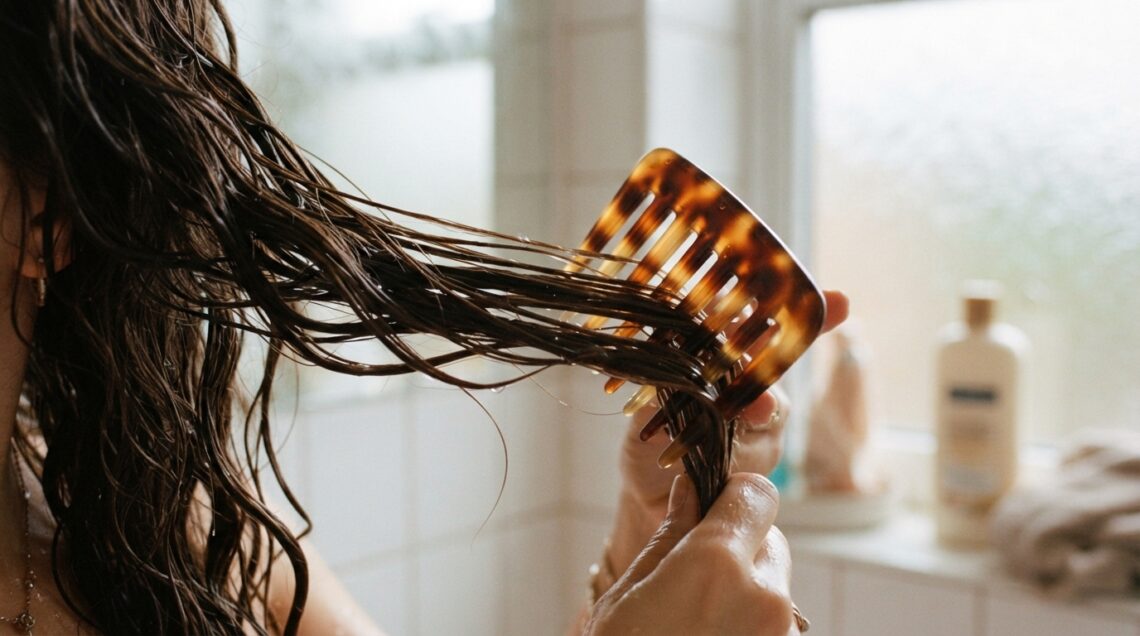
Wet hair is at its most fragile. When it’s soaked, the strands stretch, swell, and snap way more easily than when dry. So if you’ve ever heard that ripping sound while combing after a shower, you’re not alone. I’ve been there, and it’s the worst.
Here’s the good news: detangling wet hair doesn’t have to mean breakage. With a little slip, the right tool, and a gentle order of operations, you can go from tangled to smooth without losing length.
I’m breaking it down into simple steps you can use tonight. Whether you’re growing out a quiet luxury bob, maintaining a hime cut, or just trying to keep your 2026 hairstyles healthy, this routine works.
Why Wet Hair Breaks So Easily
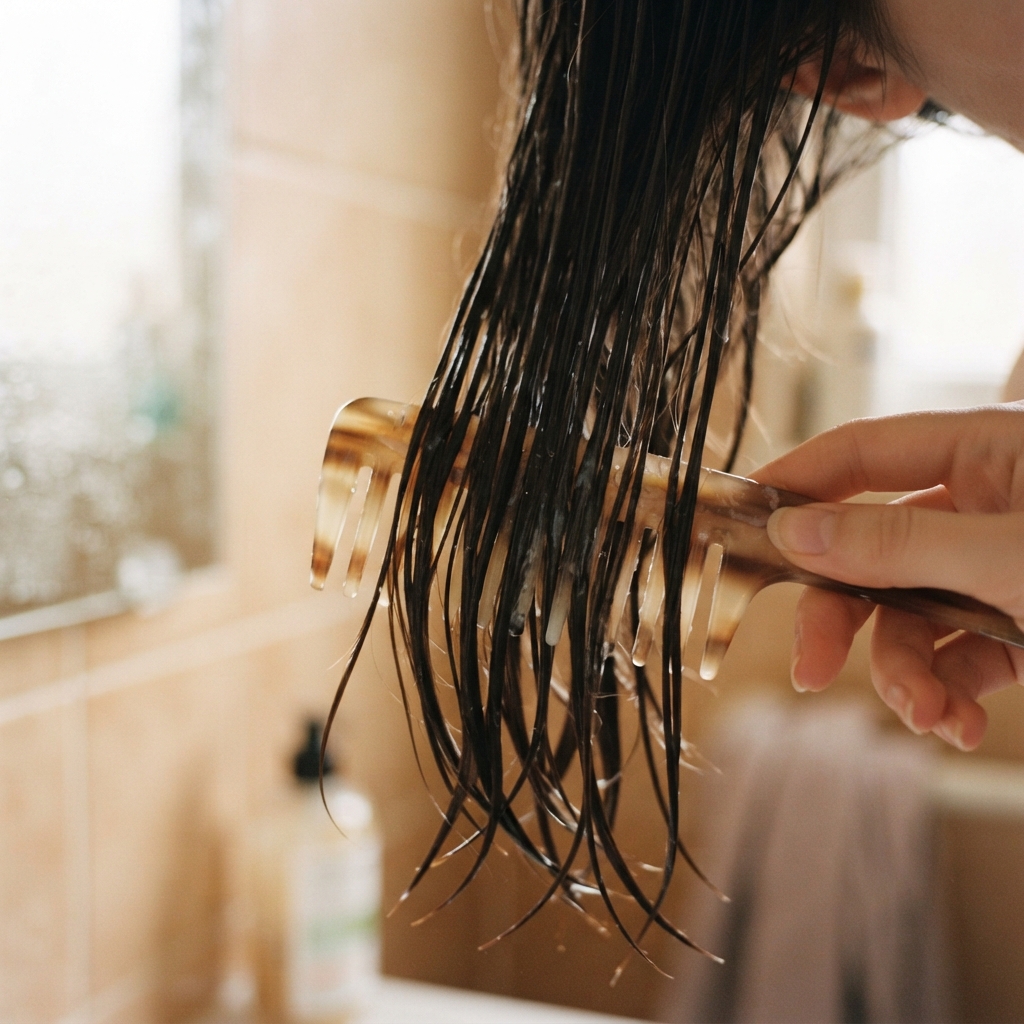
When hair is wet, the cuticle lifts and the strand absorbs water. That makes it swollen and more elastic. It can stretch farther before snapping, but that also means it’s easier to overstretch.
If you pull a knot tight, the strand doesn’t bounce back. It breaks. So the goal is not force. The goal is slip and patience. Think of wet hair like a silk thread: strong, but not when you yank it.
Respect the fragility, and you keep more length.
The Best Time to Detangle Wet Hair

The best time is right after you apply conditioner or a mask. That’s when hair has maximum slip. If you wait until you’re out of the shower and hair is half-dry, knots tighten.
Detangle in the shower if you can. If not, do it immediately after, while hair is still dripping. Use a wide-tooth comb or wet brush. Start at ends. Don’t attack the roots first.
Also, never detangle on dry, unwashed hair if it’s very tangled. Add water and conditioner first. It saves so much breakage.
Start With the Right Pre-Wash Routine

Before you even get in the shower, do a pre-wash detangle. Use fingers to gently separate big knots. Then apply a lightweight oil or pre-shampoo treatment to the ends. This gives slip before water hits.
For old money hair, keep it simple: coconut oil or a silicone-free serum. Let it sit ten minutes. Then comb from ends to roots.
This one step prevents shower tangles from becoming scary. It also makes washing easier. Your future self will thank you.
Use a Wide-Tooth Comb or Detangling Brush
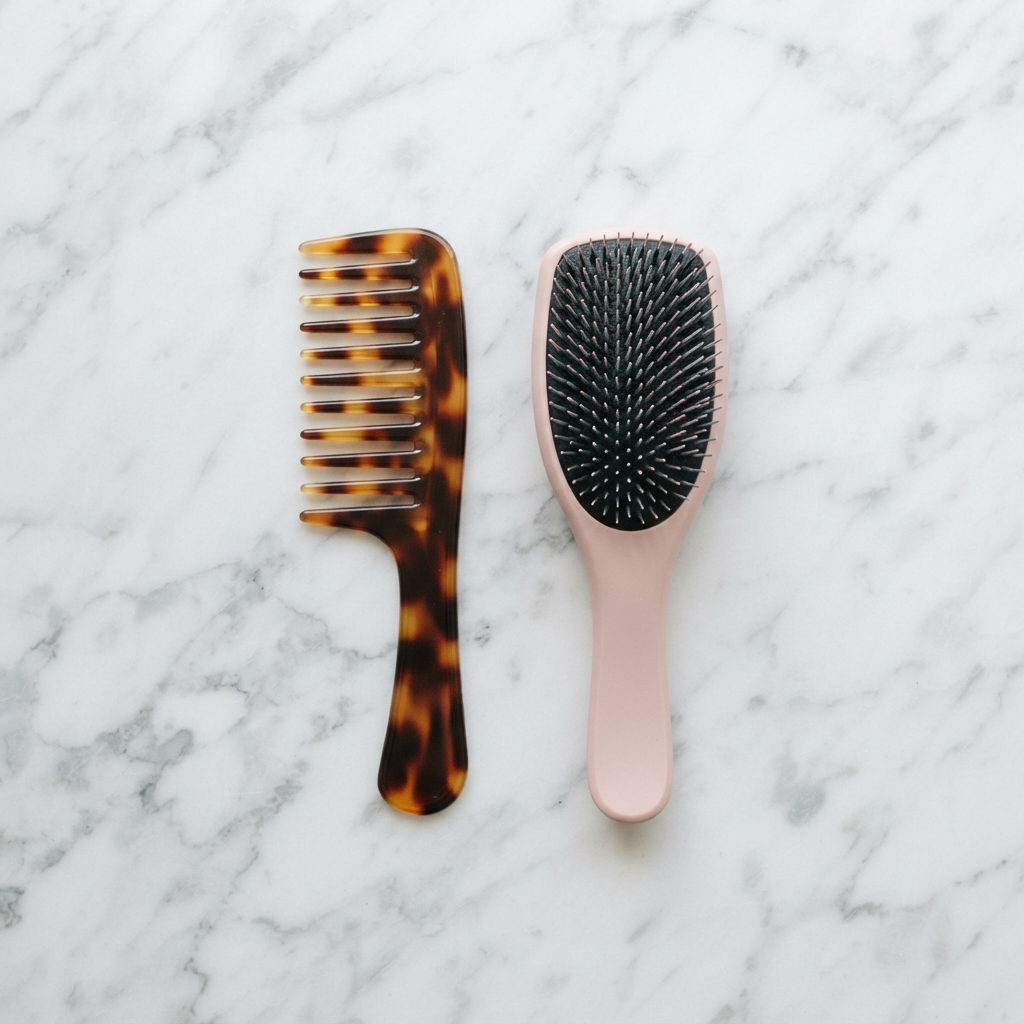
A wide-tooth comb is your best friend for wet hair. It glides through without pulling. If you prefer a brush, choose one made for wet detangling with flexible bristles.
Avoid fine-tooth combs. Avoid boar bristle brushes when hair is soaked. They can’t get through and will cause snapping.
I like to keep one comb in the shower and one brush on my vanity. That way I never reach for the wrong tool. For fine hair, a detangling brush with soft bristles. For thick hair, a wide-tooth comb first, then brush.
Always Begin at the Ends

This is the golden rule. Start at the very ends, not the roots. Hold the hair above the knot so you don’t pull the scalp. Comb through the bottom two inches. Then move up an inch.
Keep going until you reach the roots. If you hit a snag, stop. Use your fingers to gently pull the knot apart. Don’t rip through it.
Work slowly. The ends are oldest and most fragile. Once they’re smooth, the rest follows. This one habit prevents so much breakage.
Work in Small Sections

Don’t try to detangle your whole head at once. Split hair into four to six sections. Clip the top away. Start with the bottom layers. Then release more hair as you go.
Small sections mean you can actually see the knots. You can feel when something is wrong. You also use less force because the comb isn’t fighting a huge mass of hair.
For a quiet luxury bob or asymmetrical lob, two sections may be enough. For hime cut with long side pieces, keep those separate. Take your time.
How to Hold Your Hair While Detangling
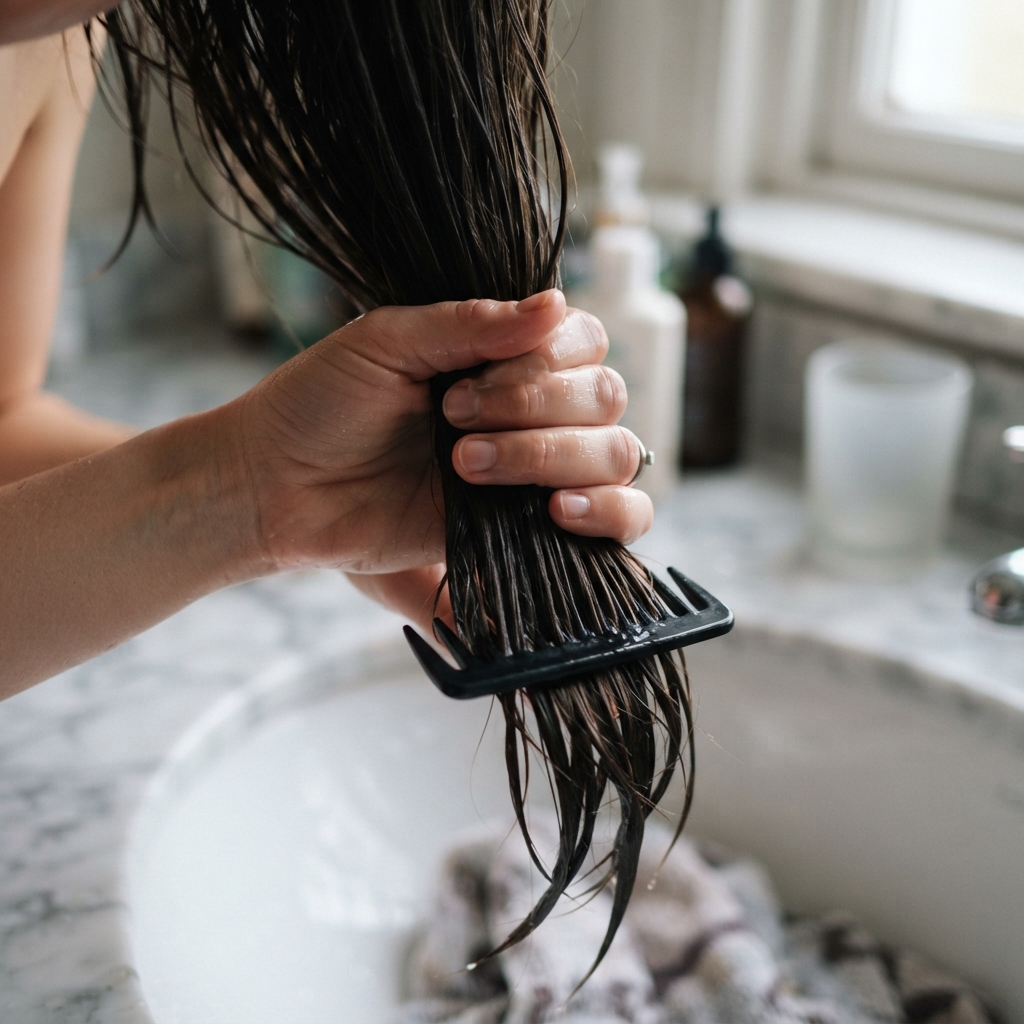
Hold your hair above the tangle with one hand. This creates a buffer. When the comb pulls, your hand takes the tension, not your scalp. It also stops you from yanking roots.
Use a gentle grip, not a tight fist. Let the comb do the work. If you feel resistance, stop and use your fingers. Then try again.
This hand position is tiny but huge. It protects your edges and your crown. Once you learn it, you’ll never go back.
Use a Slip-Boosting Conditioner or Mask
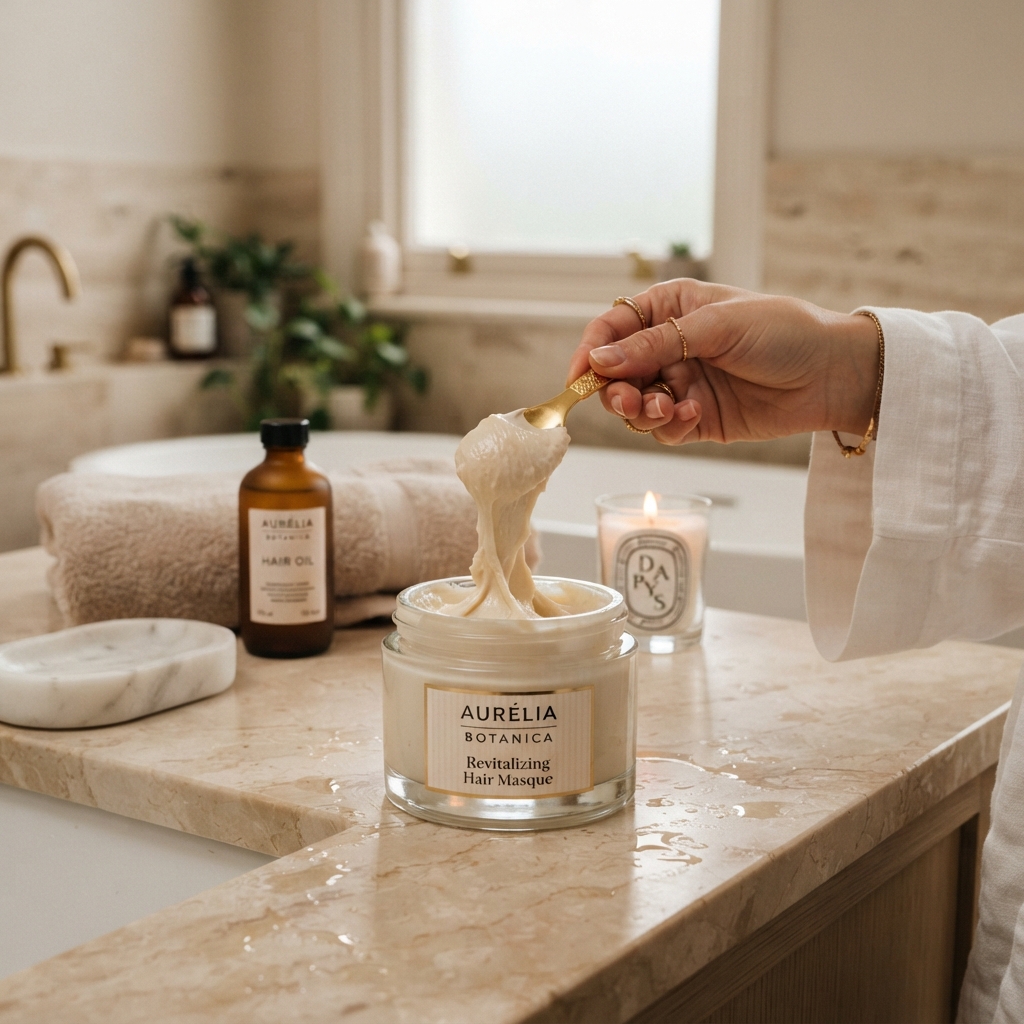
Conditioner is not just for softness. It’s your detangling secret weapon. Look for ingredients like glycerin, aloe, marshmallow root, or slippery elm. They add slip.
Apply generously from mid-length to ends. Let it sit for two to three minutes. Then detangle with your comb while the conditioner is still in. Rinse gently.
For extra slip, mix in a little leave-in conditioner. If your hair is very tangled, use a deep mask weekly. Your future 2026 hairstyles will look smoother and shinier.
Try a Leave-In Detangler for Extra Slip
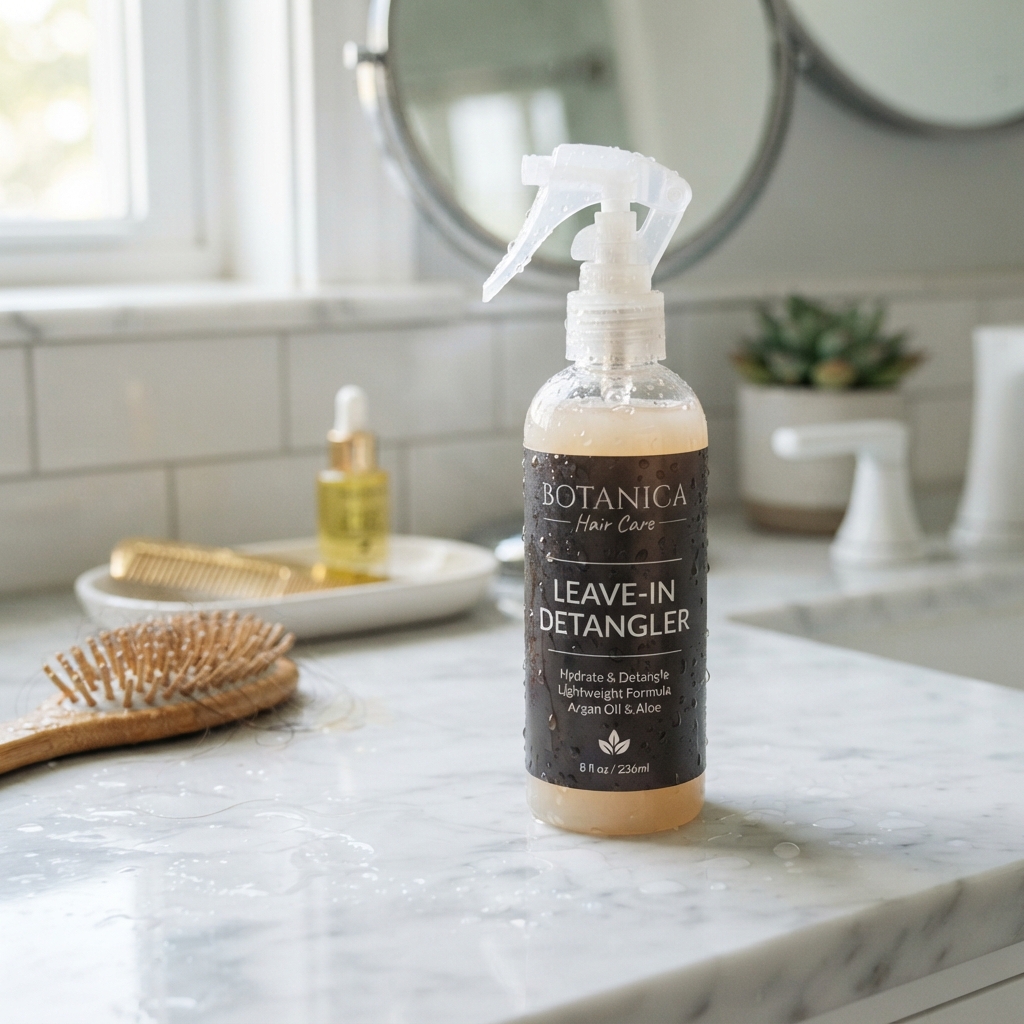
A good leave-in detangler is like a peace treaty for knots. After washing, spray it on damp hair. Focus on the ends and any rough spots. Then comb through.
You can also make a DIY mix with water and a little conditioner. Shake it up and spray. Keep it light so hair doesn’t get greasy.
For fine hair, use a few spritzes. For thick hair, be more generous. This step is especially helpful if you’re styling a glitchy glam hair look with lots of texture. Slip first, style second.
The Right Way to Use a Spray Bottle

If your hair has dried a bit while detangling, don’t keep pulling. Spray it with water. Re-wet the section. Add a little conditioner or detangler if needed. Then start again from the ends.
A spray bottle is simple but powerful. It revives slip without soaking your whole head. Use lukewarm water, not hot. Hot water can rough up the cuticle.
Keep the bottle nearby. For romantic goth hairstyles, you might be working with longer sections. Rewetting keeps them flexible. Never comb dry, stiff tangles.
Never Brush Wet Hair With a Boar Bristle Brush
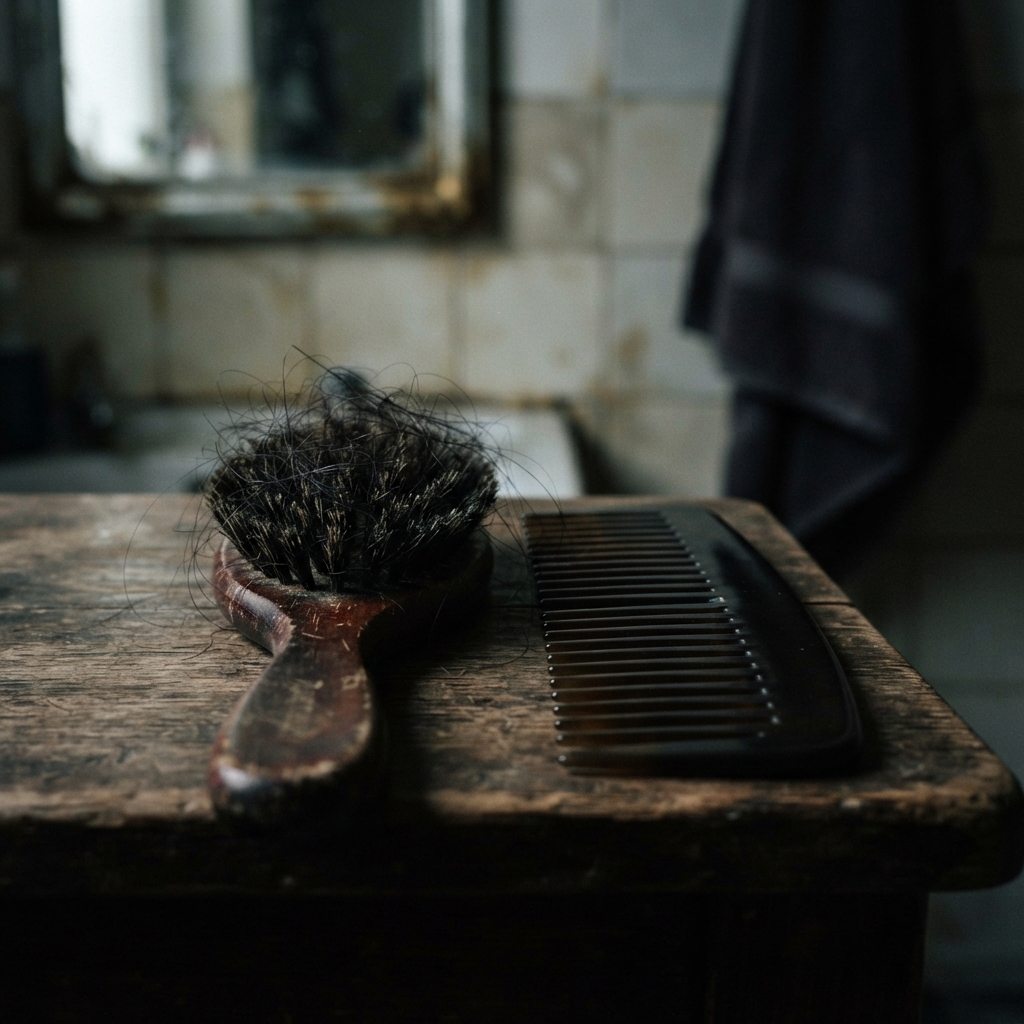
Boar bristle brushes are great for dry, smooth hair. They distribute oil and add shine. But on wet hair, they’re a trap. The bristles are too dense. They can’t glide through wet knots.
Instead, they pull and snap strands. Save that brush for later. Use it after hair is completely dry, especially if you want old money hair with a polished finish.
For wet detangling, stick to a wide-tooth comb, a wet brush, or your fingers. The right tool changes everything.
How to Detangle Curly Hair Without Ruining the Curls
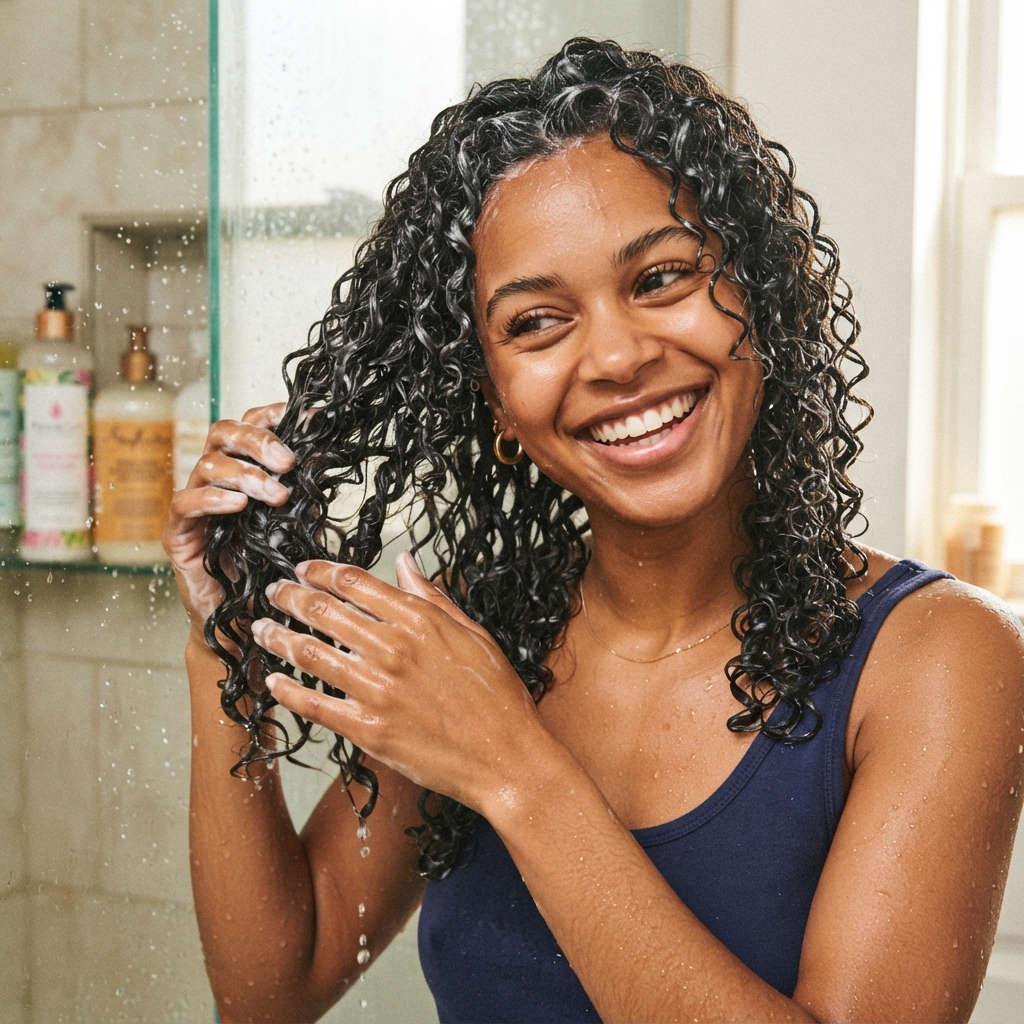
Curly hair loves water and conditioner. Detangle in the shower with plenty of conditioner. Use your fingers first. Then use a wide-tooth comb or a curl-specific brush. Never brush dry curls.
Start at ends and work up. Don’t rake through the roots. Instead, gently lift and separate. For definition, scrunch after detangling.
Don’t towel dry. Use a microfiber towel or cotton T-shirt. This keeps your curl pattern intact. It also helps you avoid frizz. Curls are delicate. Gentle wins.
How to Detangle Fine Hair Without Flattening It

Fine hair tangles easily but gets weighed down fast. Use a lightweight conditioner and a small amount of leave-in. Detangle with a wide-tooth comb or a soft-bristle wet brush. Work in small sections.
Don’t press hard. Fine hair breaks quietly, so you might not notice until you see split ends. Hold the hair above the knot. Spray with water if needed. Skip heavy oils.
For a quiet luxury bob, keep the roots lifted. Detangle at the ends only, then smooth mid-lengths. Less product, more patience.
How to Detangle Thick or Coily Hair

Thick and coily hair needs sectioning. Work in four to eight sections. Saturate each section with conditioner. Use your fingers to break up knots. Then use a wide-tooth comb or denman-style brush.
Start at ends. Work up. For coily hair, detangle in the shower under running water if possible. The water pressure helps. Don’t rush. Don’t use a fine comb.
After detangling, twist or braid each section to keep it from retangling. This routine takes time, but it saves length. Your future self will celebrate.
How to Detangle Knots Without Ripping
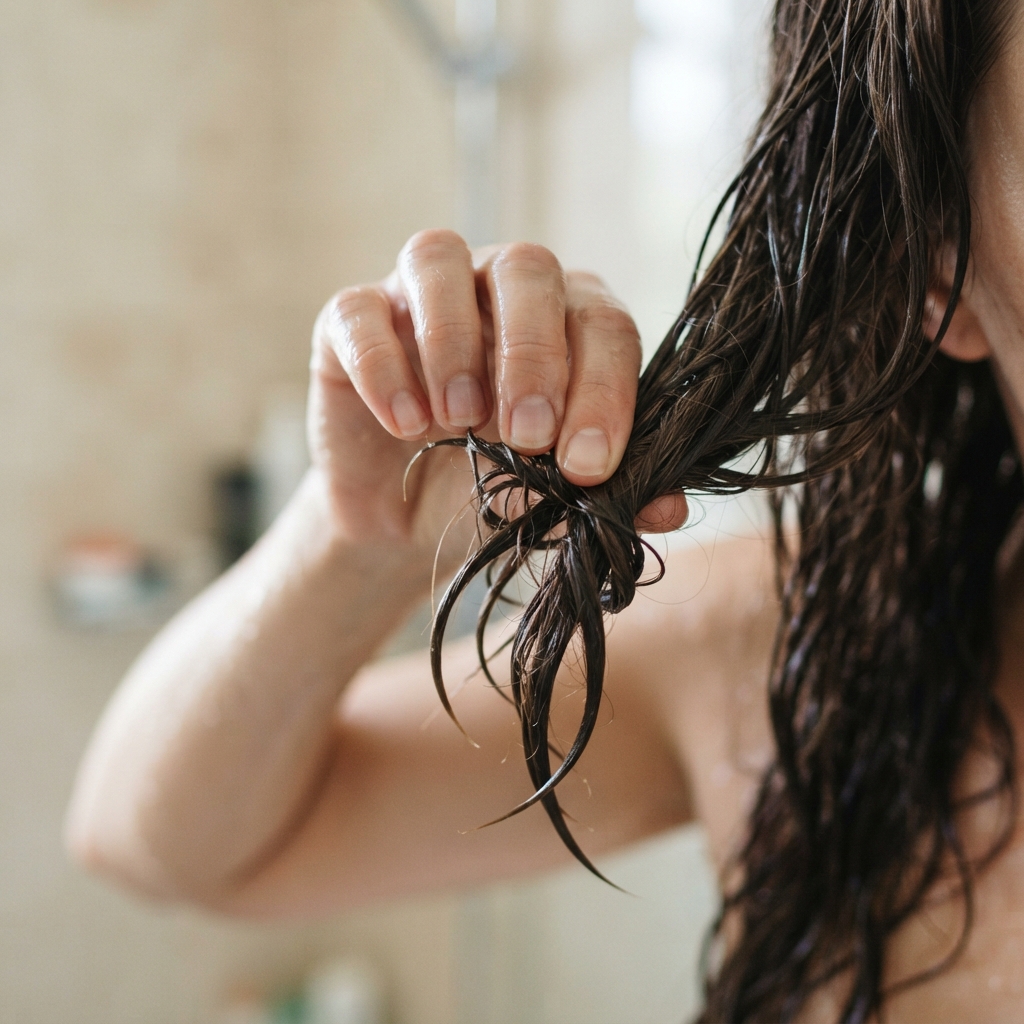
When you hit a knot, stop. Don’t pull. Use your fingers to find the center. Gently pull the knot apart sideways. Then use a comb to work from the bottom of the knot.
If it’s a tight mat, add more conditioner or detangler. Let it sit. Then try again. Sometimes you need a seam ripper or a needle to loosen a very tight knot. Be careful.
Never rip through. Ripping causes split ends, fairy knots, and breakage. Patience is the whole game. Slow is smooth. Smooth is fast.
The Shower Detangling Method

This is my favorite method. Wash hair. Apply conditioner. Leave it in. Use a wide-tooth comb to detangle from ends to roots. Let the water run over the comb as you go. The water adds slip.
Then rinse. If you have a hime cut, keep the side pieces separate. For an asymmetrical lob, focus on the longer side.
This method saves time and reduces breakage. You’re not fighting dry tangles. You’re working with water and conditioner. It’s the gentlest way to detangle.
The Post-Wash Detangling Routine

After you rinse, gently squeeze out water. Don’t rub with a towel. Use a microfiber towel or cotton T-shirt. Then apply leave-in conditioner or detangler. Comb from ends to roots.
If you’re styling, do it now while hair is damp. For 2026 hairstyles with lots of texture, use a wide-tooth comb to keep volume. For sleek old money hair, use a wet brush to smooth.
Then let hair air dry or diffuse. Avoid touching it too much. The less you manipulate wet hair, the less breakage.
How to Dry Wet Hair Without Breakage

Drying is part of detangling. If you rub wet hair with a rough towel, you create knots and breakage. Instead, blot and squeeze. Use a microfiber towel. Let hair air dry when you can.
If you use a blow dryer, keep it on low heat and low speed. Point the airflow down the hair shaft. Use a heat protectant. Don’t brush constantly while drying.
Wait until hair is 80 percent dry to style. For glitchy glam hair, you can add texture later. For now, protect the strands.
Common Detangling Mistakes to Avoid

Avoid these mistakes. They cause most wet hair breakage.
- Starting at the roots
- Using a fine-tooth comb
- Pulling through knots
- Detangling dry, unwashed hair
- Rubbing with a rough towel
- Skipping conditioner
Also, don’t detangle when you’re rushed. If you’re late, just wait. A quick rip can cost months of growth. Be kind to your hair. It hears you.
How Detangling Fits 2026 Hairstyles

Every 2026 hairstyle starts with healthy hair. You can’t have a sharp asymmetrical lob if the ends are broken. You can’t rock a hime cut if the side pieces are split. You can’t enjoy romantic goth hairstyles if knots rule your life.
Detangling wet hair properly is the foundation. It keeps length, shine, and shape. Whether you love old money hair or glitchy glam hair, the routine is the same.
Gentle slip, wide-tooth comb, ends first. Do that, and your style will actually look like the photo.
Quick Fixes for Tangled Old Money Hair

Old money hair is smooth, glossy, and effortless. But tangles happen. Quick fix: spray with water and leave-in. Comb ends first. Then smooth with a wet brush.
If you’re in a rush, twist hair into a low bun. Hide the tangles. Later, do a proper detangle. For a quiet luxury bob, keep ends blunt and healthy. Trim regularly. Use a silk pillowcase.
Old money hair isn’t about products. It’s about consistency. Gentle detangling keeps that polished look.
Romantic Goth and Vampire Hair Detangling Tips

Romantic goth hairstyles and vampire haircut looks often have long, layered strands. Those layers tangle. Detangle with a wide-tooth comb and lots of conditioner. For black or vivid color, use a color-safe detangler.
Work in small sections. Start at ends. If you have a vampire haircut with a sharp V shape, keep the longest point separate. Comb it last.
For added drama, use a leave-in that adds shine. Don’t let tangles ruin the vibe. Gentle care keeps the darkness flowing.
Protect Your Hime Cut, Asymmetrical Lob, and Quiet Luxury Bob

These cuts have distinct lines. Hime cut needs smooth side pieces. Asymmetrical lob needs clean angles. Quiet luxury bob needs a soft, blunt finish. Wet detangling can blur those lines if you’re rough.
Use a wide-tooth comb. Start at the ends. For hime cut, comb the side pieces downward. For asymmetrical lob, support the longer side. For quiet luxury bob, use a wet brush to smooth.
Then let hair dry without touching. Healthy ends keep the shape sharp. That’s the secret.
When to Trim Instead of Detangle
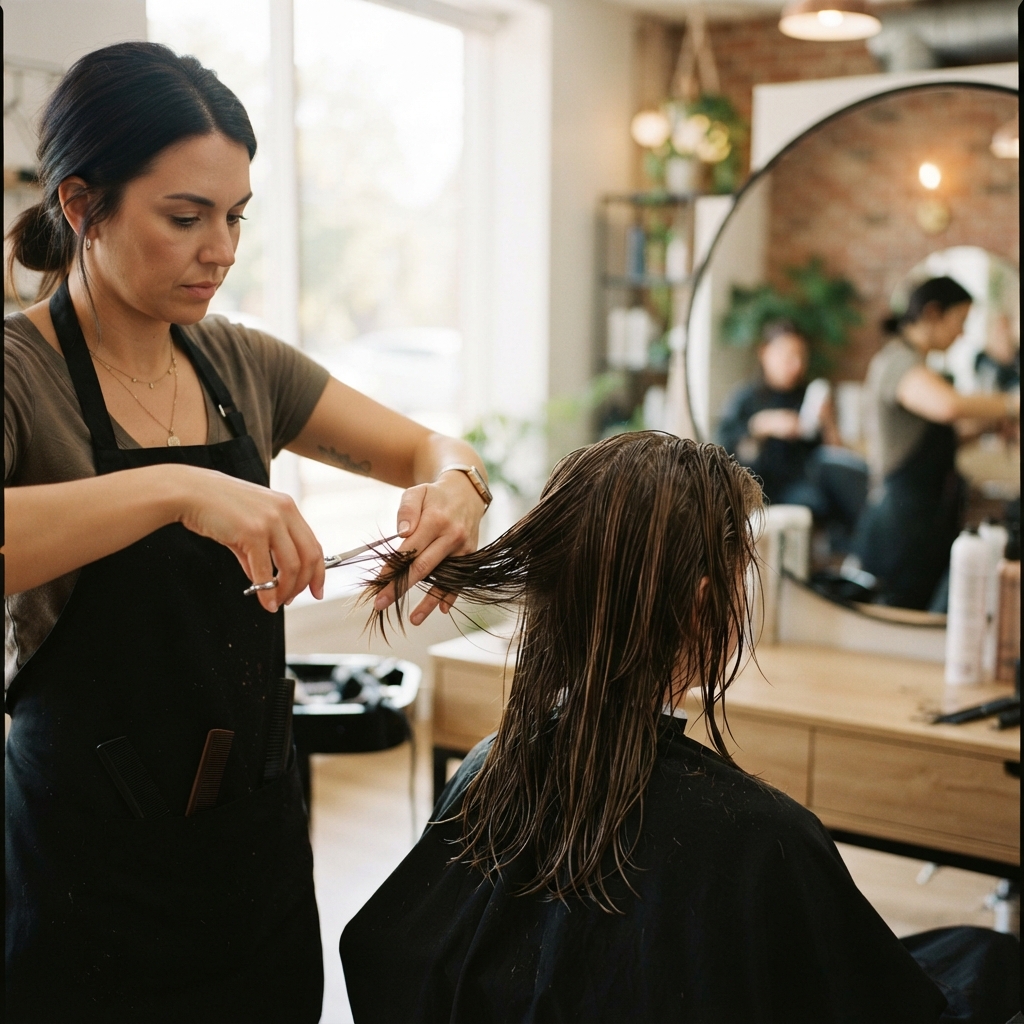
Sometimes a knot is not a knot. It’s a split end that’s wrapped around other strands. If you keep detangling, you’ll keep breaking. If you see white dots, split ends, or fairy knots that won’t come out, trim them.
A tiny trim saves the rest. For old money hair, regular trims every eight to twelve weeks. For 2026 hairstyles with layers, ask for dusting.
Don’t wait until ends are see-through. Detangling works on tangles, not damage. When in doubt, trim.
Your Simple Weekly Wet Hair Detangling Plan
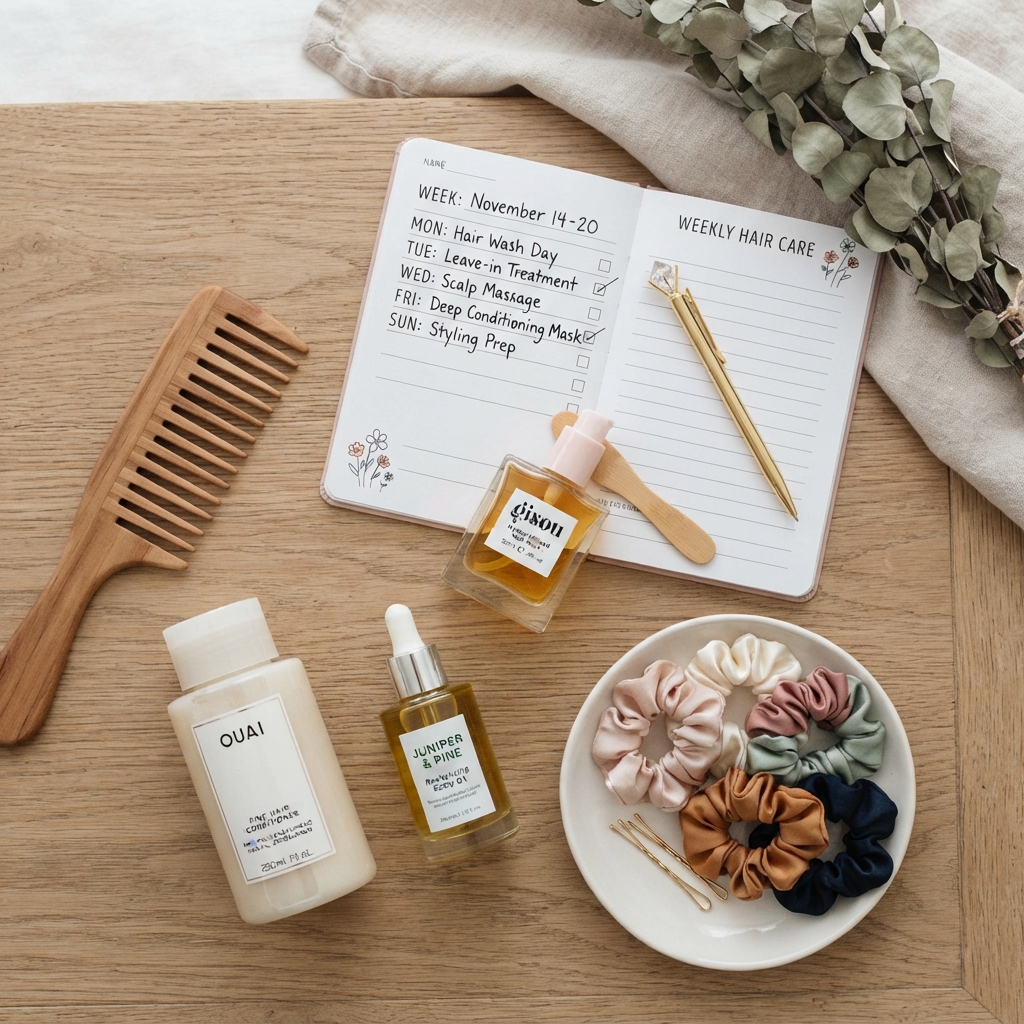
Here’s a simple plan.
- Pre-wash: finger detangle and oil ends.
- Wash: shampoo roots, condition lengths.
- Detangle: wide-tooth comb in shower, ends first.
- Rinse: cool water to seal cuticle.
- Dry: microfiber towel, then air dry.
Do this once or twice a week. Adjust for your hair type. Consistency beats intensity. Your hair will tangle less over time. And your 2026 hairstyles will look healthier.
Your Soft Landing
Detangling wet hair is really about one thing: respect. Respect the stretch, respect the knots, and respect your time. You don’t need ten products. You need slip, sections, and a gentle hand.
Start at the ends. Use a wide-tooth comb. Hold your hair above the tangle. Stop when you feel resistance. That’s it. Do this consistently, and you’ll keep more length, shine, and shape.
Your hair doesn’t need to be perfect. It just needs to be cared for. And you’re already doing that by being here.
Save this post to Pinterest so you can find this wet hair detangling routine the next time you’re in the shower. And tell me in the comments: what’s your biggest hair tangling struggle?

