

Hey, I’m Hailey. If your natural hair journey has felt like a second job, this one is for you. I used to spend hours twisting, retwisting, and stressing over every edge. Then I learned about low manipulation, and my hair finally started to thrive.
Low manipulation isn’t about neglect. It’s about fewer steps, gentler hands, and styles that let your hair rest. It works whether you’re growing a tapered cut, rocking a wash-and-go, or dreaming of a quiet luxury bob that fits your texture.
In this post, I’m sharing the exact low-manipulation routine I wish I had years ago. We’ll cover wash day, protective styles, nighttime care, and even fun 2026 hairstyles you can adapt without daily fuss. Ready? Let’s keep it simple and kind to your crown.
What Low-Manipulation Really Means

Low manipulation means you stop touching, combing, brushing, and restyling your hair every single day. Instead, you wash, condition, detangle, and style in fewer, gentler sessions. Then you leave it alone.
It is not the same as no care. You still cleanse, moisturize, and protect your ends. You just stop treating your hair like a project that needs constant fixing.
Think of it as quiet luxury for your curls. Less noise, less breakage, more growth. The goal is healthy hair that you do not have to babysit.
Why Your Natural Hair Thrives With Less Fuss

Every time you comb, twist, or brush dry hair, you create friction. Friction leads to breakage. Breakage steals length. That is why so many of us feel stuck at the same length for months.
Low manipulation lowers that friction. Your strands stay coiled, hydrated, and protected. Your scalp gets a break from tight styles. Your ends stop rubbing against rough fabrics.
- Less daily styling equals fewer split ends.
- More rest equals better moisture retention.
- Gentler handling equals healthier edges.
Your hair does not need more products. It needs more patience.
The Only Tools You Actually Need
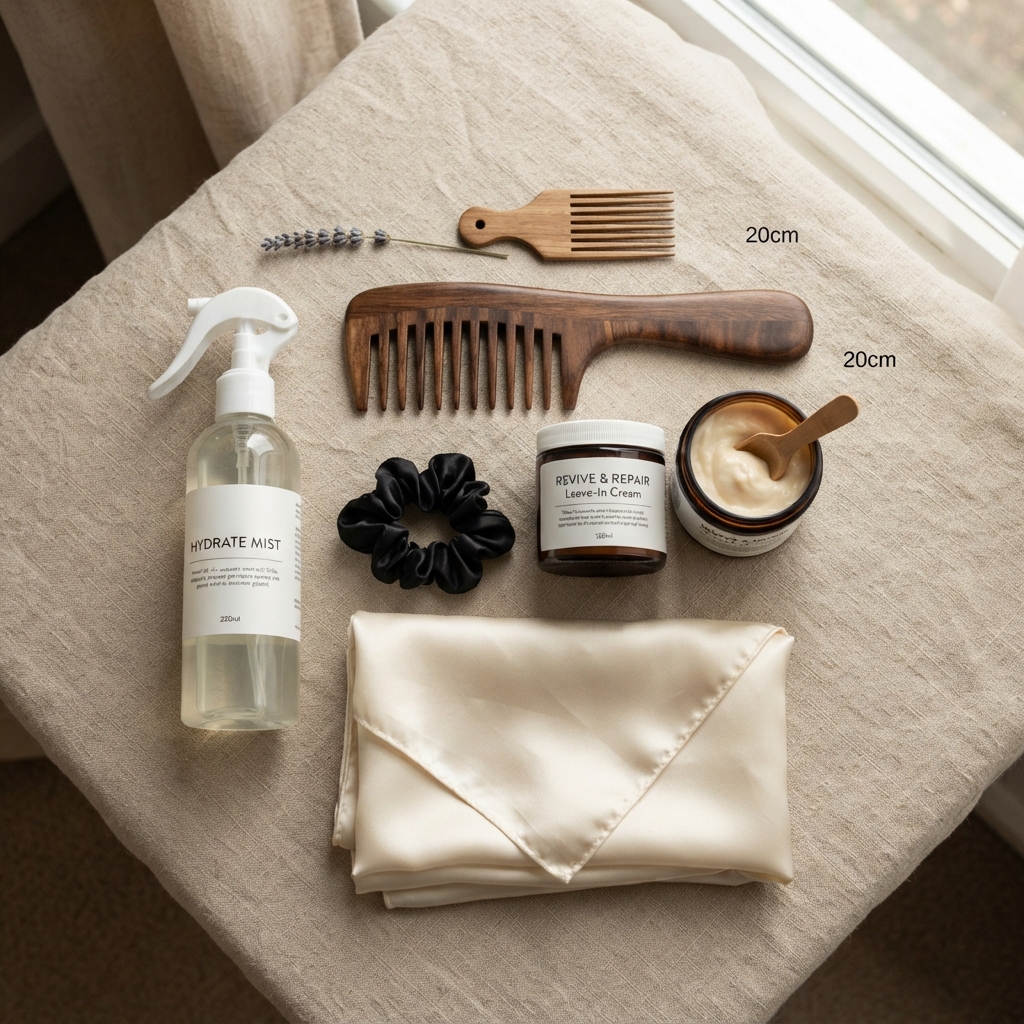
You do not need a bathroom full of gadgets. A simple low-manipulation kit keeps you consistent and calm.
- A wide-tooth comb or your fingers for detangling.
- A spray bottle for refreshing with water and leave-in.
- A satin scarf, bonnet, or pillowcase.
- Soft hair ties or claw clips that do not pull.
- A gentle shampoo and a rich conditioner.
Keep these within reach. When your tools are simple, you are less likely to over-manipulate out of boredom or frustration. A quiet luxury bob may look effortless, but the real secret is a routine that respects your strands.
Start With a Gentle Wash Day Reset
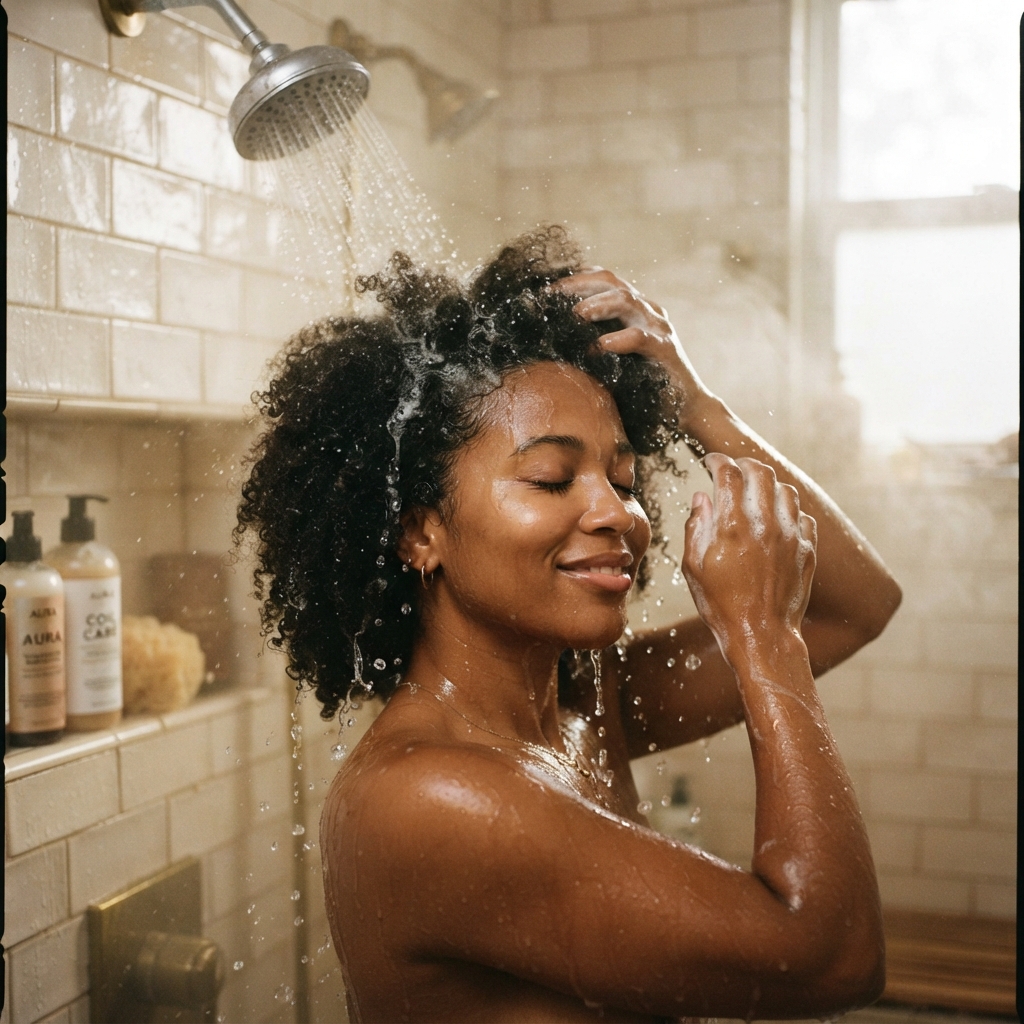
Wash day sets the tone for your whole week. Do not rush it, but do not make it a marathon either.
- Detangle dry hair gently with fingers and oil.
- Rinse with warm water to loosen buildup.
- Shampoo your scalp, not your ends.
- Apply conditioner in sections and let it sit.
- Rinse, then style while damp.
Keep your hands soft. Work in sections. If you feel a snag, add more water or conditioner. Your goal is clean hair, not perfect hair. A calm wash day makes low manipulation feel like self-care, not a chore.
Pre-Poo Without Extra Stress
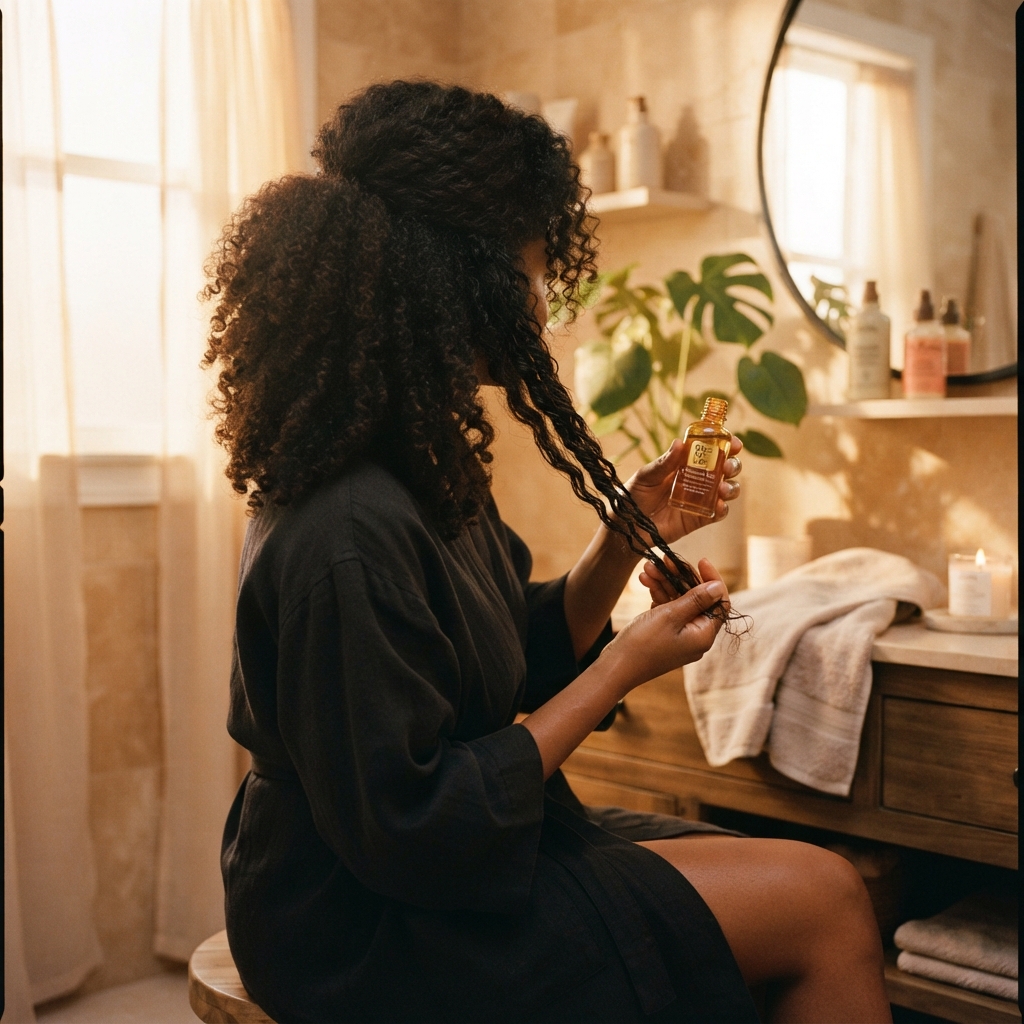
A pre-poo is just a little oil or conditioner before shampoo. It protects your hair from getting stripped. You do not need to make it complicated.
Try this: section your hair into four parts. Apply warm coconut, olive, or jojoba oil to your ends and mid-lengths. Finger detangle lightly. Cover with a plastic cap for 20 minutes. Then hop in the shower.
If you are short on time, skip the cap. Even five minutes of oil before washing helps. This step is especially kind to color-treated hair, 4C coils, and anyone dreaming of old money hair that looks healthy, not overworked.
Shampoo Less, Cleanse Smarter
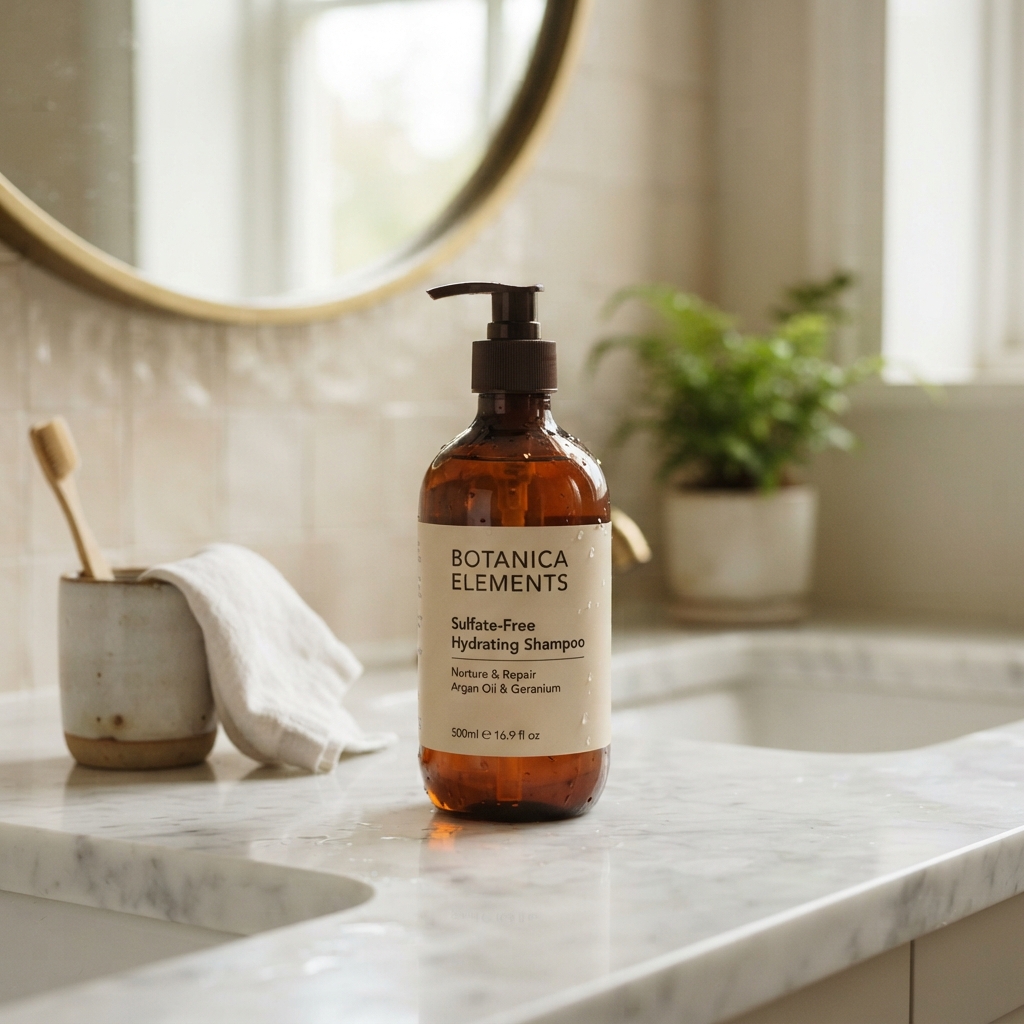
You do not have to shampoo every week if your scalp is happy. But you also should not walk around with buildup. The sweet spot is different for everyone.
For most natural hair, washing every 7 to 14 days works. If you sweat a lot, workout, or use heavy products, wash weekly. Use a sulfate-free shampoo or a gentle clarifying shampoo once a month.
- Focus on the scalp.
- Let suds rinse through your ends.
- Do not scrub with your nails.
Clean scalp, happy hair. Simple as that.
Deep Condition Like You Mean It
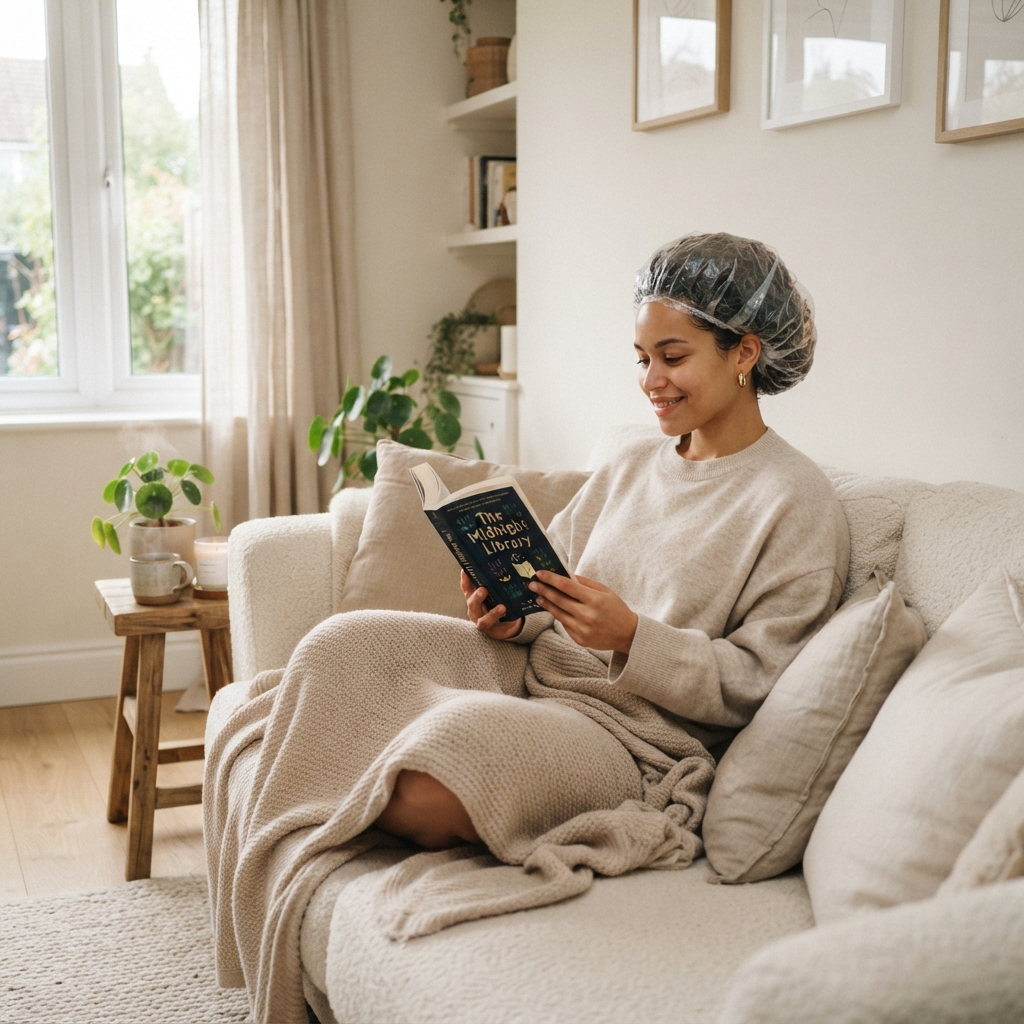
Deep conditioning is where low manipulation gets its glow. It restores moisture, softness, and elasticity. If your hair snaps easily, you probably need more of this.
After shampooing, apply a deep conditioner in sections. Comb through with a wide-tooth comb. Cover with a plastic cap. Sit under a hooded dryer for 15 to 20 minutes, or use a warm towel. Rinse with cool water.
Do this every wash day if your hair is dry, or every other wash day if it is balanced. Healthy hair makes every style look better, from a hime cut to romantic goth hairstyles.
Leave-In, Then Leave It Alone
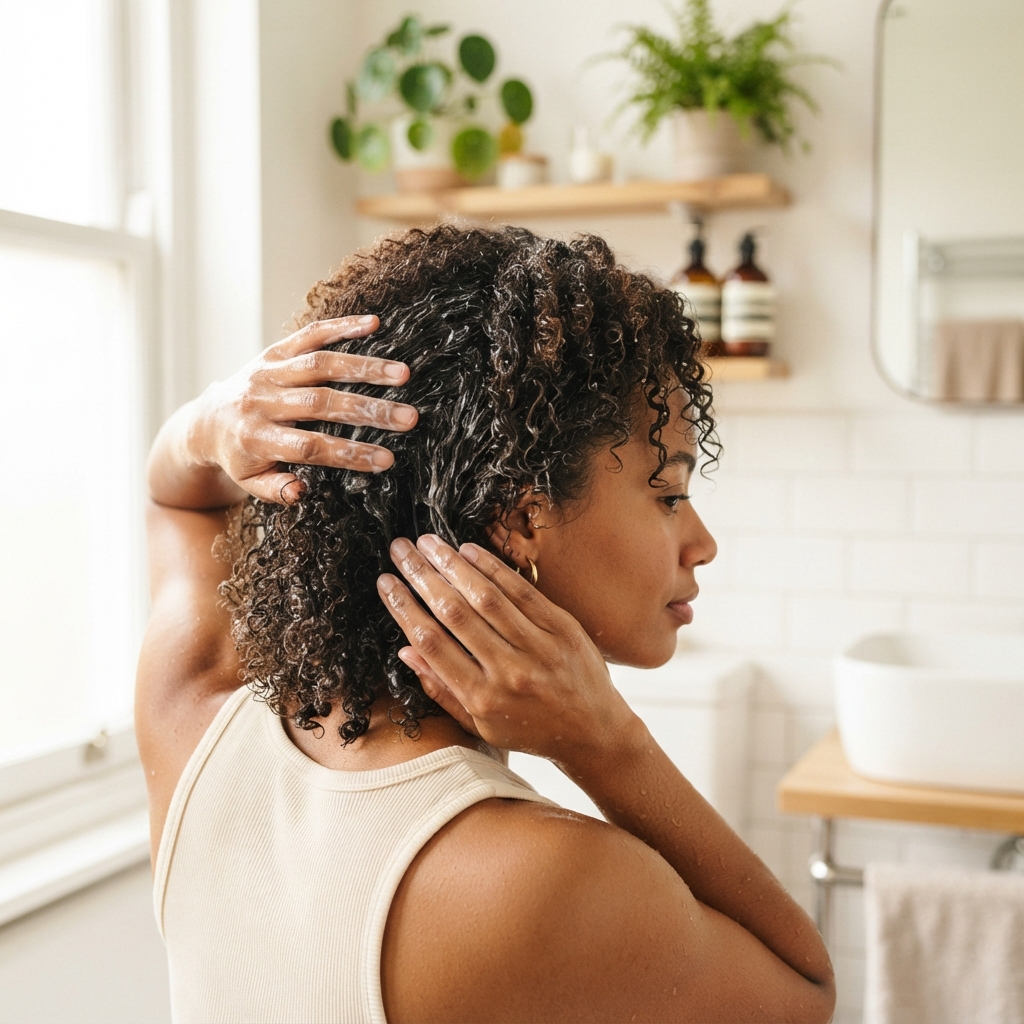
Leave-in conditioner is your daily moisture base. But more product does not mean more moisture. Too much can weigh hair down and cause buildup.
On damp hair, apply a small amount from mid-lengths to ends. Use the praying hands method, then gently rake through. Do not over-comb. Your curls should clump, not shrink under product.
Once it is in, stop touching. That is the whole point of low manipulation. Let your hair dry without finger-combing every five minutes. If you want glitchy glam hair later, you can add shine then. For now, let it set.
The Sealing Step That Locks in Moisture

Sealing is simple: you add oil after your leave-in to trap water inside the strand. Think of leave-in as water and oil as a lid.
Use a lightweight oil for fine hair, like grapeseed or sweet almond. Use heavier oils like castor or shea for thick, coily hair. Rub a few drops between your palms. Smooth it over your ends and mid-lengths.
- Do not use so much that hair feels greasy.
- Focus on the oldest, driest parts of your hair.
- Seal at night before braiding or twisting.
This one step helps you go longer between wash days without dryness.
How to Detangle Without Breaking Your Spirit

Detangling is where most breakage happens. So slow down. Your hair is not fighting you. It just needs water, slip, and patience.
Always detangle damp hair with conditioner or leave-in. Work in four to eight sections. Start at the ends and move up to the roots. Use your fingers first, then a wide-tooth comb if needed.
- Spray section with water.
- Add conditioner.
- Finger detangle from ends to roots.
- Comb gently.
- Twist or braid the section to keep it stretched.
Never detangle dry. Never rush. Never compare your hair to someone else’s.
Protective Styles That Don’t Pull

Protective styles are a low-manipulation hero. But tight braids, heavy extensions, and snatched edges can do more harm than good.
Choose styles that let your scalp breathe and your hairline rest. Two-strand twists, flat twists, loose braids, and bantu knots are great. Keep them in for one to two weeks, not two months.
- No pain at the roots.
- No heavy tension around edges.
- Moisturize and seal before installing.
- Sleep with satin.
If a style hurts, it is not protective. It is punishment. Your hair deserves better.
The Nighttime Routine That Saves Your Ends

You do the work all day. Nighttime is when your hair recovers. Cotton pillowcases tug at your strands and steal moisture. That is a recipe for split ends.
Before bed, spritz your ends with leave-in and seal with oil. Put your hair in two loose braids, twists, or a pineapple. Cover with a satin bonnet or sleep on a satin pillowcase.
Keep it loose. Tight night styling defeats the purpose. If you are rocking an asymmetrical lob or vampire haircut, this step keeps the shape sharp without daily heat.
Why Satin and Silk Are Non-Negotiable
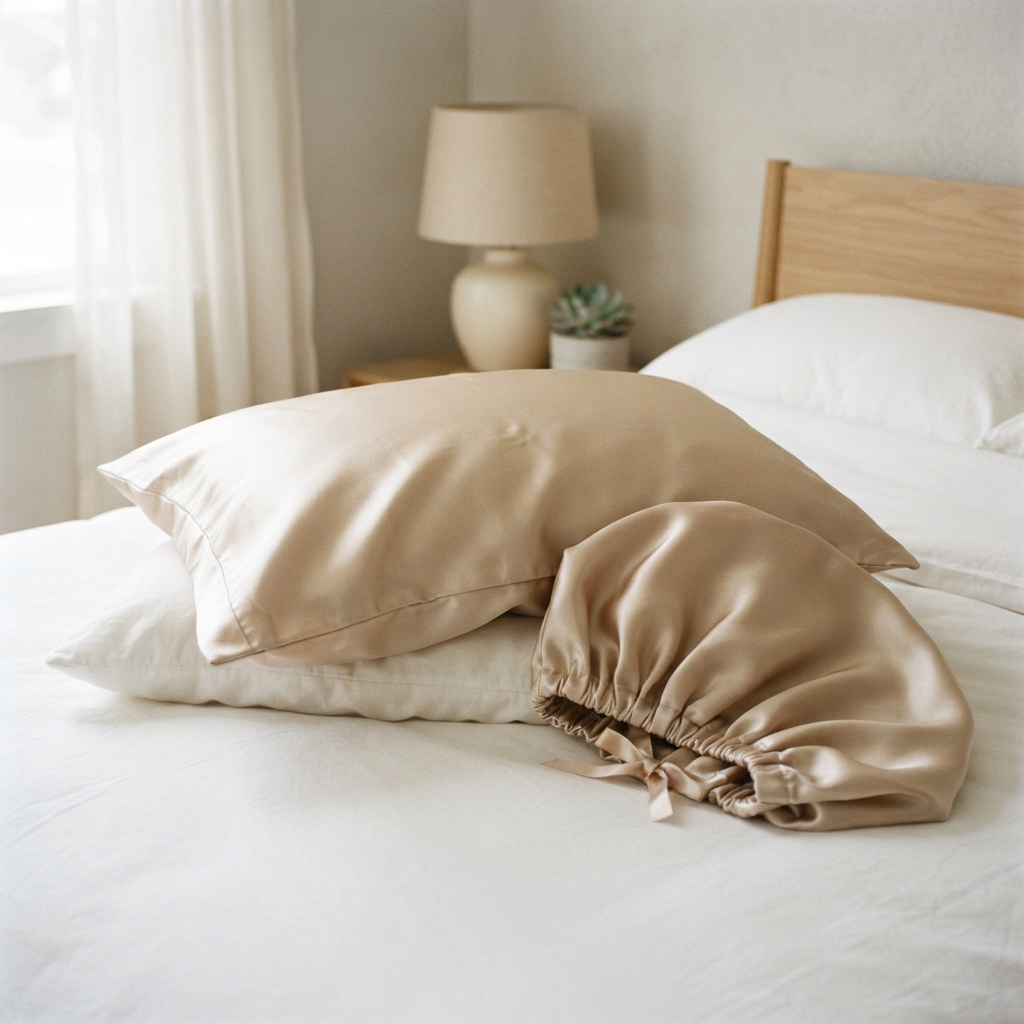
Satin and silk are not just pretty. They reduce friction. Less friction means less breakage, less frizz, and more moisture retention.
You do not need to spend a fortune. A satin bonnet, scarf, or pillowcase from the beauty supply store works. Just check the label. Satin weave matters more than the fiber for most budgets.
- Satin bonnet for protective styles.
- Satin scarf for laying edges.
- Satin pillowcase for lazy nights.
This is old money hair energy on a real-life budget. Quiet, simple, effective.
Refresh Instead of Restyle
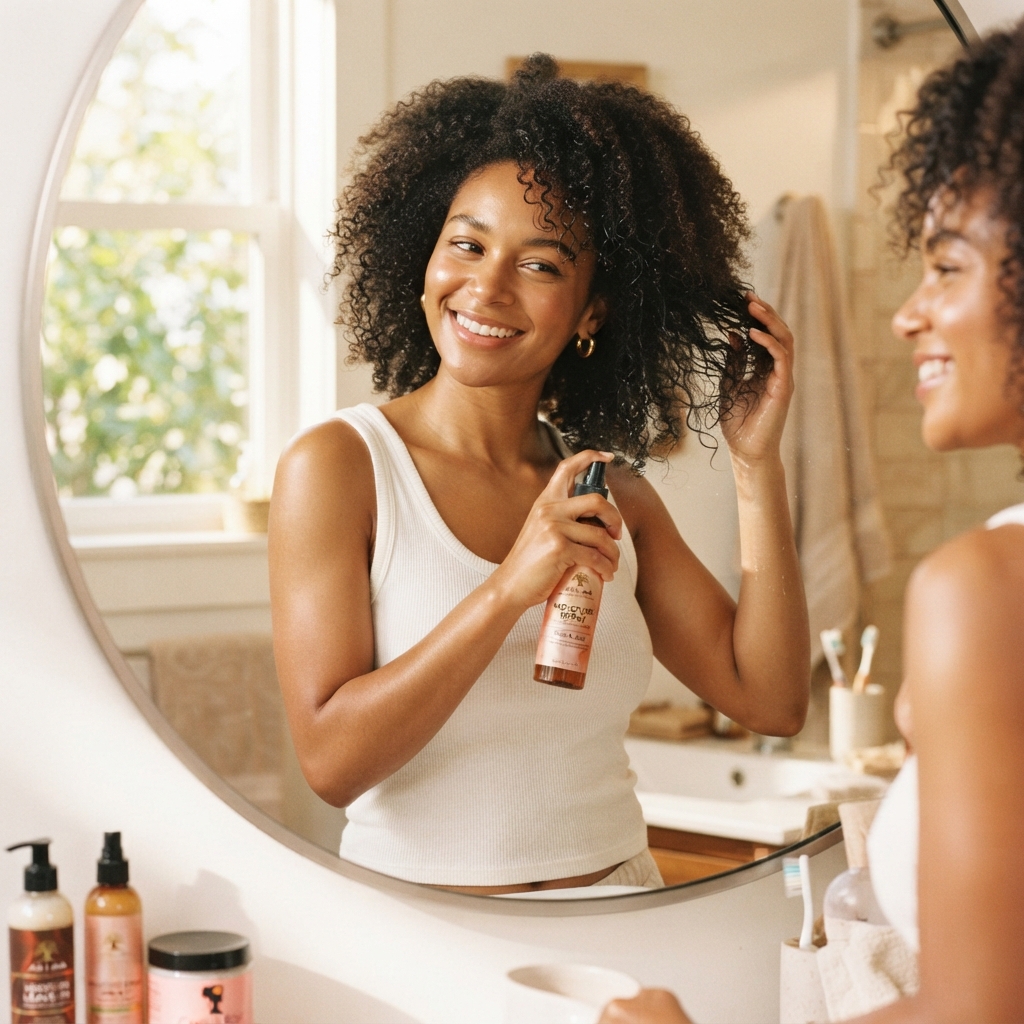
You do not need to restyle every morning. Refresh, then go. This is the heart of low manipulation.
Mix water and a little leave-in in a spray bottle. Lightly mist the sections that look dry or flat. Smooth with your palms. Fluff roots gently with your fingers. That is it.
If you want more definition, add a tiny amount of curl cream to your ends. Do not comb through dry hair. Do not re-twist the whole head unless you want to. A quick refresh keeps your style alive without starting over.
When to Trim (and Why It Helps Growth)
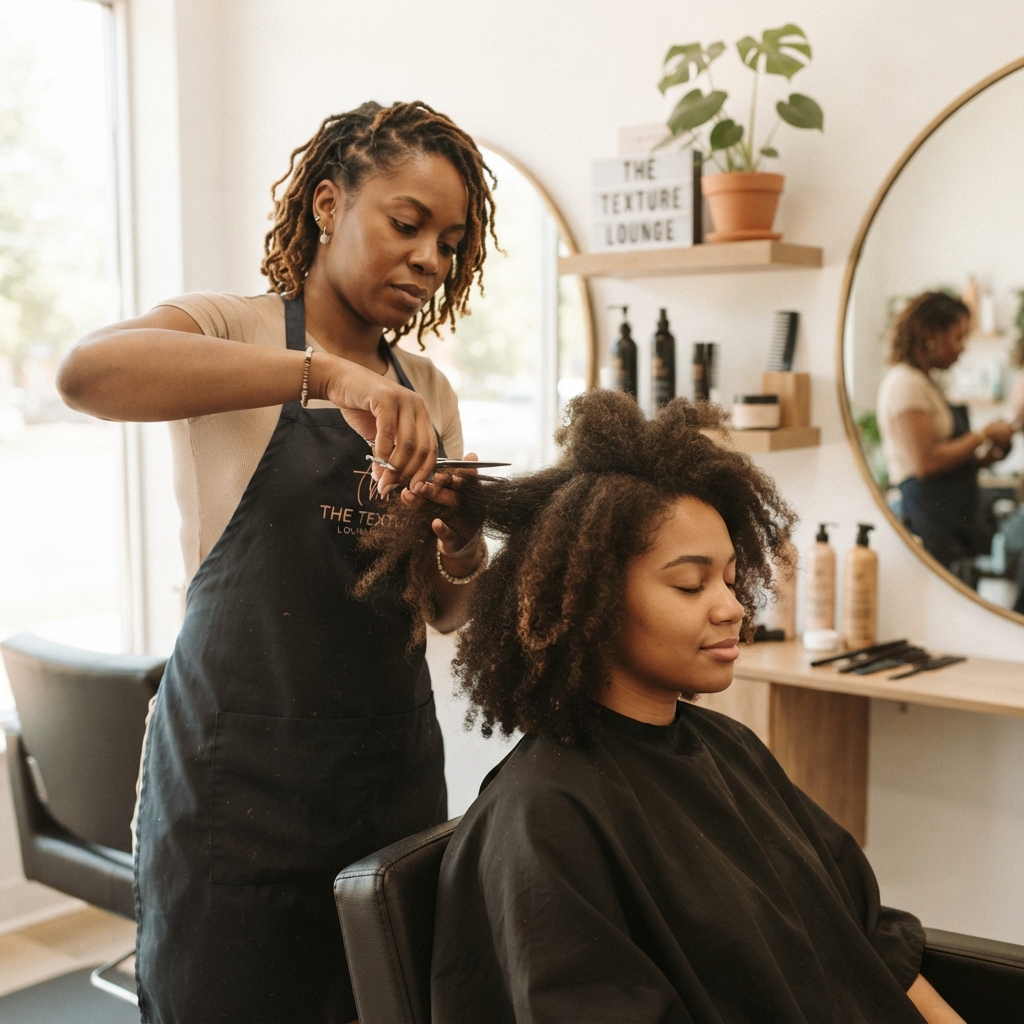
Trimming does not make your hair grow faster. But it stops split ends from traveling up the strand and stealing your length. So yes, trims help you keep growth.
Check your ends every 8 to 12 weeks. If they feel rough, knot easily, or look thin, trim. You can do a dusting at home or see a stylist. Only trim what is damaged.
- Use sharp hair shears.
- Trim on dry, stretched hair.
- Do not cut in a panic.
A good trim makes every 2026 hairstyle look intentional.
Low-Manipulation Hairstyles for 2026
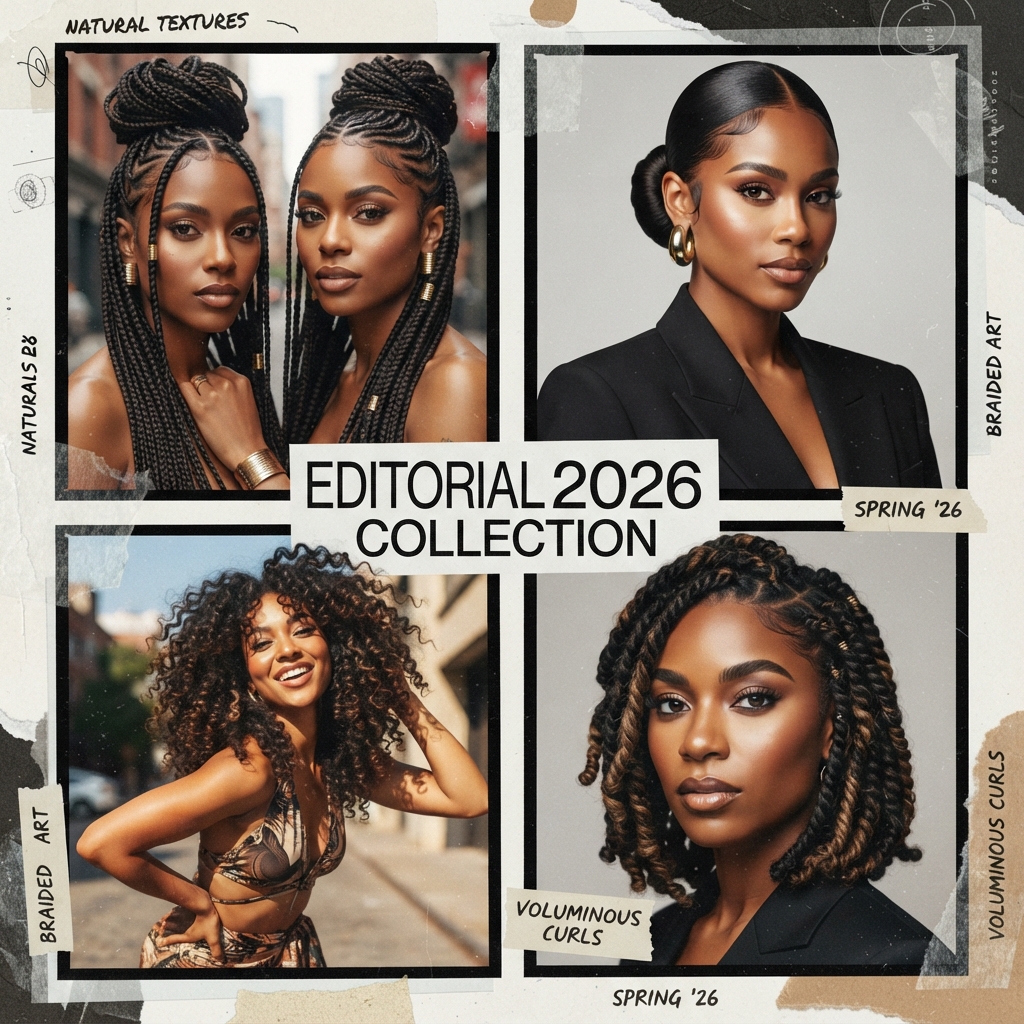
2026 hairstyles are all about ease with personality. You can be low manipulation and still look trendy.
- Loose two-strand twists with a middle part.
- Finger coils for a defined wash-and-go.
- Sleek low bun with a satin scarf edge.
- Flat twists into a tucked bob.
- Bantu knots worn out for soft waves.
Pick one style and leave it alone for a few days. Change it up on wash day, not every morning. That is how you protect your ends and still feel fresh. Bonus: these looks pair beautifully with old money hair accessories.
Old Money Hair Meets Natural Texture

Old money hair is not about a specific texture. It is about polish, health, and effortlessness. Natural hair can absolutely give that energy.
Think smooth roots, moisturized ends, and simple accessories. A low bun with a middle part. A silk scarf tied neatly. A soft twist-out with shine. No heavy gel cast, no crunchy ends.
- Keep your part clean.
- Use a little oil for shine.
- Choose neutral accessories.
- Let your texture be the statement.
Quiet luxury is not about hiding your curls. It is about making them look cared for.
Quiet Luxury Bob, Asymmetrical Lob, and Hime Cut Ideas

Maybe you want a shape, not just a protective style. You can adapt these trendy cuts to natural hair without daily heat.
- Quiet luxury bob: a rounded, chin-length shape with soft volume.
- Asymmetrical lob: longer in front, shorter in back, worn with one side tucked.
- Hime cut: blunt side pieces with longer back, styled on stretched natural hair.
Ask your stylist to cut on dry, stretched hair. Then maintain with twist-outs or roller sets. No daily flat iron needed. Low manipulation and high drama can live together.
Romantic Goth Hairstyles and Vampire Haircut Energy

Romantic goth hairstyles are moody, soft, and a little mysterious. The vampire haircut is sharp and edgy. You can borrow that energy without constant styling.
Try a deep side part with loose twists. Add a black satin ribbon. Wear a stretched afro with a lace choker. Or ask for a vampire haircut with longer face-framing pieces, then style with braid-outs.
- Use cold-water rinses for shine.
- Keep ends moisturized.
- Accessorize instead of restyling.
Let the vibe do the work. Your hair can rest and still look cinematic.
Glitchy Glam Hair Without Daily Manipulation

Glitchy glam hair is playful, glossy, and a little unexpected. Think sleek edges, wet-look roots, and mismatched accessories. It sounds high-maintenance, but it does not have to be.
Start with a low-manipulation base like twists or a stretched bun. On day two or three, add a tiny bit of gel to your edges. Smooth with a soft brush. Add a shiny clip or metallic hair pin.
- Do not re-wet the whole head.
- Focus on the front for impact.
- Wash it out on wash day.
One small change gives you a whole new look without touching every strand.
A Simple Weekly Low-Manipulation Schedule
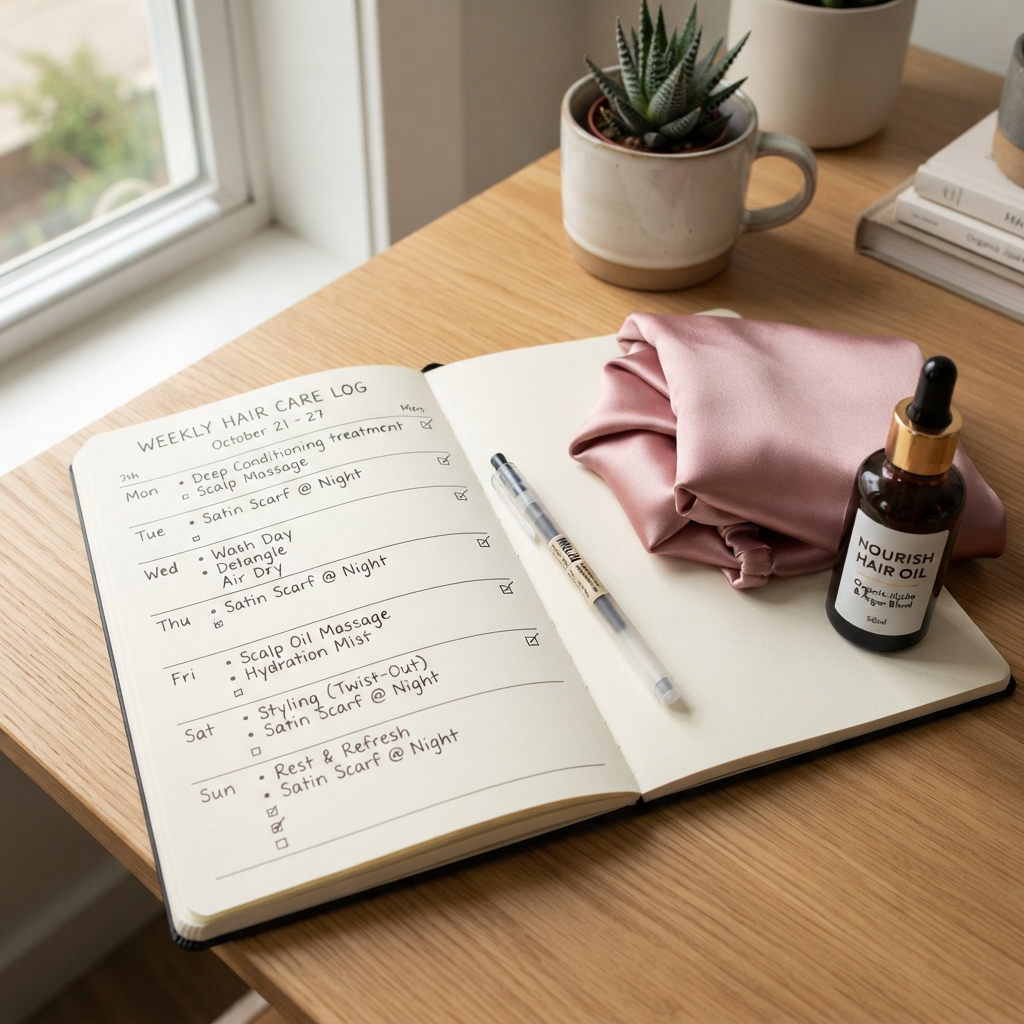
Here is a gentle rhythm you can follow. Adjust it to your life, not the other way around.
- Day 1: Wash, deep condition, detangle, style in twists or braids.
- Day 2 to 3: Leave it alone. Refresh edges only if needed.
- Day 4: Spritz ends and seal with oil.
- Day 5: Wear a simple updo or pineapple.
- Day 6: Refresh with water and leave-in.
- Day 7: Rest, then repeat.
That is it. No daily combing. No constant restyling. Just small, consistent care.
How to Stay Consistent When You’re Tired
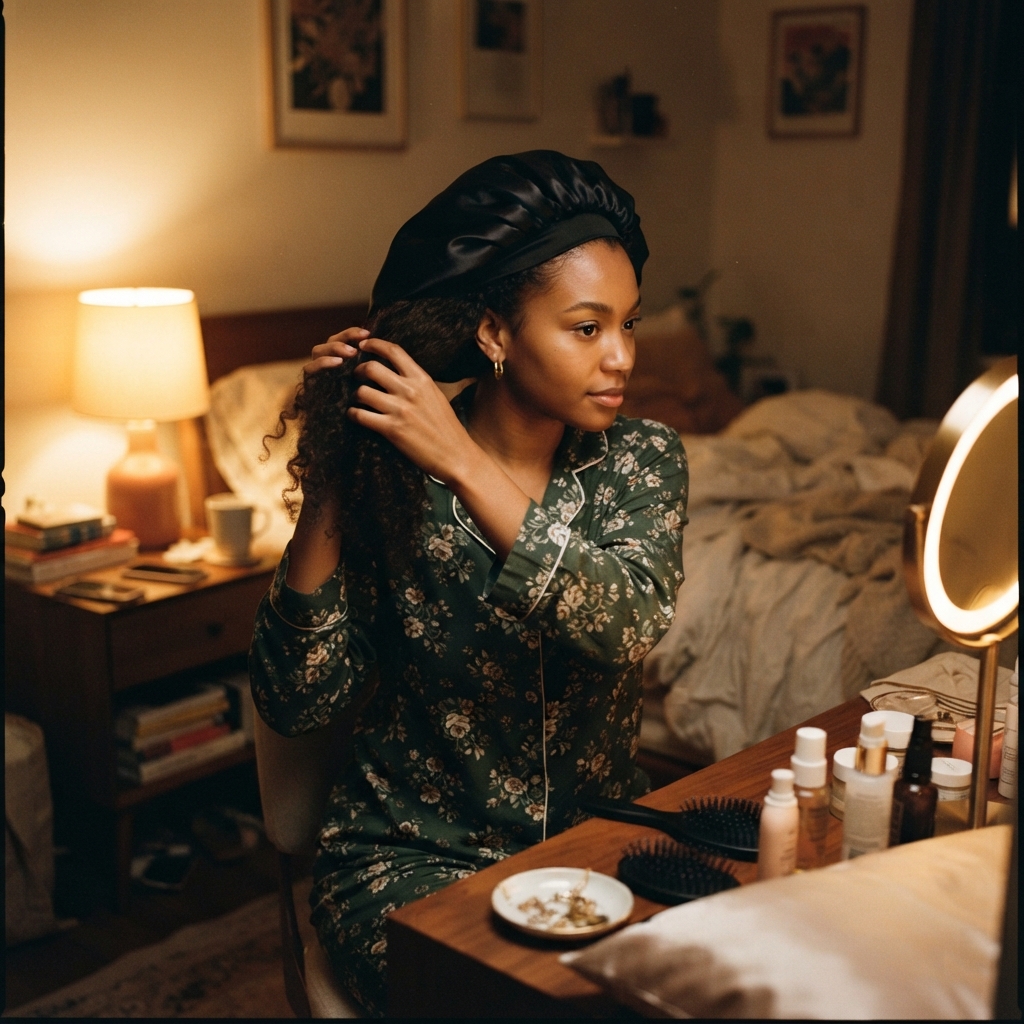
Low manipulation should make your life easier, not add guilt. Some weeks you will do the full routine. Some weeks you will barely manage a bonnet. Both are okay.
Keep a simple emergency kit: water spray, leave-in, oil, and a satin scarf. If you only have two minutes, spritz your ends and cover your hair. That still counts.
- Lower the bar on busy days.
- Prep your night routine before you get sleepy.
- Remember: consistency beats intensity.
Your hair journey is long. Rest is part of the process.
Mistakes That Cause Breakage
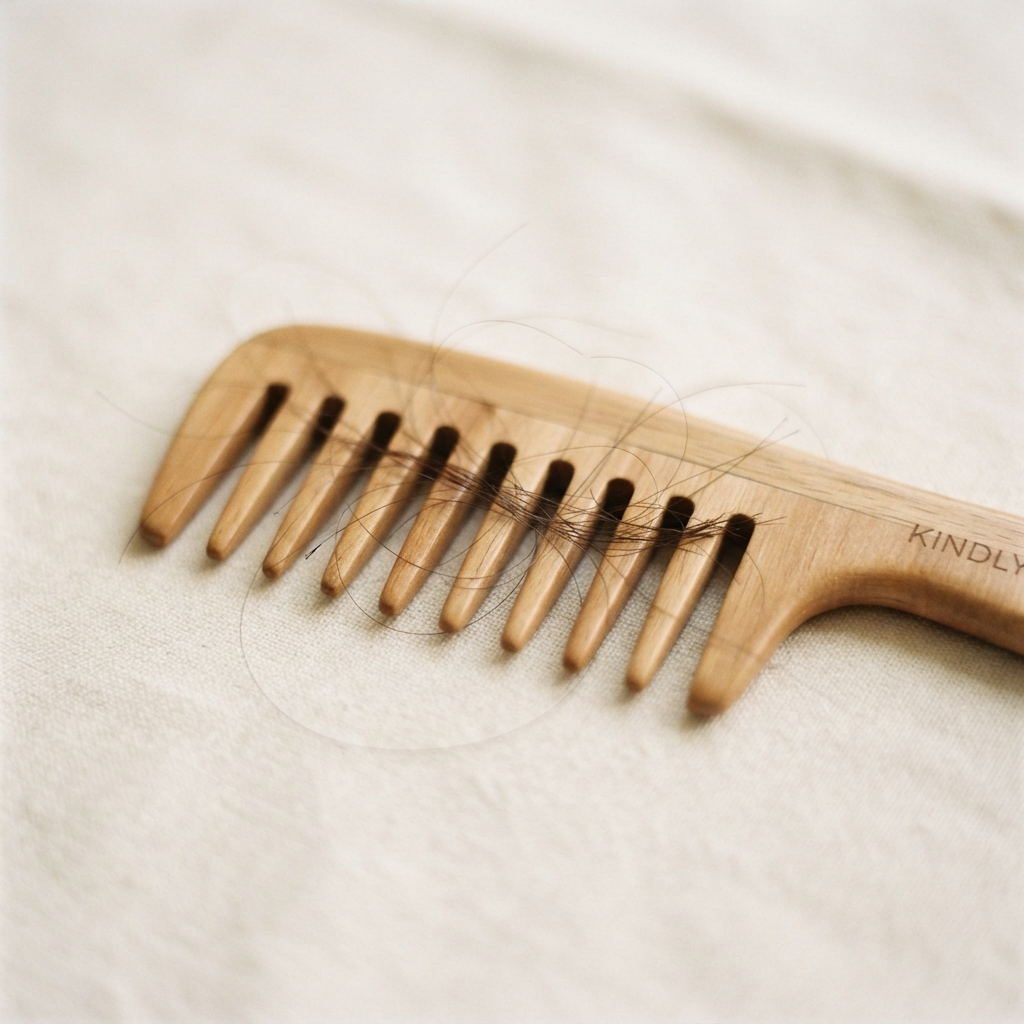
Even with good intentions, a few habits can undo your progress. Watch out for these.
- Detangling dry hair.
- Sleeping on cotton without protection.
- Tight braids or ponytails.
- Overusing heat.
- Applying too much product.
- Combing from roots to ends.
- Ignoring split ends.
You do not need to be perfect. Just catch one or two of these and your hair will thank you. Low manipulation is about removing the small stressors, not adding more rules. Small changes add up fast.
How to Track Progress Without Obsessing
It is easy to stare at your hair every day and feel like nothing is changing. So zoom out. Take a photo every 8 to 12 weeks, same lighting, same shirt, same angle.
Pay attention to how your hair feels, not just how long it looks. Is it softer? Are your ends stronger? Do your twists last longer? Those are wins.
- Measure stretched hair, not shrinkage.
- Track products that work.
- Celebrate less breakage.
Growth is quiet. Low manipulation helps you notice it.
Your Low-Manipulation Mantra
Say it with me: My hair is not a race. I can do less and still be beautiful. Rest is productive.
Low manipulation is not a trend. It is a long-term relationship with your hair. You cleanse. You moisturize. You protect. Then you live your life.
Whether you are growing a hime cut, dreaming of a quiet luxury bob, or simply trying to keep your ends healthy, this routine meets you where you are. Simple, kind, repeatable. You are doing better than you think.
A final love note: You do not have to earn healthy hair with 20 steps. You just have to be gentle, consistent, and willing to leave it alone. Low manipulation is not lazy. It is wisdom.
Your natural hair journey is yours. Take what works from this routine and release the rest. Whether you are rocking twists, a hime cut, or old money hair energy, your crown deserves care that fits your real life.
Save this post to Pinterest so you can come back to it on your next wash day. And tell me in the comments: what is one low-manipulation habit you are trying this week? I read every single one.
— Hailey

