

If you have coily hair, you know the tiny knot struggle. You touch one strand, and somehow it’s wrapped around itself like it planned a rebellion. Single-strand knots, also called fairy knots, are annoying, but they’re not a sign that your hair is broken.
I’m Hailey. I’ve spent years learning how to keep my coils happy without spending my whole Sunday detangling. The secret isn’t one fancy product. It’s a few small habits that stop knots before they start.
Whether you’re growing out a tapered cut or dreaming of a quiet luxury bob, old money hair, or a hime cut with coily texture, the basics are the same. Moisture, patience, and protection.
Below, I’m sharing simple ways to prevent single-strand knots and tangles in coily hair. You can start with just one or two today.
What Are Single-Strand Knots?
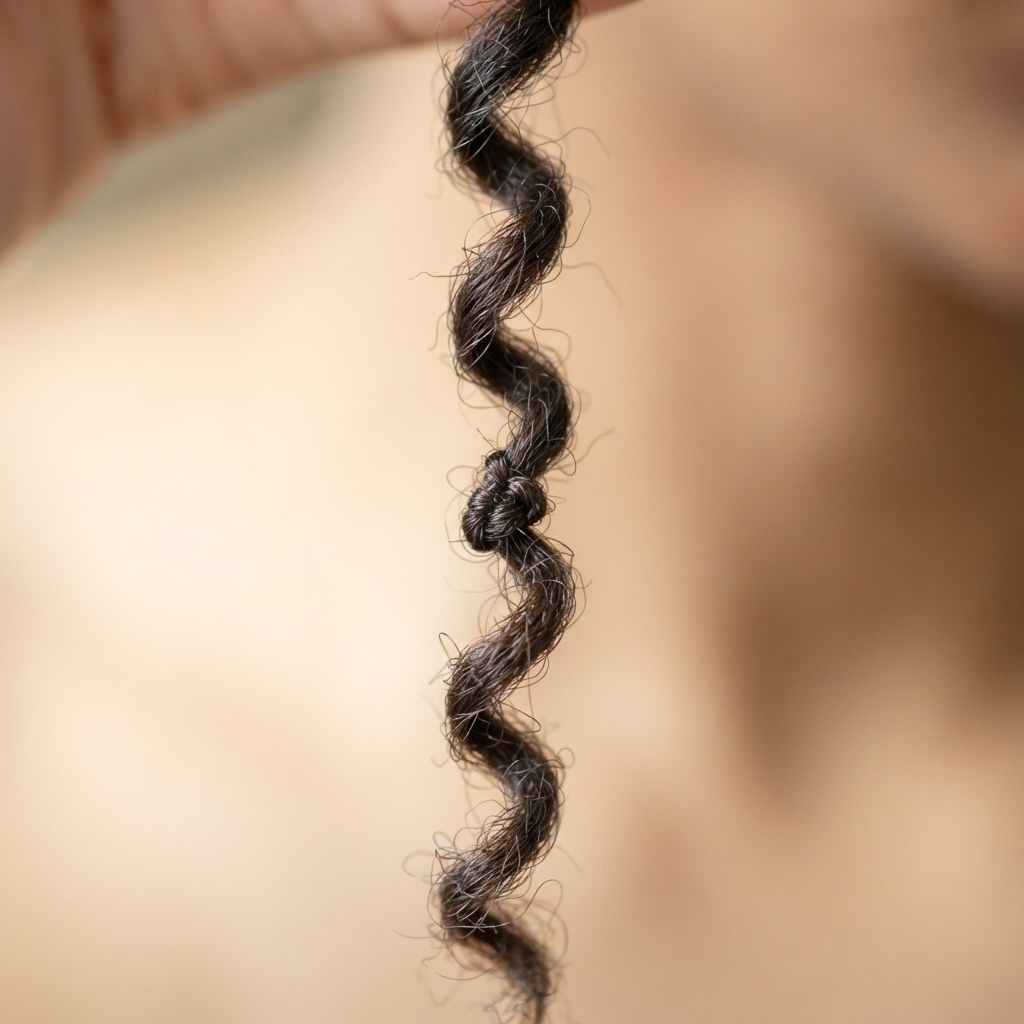
Single-strand knots are tiny knots that form on one hair strand. They often happen near the ends, but they can show up anywhere. People call them fairy knots because they look delicate and sneaky.
They’re different from big tangles. A big tangle involves many strands. A single-strand knot is just one strand looping around itself. Coily hair is more prone because the curl pattern naturally wraps around itself.
You can’t always prevent every fairy knot, but you can absolutely reduce how many you get. The key is keeping your strands smooth, moisturized, and separated. When you do that, your hair has less reason to knot up.
Why Coily Hair Gets Tangled So Easily

Coily hair has a lot of texture and bend. Every curl creates a natural meeting point where strands can wrap, lock, and tangle. Unlike straight hair, coily strands don’t just lie flat and slide past each other.
Dryness makes it worse. When coily hair loses moisture, the cuticle gets rough. Rough strands catch on each other like Velcro. Add friction from cotton pillows, hoodies, or harsh towels, and knots multiply.
Shrinkage also plays a role. As coily hair dries, it pulls back and coils tighter. That movement can create new tangles if the hair isn’t stretched or protected. So yes, your hair isn’t misbehaving. It’s just doing what coils do.
The Golden Rule: Moisture Before Manipulation
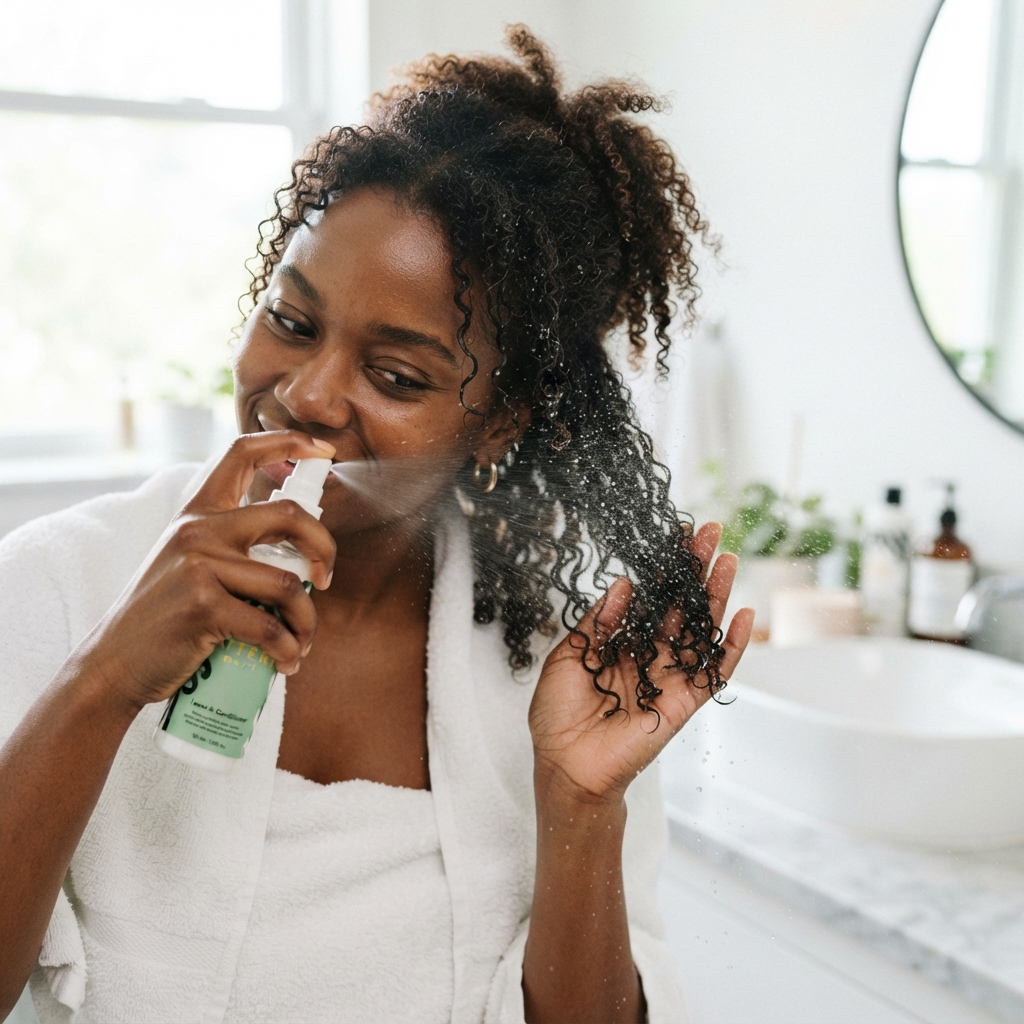
Never start detangling dry coily hair. Dry hair is less flexible, so it snaps and knots more easily. Always add water, leave-in, or a detangling spray first.
I like to work in small sections and mist until the hair feels slippery, not soaked. Then I add a conditioner or oil to give my fingers glide. Moisture is your first line of defense.
Think of it like this: dry coils are like dry shoelaces. Wet, conditioned coils are like silk ribbons. Which one would you rather pull apart? Exactly. Moisture first, always. It’s the rule that makes every other tip work better.
How to Detangle Without Making It Worse
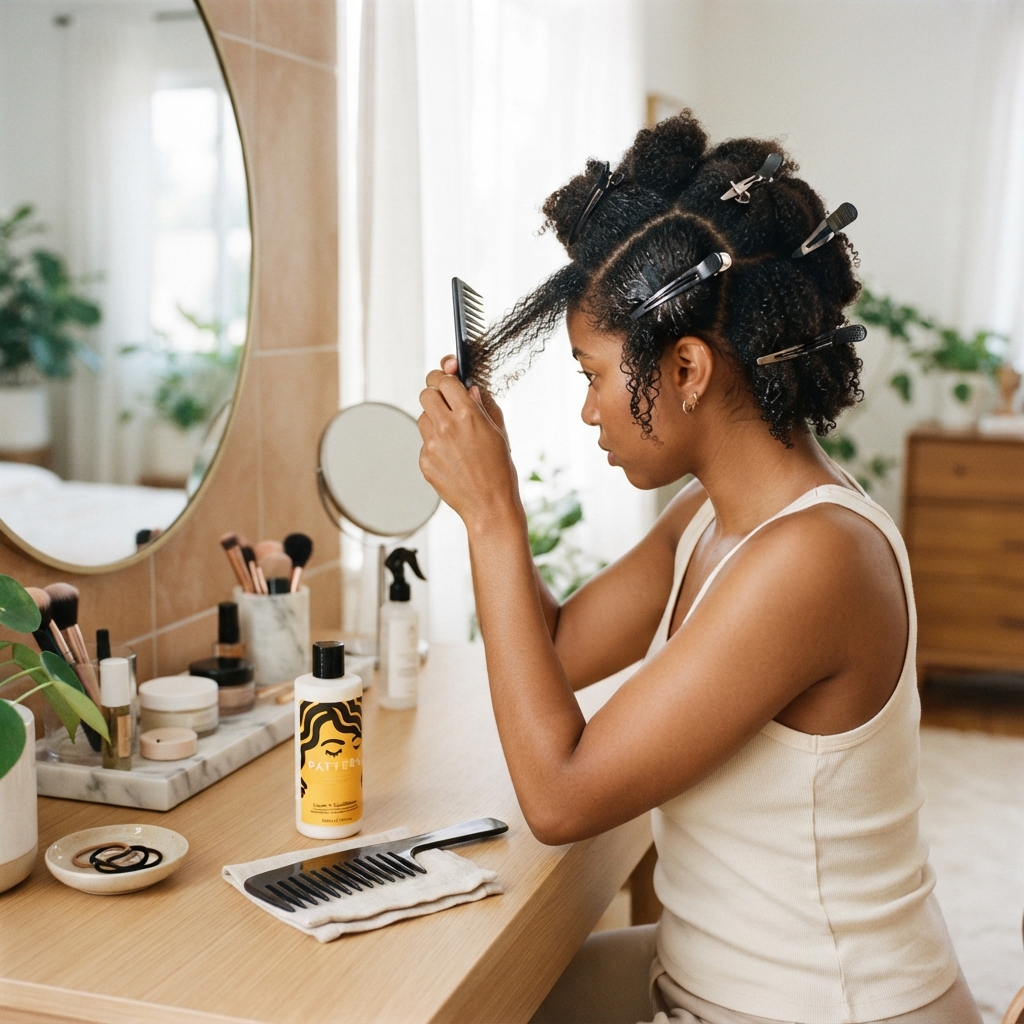
Detangling should be boring and gentle. Start at the ends, not the roots. Hold the hair above the knot so you’re not pulling at your scalp. Rushing is what causes breakage.
- Section hair into four to eight pieces.
- Mist with water and apply conditioner.
- Use fingers to separate the ends first.
- Move upward only when the ends are smooth.
- Use a wide-tooth comb after finger detangling.
If you hit a stubborn knot, stop. Add more conditioner and use a pin to gently pull the knot apart. Ripping through it will only create more single-strand knots later. Slow and steady wins.
Sectioning and Finger Detangling First

Big clumps of coily hair are a recipe for tangles. Sectioning keeps the hair manageable and lets you focus on one area at a time. I use clips or satin scrunchies to keep sections apart.
Four sections work for shorter hair. Six to eight sections work for longer or denser coils. Twist each section loosely after detangling so it doesn’t re-tangle while you work.
Then use your fingers before any comb. Fingers can feel a knot before it becomes a problem. Work from ends upward. This one-two punch of sectioning and finger detangling saves so much frustration.
Use the Right Comb and Brush
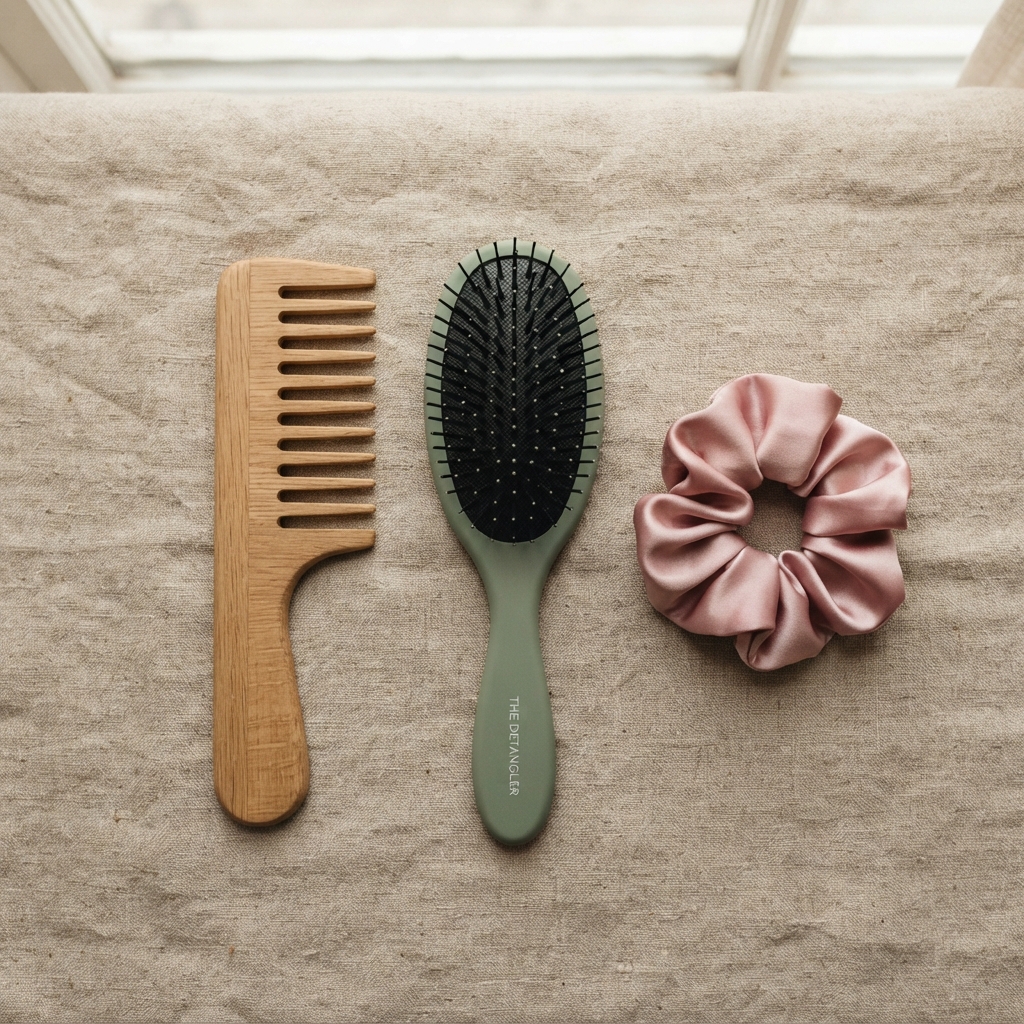
Not all combs are created equal for coily hair. A wide-tooth comb is a must. A seamless comb is even better because it won’t snag rough edges. Avoid fine-tooth combs unless you’re smoothing a tiny section.
For brushes, look for a detangling brush with flexible bristles. Use it on wet, conditioned hair. Start at the ends and gently work upward. Never brush dry coily hair from root to tip.
If you love a quiet luxury bob or asymmetrical lob, a good detangling brush helps you get that smooth finish without damage. The right tool makes all the difference.
Pre-Poo and Deep Condition

A pre-poo is a treatment you do before shampoo. It protects your hair from stripping and softens existing tangles. You can use coconut oil, olive oil, or a rich conditioner.
Apply it to dry or damp hair in sections. Let it sit for 20 to 30 minutes. Cover with a plastic cap if you want extra heat. Then detangle gently before washing.
After washing, deep condition. Look for glycerin, aloe, shea butter, and oils. Use a heat cap for 15 to 30 minutes. If you’re into romantic goth hairstyles or a vampire haircut, healthy coils make those looks intentional. Deep conditioning is the quiet hero.
Leave-In, Oils, and Butters
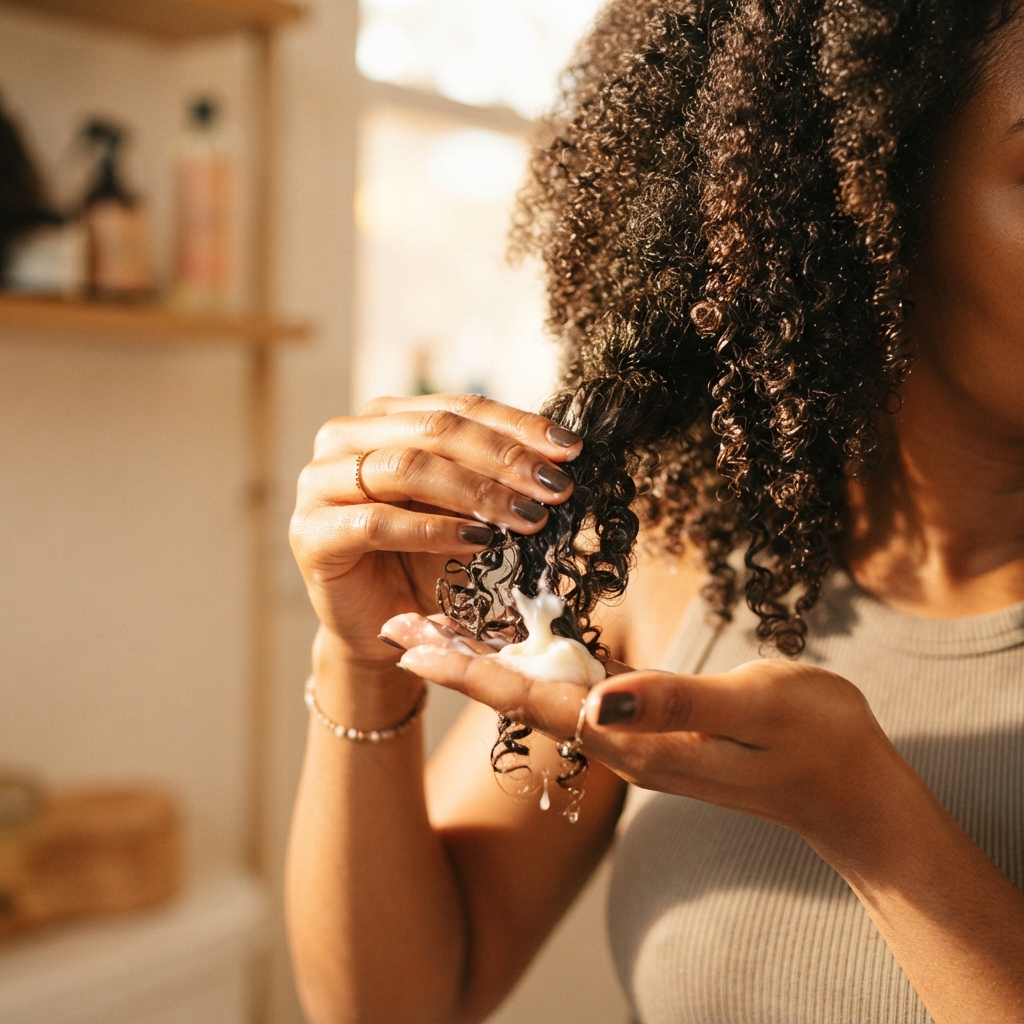
Leave-in conditioner keeps moisture in your hair after wash day. It also gives your fingers and comb slip when you style. Apply it to damp hair, not soaking wet hair.
Focus on the mid-lengths and ends. Those are the oldest, driest parts of your hair. Use a little at a time. Too much product can cause buildup, which leads to more tangles.
Then seal with a light oil. Jojoba, argan, and grapeseed work for most coils. Use shea or mango butter on thicker sections if needed. Soft, flexible hair tangles less.
Sleep Protection That Actually Works

Cotton pillowcases steal moisture and create friction. That friction causes tangles and single-strand knots while you sleep. Switch to satin or silk. Your hair will thank you.
You can also wear a satin bonnet, scarf, or loc sock. For longer hair, loose pineapples or big twists help keep ends stretched. Don’t tie it too tight. Your edges need love too.
If you share a bed with a partner who doesn’t get it, just tell them it’s part of your old money hair routine. Protection is glamorous. Waking up with fewer knots is even better.
Wash Day Habits That Reduce Knots
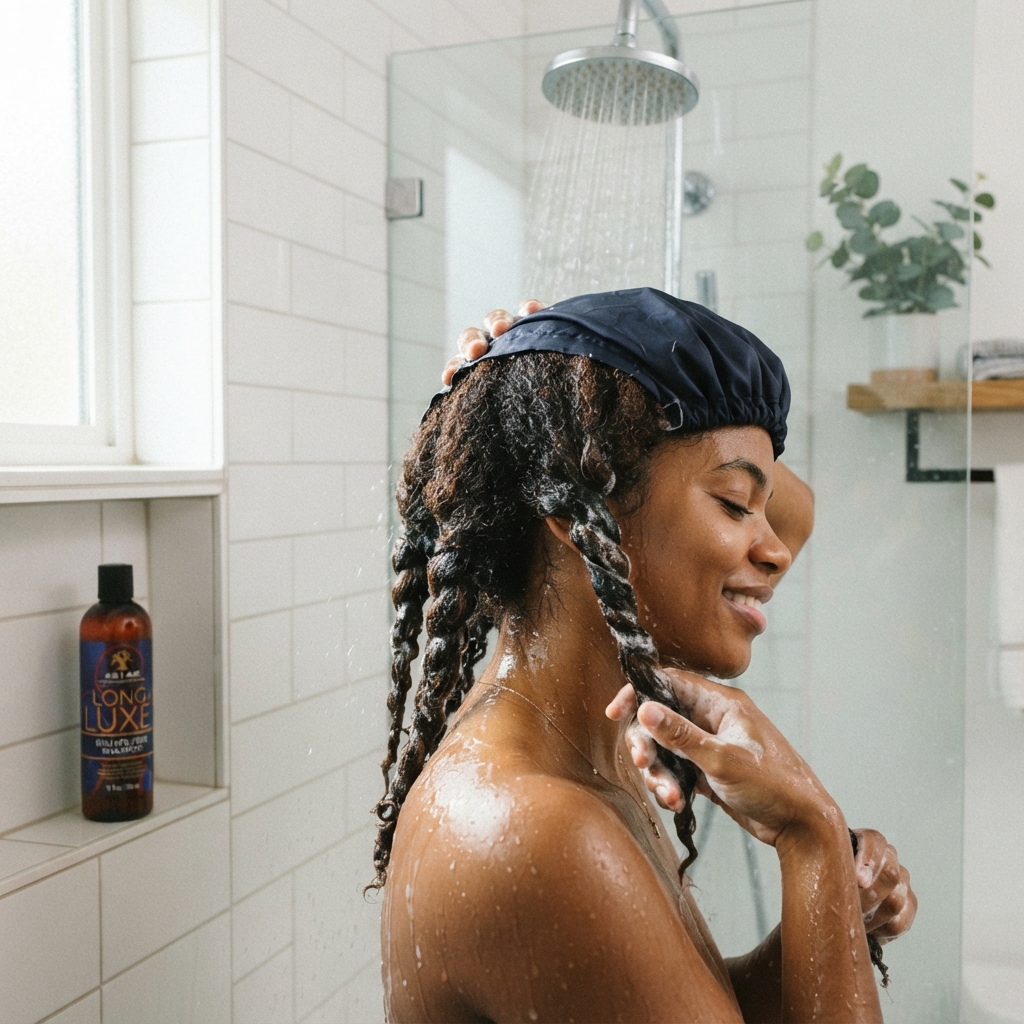
Wash day is where many tangles start or stop. Don’t pile your hair on top of your head. That creates a giant knot in the center. Instead, wash in sections and let the water run downward.
Use a sulfate-free shampoo or a co-wash. Apply it to the scalp and let it rinse through the ends. Don’t scrub your whole head like you’re washing a T-shirt.
After washing, apply conditioner in sections and detangle again. Rinse with cool water. Then style while damp. A calm wash day means fewer knots all week.
Clarify Gently and Balance Protein

Buildup from products, sweat, and hard water can make coily hair rough and tangled. Clarifying removes buildup, but harsh clarifiers can leave hair dry. Look for gentle clarifying shampoos.
Clarify once a month or whenever your hair feels coated. Follow with a deep conditioner. Don’t overdo it. Over-cleansing leads to dryness and more knots. A shower filter can help if you have hard water.
Coily hair also needs protein and moisture balance. If hair feels brittle, add moisture. If it feels stretchy and limp, add light protein. Balanced hair tangles less.
Protective Styles for Coily Hair

Protective styles keep your ends tucked away and reduce daily manipulation. Twists, braids, flat twists, and cornrows are classics. They can also help you grow your hair longer.
Just don’t make them too tight. Tension causes breakage and scalp pain. Keep your hair moisturized underneath. Spritz with leave-in and oil your scalp as needed.
If you love 2026 hairstyles, try a hime cut inspired look with blown-out coils, or a romantic goth hairstyle with two flat twists and loose ends. Protection can still be trendy.
How to Take Down Protective Styles
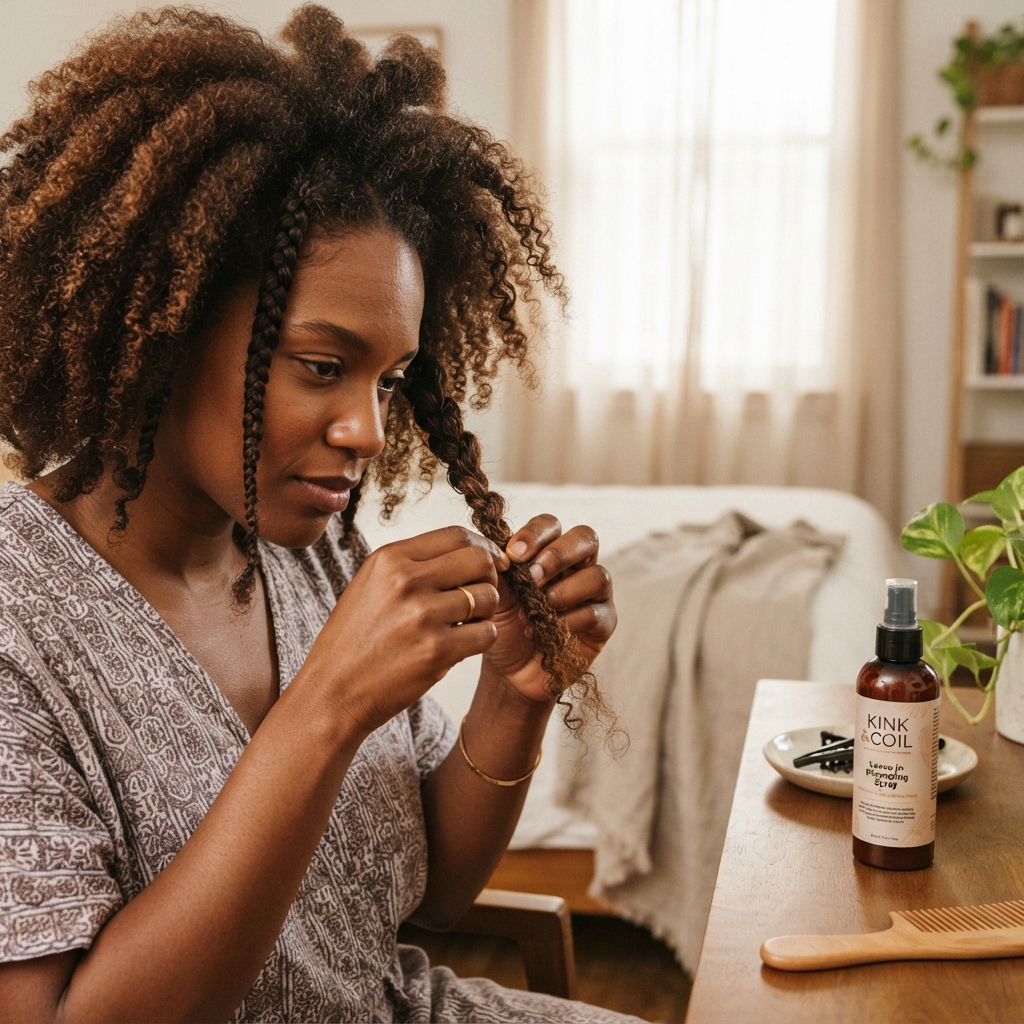
Taking down a style is when many people rip through knots. Slow down. Use your fingers, a leave-in spray, and a wide-tooth comb. Work in small sections.
If you used gel or edge control, mist with water first. Let it soften. Then gently unravel each twist or braid. Don’t pull from the root. Hold the base and work downward.
Take down styles after three to six weeks, depending on your hair. If you see lint or buildup, cleanse soon. If a knot appears, stop and handle it before moving on. A patient takedown protects your length and prevents single-strand knots.
Trim Away Fairy Knots Correctly
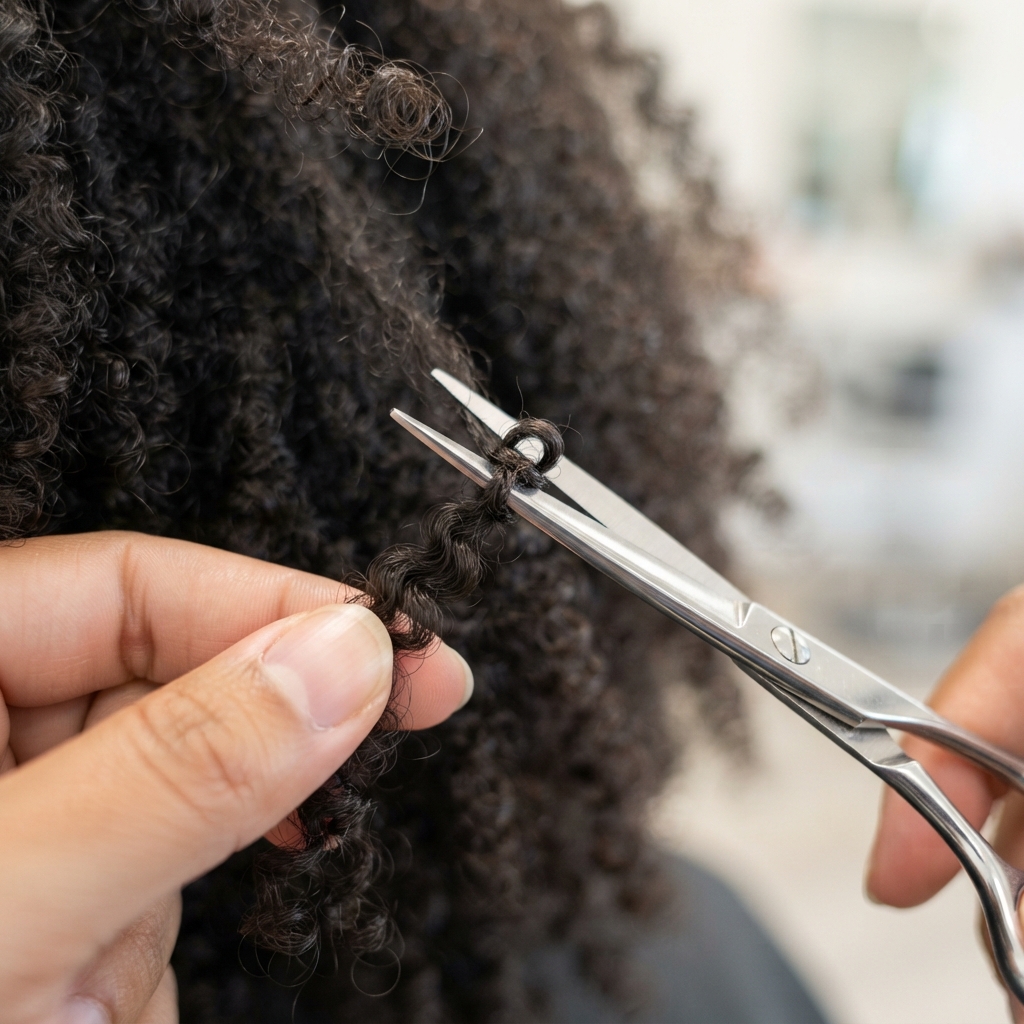
You cannot always undo a single-strand knot. If it’s tight and tiny, trimming is often safer than picking. Use sharp hair shears. Don’t use dull scissors from a junk drawer.
Slide the knot down to the end of the strand if you can. Then snip just above the knot. If the knot is high up, trim the strand at the knot and let it go. It’s better than breaking it off.
Regular trims every 8 to 12 weeks help too. They remove split ends before they wrap around other strands. Healthy ends mean fewer knots.
Styling Without Re-Tangling
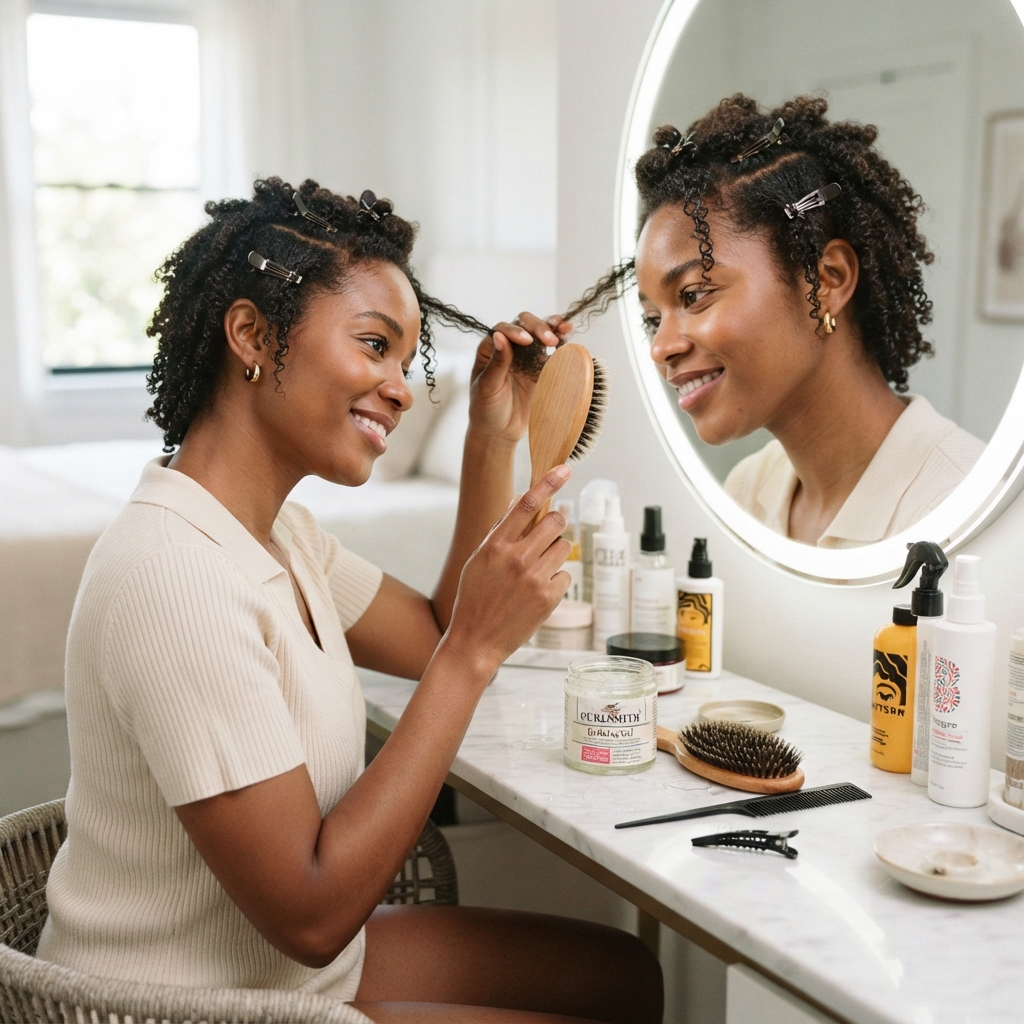
Styling should not undo your detangling work. Work in sections. Keep the rest of your hair twisted or clipped away. Apply products with your fingers or a soft brush.
Use smooth, downward motions. Don’t scrunch aggressively. If you’re doing a wash-and-go, apply gel in small sections and shake gently. If you’re doing a sleek look, use a soft brush and light tension.
For a glitchy glam hair vibe, add metallic clips or a few defined coils. For a quiet luxury bob, smooth your coils with a blowout or roller set. Style with intention, not chaos.
Refresh Styles Without Chaos

Refresh days can turn into detangle days if you’re rough. Start by misting with water and leave-in. Don’t soak your whole head. Work section by section.
Use your fingers to lift and separate curls. If you see a knot, stop and address it. Don’t comb through dry, product-heavy hair. That’s how fairy knots form.
For a quick refresh, re-twist the front and leave the rest. For an asymmetrical lob or old money hair look, smooth the top and define the ends. Small touches make it look fresh.
Weather, Workouts, and Travel

Dry air, wind, and cold weather zap moisture from coily hair. That leads to rough strands and more tangles. In winter, cover your hair with a satin-lined hat or scarf.
In humid weather, too much moisture can cause frizz and shrinkage. Use a light gel or serum to define your curls without making them sticky. Always keep a leave-in spray handy.
After workouts, don’t let hair stay damp and compressed. Travel with a satin scarf and wide-tooth comb. If you swim, wet hair and add conditioner before your cap. Small prep prevents big knots.
Kids’ Coily Hair: Gentle Knot Prevention

Kids’ coily hair tangles fast because they move, play, and sleep hard. Keep it simple. Wash in sections, detangle with conditioner, and use satin accessories.
Don’t chase perfect edges. Focus on comfort and health. Use a wide-tooth comb and your fingers. Make detangling a calm time with a show or song.
Protective styles like two-strand twists or braids can last a week. Refresh with water and leave-in. If your child hates detangling, shorter styles are okay too. A satin pillowcase at night makes a big difference.
When to See a Professional

If your hair is matted, locked, or you’re losing length from constant breakage, a professional can help. There’s no shame in getting support. Coily hair is beautiful and complex.
Look for a stylist who specializes in natural or textured hair. Ask about detangling, trimming, and treatments. A good stylist will teach you how to maintain your hair at home. You deserve a stylist who listens and respects your goals.
If you have scalp pain, sores, or sudden thinning, see a doctor or dermatologist. Your hair health is connected to your overall health. Bring photos of the looks you want, like a quiet luxury bob or hime cut, so you’re on the same page.
Build Your Simple Knot-Free Routine

You don’t need a 20-step routine. Pick a few habits and stay consistent. Here’s a simple weekly flow:
- Pre-poo and detangle in sections.
- Wash and deep condition.
- Apply leave-in and seal with oil.
- Style in twists or protective style.
- Sleep with satin protection.
- Refresh gently mid-week.
Adjust based on your hair. The goal is less manipulation, more moisture, and fewer single-strand knots. If you only do one thing, moisturize and protect at night. Simple beats complicated every time.
Quick Fixes for a Knot Right Now

Found a knot while you’re out? Don’t panic. Don’t pull it with dry fingers. If you have leave-in or water, apply a tiny bit. Then use a pin or your fingers to tease it apart.
If it won’t budge, leave it alone until you get home. You can trim it later with sharp shears. Pulling it will only tighten it and cause breakage.
For a quick style cover-up, tuck the knot into a twist, bun, or braid. A satin scrunchie and a little edge control can make it look intentional. You’ve got this.
Trend-Proof Styles That Keep Knots Away
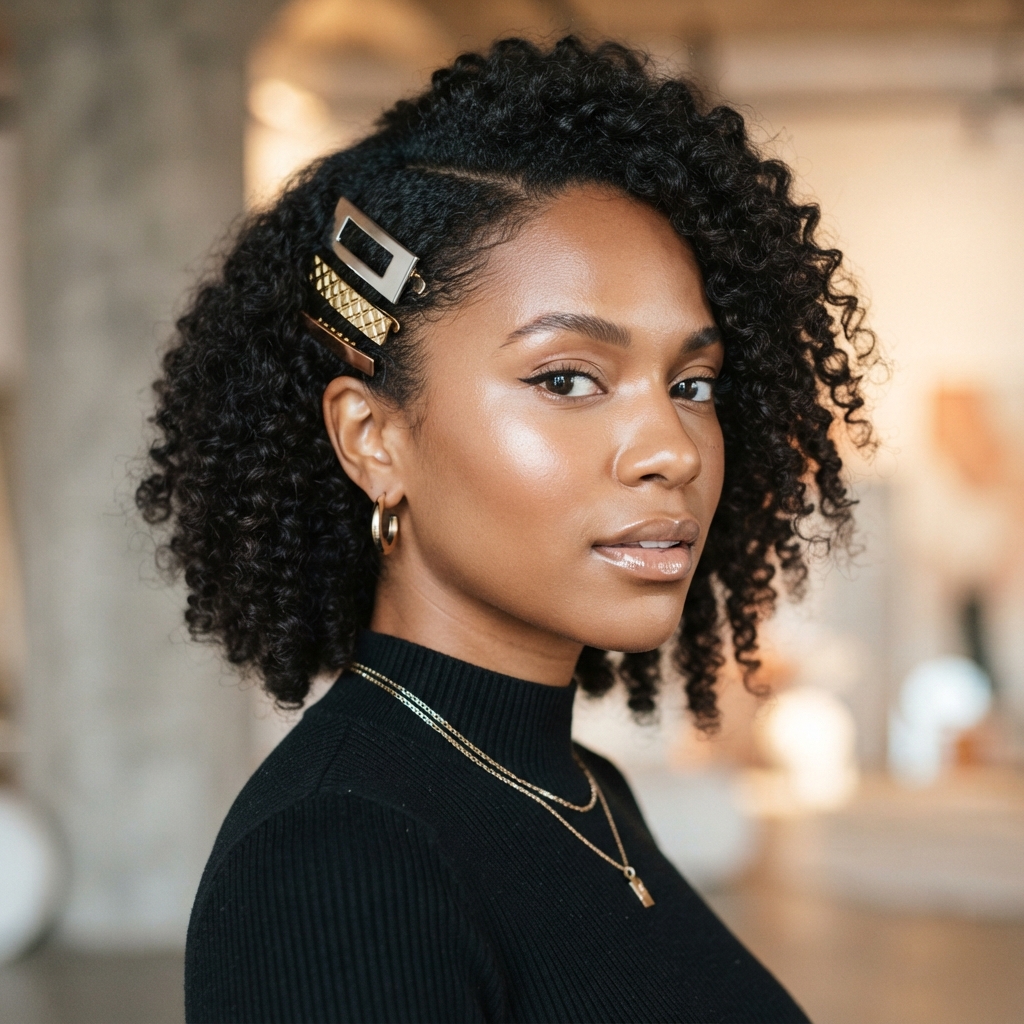
Knot prevention doesn’t mean boring hair. You can still enjoy 2026 hairstyles while keeping coils protected. Think low-manipulation versions of the trends you love.
For old money hair, try a smooth low bun with a middle part. For a quiet luxury bob, do a silk press or roller set on stretched coils. For romantic goth hairstyles or a vampire haircut, define coils with gel and add dark accessories.
Glitchy glam hair can work with metallic clips and sleek edges. An asymmetrical lob looks great with flat-ironed coily hair. A hime cut can be adapted with blown-out curls and blunt ends. Trendy and protected.
A Warm Wrap-Up
If you take one thing from this, let it be this: coily hair doesn’t need perfection. It needs moisture, patience, and protection. Single-strand knots will still show up sometimes, but they don’t have to run your life.
Start with one habit tonight. Maybe it’s a satin bonnet. Maybe it’s finger detangling before your comb. Small changes add up to fewer tangles and more good hair days.
You’re doing better than you think. Love, Hailey & Team.
Save this post to Pinterest so you can come back to this routine on wash day. And tell me in the comments: what’s your biggest coily hair struggle? I read every one.

