

If your hair drinks up conditioner like it’s been lost in a desert, you’re in the right place. Coarse, thick hair is a gift and a part-time job. It holds a style beautifully, gives you that full, expensive look, and then turns around and feels like straw two days after wash day.
I’ve been there. My hair is thick, coarse, and has opinions about everything.
So I pulled together the products and habits that actually put moisture back into heavy strands, plus the small steps most people skip. No twenty-step routine. No fluff.
Grab a coffee and let’s fix the dryness for good.
Why Coarse, Thick Hair Gets So Dry
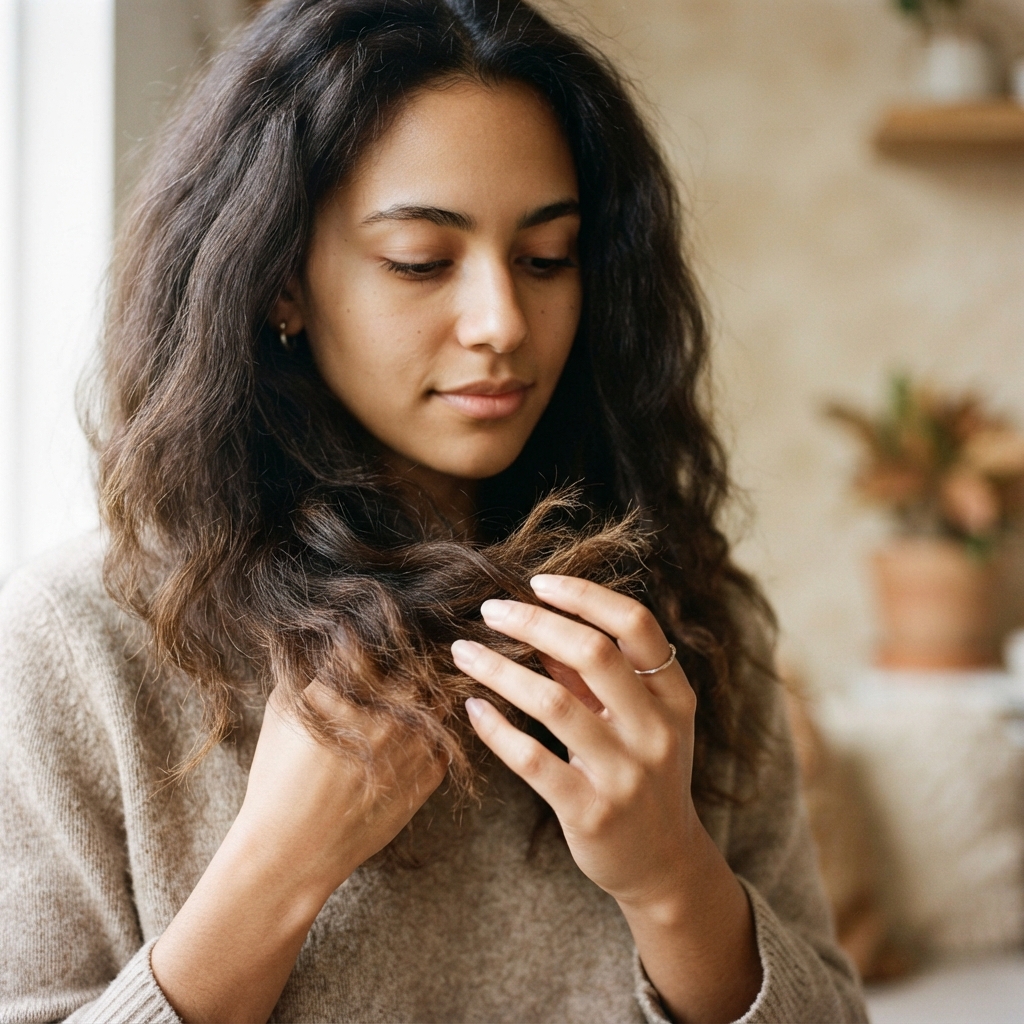
Coarse strands are wider in diameter with a cuticle that sits slightly raised. That means moisture gets out faster than it gets in. You also have more hair on your head, so the oldest, driest ends are further from your scalp and its natural oils.
Add heat styling, hard water, or a shampoo that squeaks and you’ve got a recipe for constant thirst.
- Wide strands = slow absorption
- Raised cuticle = fast moisture loss
- Long length = dry ends first
Good news: coarse hair is also strong. Once you hydrate it, it holds that softness for days.
What “Hydrated” Actually Means for Your Strands
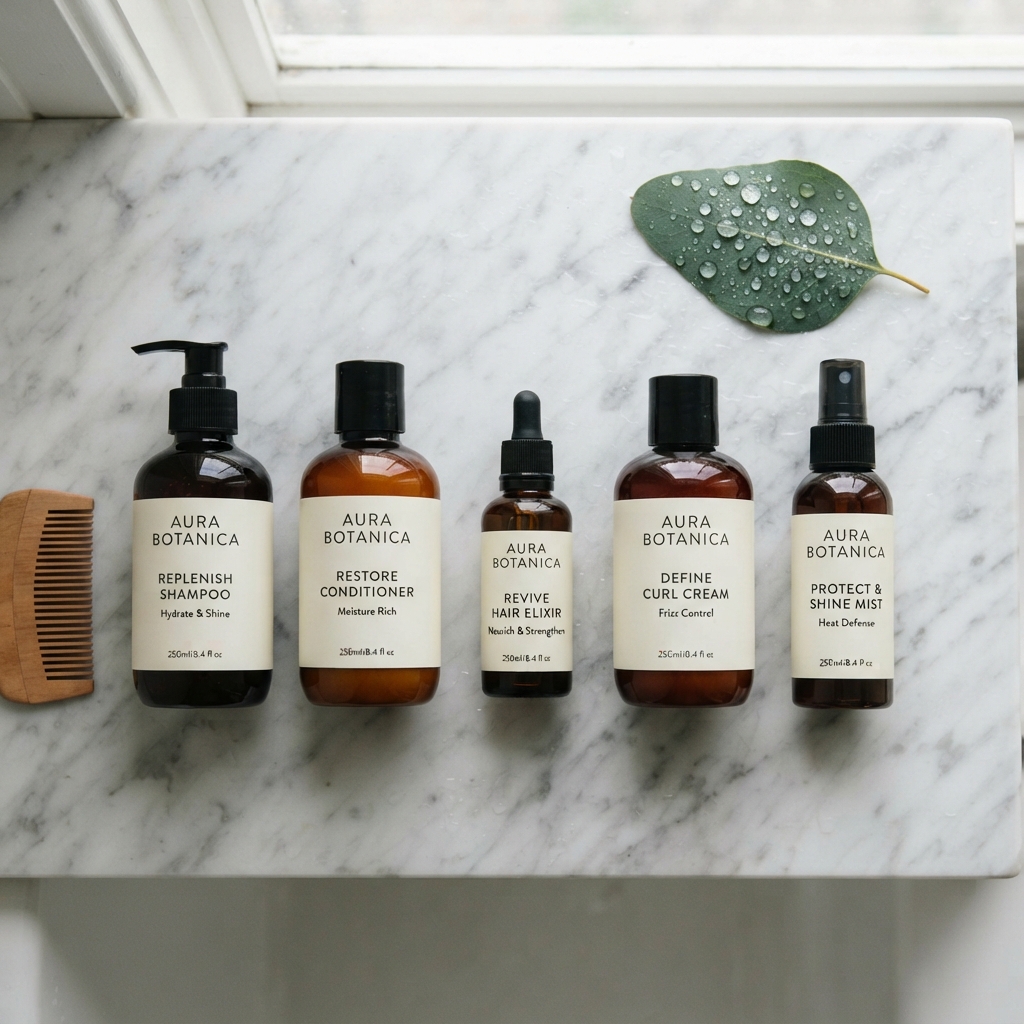
Three things get mixed up constantly, and that’s why so many of us stay stuck. Water hydrates. Oil seals. Protein rebuilds.
If your hair is dry and you keep adding oil, you’re sealing in nothing. If it’s mushy and stretchy, you’ve got too much moisture and need protein.
- Water: the actual hydration, usually from conditioner and leave-ins
- Oils and butters: the seal that keeps water inside
- Protein: structure and strength, used sparingly
Coarse hair needs the water first, then the seal. In that order.
Rule One: Swap to a Sulfate-Free Shampoo
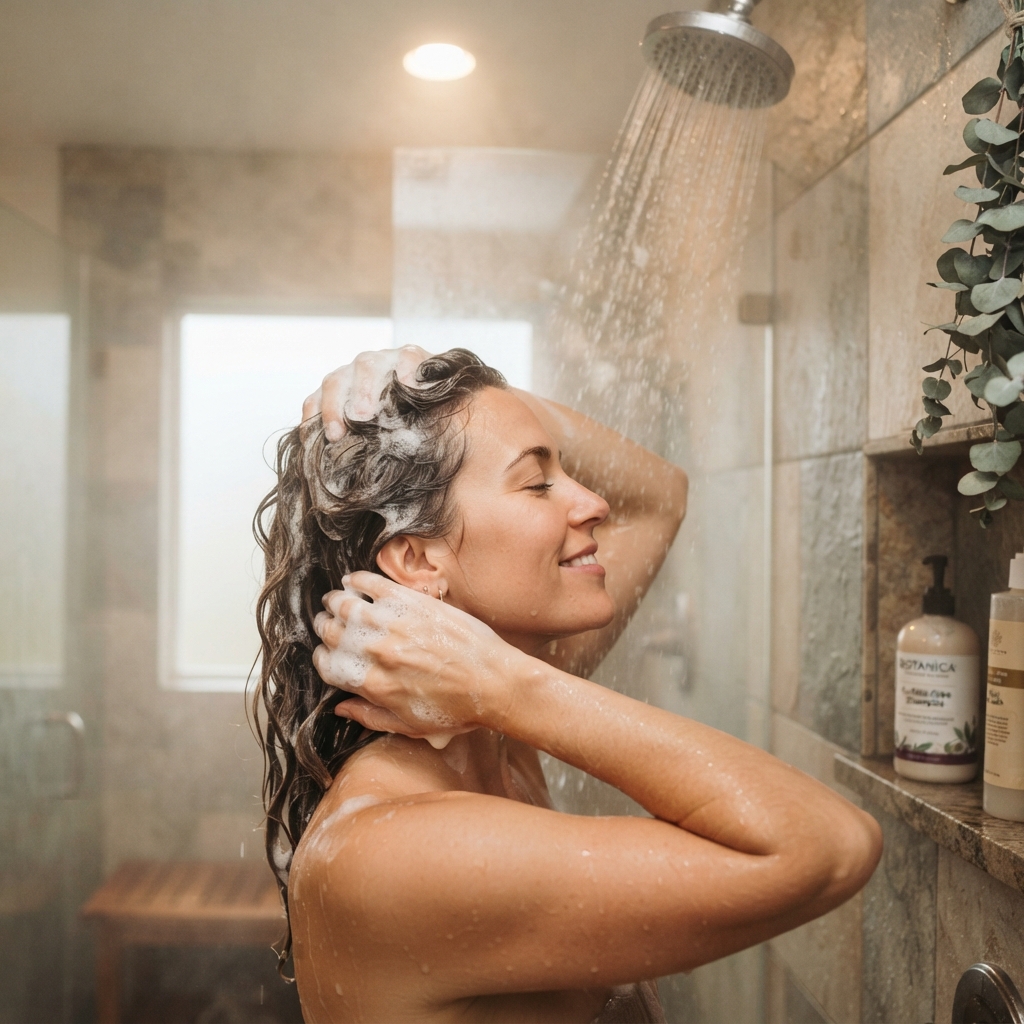
Sulfates are excellent at removing oil. Too excellent. On coarse hair, they leave the cuticle rough, and rough hair tangles, breaks, and drinks conditioner forever.
Squeaky is not clean. Squeaky is dry.
Look for gentler cleansers on the label:
- Sodium cocoyl isethionate
- Cocamidopropyl betaine
- Sodium lauryl sulfoacetate
One more tip that changed my wash days: shampoo the scalp only. Let the suds rinse down the length. The ends get clean on their own and stay way softer.
Co-Washing Is Your Secret Weapon
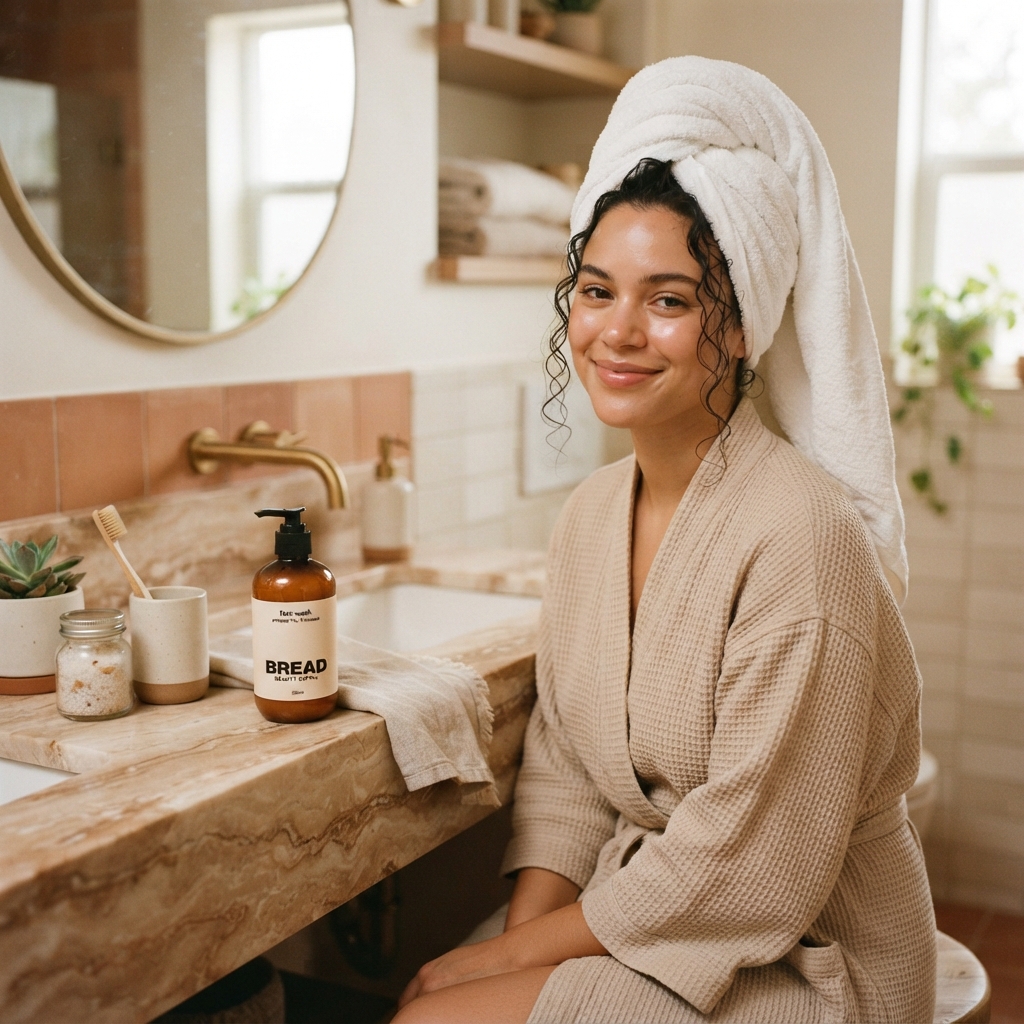
Co-washing means washing with conditioner instead of shampoo. For coarse, thick hair, it’s the easiest way to add moisture without stripping what’s already there.
Do it between regular washes, or every wash if your scalp isn’t oily. Just make sure you use a real conditioner, not a two-in-one.
- Soak hair completely
- Apply a generous handful to roots and length
- Massage the scalp for a full minute to loosen buildup
- Rinse well with cool-ish water
Your hair will feel softer immediately. Buildup is the only risk, so keep a clarifying wash in the rotation, which I’ll get to below.
Deep Conditioners That Actually Sink In
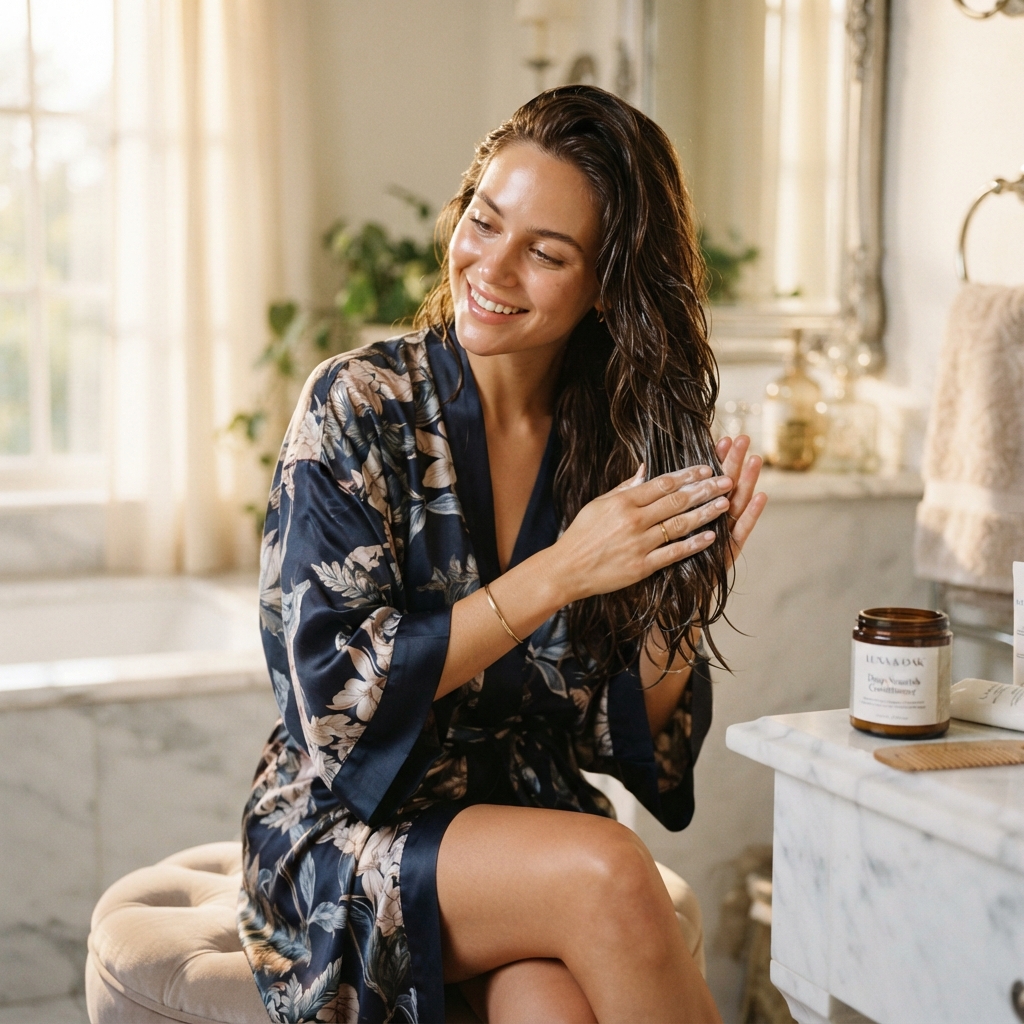
A deep conditioner is the big one. If you only add one product to your routine, make it this. Once a week, minimum.
Look for ingredients that penetrate, not just coat:
- Shea butter and coconut oil for rich slip
- Glycerin or honey to pull in water
- Hydrolyzed proteins for light repair
- Amino acids and panthenol for smoothness
Apply to damp hair, focus on mid-lengths and ends, and leave it on for 15 to 30 minutes. A cheap plastic cap and a warm towel over it makes everything work better. Rinse with lukewarm water so you don’t undo the softness you just created.
Leave-In Conditioner: Your Everyday Hero
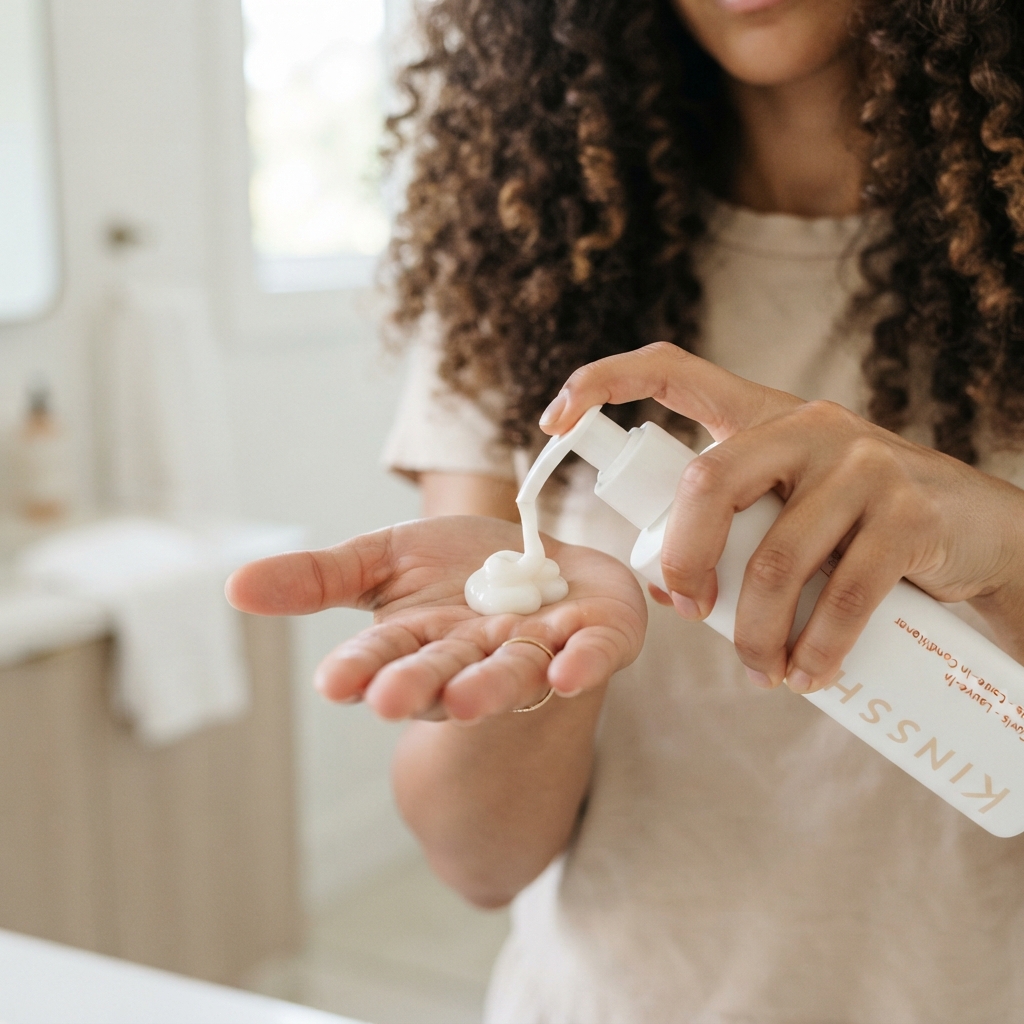
Deep conditioning is the weekly reset. Leave-in is the daily relationship. Coarse hair loses moisture every single day, so it needs something on it constantly.
My rule of thumb: apply leave-in to damp hair within ten minutes of getting out of the shower. That’s when strands soak up the most.
- Spray formulas for fine or easily weighed-down hair
- Cream formulas for thick, coarse, or curly hair
- Milk formulas if you’re somewhere in the middle
Use more than you think you need. Thick hair has a lot of surface area, and a light mist barely touches it.
Oils That Absorb Instead of Sitting On Top
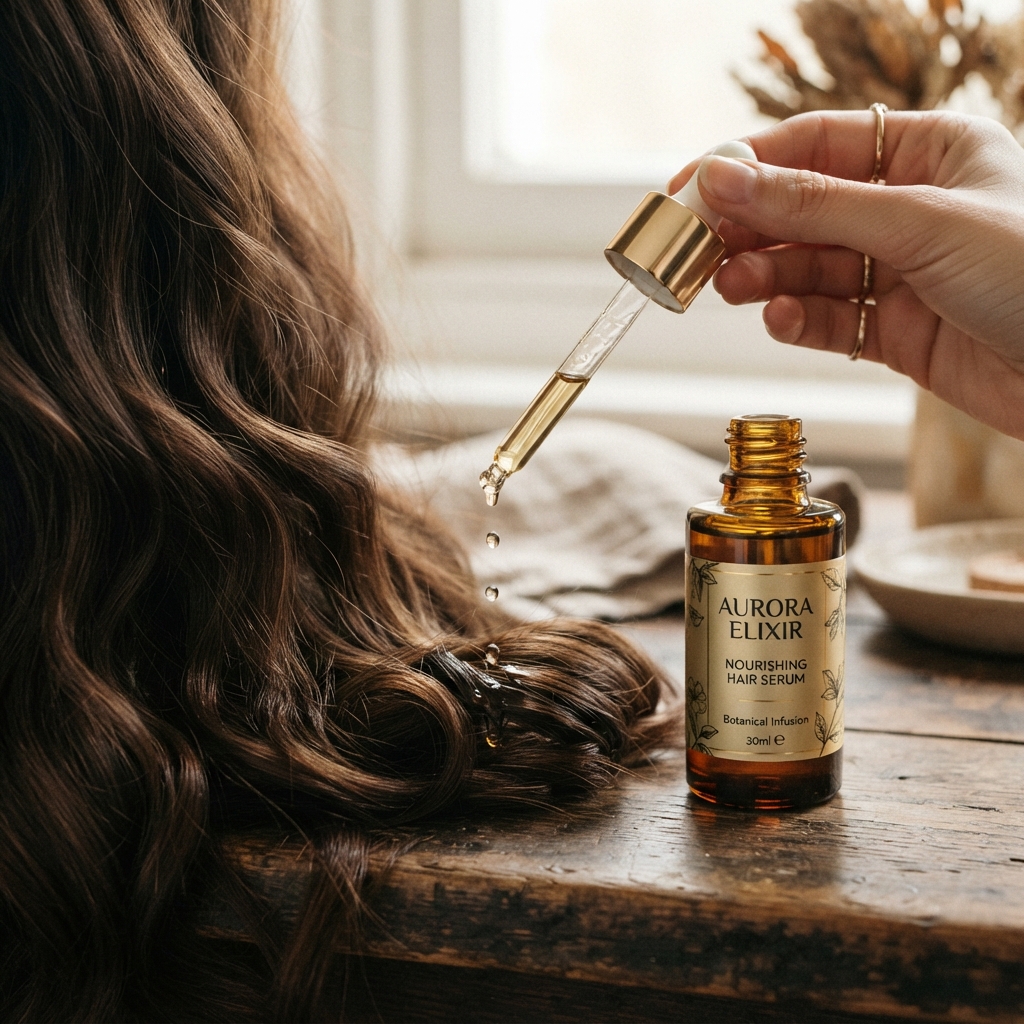
Not all oils are equal, and for coarse hair, the wrong one just sits there looking greasy while your hair stays dry underneath.
Light oils absorb. Heavy oils seal. You want both, used in the right spots.
- Absorb well: argan, jojoba, sweet almond, squalane
- Seal well: castor, olive, avocado, coconut
Use two to four drops on damp ends, then a little more on dry ends the next day. Never on the scalp unless your scalp is genuinely dry. That’s the fastest way to look like you skipped wash day.
Butters and Creams for Sealing It All In
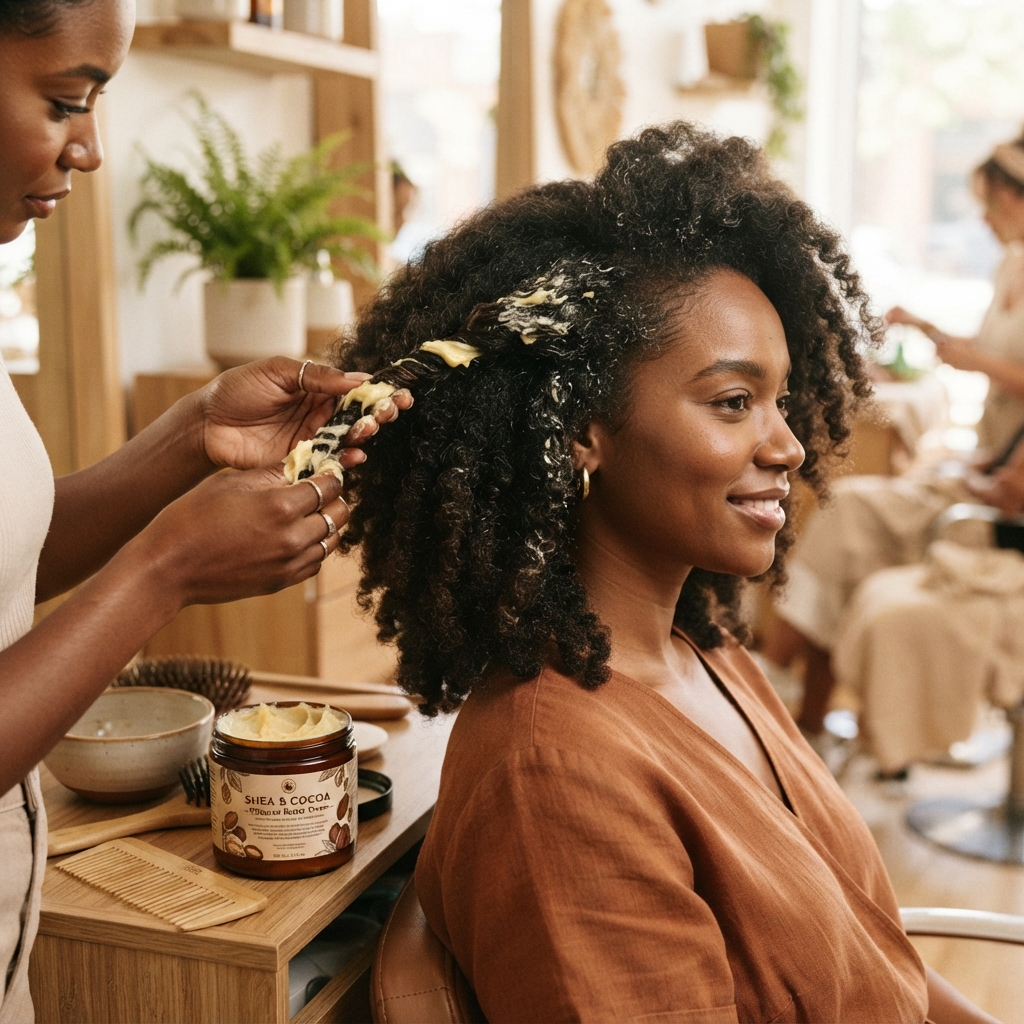
Here’s where coarse hair gets its advantage. Butters and creams that flatten fine hair are made for us. They seal in water and add a soft, expensive-looking weight.
Shea, mango, and murumuru butters are the stars. Look for them in curl creams, twisting butters, and air-dry creams.
- Hydrate with leave-in first
- Add a cream to mid-lengths and ends
- Add a butter only on the driest sections
- Scrunch or smooth, then leave it alone
Skip butters if you’re planning to flat iron. They’ll fight your heat protectant and cause grease.
Heat Protectants That Hydrate Too
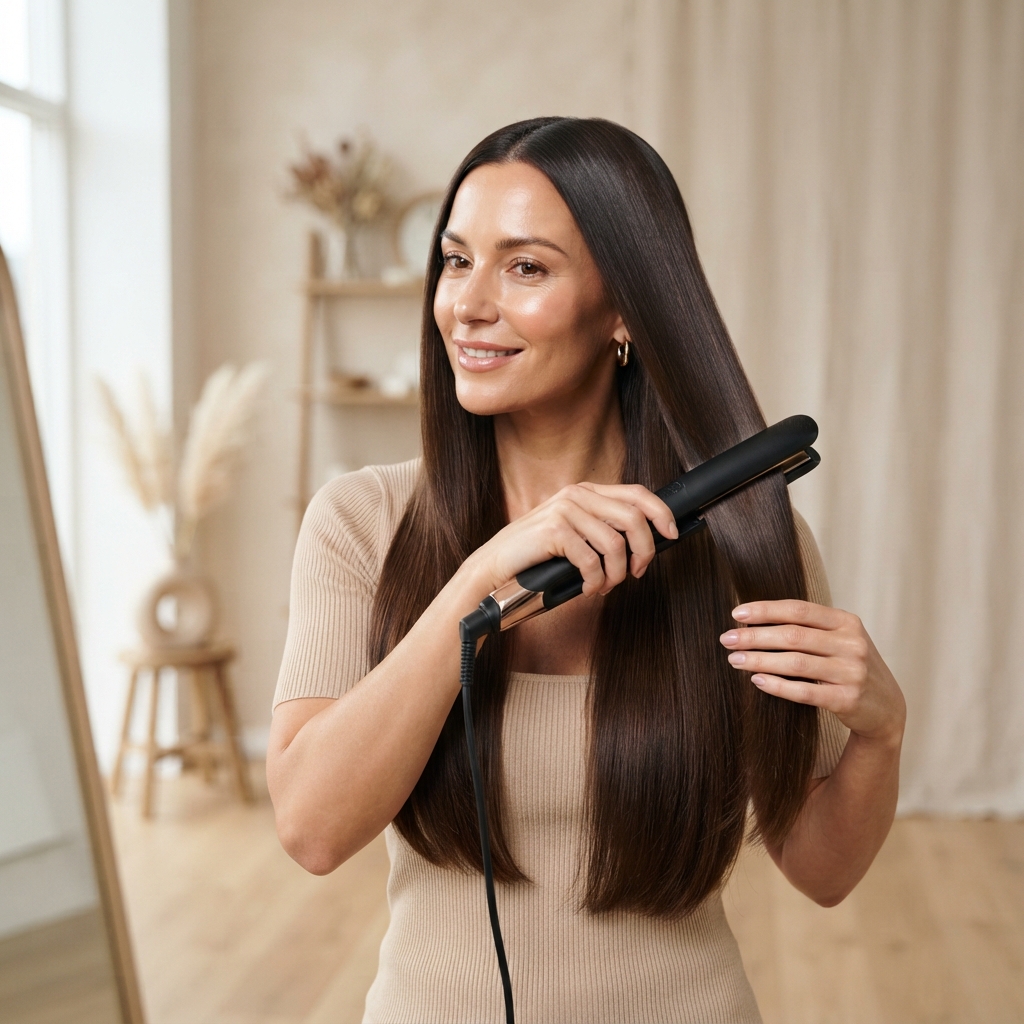
Heat is the number one thing drying out your coarse hair, and skipping protectant is doing more damage than any shampoo ever could.
The good ones do double duty. Look for a heat protectant with glycerin, panthenol, or silicone, because those add slip and moisture while they shield the strand.
- Spray or cream before every hot tool, every time
- Keep flat iron temps under 380 degrees for coarse hair
- Never apply heat to hair that’s still wet
If you want that sleek 2026 hairstyles look without the crunch, this step is non-negotiable.
Bond Builders for Thick, Coarse Hair
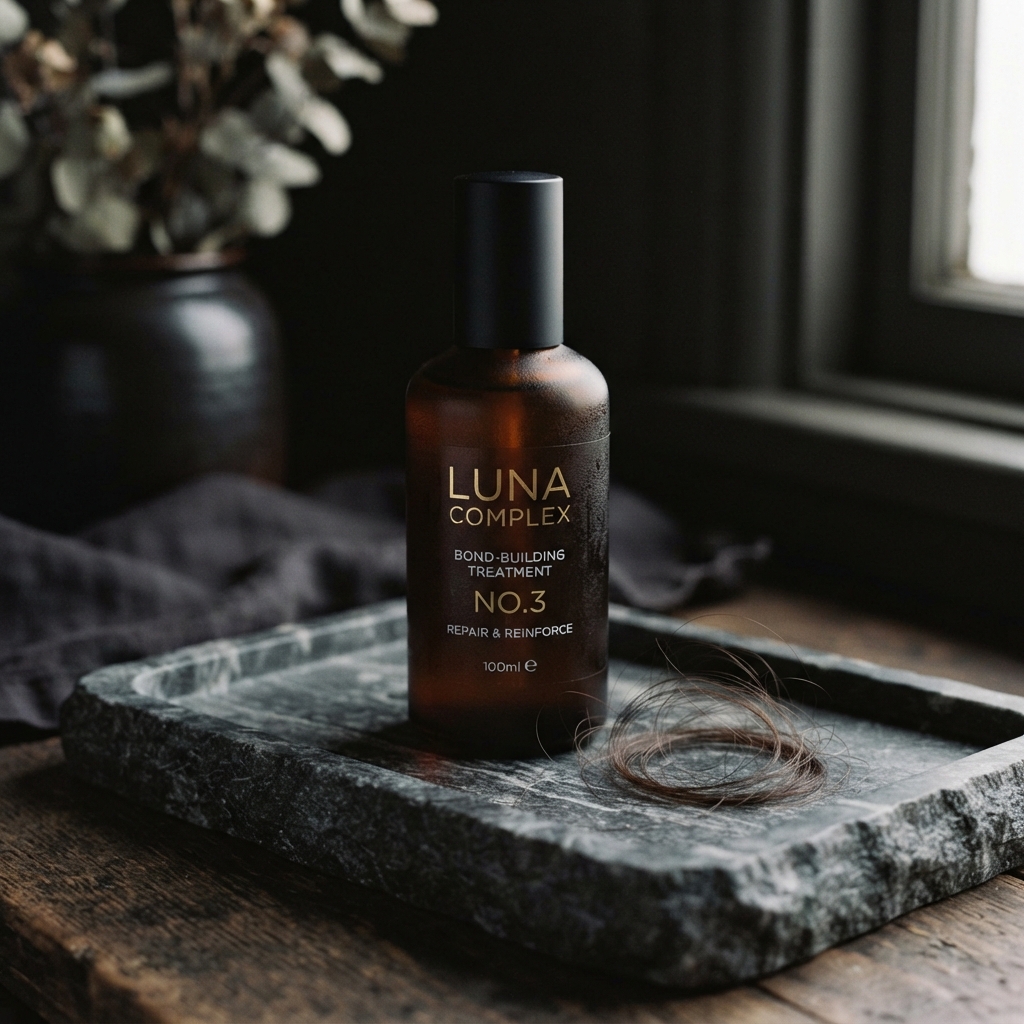
Bond builders repair the links inside the hair that break from bleach, heat, and daily wear. They’re not a moisture product, but they make moisture products work way better.
Coarse hair can handle more than fine hair can, so you’re less likely to overdo it. Still, use them thoughtfully.
- Use once every one to two weeks
- Apply on damp hair after shampoo, before deep conditioner
- Skip it on weeks you use a protein treatment
If your hair feels brittle and snaps despite being well conditioned, a bond builder is probably your missing piece.
Protein vs Moisture: Find Your Balance
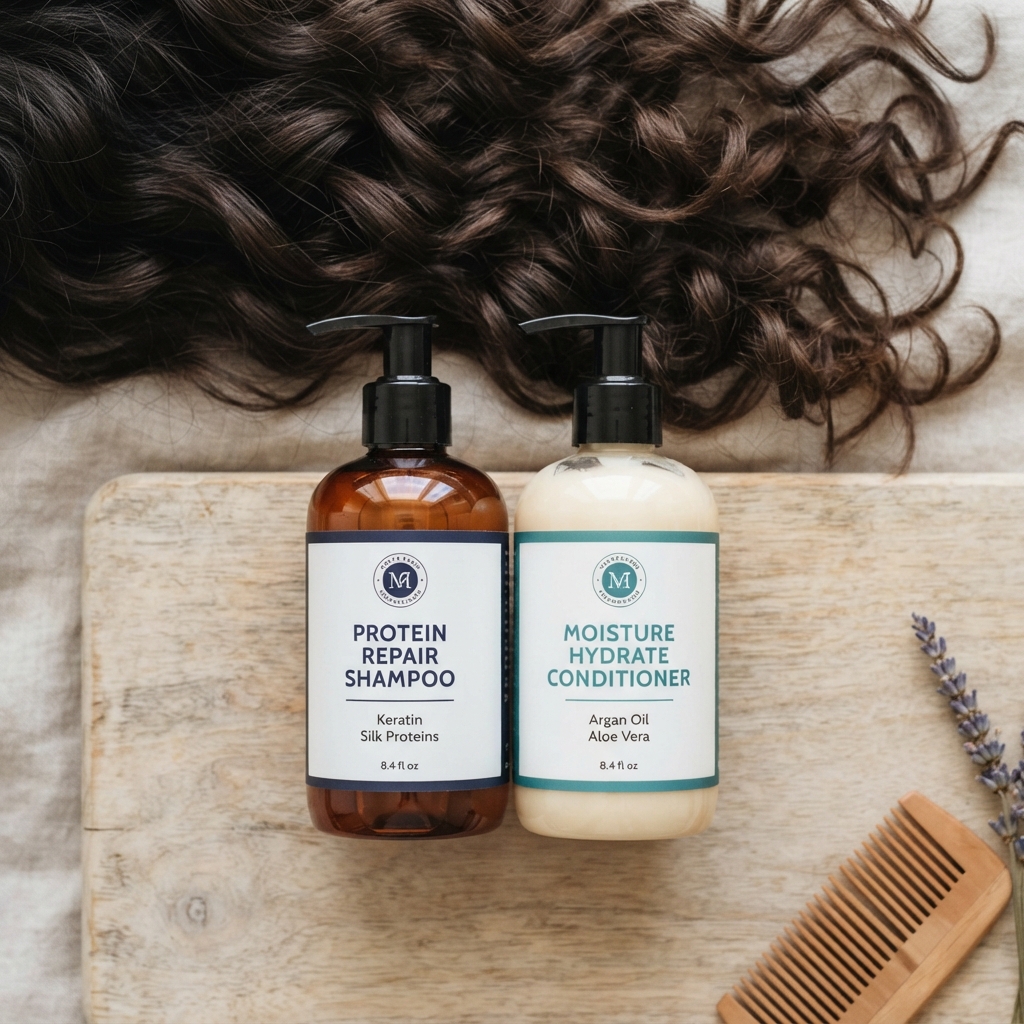
This is the one thing I wish someone had told me years ago. Dry hair is not always thirsty hair. Sometimes it’s actually over-moisturized and needs protein.
Here’s the quick test. Take one wet strand and stretch it.
- Snaps right away: needs moisture
- Stretches forever and feels mushy: needs protein
- Stretches a bit then bounces back: you’re balanced
Most coarse hair is moisture-hungry, so lean that way. Just don’t skip protein completely or your strands get weak and gummy.
Humectants: Glycerin, Honey, and Aloe
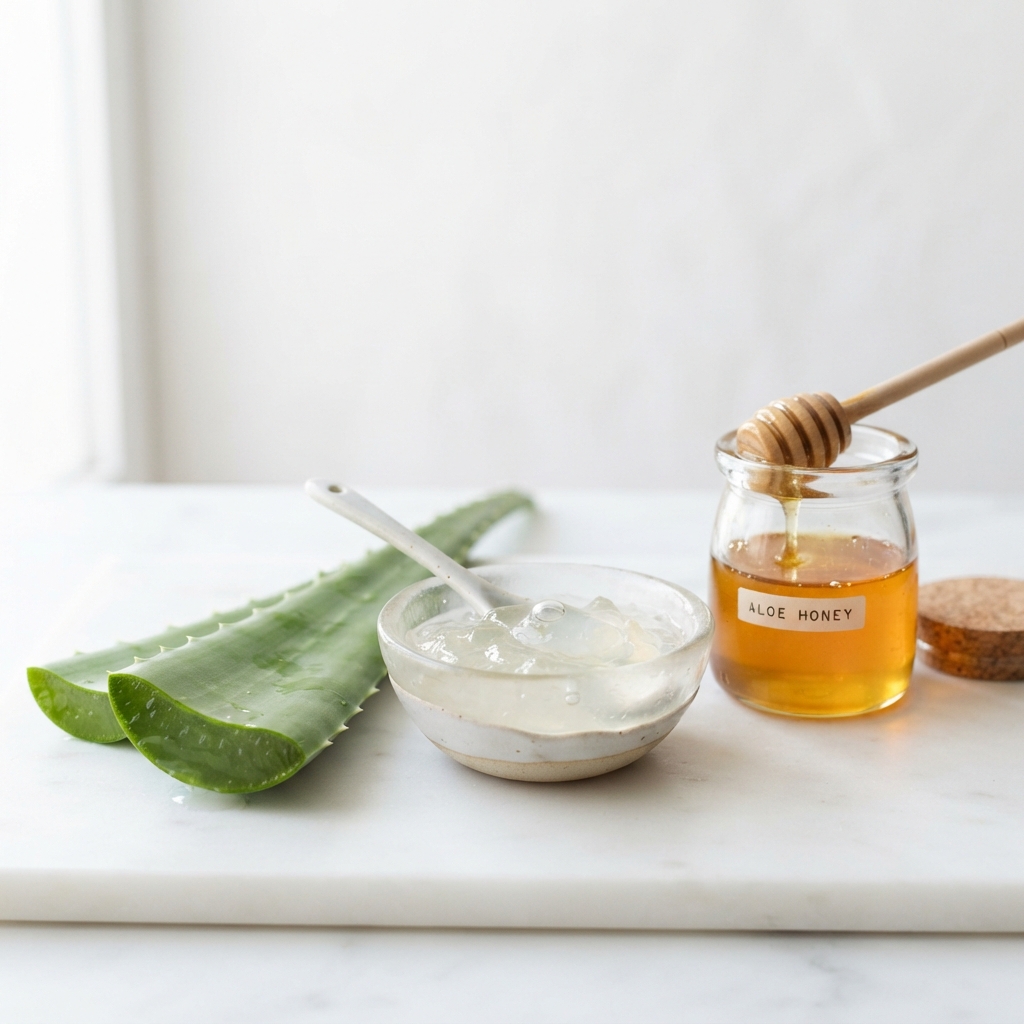
Humectants pull water from the air into your hair. For coarse hair in normal or humid weather, they’re magic.
The catch is dry, cold air. In the winter or in a desert climate, humectants can pull water the other direction, out of your hair. So adjust by season.
- Glycerin: great in summer, watch it in winter
- Honey: softens and adds shine, naturally antibacterial
- Aloe vera: light hydration and soothes an angry scalp
If your hair feels great in July and rough in January, your humectants are probably the reason.
Your Scalp Needs Love Too

Healthy hair starts where it grows. A dry, flaky, or irritated scalp gives you weaker strands, no matter how much conditioner you use.
Coarse hair holds onto natural oils well, so don’t over-wash, but don’t neglect it either.
- Massage your scalp for two minutes on wash day to boost blood flow
- Use a scalp serum with aloe or tea tree if it feels tight
- Never scratch with your nails, use fingertips only
And be honest about buildup. Oils and butters are great on the ends, but layering them near the roots leads to clogged follicles and a scalp that can’t breathe.
Clarifying Shampoo: Use It, But Rarely
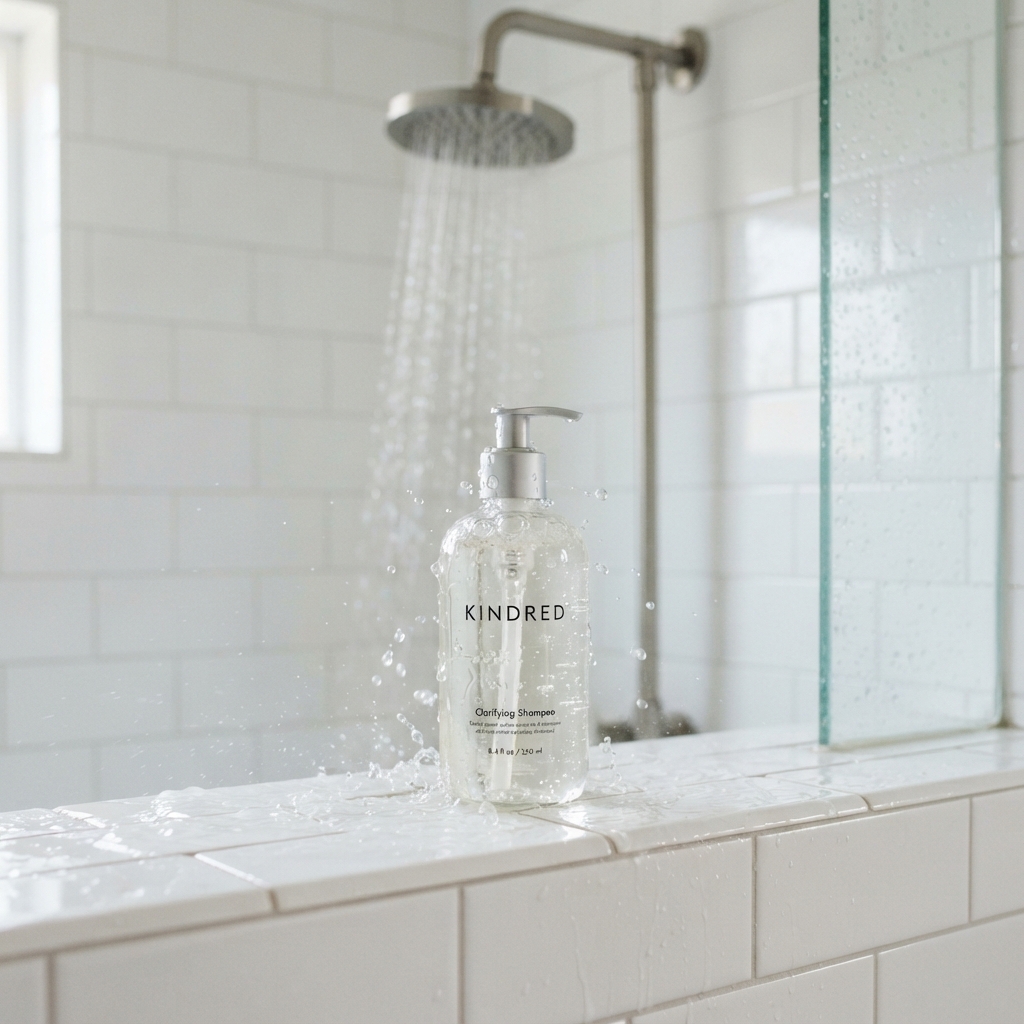
Here’s the thing about all those lovely butters and oils. They build up. When your hair feels coated, dull, or suddenly hard to hydrate, you probably need to clarify, not add more product.
Clarifying shampoo strips everything, so use it with intention.
- Once every three to four weeks for coarse hair
- Always follow with a deep conditioner
- Skip it if you co-wash daily, you may need it more often
Think of it as hitting reset so your products can actually get in again. Coarse hair responds beautifully to a fresh start.
DIY Masks Worth a Sunday
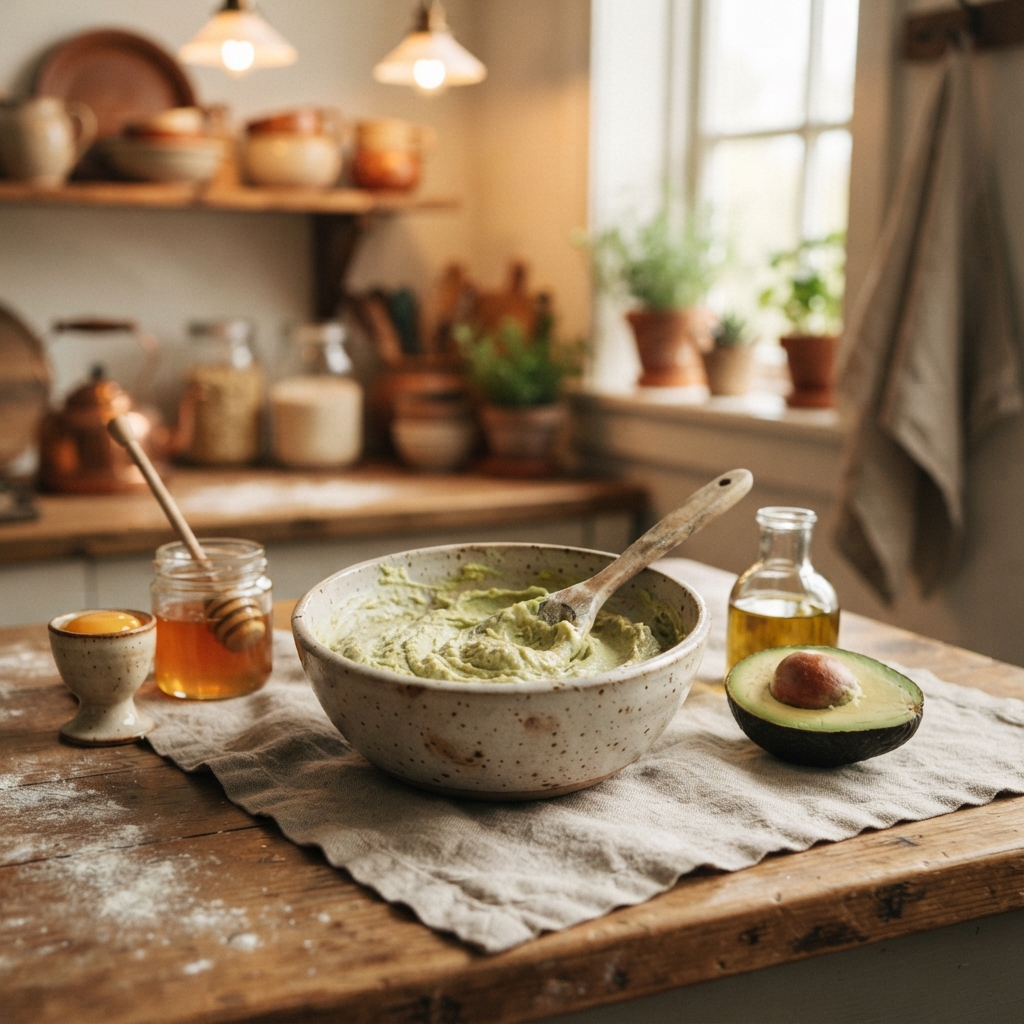
You don’t need a cabinet full of fancy jars. A couple of kitchen staples work wonders on coarse hair when you’re out of deep conditioner.
Try this one:
- Mash half an avocado with two tablespoons of honey
- Stir in one tablespoon of olive oil and a spoon of plain yogurt
- Apply to damp, detangled hair and cover with a cap
- Leave 20 to 30 minutes, then rinse with cool water
Banana and coconut milk is another good one. Just blend it smooth, or you’ll be picking out chunks for a week. Skip anything with lemon or vinegar on dry hair.
The Right Order to Layer Your Products
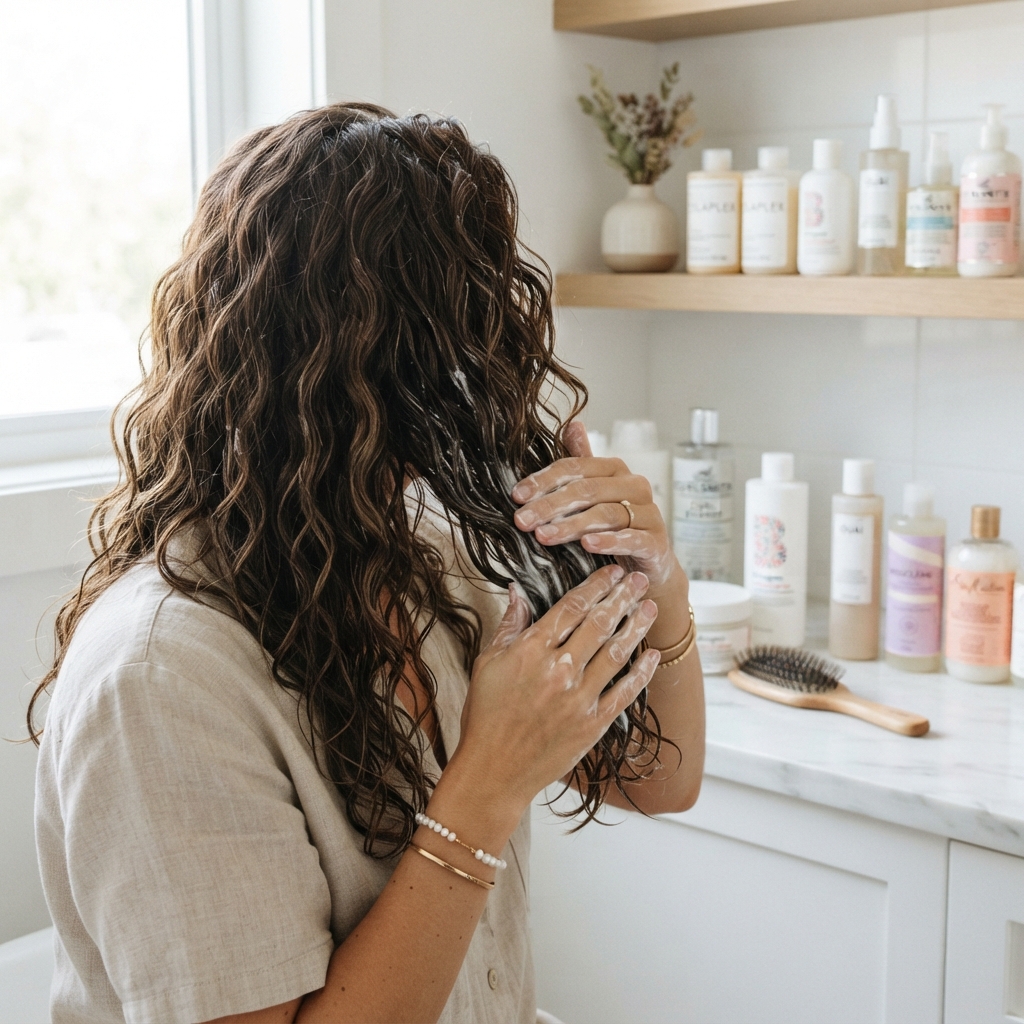
Order matters more than brand. Get this right and cheap products outperform expensive ones used wrong.
Here’s the sequence I follow every single time:
- Cleanse or co-wash
- Deep condition (weekly) and rinse
- Bond builder if you’re using one
- Leave-in conditioner on damp hair
- Cream or butter to seal
- Oil on the ends only
- Heat protectant before any styling
Thinnest to thickest, water-based to oil-based. That’s the whole secret. Once you follow that order consistently, your coarse hair will feel different within two weeks.
Best Picks for Curly, Coarse Hair

If your coarse hair also has a curl pattern, you need products with slip and definition. Curls need moisture to form, and dry curls frizz instead.
What to look for:
- Creamy leave-in with glycerin and shea
- Curl cream or soufflé for definition
- Light oil or serum to scrunch out the crunch
- Sulfate-free shampoo and a co-wash for rotation
Apply everything to soaking wet hair, then use a microfiber towel or cotton tee to dry. Regular towels rough up the cuticle and turn soft curls into frizz every time.
Best Picks for Straight, Coarse Hair
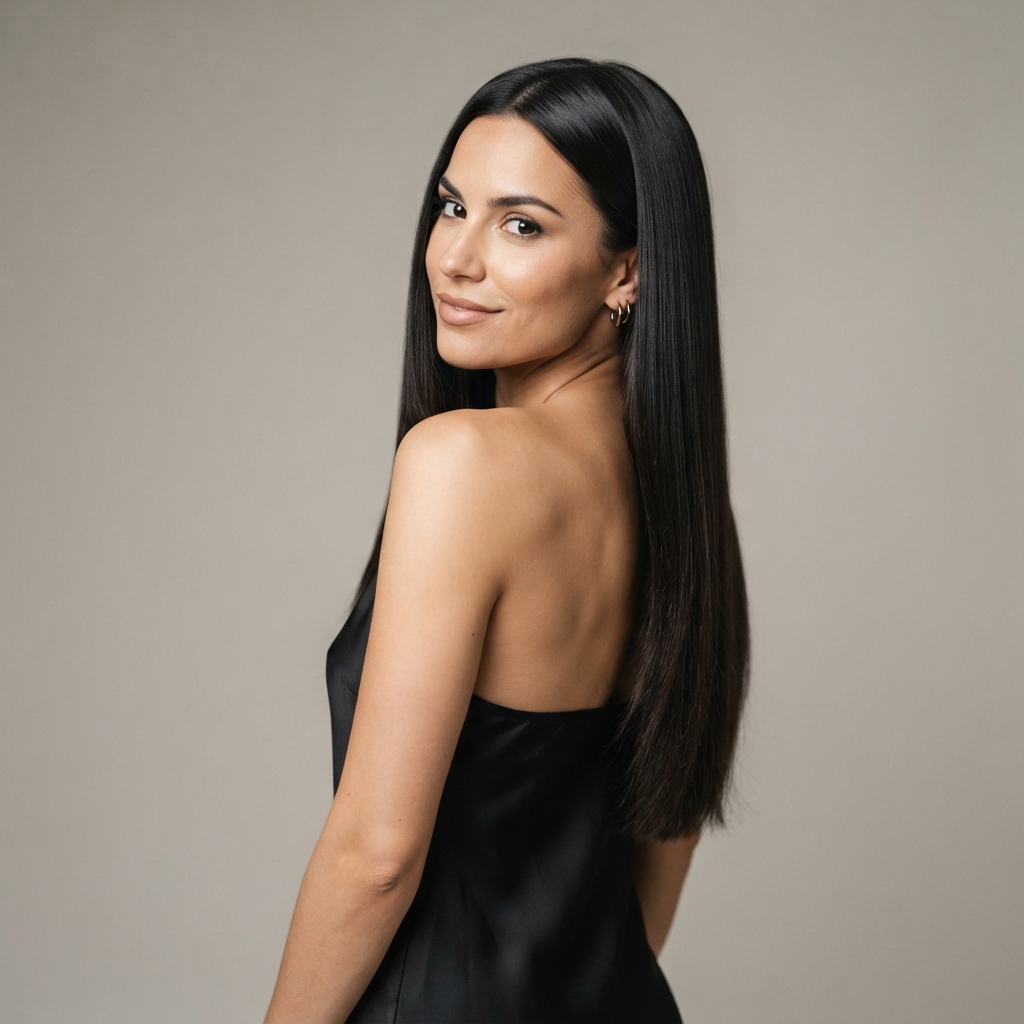
Straight coarse hair has different needs. Too much butter and you get greasy roots with dry ends. The goal is weightless moisture.
Lean toward liquids and serums instead of heavy creams.
- Lightweight leave-in spray or milk
- Argan or squalane serum for shine
- Heat protectant with built-in conditioning
- Dry shampoo for roots between washes
This is also the routine that gives you that polished, glassy finish, the kind you see all over 2026 hairstyles content. The trick is keeping ends hydrated while roots stay clean.
Overnight Treatments and Satin Everything

You lose moisture while you sleep. Cotton pillowcases soak it right up and rough up your cuticle at the same time.
Fix that and half your dryness problem goes away.
- Swap to a satin or silk pillowcase
- Sleep with a loose braid or a satin bonnet
- Apply a little oil or leave-in to ends before bed
- Add a weekly overnight mask if you’re extra dry
An overnight mask is just a rich conditioner left in while you sleep. Cover it with a cap and rinse in the morning for hair that feels brand new.
Budget Picks That Punch Above Their Price
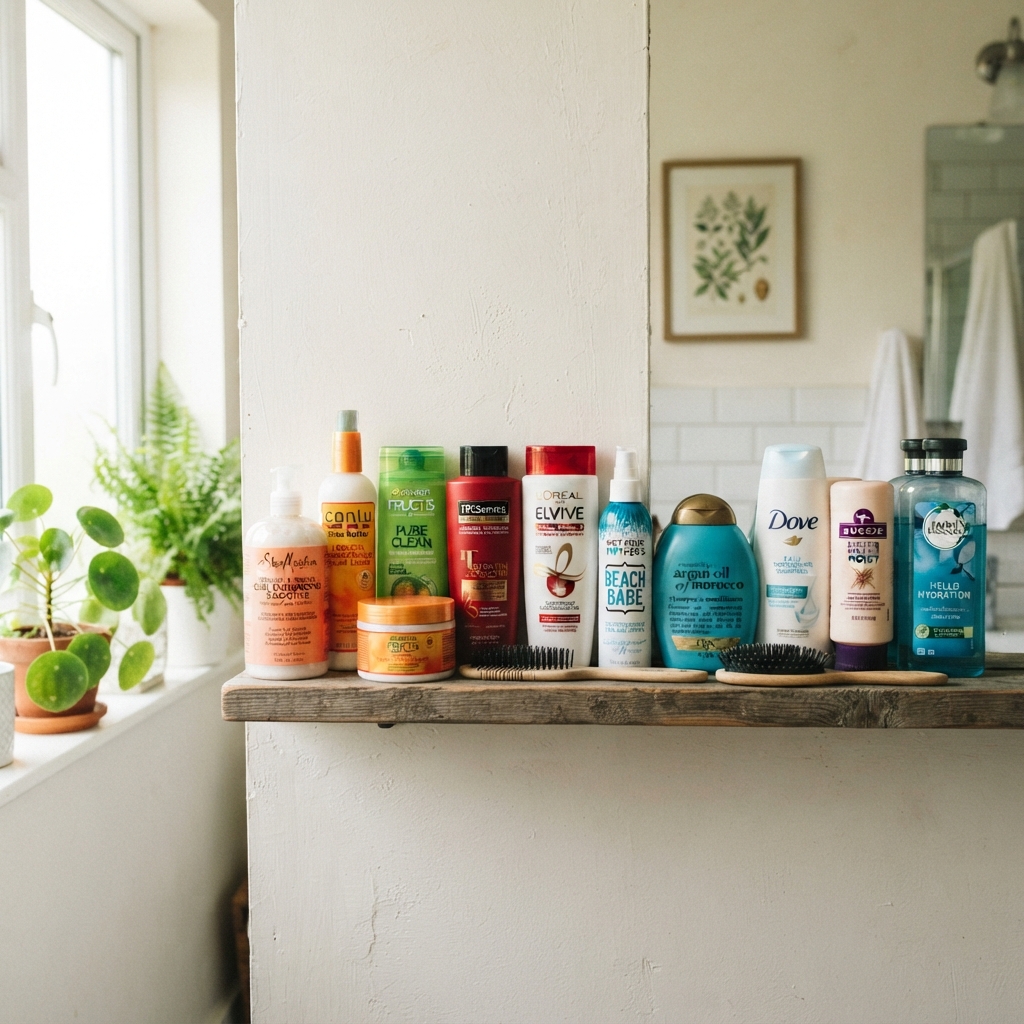
You do not need to spend a fortune. Coarse hair cares way more about ingredients than price tags.
What’s worth buying on a budget:
- Sulfate-free shampoo from the drugstore
- A big tub of deep conditioner, buy the largest size
- 100 percent argan or jojoba oil, not a blend
- Plain glycerin and aloe vera gel to mix into anything
- A silicone-free leave-in cream
The one place I’d spend a little more is heat protectant and bond builders. Those formulas are harder to fake, and the cheap versions often don’t do the job.
Splurge Picks That Are Worth It
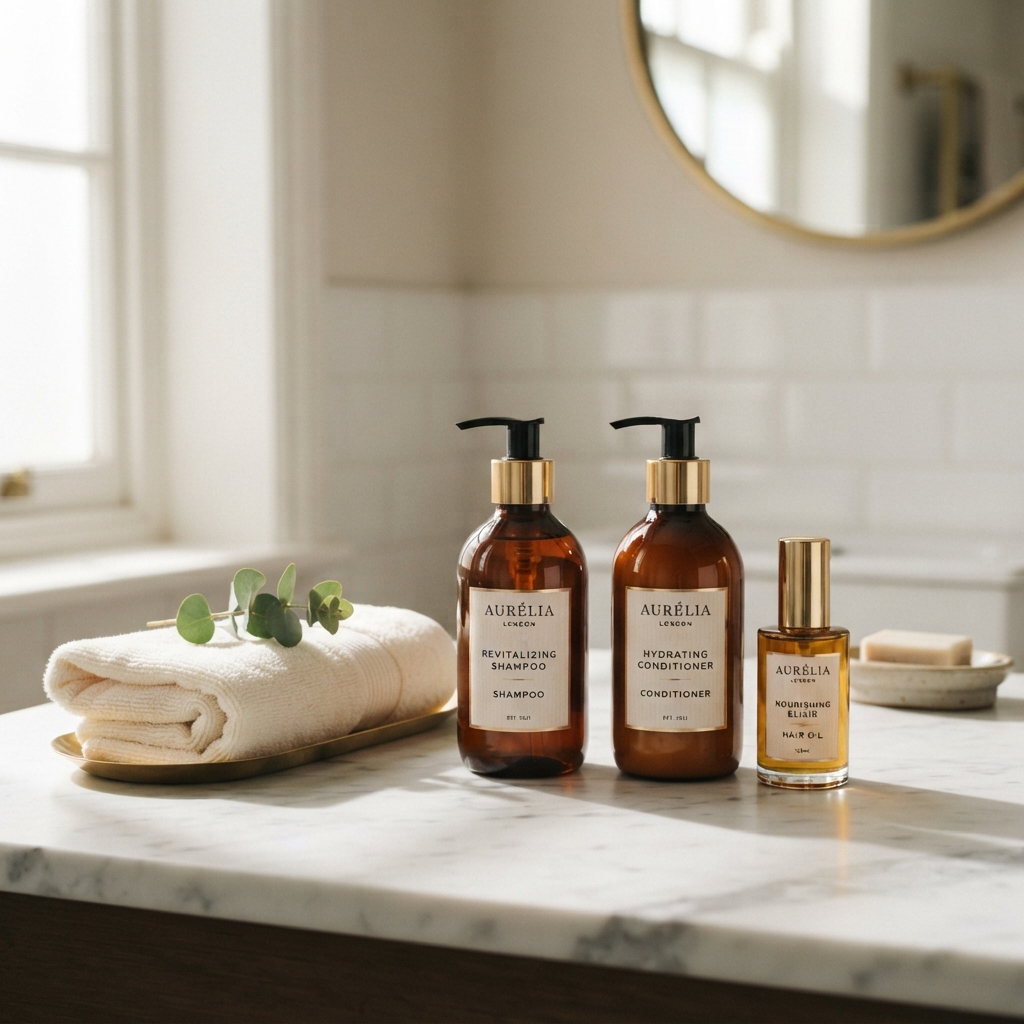
Some things are genuinely better at the higher price. Here’s where I’d put my money if you have room in the budget.
- A salon-grade deep conditioner with real penetration
- A bond-building treatment you use twice a month
- A lightweight luxury hair oil that doesn’t go greasy
- A professional heat protectant you actually enjoy using
The pattern is simple. Spend on treatments, save on cleansers. Shampoo goes down the drain. Treatments stay on your hair and do the work.
How 2026 Hairstyles Change Your Product Lineup
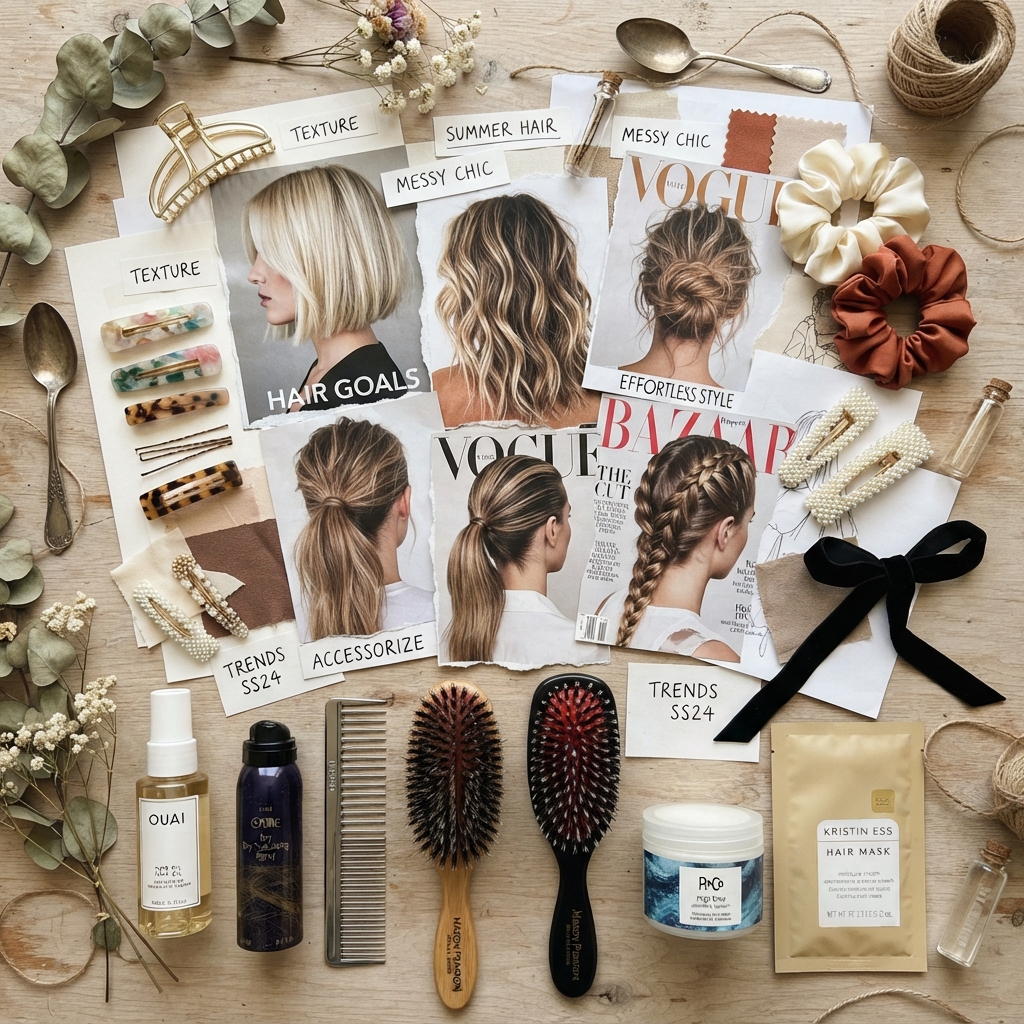
Trends are fun, but they change what your hair needs. If you’re trying the big 2026 hairstyles, adjust your products to match.
- Blunt cuts: ends look better with a smoothing serum
- Layers: keep leave-in on hand for the shorter pieces
- Bleached or highlighted looks: add a bond builder
- Sleek styles: light oils over heavy butters
The cut is only half the look. Hydration is what makes any trend look intentional instead of undone.
Old Money Hair and the Quiet Luxury Bob

You know the look. Healthy, shiny, slightly undone hair that looks like it costs money and doesn’t try hard. That’s old money hair, and coarse hair is honestly perfect for it.
The quiet luxury bob lives on shine and smoothness, not volume. So hydration is the whole game.
- Deep condition weekly for that reflective finish
- Use a light oil or serum on ends for glass-like shine
- Blow dry with a round brush and low heat
- Skip heavy creams that make it look greasy
Coarse hair holds a blunt bob shape better than fine hair ever will. Use that.
Romantic Goth Hairstyles and the Vampire Haircut

Dark, dramatic, and very good for thick hair. Romantic goth hairstyles and the vampire haircut are all about texture and movement, which coarse hair gives you for free.
These looks need softness so they read romantic instead of brittle.
- Deep condition weekly, no skipping
- Use a leave-in cream before air drying
- Add a shine serum to mid-lengths for that glossy finish
- Keep heat low if you’re blowing out long layers
If you’re going jet black, use a color-safe shampoo and a deep conditioner once a week to keep it from going dull.
Glitchy Glam Hair, Asymmetrical Lob, and the Hime Cut

These three trends are everywhere right now, and they all live or die on precision. Dry, frazzled ends ruin the whole effect on an asymmetrical lob or a blunt hime cut.
Glitchy glam hair is the fun one. Think sleek and sharp mixed with unexpected texture, like a wet-look top and a soft wavy base.
- Smoothing serum for blunt lines and edges
- Light gel or pomade for the wet-look sections
- Leave-in and oil for the soft parts
- Bond builder if you’re lightening for the contrast
Keep those blunt ends hydrated and your cut will look salon-fresh for weeks.
Mistakes That Keep Coarse Hair Dry

I made every one of these for years. If your hair stays dry no matter what you buy, check this list first.
- Applying conditioner to soaking wet hair instead of damp
- Rinsing with hot water, which opens the cuticle and lets moisture out
- Skipping heat protectant because you’re “just doing a quick pass”
- Only conditioning once a week and calling it done
- Using a cotton pillowcase
- Brushing dry hair from root to tip
Pick one and fix it this week. Small changes stack up faster than new products.
Your Simple 7-Day Hydration Plan

Here’s what a realistic week looks like. Nothing complicated, just consistent.
- Day 1: Clarify if needed, deep condition, leave-in, air dry
- Day 2: Refresh ends with a little leave-in or water and oil
- Day 3: Co-wash or just rinse, seal ends with oil
- Day 4: Add a light cream to ends, braid or bun it
- Day 5: Co-wash, deep condition if it feels dry
- Day 6: Heatless style, oil on ends before bed
- Day 7: Overnight mask and a satin bonnet
Within two weeks you’ll notice softer ends and way less breakage. That’s your sign it’s working.
A Quick Warm Wrap-Up
Coarse, thick hair isn’t a problem to fix. It just needs water first, then something to hold it in. Gentle cleansing, a weekly deep condition, a good leave-in, and a light seal of oil will do more than a shelf full of products ever could.
Start with the basics, stay consistent for two weeks, and you’ll feel the difference. Then add one thing at a time: a bond builder, a scalp serum, an overnight mask.
You’ve got the best hair type for every trend out there right now, from the quiet luxury bob to the hime cut. Hydration is what makes it all look effortless.
Save this post to Pinterest so you have your product list handy next time you’re restocking, and tell me in the comments which product finally fixed your dry ends. I read every one.
Talk soon,
Hailey and the Team

