

Bleach is one of those things that looks amazing in the salon mirror and feels like straw three weeks later. If your hair is snapping, stretching, or frizzing in ways it never used to, you’re in the right place.
I bleached my hair twice in one year, and I learned the hard way that repair isn’t about one miracle product. It’s about a handful of small habits repeated every single week.
So here’s the honest plan: what to stop doing, what to add in, and how to keep your hair looking good while it heals. No complicated routines, no $80 serums you’ll use twice.
You can absolutely get soft, healthy-looking hair back. Let’s fix it together.
Why Bleached Hair Feels So Damaged
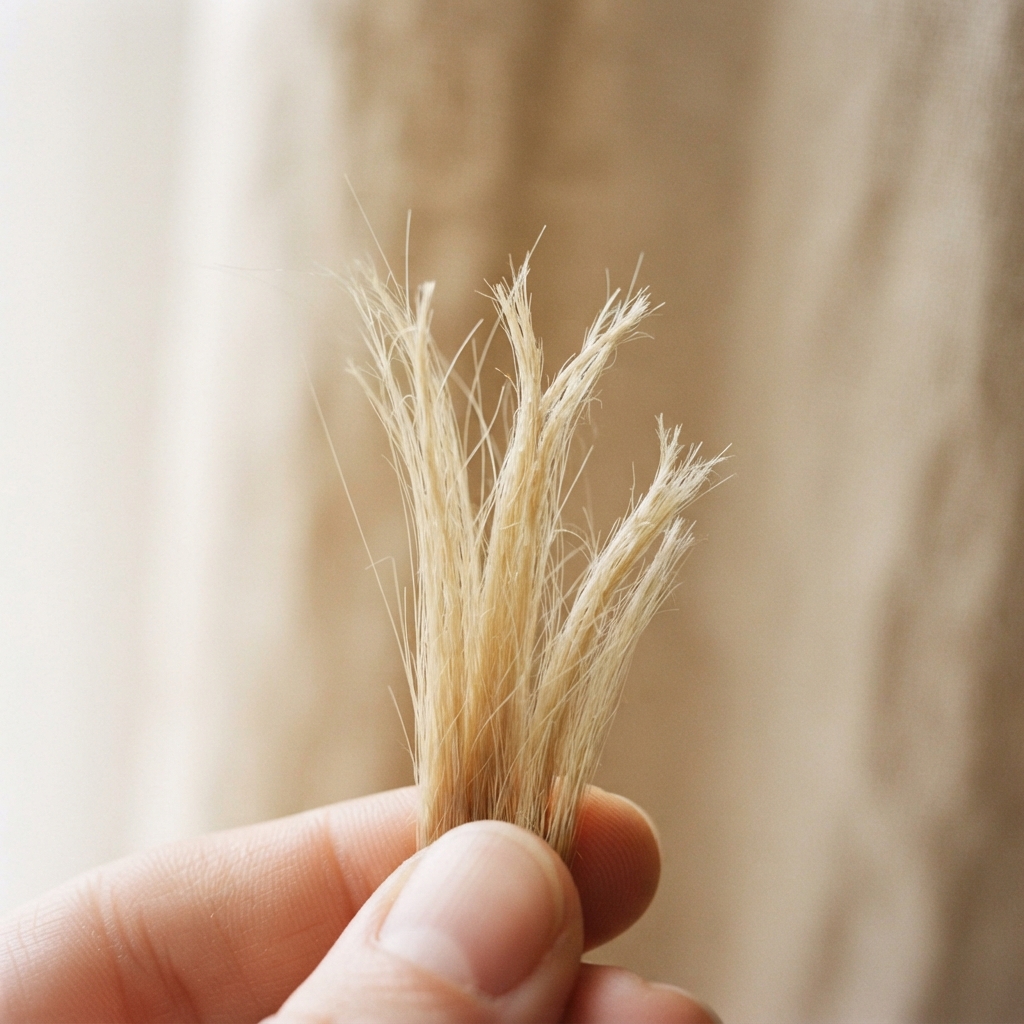
Bleach works by lifting the cuticle so it can pull color out. The problem is that it also pulls out protein and moisture on the way.
Once that outer layer is lifted, it never fully closes again. That’s why bleached hair feels rough, tangles fast, and snaps when you brush it.
Here’s the good part: you can’t un-bleach your hair, but you can smooth the cuticle, replace some protein, and seal moisture in. Most “damaged” hair gets dramatically softer with a steady routine.
First Rule: Stop the Damage Before You Fix It
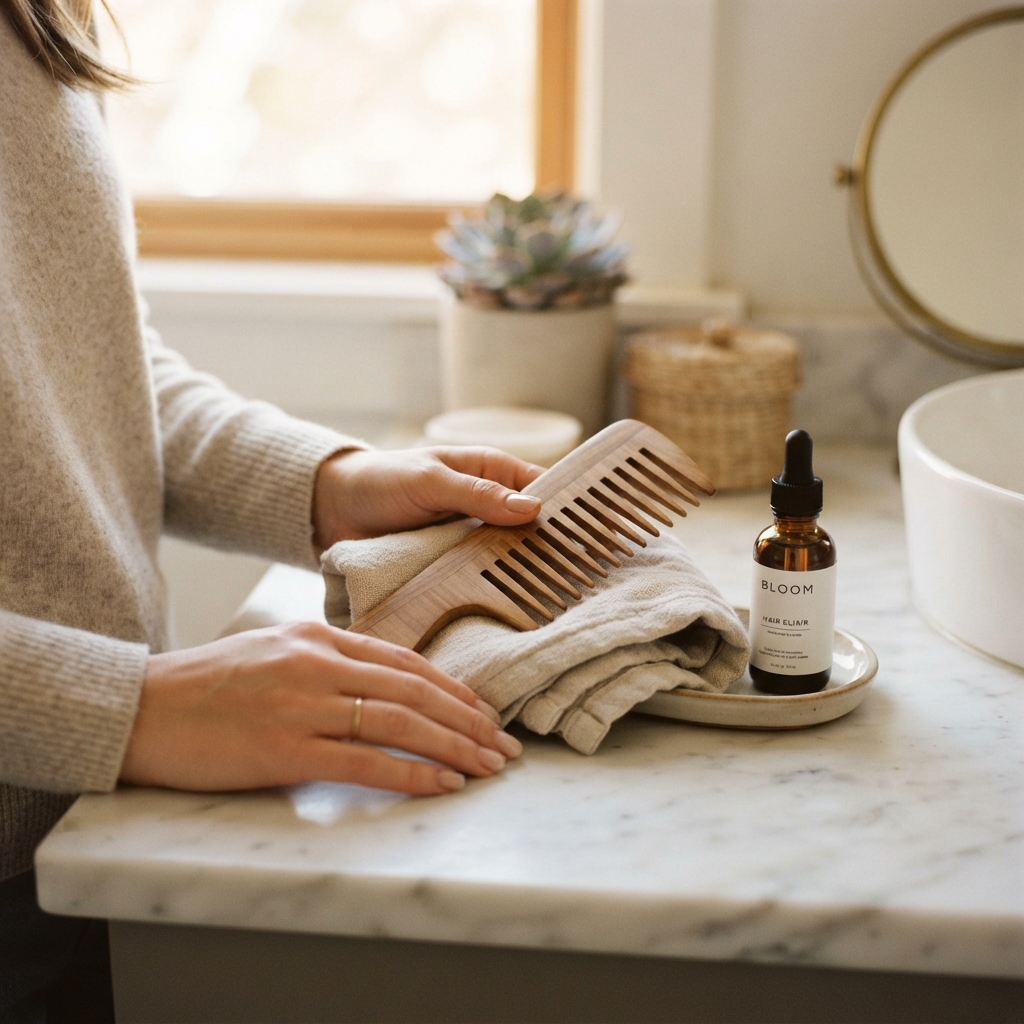
Repair only works if you stop re-injuring your hair. Otherwise you’re pouring water into a bucket with a hole in it.
Pause these for the next 4 to 6 weeks:
- New bleach or lightener touch-ups
- Flat irons and curling wands above 350°F
- Tight ponytails, buns, and elastic bands
- Clarifying or volumizing shampoos
- Brushing your hair while it’s soaking wet
You don’t have to give these up forever. Just let your hair catch its breath first.
The Strand Test That Saves Your Hair
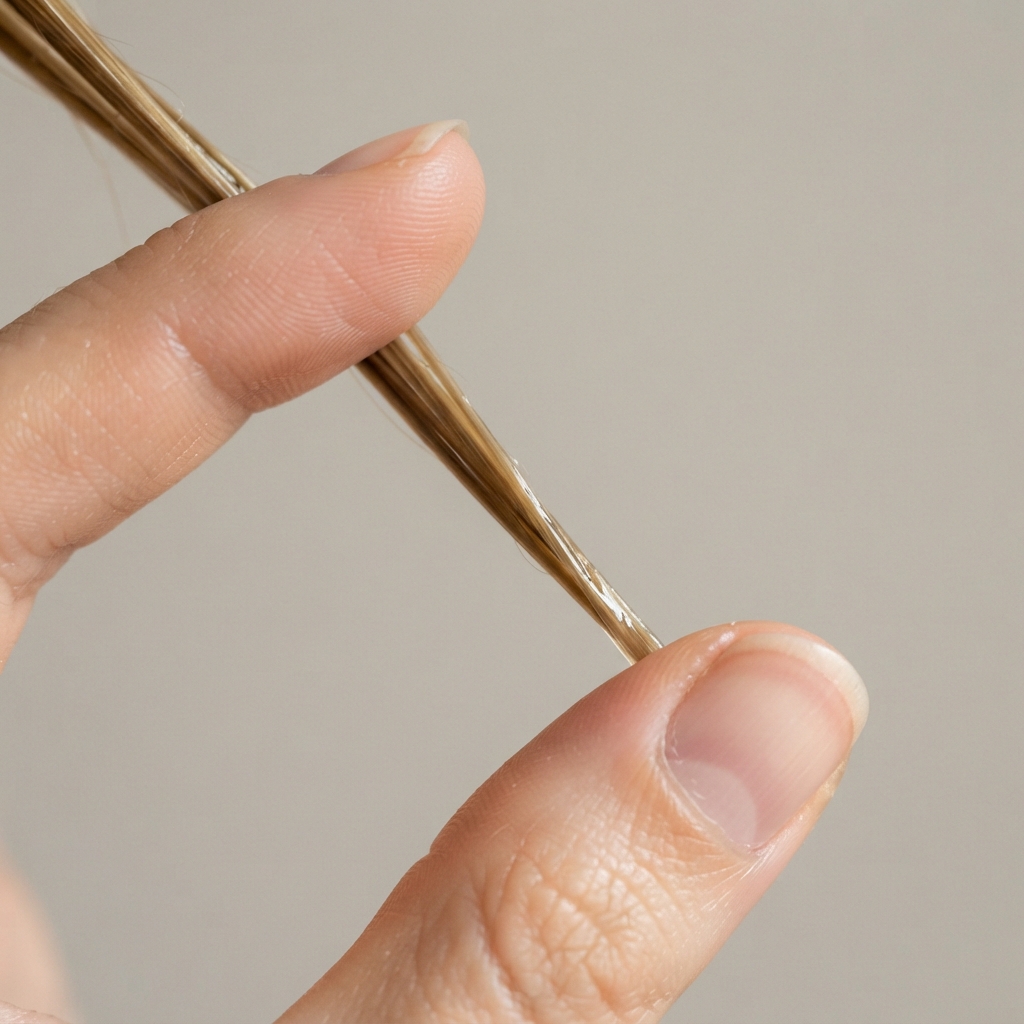
Before you buy anything, test one strand so you know what your hair actually needs.
Here’s how:
- Find a shed strand and wet it.
- Hold both ends and stretch gently.
- Watch what happens.
- Stretches and bounces back — moisture is fine, add protein.
- Snaps right away — you need protein and moisture.
- Stretches forever and stays limp — too much protein, go moisture-only.
Do this every two weeks. It takes 30 seconds and saves you from guessing.
Protein vs. Moisture: The Balance Nobody Explains
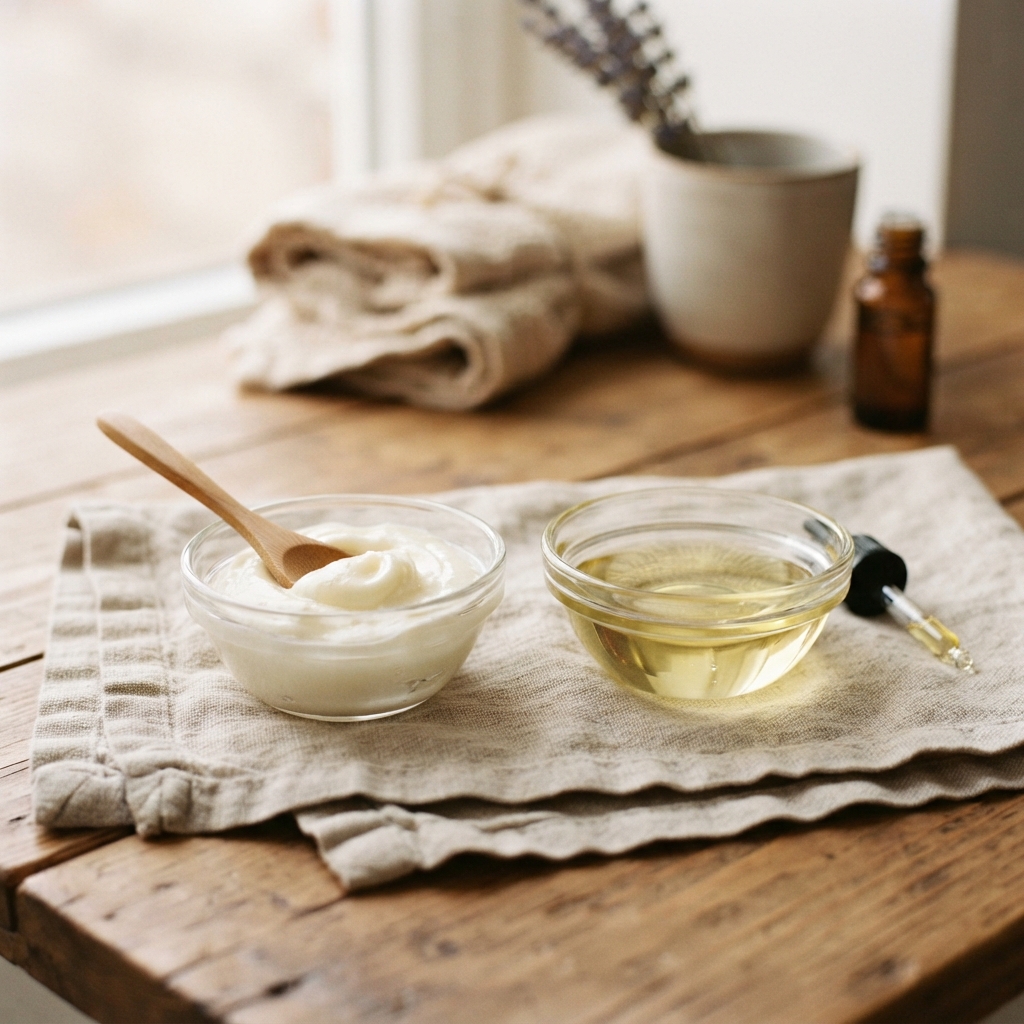
Think of protein as the scaffolding and moisture as the softness. You need both, but not at the same time.
Too much protein makes hair stiff and brittle. Too much moisture makes it stretchy and mushy. Most bleached hair is missing both, so we alternate.
A simple rule I follow:
- One protein treatment every 2 to 3 weeks
- Deep moisture mask once a week
- Light leave-in moisture every wash day
If your hair suddenly feels crunchy, skip protein for a month.
How to Do a Protein Treatment the Right Way

Protein treatments are strong, and strong things need rules.
- Wash with a gentle shampoo and squeeze out excess water.
- Apply from mid-lengths to ends only, never the scalp.
- Leave on 10 to 20 minutes, no longer.
- Rinse cool and follow with a moisturizing conditioner.
Do this every 2 to 3 weeks, not weekly. If your hair feels stiff after, you overdid it.
Look for hydrolyzed wheat, rice, or keratin protein on the label. Those are small enough to actually get in.
Deep Conditioning: Your Weekly Hair Spa

This is the single most important habit for bleached hair. Skip it and nothing else works as well.
Once a week:
- Apply a thick mask to damp, towel-dried hair
- Focus on mid-lengths and ends
- Cover with a shower cap
- Leave 20 to 30 minutes, add gentle heat if you can
- Rinse with cool water to seal the cuticle
Heat helps the cuticle open so the mask absorbs better. A warm towel works fine if you don’t have a cap.
Bond Builders: What They Actually Do
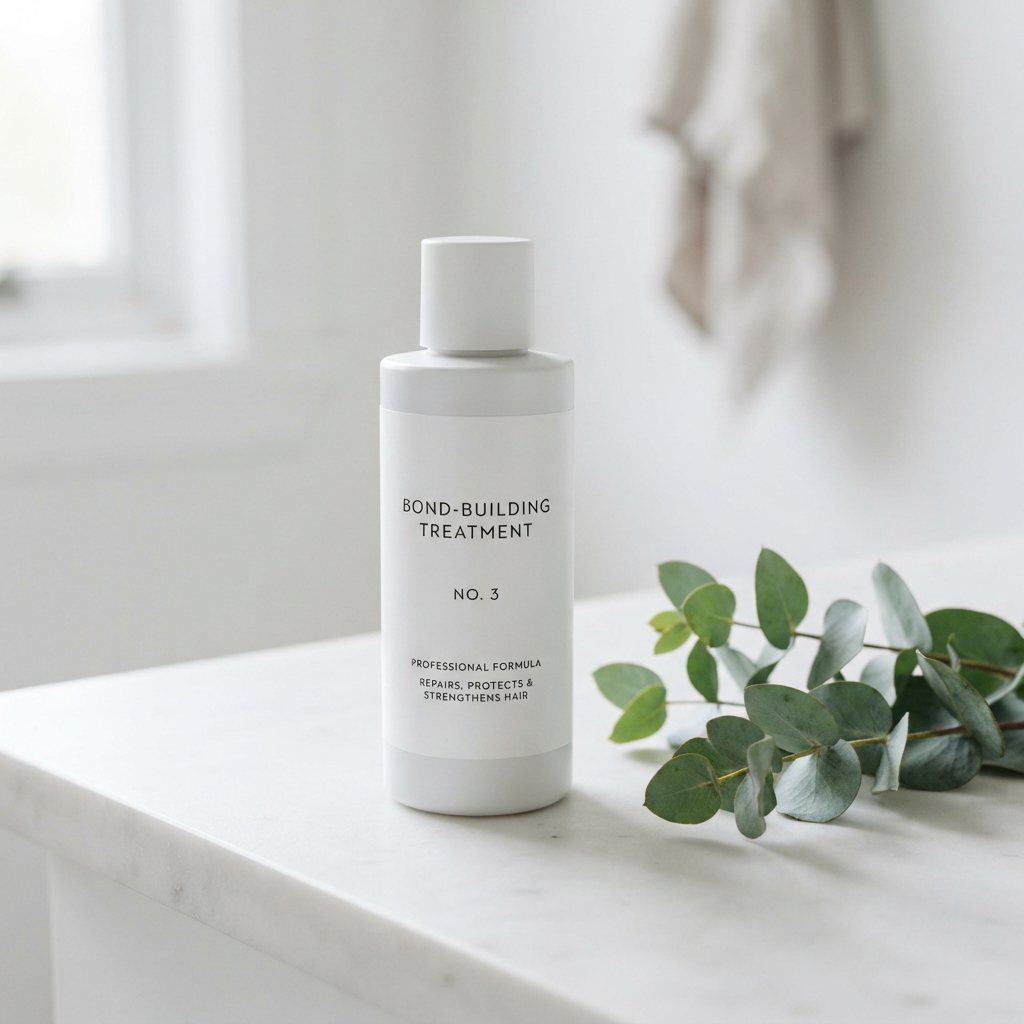
Bond builders repair the internal links in your hair that bleach breaks. They’re not conditioner, and they’re not magic either.
What they’re good at:
- Reducing breakage over time
- Making hair feel stronger when wet
- Helping color-treated hair hold up better
What they won’t do:
- Fix split ends
- Work overnight
- Replace a trim
Use one once a week or as directed. If your hair feels dry after, layer a moisturizing mask on top.
Skip the Shampoo More Often Than You Think
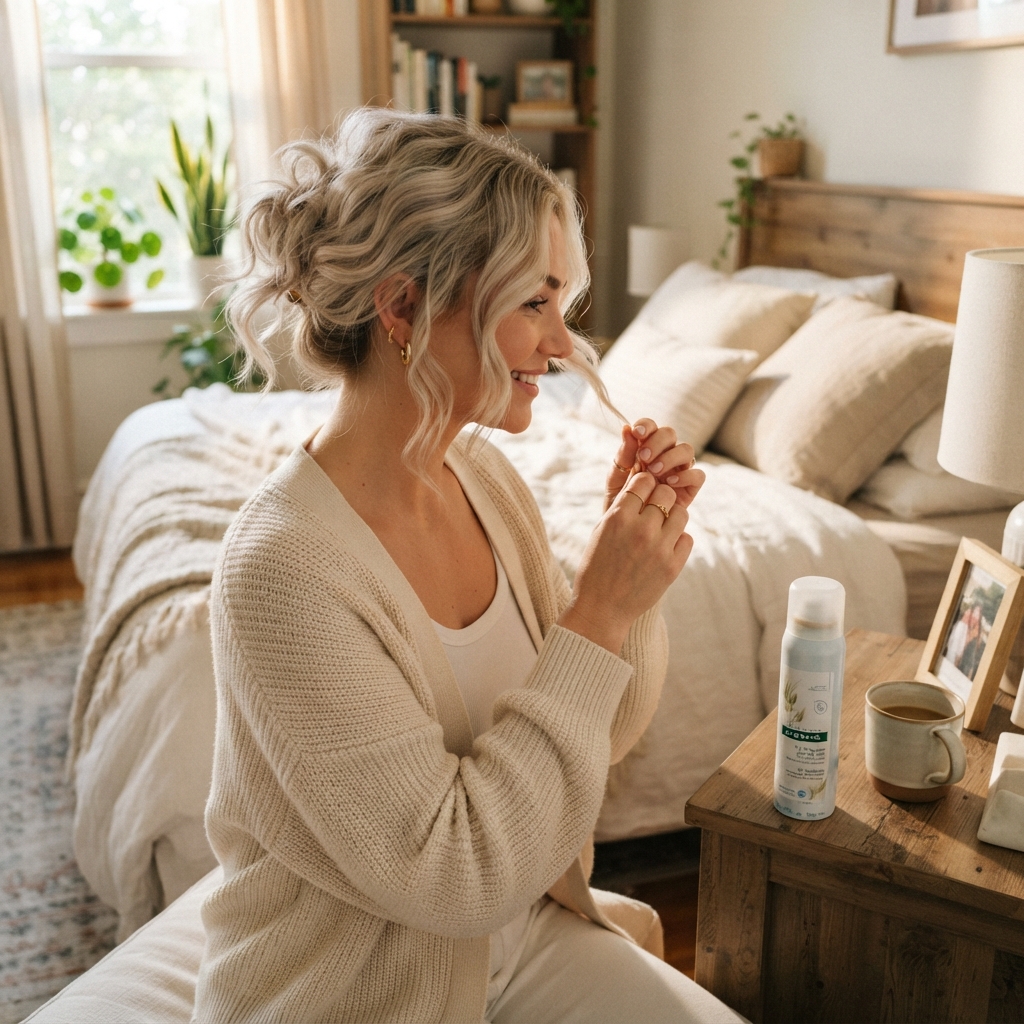
Every wash strips a little more moisture out of bleached hair. So wash less, but wash well.
How often is right?
- Fine or oily roots: every 2 to 3 days
- Normal hair: every 3 to 4 days
- Dry or coarse hair: once a week
On off days, use dry shampoo at the roots, not all over. Brush it through, wait a minute, then style.
Your ends will thank you. Less washing is one of the easiest wins in this whole routine.
The Right Way to Wash Bleached Hair
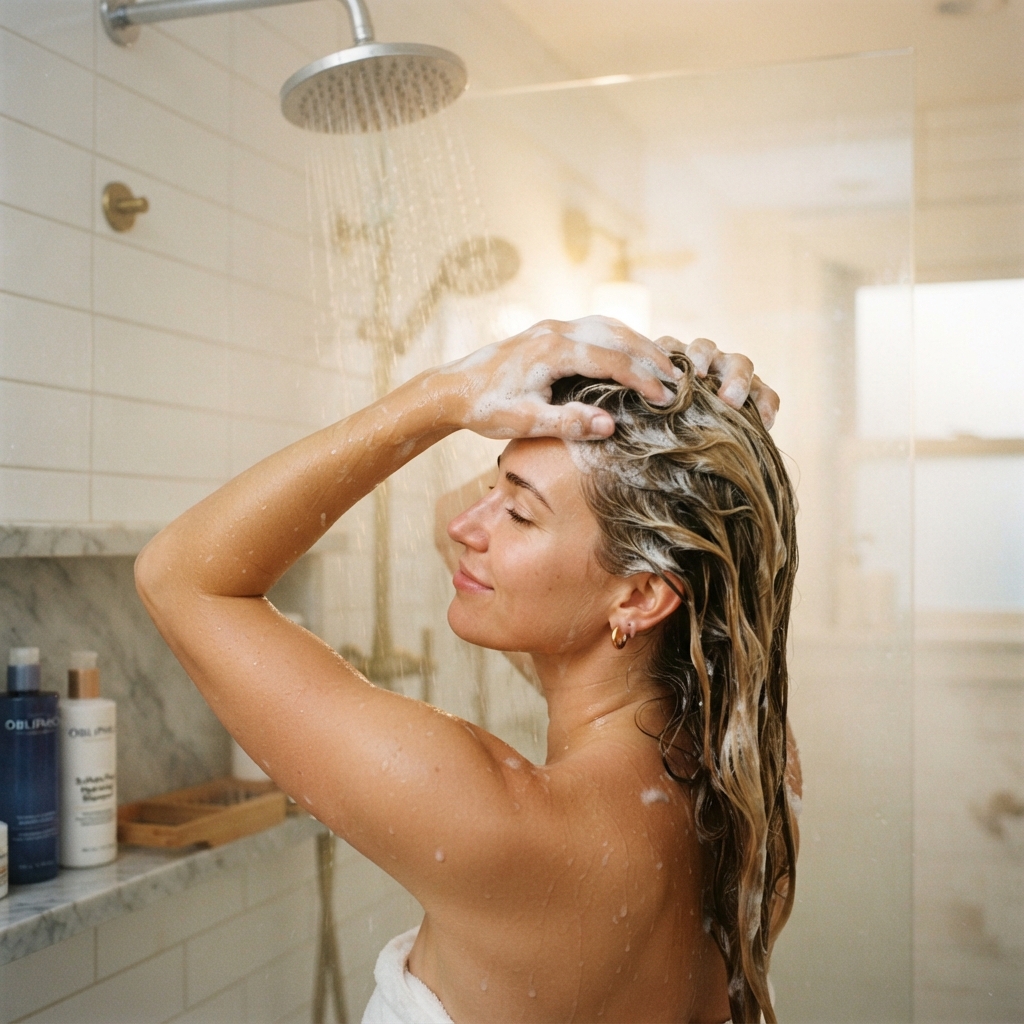
Technique matters more than the bottle. Here’s my wash day routine.
- Wet hair with lukewarm water, never hot.
- Shampoo only the scalp, letting the suds rinse down the ends.
- Conditioner goes from mid-lengths to ends only.
- Detangle with a wide-tooth comb while conditioner is in.
- Rinse cool for 30 seconds to close the cuticle.
Use a sulfate-free, color-safe shampoo. Hot water feels nice and lifts the cuticle right back up.
Heat Tools: The Rules I Wish I Knew Sooner
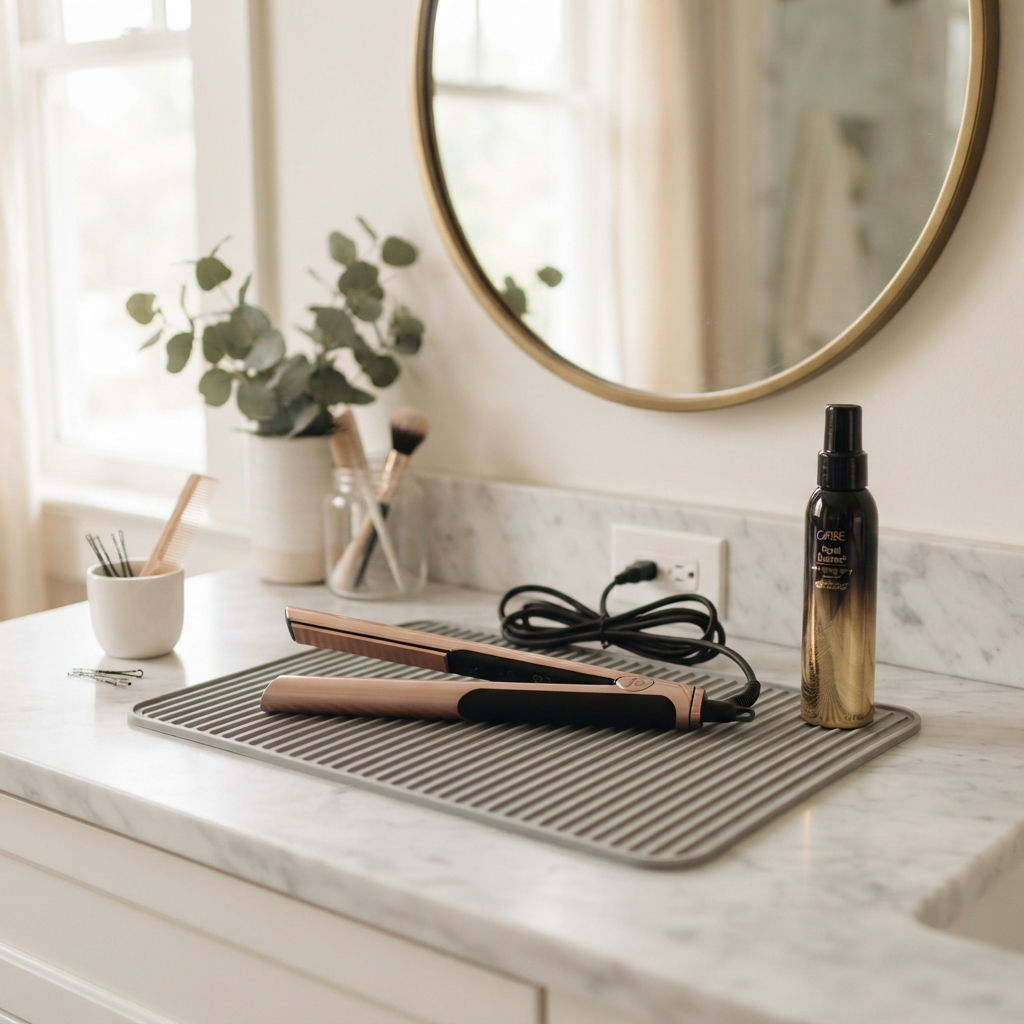
Heat is the fastest way to undo weeks of repair. Not worth it.
If you must use heat:
- Always use a heat protectant, every single time
- Keep tools at 300°F or lower
- Never flat iron wet or damp hair
- Keep the tool moving, no lingering on one spot
- One pass, not five
Try heatless styles on weekdays and save the iron for weekends. Your hair holds up way longer when it gets breaks.
Air Drying Without the Frizz

Air drying is free repair time. You just have to do it right.
- Swap your terry towel for microfiber.
- Squeeze, don’t rub.
- Apply leave-in or a light oil to damp ends.
- Comb once with a wide-tooth comb, then leave it alone.
- Let it dry 70 percent, then finish with cool air if you want smoothness.
If your hair frizzes, add a tiny bit of serum to the ends while it’s still damp. Don’t touch it while it dries.
Trims Are Not Failure
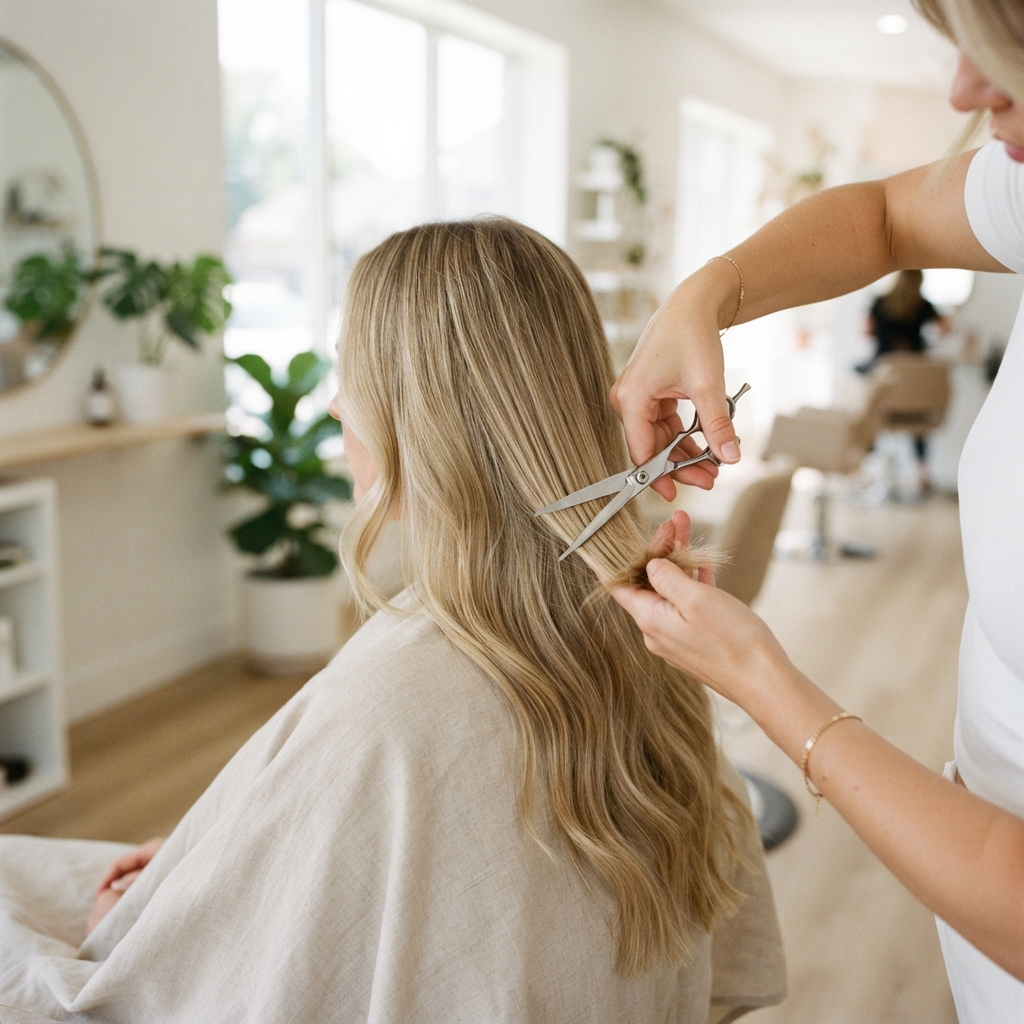
Split ends don’t heal. They travel up the strand and take healthy hair with them.
A dusting every 6 to 8 weeks keeps the damage from spreading. You don’t have to lose length, just the frayed tips.
Ask your stylist for a “dusting” or “micro trim” and be clear that you’re growing it out.
So many people avoid trims, get more breakage, and end up cutting way more off later. Get the small trim. Keep the length.
Overnight Treatments That Actually Work

You have 8 hours. Use them.
- Silk or satin pillowcase — less friction, less breakage
- Light oil on the ends before bed
- Loose braid to prevent tangles
- Silk scrunchie, never a tight elastic
A real overnight mask once a week is great too. Just don’t sleep in heavy protein. That’s a recipe for crunchy hair.
This is the laziest repair step and honestly one of the most effective.
Scalp Care Matters Too

Healthy hair grows from a healthy scalp. Bleach irritates the scalp more than we admit.
Keep it simple:
- Massage your scalp 2 minutes a day, no oil required
- Use a gentle scalp serum if it’s flaky or tight
- Avoid scratching or picking at scabs
- Don’t put protein or heavy oils directly on the scalp
If your scalp burns, itches constantly, or oozes, see a dermatologist. That’s not a hair care problem.
Hair Mask vs. Deep Conditioner vs. Leave-In
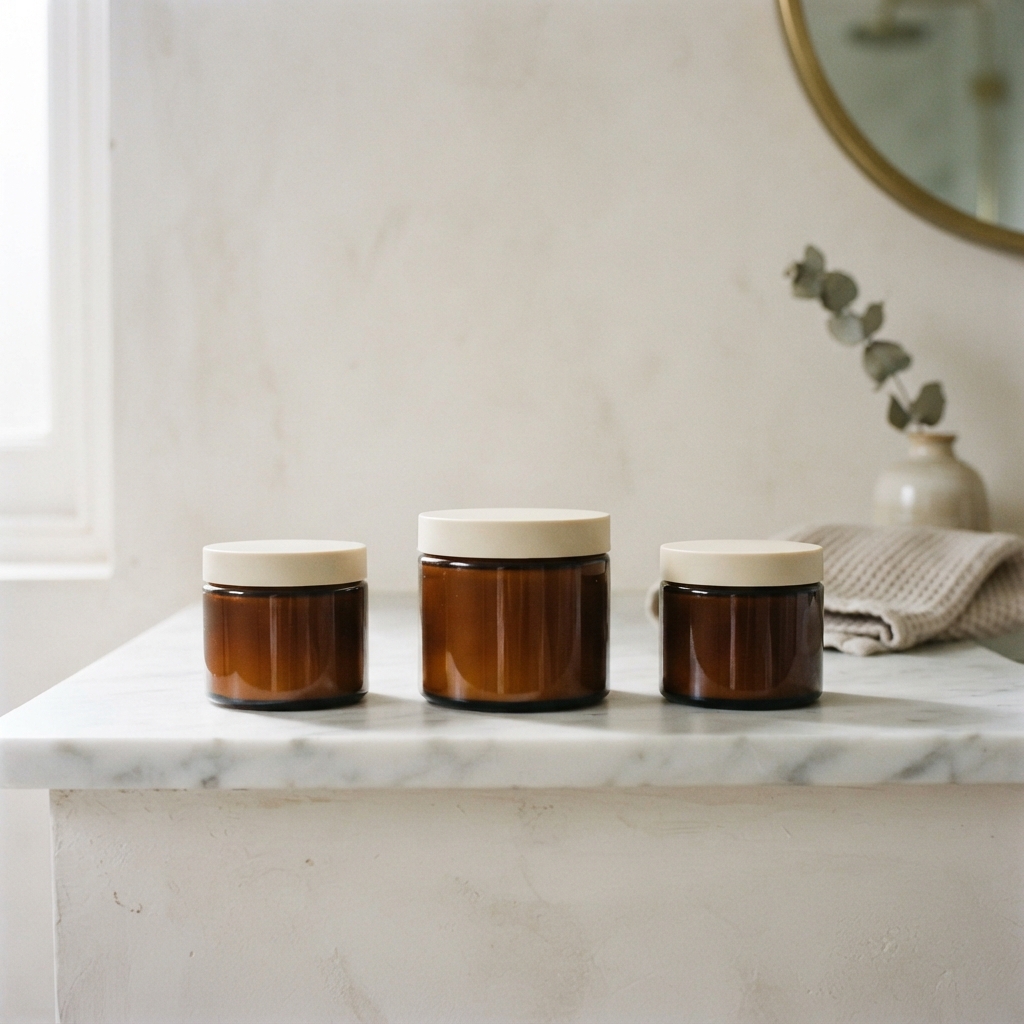
They’re not the same thing, and using them correctly makes a big difference.
- Deep conditioner — rinse-out, 5 to 15 minutes, weekly moisture boost
- Hair mask — thicker, 20 to 30 minutes, more intensive treatment
- Leave-in — stays in, light daily moisture and detangling
You can layer a leave-in on top of a mask for extra softness. Just keep the layers light so hair doesn’t feel weighed down.
Ingredients to Avoid When Your Hair Is Fried
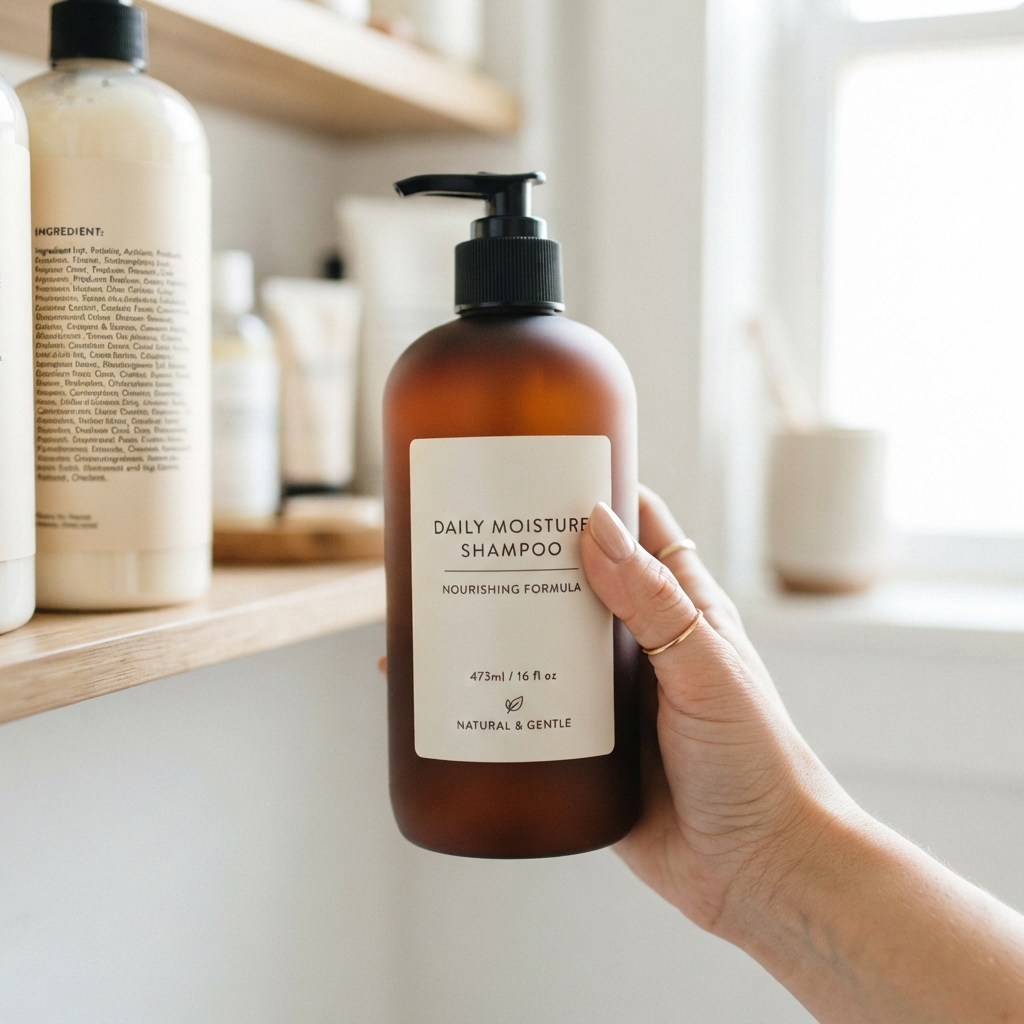
Read the label. It’s boring and it genuinely helps.
- Sulfates — too stripping for fragile hair
- Alcohol high on the list — drying over time
- Harsh preservatives — tough on damaged strands
- Heavy silicones as your only moisture source — they coat but don’t repair
Silicones aren’t evil. They’re just a bandage, not a treatment. Use them for shine and smoothness, but still do your masks.
How to Style Damaged Hair Without Making It Worse
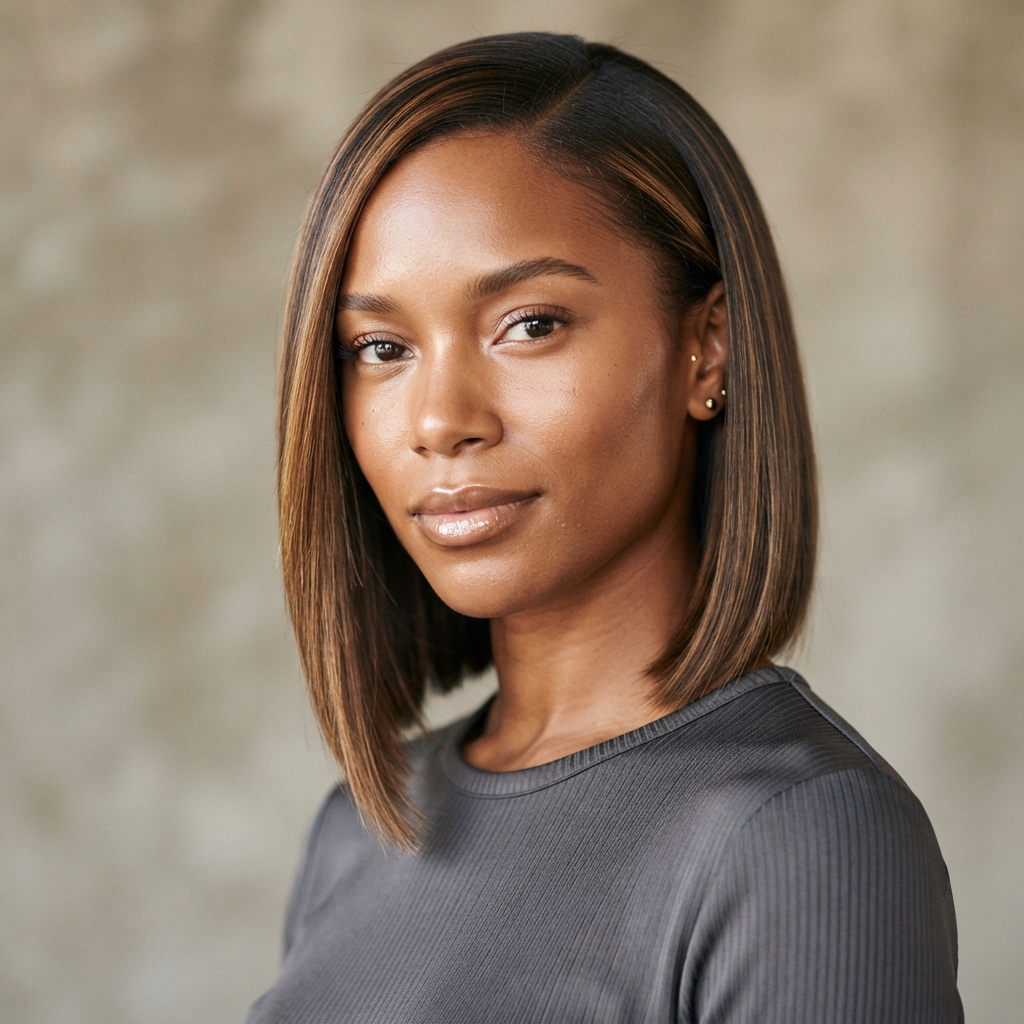
You still get to look good while your hair heals. The key is styles that need less heat and less tension.
Some of my favorites right now in the 2026 hairstyles world:
- An asymmetrical lob — shorter on one side, hides uneven breakage
- A hime cut — blunt sides with a longer back, looks intentional and polished
- Soft waves from braids instead of a curling iron
Slick the roots, leave the ends loose, and nobody will know your hair is in recovery mode.
Protective Styles That Look Expensive

Old money hair is basically low-effort hair that looks expensive. Perfect for damaged strands.
Try:
- A quiet luxury bob with a soft bend, worn smooth
- Low, loose chignon with a middle part
- Silk scarf headband for a polished finish
- Claw clip twist that keeps ends tucked away
These styles need almost no heat, hide rough ends, and look intentional. Bonus: they protect your hair while it grows out.
Cute Ways to Hide Damage While You Grow It Out

This is my favorite part. Damage doesn’t have to mean boring hair.
- Romantic goth hairstyles — soft dark waves, braids, velvet ribbons, all gentle on fragile ends
- Vampire haircut — face-framing layers with a longer back, looks sharp and modern
- Glitchy glam hair — messy texture, accessorized clips, undone on purpose
Texture is your friend when ends are rough. Messy reads as styled, not damaged. Add clips, scarves, or a strong part and you’re set.
Food and Water: The Boring Stuff That Works

Hair is built from what you eat. Bleached hair needs the good stuff even more.
- Protein: eggs, fish, chicken, beans, Greek yogurt
- Iron: spinach, lentils, red meat
- Omega-3s: salmon, walnuts, flaxseed
- Biotin and zinc: nuts, seeds, whole grains
And drink water. Lots of it. Dehydrated hair starts from the inside.
No supplement beats real food and 7 hours of sleep. Boring, but true.
How Long Does Repair Actually Take?
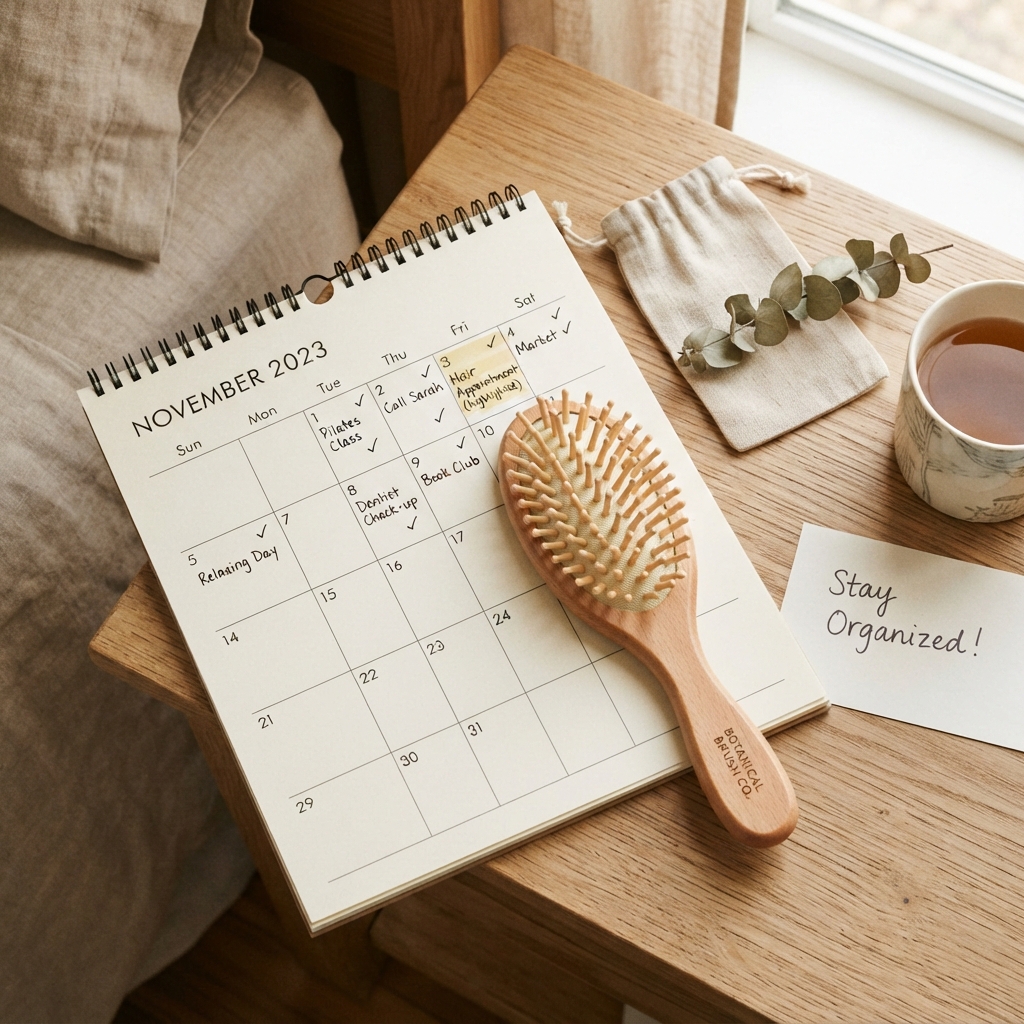
Here’s the honest timeline, no fluff.
- 1 to 2 weeks: hair feels softer after consistent masking
- 4 to 6 weeks: noticeably less breakage, easier detangling
- 3 to 6 months: real structural improvement, new healthy growth
Already-split ends won’t repair. They need scissors. Everything above that can absolutely improve.
Be patient with yourself. Bleach damage took months to create, so give it months to improve.
When to See a Professional
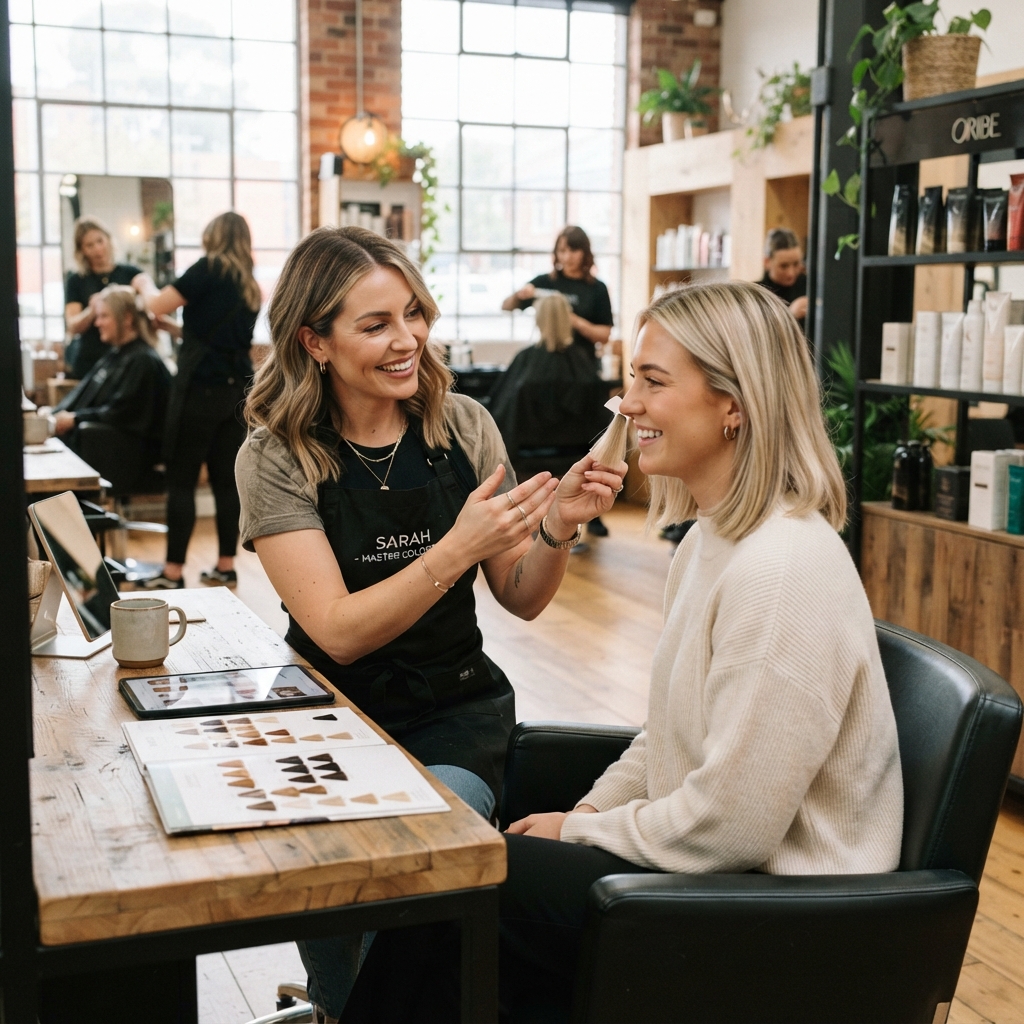
Some things are better handled by a pro, and that’s not a failure.
Book an appointment if:
- Your hair breaks off at the root or in chunks
- You have scabs, burns, or constant scalp pain
- Your hair stretches like gum when wet
- You want to go back to a color closer to your natural shade
A good stylist can blend, gloss, and reshape what you have so it looks intentional while it grows. Ask for a consultation, not just a cut.
Your Simple Weekly Repair Routine
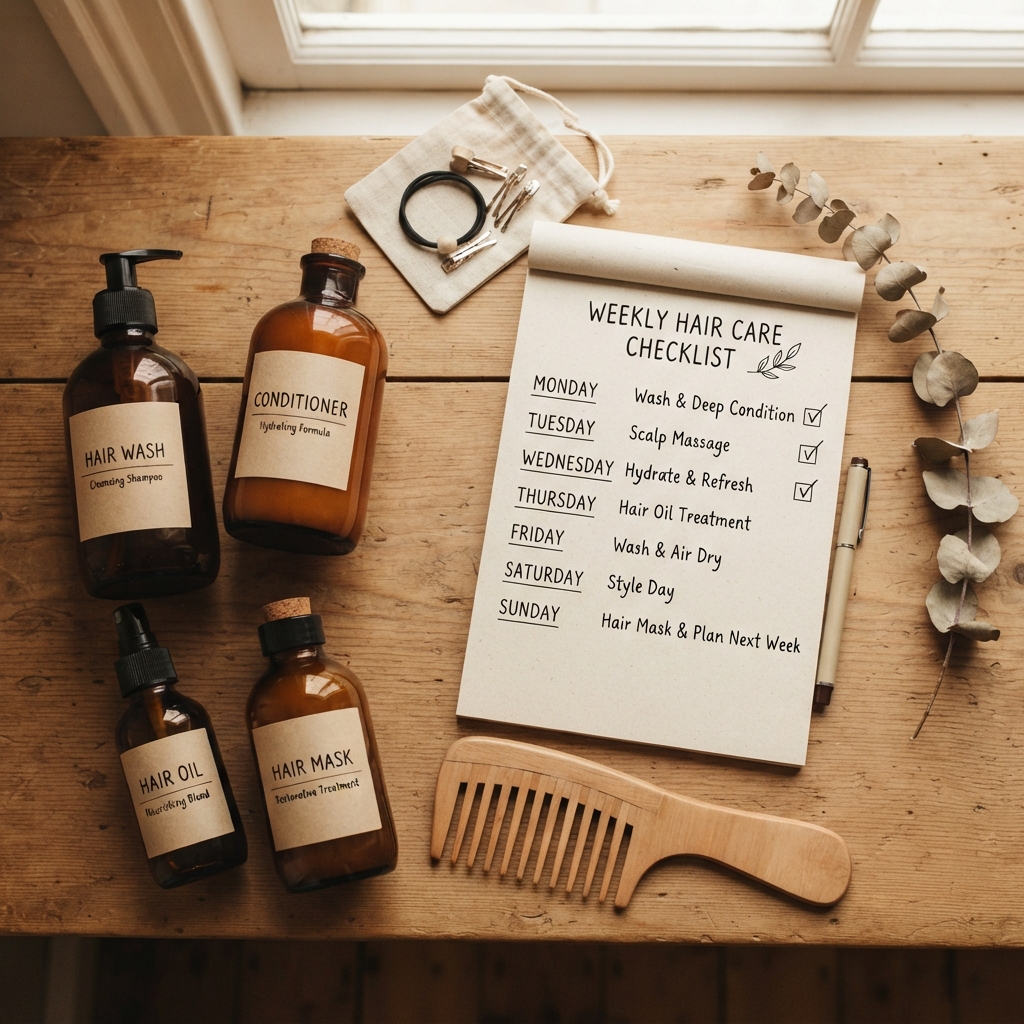
Here’s the whole thing in one place. Keep it on your phone.
- Sunday: Wash, mask, cool rinse, leave-in
- Monday: Loose style, no heat
- Tuesday: Scalp massage, oil the ends
- Wednesday: Wash day, deep conditioner
- Thursday: Braid or clip style, no heat
- Friday: Protein treatment (every other week)
- Saturday: Braids before bed, silk pillowcase
Adjust to your hair type, but keep the rhythm.
Mistakes That Slow Down Your Progress
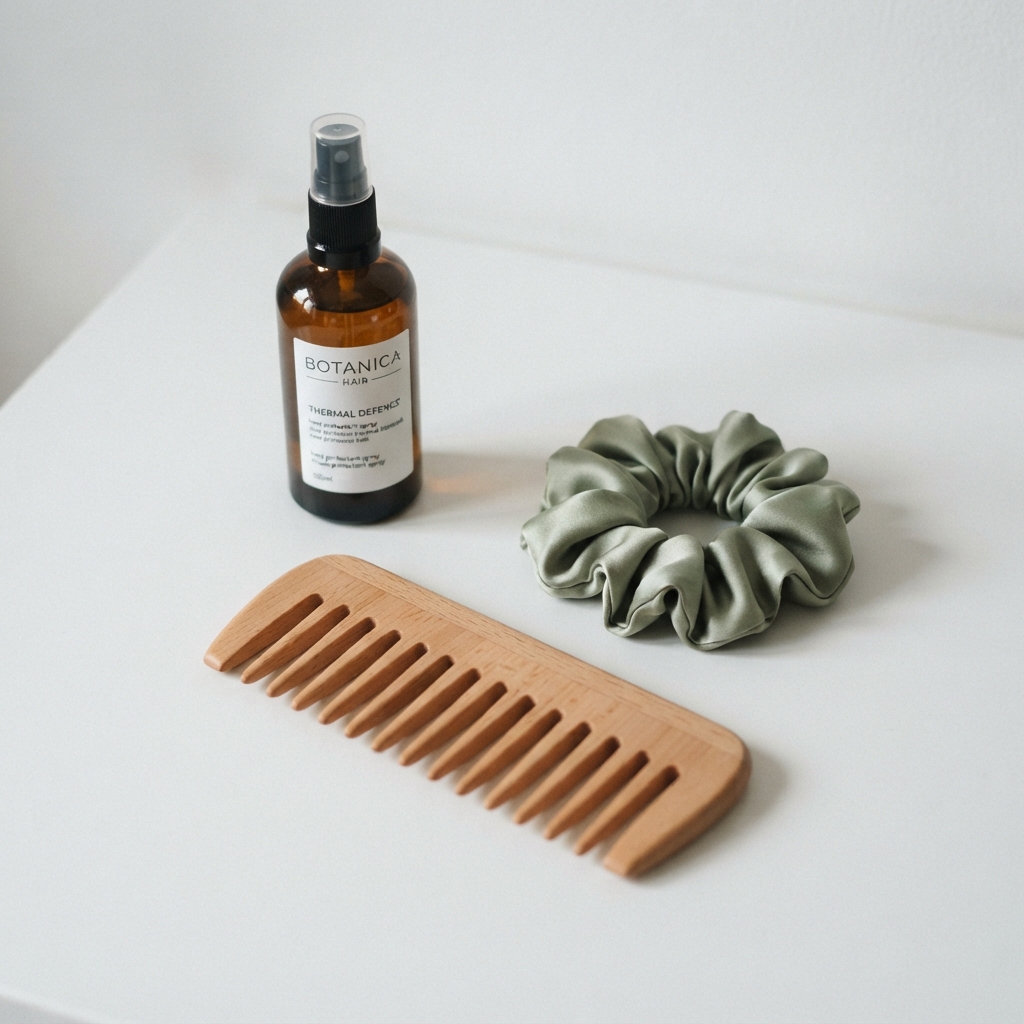
I made almost all of these. Learn from my mistakes.
- Doing protein treatments too often
- Brushing wet hair with a paddle brush
- Using hot water because it feels good
- Piling conditioner on the scalp instead of the ends
- Sleeping with wet hair in a tight bun
- Skipping trims because you’re scared of losing length
Pick one thing to fix this week. Small changes stacked over months is what actually repairs hair.
Signs Your Hair Is Healing

You’ll notice it before anyone else does.
- Wet hair stretches slightly and bounces back
- Less hair in your brush after detangling
- Ends feel smooth instead of crunchy
- Air-dried hair has fewer flyaways
- Styles hold without extra product
Take a photo every month. Progress on hair is slow, and photos prove it’s happening when your mirror says otherwise.
Before You Go
Damaged hair can feel like a lost cause, but I promise it isn’t. You just need protein, moisture, gentle handling, and a little patience. That’s the whole secret.
Start with one thing today. Do a deep conditioner. Skip the flat iron. Sleep on silk. Tiny habits stack up faster than you think, and in a few months you’ll be shocked at how different your hair feels.
Save this post to Pinterest so it’s right there on your next wash day. And tell me in the comments: what’s the first thing you’re trying? I read every single one, and I love hearing what’s working for you.
— Hailey

