
Hey, friend. If you have been staring at your brush or shower drain wondering why your hair is shedding more than usual, you are not alone. I have been there, and I know how scary it feels.
Rosemary oil has become the internet’s favorite natural remedy for hair loss. But does it actually work, or is it just hype? The short answer: it can help, but only when you use the right kind, the right way, and with realistic expectations.
In this guide, I am breaking down the science, the safest application methods, and the exact routine I would recommend to a best friend. We will also talk about how healthy hair makes every style better, from a quiet luxury bob to romantic goth hairstyles. Let’s get your scalp happy.
What Is Rosemary Oil, Really?
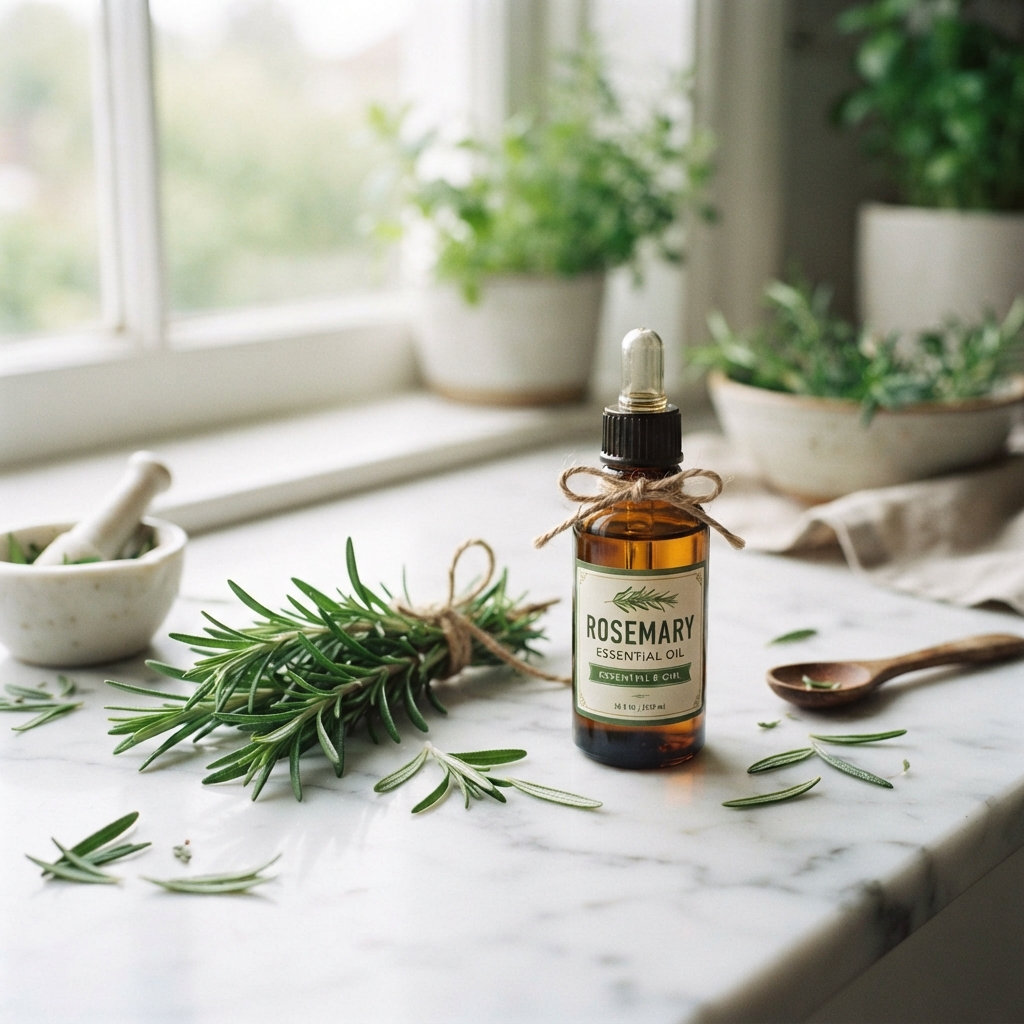
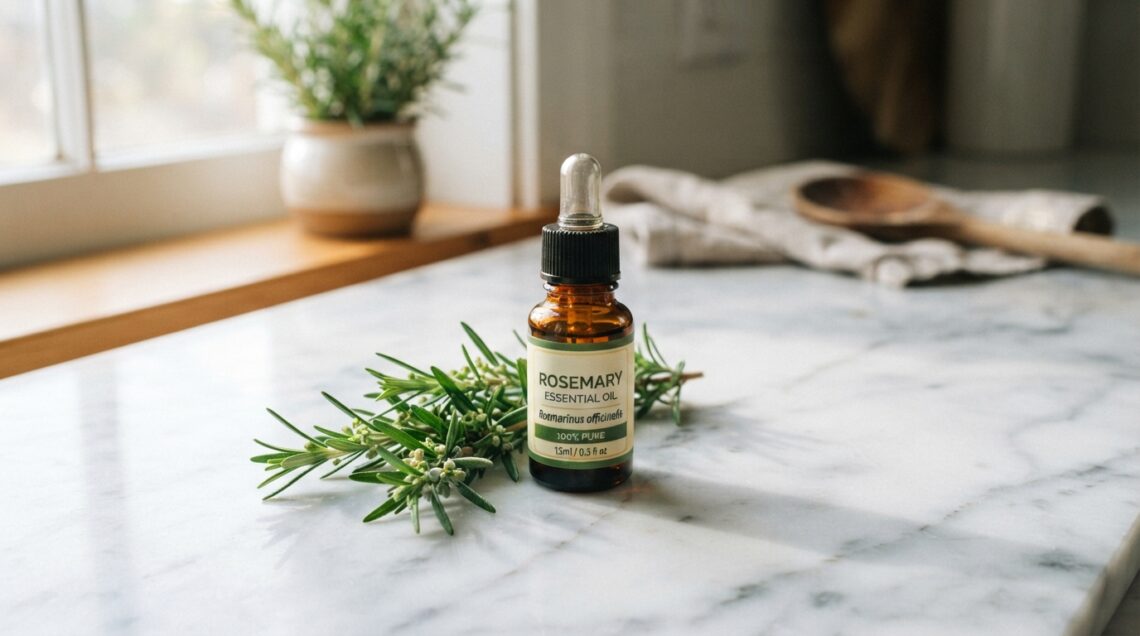
Rosemary oil is not just the dried herb from your spice rack. The kind used for hair is usually rosemary essential oil, made by steam-distilling rosemary leaves. It is potent, aromatic, and must be diluted before it touches your scalp.
You will also see rosemary-infused oil. That is rosemary steeped in a carrier oil like jojoba or olive oil. It is gentler, but often less concentrated. Both can support a healthy scalp routine.
Think of rosemary oil as a scalp treatment, not a styling product. It smells fresh, herbal, and clean. It has been used in folk beauty rituals for centuries, and now it is one of the most searched natural remedies for hair loss.
Why People Compare It to Minoxidil
Minoxidil is an FDA-approved topical treatment for pattern hair loss. Rosemary oil gets compared to it because one small human study suggested rosemary oil may improve hair growth after six months, with fewer scalp itching issues than 2% minoxidil.
But that does not mean rosemary oil is a perfect dupe. Minoxidil has stronger clinical evidence, especially for androgenetic alopecia. Rosemary oil may help with circulation and inflammation, but it works differently.
If you have significant hair loss, talk to a dermatologist. You can use rosemary oil as a supportive add-on, but do not drop a proven treatment without medical advice. The goal is progress, not internet hype.
The Science Behind Rosemary and Hair Loss
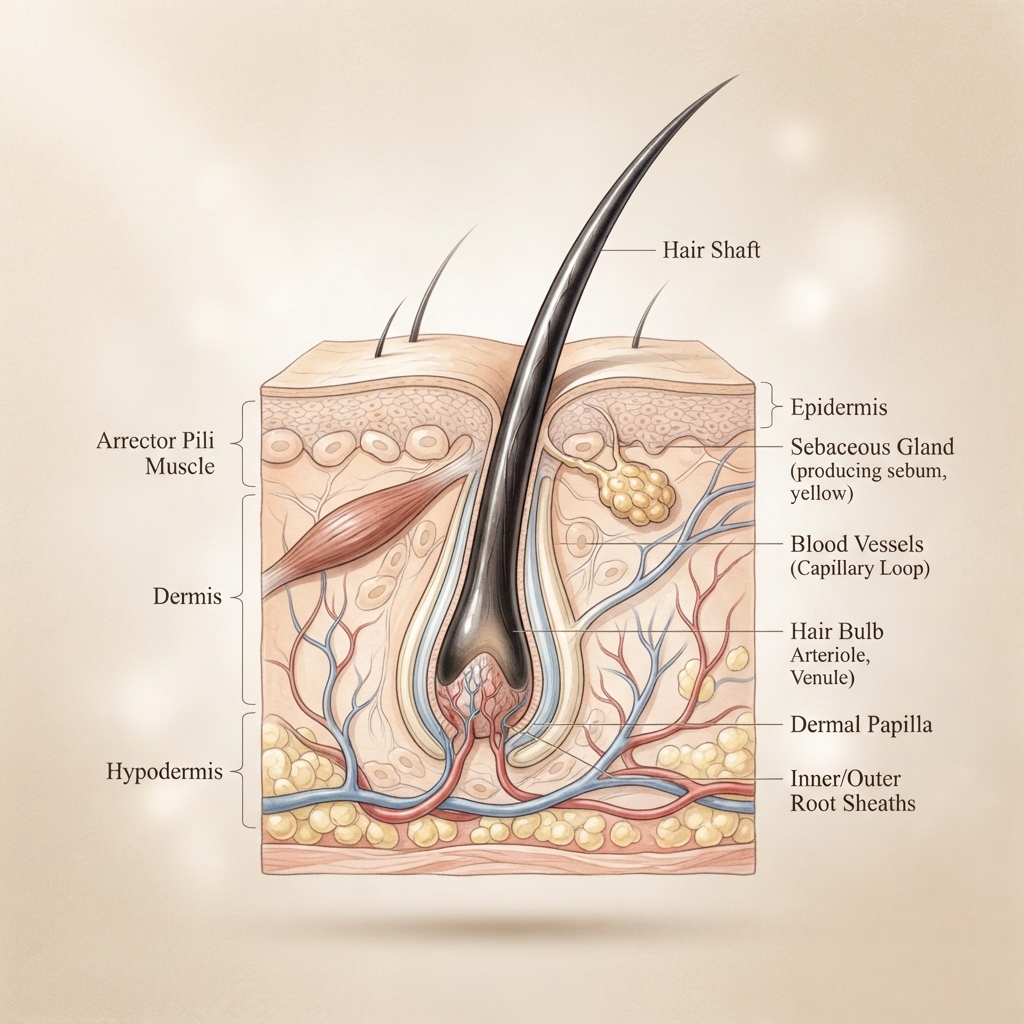
Rosemary contains compounds like rosmarinic acid, ursolic acid, and camphor. In lab studies, these may help reduce oxidative stress, calm inflammation, and improve blood flow to hair follicles. Better circulation can support healthier hair cycles.
Some research suggests rosemary may have anti-DHT activity, but most of that is lab-based. Human evidence is still limited. One commonly cited trial found rosemary oil improved hair count over six months in people with androgenetic alopecia.
So the science is promising, not perfect. Rosemary oil is not a magic cure. It is a natural tool that may support mild thinning, especially when you use it consistently and gently.
Does Rosemary Oil Actually Regrow Hair?

Short answer: maybe, for some people. Rosemary oil may help reduce shedding and support regrowth in early stages of thinning. It seems most helpful for androgenetic alopecia, stress shedding, and mild scalp inflammation.
It will not likely regrow hair on shiny, completely bald patches where follicles are gone. It also will not fix hair loss caused by thyroid issues, iron deficiency, or scarring alopecia. Those need medical care.
Realistic results take time. Take photos every month in the same lighting. Look for less shedding first, then baby hairs along your part. If you see no change after six months, check in with a doctor.
Who Is Rosemary Oil Best For?
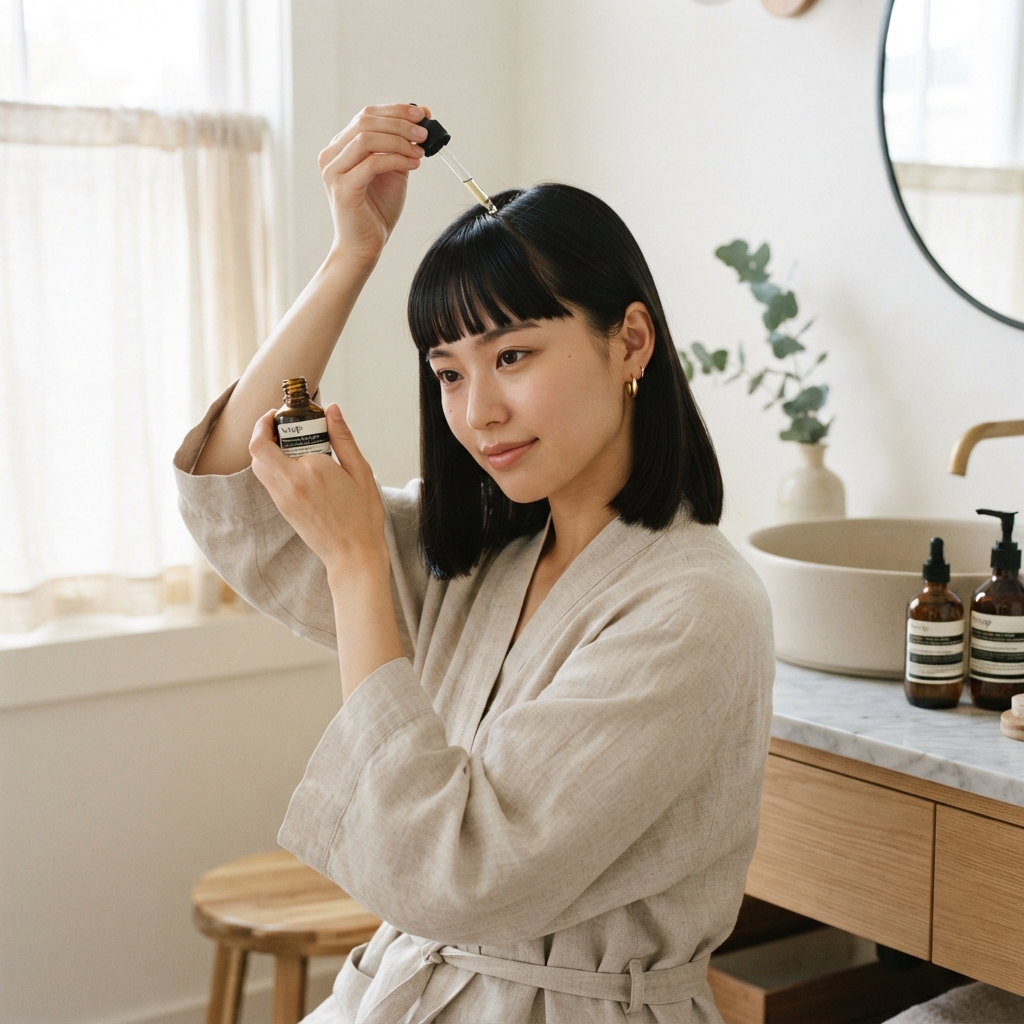
Rosemary oil is best for mild, early hair thinning. It can also be a nice add-on for seasonal shedding, stress-related shedding, and traction hair loss from tight styles. If your scalp feels dry, itchy, or tired, it may help too.
It is popular with people who want a natural option before trying stronger treatments. It also pairs well with a gentle scalp massage routine. That massage alone can feel amazing and support circulation.
Just remember: natural does not mean risk-free. Patch test first. If you are pregnant, breastfeeding, or managing a medical condition, ask your doctor before using rosemary essential oil.
Who Should Skip Rosemary Oil?

Skip rosemary essential oil if you are pregnant or breastfeeding, unless your doctor says it is okay. Some experts advise avoiding it because of limited safety data. You should also skip it if you have epilepsy, high blood pressure, or a rosemary allergy.
If you have a very sensitive scalp, eczema, or psoriasis, rosemary oil may irritate you. Start with an infused oil instead, or avoid it. Never ingest essential oil. It is not a supplement.
Always do a patch test on your inner arm 24 hours before using it on your scalp. If you feel burning, itching, or dizziness, wash it off and stop. Your comfort matters more than any trend.
The Best Type of Rosemary Oil for Hair
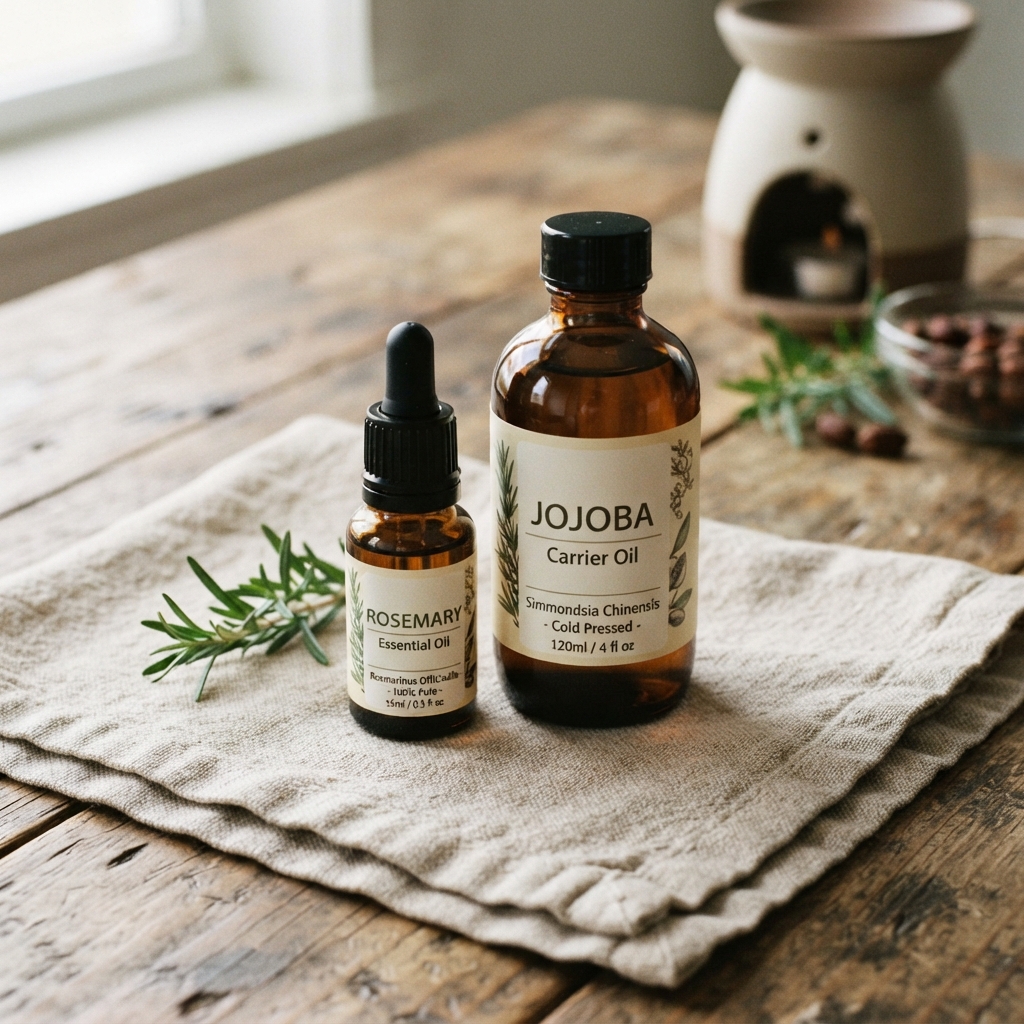
Look for 100% pure rosemary essential oil. Check the botanical name: Rosmarinus officinalis. It should be steam-distilled and sold in a dark glass bottle. Avoid fragrance oils, perfume oils, and blends with mystery ingredients.
Organic is a nice bonus, but purity matters more. Some brands list the chemotype, like cineole or camphor. For hair, cineole types are often chosen because they smell cleaner and may be less irritating.
You can also buy a rosemary-infused carrier oil if you want something ready to use. Just read the label. If rosemary is the only ingredient and the base oil is jojoba or argan, you are on the right track.
How to Dilute Rosemary Oil Safely
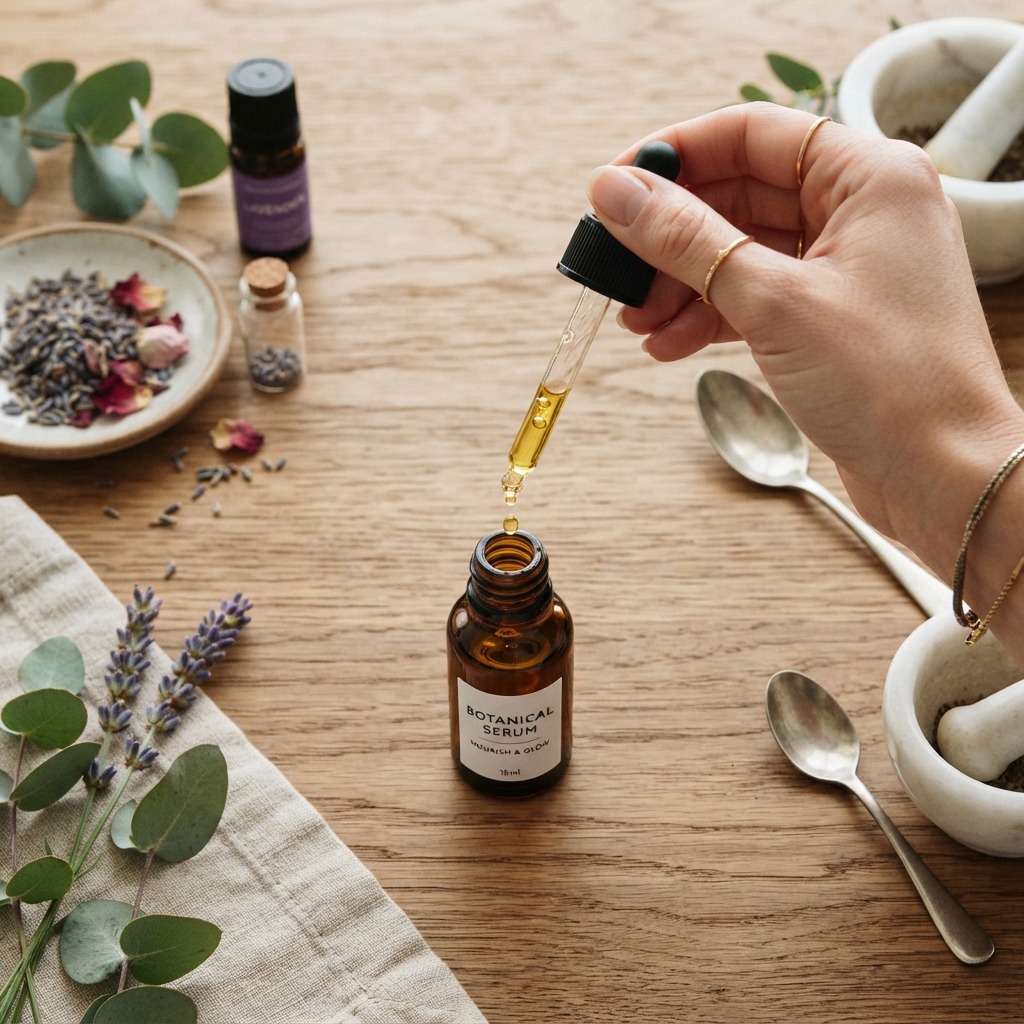
Never apply undiluted rosemary essential oil to your scalp. It is too strong and can burn, itch, or cause sensitivity. For scalp use, aim for a 1% to 2% dilution. That is the sweet spot for most people.
For 1 ounce of carrier oil, add 6 to 12 drops of rosemary essential oil. Use 6 drops for a 1% dilution and 12 drops for 2%. If your scalp is sensitive, start at 1% and see how it feels.
Mix in a dark glass dropper bottle. Shake well before each use. Label it with the date. Use within six months. When in doubt, use less. You can always add more next time, but you cannot undo irritation.
Carrier Oils That Pair Well

Jojoba oil is a favorite because it mimics your scalp’s natural sebum. Argan oil is light and makes hair feel soft. Grapeseed oil is thin and great for oily scalps. Sweet almond oil is nourishing but avoid it if you have a nut allergy.
Castor oil is thick and heavy. Some people love it for edges, but it can clog pores if you use too much. Fractionated coconut oil is lightweight and stays liquid. Olive oil works in a pinch, but it is heavier.
For an old money hair vibe, choose a lightweight oil that leaves no greasy film. For romantic goth hairstyles or a vampire haircut, you can use a richer oil on wash days. Just keep the focus on your scalp, not your strands.
A Simple Rosemary Scalp Oil Recipe
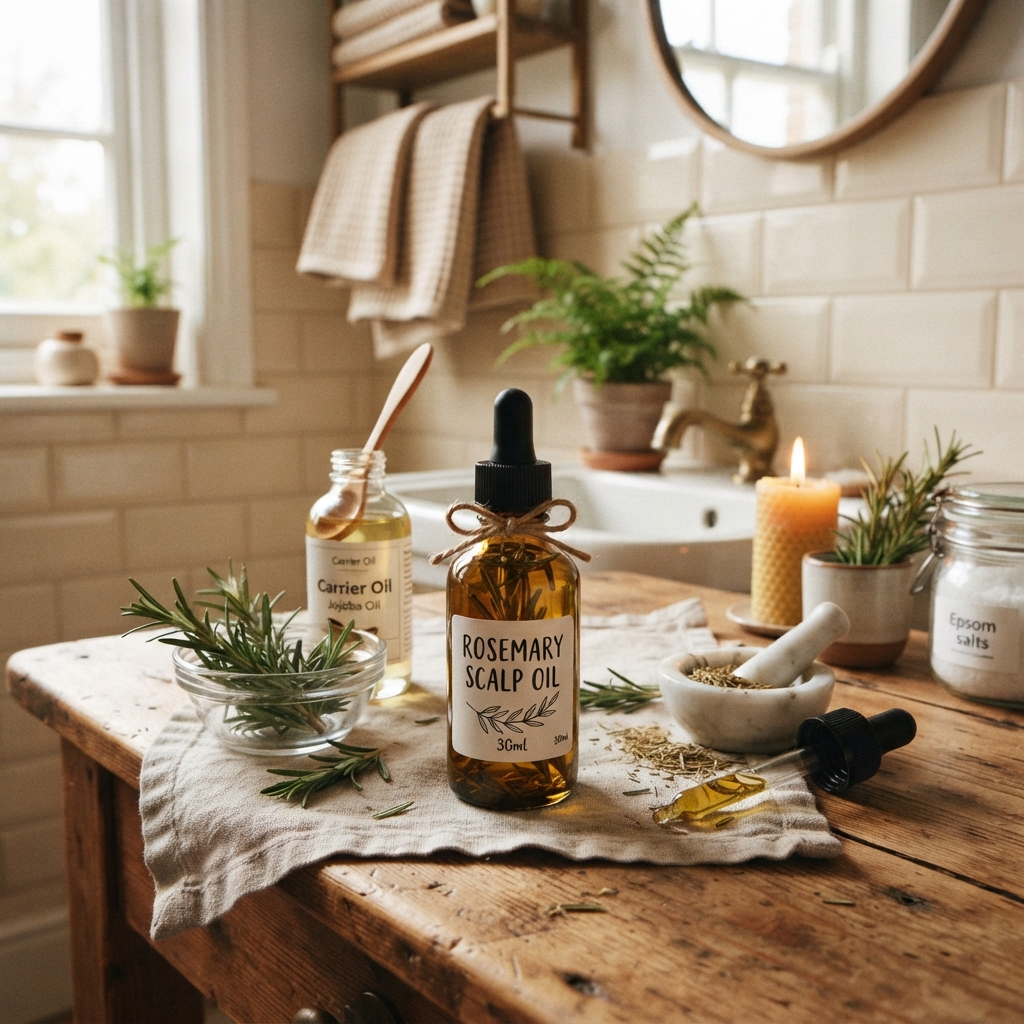
Here is my go-to recipe. In a 1-ounce dark glass dropper bottle, add 1 ounce of jojoba or argan oil. Then add 8 to 12 drops of pure rosemary essential oil. If you want a cooling feel, add 2 drops of peppermint essential oil.
For a calming scent, add 2 drops of lavender essential oil. Close the bottle and shake well. Patch test before using. Massage a few droppers into your scalp, leave it on for 30 minutes or overnight, then wash it out gently.
Use it two to three times per week. Keep the bottle in a cool, dark place. This recipe is simple, affordable, and easy to adjust. Start with fewer drops if your scalp is sensitive.
How to Apply Rosemary Oil to Your Scalp
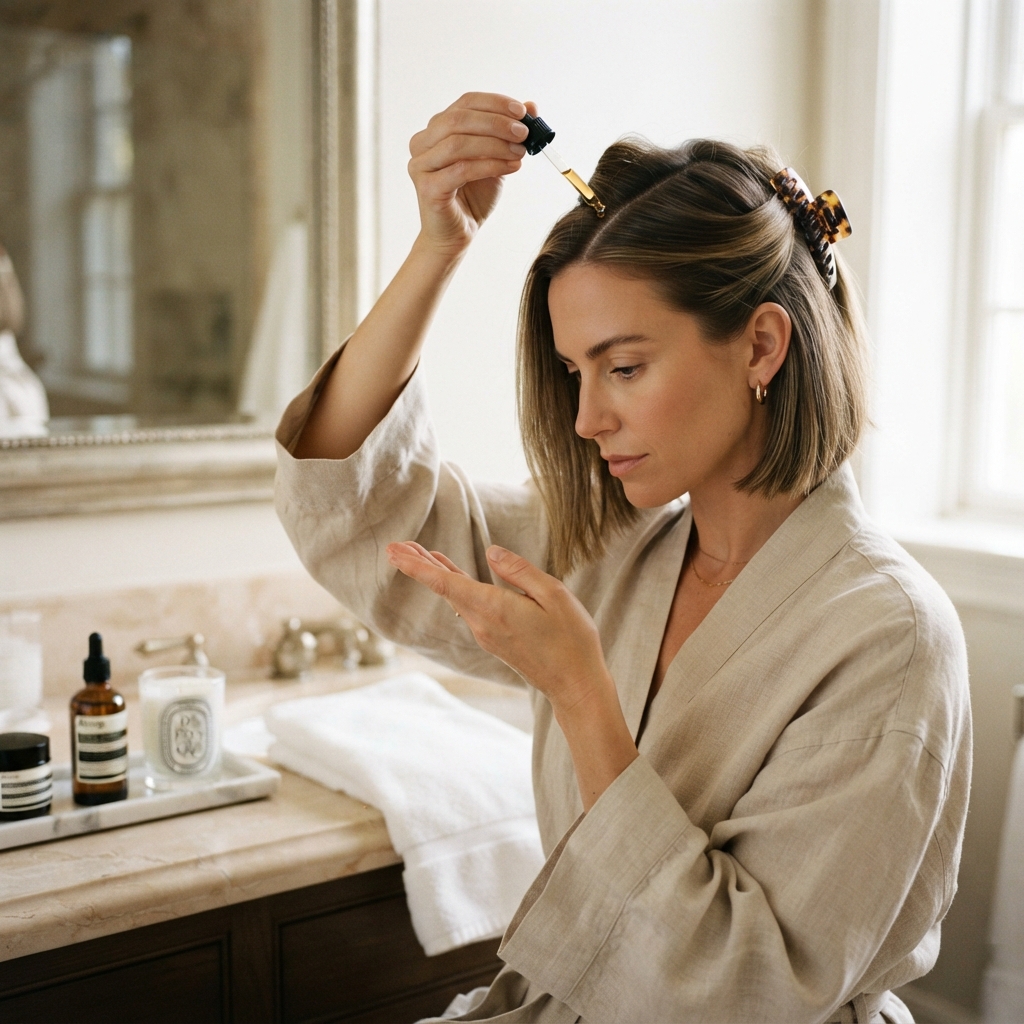
Start with dry or slightly damp hair. Part your hair into sections so you can see your scalp. Use the dropper to apply the oil directly along your part lines and any thinning areas.
Next, massage your scalp with your fingertips for five minutes. Use gentle circles. Do not scratch with your nails. This helps the oil spread and boosts circulation. A silicone scalp massager works too.
Leave it on for at least 30 minutes, or overnight if you use a towel or silk pillowcase. Wash your hair the next morning. Do not drench your scalp. A little goes a long way, and consistency beats intensity.
How Often Should You Use It?

Start once a week. If your scalp feels happy, move to two or three times a week. More is not better. Over-oiling can clog pores, attract buildup, and irritate your scalp.
If you use a rosemary-infused shampoo or serum, you can use that more often. But keep the essential oil mask to two or three times weekly max. Listen to your scalp. If it feels itchy or hot, take a break.
Consistency matters more than frequency. A calm, steady routine over months will do more than a heavy oil treatment you dread. Pick days that fit your wash schedule and stick with them.
How Long Until You See Results?
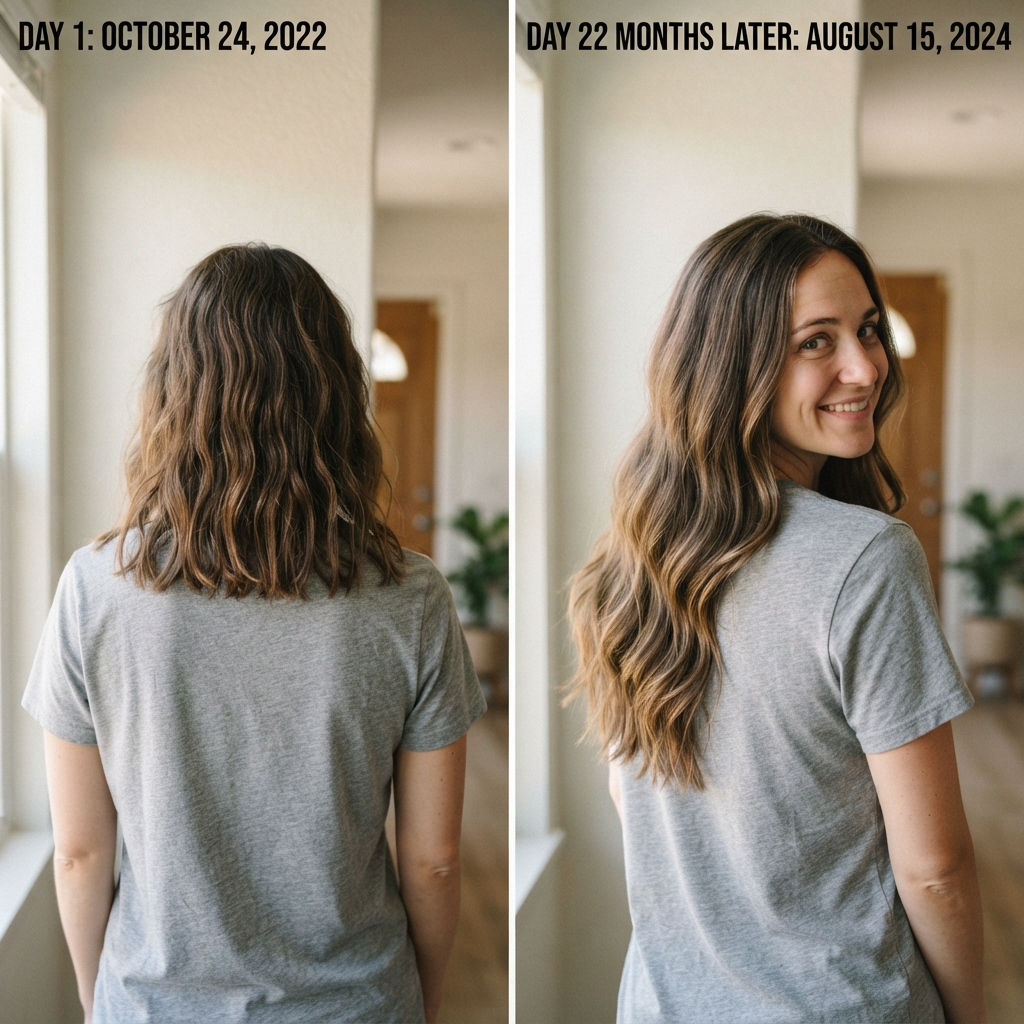
Hair grows about half an inch per month. That means real change takes time. You may notice less shedding in four to eight weeks. Visible thickness often shows up around three to six months.
Take progress photos every month. Use the same lighting, angle, and hairstyle. This helps you see small wins you would otherwise miss. Look for baby hairs, a fuller part, or less hair in your brush.
If you see no change after six months, or if loss gets worse, see a dermatologist. Rosemary oil is a support tool, not a guarantee. Patience is part of the process, but so is knowing when to get help.
Rosemary Oil for Traction Hair Loss

Traction hair loss happens when tight styles pull on your follicles. Think tight ponytails, braids, extensions, and slicked-back buns. Rosemary oil can support scalp recovery, but the real fix is changing your styling habits.
Loosen your styles. Take breaks between protective styles. Avoid heavy tension around your hairline. Use silk scrunchies and gentle clips. Massage your scalp with rosemary oil two times a week to help calm inflammation.
If you love a sleek asymmetrical lob or a polished quiet luxury bob, ask your stylist for a gentler approach. Healthy edges make every look better. Give your hair room to breathe, and it will thank you.
Rosemary Oil for Postpartum Shedding

Postpartum shedding is normal. It usually peaks around three to six months after birth and then slows down. It is caused by hormone shifts, not by something you did wrong. Be gentle with yourself.
If you are breastfeeding, ask your doctor before using rosemary essential oil. Some providers suggest avoiding it until you are done nursing. Once you get the green light, a diluted rosemary scalp oil may support your routine.
Focus on sleep, protein, iron, and gentle care. Do not panic. Your hair is going through a phase. A soft hime cut or layered asymmetrical lob can also make thinning feel less obvious while you wait.
Rosemary Oil and Dandruff or Dry Scalp
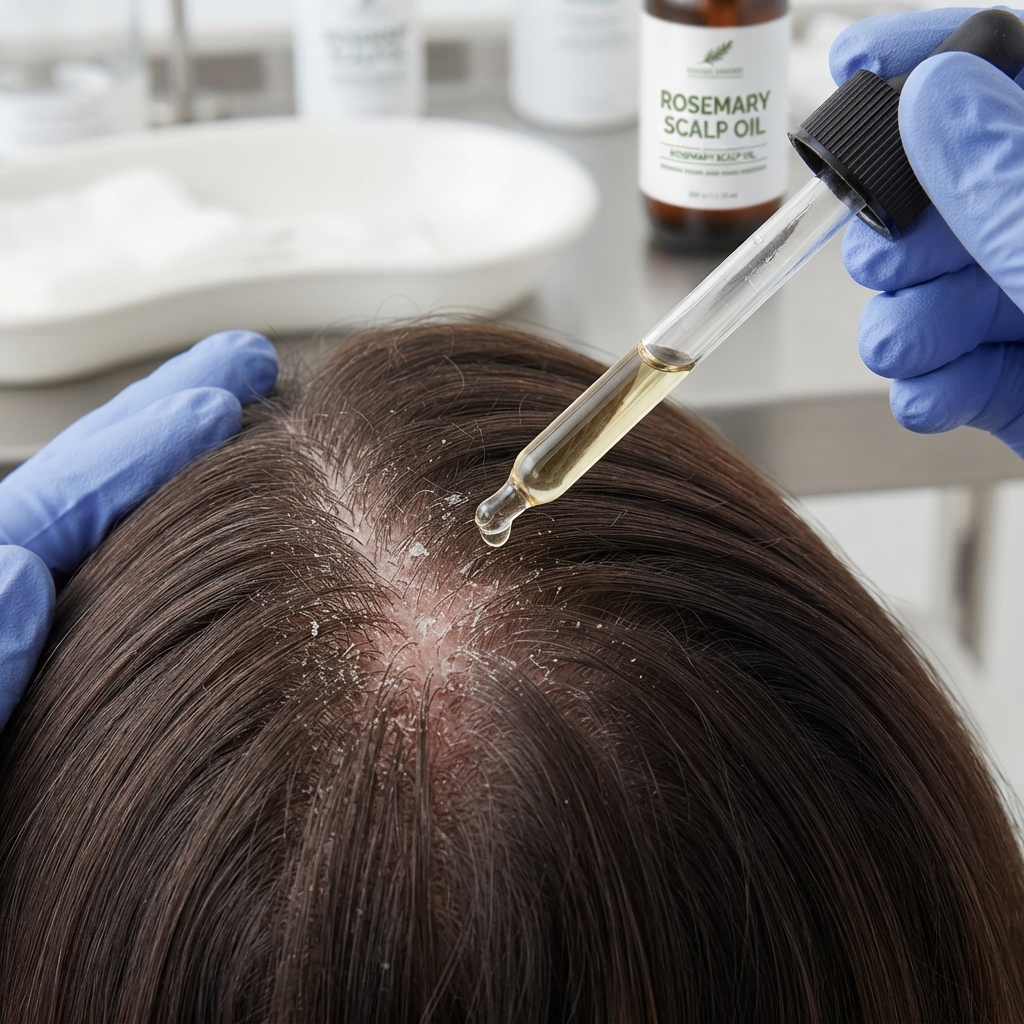
Rosemary oil has antimicrobial and anti-inflammatory properties. That may help calm itchiness and flakes for some people. It can also feel soothing when your scalp is dry and tight.
But dandruff is often caused by a fungus. If you have stubborn flakes, you may need an anti-dandruff shampoo with zinc pyrithione, ketoconazole, or salicylic acid. Rosemary oil can be a nice add-on, not a replacement.
Do not scratch your scalp. That makes inflammation worse. If your scalp is red, painful, or oozing, see a dermatologist. Rosemary oil is for mild scalp support, not for treating a medical skin condition.
Rosemary Oil vs. Other Natural Oils
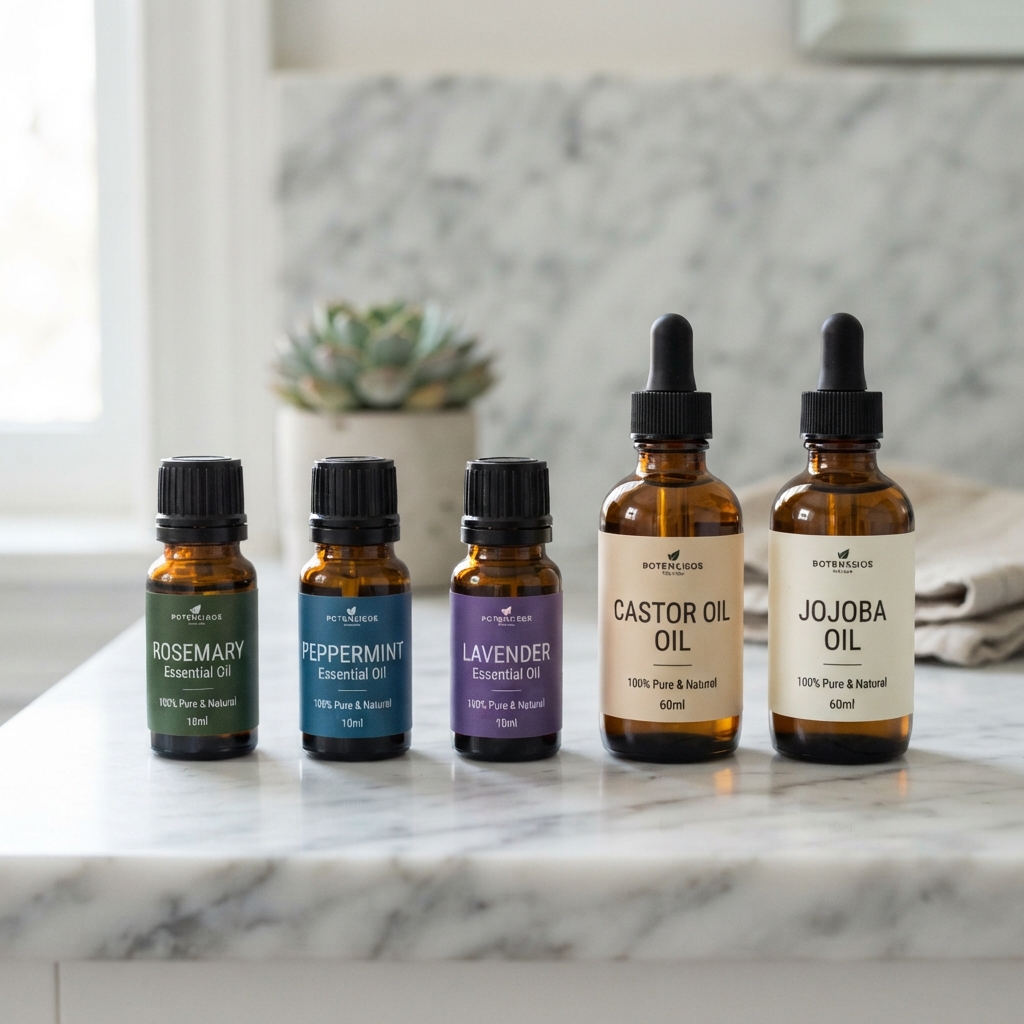
Peppermint oil can feel cooling and may boost circulation, but it can also tingle hard. Lavender oil is calming and smells lovely. Castor oil is thick and heavy, so use it sparingly on edges. Jojoba oil balances and nourishes.
Rosemary oil is the star for hair loss because of its promising research. You can blend it with peppermint and lavender for a spa-like scalp treatment. Just keep the total essential oil dilution at 1% to 2%.
Do not overload your scalp with ten different oils. Simple routines are easier to keep and less likely to cause irritation. Pick rosemary plus one carrier oil, and you have a solid foundation.
Can You Use Rosemary Oil with Minoxidil?
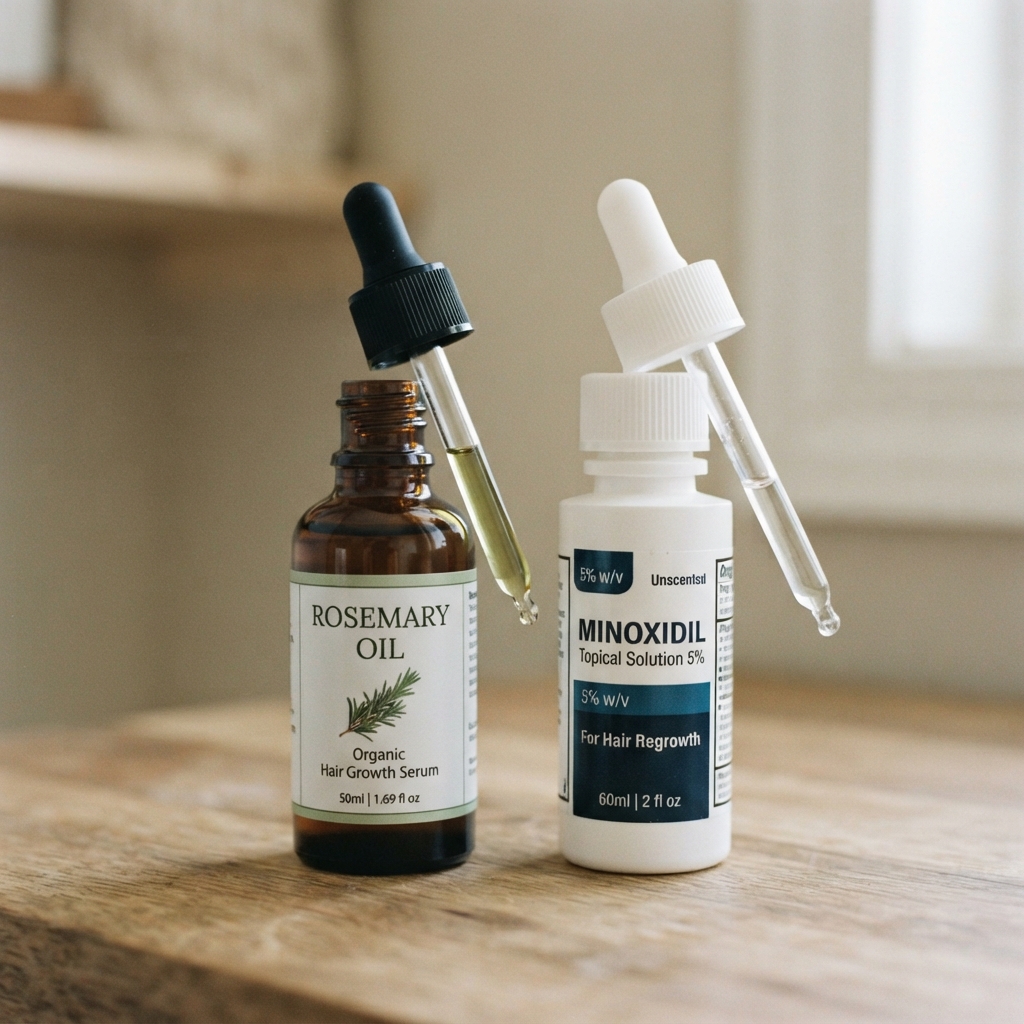
Some people use both, but you should space them out. Apply minoxidil exactly as your doctor directs. On other nights, use your diluted rosemary oil. Do not mix them in the same bottle.
If you are unsure, ask your dermatologist. They can tell you what is safe for your specific hair loss type. Watch for extra irritation. If your scalp gets red, dry, or itchy, take a break and check in with your doctor.
Keep your routine simple. The goal is consistency, not stacking every trend. One proven treatment plus one gentle natural support is often enough. More products can mean more confusion and more irritation.
Common Mistakes to Avoid

Do not use undiluted rosemary essential oil. Do not leave oil on for days. Do not expect overnight results. Do not skip the patch test. Do not buy fragrance oil and call it essential oil.
Do not ignore sudden or patchy hair loss. Do not scrub your scalp with your nails. Do not use so much oil that your scalp feels suffocated. Do not stop after two weeks and decide it failed.
Do not forget that hair health is whole-body health. Sleep, protein, iron, and stress all matter. Rosemary oil is one small piece of the puzzle. Use it well, give it time, and take photos.
Rosemary Oil and Your Hairstyle Routine

Healthy scalps make every hairstyle look better. If you love old money hair, shine starts at the roots. If you wear a quiet luxury bob, a calm scalp keeps your part looking clean and effortless.
For romantic goth hairstyles, a vampire haircut, or a hime cut, you want hair that feels strong and soft, not brittle. Rosemary oil can be your wash-day prep. Apply it before shampoo, then style as usual.
For glitchy glam hair or an asymmetrical lob, avoid tight tension and heavy buildup. Schedule oil masks on days you are not styling. Your hair will look better when your scalp is happy and balanced.
Rosemary Oil for 2026 Hairstyles: Old Money, Goth, Glam

2026 hairstyles are all about healthy texture. Old money hair needs shine, volume, and movement. A quiet luxury bob needs a clean scalp and smooth roots. Rosemary oil can support that from the inside out, without adding grease to your finished look.
Romantic goth hairstyles and a vampire haircut often rely on soft, strong hair with a little edge. A hime cut needs sleek health. Glitchy glam hair and an asymmetrical lob look best when your hair is not breaking or shedding.
You do not need a complicated routine. Use rosemary oil as a weekly scalp treatment. Then style your look with gentle tension and heat protection. Your hair can be trendy and healthy at the same time.
When to See a Doctor

See a doctor if your hair loss is sudden, patchy, or painful. Also get help if you notice scaling, redness, pus, or open sores on your scalp. These can be signs of conditions that need medical treatment.
Talk to a doctor if you are losing hair along with fatigue, weight changes, irregular periods, or cold sensitivity. That could point to thyroid issues, anemia, or hormonal imbalances. Rosemary oil will not fix those.
If you have used rosemary oil consistently for six months and see no improvement, book an appointment. A dermatologist can help you find the real cause. You deserve answers, not just another oil to try.
My Final Take
Rosemary oil is not a magic cure, but it can be a lovely, affordable add-on for mild shedding and scalp health. Dilute it, patch test, be consistent, and take progress photos. Pair it with gentle styling, good nutrition, and realistic expectations.
If your hair loss is sudden, severe, or patchy, please see a doctor. Natural remedies are supportive, not a replacement for medical care. Your hair is worth a real plan, not just a trend.
Save this post to Pinterest so you can come back to the dilution ratios and application steps. Then tell me in the comments: have you tried rosemary oil, and what did your scalp think? I would love to hear your experience.

