

I tried rice water on my hair before I really understood it. Spoiler: it wasn’t magic, but it wasn’t nothing either.
Rice water has been used for centuries in parts of Asia as a rinse for long, strong hair. Now in 2026, it’s everywhere again — TikTok, Pinterest, my group chat. So I did the homework, tested it for eight weeks, and read the studies so you don’t have to.
Here’s the short version: rice water can help with shine, smoothness, and breakage. It is not a miracle grower. But used right, it’s a cheap, easy add-on that plays nicely with any cut — a quiet luxury bob, an asymmetrical lob, even a bold vampire haircut.
Let’s get into it.
What Is Rice Water, Really?
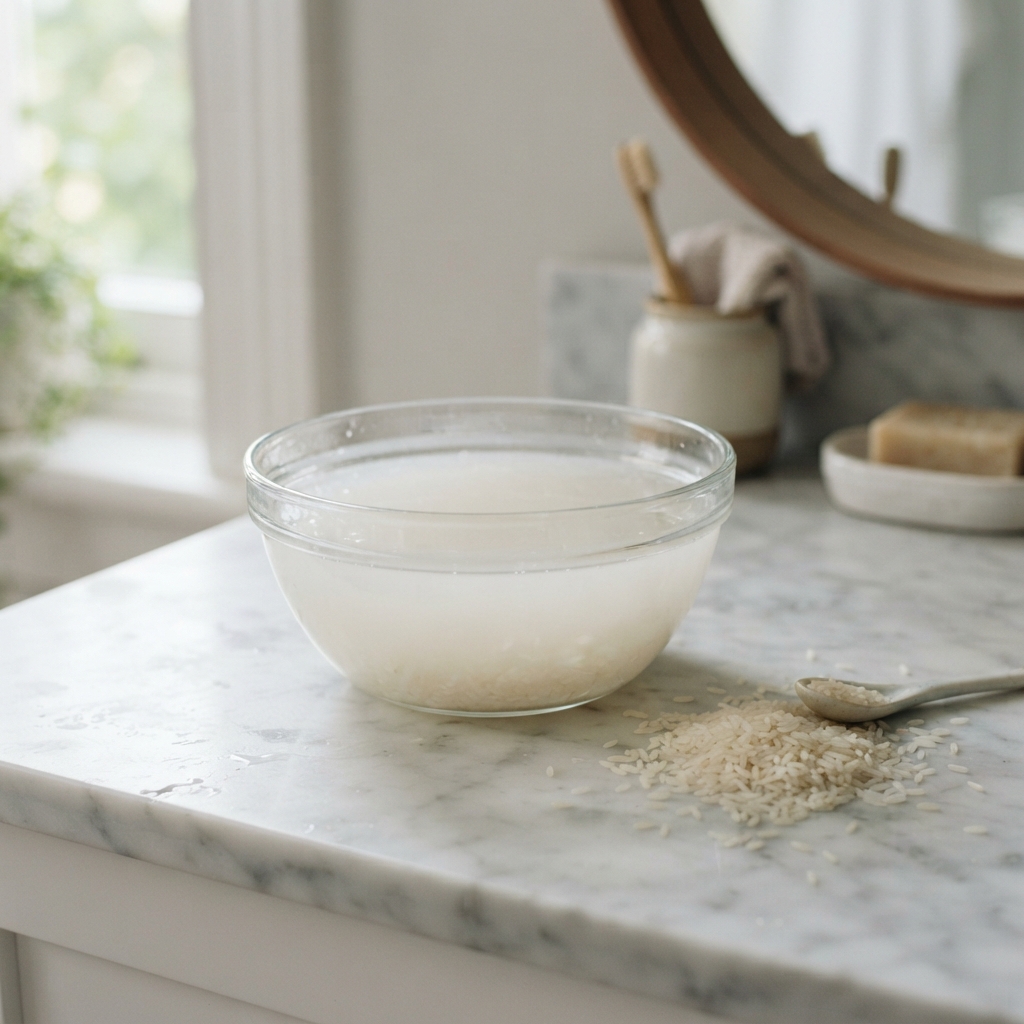
Rice water is exactly what it sounds like — the cloudy liquid left after rinsing or soaking rice. That’s it. No lab, no price tag.
When rice sits in water, it releases vitamins, minerals, amino acids, and a starch called inositol. Those are the things people credit for smoother, stronger-looking hair.
You can make it three ways: rinse it, soak it, or ferment it. Fermented is the version you see all over 2026 hair routines because it’s more acidic, which can help smooth the hair cuticle.
It smells a little like rice that’s been sitting out. We’ll fix that later.
Why People Swear It Grows Hair

Rice water’s reputation comes from a mix of history and hype. In parts of China, Japan, and Southeast Asia, women have used rice water rinses for generations — and many have gorgeous, dramatic length.
But here’s the honest part: long hair in those communities isn’t just rice water. It’s genetics, low heat styling, protective updos, and gentle washing. Rice water is one small piece.
Then social media took over. Before-and-after photos in 15-second clips made it look like a growth serum. It’s not.
What it does do is make hair feel stronger and look shinier — which can make growth more noticeable because less is breaking off along the way.
What the Science Actually Says
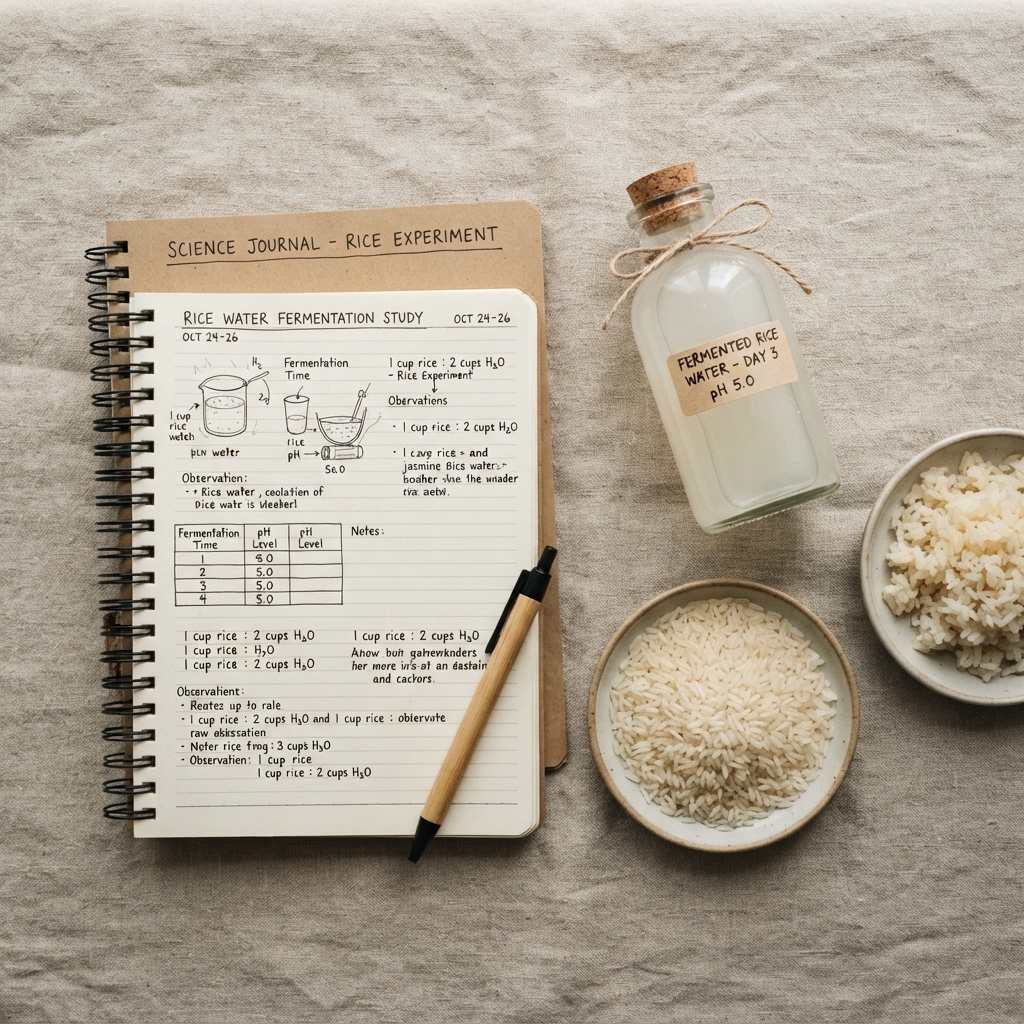
Let’s be real about the research. There’s one small 2017 study where a rice water-based cream helped hair growth in a specific group — but that wasn’t rice water alone.
Most of the “proof” online is anecdotal. Which isn’t nothing, but it’s not a clinical trial either.
What we do have solid evidence for: rice water contains inositol, which can help repair damaged hair, plus starches that temporarily coat the strand for slip and shine.
Translation: it’s a great conditioning rinse with mild strengthening benefits. It is not minoxidil. If you’re dealing with real hair loss, see a dermatologist — rice water can support your routine, not replace treatment.
What Rice Water Can Realistically Do
Here’s what you can actually expect:
- Add shine — the starch coat reflects light, so hair looks glossier
- Reduce breakage — smoother strands tangle less, so less snaps off
- Improve slip — detangling gets easier, especially on fine hair
- Soften hard water buildup — a mild acidic rinse can help
- Calm a flaky, irritated scalp — it’s gentle and soothing for many people
Think of it as a free deep-conditioning rinse, not a growth drug. If you go in expecting gloss and fewer split ends, you’ll be happy. That framing changes everything about how you’ll feel using it.
What Rice Water Cannot Do

It won’t change your genetics. It won’t regrow hair on a bald patch. It won’t fix low iron, thyroid issues, or hormones. And it won’t make hair grow an inch a week — hair grows about half an inch a month, period.
It also won’t work the same for everyone. Some people see shine in two weeks. Some see nothing at all. Some get crunchy, stiff hair because their strands are protein-sensitive.
And it won’t replace a good cut. If your ends are fried beyond saving, rice water can’t rescue them. A trim can.
How Long Until You See Results

A realistic timeline, based on my own eight weeks:
- Week 1–2: softer, smoother hair right after rinsing. Shine shows up first.
- Week 3–4: less tangling, fewer tiny broken hairs on your pillow.
- Week 6–8: maybe a bit more noticeable length — but that’s mostly less breakage, not faster growth.
- Month 3+: this is where people decide if it’s worth keeping.
Take a photo in the same light every two weeks. Progress is slow and sneaky, and you’ll miss it if you only look in the mirror.
Fermented vs. Boiled Rice Water
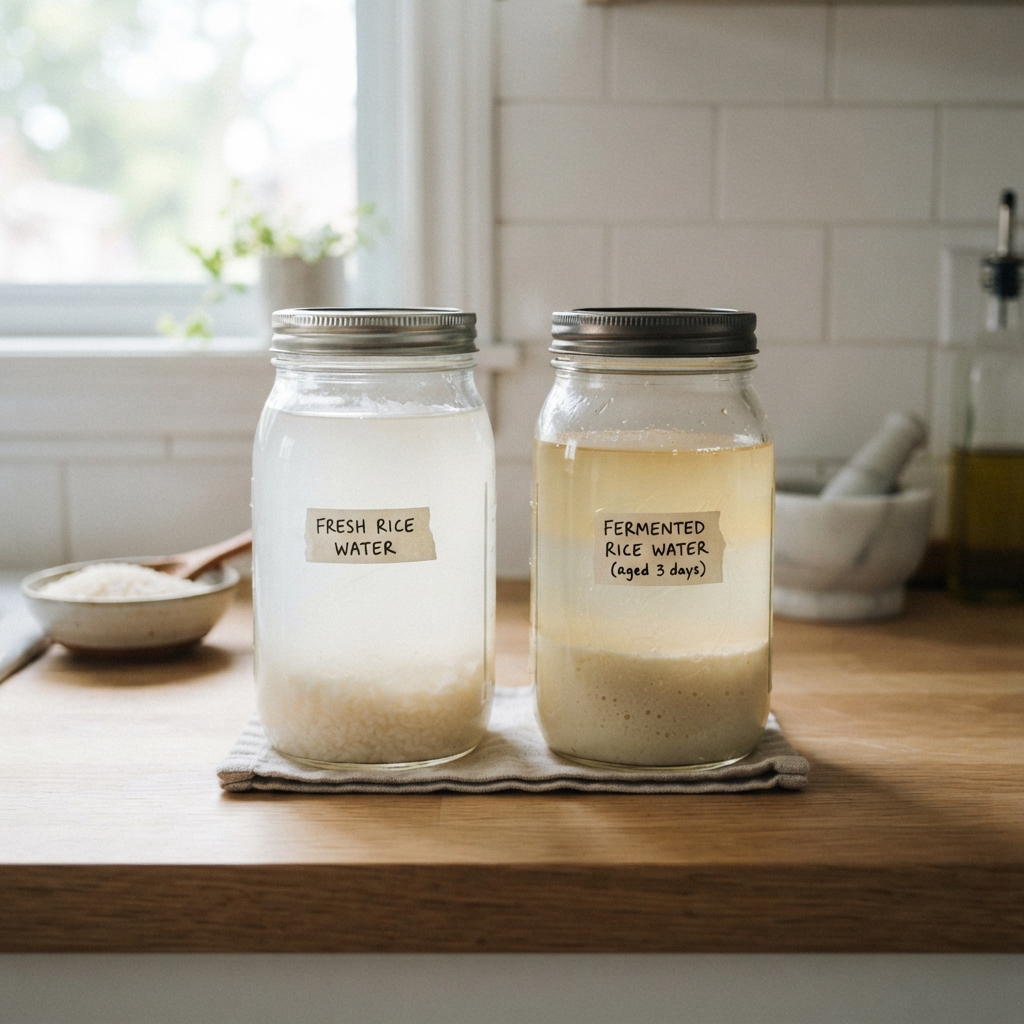
There are three main versions, and they’re not equal.
- Fresh rinse water: quickest. Rinse rice once, use the cloudy water. Mild, low risk.
- Soaked rice water: let rice sit 30 minutes, strain, use. Slightly more nutrients.
- Fermented rice water: let it sit 24–48 hours at room temp. More acidic, more slip, stronger results — and it smells.
Fermented is the one most 2026 hair routines use. It’s also the one most likely to irritate a sensitive scalp if you overdo it. Start with fresh, and graduate to fermented only if your hair likes it.
How to Make Rice Water at Home
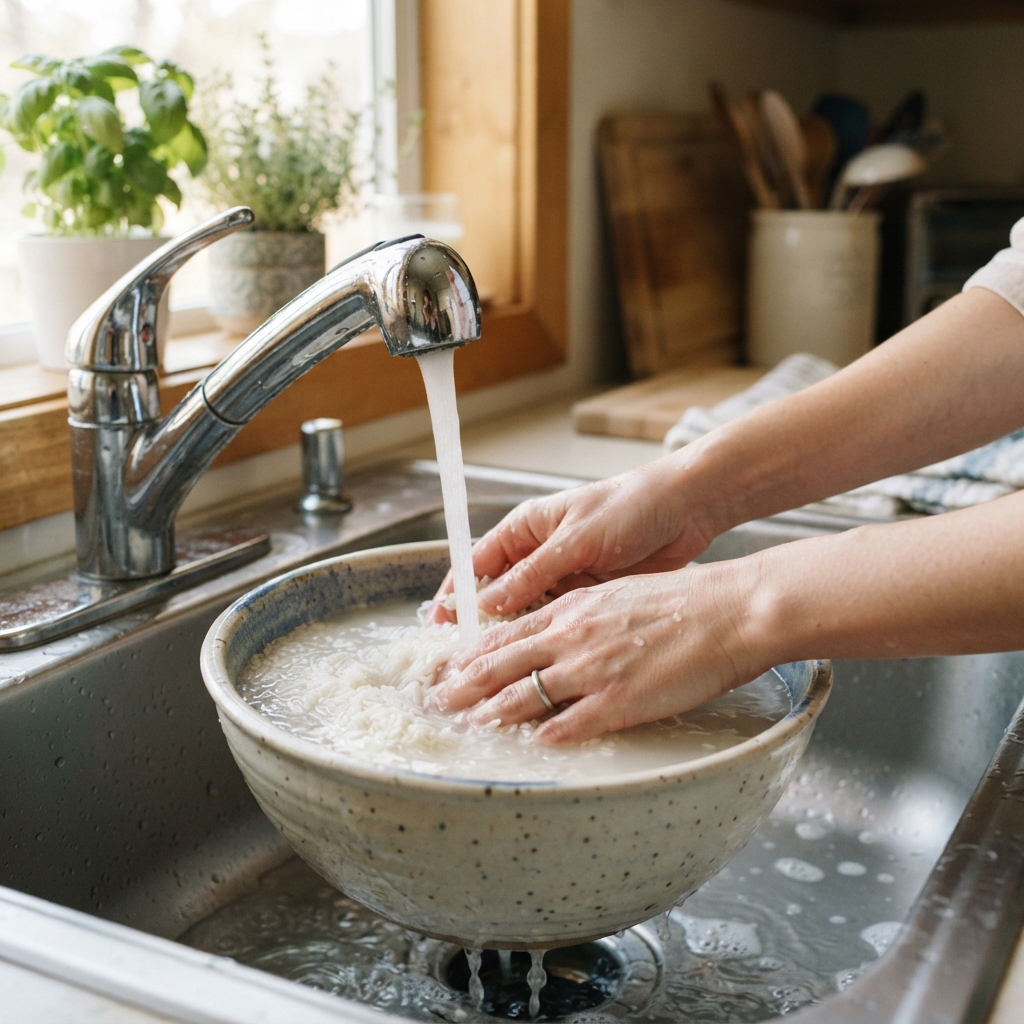
This takes about two minutes.
- Use 1/2 cup of rice — any kind works (white, brown, jasmine).
- Rinse it once quickly to remove dust. Dump that water.
- Add 2 cups of clean water and swirl for 30 seconds.
- Strain the cloudy water into a clean jar.
- Use within 24 hours, or refrigerate up to 5 days.
That’s it — no boiling required unless you specifically want the cooked version. Quick note: brown and organic rice tend to make stronger, more nutrient-dense water. White rice works perfectly fine too, it’s just a little milder.
The Fermented Rice Water Recipe
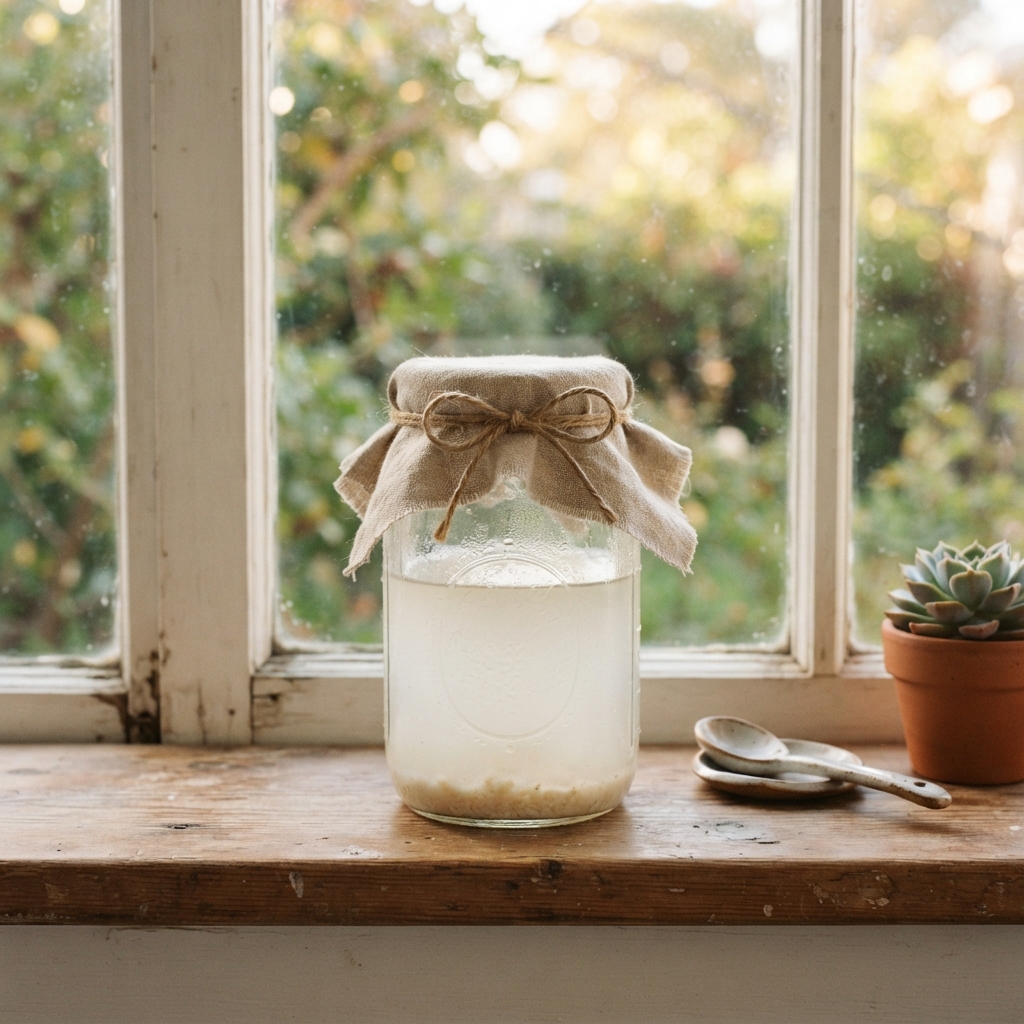
If you want the full-strength version, here’s how.
- Make your rice water as above.
- Cover the jar with a cloth or loose lid. Don’t seal it tight.
- Let it sit at room temperature 24–48 hours. In summer, 24 is plenty.
- It’s ready when it smells slightly sour or tangy. That’s the fermentation working.
- Strain out any solids, then refrigerate.
- Dilute with 1–2 parts water before using. Full strength can be too much.
If it smells rotten or has mold, toss it. Trust your nose. Bonus tip: add a few drops of rosemary or lavender oil to make it smell less like a rice cooker.
How to Apply It, Step by Step

Application matters more than the recipe. Here’s the routine I settled on.
- Wash and condition like normal. Rice water works best on clean hair.
- Squeeze excess water out — damp, not dripping.
- Pour or spray the rice water from roots to ends. Focus on the scalp if scalp health is your goal.
- Massage it into your scalp with fingertips for 1–2 minutes.
- Leave it on 5–20 minutes. Start with 5 if you’re new.
- Rinse with cool water. Cool water seals the cuticle and boosts shine.
- Style as usual.
How Often Should You Use It
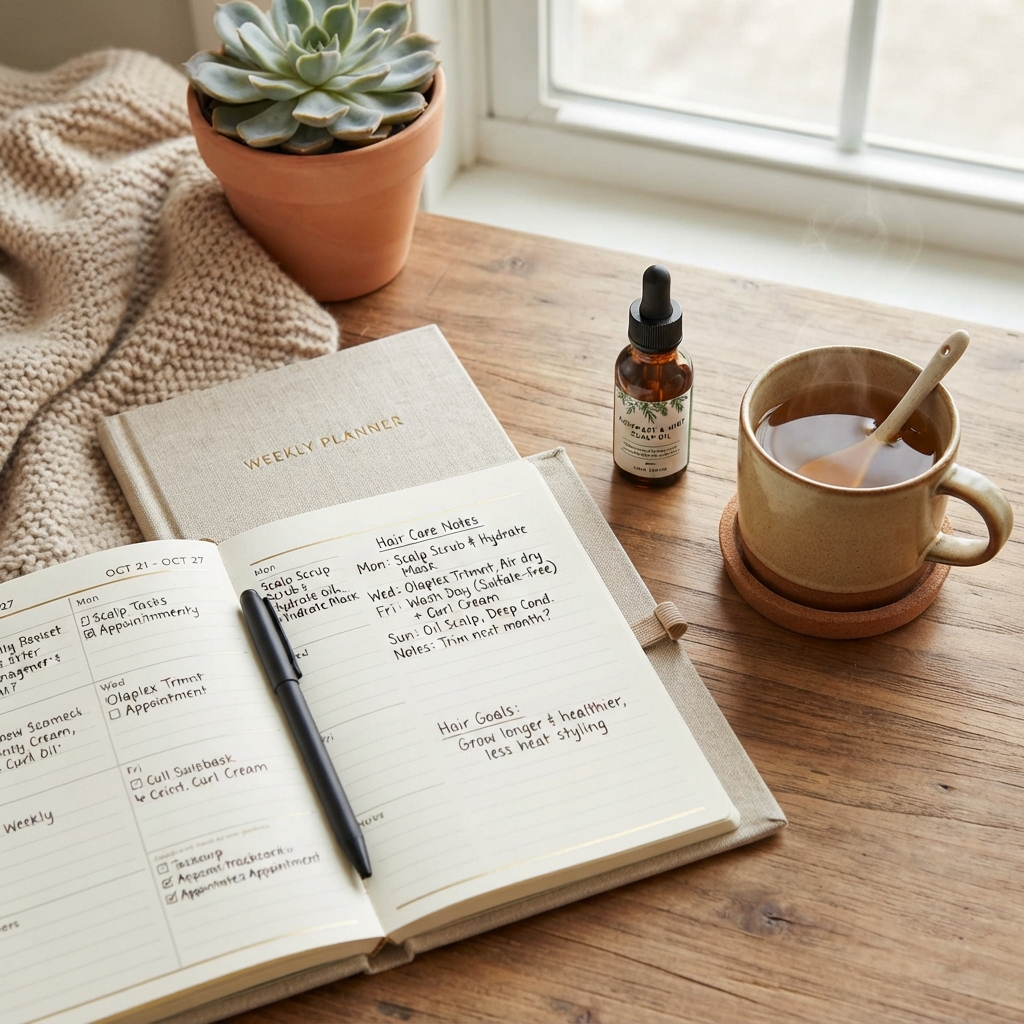
Once a week is the sweet spot for most people. Some do twice a week. Some do once every two weeks and love it that way.
Here’s the thing: rice water contains protein-like compounds. Use it too often and your hair can go stiff, brittle, or straw-like. That’s protein overload, and it’s the number one rice water complaint I see.
If your hair is fine, low porosity, or already strong, start with every other week. If your hair is high porosity, damaged, or bleached, weekly is usually fine. Always follow with a moisturizing leave-in or a tiny bit of oil on your ends.
Rice Water for Low Porosity Hair
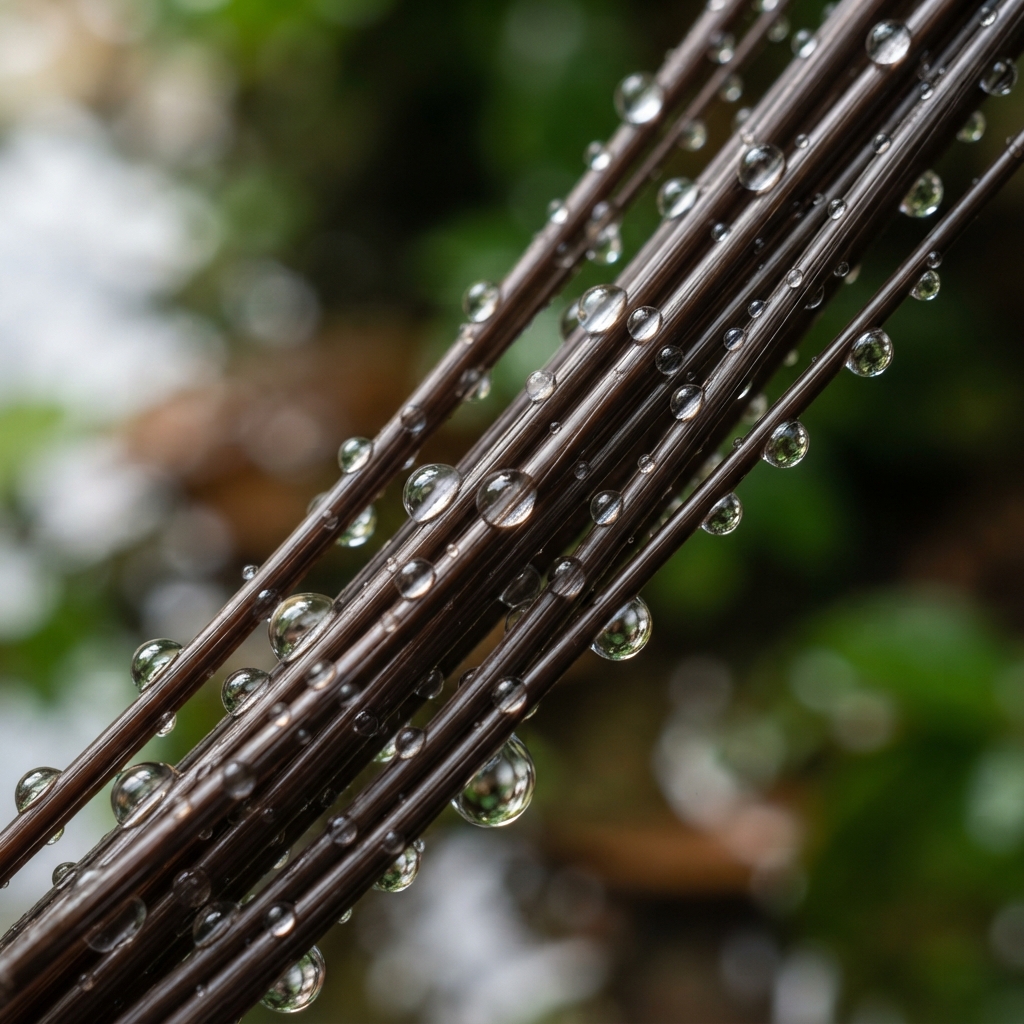
Low porosity hair has a tight cuticle. Product sits on top instead of soaking in, so rice water can build up fast.
If that’s you:
- Dilute it more than you think you need to
- Keep it on for 5 minutes max
- Rinse really, really well
- Use it every other week, not weekly
- Skip it if your hair feels coated or greasy after
Low porosity hair usually wants lightweight moisture, not protein. Rice water sits right on that line. Test it on one small section first, and clarify once a month to reset everything.
Rice Water for High Porosity Hair

High porosity hair has a lifted cuticle. It drinks everything up and loses moisture fast. This is where rice water tends to shine the most.
It can help fill in some of the gaps and smooth the strand, which means less frizz and more shine. Try this:
- Full strength or lightly diluted
- 15–20 minutes under a shower cap
- Follow with a creamy leave-in and a sealing oil
- Weekly use is usually fine
If you bleach or relax your hair, you’re likely high porosity. Rice water can be a lovely weekly treatment — just never skip the moisture step after. Protein without moisture equals crunch.
Protein Overload: The Signs to Watch

Rice water isn’t pure protein, but it behaves a little like a protein treatment. Overdo it and you’ll know pretty quickly.
Signs of protein overload:
- Hair feels stiff, straw-like, or crunchy
- It snaps easily instead of stretching
- Tangles more, not less
- Looks dull even right after washing
- Feels rough when wet
If that happens, stop rice water for a month. Do deep moisture masks, use a clarifying wash once, and baby your ends. Then reintroduce it slowly, diluted, every two weeks. Your hair will tell you what it wants.
Rice Water for Shedding vs. Breakage
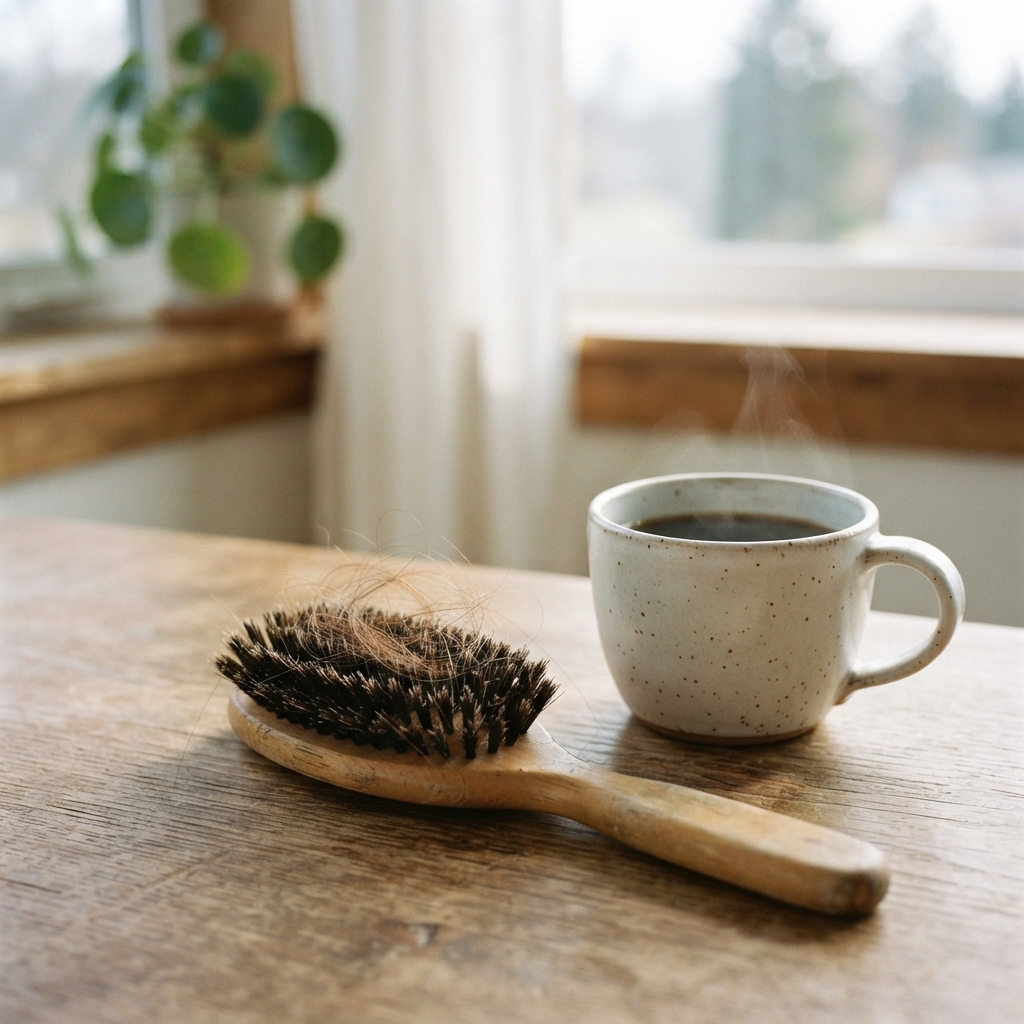
These are two different problems, and rice water only helps one of them.
Shedding is hair falling from the root. It’s normal to lose 50–100 strands a day. Causes include stress, hormones, postpartum changes, low iron, and thyroid issues.
Breakage is hair snapping mid-strand. Causes include heat, bleach, rough brushing, tight styles, and dry ends.
Rice water helps breakage because it smooths and strengthens the strand. It does not stop shedding. If you’re losing clumps, see a doctor. If you’re seeing short broken pieces everywhere, rice water plus a trim plus gentler styling can genuinely help.
Rice Water and Scalp Health

Your scalp is skin. Treat it that way, and everything else gets easier.
Rice water has mild anti-inflammatory properties and can soothe an irritated, itchy scalp for some people. The massage you do while applying it boosts circulation too, which is a real and very easy win.
A few tips:
- Focus it on the scalp if itchiness is your main issue
- Use your fingertips, never your nails
- Massage for 2–3 minutes
- Rinse thoroughly so nothing sits and clogs pores
If you have an active scalp condition like psoriasis or seborrheic dermatitis, ask your dermatologist before adding anything new.
Rice Water and Dandruff
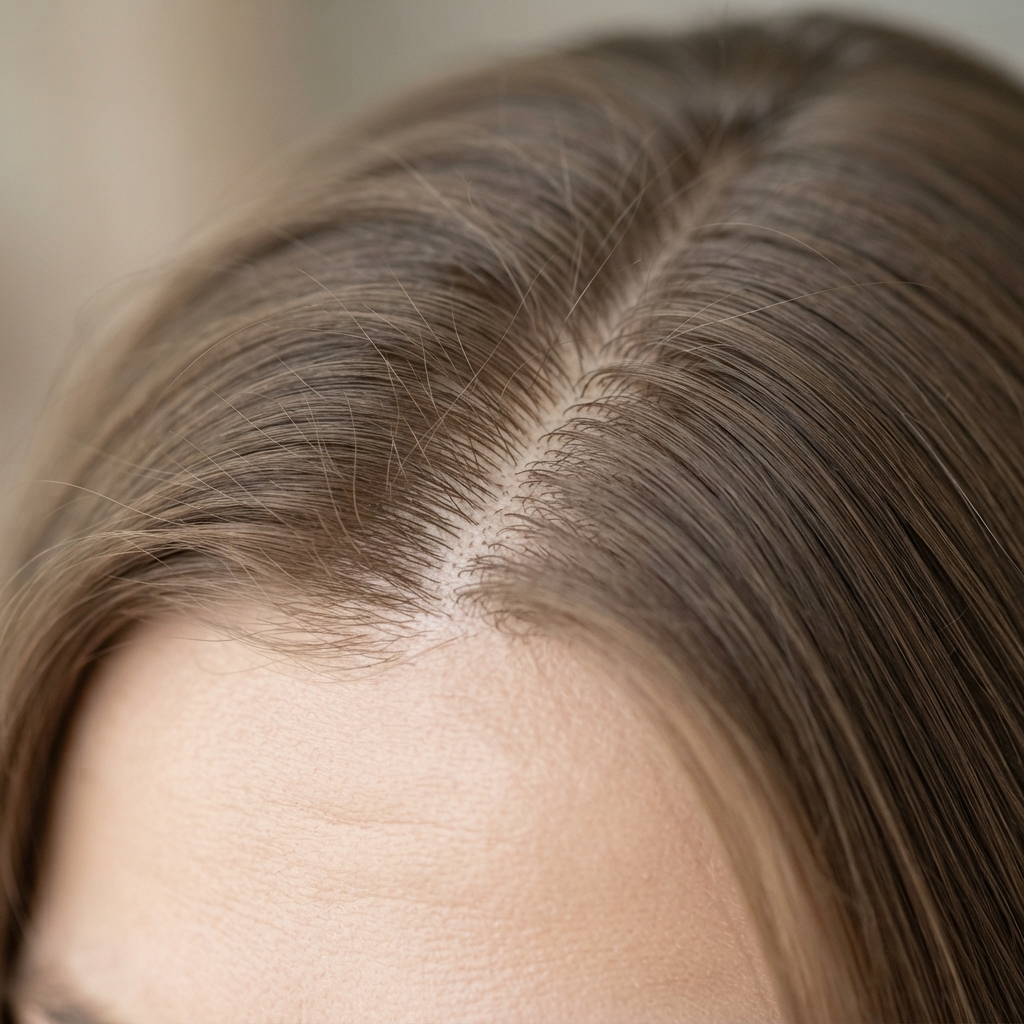
Here’s the honest answer: rice water is not a dandruff treatment.
Dandruff is usually caused by a yeast called malassezia. You need an antifungal ingredient like zinc pyrithione, ketoconazole, or salicylic acid. Rice water won’t touch that.
That said, if your “dandruff” is actually a dry, flaky scalp from over-washing or harsh products, rice water’s gentle soothing qualities might help a little. Don’t skip the medicated shampoo — use rice water as a rinse after, not instead. And never leave fermented rice water sitting on a flaky scalp for hours. That’s asking for trouble.
Rice Water on Color-Treated and Glitchy Glam Hair

If you have glitchy glam hair — those chrome, metallic, gem-toned looks that are everywhere in 2026 — you already know color fades fast.
Rice water won’t strip color, since it isn’t a cleanser. It’s mildly acidic, which can actually help smooth the cuticle and slow color loss a little.
But bleached hair is high porosity, so it soaks everything up. Be careful with frequency. Bleached strands are already fragile, and too much of a good thing causes breakage. Use it once a week, dilute it, and always follow with a bond-building or moisturizing treatment. Skip it the week you get a fresh gloss.
Rice Water vs. Rosemary Oil and Other Remedies

Quick comparison so you know what you’re actually choosing.
- Rosemary oil: has real studies behind it for growth, but needs a carrier oil and can irritate skin. Stronger evidence for shedding.
- Rice water: better for shine, softness, and breakage. Almost no growth evidence.
- Minoxidil: the only over-the-counter topical with serious clinical proof. Not natural, but it works.
- Onion juice: smells awful, thin evidence. Skip it if you can.
- Scalp massage: free, easy, mild circulation boost.
Best move? Stack them. Rosemary oil on the scalp twice a week, rice water rinse once a week.
Rice Water and 2026 Hairstyles

Here’s the practical part. Almost every 2026 hairstyle looks better on healthy, shiny hair. Rice water helps with exactly that.
Think about it:
- A sharp bob needs clean, glossy ends to look expensive.
- Long layers need slip so they move instead of tangle.
- Curly shags need definition, not frizz.
- Blunt cuts show every bit of damage — so smoothing matters.
Whatever cut you’re wearing, the finish is what sells it. Rice water is a cheap way to add that finish without heat or heavy products. You’re not chasing length. You’re chasing healthy-looking hair.
Rice Water and the Quiet Luxury Bob

The quiet luxury bob — and old money hair in general — is all about shine, smoothness, and zero visible effort. Rice water is weirdly perfect for it.
Why? Because that look lives or dies on the cuticle. A blowout with frizz reads cheap. A blowout with glass-like shine reads expensive.
How to use it for this look:
- Do a rice water rinse on wash day.
- Follow with a light leave-in — nothing heavy.
- Blow dry with a round brush, cool shot at the end.
- Add one drop of shine oil on the ends only.
That’s it. No volume sprays, no texture paste. Clean and quiet.
Rice Water and the Asymmetrical Lob, Hime Cut, and Vampire Haircut

Bold cuts need healthy hair to hold their shape. Rice water helps here too.
- Asymmetrical lob: the angled line is the star. Smooth strands show off the shape.
- Hime cut: blunt side pieces want zero frizz and maximum shine.
- Vampire haircut: sharp, uninterrupted lines. Same deal — gloss and smoothness.
- Romantic goth hairstyles: soft waves with shine. A rice water rinse before styling helps waves hold definition.
- Layered cuts: less tangling means better movement.
Same routine, different cut. Healthy hair is the foundation for all of them.
Common Mistakes to Avoid
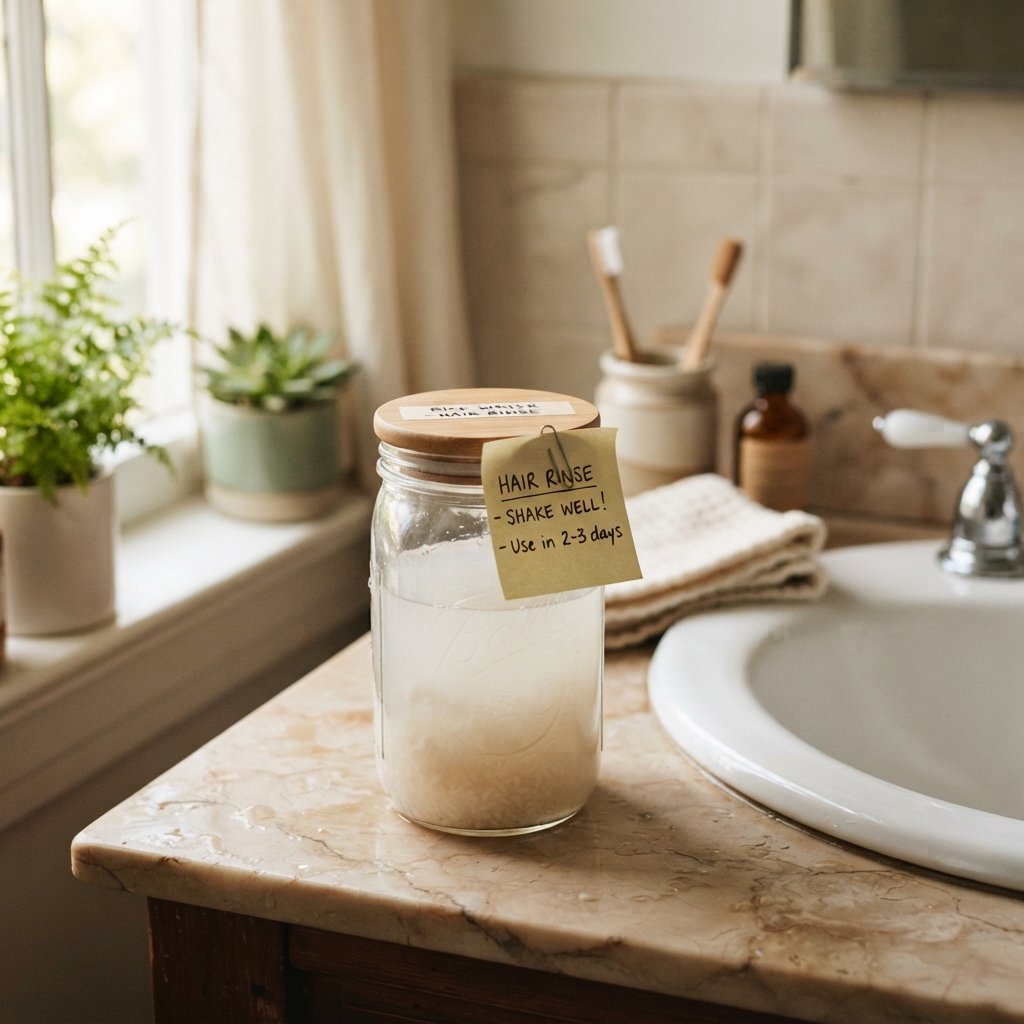
Avoid these and you’ll get way better results.
- Leaving it in overnight — it can irritate your scalp and dry out your hair
- Using it undiluted when you’re brand new to it
- Using it daily — that’s a fast track to protein overload
- Skipping the rinse and letting it dry in your hair
- Using spoiled rice water — if it smells rotten, toss it
- Forgetting moisture — always follow with a leave-in or oil
- Expecting growth overnight — give it a full eight weeks
The pattern here: gentle, diluted, consistent, and always followed by moisture.
How to Store Rice Water Safely
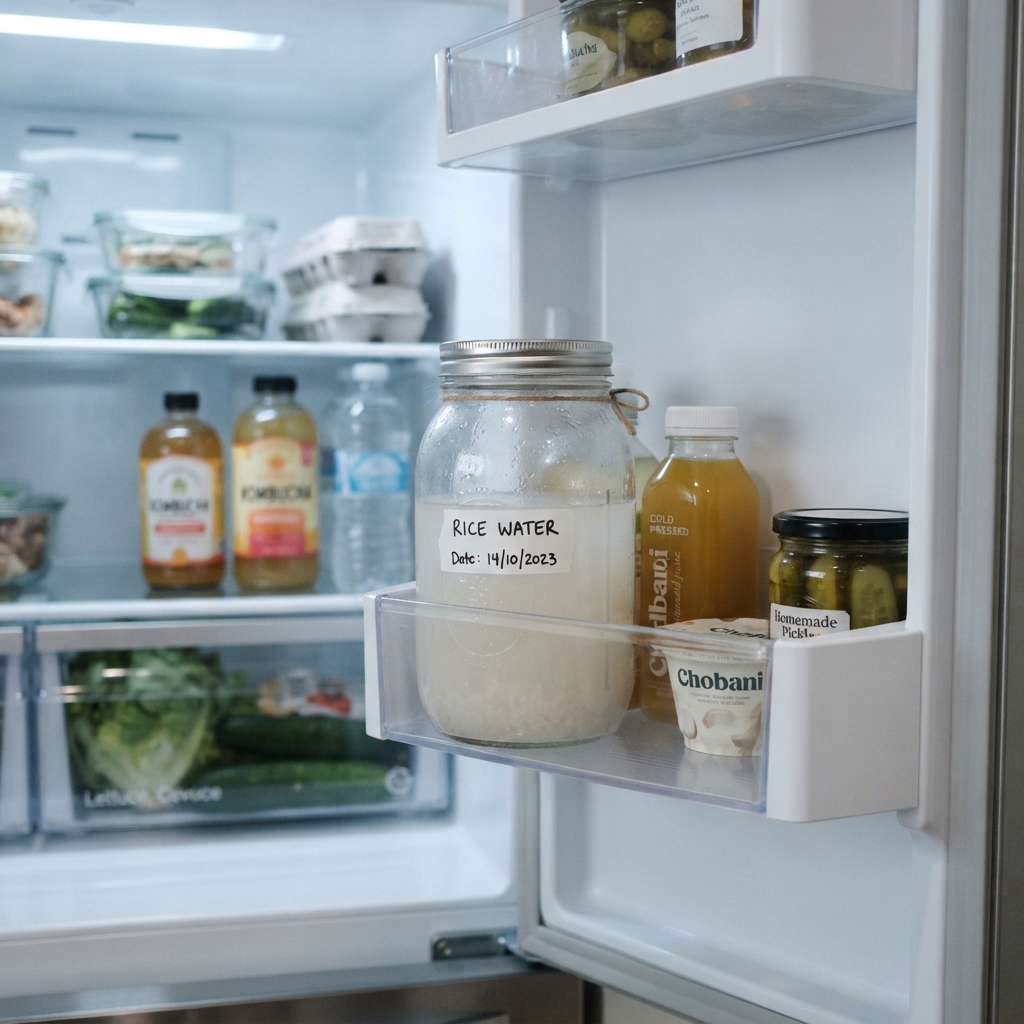
Rice water is basically food. Treat it like it.
- Refrigerate it. Always.
- Use fresh rice water within 2 days, fermented within 5 days.
- Keep it in a clean glass jar with a lid.
- Label the date — you will forget.
- Smell it before every use. Sour is fine. Rotten is not.
- Make small batches weekly instead of one giant jug.
- Never reuse rice water you already poured over your hair.
Want it to last longer? Freeze it in ice cube trays and thaw one per use. That’s my favorite trick.
Quick Pros and Cons
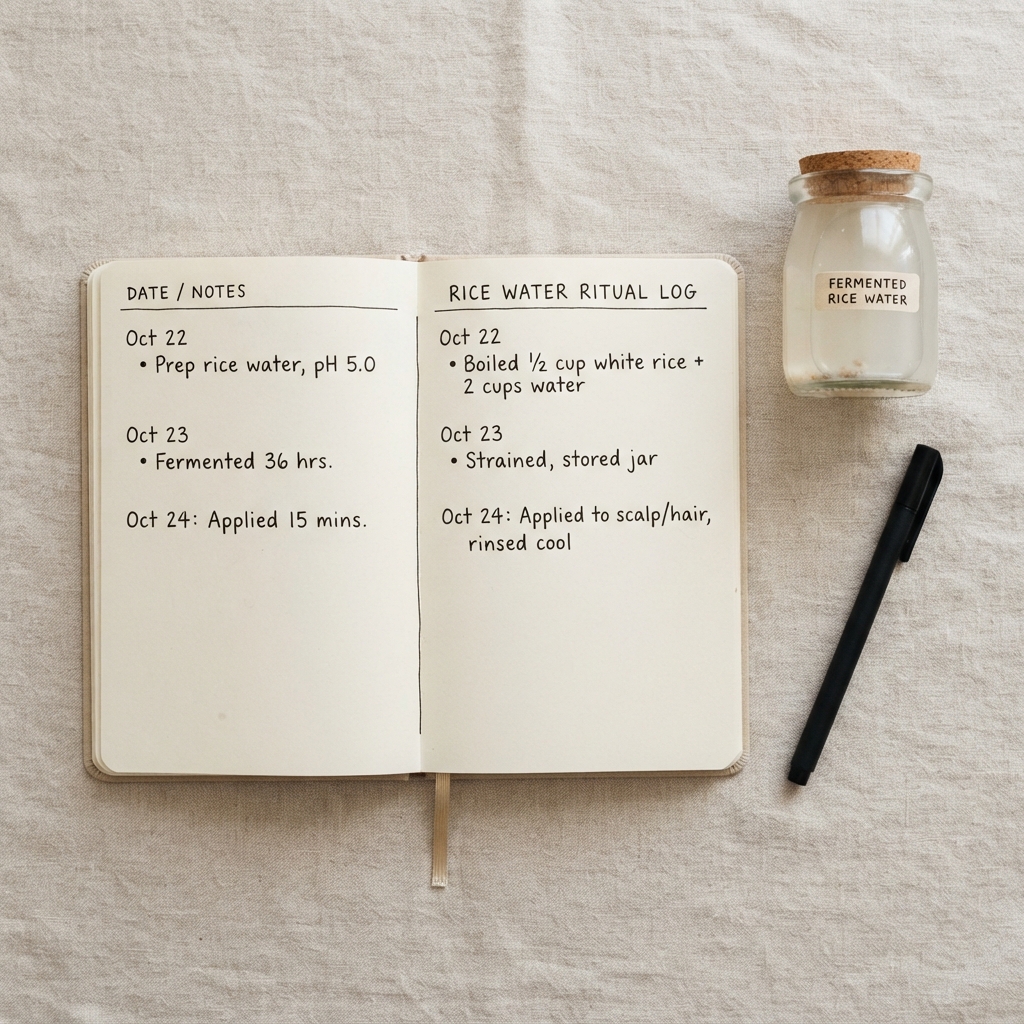
Let’s lay it out simply.
Pros:
- Costs almost nothing
- Adds shine and slip fast
- Reduces breakage over time
- Gentle enough for most scalps
- Easy to DIY
Cons:
- Doesn’t actually speed up growth
- Smells if fermented
- Can cause protein overload
- Spoils quickly
- Results vary a lot from person to person
Bottom line: low risk, low cost, moderate reward. Try it for eight weeks and decide for yourself.
A Simple 4-Week Rice Water Routine
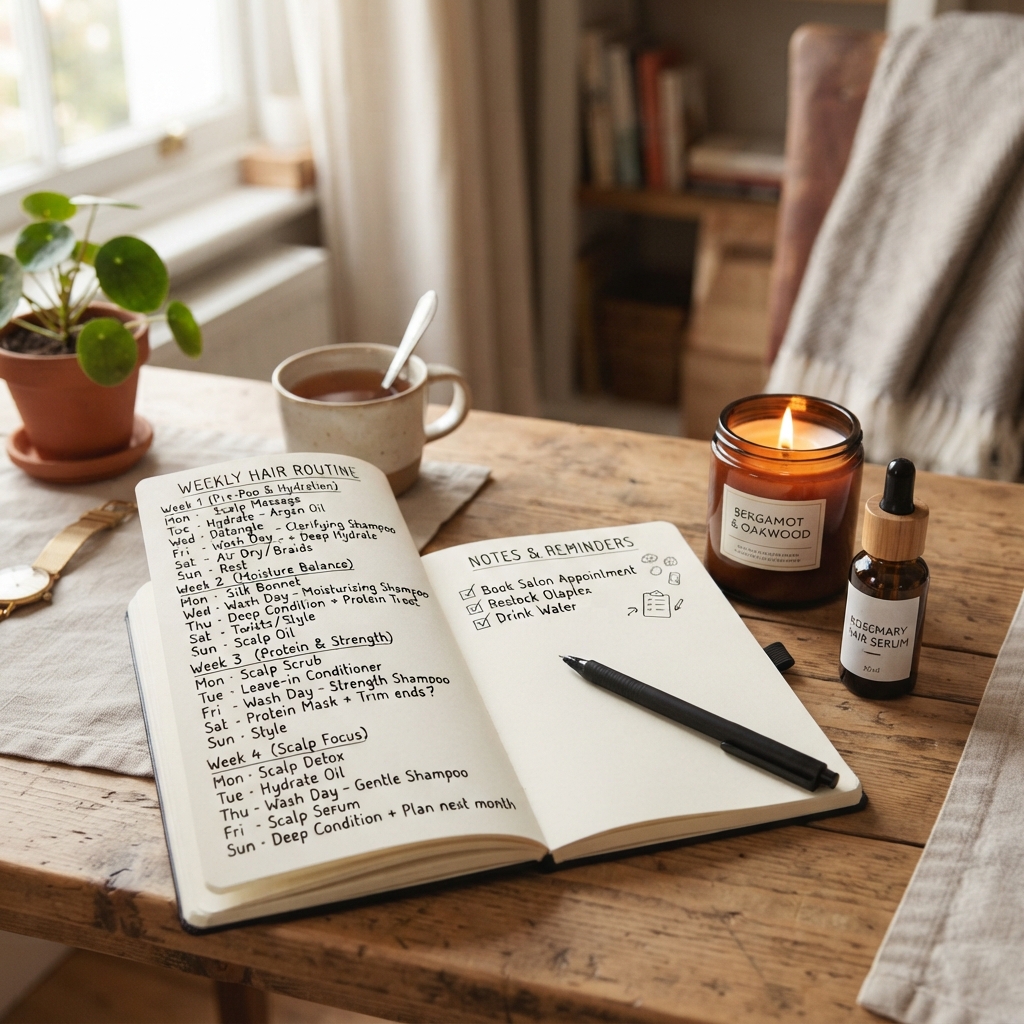
If you want a plan instead of guesswork, do this.
- Week 1: One rice water rinse, 5 minutes, diluted. Follow with leave-in.
- Week 2: One rice water rinse, 10 minutes. Note how your hair feels.
- Week 3: One rinse, 15 minutes if hair feels good. Skip it if hair feels stiff.
- Week 4: Assess. Take a photo. Compare it to week one.
Stick with once a week if you like it. Drop to every other week if your hair is fine or low porosity. Pair it with a gentle wash routine, a trim every 10–12 weeks, and minimal heat. That combo does way more than any rinse alone.
My Honest Takeaway
Rice water is a nice, cheap, gentle add-on. It makes hair shinier and less breakage-prone, and that’s genuinely worth something. It just isn’t the growth miracle the internet promised.
Use it once a week, dilute it, follow with moisture, and give it eight weeks. If your hair loves it, keep going. If it doesn’t, no hard feelings.
Your hair’s health is a hundred small choices, not one viral rinse.
Save this post to Pinterest so you can find it on your next wash day. And tell me in the comments: have you tried rice water, and did it actually do anything for your hair? I read every single one.

