

We’ve all been there. You look in the mirror and realize your hair has seen better days. It’s dry, it’s brittle, and every brush stroke feels like a tiny crisis. I get it—I’ve absolutely been there, crying over a pile of shedding strands.
The good news? You don’t have to chop it all off and start from zero to feel like yourself again. Transitioning damaged hair is a journey, but it’s one we can totally walk through together. Think of this as a friendly roadmap to bringing your strands back to life.
This guide is packed with practical, doable steps to help you nurture your hair back to health. No judgment, no crazy expensive products—just real talk and a plan that works. Grab your favorite hair tie, and let’s dive in.
Admit the Breakage: Look at Your Hair Honestly
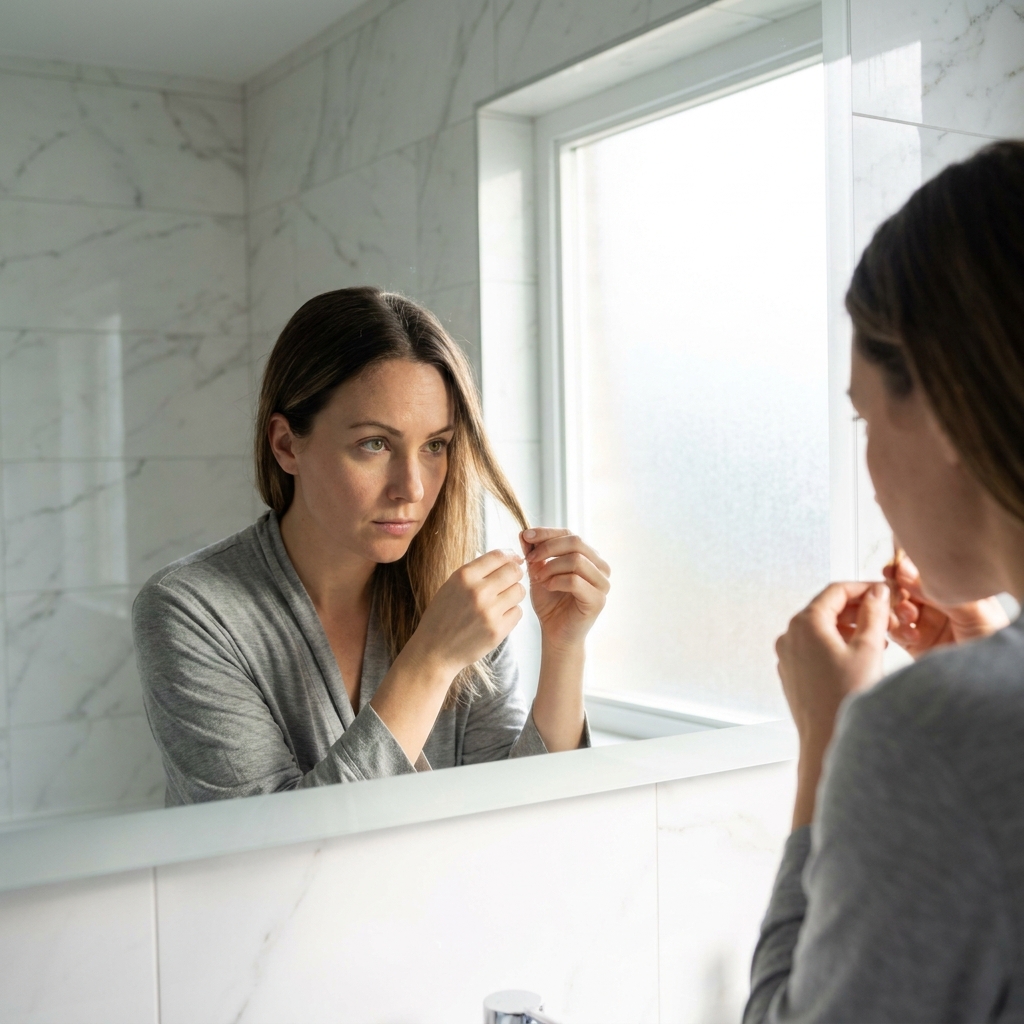
The first step to fixing damaged hair is accepting exactly where you are. I know, I know—it’s painful. But you can’t treat your hair properly until you know what you’re dealing with. Take a good look at your ends and your overall texture.
- Are your ends see-through and wispy?
- Does your hair snap when you run a comb through it?
- Does it feel rough and sticky even after washing?
Identifying the type of damage helps you pick the right routine. Maybe it’s from heat, color, or just life in general. Whatever it is, we’re going to tackle it head-on, so don’t stress. We’re starting today with a fresh mindset and a clear plan.
The Big Chop vs. The Slow Trim: Pick Your Path
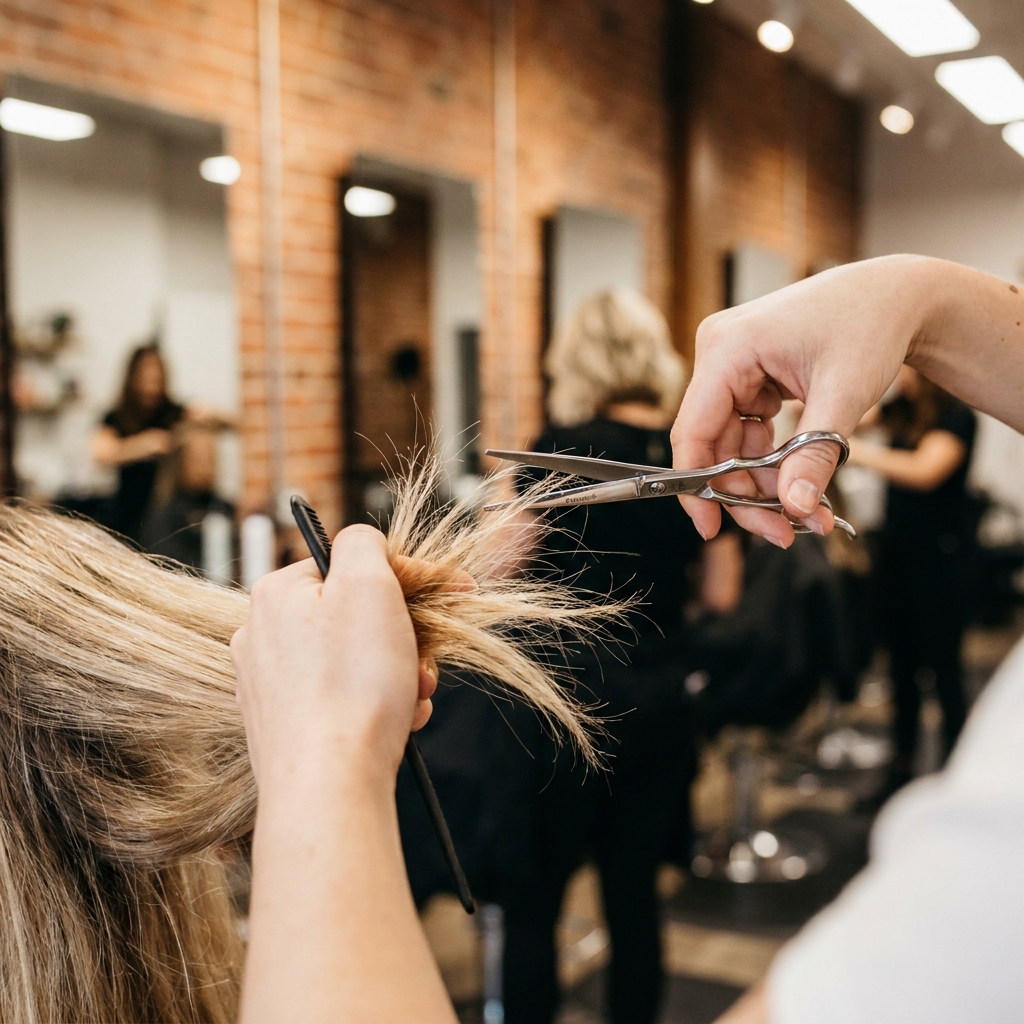
Everyone panics when I mention “cutting” their hair. But hear me out—you have options. The big chop is scary, but it’s a clean slate. If you’re brave, it can be liberating. If not, the slow trim is your best friend.
For the slow trim strategy, just commit to a small trim every 8 to 10 weeks. Over time, you’ll snip away the dead weight while keeping your length. It’s the practical choice for those of us clinging to our lengths.
Don’t let anyone pressure you. Whether you go for a dramatic change or take it slow, both paths lead to healthier hair. You’re in control here, and there is no wrong answer.
Say Hello to Bond Builders
Let’s talk about the magic of bond builders. These aren’t your average conditioners; they actually repair the broken protein bonds inside your hair shaft. It’s like giving your hair a tiny structural renovation, and it’s honestly a game-changer.
You don’t need a million products. Just pick one good bond-building treatment and use it once a week. Look for ingredients like amino acids and proteins that help fill in those gaps.
In just a few weeks, you’ll notice less breakage and way more shine. It’s the building block for the viral hair trends we love, like the quiet luxury bob or glossy 2026 hairstyles. Healthy hair just looks more expensive, doesn’t it?
Heatless Is the New Hot

I’m going to say something controversial: put down the curling iron. Heat is the fastest way to wreck your progress. If your hair is damaged, direct heat is basically your enemy, even with a heat protectant.
good news is heatless styling is having a massive moment. You can get gorgeous, bouncy waves using foam rollers, braids, or a silk ribbon. It takes a little extra time at night, but your hair will thank you.
Plus, heatless styles are perfect for that “I woke up like this” look. It fits right in with the romantic, effortless vibes of romantic goth hairstyles or a sleek old money hair aesthetic. Let your hair rest and still look amazing.
Old Money Hair in 2026

When I think about hair goals for 2026 hairstyles, I keep coming back to old money hair. It’s all about health, shine, and a super polished look. The message is clear: your hair should look expensive, not damaged.
The secret? Gentle handling and a simple routine. Skip the harsh bleach and go for a richer, single-process color if you can. Invest in a noddle-up blow dry technique using a round brush to get that smooth finish.
With consistent care, you’ll get that gloss and movement that defines the old money aesthetic. It’s refined, mature, and honestly timeless. And the best part? You don’t need a celebrity stylist to achieve it at home.
The “Quiet Luxury” Bob for Damaged Ends

If your ends are beyond saving, a quiet luxury bob is the smartest power move. A bob instantly cuts away the most damaged, oldest parts of your hair. You end up with thicker-looking, bouncier strands instantly.
This look screams confidence. It’s the kind of haircut that says, “I know what I want and I’m clicking on it.” Plus, it’s ridiculously easy to style, which saves you precious time in the morning.
You can wear it sleek or with a slight bend. Either way, healthy-looking hair makes the cut look high-end. Let’s be honest—there’s a reason it’s one of the biggest 2026 hairstyles yet.
Bangs to Save the Day (and Hide the Damage)

Let’s talk about the art of distraction. Bangs are the perfect way to hide the damaged fringe areas around your face. If your hair is broken right at the front, curtain bangs can swoop in and save the look.
They frame your face beautifully and add instant style. Plus, trimming your bangs removes the split ends at the front of your head, which are often the most visible. It’s a win-win for your confidence and your hair health.
You can switch things up with wispy bangs or go full blunt. It gives you a trendy feel—think hime cut vibes or softer, romantic layers. It’s the perfect temporary fix while you wait for the rest of your hair to catch up.
For the Romantic Goths: Lean Into the Vibe

You don’t have to be all about beachy waves to heal your hair. If you love the darker, moodier side, lean into romantic goth hairstyles. This look is all about rich, dark colors and heavy texture, which can be very forgiving on damaged strands.
That dark, glossy color actually reflects light better, hiding dullness and brittleness. You can add volume with some texture powder and braid your hair in intricate styles. It looks intentional, dark, and absolutely chic.
Dark hair also allows you to stretch out your time between washes, which is excellent for your hair’s health. Less washing means more natural oils and less stress. It’s a win for your aesthetic and your repair journey.
The Asymmetrical Lob: A Modern Fix

If you want to cut a lot of damage out but can’t handle the commitment of a bob, consider the asymmetrical lob. This cut is a stylist’s secret weapon for damaged hair. The uneven lengths add movement and make the ends look intentionally edgy.
With one side shorter than the other, the hair looks fuller. Your stylist can remove more damage from the shorter side while keeping length on the other, giving you style and practicality.
It involves less styling time because the “messiness” is built into the design. You can air dry it and still look trendy. It’s a cool-girl cut that secretly protects your hair.
Glitchy Glam Hair: Wear Damaged Texture on Purpose

Okay, this one is a fun one. We all know damaged hair can sometimes look kinked or wavy where it shouldn’t be. Instead of fighting it, try styling it as glitchy glam hair. This trend is all about embracing sharp, irregular bends and futuristic silhouettes.
Use some molding paste or a texturizing spray to define those separated, sharp pieces. It looks high-fashion and fully intentional. You are rocking the damage, not hiding it, which is a whole mood.
This works best with shorter cuts where you can see the shape. If you have long hair, just twist sections to create that uneven, techno texture. It turns a bad hair day into a runway moment.
Deep Conditioning Without the Weight
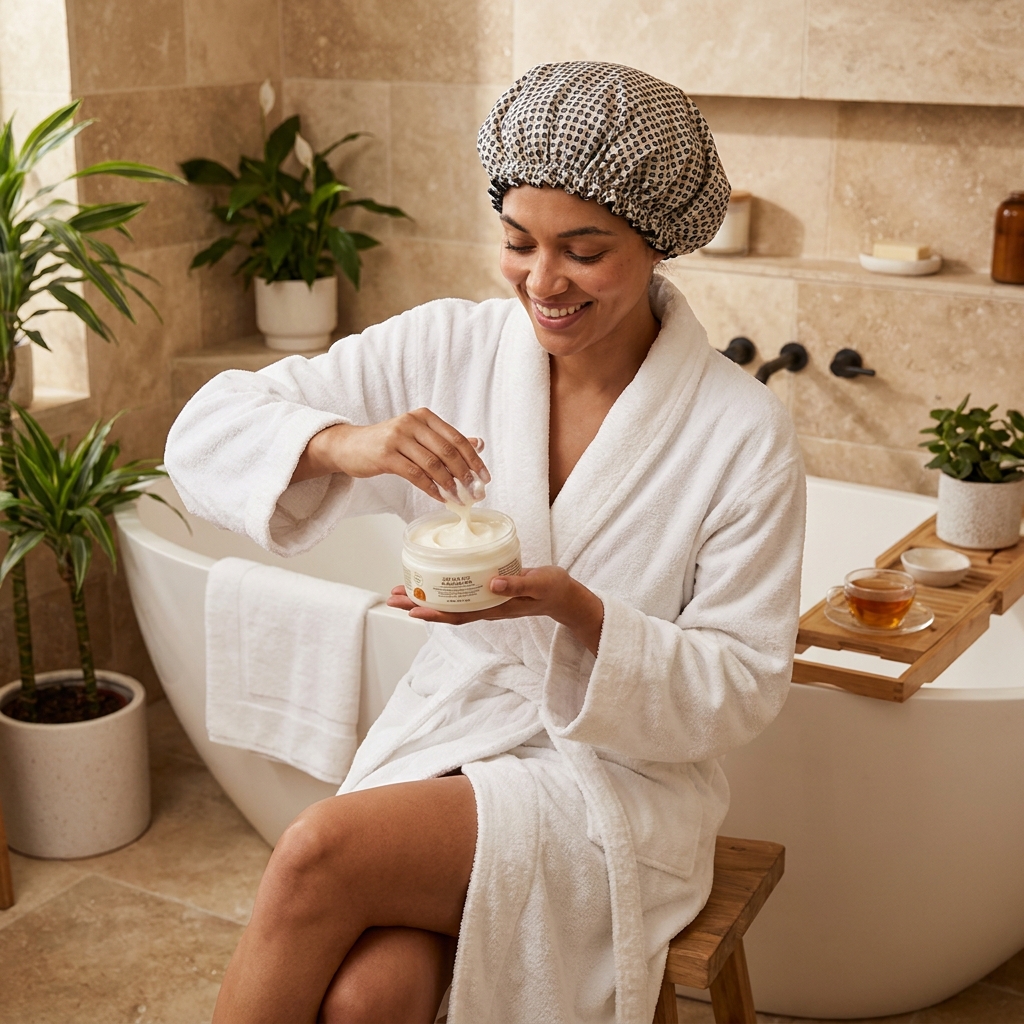
Your hair is thirsty, so we need to give it a serious drink. But a heavy conditioner can leave your fine hair looking greasy. The trick is finding a lightweight deep conditioner that hydrates without making you look like you skipped a shower.
Look for water-based formulas with glycerin or aloe vera as key ingredients. Apply it only to the mid-lengths and ends—never the scalp—to keep your roots fresh. Focus your energy on what is damaged, the older hair.
Do this once a week, and you will see a massive difference in elasticity. You want your hair to bounce back, not snap. Healthy, hydrated hair is the bedrock for any old money hair style you want to rock.
The “Vampire Haircut” is Your Secret Weapon
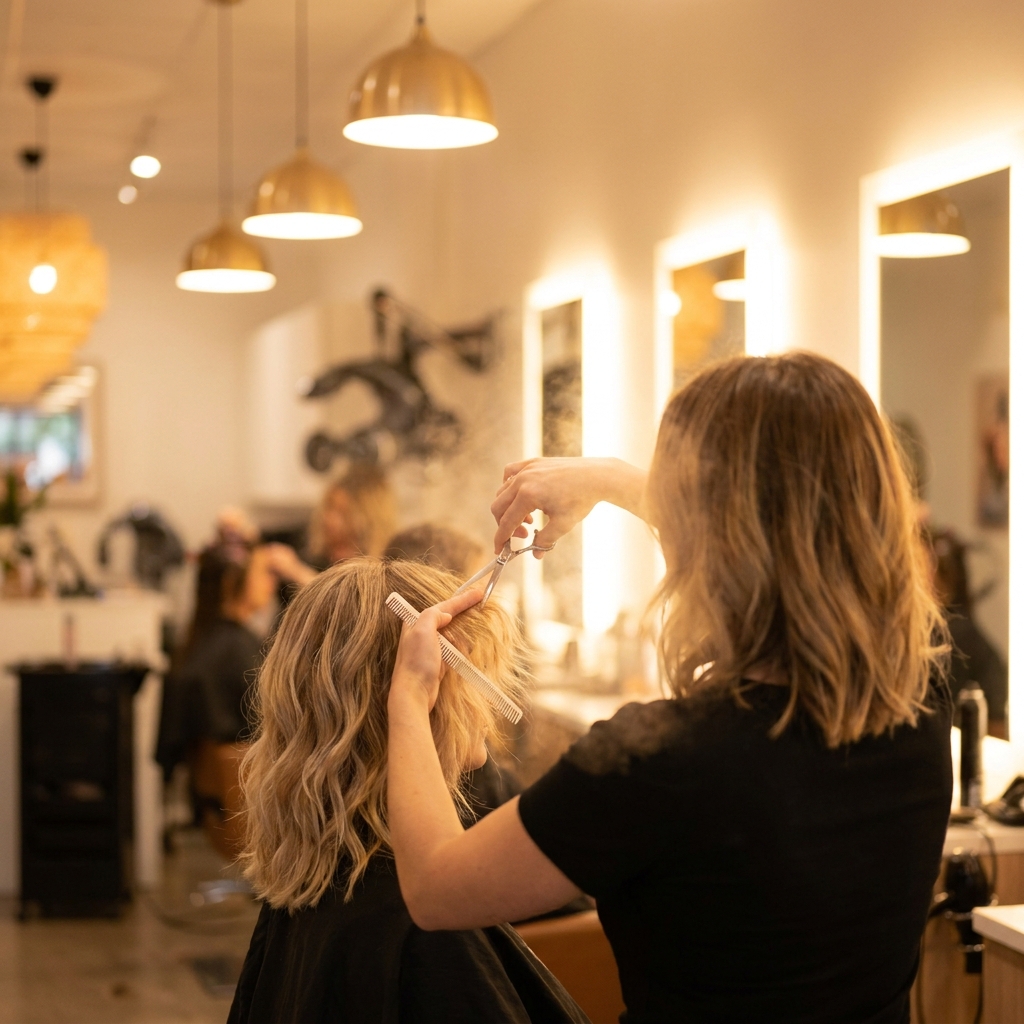
Have you heard about the vampire haircut? It sounds scary, but hear me out. This technique involves point-cutting into the ends to create wispy, fang-like points rather than a blunt line. The result is an edgy, jagged texture that removes bulk damaged hair.
It’s the best way to get rid of split ends without losing actual length. Those tiny sharp cuts take away the thin, scraggly pieces that make hair look tired. By carving out that shape, the hair instantly looks thicker and more full.
It’s very “I’m pale, mysterious, and my hair is somehow always perfect.” It’s an incredible technique for anyone wanting to keep their length but ditch the damage.
The Hime Cut: Stunningly Sharp

Let’s talk about one of the most underrated cuts: the hime cut. This Japanese-inspired style features blunt bangs and sharp, tailored side pieces framing the face. It’s dramatic, structured, and perfect for hiding breakage.
Because the face-framing pieces are so tight and defined, they look like a style statement rather than broken growth. It’s also great for keeping the eye away from your damaged back ends. Pair it with straight, sleek styling to show off the cut.
It works brilliantly with dark, dyed hair, making it a perfect companion to the romantic goth aesthetic. If you want a full transformation that screams fashion, this is it.
Sleeping on Silk: The Nighttime Routine

You spend eight hours in bed, which is a long time for your hair to rub against a cotton pillowcase. Cotton is rough, it steals your moisture, and it creates friction that leads to breakage. Switching to silk is the easiest sleep upgrade you can make.
Silk allows your hair to glide, minimizing tangles while you toss and turn. This means you wake up with less frizz and fewer snapped strands. It is truly a game-changer for your hair health and your sleep quality.
You can also wrap your hair in a silk scarf or bonnet for extra protection. Do this, and you’ll find you can go longer between washing and styling. If you’re trying to preserve your length, this is non-negotiable.
Detangling Like You Mean It
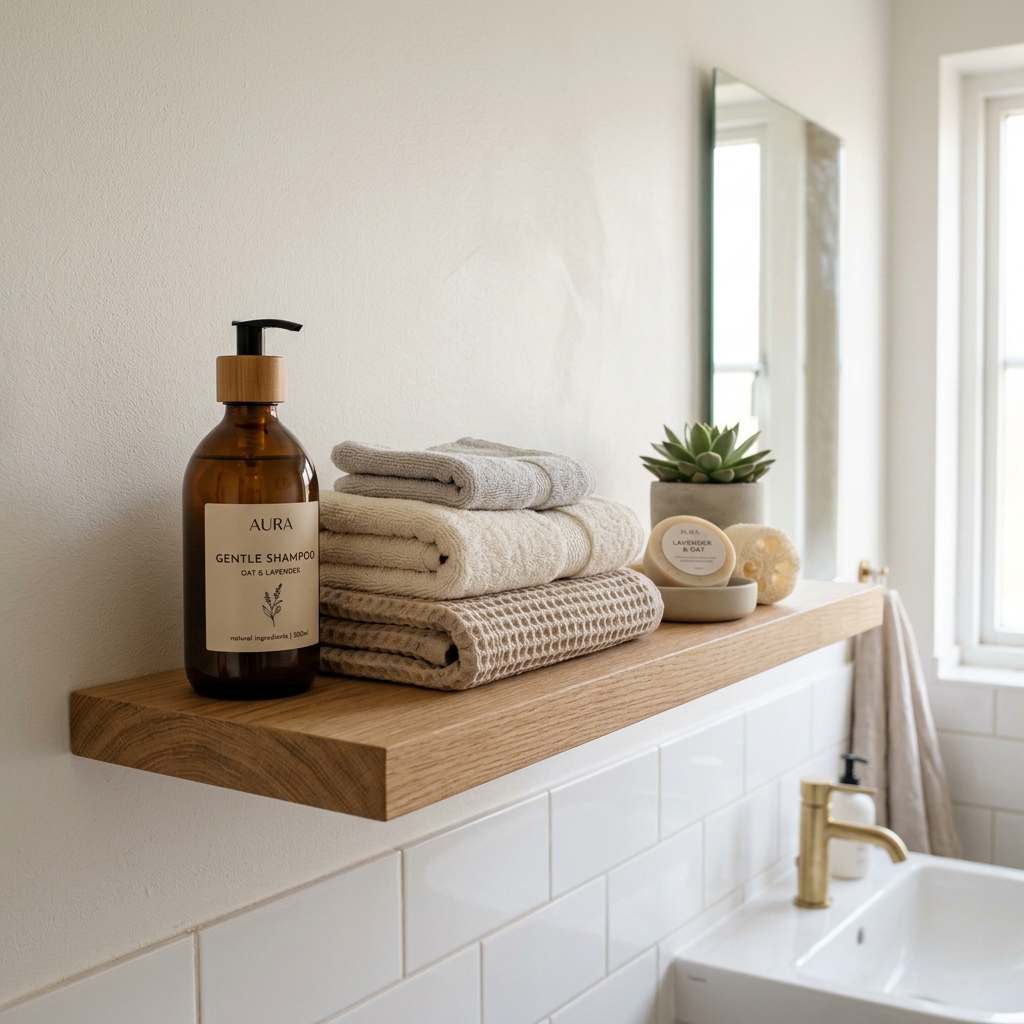
I have to say it: brush your hair from the bottom up. Start at the ends and work your way up to the roots. Doing this prevents you from dragging all those knots through the entire length, which is a recipe for mid-shaft breakage.
Another rule: never detangle dry hair if you can help it. Wet hair is more elastic, especially with conditioner in it. Keep a wide-tooth comb in your shower and use it during conditioning.
Be gentle. Stop pulling and yanking. Your hair is fragile right now, and being rough is basically undoing all your hard work. Treat your hair like a delicate lace fabric—because right now, it kind of is.
Stop Washing Every Day
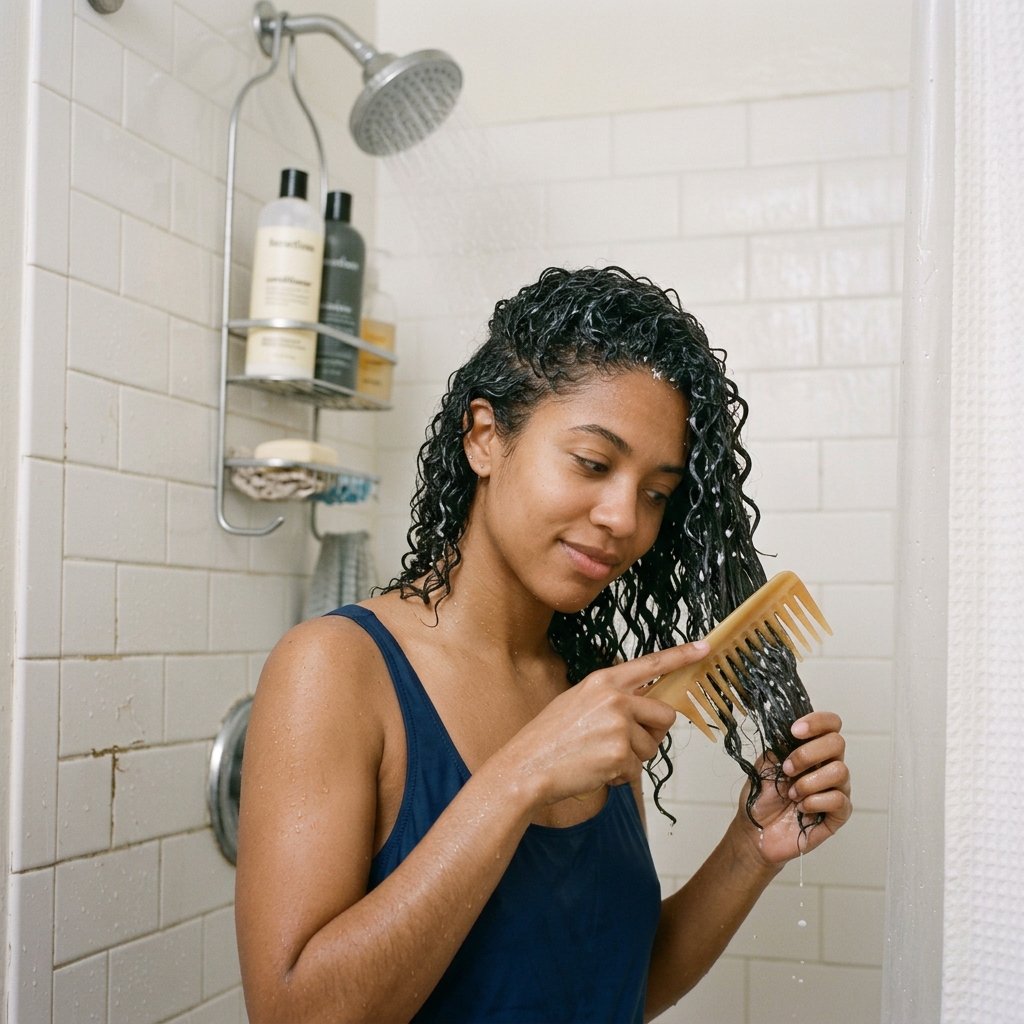
You are probably stripping your hair of natural oils by washing it too often. Over-washing leads to dry, pathetic-looking hair that is prone to snapping. I know the greasy phase is annoying, but trust the process.
Start by stretching your washes to every other day. Then, try to go two days in between. Use dry shampoo at the roots to absorb excess oil while keeping your ends nice and moisturized.
When you do wash, focus the shampoo on your scalp and the conditioner on your ends. This two-step process keeps your scalp fresh and your ends hydrated. It’s the easiest, cheapest thing you can do to promote 2026 hairstyles with lasting shine.
The Mid-Week Slick Back

When you don’t have time for a full wash or style, the slick back is your answer. It’s sleek, polished, and completely hides any damaged texture in your hair. It looks super expensive and opulent, fitting the quiet luxury trend perfectly.
You just need a bit of gel or mousse, and a fine-tooth comb. Pull your hair back tightly into a low bun or a high ponytail. Smooth down those baby hairs and flyaways.
It keeps your ends tucked away and protected, giving them a break from the elements. I love this for those days when my hair is acting up but I still need to look like I have my life together.
Protein vs. Moisture: The Balancing Act
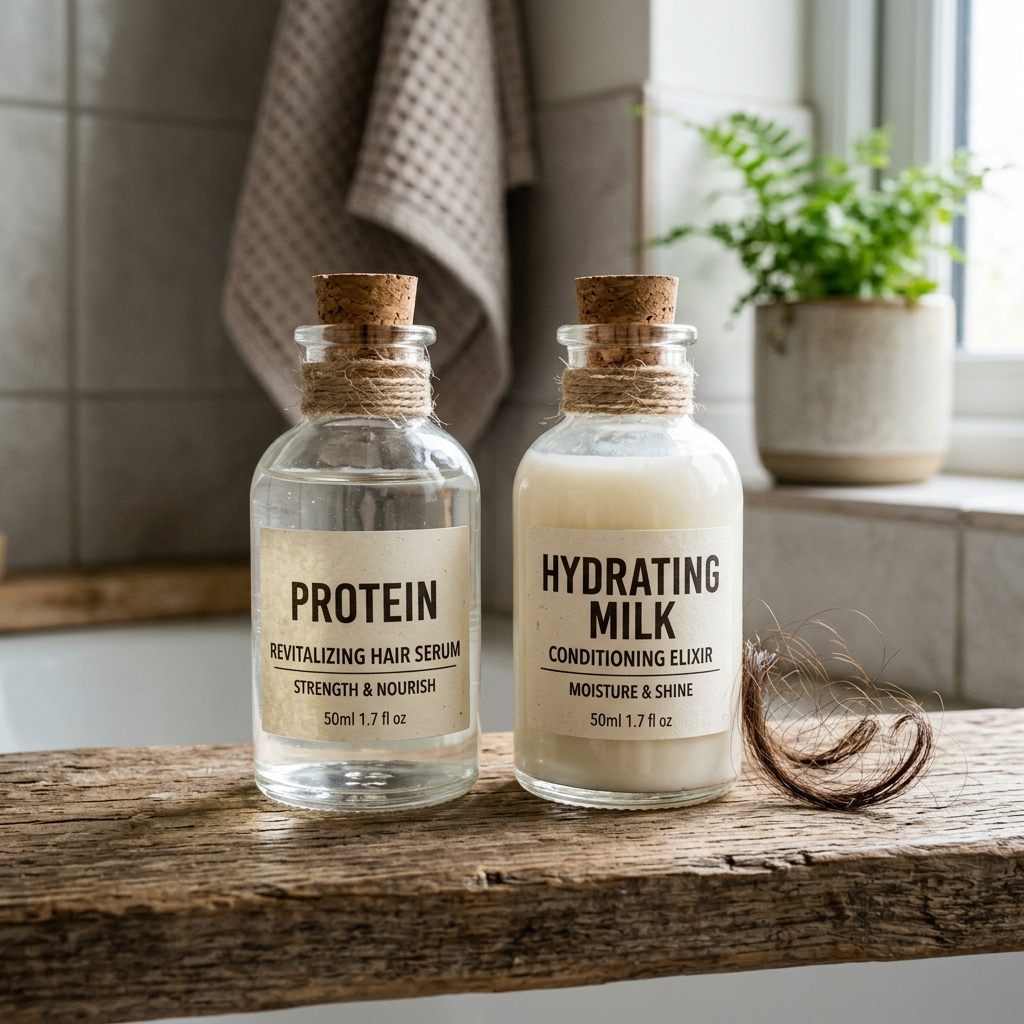
This is where it gets technical, but I’ll keep it simple. Too much protein makes hair brittle and stiff. Too much moisture makes it mushy and limp. You need a balance for strong, flexible hair.
If your hair feels gummy and stretches too much, it needs protein. If it feels like straw and snaps easily, it needs moisture. You can often tell just by feeling a single strand.
Don’t overcomplicate it. Use a protein treatment once a month and a moisturizing mask weekly. Listen to your hair and it will tell you what it needs. This simple rule is the secret to successful transitioning.
Hair Accessories Are Lifesavers
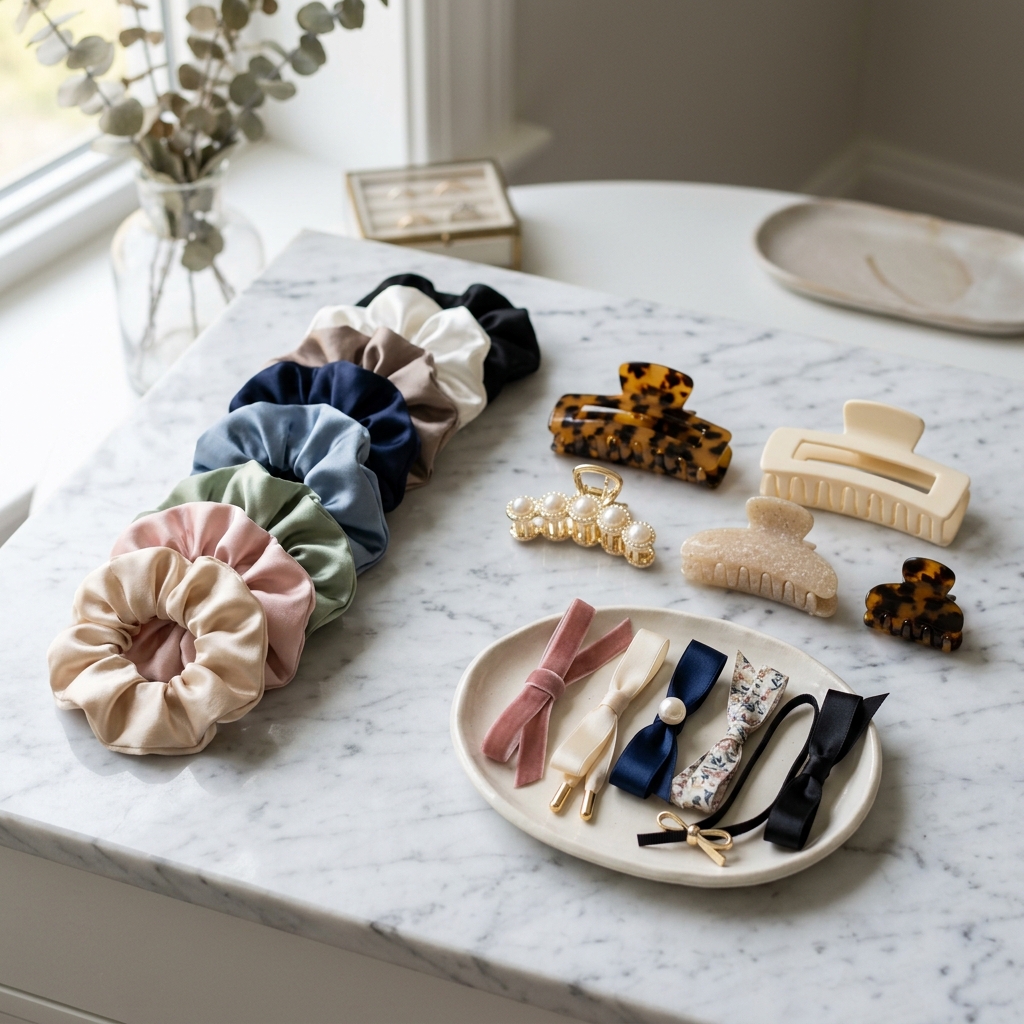
Your stylist might hate me for this, but hair accessories are the best distraction from damage. Claw clips, silk scrunchies, and cute headbands are perfect for hiding broken layers and giving your ends a vacation.
They also keep the hair off your shoulders, reducing friction from your clothes. Twisting your hair into a cute, low bun with a claw clip takes ten seconds and looks incredibly glamourous. It’s the epitome of effortless old money style.
Be careful, however, to avoid tight elastics that can cause more breakage. Use spiral ties or silk scrunchies that are gentle on the strand. This way, you keep your hair safe without looking boring.
Protect Your Ends Like Gold

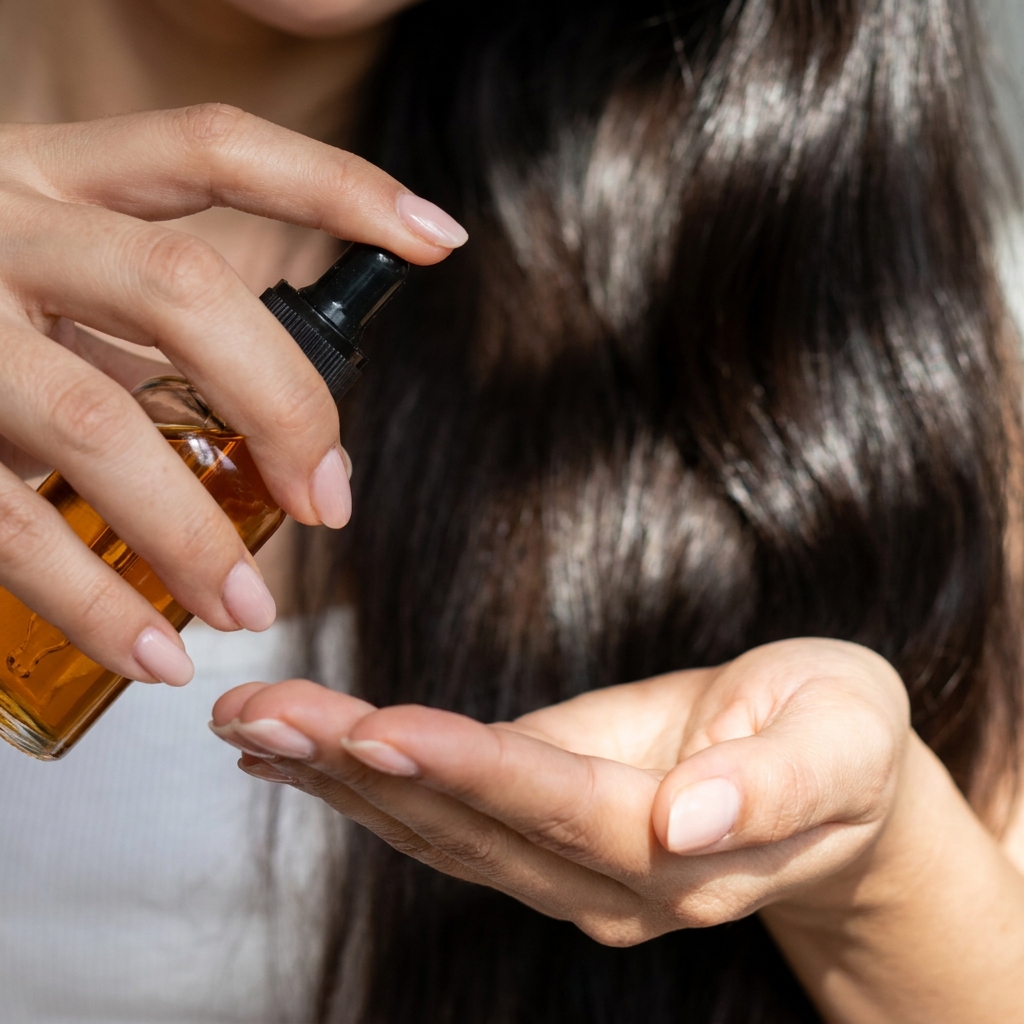
Think of your hair ends as the oldest part of the plant—they are the most fragile. You need to seal them with a lightweight oil to keep moisture locked in. Do this after every wash and before styling.
Focus only on the last two inches of your hair. Rub the oil between your palms and press it in gently. This does wonders for preventing split ends from traveling up the shaft.
This simple step keeps you looking for your next trim way longer. Plus, it adds an incredible amount of shine. Healthy-looking ends are the secret to making the asymmetrical lob or any cut look expensive.
Patience Is the Real Secret
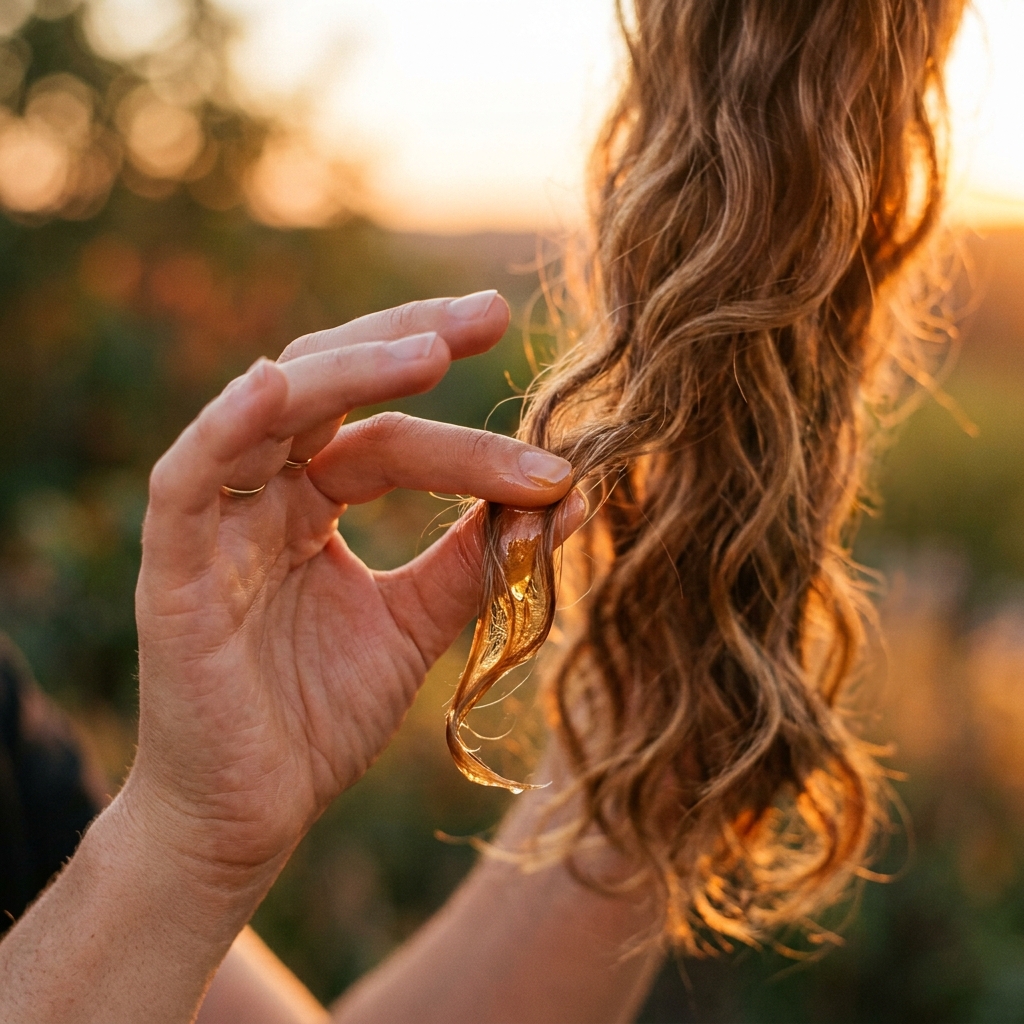
Here is the truth: our hair only grows about half an inch per month. There is no overnight miracle to fix severe damage. But every week of good care is a week closer to the healthy hair you are dreaming about.
Stop obsessing over the perfect length and start obsessing over health. When you cut the stringy ends and focus on deep care, you’ll notice your style looks better even if it’s shorter. It’s about the quality, not the length.
So, give yourself a break. Use this time to experiment with accessories, slicked-back styles, and fun hair masks. The journey is part of the joy, and soon enough, you will see a huge difference.
The Final Word (And a Little Pep Talk)
Alright, friend, we have covered a lot here. From embracing the glitchy glam hair trend to committing to silk pillowcases, you now have a toolkit full of ways to bring your hair back to life. The most important thing is to be kind to yourself.
Don’t get discouraged if everything doesn’t feel perfect right away. Healing your hair takes time, but every small, consistent choice you make adds up. Keep moving forward, and be gentle with the fragile pieces. Your future, healthy hair is waiting for you.
You’ve got this, and honestly, you look great right now—even on the messy days. Remember, confidence is the most attractive thing you can wear, whether your hair is entirely healed or a work in progress.
Save this post to Pinterest so you can find it again when you need a little hair motivation. And tell me in the comments: which of these hair-saving tricks are you going to try first? I’d love to hear your plan!

