

For decades, the fate of our hair has felt like a genetic lottery. We’ve watched our parents and grandparents, hoping to see a glimpse of our own future—thick, luscious locks or a receding hairline? A head of silver-streaked wisdom or premature graying? It’s been a waiting game, a slow unveiling of a destiny written in a code we couldn’t read. But what if you didn’t have to wait? What if you could peer into your own genetic mirror and see exactly what the future holds for your hair?

Beyond the Mirror: What Your Genes Say About Your Hair
Your hair is more than just a style statement; it’s a complex biological structure whose lifecycle is meticulously governed by your DNA. Every aspect, from its color and curl to its strength and susceptibility to loss, is pre-programmed. Traditional advice often focuses on external factors like stress or diet, which certainly play a role, but they are merely actors on a stage built by your genetics.
The key players in your hair’s genetic story include:
Androgen Receptor (AR) Gene: Perhaps the most famous gene in hair loss, particularly male and female pattern baldness (androgenetic alopecia). Variations in this gene determine how sensitive your hair follicles are to dihydrotestosterone (DHT), a hormone that shrinks follicles and shortens the hair growth cycle.
MC1R Gene: Best known for influencing red hair and fair skin, this gene also plays a significant role in the graying process. Certain variants can accelerate the depletion of melanocyte stem cells in the hair follicle, which are responsible for producing your hair’s pigment.
Genes for Hair Texture and Density: A suite of other genes influence whether your hair is straight, wavy, or curly, as well as its overall thickness and density. Some of these traits can change over your lifetime, and your DNA can hint at those potential shifts.
A hair DNA test deciphers these genetic instructions, giving you a profoundly personal understanding of your biology that no amount of guesswork can provide.

What Can a Hair DNA Test Actually Predict?
These tests are incredibly specific, moving from vague worries to concrete, data-driven insights. Here’s what the most advanced kits on the market analyze.
1. Genetic Predisposition to Hair Loss
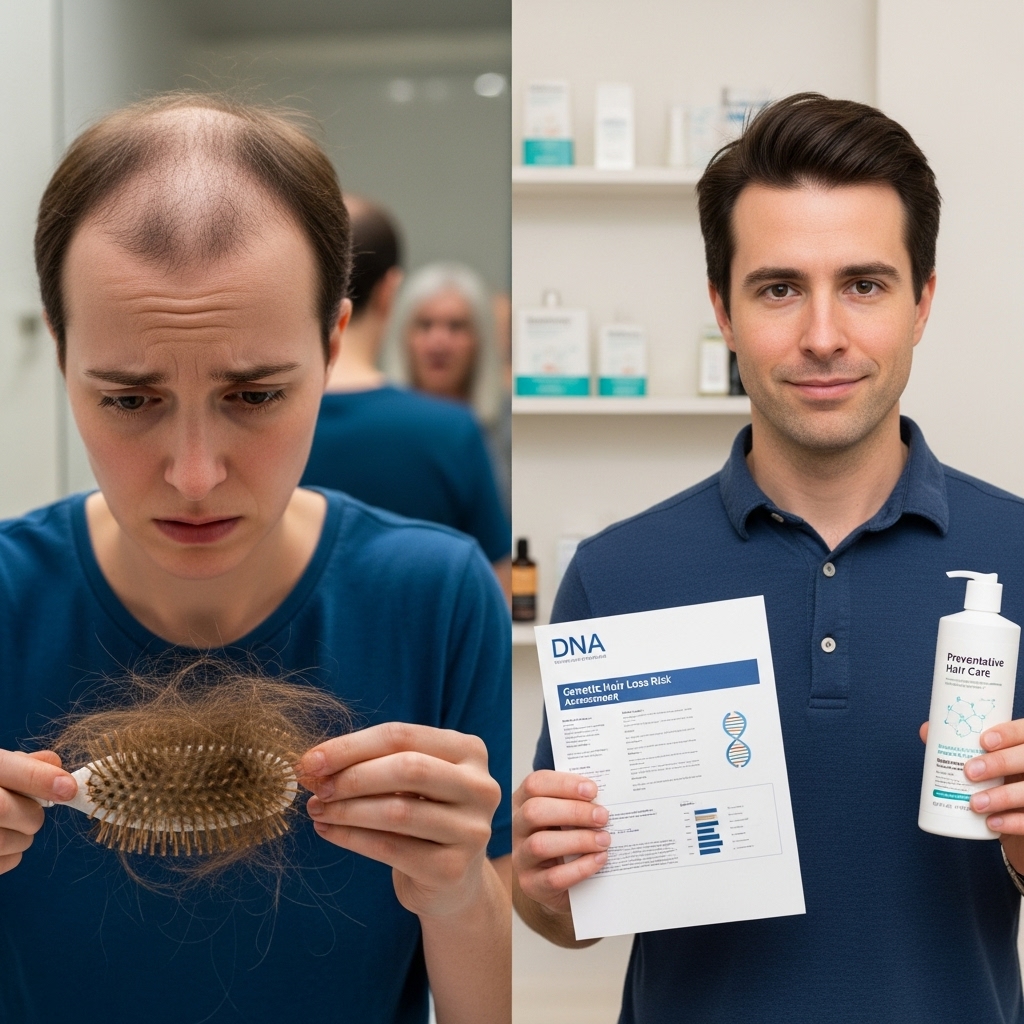
This is the cornerstone of most hair DNA tests. They don’t just tell you if you might lose your hair; they analyze multiple genetic markers to assess your risk level. The results often categorize your predisposition as low, medium, or high. This is powerful because it separates fact from fear. Knowing you have a high genetic risk allows you to adopt a proactive, preventative regimen years before the first signs appear, potentially preserving your hair for much longer.
2. The Timing and Pattern of Graying
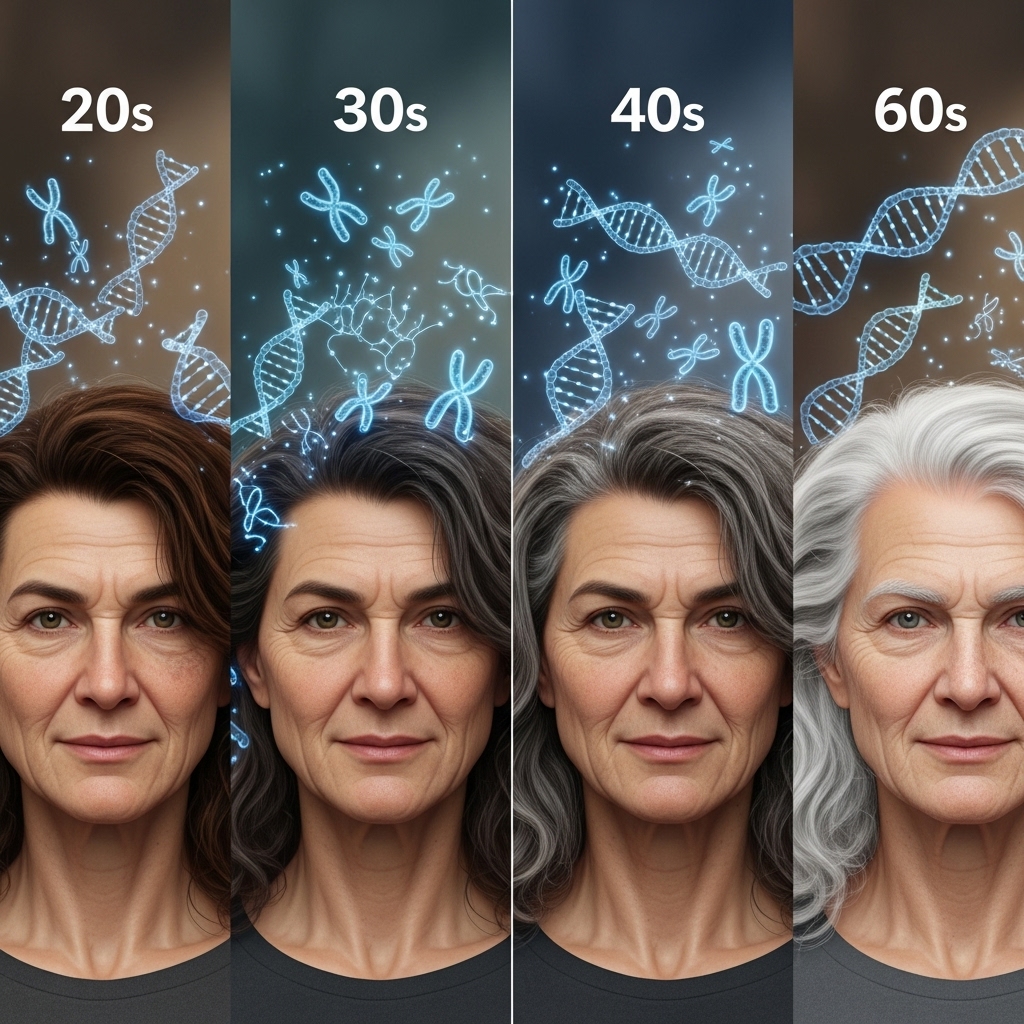
Will you be a silver fox in your 40s or hold onto your natural color well into your 60s? Your genes have a strong say. Tests can identify variants linked to the premature decline of melanin production. This knowledge isn’t about vanity; it’s about setting realistic expectations and perhaps even influencing the process with emerging nutraceuticals designed to support melanin health based on your genetic profile.
3. Hair Texture and Density Changes
Many people notice their hair becomes finer, thinner, or even changes texture (from straight to wavy or vice versa) as they age. This isn’t just your imagination. Your genetic code contains clues about these potential evolutions. Understanding this can help you choose the right products and styles that will work for you in the long term, not just today.
How It Works: From Swab to Strategy
The process is remarkably simple, non-invasive, and conducted from the comfort of your home.
Step 1: Order a Kit. You select a reputable hair DNA test provider online and have the kit delivered to your door.
Step 2: Collect a Sample. Using the provided tools, you’ll typically provide a saliva sample by swabbing the inside of your cheek. This collects cheek cells that contain your complete DNA blueprint.
Step 3: Mail It In. You send the sealed sample back to the company’s certified laboratory in a pre-paid envelope.
Step 4: Laboratory Analysis. Scientists extract your DNA from the sample and use advanced technology like genotyping arrays to analyze hundreds of thousands of genetic markers related to hair health.
Step 5: Receive Your Digital Report. Within a few weeks, you receive a comprehensive, easy-to-understand online report. This isn’t just a list of genes; it’s a personalized guide that translates your results into actionable insights about your future hair changes.

From Prediction to Prevention: Taking Control of Your Hair’s Destiny
This is the most critical part. Knowledge without action is just interesting trivia. The true value of a hair DNA test lies in its power to inform a hyper-personalized hair wellness plan.
If your test reveals a high risk for androgenetic alopecia, you can consult a dermatologist early about FDA-approved treatments like minoxidil or finasteride, which are most effective when started proactively. You can also incorporate DHT-blocking shampoos and supplements like saw palmetto into your routine.
For those with a predisposition to early graying, you can explore antioxidants and vitamins like catalase, which may help combat oxidative stress that contributes to loss of pigment.
Ultimately, the report empowers you to make smarter choices about your nutrition, lifestyle, and the products you use, all tailored to your unique genetic needs. It shifts the paradigm from reactive damage control to proactive, strategic preservation.

Ethics and Expectations: A Balanced View
It’s important to approach this technology with realistic expectations. A genetic predisposition is not a guarantee. It means you have an increased likelihood based on your genes, but environmental factors, extreme stress, illness, and diet still play a modifying role. Your genes load the gun, but environment can pull the trigger.
Furthermore, consider privacy. Before purchasing a test, review the company’s data privacy policy. Understand what they do with your genetic data—whether it is anonymized for research, shared with third parties, or stored securely. Choose a company that is transparent and gives you control over your information.

The Future of Hair Care is Personalized
The emergence of hair DNA testing marks a seismic shift from one-size-fits-all solutions to truly individualized care. It’s the end of throwing random products at a problem and hoping they work. Instead, we are moving into an era of precision trichology, where every treatment, supplement, and lifestyle change is informed by the unchanging blueprint you were born with.
While you can’t change your genes, you can absolutely change your outcome. By understanding your genetic risks and strengths, you can craft a defense strategy that is years, even decades, ahead of any potential issue. You are no longer a passive participant in your hair’s story. You are the author, armed with the ultimate spoiler—and the power to rewrite the ending.

