
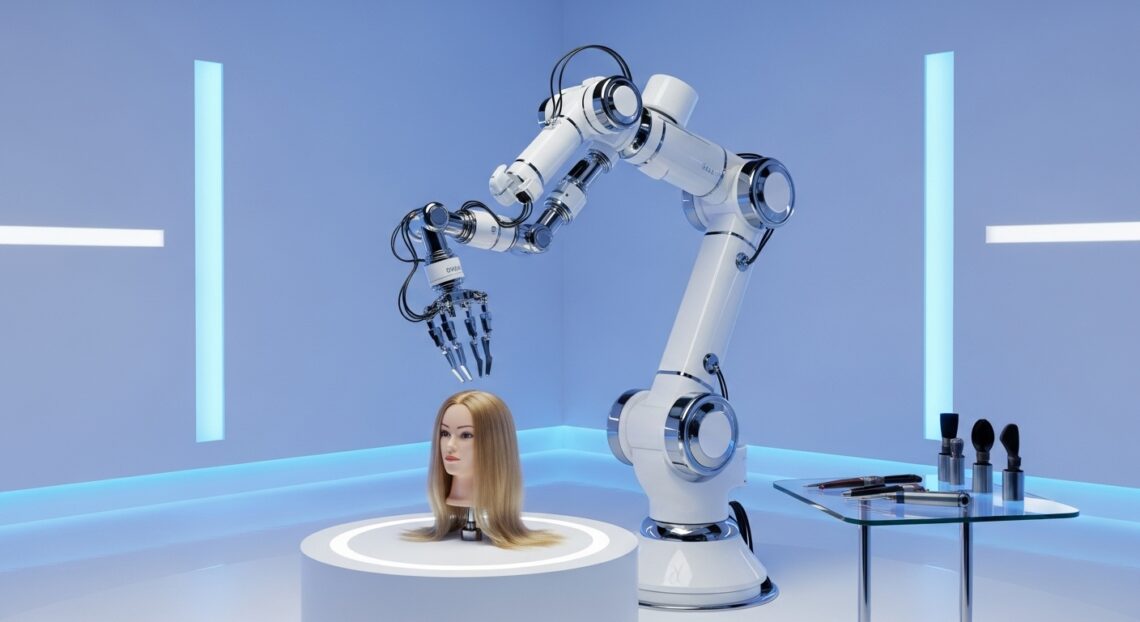
For centuries, the salon chair has been a throne of human connection. It’s a place of trust, artistry, and the intimate, scissor-wielding magic of a skilled stylist. But what if that trusted professional was… not human? The beauty industry is on the cusp of a seismic shift, ushered in not by a new serum or styling tool, but by cold, hard, precise robotics. The era of the automated stylist is no longer science fiction; it’s arriving in salons, promising perfect cuts, flawless color, and unprecedented efficiency. But is this technological marvel a welcome assistant or the beginning of the end for the human touch in hair care? Strap in, because the future is here, and it has a very steady hand.
From Assembly Lines to Hairlines: The Rise of Beauty Robotics
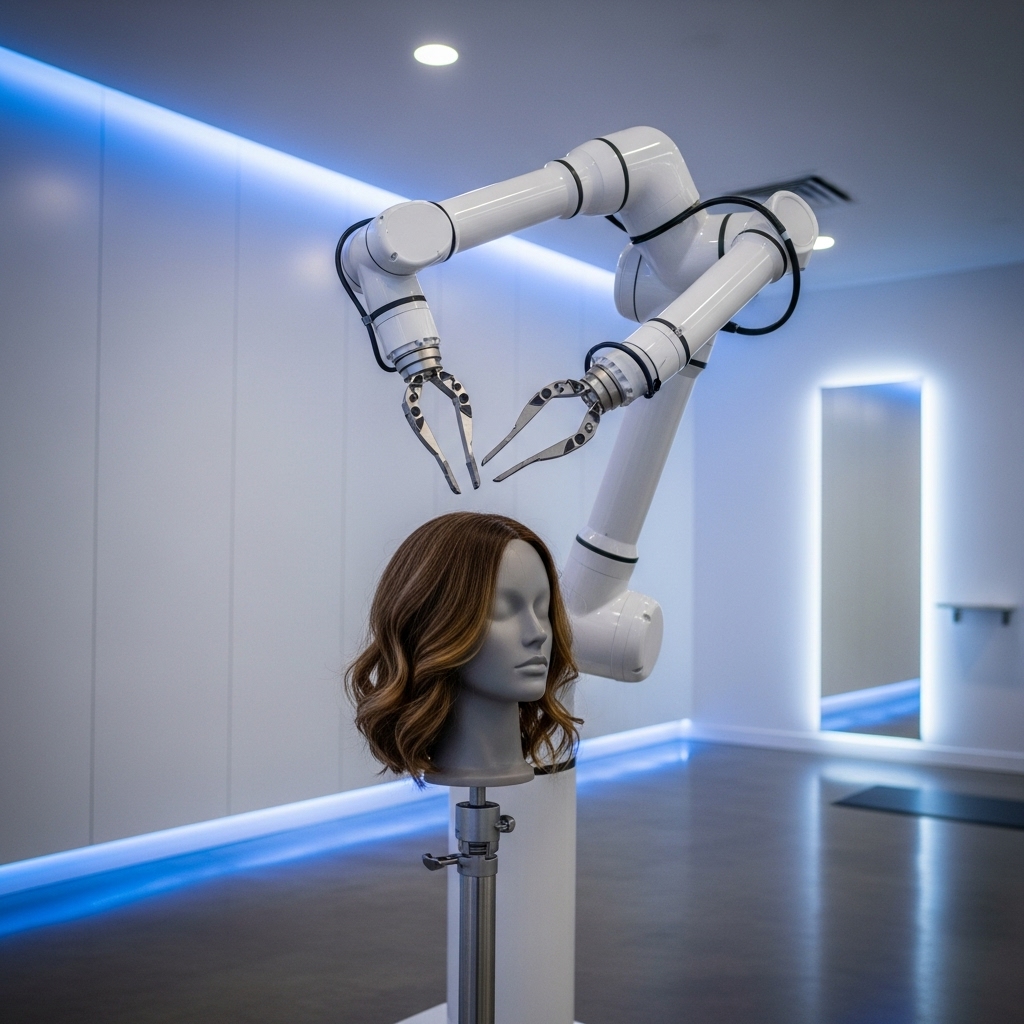
The concept isn’t as sudden as it seems. Robotics have been meticulously perfecting tasks in manufacturing and surgery for decades, where precision and repeatability are paramount. Translating this technology to the organic, variable medium of human hair is the next frontier. Companies are leveraging advanced technologies like 3D scanning, artificial intelligence (AI), and machine learning to create systems that don’t just mimic a stylist’s movements, but can analyze and execute a style with data-driven accuracy.
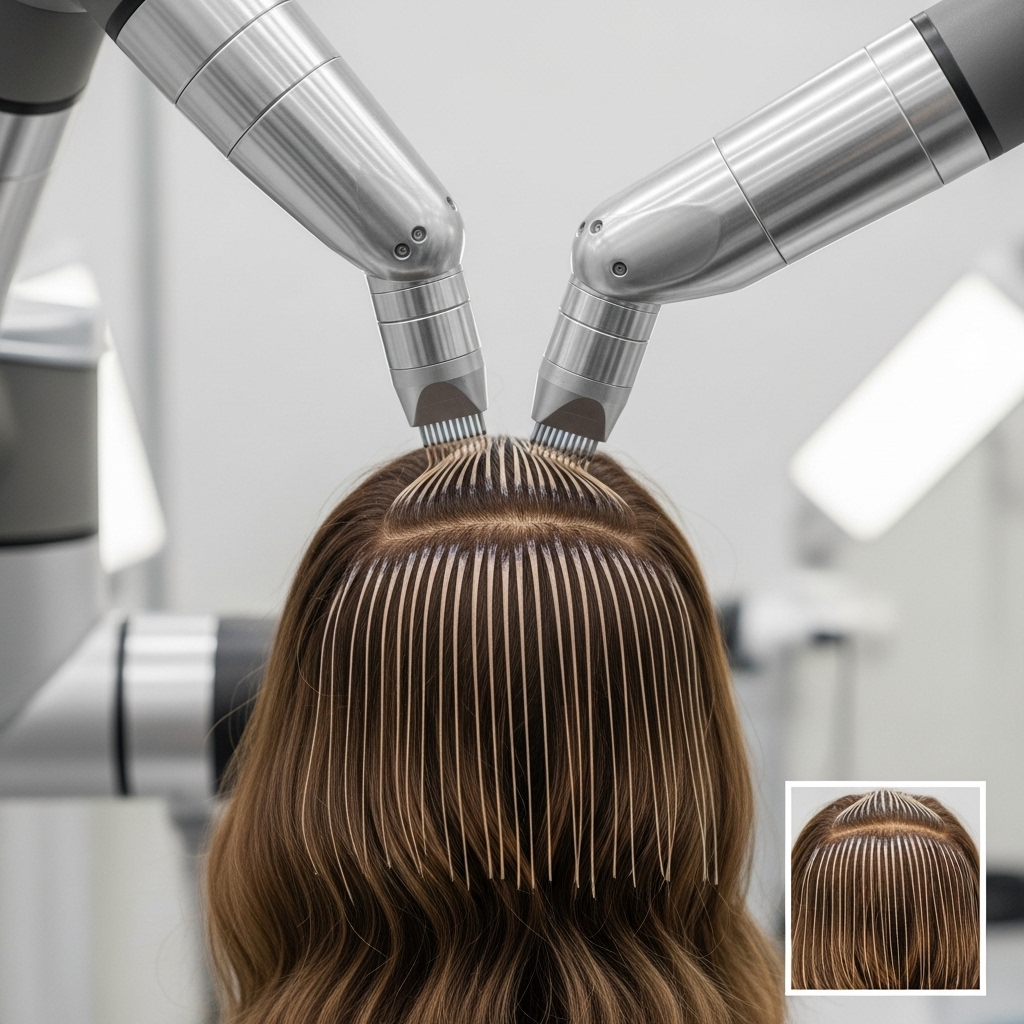
These robots aren’t simple clippers on a rail. They are complex systems. High-resolution cameras map the client’s head shape, hair density, and growth patterns down to the millimeter. AI algorithms process this data, comparing it to a requested style to plot the exact movements and angles for thousands of individual cuts. Force sensors ensure the tools never pull or tug, while safety systems bring everything to an immediate halt if a client moves unexpectedly. This isn’t brute force automation; it’s a symphony of sensitive engineering designed to handle one of the most personal aspects of our lives.
Beyond the Buzz: The Tangible Benefits of Robotic Hair Care
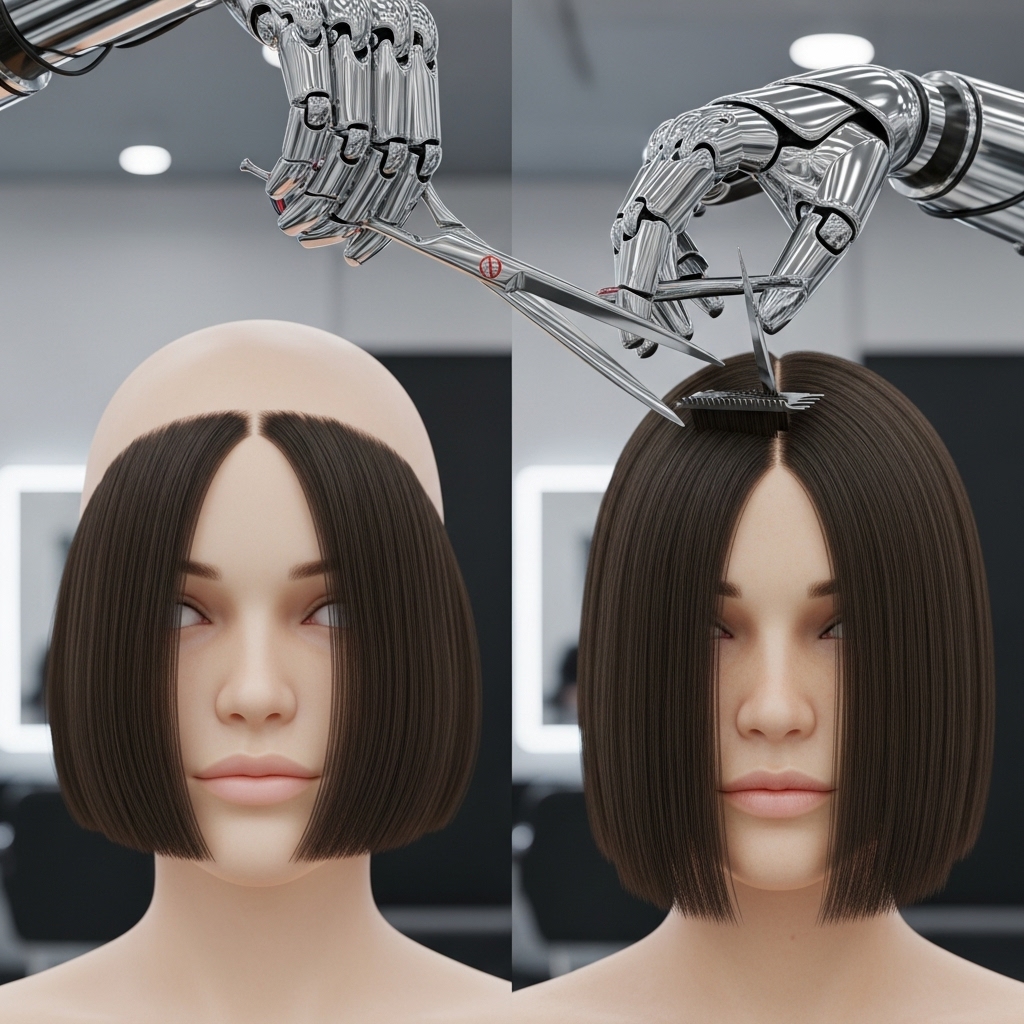
So why would anyone choose a machine over a person? The advantages extend far beyond a simple novelty factor. For clients, the promise is near-perfect consistency. Have you ever fallen in love with a haircut, only to find it impossible to replicate exactly six weeks later? A robot stores the precise data of your cut, allowing for perfect replication every single time, regardless of location or stylist turnover. For intricate color work, like balayage or complex foiling, robots can apply color with geometric precision that is incredibly difficult for even the steadiest human hand to achieve repeatedly.
For salon owners, the appeal is in efficiency and scalability. A single robotic system could potentially handle basic cuts and colors, freeing up human stylists to focus on high-touch services, creative coloring, and client consultation—the aspects of the job that truly require a human soul. It could also help address industry-wide issues like stylist fatigue and repetitive strain injuries, which can shorten careers.
The Human Element: What Can’t Be Automated?
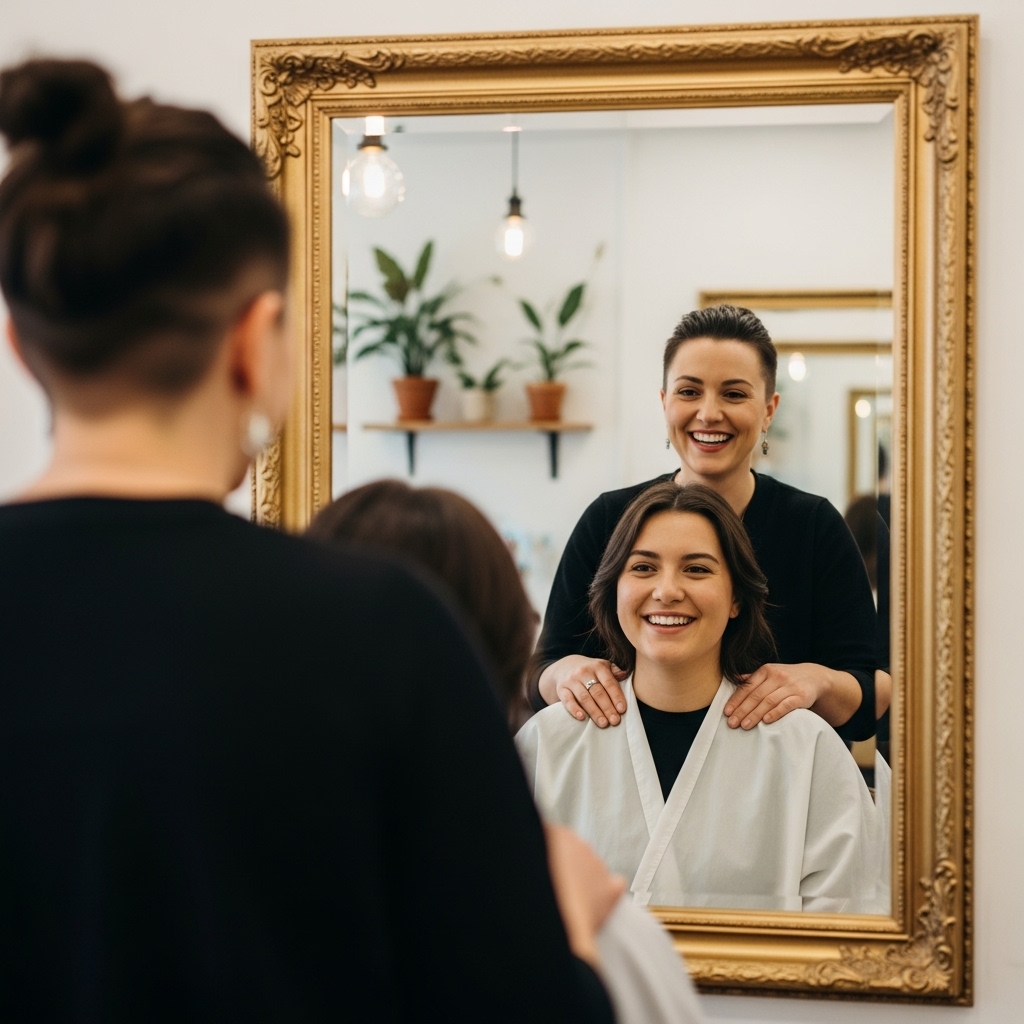
This is the multi-million dollar question. A robot can replicate a technique, but can it replicate trust? The salon experience is deeply psychological. It’s about the reassuring chat, the empathetic ear, the creative collaboration that turns a vague idea (“I want something lighter and fresher”) into a perfect style that suits a client’s face, personality, and lifestyle. This requires emotional intelligence, intuition, and years of lived experience—qualities no algorithm can currently possess.
A human stylist is an artist and a therapist. They feel the hair, understand its unique texture and history (from box dyes to sun damage), and adjust their technique on the fly. They can look at a client’s face and instinctively know which angles will flatter them most. They offer advice, trend knowledge, and product recommendations based on a holistic understanding of the client’s needs. This level of personalized, adaptive service is the high ground that human stylists will continue to hold.
A Collaborative Future: Stylists and Robots Working in Tandem
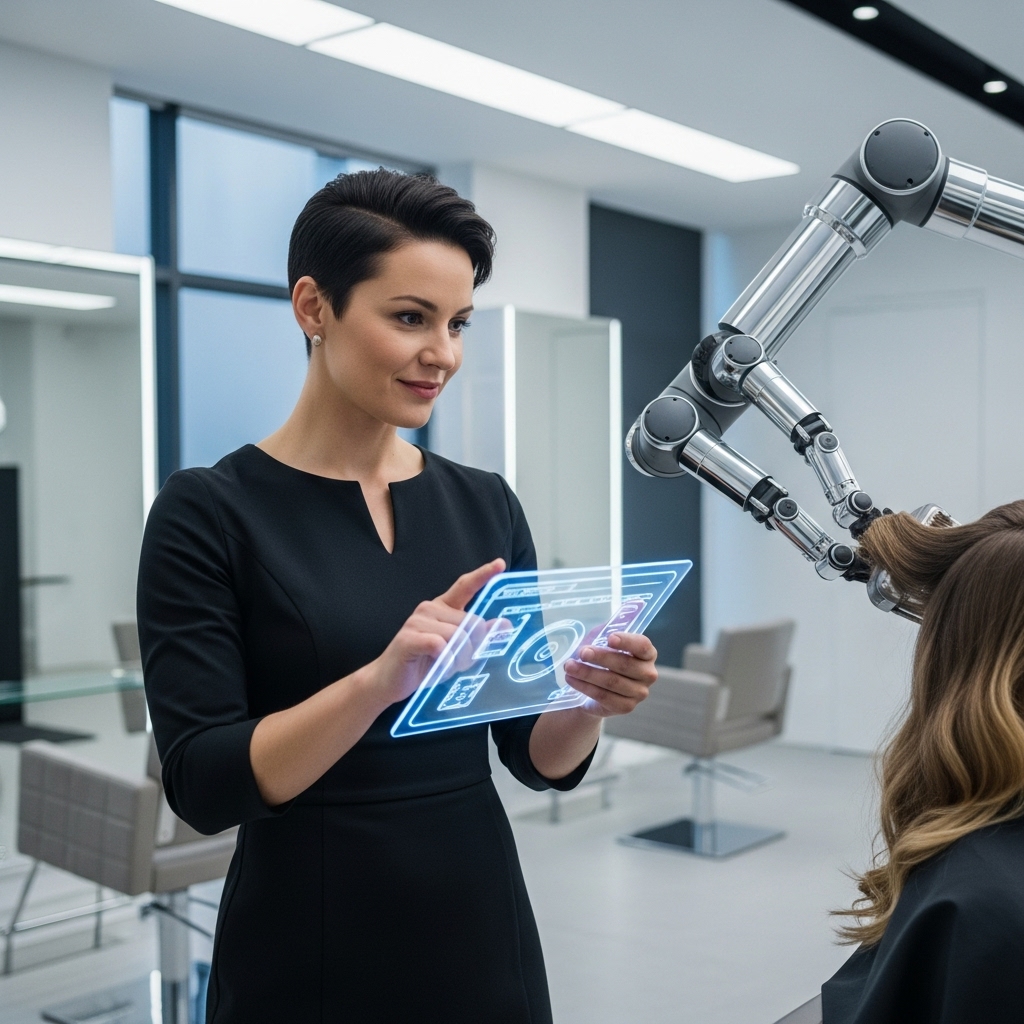
The most likely future is not a dystopian salon full of whirring machines and no people. Instead, we will see a collaborative model emerge. Imagine a world where a master stylist conducts the orchestra. They consult with the client, design the look, and handle the creative, complex parts of the cut and color. Then, for the time-consuming, precision-based tasks—the initial bulk length removal, the perfectly even base color application, the meticulous sectioning for foils—they deploy their robotic assistant.
This partnership maximizes the strengths of both. The robot handles repetitive precision, ensuring a flawless foundation. The human provides the creative vision, emotional connection, and final artistic flourishes that make a haircut a work of art. This elevates the stylist’s role from technician to true artist and director, potentially making their services more valuable and sought-after than ever.
The Ethical and Economic Snip: Job Displacement and Accessibility
No discussion of automation is complete without addressing the elephant in the room: job displacement. Will hair care robots put stylists out of work? It’s a valid concern, particularly for stylists who specialize in more straightforward, technical cuts. The industry may need to adapt, with a greater emphasis on cosmetology education that focuses on advanced creative skills, business management, and client care—areas where humans excel.
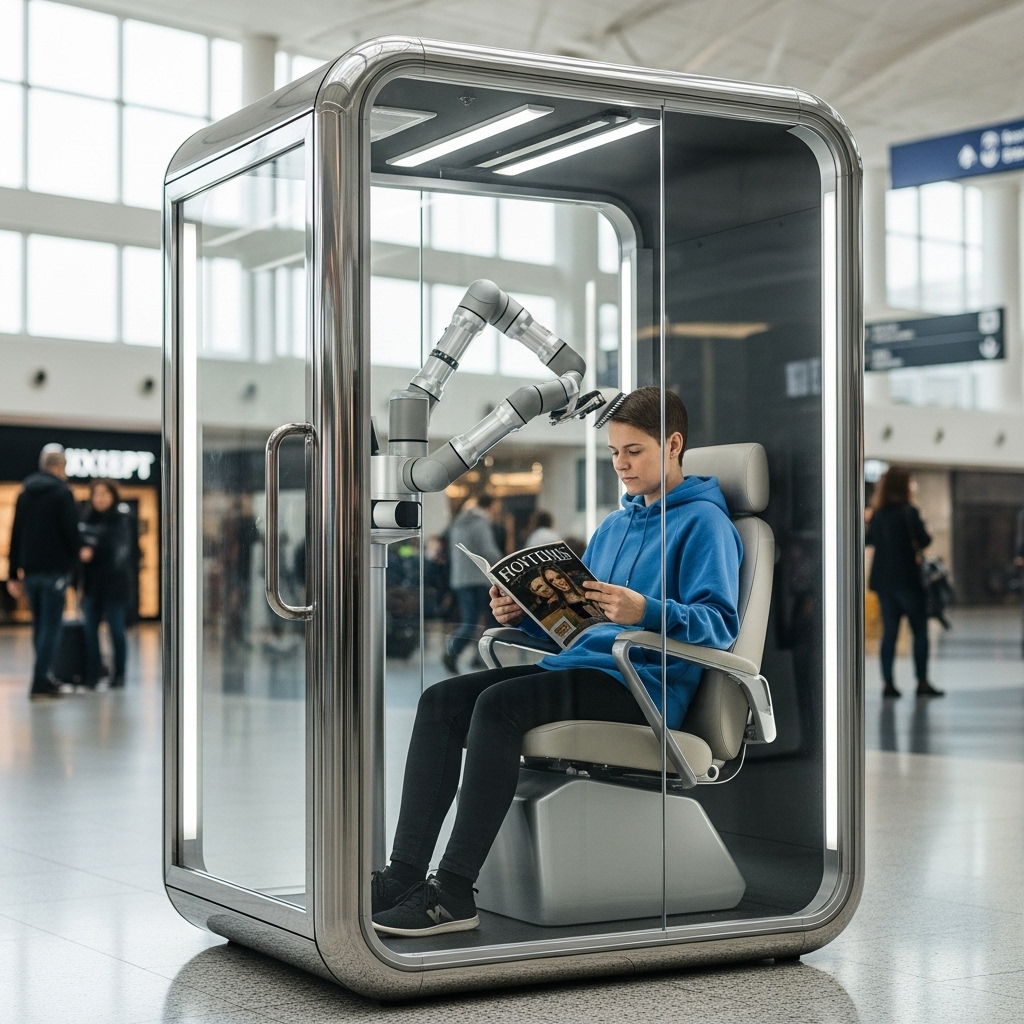
Conversely, this technology could also increase accessibility. Robotic systems could make high-quality, consistent cuts available in “hair care deserts” or areas with a shortage of skilled stylists. They could also be deployed on a smaller scale, like in apartment buildings or office complexes, offering convenience we’ve never seen before. The economic model will be disruptive, forcing a reevaluation of service pricing and the value we place on human versus automated labor.
The Verdict: Are Human Stylists Becoming Obsolete?
The short answer is no. The soul of hairdressing—the artistry, the empathy, the transformative power of a confident new look—is inherently human. A robot can execute a predetermined style, but it cannot yet dream one up. It can’t calm a nervous client, share in their excitement, or celebrate a life event with them. The relationship is the core of the service, not just the mechanical act of cutting hair.
The hair care robot is not a replacement; it is a powerful new tool. It is the evolution of the shears, the brush, and the blow dryer. It will change the industry, pushing human stylists to hone their most irreplaceable skills while handing off the tedious, precise tasks to a machine that does them perfectly. The salon of the future won’t be devoid of people. It will be a place where human creativity is amplified by robotic precision, leading to results we can only begin to imagine. The future of hair care isn’t human versus machine. It’s human and machine, working together to make everyone more beautiful.

