
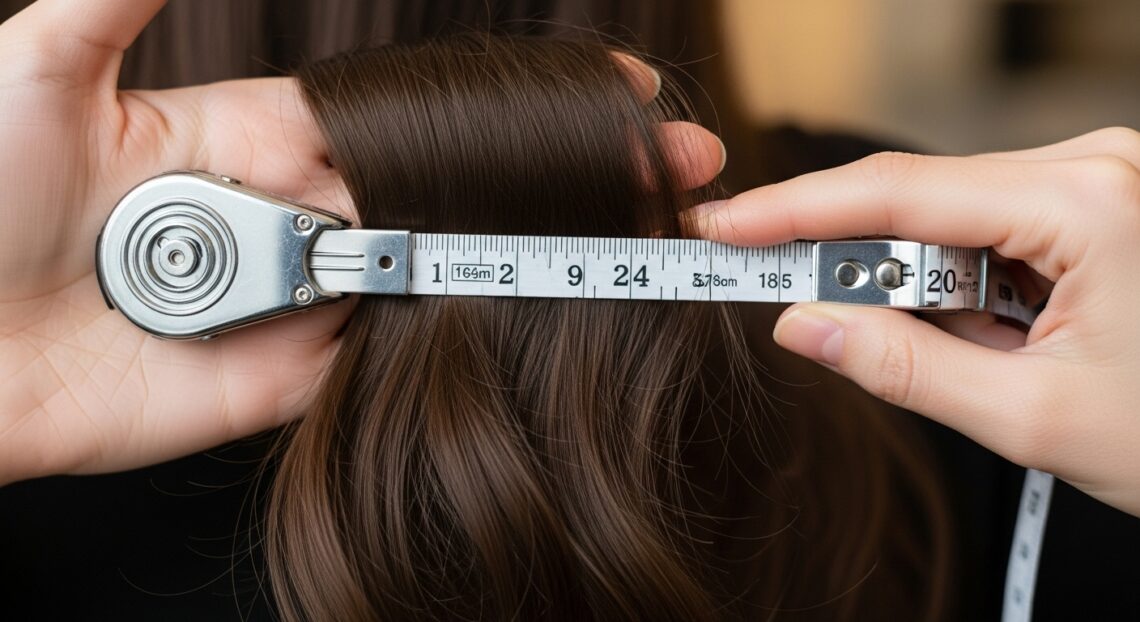

Are you tired of waiting endlessly for your hair to grow? Whether you’re recovering from a haircut, growing out layers, or just aiming for longer, healthier locks, tracking your progress can be a game-changer. A hair growth tracker not only helps you stay motivated but also provides valuable insights into what works best for your hair.
In this guide, we’ll walk you through creating a personalized hair growth tracker that keeps you engaged and excited about your journey. Say goodbye to frustration and hello to measurable progress!
Why Tracking Hair Growth Matters
Hair grows at an average rate of half an inch per month, but factors like genetics, diet, and hair care routines can influence this. Without tracking, it’s easy to feel like nothing is happening—even when real progress is being made.
Here’s why a hair growth tracker works:
1. Motivation Boost: Seeing tangible progress keeps you committed to your routine.
2. Identify Patterns: Track what habits (like scalp massages or supplements) accelerate growth.
3. Avoid Setbacks: Notice if certain products or treatments cause breakage.
How to Create Your Hair Growth Tracker
You don’t need fancy tools—just consistency and a method that works for you. Here are three simple ways to track your hair growth:
1. The Photo Journal Method
Photos provide the most visual evidence of growth. Follow these steps:
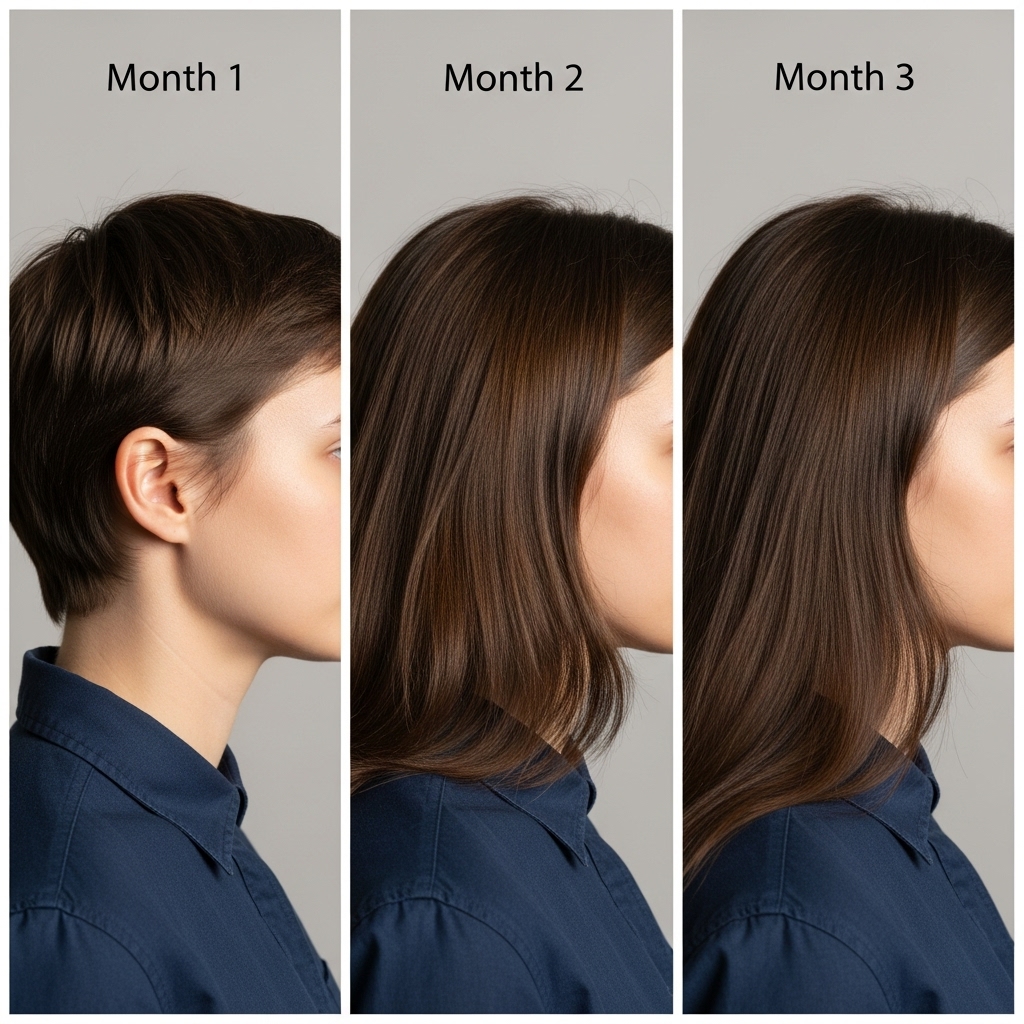
Step 1: Take a clear photo of your hair from the same angle every month (e.g., side profile or back view).
Step 2: Use a ruler or measuring tape in the photo for scale.
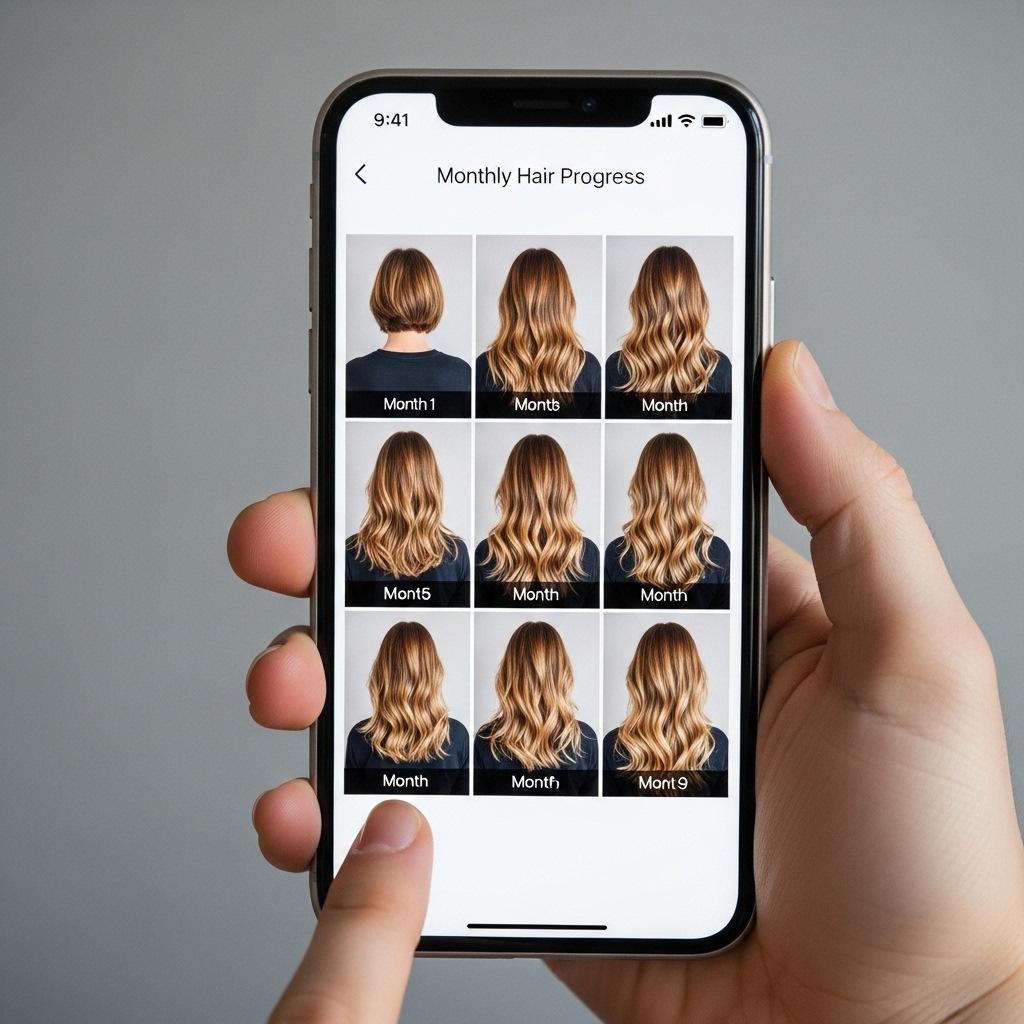
Step 3: Store photos in a dedicated folder or app (like Google Photos or Evernote) with dates.
2. The Measurement Log
For precision, measure your hair monthly:
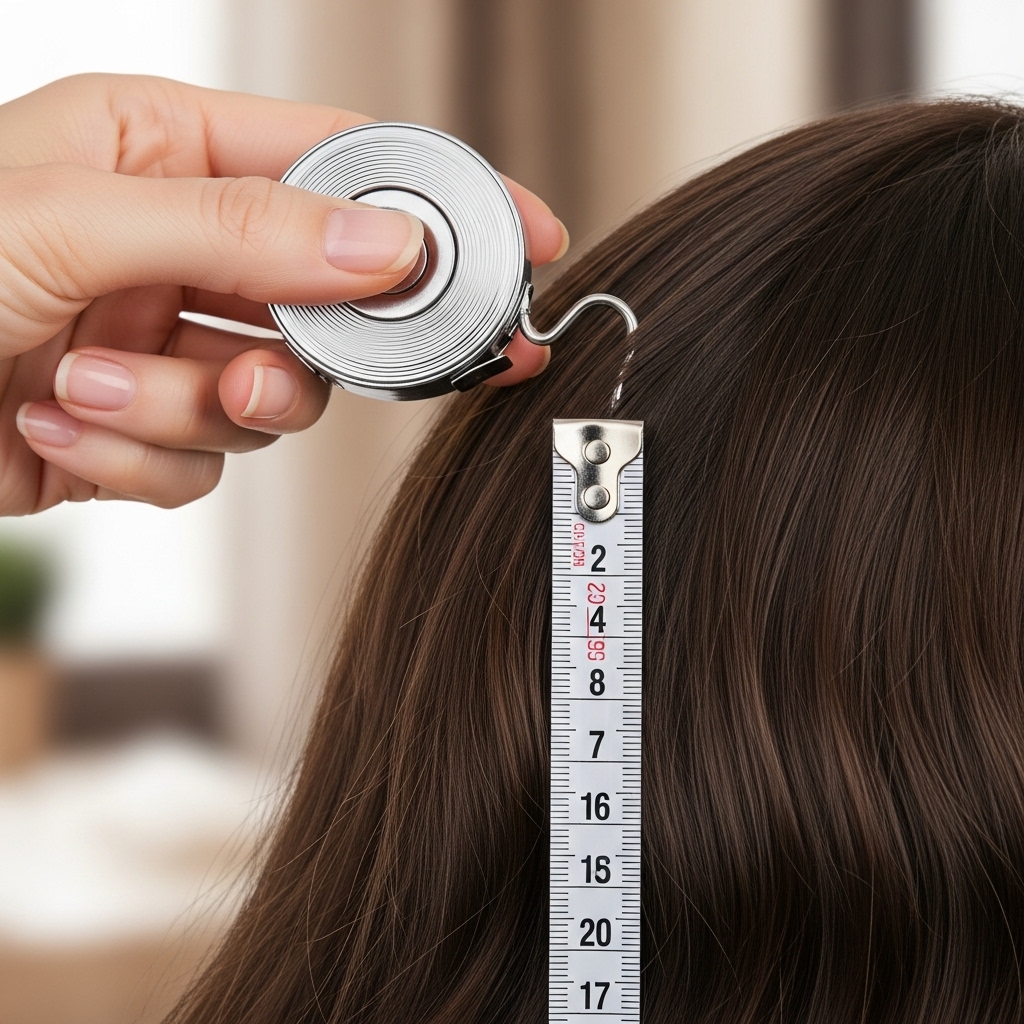
Step 1: Choose a starting point (e.g., the crown of your head or the nape of your neck).
Step 2: Use a flexible tape measure to record the length in inches or centimeters.
Step 3: Log the measurements in a notebook, spreadsheet, or hair growth app.
Tip: Measure on the same day each month for consistency.
3. The Hair Growth Journal
Combine photos, measurements, and notes for a holistic approach:
What to Include:
– Monthly length measurements
– Photos (front, back, and sides)
– Notes on hair care routines (shampoos, oils, treatments)
– Lifestyle factors (diet, stress levels, supplements)

Tips to Maximize Hair Growth
While tracking progress, optimize your routine with these science-backed tips:
1. Scalp Massages: Stimulate blood flow to encourage growth.
2. Balanced Diet: Eat protein-rich foods, vitamins (A, C, D, E), and minerals (iron, zinc).
3. Avoid Heat Damage: Limit blow-drying and straightening to prevent breakage.
4. Trim Regularly: Small trims every 8-12 weeks prevent split ends.

Staying Motivated Through Plateaus
Hair growth isn’t always linear. If you hit a plateau:
Revisit Your Tracker: Compare past months to remind yourself how far you’ve come.
Adjust Your Routine: Try a new supplement or deep-conditioning treatment.
Celebrate Small Wins: Even a 0.5-inch gain is progress!

Final Thoughts
Creating a hair growth tracker turns an invisible process into a rewarding journey. Whether you prefer photos, measurements, or a detailed journal, consistency is key. Remember, healthy hair growth takes time—but with the right tools, you’ll stay motivated every step of the way.

